
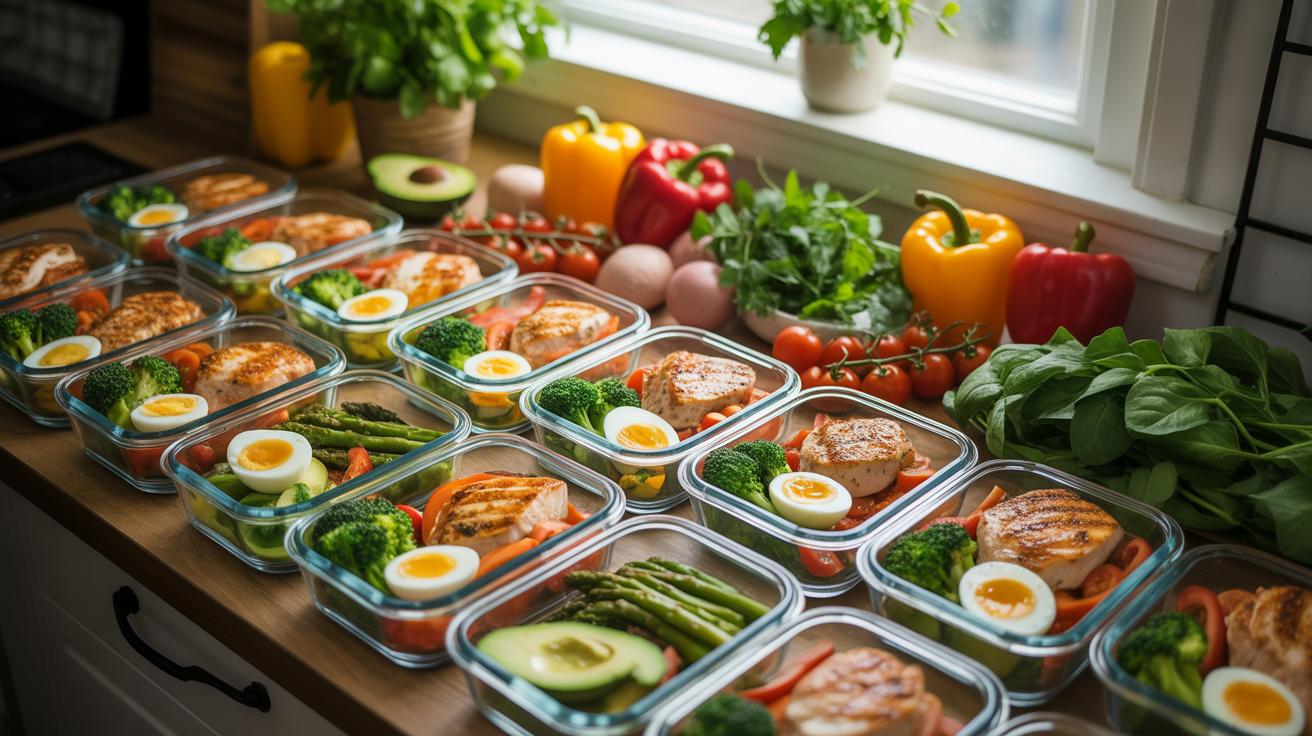
Why High Protein Low Carb Meal Prep Works For Fat Loss
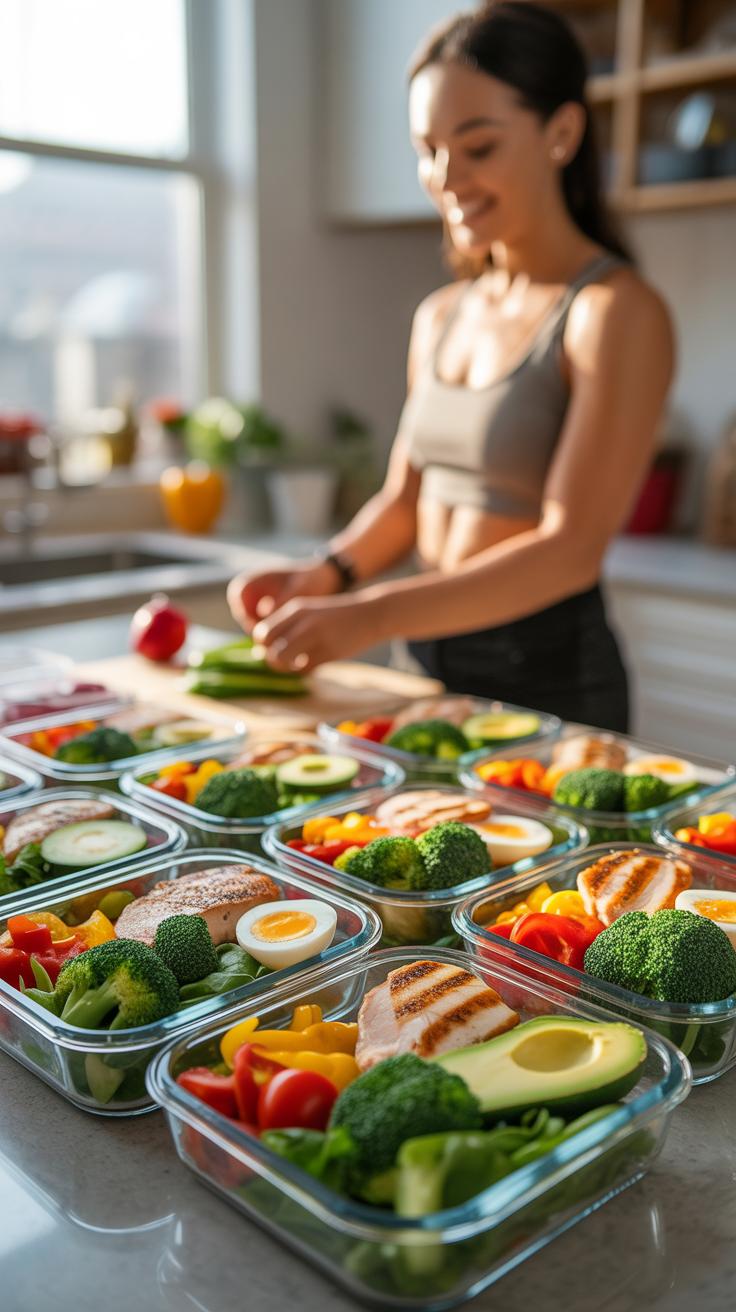
The Science Behind Protein Carbohydrate Reduction And Body Fat
Protein has a high thermic effect of food. Your body burns more calories digesting protein than it does fat or carbohydrates. This metabolic advantage speeds up fat loss naturally. High protein intake also preserves lean muscle tissue during a calorie deficit. Maintaining muscle keeps your resting metabolic rate high. This ensures your body burns energy even when you are not exercising or moving.
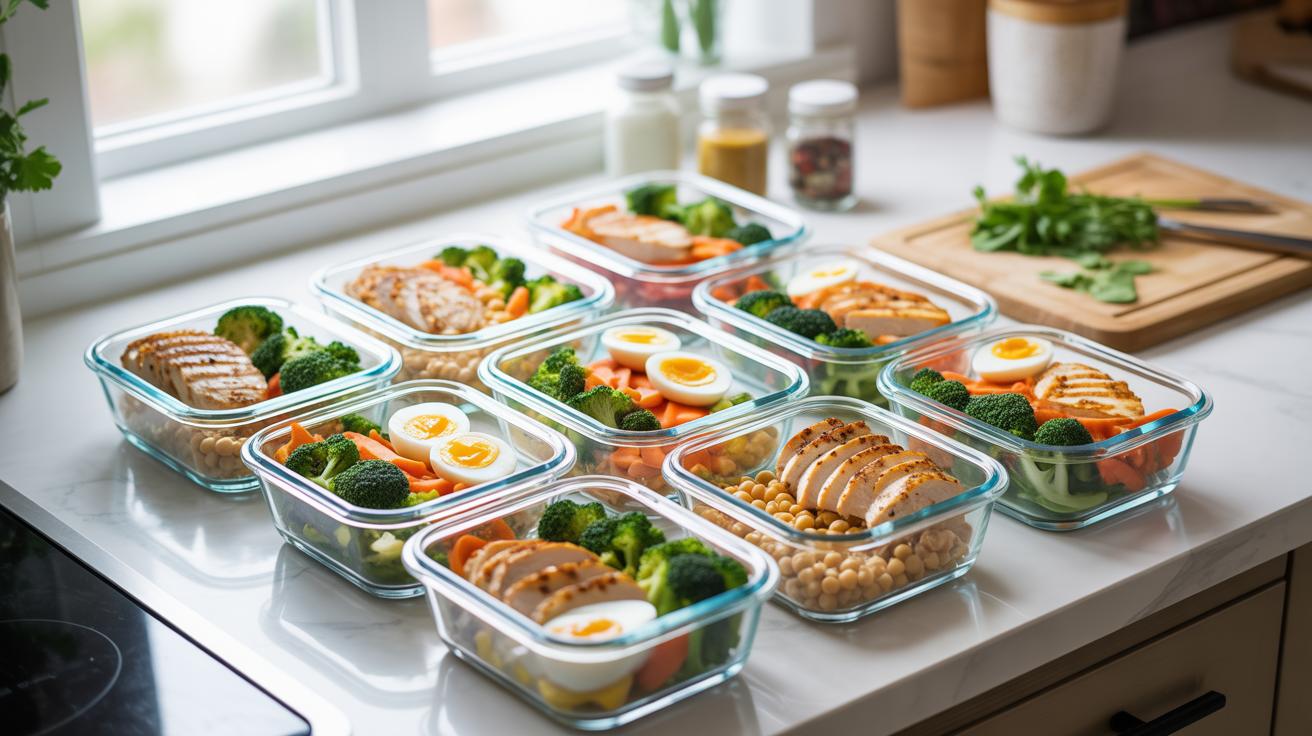
Reducing carbohydrates lowers insulin levels in the bloodstream. Insulin is a storage hormone that prevents the breakdown of body fat. Lower insulin levels allow the body to access stored fat for fuel more efficiently. This process forces the body to switch from burning glucose to burning fatty acids. You achieve steady energy levels without the typical blood sugar spikes and crashes found in high carb diets.
How Meal Prepping Removes Daily Decision Fatigue And Supports Consistency
Decision fatigue ruins diets. Every choice you make throughout the day drains your willpower. By evening you are more likely to choose convenient processed foods over healthy options. Meal prepping eliminates these mid-day choices entirely. You decide what to eat once per week during your cooking session. This locking in of decisions protects you from making poor food choices when you are tired.
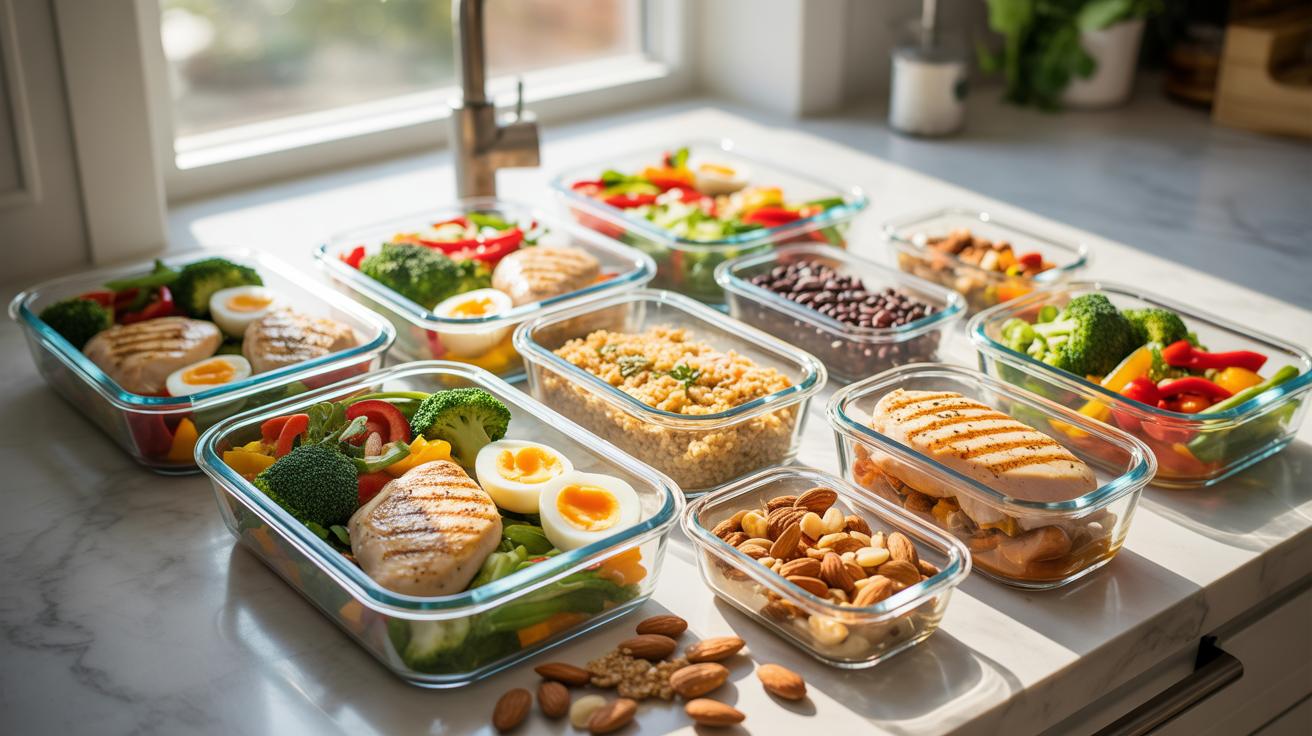
Consistency is the only metric that matters for long term fat loss. Prepping your meals ensures that your macronutrient ratios remain accurate every single day. You remove the guesswork involved in tracking calories on the fly. Having ready meals prevents the urge to order takeout when life gets busy. This tactical preparation creates a structured environment where fat loss becomes an automated outcome of your schedule.
Best High Protein Meal Prep How To Set Up Your Kitchen For Success
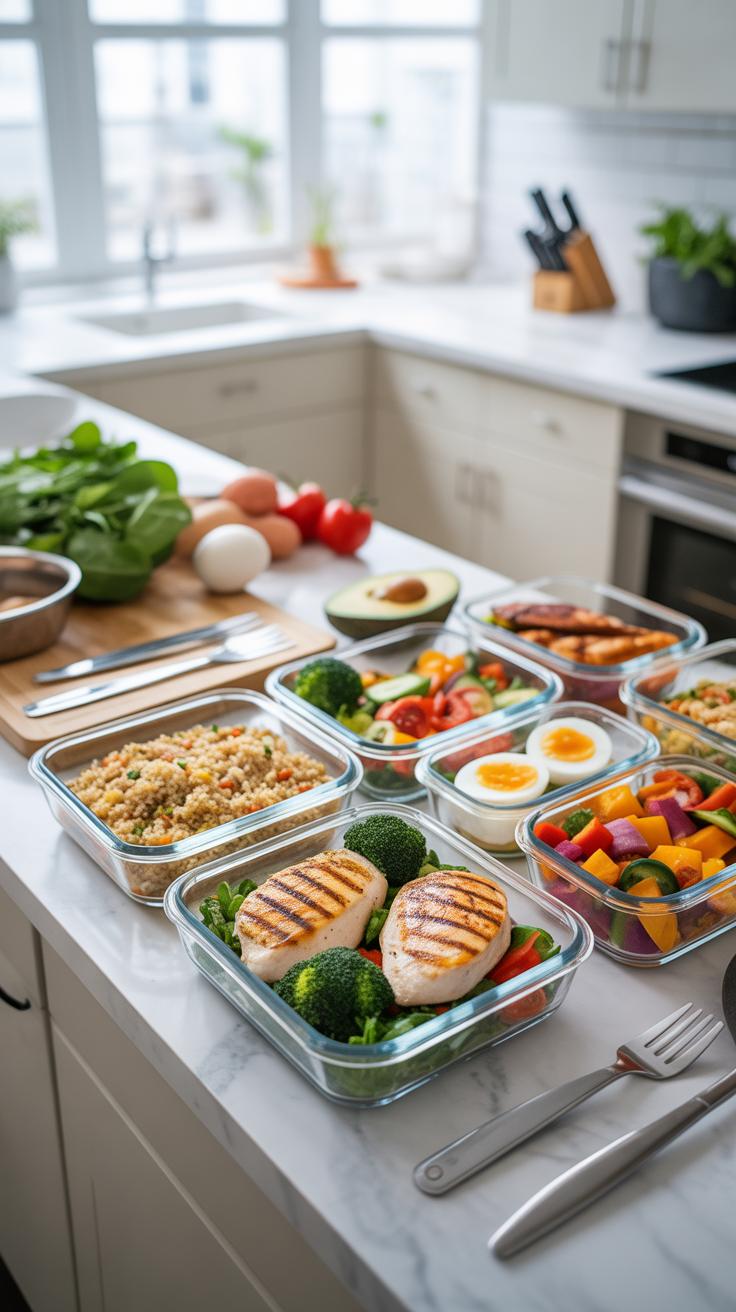
Essential Containers, Tools, And Storage Equipment You Actually Need
Efficiency in the kitchen depends on the quality of your gear. Most people fail because they use cheap plastic that warps or leaks. High protein meals often require reheating, so your containers must withstand high temperatures without leaching chemicals. Invest in heavy-gauge tools that reduce cooking time. You need a setup that allows for bulk processing and rapid cleanup.
- Boricilicate Glass Containers: These containers handle extreme temperature shifts from the freezer to the oven without cracking. Glass does not absorb food odors or stains from acidic sauces. High-quality lids with silicone gaskets ensure an airtight seal to prevent protein oxidation.
- Digital Kitchen Scale: This tool is the only way to ensure accurate protein tracking. Volume measurements like cups and spoons are often inaccurate for dense foods like grilled chicken. A scale provides precision down to the gram for consistent fat loss results.
- Heavy Bottom Cast Iron Skillet: High heat retention is necessary for searing large batches of meat quickly. A seasoned cast iron surface provides a natural non-stick finish without synthetic coatings. It allows you to move proteins from the stovetop directly into the oven.
- Stainless Steel Baking Sheets: Large rimmed sheets allow you to roast multiple pounds of vegetables and proteins at once. Choose heavy-duty pans that resist warping under high heat. This equipment is essential for the sheet-pan method which saves significant time during prep.
- Vacuum Sealer: Removing oxygen from storage bags prevents freezer burn on bulk meat purchases. This tool extends the shelf life of raw and cooked protein by months. It allows you to buy in bulk and lock in freshness immediately after processing.
Beyond storage, your cutting tools dictate the speed of your workflow. A sharp eight-inch chef knife reduces physical fatigue during heavy vegetable chopping. Keep a large wooden cutting board to protect your blade edge and provide ample workspace. This combination allows you to process high volumes of food in a single session. Fast prep leads to consistent adherence to your dietary goals.
How To Organize Your Fridge And Freezer To Keep Prepped Meals Fresh Longer
Smart organization prevents food waste and keeps high protein meals edible for the full week. Position your newest meals at the back of the fridge and move older containers to the front. This first-in, first-out method is a standard professional kitchen practice. Maintain your refrigerator temperature at or below forty degrees Fahrenheit to inhibit bacterial growth on cooked meats.
Store cooked proteins on the middle shelves where the temperature is most stable. Avoid keeping dairy or eggs in the door because that area experiences frequent temperature swings. Label every container with the date and contents using a permanent marker on painter’s tape. Clear labeling removes guesswork during a busy week. Proper spacing between containers allows cold air to circulate and cools food rapidly.
Healthy Meals Low Carb High Protein Building Your Macro Blueprint
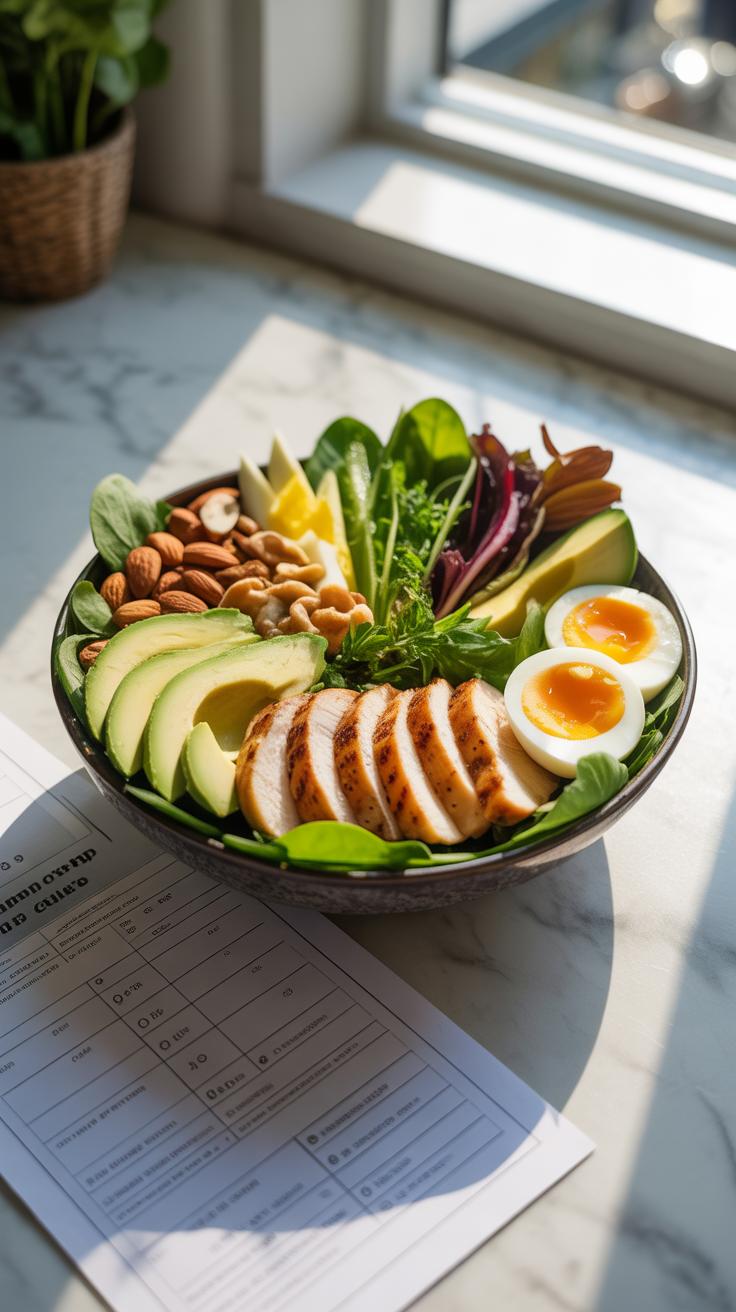
How To Calculate Your Daily Protein And Carbohydrate Targets For Fat Loss
Fat loss requires a specific protein intake to protect lean muscle tissue while in a calorie deficit. Multiply your goal body weight by one gram to find your daily protein target. This number ensures you stay full and maintain your metabolic rate. Aim for thirty to fifty grams of protein at every meal. This consistency keeps muscle protein synthesis active throughout the entire day.
Keep net carbohydrates between twenty and fifty grams daily to achieve nutritional ketosis for faster fat loss. Calculate net carbs by subtracting fiber from total carbohydrate counts on food labels. Focus on leafy greens and cruciferous vegetables rather than grains or sugars. This approach stabilizes blood glucose and lowers insulin levels. Controlling insulin allows your body to access stored body fat for fuel more efficiently.
Understanding The Role Of Dietary Fat When Carbohydrates Are Reduced
Dietary fat becomes your primary energy source when you restrict carbohydrates. You must consume enough healthy fats to fuel your brain and hormonal systems. Choose whole food sources like avocados, nuts, and olive oil. Avoid processed seed oils that cause inflammation. Proper fat intake prevents the energy crashes common in low calorie diets. It also helps your body absorb vital fat soluble vitamins.
Balance is critical because fat contains nine calories per gram. Do not overconsume fats even though they are low carb. High protein intake must remain the priority for tissue repair. Use fat as a lever to control hunger between your scheduled meals. If you feel sluggish, increase healthy fats slightly. If weight loss stalls, reduce added fats like butter or heavy creams. Adjust these levels based on your weekly progress.
Meal Ideas Low Carb The Best Protein Sources To Build Every Meal Around
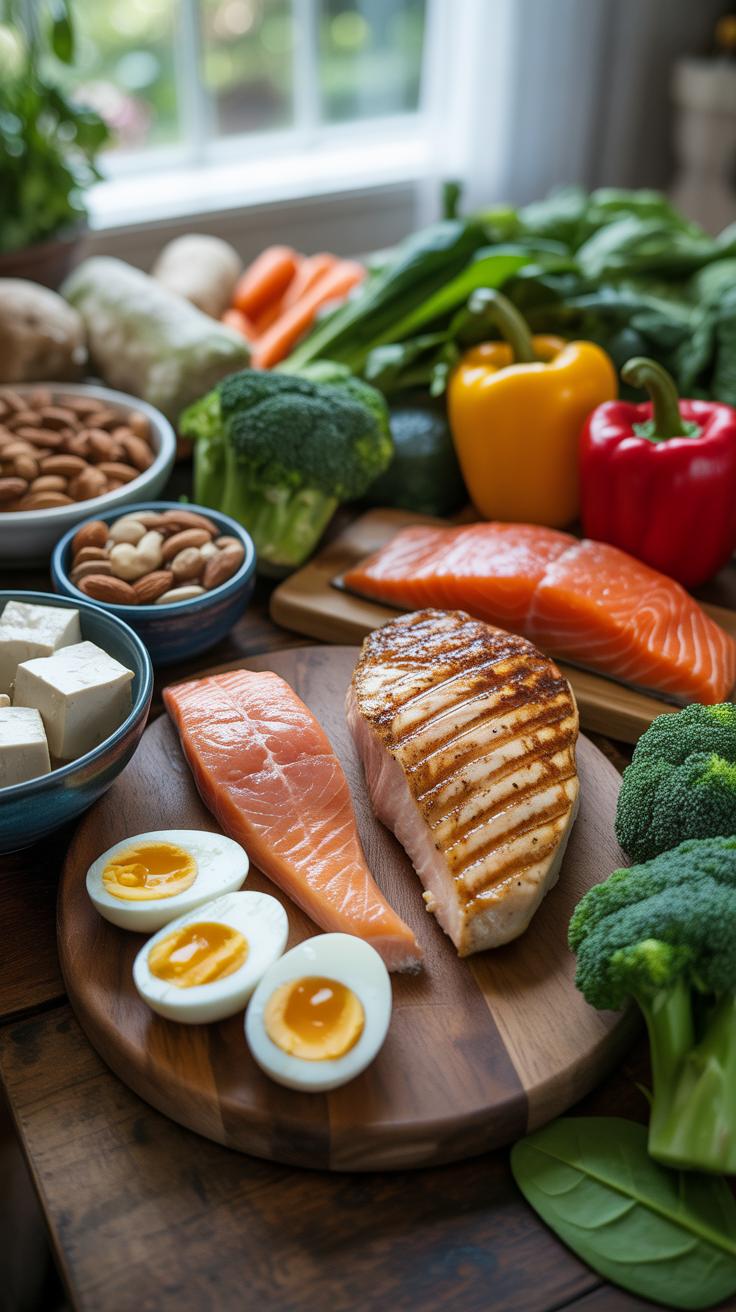
Animal Based Proteins: Chicken, Turkey, Eggs, Salmon, And Lean Beef Explained
Animal proteins provide all essential amino acids for muscle retention during fat loss. Chicken breast and turkey offer the highest protein density with minimal fat. Lean beef provides iron and zinc to support metabolic health. Select cuts like top sirloin or flank steak to keep caloric intake low. These sources contain zero carbohydrates. This allows for total control over daily macronutrient targets during meal prep.
Salmon adds healthy omega 3 fatty acids which reduce inflammation. Eggs serve as a versatile protein base for breakfast or snacks. One large egg contains roughly six grams of protein. Batch cooking these proteins saves time and ensures consistency. Proper seasoning provides flavor without adding sugar or starch. Always weigh meat after cooking for accurate tracking. High quality animal protein is the most efficient way to hit daily targets.
Plant Based High Protein Options That Keep Carbohydrates Genuinely Low
Vegetarian proteins often contain high carbohydrate counts that stall fat loss. You must select specific sources to keep insulin levels low. Tempeh and extra firm tofu are the primary choices for this strategy. They provide high protein yields with fiber and minimal impact on blood sugar. Avoid processed meat substitutes that contain wheat flour or potato starch. These fillers add hidden carbs to your diet.
Seitan is another powerful tool because it consists almost entirely of wheat gluten. It has a texture similar to meat and absorbs flavors well during meal prep. Hemp seeds and pumpkin seeds add protein density to salads or yogurt. Each serving provides healthy fats and essential minerals. Always check labels for added sugars in plant based milks. Focus on whole soy and seeds to maintain a strict low carb profile.
Clean Protein Recipes Simple High Protein Low Carb Meals You Can Prep In Bulk
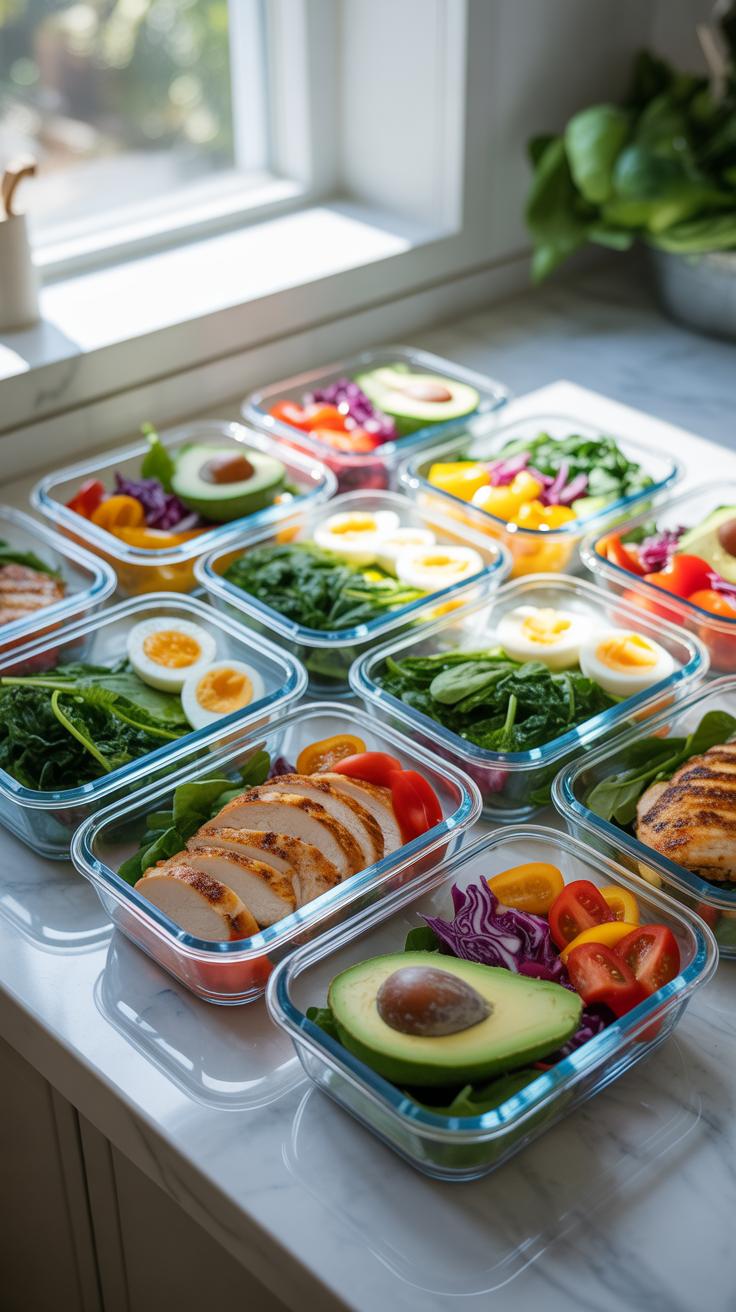
Sheet Pan And One Pot Protein Meals That Scale Easily For A Full Week
Sheet pan cooking maximizes efficiency for mass protein production. Place large quantities of chicken thighs, salmon fillets, or lean beef strips on heavy duty pans. Surround the protein with low carb vegetables like broccoli or peppers. Set your oven to a high temperature to ensure fast cooking. This method keeps the kitchen clean and allows for precise portion control across several days.
One pot methods offer similar benefits for liquid based meals. Use a large slow cooker or Dutch oven to braise tough cuts of meat. Beef chuck or pork shoulder breaks down over several hours into tender shreds. These dishes stay moist during reheating better than grilled meats. You can produce ten to twelve servings at once with minimal active labor. This strategy ensures consistent nutrition throughout the week.
How To Season And Vary Bulk Prepped Proteins So Meals Never Feel Repetitive
Avoid seasoning your entire batch of protein with one flavor profile. Cook the meat with basic salt and pepper to establish a neutral base. Divide the cooked protein into separate containers before adding specific spices or low calorie sauces. Use dry rubs for half the batch and vinegar based marinades for the rest. This tactical shift prevents taste fatigue without requiring you to cook multiple separate meals.
Alternate your vegetable pairings to change the texture of each meal. Combine shredded chicken with buffalo sauce and celery for one day. Mix the same chicken with pesto and zucchini noodles for the next meal. Fresh herbs added just before eating provide a high impact flavor change. These small adjustments keep your palate engaged. Consistent variety supports long term adherence to your fat loss goals and nutritional requirements.
High Protein Low Carb Recipes A Full 7 Day Meal Prep Plan For Fat Loss
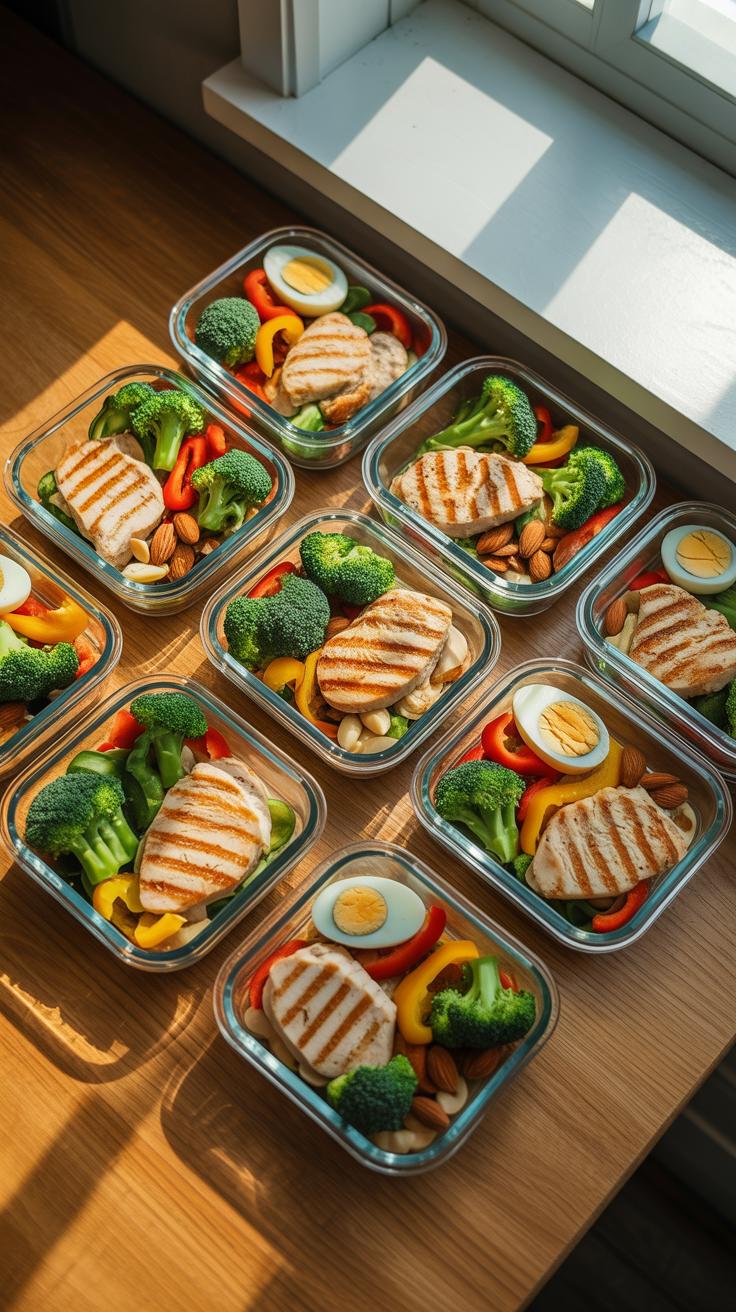
Day By Day Breakfast Lunch And Dinner Breakdown With Practical Portion Guidance
Monday through Thursday focuses on batch-cooked proteins and fibrous greens. Breakfast consists of three large eggs scrambled with spinach and one ounce of feta cheese. Lunch centers on six ounces of grilled chicken breast paired with two cups of roasted broccoli. Dinner features seven ounces of baked salmon and grilled asparagus. This rotation ensures high amino acid intake while keeping net carbohydrates under thirty grams daily.
Friday through Sunday utilizes remaining prep ingredients to prevent food waste. Breakfast shifts to a crustless quiche made with egg whites and ground turkey. Lunch provides a cold tuna salad using Greek yogurt instead of mayonnaise to maintain lean protein ratios. Dinner concludes with a lean grass-fed beef stir-fry using bell peppers and bok choy. Maintain four to six ounce protein portions to stabilize blood sugar levels throughout the week.
How To Adapt The 7 Day Plan To Your Calorie Needs Without Losing Its Structure
Scale your fat sources to adjust total energy intake without altering the core protein base. If you need more calories, add one half of an avocado or a tablespoon of olive oil to your existing meals. If you must reduce calories, trim the added fats first while keeping your protein grams constant. This method protects your muscle mass. It ensures you stay in a deficit without feeling hungry between your scheduled meals.
Adjust portion sizes of non-starchy vegetables to manage volume and satiety. High-volume eaters should double the intake of leafy greens or cauliflower to fill the stomach. Those with lower caloric requirements should maintain the primary protein target of thirty to forty grams per meal. This consistency preserves the thermic effect of food. Use a digital scale for accuracy. Tracking your specific oil and nut intake prevents hidden calories from stalling your progress.
Keto Recipes Dinner High Protein Evening Meals That Support Overnight Fat Burning
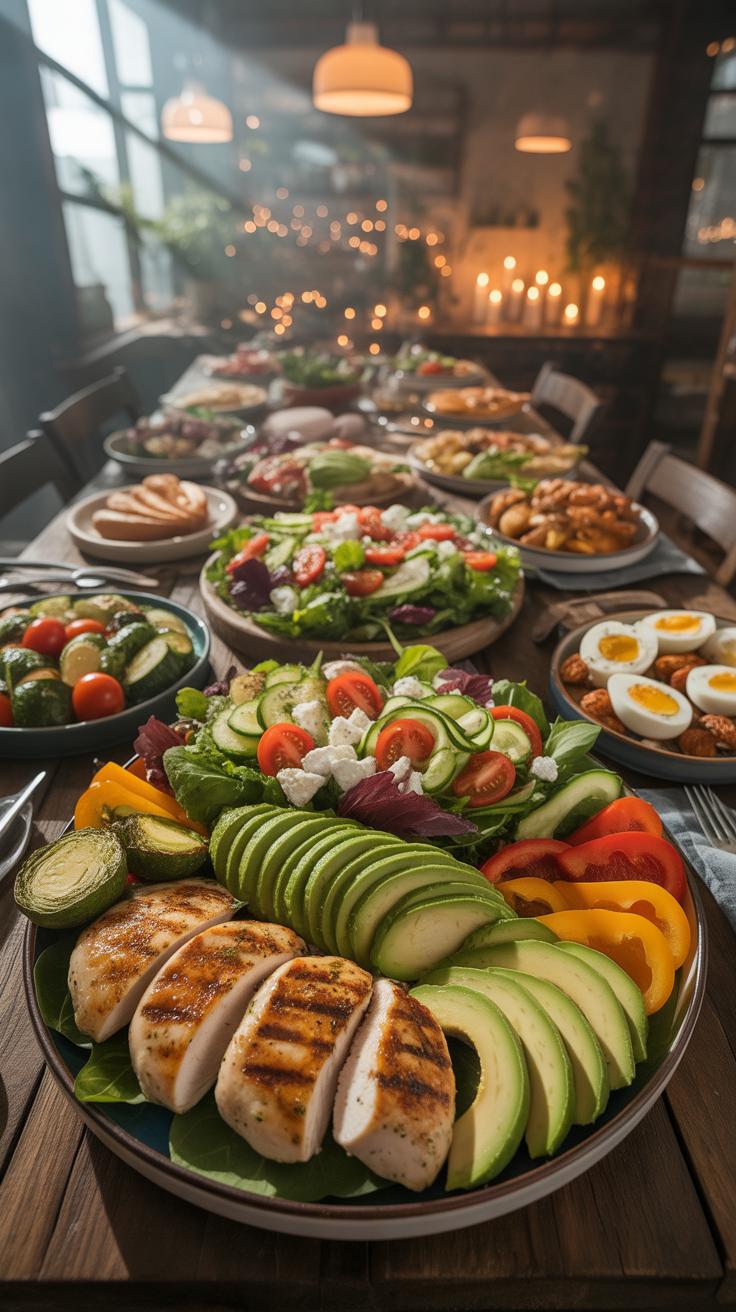
Why Your Dinner Macro Balance Matters More Than Most People Realize
Evening macro ratios determine how your body handles insulin during sleep. Consuming high carbohydrates late at night spikes blood glucose levels and halts lipid oxidation. A high protein and low carb dinner keeps insulin low. This state allows the body to access stored adipose tissue for energy throughout the night. Focus on lean proteins and fibrous vegetables to maximize this metabolic effect.
Proper dinner timing and composition also influence growth hormone secretion. This hormone aids muscle repair and fat mobilization during deep sleep cycles. Excessive sugar intake before bed blunts this natural process. Prioritizing protein ensures a steady supply of amino acids for tissue recovery. By keeping carbohydrates minimal, you force the body to remain in a fat-burning state until breakfast. This strategy accelerates total daily fat loss.
To live a full life, you must first nourish the body with the simple, strength-giving foods that nature intended. Preparing your meals with care is the greatest act of kindness you can show your future self.
— Julia Child
Prepped Keto Friendly Dinner Ideas That Are Satisfying, Fast, And Family Approved
Successful meal prep requires proteins that retain moisture when reheated. Chicken thighs and ground beef are superior to lean breasts for evening meals because they do not dry out. Combine these with cruciferous vegetables like roasted broccoli or cauliflower rice. These ingredients provide bulk and micronutrients without adding significant calories. Use healthy fats like olive oil or avocado to increase satiety and prevent late-night cravings.
Batch cooking protein sources on Sundays reduces the friction of weekday cooking. Slice grilled steak or slow-cooked pork for quick assembly into bowls or salads. Avoid sugary bottled sauces that hide carbohydrates and stall progress. Instead, use dry rubs and vinegar-based marinades to add flavor profile variety. This approach keeps meals interesting for the whole family while sticking to strict nutritional targets. Efficient prep ensures you never choose fast food.
Health Low Carb Meals Smart Vegetable Pairings That Maximize Nutrition Without Spiking Carbs
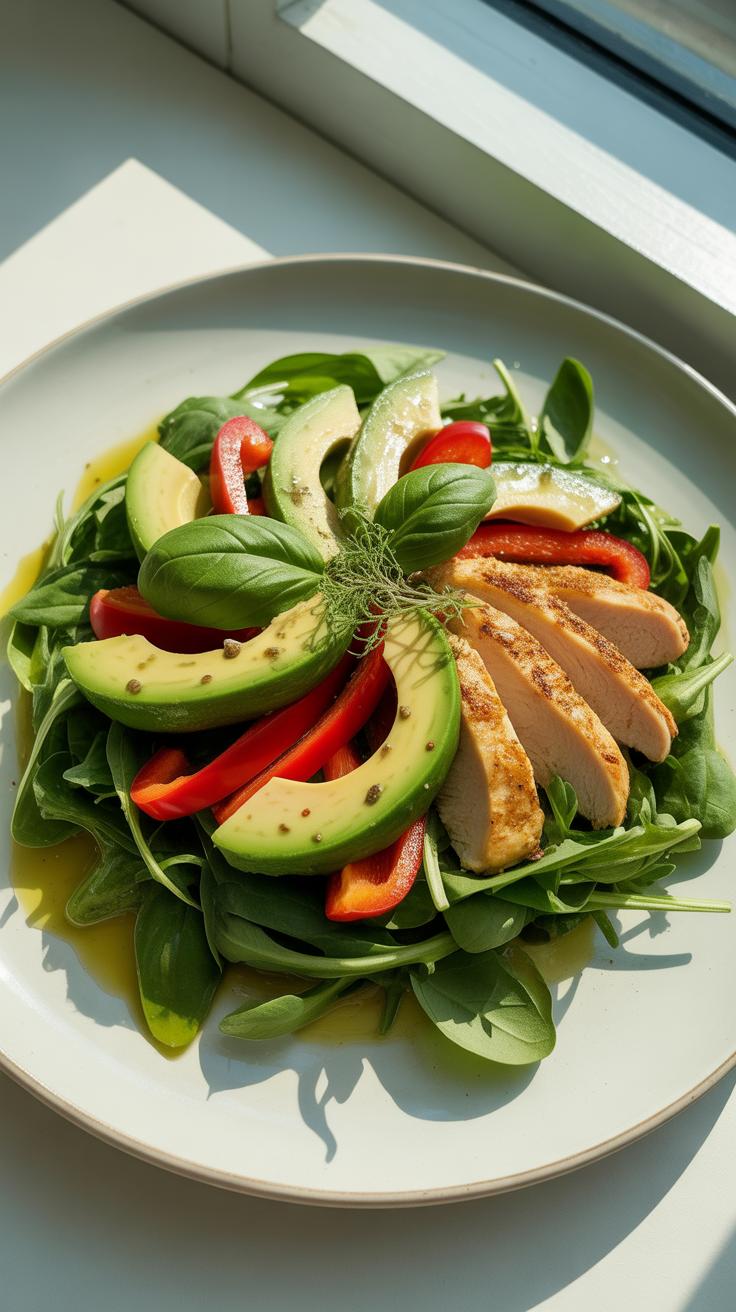
The Best Non Starchy Vegetables To Bulk Up Your Meals And Keep You Fuller Longer
Successful fat loss requires high volume eating to trigger mechanical fullness. Non-starchy vegetables provide this volume with minimal caloric impact. These plants contain high water content and indigestible fiber. This combination slows gastric emptying and keeps blood sugar stable. You must select vegetables that offer the highest fiber-to-carb ratio to maintain ketosis or a low-carb state. Focus on these specific options daily.
- Leafy Greens: Spinach and kale offer significant volume with almost zero net carbs. These greens provide essential micronutrients like magnesium and vitamin K. Use them as a base for every protein dish to increase satiety without adding meaningful calories or digestive stress.
- Cruciferous Vegetables: Broccoli and cauliflower are essential for meal prepping due to their structural integrity. They contain glucosinolates which support detoxification pathways. Their dense fiber content requires more chewing and slows down the eating process to help signal fullness to the brain.
- Zucchini: This squash acts as a high-volume replacement for traditional grain-based noodles. It has a high water content and neutral flavor profile. It absorbs the juices from your cooked proteins and fats. This makes it a perfect tactical tool for adding bulk to bowls.
- Bell Peppers: Peppers provide necessary crunch and vitamin C while remaining relatively low in sugar. Stick to green peppers for the lowest carb count possible. They withstand the reheating process better than thinner vegetables. This makes them a reliable staple for weekly meal containers.
- Asparagus: These stalks act as a natural diuretic to help reduce water retention during fat loss phases. Asparagus contains asparagine which supports kidney function. It pairs efficiently with steak or salmon. The prebiotic fiber in asparagus also feeds beneficial gut bacteria for better digestion.
Pairing these functional vegetables with lean proteins creates a thermic effect. Your body burns more energy digesting these fibrous structures compared to simple sugars. Strategic vegetable selection prevents the hunger pangs often associated with caloric deficits. Do not rely on small portions of starch. Fill at least half of your meal prep container with these specific high-volume greens to ensure long-term dietary adherence and steady fat loss.
How To Prep And Store Vegetables Alongside Proteins To Save Time During The Week
Efficiency in the kitchen depends on how you manage moisture and temperature. Never store wet vegetables with cooked proteins as this leads to bacterial growth and soggy textures. Roast heartier vegetables like broccoli and peppers on the same sheet pan as your chicken or beef. This allows the vegetables to absorb the rendered fats for better flavor. Keep delicate greens in a separate dry container until you are ready to eat.
Use airtight glass containers to maintain the crispness of your prepared vegetables. Cooling your cooked components completely before sealing the lid prevents steam from forming. Excess steam turns your fiber into mush during the reheating process. If you use a microwave, place the vegetables on top of the protein. This positioning ensures the meat heats through while the vegetables lightly steam. Consistent prep methods eliminate the friction of making healthy choices daily.
Healthy High Protein Meals Snacks And Extras That Keep You On Track Between Meals
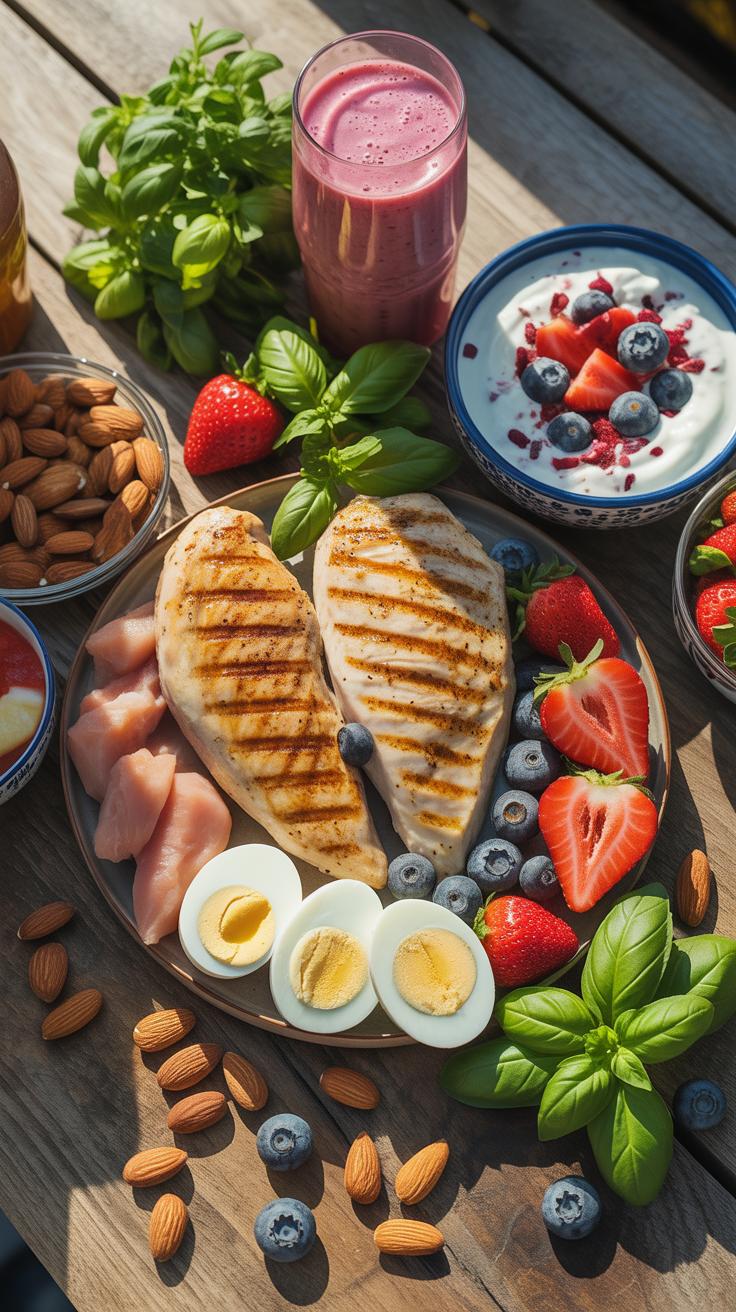
High Protein Low Carb Snack Options That Are Genuinely Satisfying And Easy To Prep
Effective snacking requires high protein density to trigger satiety hormones like peptide YY. Use hard-boiled eggs or pre-portioned deli meats for immediate access. Jerky provides shelf-stable protein but check labels for hidden sugars that spike insulin. Greek yogurt and cottage cheese offer casein protein for slow digestion. These foods prevent the muscle catabolism often seen during caloric deficits. Prepare these items in bulk every Sunday morning.
Canned tuna and salmon packets offer portable protein without the need for refrigeration. String cheese and almonds provide healthy fats that slow protein absorption. Avoid processed protein bars filled with sugar alcohols and artificial fillers. Those products often cause digestive distress and cravings. Real food sources provide micronutrients that keep your metabolism high. Pack your snacks in clear containers to ensure you see your daily portion limits.
How To Recognize True Hunger Versus Habit Eating When Following A Structured Plan
True hunger develops slowly and manifests as physical sensations in the stomach. It does not disappear after drinking water or waiting twenty minutes. Habit eating usually stems from boredom or emotional stress rather than a caloric need. Check your clock before reaching for food. If you ate a balanced meal less than three hours ago you likely face a psychological craving. Learn to distinguish these signals to protect your fat loss.
Physical hunger is flexible and allows for any protein source. Specific cravings for sweets or crunchy chips indicate habit-based eating. Drink sixteen ounces of cold water when you feel the urge to eat. Dehydration often mimics hunger signals in the brain. If the feeling persists after hydration then consume a planned high protein snack. This disciplined approach ensures your body uses stored fat for fuel instead of constant incoming calories.
High Protein Food Prep Meals Common Mistakes To Avoid And How To Stay Consistent Long Term
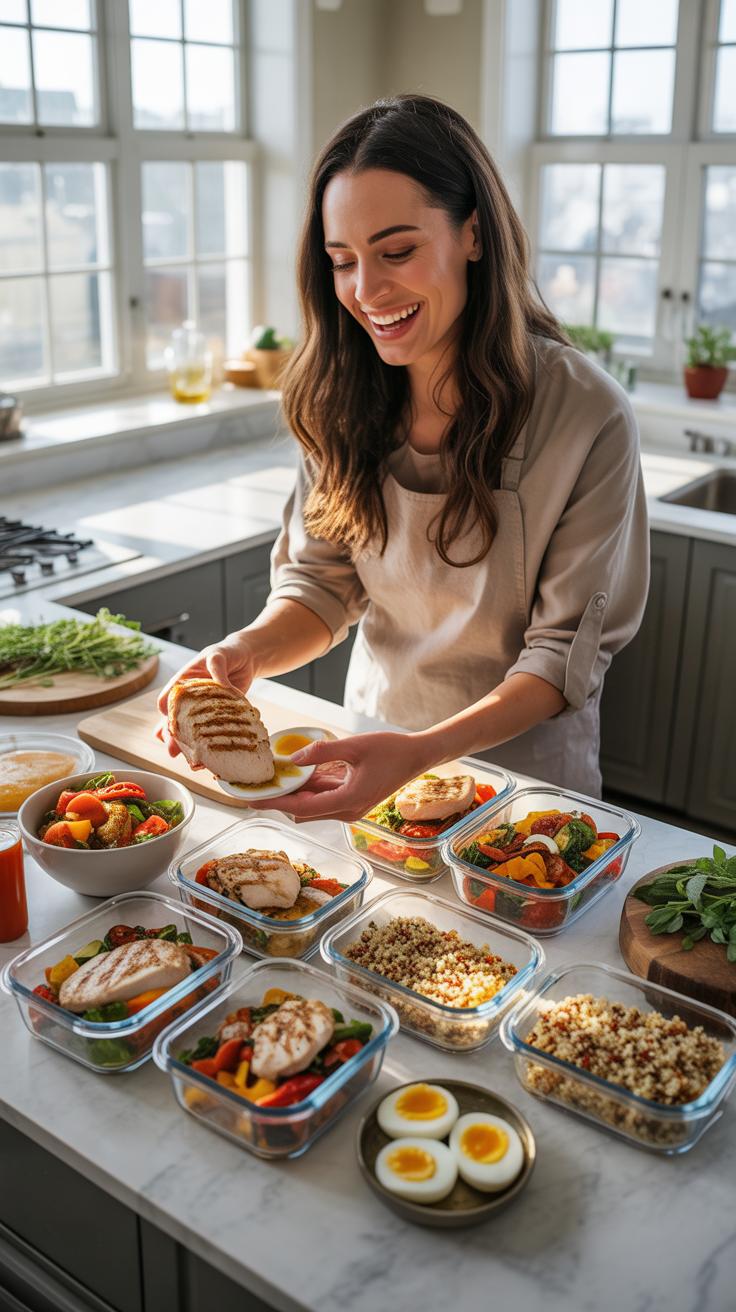
The Most Frequent Meal Prep Errors That Slow Fat Loss Progress And How To Fix Them
Many people fail because they underestimate liquid calories and hidden fats in dressings. Cooking lean proteins in heavy oils negates the metabolic advantage of a low carb diet. You must weigh your protein post-cooking to ensure accurate macronutrient tracking. Small errors in portion sizes accumulate over a week. These mistakes stall weight loss even if the food quality remains high.
Overcomplicating recipes is another major pitfall that leads to burnout. Beginners often try five new recipes in one session and quit after three hours. Stick to three primary protein sources and two vegetable bases per week. Use dry spices instead of sugar-heavy sauces to keep insulin levels low. Focus on volume and protein density to maintain satiety and preserve muscle mass during your deficit.
How To Build A Sustainable Weekly Prep Habit That Keeps Fat Loss Moving Forward
Consistency relies on a repeatable system rather than willpower. Schedule your grocery shopping and cooking on the same days every week. Use high-quality airtight containers to keep food fresh for five days. Batch cook your protein sources like chicken breast or lean beef first. Having ready-to-eat meals removes the temptation to order takeout when you are tired or pressed for time.
Prepare components rather than full recipes to avoid flavor fatigue. Keeping roasted broccoli and grilled steak separate allows for different seasoning combinations each day. This flexibility keeps the diet interesting without requiring extra kitchen time. Invest in an instant-read thermometer to avoid overcooking meat. Properly cooked protein tastes better and ensures you stick to your plan long-term. Efficiency is the key to fat loss success.
Frequently Asked Questions

What are the main benefits of starting a high protein low carb meal prep routine for fat loss?
Transitioning to a high protein low carb meal prep routine is incredibly effective for fat loss because it prioritizes satiety while stabilizing blood sugar levels. By preparing your meals in advance, you ensure that you always have nutrient-dense options available, which prevents impulsive snacking on sugary treats. This approach helps preserve lean muscle mass during a calorie deficit, giving you a toned appearance while your metabolism stays fueled and efficient throughout the week.
How can I ensure my proteins stay fresh and flavorful throughout the entire week?
To keep your high protein low carb meal prep tasting fresh, it is best to cook your proteins in batches and store them in airtight glass containers. Focus on versatile cooking methods like roasting or air-frying chicken breasts, lean beef, or tofu. To avoid “meal prep fatigue,” keep your proteins neutral and add different low-carb sauces or fresh herbs right before serving to vary the flavor profiles without adding extra carbohydrates.
Is it possible to follow a high protein diet for fat loss on a tight monthly budget?
Absolutely! You can easily maintain this lifestyle by focusing on affordable staples like eggs, canned tuna, and bulk bags of frozen chicken thighs. Buying seasonal cabbage, zucchini, and leafy greens provides high volume for very little cost. Shopping at discount grocers and purchasing your protein in family packs to freeze for later is a smart way to manage costs while staying committed to your nutritional goals without overspending.