
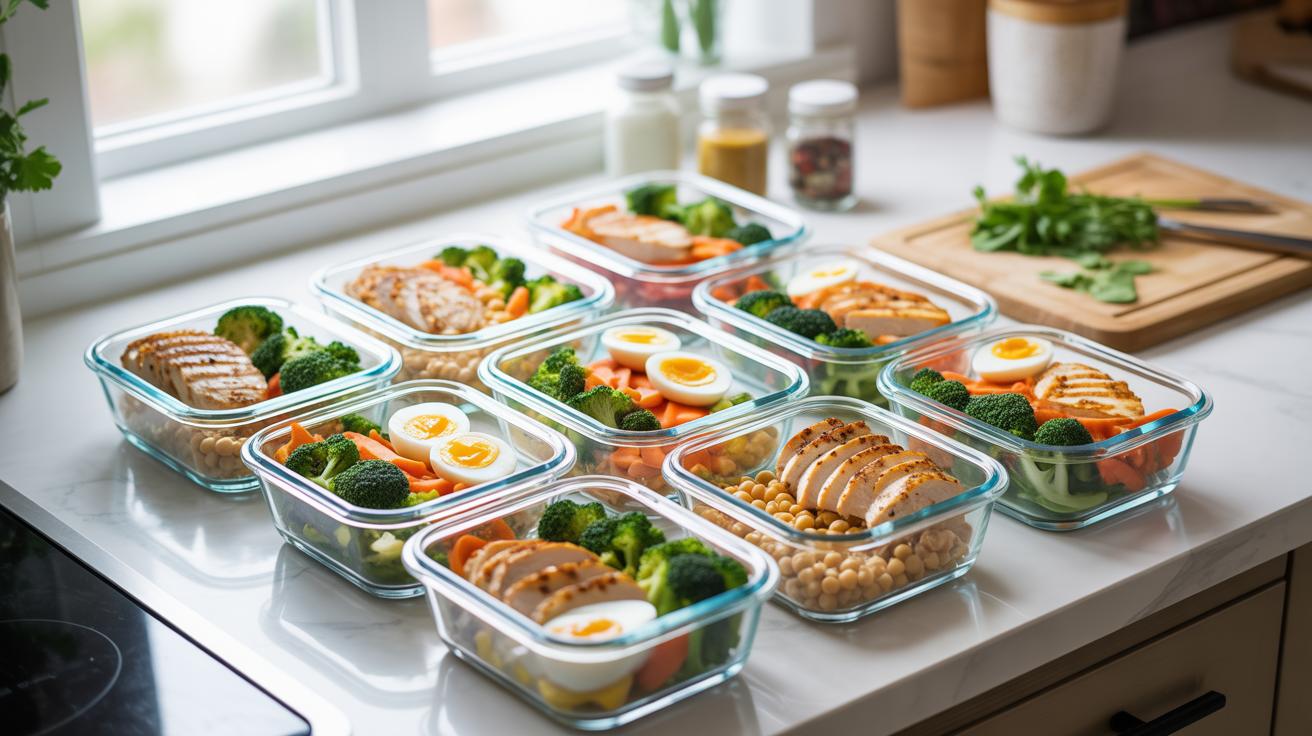
What Is A High Protein Meal Plan And Why Does It Matter

Understanding Protein’S Role In The Body
Protein serves as the primary building block for human tissue. It consists of amino acids that repair muscle fibers and support immune function. Your body cannot store protein like it stores fat or carbohydrates. This means you must consume it daily to maintain vital processes. Enzymes and hormones also rely on these amino acids to regulate your internal chemical reactions and cellular signaling.
A high protein meal plan ensures your body has a steady supply of nitrogen. This state prevents the breakdown of existing muscle tissue for energy. Different protein sources provide unique amino acid profiles. Complete proteins contain all nine essential amino acids that your body cannot produce on its own. Consistent intake supports the structural integrity of your skin, hair, and bones while maintaining overall metabolic health.
How A High Protein Diet Plan Supports Weight Management And Muscle Health
Protein intake directly influences your metabolic rate through the thermic effect of food. Your body burns more calories digesting protein than it does digesting fats or carbohydrates. This process speeds up fat loss without requiring extreme calorie restriction. High protein meals also trigger satiety hormones like cholecystokinin. These signals tell your brain that you are full, which prevents overeating and reduces frequent snacking.

Muscle health depends on a positive net protein balance. Lifting weights creates small tears in muscle fibers that need protein to heal and grow. Higher protein intake preserves lean mass while you lose body fat. This preservation keeps your resting heart rate and metabolism high. Most people find success by consuming twenty to thirty grams of protein per meal. This strategy maximizes muscle protein synthesis throughout the entire day.
How Much Protein Do You Actually Need On A Protein Diet Plan
Daily Protein Recommendations By Age Weight And Activity Level
The Dietary Reference Intake provides a baseline of zero point eight grams of protein per kilogram of body weight. This floor prevents deficiency but does not support optimal muscle growth or recovery. High protein plans require more fuel to manage tissue repair and metabolic function. Age impacts these numbers as older adults lose muscle mass quickly and need higher intake to stay mobile.
Active individuals must scale their intake based on stress placed on the body. Endurance athletes and weightlifters often require one point two to two point two grams per kilogram. This range ensures the body remains in an anabolic state during recovery periods. Sedentary people can stick to the lower end. Your activity level dictates your specific requirement more than any other factor.
Tailoring Your Protein Daily Meal Plan To Hit Your Personal Targets
Calculating your target starts with your goal weight rather than your current weight. If you want to lose fat and maintain muscle, keep protein high while cutting total calories. This strategy forces the body to burn fat stores for energy. Use your lean mass as the primary metric. You must adjust these numbers every two weeks to account for changes in body composition.
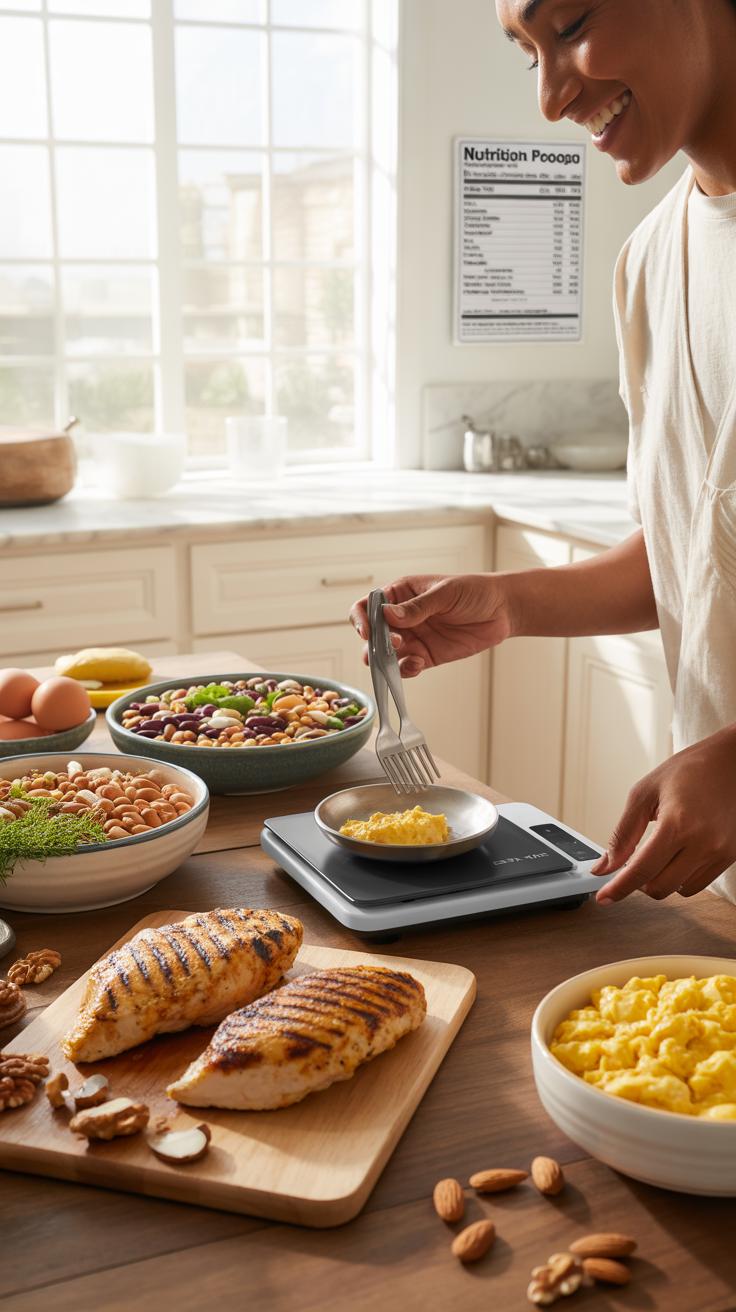
Divide your total daily protein goal by the number of meals you eat. Most people benefit from having thirty to forty grams per meal. This consistency keeps muscle protein synthesis active throughout the day. Tracking your intake with a scale ensures accuracy. Do not guess your portion sizes. Small errors in measurement lead to plateaued results and wasted gym time for many lifters.
The Best High Protein Foods To Build Your Protein Meal Plan Around

Top Animal Based Protein Sources For Meal Prep
Animal proteins offer the highest bioavailability for muscle repair and metabolic health. These sources contain all essential amino acids required by the human body. Selecting lean cuts ensures you hit protein targets without exceeding daily caloric limits. Batch cooking these items on Sunday streamlines your entire week. Focus on methods like roasting or pressure cooking to maintain moisture during storage and reheating.
- Chicken Breast: This classic lean protein delivers approximately 31 grams of protein per 100 grams. It is a versatile base for various cuisines and holds its texture well after several days in the refrigerator.
- Lean Ground Beef: Opt for 90 percent lean or higher to manage fat intake while securing high levels of iron and zinc. Ground meat cooks quickly and distributes evenly throughout meal prep containers for consistent portioning.
- Greek Yogurt: Plain, non-fat versions contain double the protein of standard yogurt. It serves as a powerful breakfast base or a high-protein substitute for sour cream and mayonnaise in dressings and cold sauces.
- Whole Eggs: Eggs provide a perfect biological value score and essential healthy fats. Hard-boiling a dozen eggs at once creates a portable snack or a quick salad topper that requires zero additional transformation.
- White Fish: Cod or tilapia provide high protein density with very low fat content. These options work best for meals eaten early in the week to ensure the highest quality and freshness during your plan.
Strategic meal prepping requires choosing proteins that do not dry out when microwaved. Thighs and ground meats often perform better than lean fillets over several days. Use airtight glass containers to preserve the integrity of these animal products. Always track the weight of your cooked proteins to ensure each meal meets your specific macronutrient requirements for the week.
Top Plant Based Protein Sources That Belong In Every Protein Diet Plan
Plant-based proteins provide essential fiber and micronutrients that animal sources often lack. Legumes and soy products form the foundation of a successful vegan or vegetarian strategy. These foods usually cost less per serving and have a long shelf life in the pantry. You can combine different plant sources to ensure a complete amino acid profile throughout your daily eating schedule.
Soy-based options like tempeh and tofu offer high protein density and adapt to any flavor profile. Incorporating lentils and beans increases satiety due to their high fiber content. This prevents hunger between scheduled meals in your 7 day high protein meal plan. Always rinse canned beans to reduce sodium intake. Precise measurements ensure you meet your protein goals while managing the total carbohydrate load.
Meal Prep Basics How To Set Up Your Week For High Protein Diet Success

Essential Kitchen Tools And Storage Tips For Efficient Meal Prep
Success in a high protein diet depends on speed and organization. You must have the right gear to handle large volumes of meat and plant proteins. Invest in heavy duty tools that withstand high heat and repeated use. Quality equipment prevents food spoilage and ensures your portions remain consistent. This setup reduces the friction of daily cooking and keeps your goals on track.
- Digital Kitchen Scale: Precision is vital for tracking protein intake. A scale allows you to measure cooked meat weights accurately to ensure you hit your daily macro targets without overeating or underestimating your fuel.
- Glass Airtight Containers: Plastic absorbs odors and stains from marinades and animal fats. Glass containers provide a superior seal to keep prepped proteins fresh for up to five days and allow for safe reheating in microwaves.
- Instant Read Thermometer: Dry overcooked meat ruins a meal plan. Use a digital thermometer to pull chicken and beef off the heat at the exact moment they reach safe internal temperatures to maintain moisture and flavor.
- Cast Iron Skillet: This tool provides the best heat retention for searing large batches of steak or chicken. A hard sear locks in juices and improves the texture of reheated meals throughout the busy work week.
- Slow Cooker or Pressure Cooker: These devices automate the breakdown of tough, cheap cuts of meat like pork shoulder or beef brisket. They allow you to prepare five pounds of protein at once with minimal active labor or supervision.
Organize your fridge by expiration dates to minimize waste. Place the most recently cooked proteins at the back and older meals at the front. Use masking tape to label every container with the date and protein type. This system removes decision fatigue during the week. Clear visibility ensures you never reach for a protein source that has gone bad or lost its nutritional quality.
How To Batch Cook Proteins To Save Time Across Your 7 Day High Protein Meal Plan
Efficiency requires cooking all your core proteins in two sessions per week. Most cooked meats stay safe and tasty for three to four days when refrigerated. Plan a primary cook on Sunday and a secondary prep on Wednesday. Use your oven to roast multiple sheet pans of chicken thighs and salmon fillets simultaneously. This method ensures you have a ready supply of muscle building blocks.
Separate your proteins by flavor profile to prevent palate fatigue. Season one tray with salt and pepper for versatile use in salads or wraps. Apply bold spices to another tray for bowls or stir fry dishes. Shredded meats like pulled pork or chicken freeze well for long term storage. Thaw these portions in the fridge the night before you plan to eat them to maintain consistent protein timing.
Your Complete 7 Day High Protein Meal Plan Day By Day Breakdown
Days 1 Through 4: Balanced High Protein Meals To Kickstart The Week
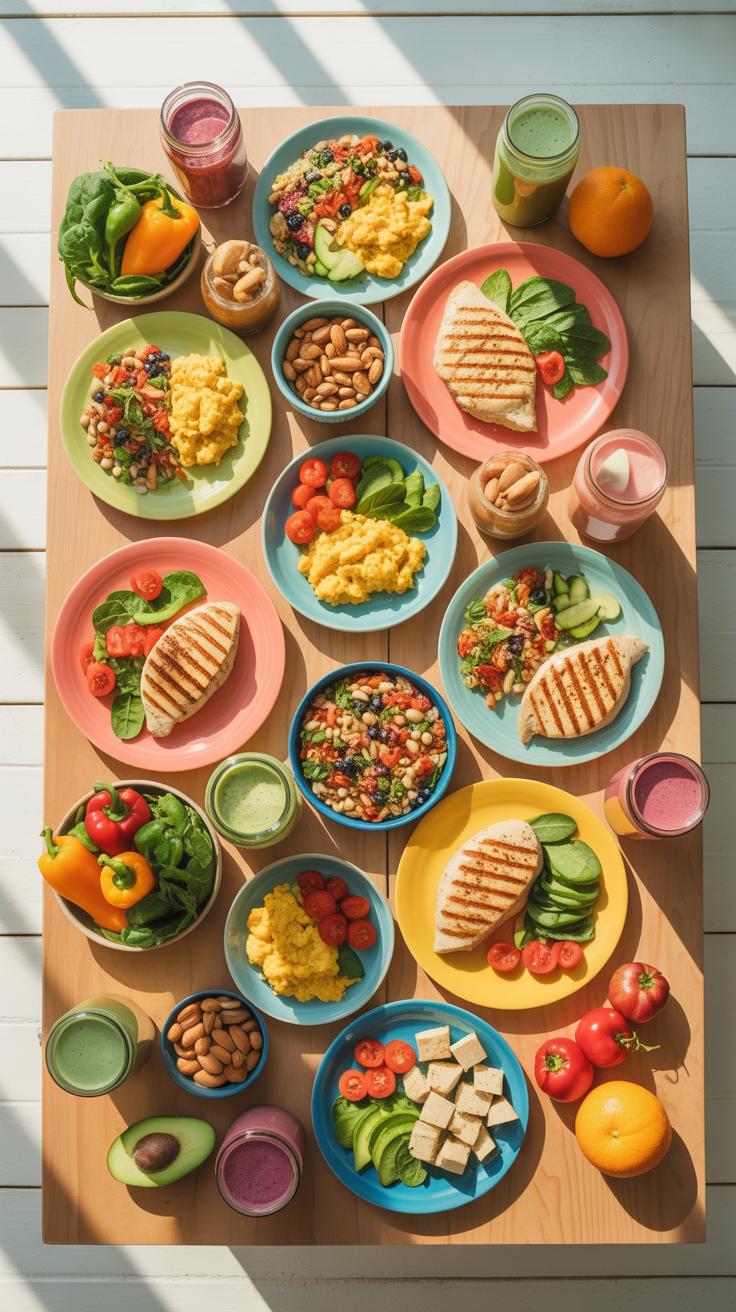
The first four days focus on high volume lean proteins to establish metabolic momentum. Monday starts with Greek yogurt and whey protein for breakfast to hit thirty grams of protein immediately. Lunch centers on grilled chicken breast and quinoa because this combination provides a complete amino acid profile. Dinner features lean ground turkey or 93 percent lean beef to keep saturated fats low while maximizing iron.
Consistency during these middle days prevents dietary fatigue. Tuesday and Wednesday utilize prepared egg whites and smoked salmon for breakfast to maintain high leucine levels. Thursday shifts to canned tuna or rotisserie chicken for ease and efficiency. You must drink enough water to help your kidneys process this increased nitrogen load. Track every gram of protein to ensure you meet your daily muscle protein synthesis requirements.
To eat is a necessity, but to eat intelligently is an art that honors the body your mother gave you. Fueling your week with care is the greatest gift of self-love.
Days 5 Through 7: Finishing Strong With Flavor Packed Protein Diets Recipes
The end of the week requires diverse protein sources to avoid burnout. Friday introduces white fish like cod or tilapia for a lower calorie density. This allows for larger portion sizes without exceeding your total energy budget. Saturday breakfast uses cottage cheese and walnuts to provide slow-digesting casein protein. This keeps you full during weekend activities. Lunch focuses on leftover chicken breast or pre-cooked shrimp.
Sunday serves as the bridge to the next week of nutrition. Prepare a large batch of slow-cooked beef or pork loin for dinner to use in future meals. Focus on lean cuts to keep caloric intake controlled. Use the evening to audit your protein totals for the past seven days. Ensure you have hit your target of one gram per pound of goal body weight. This data drives your next week.
High Protein Meal Plan For Women Special Considerations And Adjustments

Why Protein Needs Can Differ For Women At Different Life Stages
Hormonal shifts directly impact how women process nutrients. During the luteal phase, metabolic rates rise and muscle breakdown increases. Women require more protein during this time to maintain lean mass. Pregnancy and breastfeeding also spike protein demands to support fetal growth and milk production. Ignoring these biological shifts leads to muscle loss and slower recovery times during intense training cycles.
Aging creates another critical shift in protein requirements. Sarcopenia, or age-related muscle loss, accelerates after thirty. Perimenopause and menopause further decrease the body’s ability to synthesize new muscle tissue. Older women must consume higher doses of leucine-rich proteins to trigger muscle repair. This tactical increase prevents frailty and maintains metabolic health. Consistency in protein intake ensures long term bone density and strength.
How To Adapt This High Protein Meal Plan For Women’S Fitness And Wellness Goals
Volume and timing determine the success of a high protein meal plan. Women focused on fat loss should prioritize protein density to stay full on fewer calories. This means choosing lean poultry, white fish, or egg whites. These choices preserve muscle while the body burns stored fat. Distribute protein evenly across four to five meals to keep blood sugar stable and energy levels high.
For strength and muscle gain, women must pair high protein intake with a caloric surplus. Increase portion sizes of dense protein sources like steak or salmon. Strategic intake after resistance training speeds up tissue repair. Use whey or plant-based isolates to hit targets without adding excessive fats. Adjusting the total daily intake based on body weight ensures the plan meets specific physical demands.
High Protein Snacks And Add Ons To Complement Your Protein Meal Plan
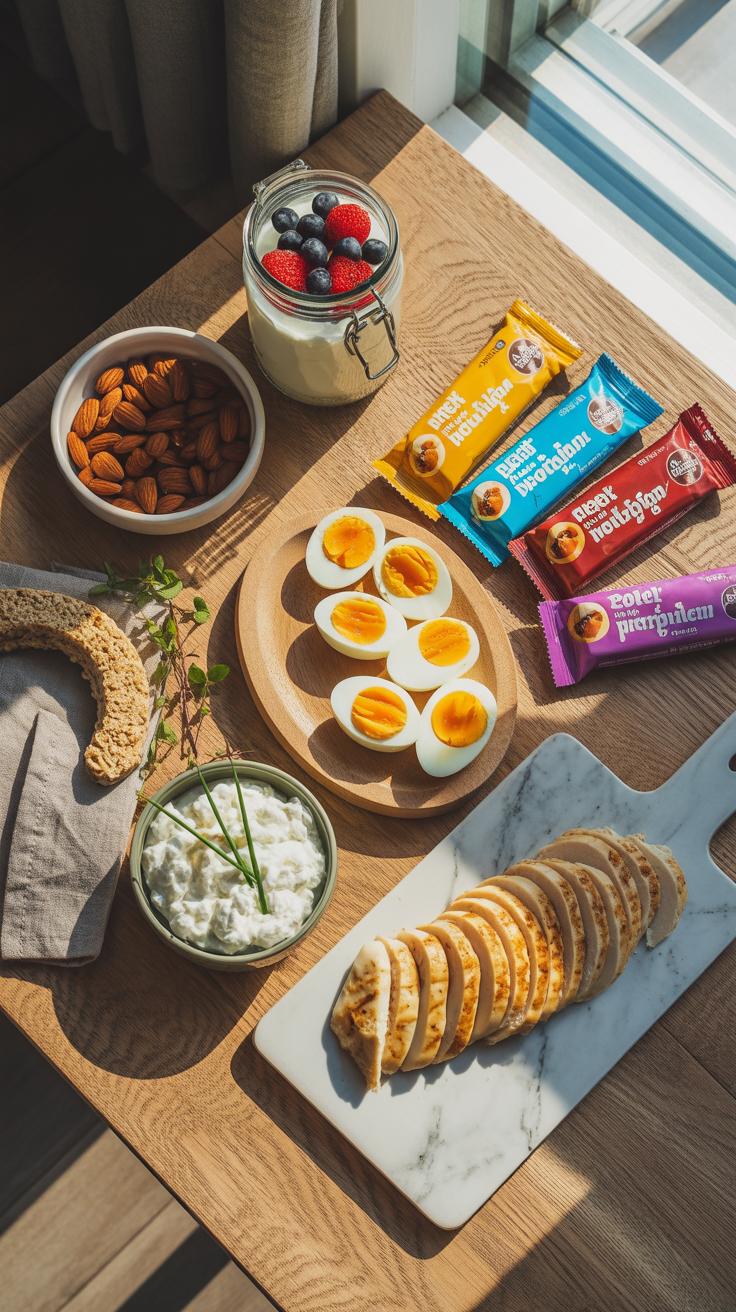
Smart High Protein Snack Ideas To Curb Hunger Between Meals
Strategic snacking prevents blood sugar drops that lead to overeating during main meals. Choose whole food options that provide at least ten grams of protein per serving. Hard-boiled eggs and Greek yogurt offer high bioavailability. These snacks keep muscle protein synthesis active throughout the day. Control your portions to ensure snacks do not exceed your daily caloric requirements.
Proper snack timing maintains a steady anabolic state and blunts hunger hormones like ghrelin. Focus on portable options like jerky or pumpkin seeds for busy schedules. Avoid snacks with added sugars that cause energy crashes. High fiber pairings like raw vegetables with hummus improve digestion and satiety. Effective snacking supports your 7 day high protein meal plan by filling nutritional gaps.
How Protein Shakes And Supplements Fit Into A Balanced High Protein Diet
Supplements serve as a tactical tool when whole food sources are unavailable or impractical. Whey protein isolate absorbs quickly and works well after resistance training. These products help you reach aggressive protein targets without adding excessive fats or carbohydrates. Use shakes to round out your daily totals rather than replacing whole meals. Quality matters more than marketing claims on the label.
Check the ingredient list for fillers and artificial sweeteners before purchasing any powder. Casein protein digests slowly and provides a steady stream of amino acids during sleep. Plant based options like pea or soy protein work for those with dairy sensitivities. Always prioritize solid food for its micronutrient profile and thermic effect. Supplements should only account for a small fraction of your total intake.
Common Mistakes To Avoid On A High Protein Diet Plan
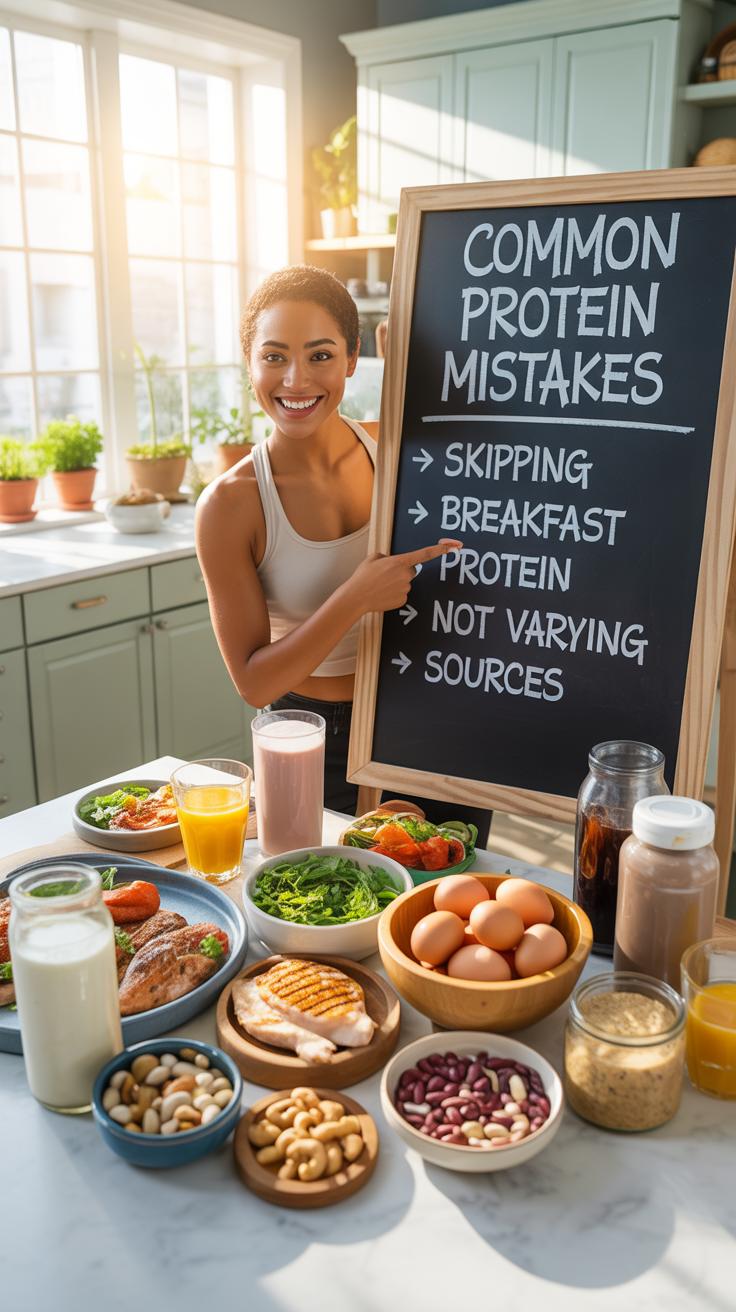
Why Skipping Carbs And Fats Entirely Can Undermine Your Protein Diets Results
Eliminating carbs and fats stalls your progress. Your brain and central nervous system require glucose from carbohydrates to function. Without them, your body enters a state of high stress. This increases cortisol levels. High cortisol breaks down muscle tissue for energy. You lose the very muscle you are trying to build. You also lose the intensity needed for effective training sessions.
Dietary fats regulate your hormones. Testosterone and estrogen production depends on healthy fat intake. If you cut all fat, your recovery slows down. You will feel constant hunger and irritability. Protein has a high thermic effect but cannot work alone. You need a balanced macro profile to spare protein for muscle repair. Include complex carbs and healthy fats to ensure your body uses protein efficiently.
How To Stay Consistent And Avoid Burnout On A Long Term Protein Diet Plan
Consistency fails when your diet is too strict. Eating only chicken and broccoli leads to mental fatigue. You must vary your protein sources to prevent boredom. Use turkey, fish, lean beef, and plant-based options. Map out your meals every Sunday to remove daily decision stress. If you do not have a plan, you will grab junk food when you are tired.
Track your data to see real progress. Use a scale or a simple app to log your protein intake. Seeing results keeps you motivated through tough weeks. Do not aim for perfection every day. Focus on hitting your protein goal eighty percent of the time. This flexibility prevents the urge to quit. Long-term success comes from repeatable habits rather than short bursts of extreme restriction.
Frequently Asked Questions

How do I start meal prepping if I have never done it before?
Getting started is all about simplicity and consistency. Begin by choosing two or three protein sources you enjoy, such as chicken, tofu, or lean beef, and pair them with versatile grains and roasted vegetables. Using a 7 day high protein meal plan helps remove the guesswork, letting you focus on mastering the cooking process. Start with just a few days of food at first to avoid feeling overwhelmed by the kitchen work.
How can I keep my prepped meals tasting fresh throughout the entire week?
To maintain peak flavor and texture, store your meals in airtight glass containers and keep sauces or dressings in separate small jars. For a 7 day high protein meal plan, consider prepping twice a week—once on Sunday and again on Wednesday. This ensures your poultry and seafood stay fresh and appetizing. Always reheat your meals gently and add a splash of water or broth to prevent the protein from drying out.
Is it possible to maintain a high-protein diet on a tight monthly budget?
Absolutely! High-quality protein doesn’t have to be expensive if you shop strategically. Focus on affordable staples like eggs, canned tuna, lentils, and Greek yogurt, which offer great nutritional value for a low price point. Buying chicken breasts or ground turkey in bulk and freezing portions for later is another excellent way to save. Planning your meals around seasonal produce and grocery store sales will help you hit your protein goals without overspending.