
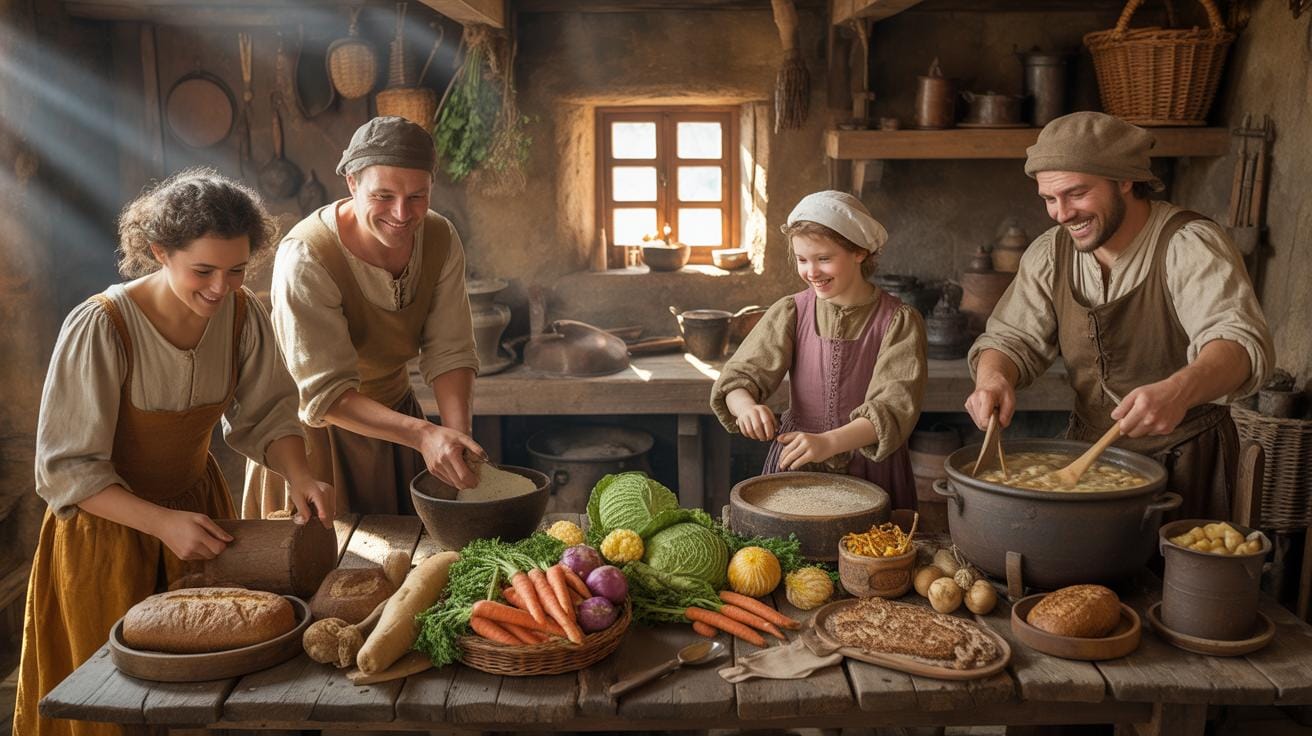
The Peasant Pantry Essential Ingredients For Cheap Medieval Meals
The Holy Trinity Of Grains
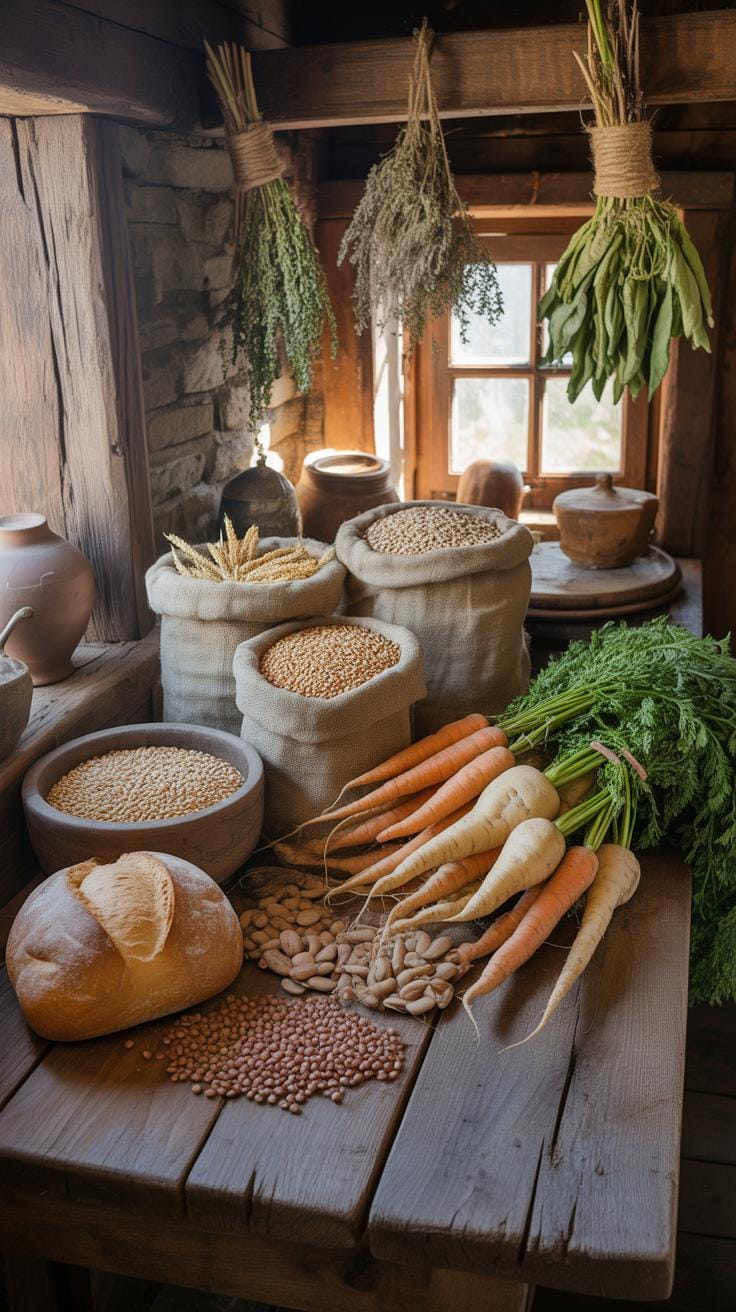
Medieval cooking on a budget relied heavily on hardy grains that grew in cold or poor soil. Peasants ate barley, oats, and rye every single day because these crops cost very little. Laborers needed the heavy calories to work in fields from sunrise to sunset. You can use these same staples today to create a medieval aesthetic in your kitchen without spending much money at all.
- Barley: This grain was the most common ingredient for pottage and thick soups. It swells up when cooked in water or broth, making a small amount of food feel very heavy and filling.
- Oats: People in northern areas used oats to make thick porridge or flat cakes. Oats provided the energy needed for hard manual labor and stayed fresh for a long time when kept dry in a sack.
- Rye: Most peasant bread used rye flour instead of expensive white wheat. This created a dark, dense loaf that lasted for days. It has a strong, earthy flavor that defines the taste of medieval food recipes Middle Ages.
- Peas and Beans: Dried legumes were often mixed with grains to add protein. Field peas were cheap and could be stored all winter. They thickened helpings of historical food into a rib-sticking mash called pease pudding.
- Buckwheat: Though technically a seed, people treated it like a grain in many regions. It grew quickly in poor soil where other plants failed. It adds a nutty depth to many diverse medieval dinner recipes for the poor.

These grains allowed families to survive through long winters when fresh meat was rare. Most medieval recipes focused on simmering these seeds slowly in a large clay pot over a fire. This softened the tough outer layers and created a warm, creamy meal. By using these ancient grains, you can recreate authentic medieval cuisine while keeping your grocery bill very low and manageable.
Preservation And Flavor Staples
The medieval kitchen used simple items to keep food from spoiling during the year. Salt was the most vital tool for the poor to save meat or fish for later. Vinegar and honey also helped store garden produce and added sharp or sweet notes to daily meals. These basic ingredients are still the cheapest ways to add bold flavors to your modern medieval feast.
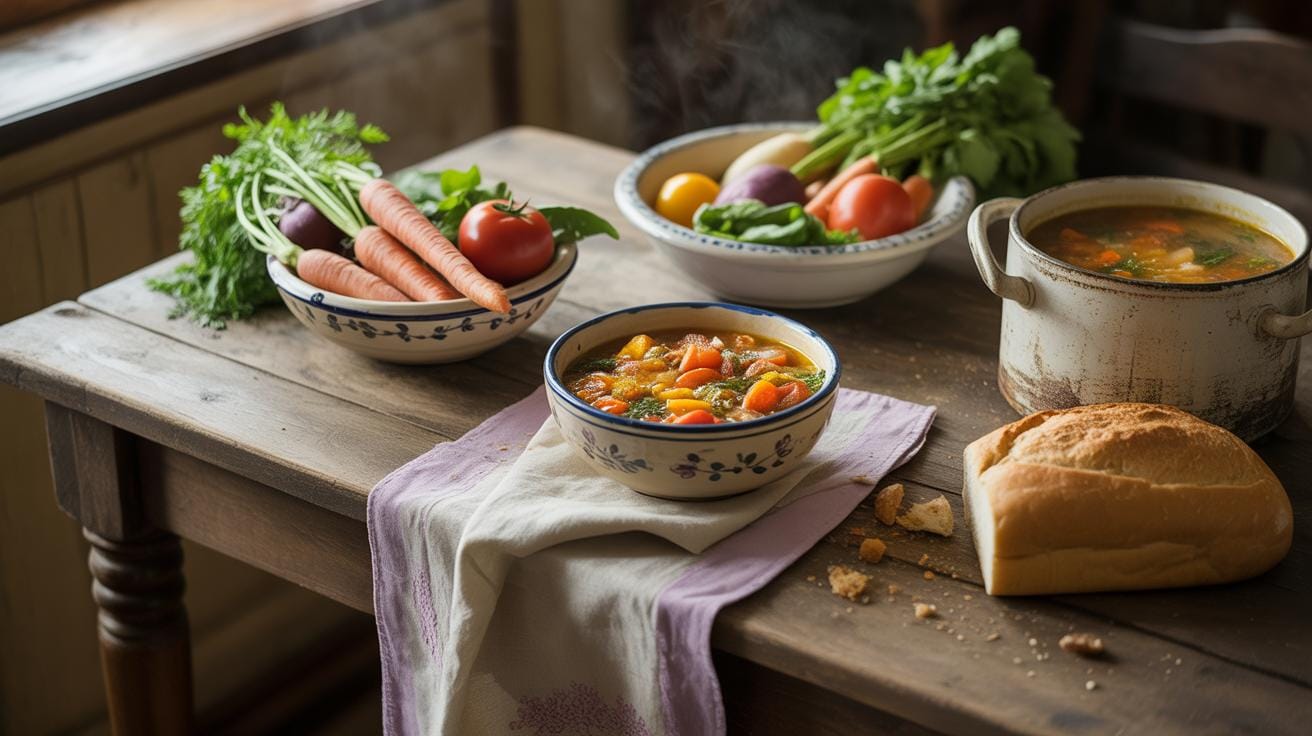
Common vegetables like onions, leeks, and cabbage grew in small garden plots called garths. People boiled these potherbs with their grains to add vitamins and extra bulk to every bowl. You can buy these vegetables easily today to build a healthy and cheap medieval kitchen. Using these humble plants reflects the true historical food habits of the working class during the 14th century.
Mastering Medieval Cooking With Minimal Tools
The One Pot Wonder: The Cauldron Mentality
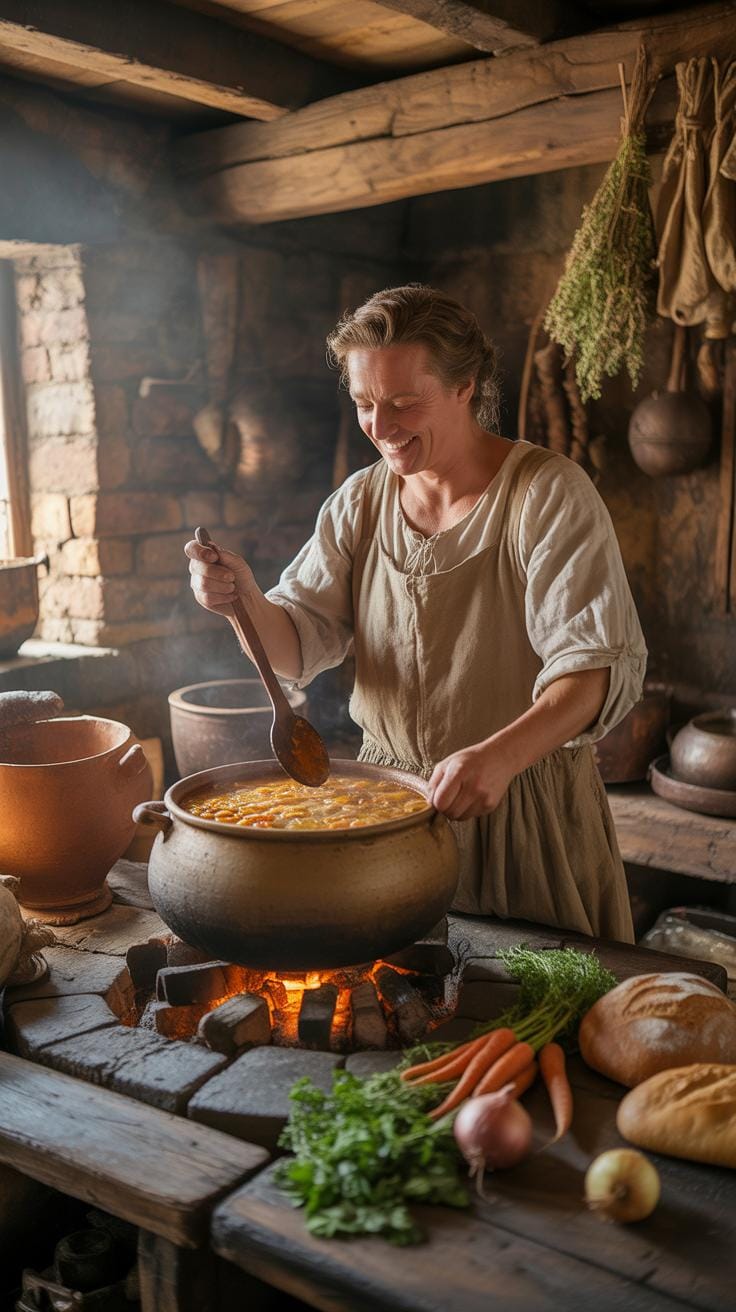
Peasant life centered on the hearth and a heavy iron pot. Most cheap medieval meals were pottages or thick stews. These pots simmered all day over a slow fire. Cooks added fresh ingredients whenever they found them. Modern slow cookers recreate this historical food process. These electric pots mimic the medieval kitchen by softening hard vegetables and cheap grains through long periods of low heat.
Using a Dutch oven helps you achieve a true medieval aesthetic while making medieval food recipes middle ages style. This method turns tough cabbage and dried peas into a filling medieval feast for very little money. You can prepare medieval dinner recipes by letting the pot work while you go about your chores. Simple medieval cooking relies on patience rather than expensive equipment. A single pot makes cleaning easy and keeps your home warm.
There is no spectacle on earth more appealing than that of a beautiful woman in the act of cooking dinner for someone she loves. A simple bowl of pottage shared in warmth is more than a meal; it is a legacy of the heart.
— Alice Childress
Authentic Techniques For The Modern Budget
Historical food preparation focuses on using every part of your ingredients. Peasant medieval cuisine avoided waste because resources were scarce. You can save money by saving vegetable scraps for broth and soaking dry beans overnight. Soaking pulses reduces cooking time and saves fuel. Manual tasks like grinding peppercorns or herbs by hand bring an authentic feel to your medieval recipes. These simple steps build deep flavors without using processed additions.
Learning these old methods helps you manage a small budget today. You do not need fancy gadgets to master medieval food recipes middle ages techniques. Use a heavy knife to chop root vegetables into small pieces for faster softening. Every scrap of bread or spoonful of fat served a purpose in the medieval kitchen. Applying these practical habits reduces your grocery bill and makes your medieval dinner recipes taste more traditional and hearty.
Pottage And Porridge Daily Medieval Food Recipes Middle Ages
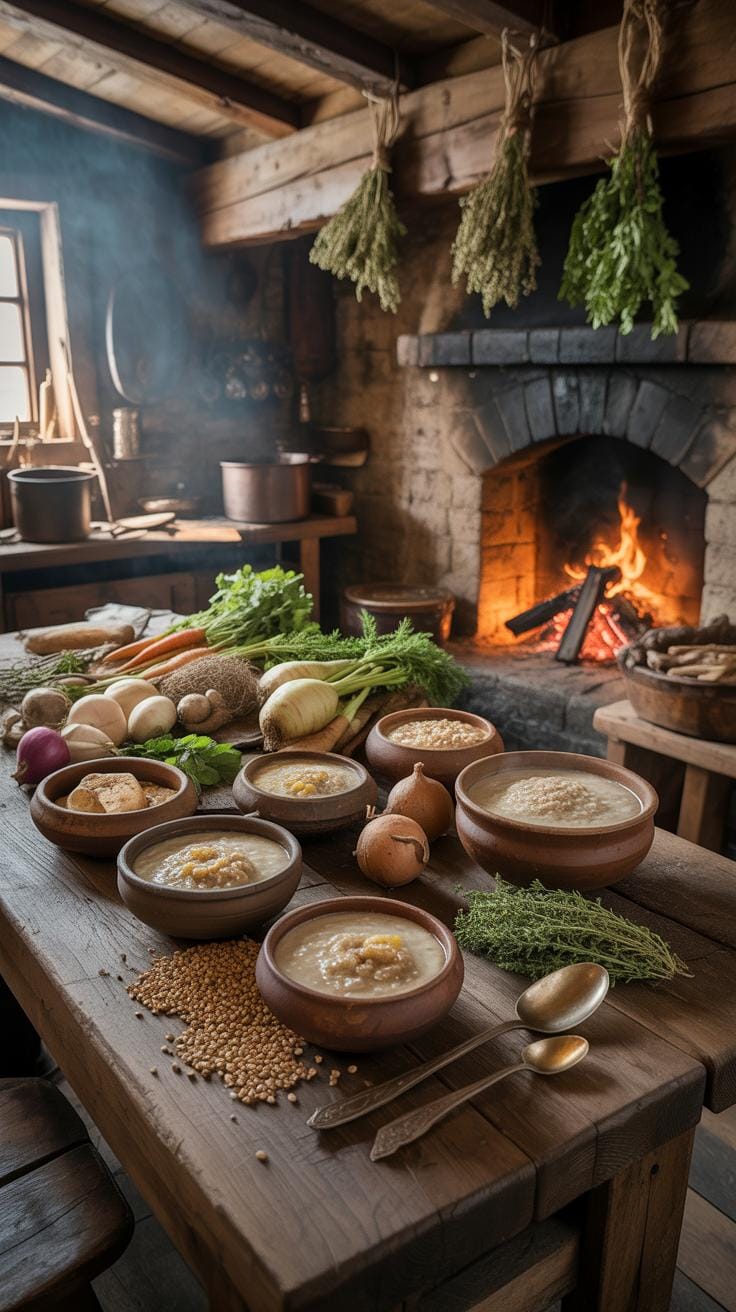
The Everlasting Peasant Stew
Pottage served as the foundation of medieval cuisine for every village home. Most households kept a pot of dried beans or fava peas simmering over a small fire. These medieval recipes relied on slow cooking to soften tough legumes into a thick and creamy texture. This dish provided plenty of protein for a very low cost. You can recreate this medieval kitchen staple easily today.
Adding seasonal greens like kale or spinach creates a beautiful medieval aesthetic in your bowl. These plants grew in small cottage gardens across Europe and provided vital nutrients. Most traditional medieval dinner recipes focused on whatever vegetables were available at that time of year. A dash of salt and some local herbs made this historical food taste savory and satisfying. It remains a perfect choice for modern budget cooking.
Breakfast Of The Commoner
Oatmeal and barley porridge provided energy for long days of physical labor. Modern people often think of these grains as sweet breakfast foods. However, medieval cooking usually focused on savory flavors for these thick grains. Peasants often seasoned their bowls with salt, butter, or even a splash of ale. These medieval food recipes Middle Ages were simple, filling, and cost almost nothing to prepare in bulk.
Historical food often used whole grains to keep workers full until the evening. This approach to grains is a core part of the medieval cuisine experience. You do not need expensive ingredients to enjoy a true medieval feast if you prioritize these hearty staples. Using simple techniques from a medieval kitchen helps you save money while eating healthy fiber. These meals offer a direct connection to the past through basic and honest ingredients.
A PeasantS Proteins Sourcing Meat In Historical Food

Affordable Proteins For The Poor
Peasant life required strong bodies and cheap fuel. While a medieval feast featured grand roasts for lords, the poor relied on smaller sources. Most commoners kept a few chickens for eggs rather than meat. They used salted pork fat to flavor large pots of grains. This humble approach to medieval kitchen management ensured every scrap of protein provided energy for long days of hard labor.
- Dried Legumes: Lentils and peas were the most vital sources of protein for commoners. These pulse crops lasted through winter and thickened every pottage bowl. They provided a meaty texture without the high cost of livestock.
- Fresh Eggs: Keeping chickens was common for many rural families in the middle ages. Eggs served as a versatile ingredient in many medieval food recipes middle ages. They offered quick nutrition when larger meat sources remained unavailable or too expensive.
- Salted Pork Fat: Bacon meant something different to the medieval peasant than it does today. It was often just the preserved white fat from a pig. A small piece added deep flavor and necessary calories to a simple vegetable stew.
- Dairy Curds: Cheese and butter were staple items found in any rustic medieval cooking space. Hard cheeses lasted longer and traveled well for laborers in the fields. These dairy products provided essential fats that helped people survive cold seasons and hunger.
- Wild Foraged Nuts: Hazelnuts and walnuts grew freely in many ancient forests across Europe. Peasants gathered these during the autumn months to supplement their diet. Nuts provided a crunchy protein boost that required no money and very little processing.
Historical food experts often note that beans were the true backbone of the lower class. These “peasant meats” kept families full at a low cost. Medieval recipes often combined these dried goods with seasonal herbs for better flavor. By focusing on these basics, you can recreate a medieval aesthetic without spending much money. Modern shoppers can find these same affordable staples in any local grocery store.
The Importance Of Fish And Lenten Fasting
Religion controlled what people ate for much of the year. The church required people to avoid red meat on Wednesdays, Fridays, and Saturdays. During Lent, these rules became even stricter for the population. This created a massive demand for medieval cuisine centered around fish. Dried and salted fish became the most practical way to store protein for many months without spoiling.
You can use canned fish to recreate these medieval dinner recipes at home today. Salted herring and cod were the most common choices for the working class. Modern frozen white fish offers a similar experience for those following a medieval food recipes middle ages plan. These options provide healthy fats and protein while keeping your budget very low. Simple fish dishes remain a hallmark of an authentic historical kitchen.
Medieval Recipes For Sustenance Bread And Ale
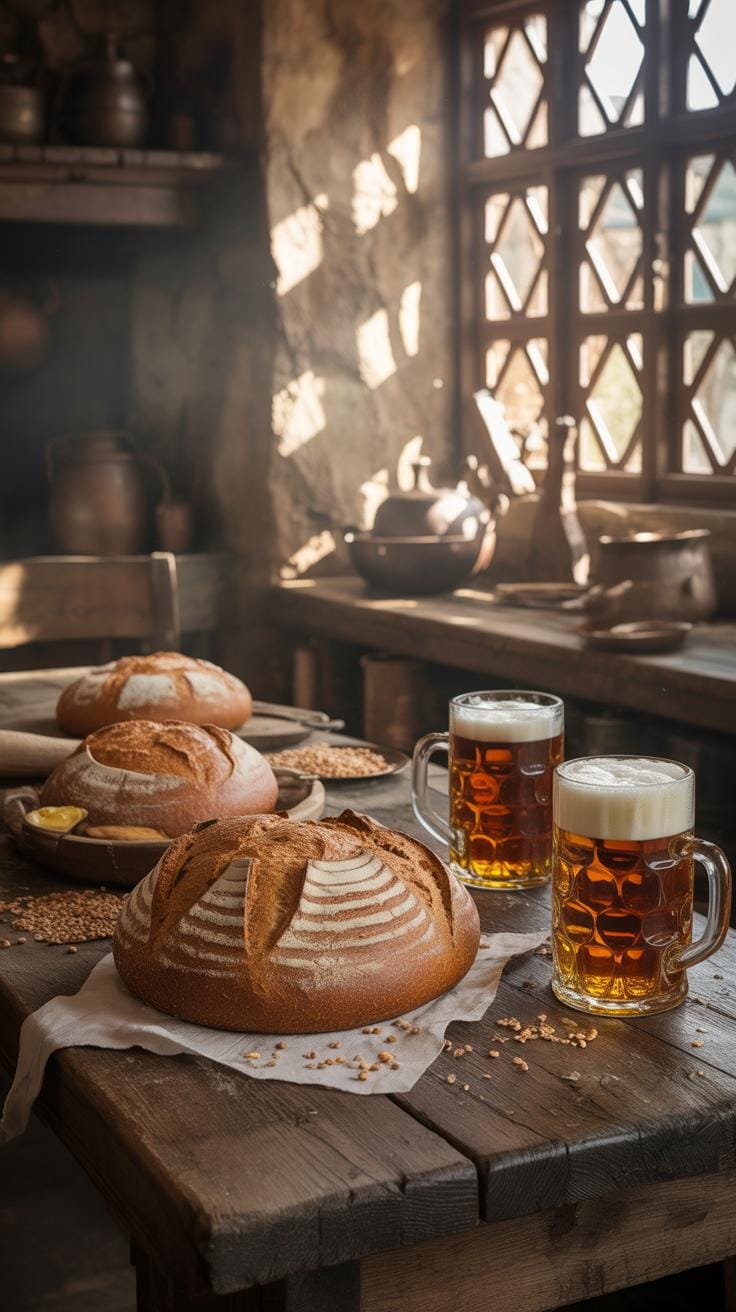
Maslin: The Bread Of The People
Peasants relied on maslin bread for daily energy. This hearty loaf used a mix of wheat and rye grown together. Farmers planted these grains in the same field to ensure a steady harvest. If one crop failed, the other survived. This practical strategy created a dense and filling loaf. Following Medieval Food Recipes Middle Ages often starts with this simple staple because it cost very little.
You can bring a Medieval Aesthetic to your table by baking maslin today. Combine whole wheat flour with rye flour to mimic the original texture. This bread stays fresh longer than modern white loaves. Using Medieval Cooking techniques makes your kitchen smell like a historical bakery. You save money by skipping store brands. It is a core part of any Medieval Cuisine plan for those on a tight budget.
Liquid Bread: Small Beer And Ale
Ale served as a vital source of calories for workers. Medieval Kitchen staff brewed small beer with less alcohol than modern drinks. It provided hydration and essential nutrients during a busy Medieval Feast day. People viewed it as liquid food rather than just a beverage. Historical Food experts note that fermentation made the drink safer than untreated pond water. It was a cheap way to stay strong for hard labor.
Adding fermented flavors can improve your modern Medieval Dinner Recipes. You can use ale as a base for hearty stews to add depth. This simple addition enriches Medieval Recipes without requiring expensive spices. It creates a rich sauce that clings to root vegetables and beans. Recreating these flavors helps you experience the past. These techniques keep your grocery bill low while providing satisfying and warm meals for your family.
Seasonal Eating And The Medieval Aesthetic
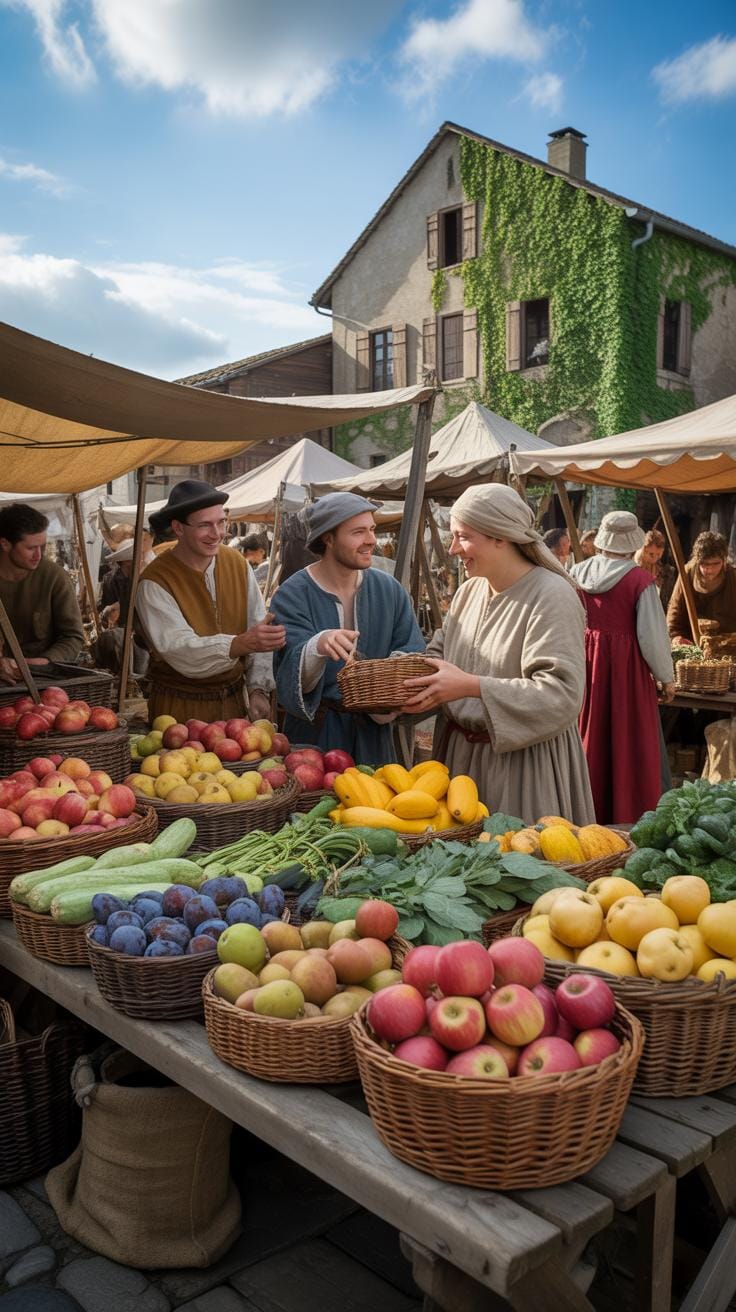
Living With The Liturgical Calendar
Eating cheap medieval meals requires following the natural cycle of the sun and soil. The medieval aesthetic focused on the wheel of the year and church fasting rules. People ate what grew nearby during specific months. Winter meant heavy grains and dried beans. Spring brought fresh growth after long months of hunger. You can save money today by choosing produce that is currently in season at the grocery store.
Historical food changed based on religious dates and weather. Medieval dinner recipes used cabbage and onions during the cold frost. Summer medieval cooking shifted to soft cheeses and garden peas. Understanding these shifts creates an authentic medieval kitchen experience in your own home. Using a seasonal calendar helps you find the best prices on fresh food. This simple habit connects your modern life to the rhythms of the middle ages.
Foraging And The Commons
Many medieval food recipes middle ages used ingredients gathered for free from common fields. Peasants picked nettles and wild garlic to flavor their basic pottage. These wild plants provided vitamins without costing a single copper coin. You can recreate this medieval cuisine by looking for edible greens in safe areas. Using dandelion greens or mustard greens adds a sharp bite to your plate. It makes your meal feel like a true medieval feast.
Modern shoppers can use arugula or kale to mimic the taste of forest herbs. These greens bring a wilder feel to your medieval recipes. Learning about local plants connects you to the earth. This knowledge lived at the heart of every medieval kitchen. Authentic historical food does not need expensive spices from far away. Cheap medieval meals rely on simple items found in the woods or at the edge of a garden.
Flavoring The Frugal Way In Medieval Cuisine
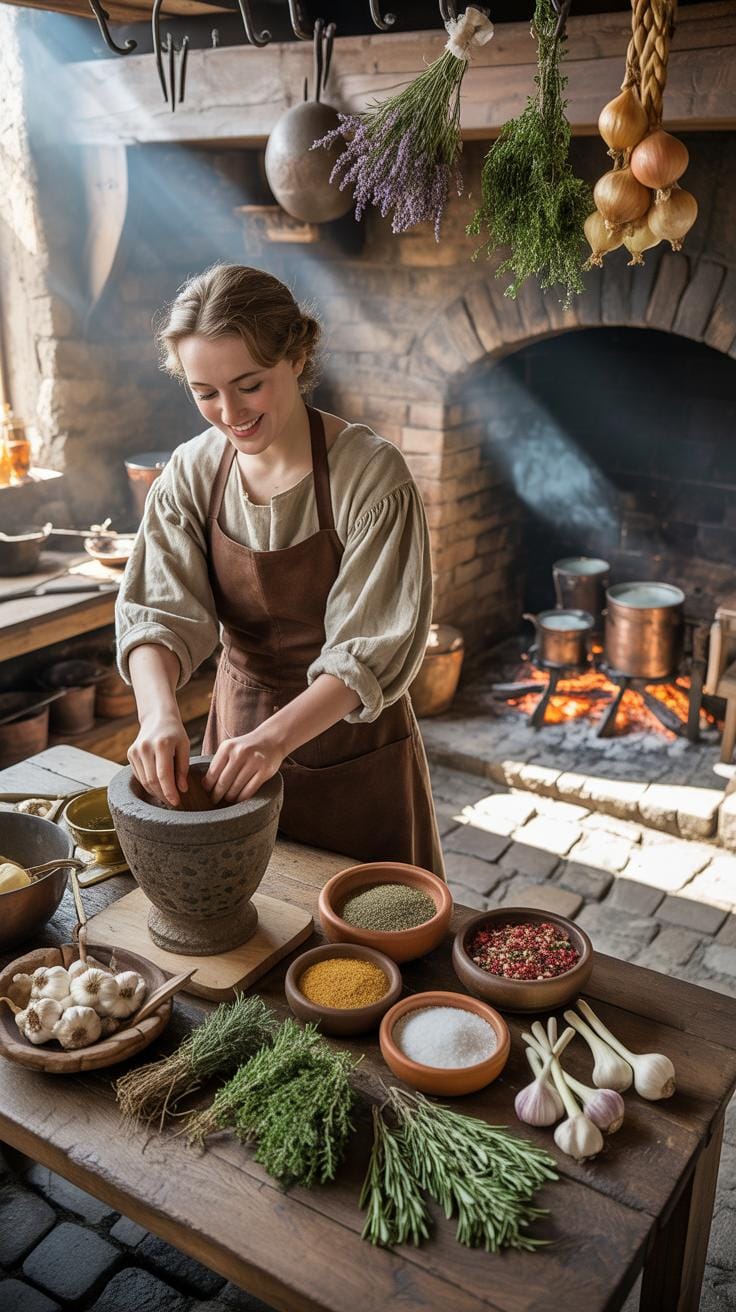
Spices Of The Silk Road Vs. Garden Herbs
Peasants rarely touched pepper or cinnamon because those imports cost a fortune. Instead, historical food relied on what grew in the backyard. Sage, rosemary, thyme, and parsley thrived in small plots. These fresh greens transformed basic pottage into a flavorful meal. Medieval cooking used these hardy plants to mask the dull taste of stored grains and dried beans. Local greens were the backbone of every survival garden.
Using these plants creates a true medieval aesthetic in your kitchen. Parsley adds brightness to heavy porridges while rosemary provides earthy notes to simple roasted roots. You can master medieval food recipes Middle Ages by layering these scents together. Simple herbs give incredible depth to any pot without spending much money. This approach proves that budget meals never need to taste bland or boring for modern cooks.
The Sweetness Of The Earth
Most people in the past could not afford white sugar. They used honey or dried fruits like raisins and currants to sweeten their medieval dinner recipes instead. Tiny amounts of these ingredients added huge flavor to savory stews. This mix of salt and sugar defines medieval cuisine and its unique style. Adding a handful of raisins to onions and cabbage provides a rich, complex taste.
Small bits of fruit make any medieval feast feel special and authentic. You do not need expensive syrups to master these medieval recipes today. Just use what nature provides to create that classic sweet and sour balance. This technique turns humble ingredients into something fancy. Your medieval kitchen will smell amazing when these natural sugars hit the heat. It is a smart way to eat well on a tiny budget.
Planning A Budget Friendly Medieval Feast

Communal Dining On A Dime
A successful Medieval Feast relies on shared plates and a warm atmosphere. Peasants often gathered around a hearth to share large pots of thick porridge or pottage. You can recreate this feeling by serving hearty stews in big ceramic bowls. This approach to Medieval Cooking keeps costs low because bulk ingredients like grains and root vegetables fill up your guests quickly without requiring expensive meats.
Using trenchers is a smart way to maintain a Medieval Aesthetic while cutting costs. These are thick slices of day-old bread that serve as plates for your Historical Food. The bread soaks up the juices from your Medieval Food Recipes Middle Ages, making the meal even more filling. At the end of the night, you can eat your plate or compost it. This method simplifies cleanup for your Medieval Kitchen.
Beverages For A Crowd
Good drinks do not need to cost much money. You can prepare Medieval Recipes for spiced beverages using the most affordable juices or wines available today. People in the past often added honey and spices to mask the flavor of low-quality alcohol. Making hypocras or mulled cider provides a rich taste for your Medieval Dinner Recipes. It allows you to serve many people using just a few simple pantry staples.
Concentrate on using ginger, cloves, and cinnamon to give your drinks an authentic Medieval Cuisine profile. These strong scents will fill your home and make the event feel special. Your guests will enjoy the unique flavors of the past without noticing the small price tag. This strategy ensures you stay within your budget while providing a memorable drink menu for any gathering centered on Medieval Recipes and historical tradition.
Lessons From The Medieval Kitchen For Modern Waste Reduction
Nose To Tail And Root To Stem Eating
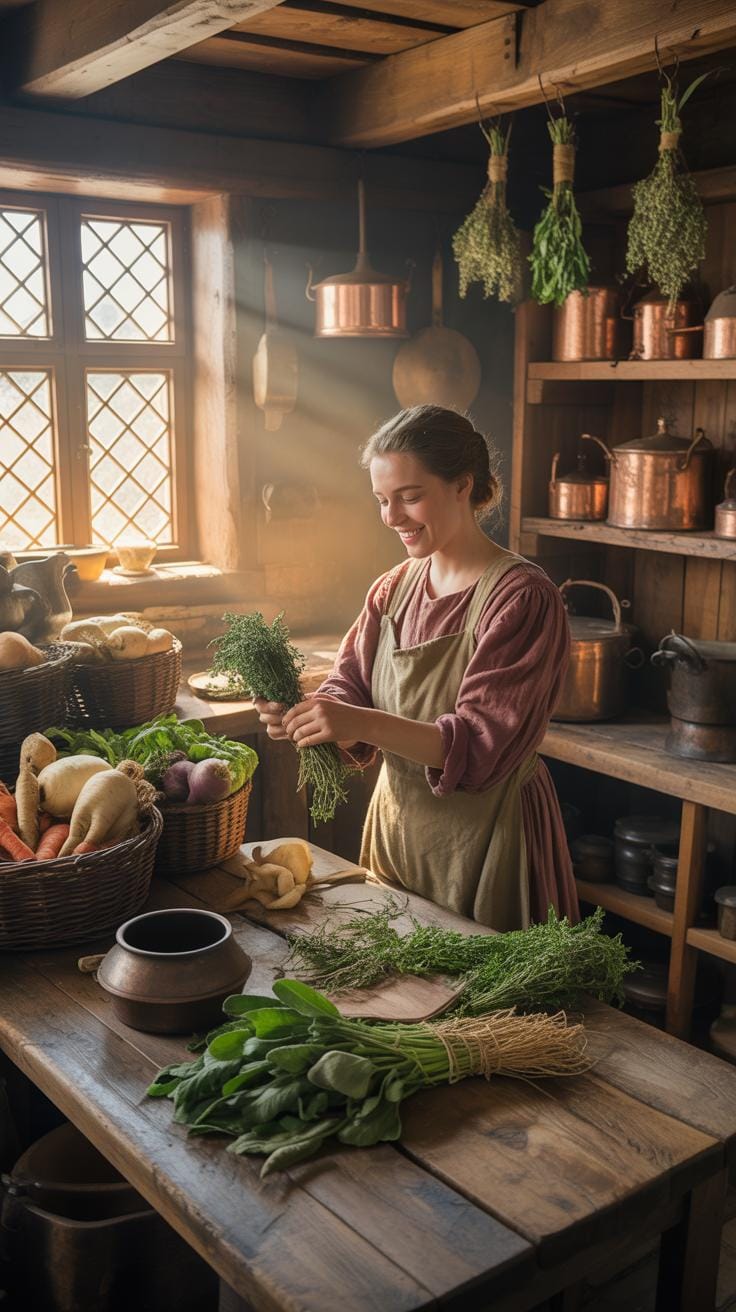
The medieval peasant viewed food as a precious gift. They used every part of the plant and animal to survive. Scraps of meat often went into a big pot for medieval cooking. Vegetable peelings and tough stems created a flavorful base for historical food. This smart habit helped families stay full during cold winters without spending extra coins on new supplies.
You can lower your food bill by adopting this medieval cuisine mindset. Save your onion skins and carrot tops to make better medieval food recipes middle ages. Use small meat bones to add richness to your medieval dinner recipes. By valuing every ingredient, you create a rustic medieval aesthetic in your own home. This simple change helps your grocer money go much further each week.
Storing The Harvest Without Refrigeration
Peasants did not have electric fridges to keep their food fresh. They relied on amazing techniques like drying, pickling, and salt-curing to preserve what they grew. These methods are perfect for creating cheap medieval meals today. You can dry herbs or salt vegetables to keep them ready for future medieval recipes. A well-stocked pantry ensures you always have ingredients for a humble medieval feast.
Keeping a medieval kitchen means knowing how to manage a surplus. When fruits or grains are cheap, buy them in bulk and store them properly. This practiced habit saves you from buying expensive snacks or pre-packaged meals later. Using these old world skills makes your daily menu both healthy and affordable. You will feel a sense of pride as you master the art of traditional food storage.
Budgeting With Medieval Dinner Recipes For TodayS World
A Week Of Peasant Living: Sample Menu
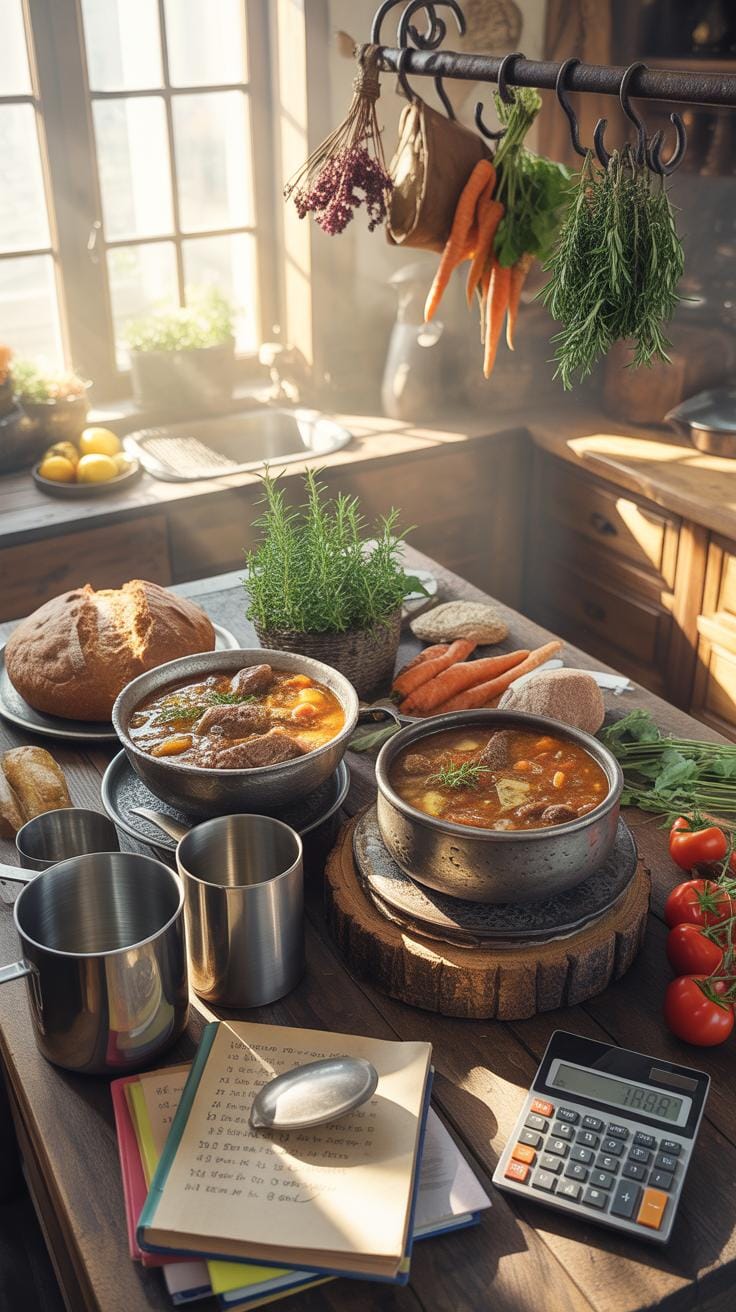
Modern shoppers can save money by following a simple weekly rotation of historical food. Start your week with a large pot of thick pottage made from dried peas and oats. This filling base works for many medieval food recipes Middle Ages. Use rye bread to scoop up your meals. This method mimics the medieval kitchen where nothing went to waste and ingredients stayed very basic.
Weekend meals feel special when you host a small medieval feast with a humble roast chicken. Save the bones to make broth for the following week. This cycle keeps your grocery costs low while maintaining a cozy medieval aesthetic. Learning these medieval dinner recipes helps you manage a tight budget. You eat well by focusing on bulk grains and seasonal vegetables rather than expensive pre-packaged snacks.
The Health Benefits Of A Peasant Diet
The medieval cuisine consumed by laborers provided steady energy through complex carbohydrates. Most medieval cooking relied on fiber-heavy barley and legumes which kept people full for hours. These ingredients cost very little today but offer great nutrition. You avoid the hidden sugars found in modern processed items. Following these medieval recipes helps you fuel your body with clean and natural whole foods from the earth.
Historical food habits emphasize eating what grows nearby during the current season. This practice ensures you get the most vitamins from your produce. A simple medieval kitchen focused on fresh herbs and onions for flavor instead of salt and chemicals. By adopting this way of eating, you support your digestion and heart health. You gain the physical benefits of a traditional diet while keeping your food spending at a minimum.
Frequently Asked Questions

What exactly did a typical peasant diet consist of in the Middle Ages?
A historical peasant diet was largely plant-based, centered around “pottage,” a thick stew made from grains, legumes, and seasonal vegetables. While meat was a rare luxury, modern recreations focus on hearty staples like barley, oats, and rye bread. These cheap medieval meals were surprisingly nutritious and fiber-rich, providing sustained energy for physical labor while relying on simple, whole ingredients that are still widely available in supermarkets today.
How can I prepare authentic medieval pottage on a modern stove?
To make a basic pottage, start by soaking dried peas or barley overnight. Simmer the grains in water or vegetable stock with chopped leeks, onions, and cabbage until the mixture thickens into a porridge-like consistency. Season with salt and local herbs like parsley or thyme rather than expensive imported spices. This slow-cooking method is the easiest way to enjoy cheap medieval meals while maintaining historical accuracy in your modern kitchen.
Is it possible to eat a medieval-inspired diet on a very tight grocery budget?
Absolutely. In fact, the medieval peasant lifestyle was the original masterclass in extreme budgeting. By prioritizing bulk-bought dried beans, root vegetables, and whole grains, you can slash your weekly food costs significantly. Because these historical recipes avoid processed sugars and expensive pre-packaged snacks, you are essentially returning to a minimalist way of eating that favors financial savings and pantry longevity without sacrificing satiety or basic nutritional needs.