
Benefits of a Morning Yoga Routine
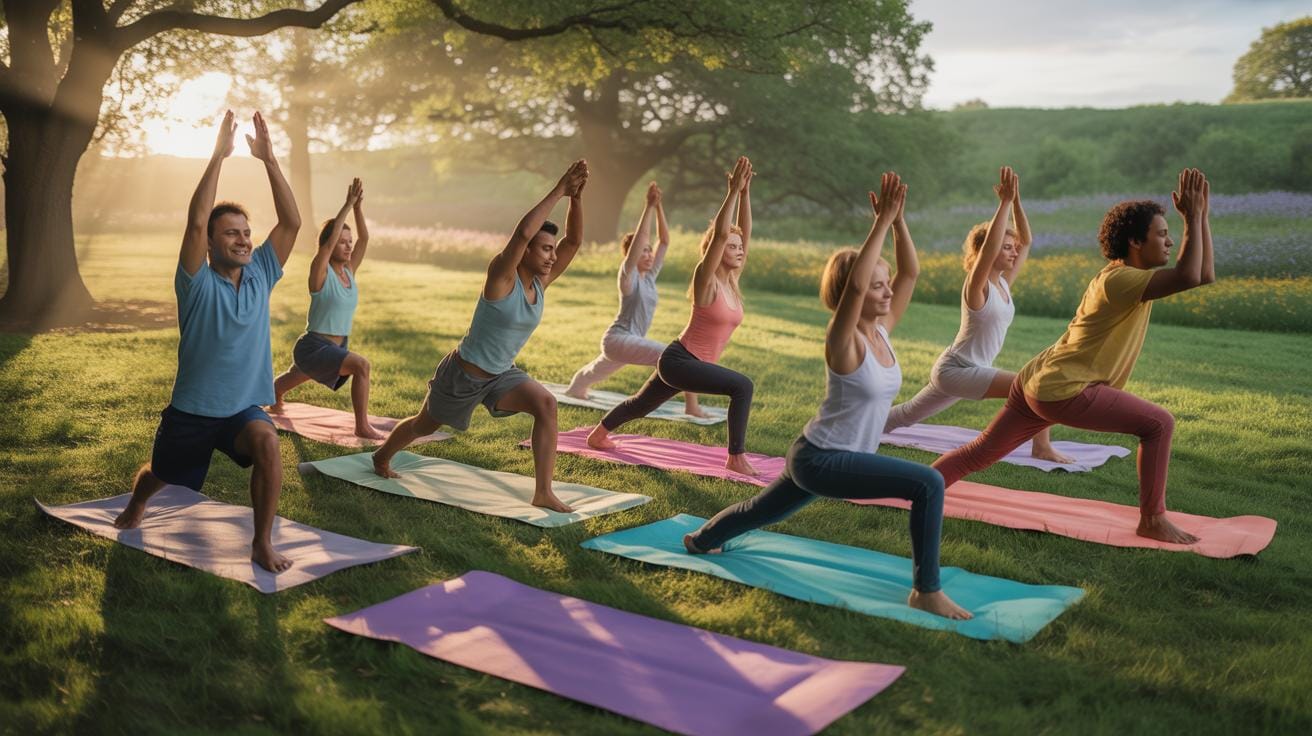
Morning yoga brings a way to start your day with calm and energy. It helps your body wake up gently and your mind focus. When you practice yoga in the morning, you get benefits like better mood, less stress, and more energy for the day.
This article shows you what morning yoga is, why it helps your body and mind, and how to add it to your daily exercise. You will also learn simple yoga moves to do in the morning and see how it compares to other morning workouts.
Benefits Of Morning Yoga Practice

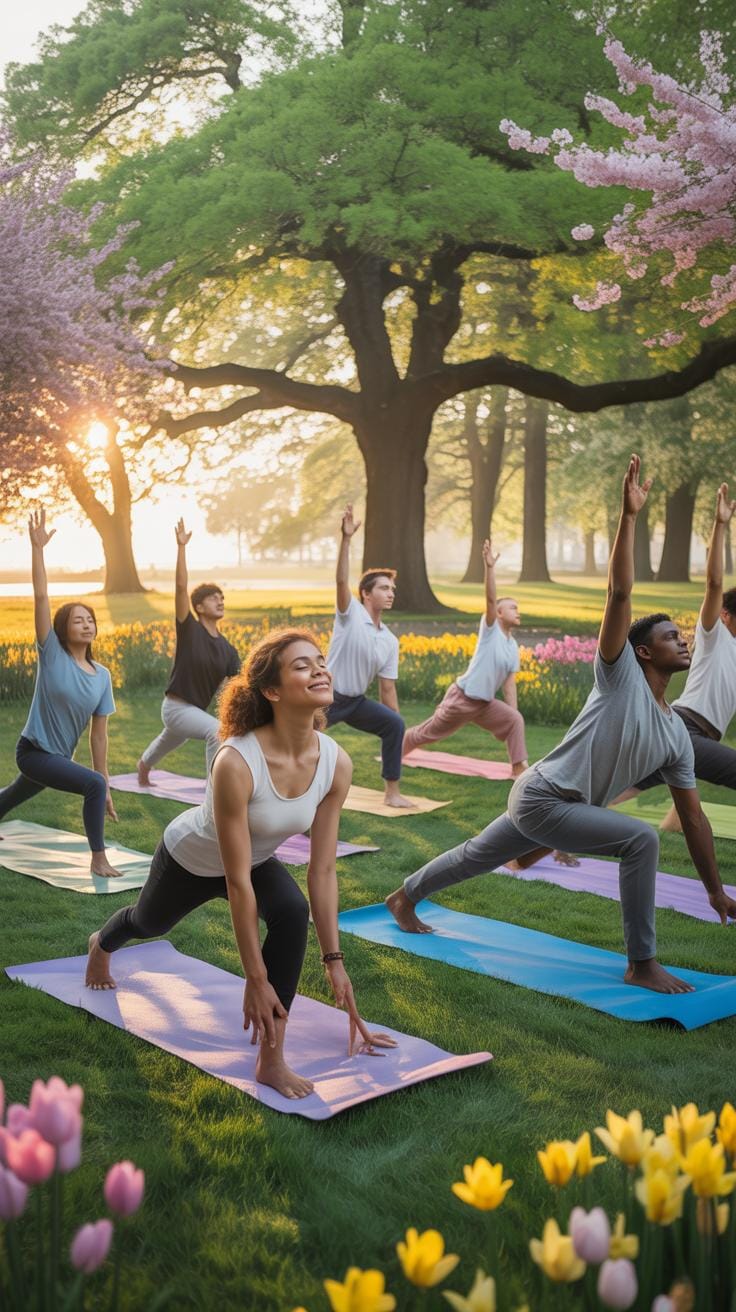
Starting your day with yoga can bring a variety of benefits beyond just physical exercise. Physically, morning yoga gently wakes your body, improving flexibility and circulation, which can make daily movements easier. It’s not about pushing hard but about releasing stiffness accumulated overnight, helping you feel less sluggish.

Mental clarity often improves after a morning session. This calm focus comes partly from the deep breathing and mindfulness involved, settling scattered thoughts and preparing you to face the day’s tasks with composure. It’s kind of like a mental reset before the day gets busy.
Emotionally, morning yoga can offer a sense of stability. Taking even ten or fifteen minutes for yourself first thing in the morning helps create a grounding effect. It sets a positive tone, encouraging patience and resilience to deal with whatever arises. Not every day might feel perfect, but giving yourself this moment sets a gentle baseline.
How Morning Yoga Boosts Energy And Focus
You might expect exercise to tire you out, but yoga in the morning often does the opposite. By stretching muscles and opening up the chest and lungs, it enhances oxygen flow, which can increase alertness. The controlled breathing exercises, or pranayama, play a significant part in energizing the mind and body.
Mental focus seems to sharpen naturally after moving through a few yoga poses. The practice demands attention to posture, breath, and subtle body sensations, which can improve concentration skills throughout your day. Some people notice they handle work or study tasks more efficiently, but this can depend on the individual and how consistent the practice is.
Does morning yoga feel like a caffeine hit without the jitters? Perhaps. It’s certainly a natural way to boost your wakefulness without stimulants, though don’t expect the same spike as from coffee. Rather, it’s a steady, calm energy that builds as you progress in your routine.
Reducing Stress And Anxiety Through Yoga
Starting your day with yoga offers a way to reduce stress that seems quite accessible. The mindful breathing reduces the physiological markers of stress—like heart rate and blood pressure—and activates the parasympathetic nervous system, essentially helping your body relax.
Yoga also encourages tuning into the present moment. That mindfulness aspect can interrupt the cycle of anxious thoughts. While it doesn’t erase worries, it can create a buffer zone where you observe them without getting overwhelmed.
Many people find that a few gentle poses paired with breath work in the morning can lower a general sense of anxiety. It might not replace other stress management techniques, but it certainly forms a valuable part of a stress-reducing toolkit. Trying it might reveal subtle shifts in how the day’s pressures impact you.
Essential Morning Yoga Poses
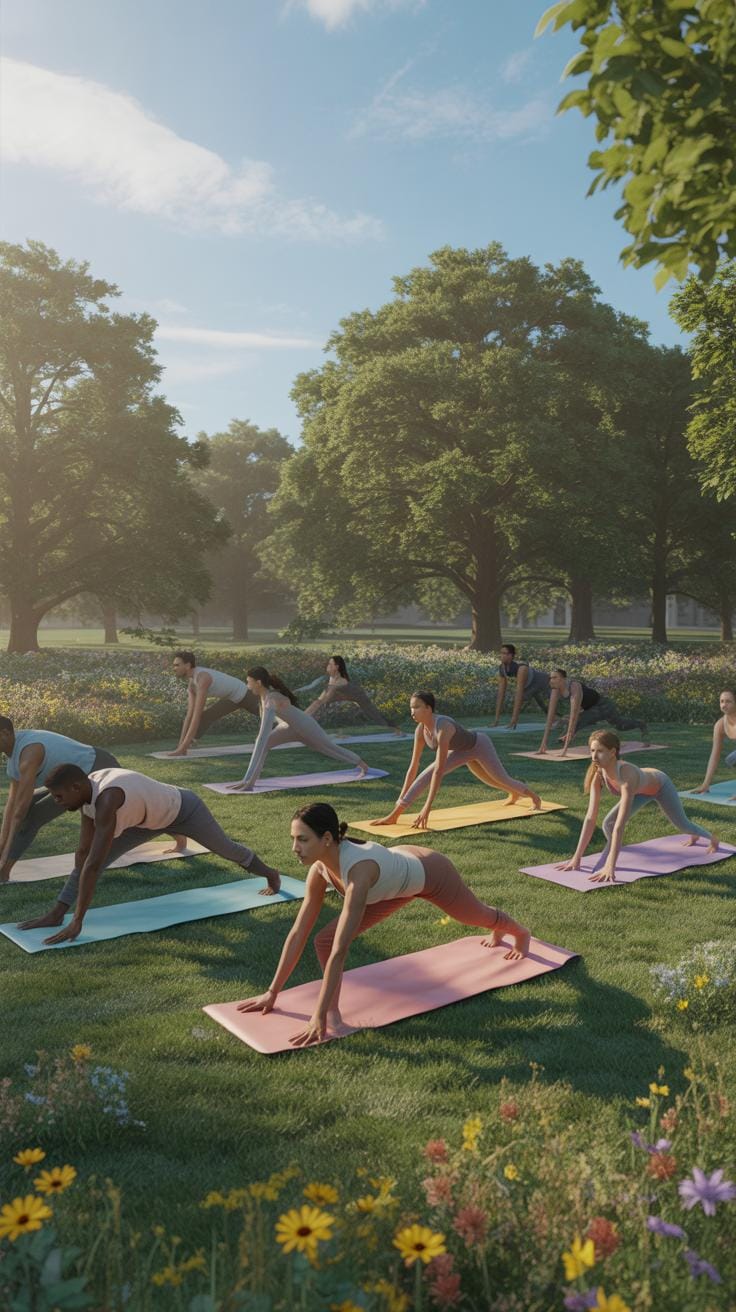
Morning yoga poses set the tone for the day. They wake your body gently without overload. Simple ones, accessible even for beginners, work best. Consider poses like Cat-Cow, Downward Dog, and Child’s Pose.
Cat-Cow stretch is particularly good. It warms your spine and stretches the back and neck. The movement is easy, moving between arching and rounding the back.
Downward Dog helps stretch the hamstrings, calves, and shoulders while strengthening the arms. It’s a great full-body pose that feels energizing.
Child’s Pose offers a nice counter-pose for relaxation and gentle stretching of the hips and lower back. It’s perfect to catch your breath and tune in to your body at the start.
Step By Step Guide To Morning Poses
Start with Cat-Cow on all fours. Inhale, drop your belly, lift your head and tailbone up (Cow). Exhale, arch your back, tuck your chin (Cat). Repeat 5-7 times, moving slowly. If your neck feels stiff, go extra slow.
Next, transition to Downward Dog. From hands and knees, lift your hips up and back, straightening legs comfortably. Press heels toward the floor but don’t force it if your calves are tight. Hold for 3-5 breaths.
Finish with Child’s Pose. Kneel, bring big toes together, spread knees apart, and lower your torso over your thighs. Stretch arms forward or alongside your body and breathe deeply for 5 breaths or longer if time allows.
Which Poses Help Flexibility And Strength
Downward Dog improves flexibility in calves and hamstrings and strengthens arms and shoulders. Cat-Cow increases spinal mobility and flexibility. These are often probably the most balanced morning poses.
Warrior I and II poses, if you include them, are great for building leg strength and hip flexibility.
In general, standing poses like Mountain or Tree promote balance and leg strength but may feel a bit intense first thing. It’s okay to skip those until you feel ready.
Stretching and strengthening key muscle groups early can set a sustainable rhythm for your daily activities—maybe you’ll even notice less stiffness or fatigue as days go by.
Morning Yoga Vs Regular Workout

When you wake up, the choice between yoga and a regular workout can shape how your entire day feels. Morning yoga gently prepares your body and mind by linking breath with movement, easing stiffness without overwhelming your system. It calms you, setting a mindful tone that can linger well beyond the session. A typical workout, say brisk cardio or weight training, jumps straight into physical exertion — boosting heart rate, building strength, and quickly engaging muscles. The effects? Energy spikes, enhanced metabolism, and an upfront calorie burn.
This contrast matters depending on your state and goals. Yoga doesn’t push as hard but offers lasting relaxation and mental clarity. Regular workouts energize differently, often firmer and faster, ideal if you aim for rapid fitness gains. Which suits you better? It might depend on your mood — sometimes you want to soothe, others to push.
Yoga And Cardio Exercises Side By Side
Yoga and cardio dance to quite different rhythms. Cardio—running, cycling, dancing—raises your heart rate for sustained periods, improving cardiovascular capacity and stamina. It’s impactful for weight control and endurance. Yoga moves slower, focusing more on breathing, flexibility, and balance, weaving relaxation alongside physical activity.
Health benefits reflect those differences:
- Cardio enhances heart and lung function, aiding vigorous daily activity.
- Yoga tends to lower stress hormones and improves joint mobility, cultivating mental calmness alongside physical grace.
- Cardio can be taxing initially, with more potential for fatigue or injury without proper buildup.
- Yoga is gentler but demands patience; progress might feel slower or less visible at first.
Both have their place, but they don’t serve the exact same purpose — so consider what your body and mind need most in the morning.
Choosing Right Workout For Your Goals
Figuring out whether to roll out your mat or tie your running shoes depends on more than just preference. Here are some quick markers you might find useful:
- Stress relief or mental clarity: Lean toward yoga. Its meditative nature can clear foggy thoughts and calm jittery nerves.
- Building endurance or burning calories: Cardio workouts push you harder structurally and metabolically.
- Injury or joint concerns: Yoga’s low-impact approach might let you move safely without strain.
- Weight loss combined with mindfulness: You might try blending both, or alternate depending on the day’s needs.
Remember, your goal might shift over time. Some days you need strength; others, decompression. That flexibility in your routine can keep you engaged and balanced. What feels right this morning may differ from next week, and that’s perfectly okay.
Create Your Personalized Morning Yoga
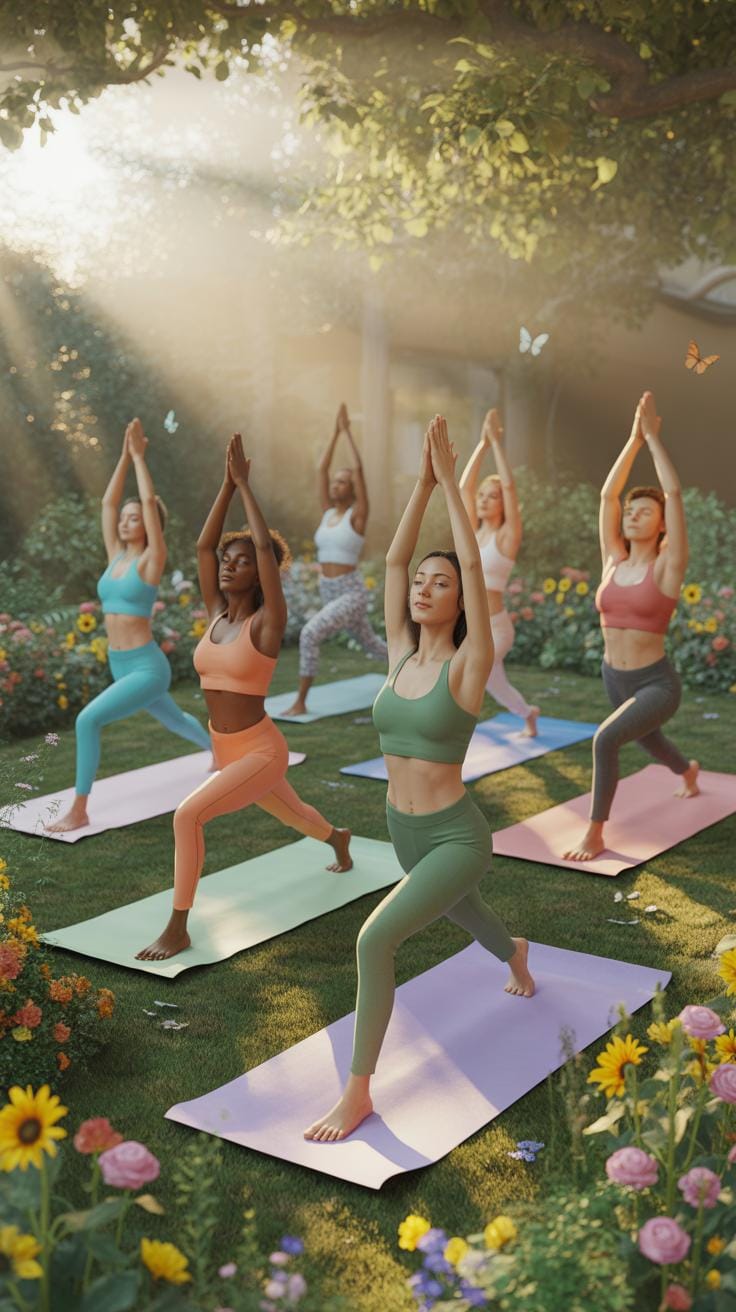
When setting up your own morning yoga routine, start by asking yourself what you actually need that day. Are you looking to energize your body, calm a restless mind, or maybe just get some gentle stretching after waking up? How much time can you realistically dedicate before you need to be off to work or other commitments? It’s easy to get caught up in what others do, but your routine should reflect your lifestyle and priorities.
Think about the space you have available and the props you might want—do you prefer a quiet corner, a yoga mat, or perhaps a few blocks for support? The beauty of a personalized routine is that there’s no one-size-fits-all. Some mornings, you might feel like doing a full flow; other times, just a few breathing exercises and stretches may suffice. The key is listening to your body and being flexible.
Checklist for Building Your Yoga Routine
- Define your goal for morning practice: energy, relaxation, flexibility, or focus.
- Choose a quiet, comfortable spot with minimal distractions.
- Pick poses that suit your current mood and physical condition.
- Incorporate breathing exercises or meditation if you want mental clarity.
- Decide on the time length that fits your schedule realistically.
- Gather any props or accessories you might need (mat, blocks, blanket).
- Plan your progression—warm-up, main poses, cool-down.
- Stay open to adjusting the routine daily based on how you feel.
Time Needed for a Good Morning Session
Most people feel like they need a full hour to make yoga effective, but honestly, even 10 to 20 minutes can bring noticeable benefits. If mornings are hectic, a short 15-minute routine might be all you can manage—and that’s perfectly fine. The important part is consistency rather than duration.
Try to balance the session with warm-up stretches, a few poses targeting your key areas, and some deep breaths at the end. It’s funny how sometimes the shortest sessions leave you feeling better than lengthy ones when you’re rushed or distracted. So don’t get stuck on doing more; focus on doing what feels right this morning.
Tips To Keep Consistent Yoga Practice
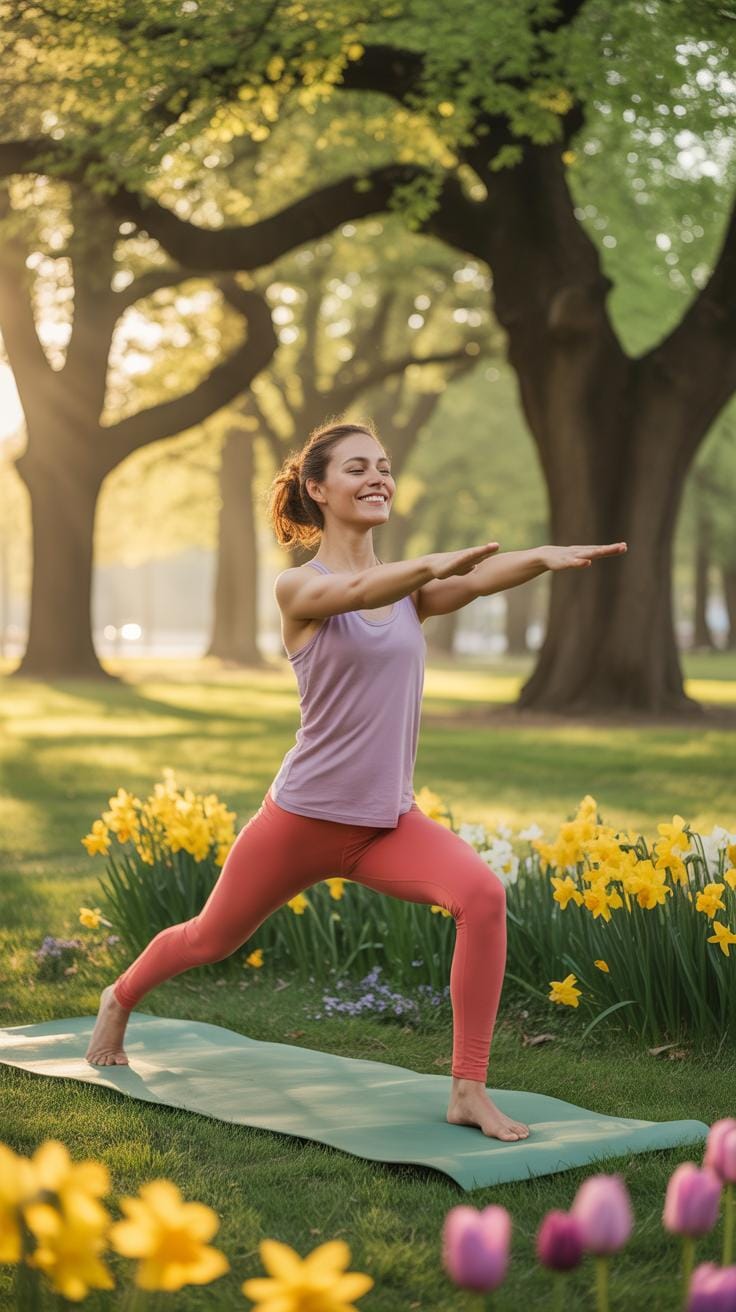
Sticking to a regular morning yoga routine can be tricky, especially with life’s distractions. But small adjustments can make a big difference. For example, setting a specific time each day helps anchor your practice—think of it like an appointment with yourself that’s non-negotiable.
Prepare your yoga space the night before. Having your mat ready and your area clutter-free makes it easier to jump in without hesitation. If you’re the type who hits snooze, placing your phone or alarm clock across the room forces you to get up.
Mixing things up also keeps motivation alive. Try different sequences or styles to avoid boredom. Sometimes, just a few gentle stretches can be enough on tougher mornings, rather than a full, intense session. Also, consider linking yoga practice with a morning habit like a glass of water. Small triggers can be surprisingly effective in building consistency.
How To Make Yoga A Daily Habit
Habits form when behaviors are repeated in consistent contexts. With yoga, finding a reliable cue is a start—a sunrise, a morning beverage, or even a specific song. These cues gently remind you to begin. You might want to keep a journal of your practice; tracking progress, even briefly, adds a layer of commitment.
Some find apps or alarms useful, while others prefer sticky notes as visual nudges. The trick is to personalize your reminders—they don’t have to be fancy, just persistent. Gradually, you’ll realize that yoga transitions from a task into a natural part of your day. Still, there can be days when motivation is low—expecting perfection every time is unrealistic.
Overcoming Common Yoga Barriers
Time is often the biggest hurdle. Mornings can be rushed, and fitting yoga in may feel overwhelming. But remember—you can adjust duration and intensity. Even ten minutes counts. Some worry about flexibility or skill level. Yoga favors progress, not perfection, so modifying poses is fine. There’s no need to compare.
Lack of energy or sleepiness also challenges morning practice. This might mean adapting your routine or prepping better the night before. And of course, mental resistance happens—a voice inside that says “later” or “skip today.” Acknowledging that voice without judgment and gently moving into practice can help break the cycle.
Which barrier do you feel is slowing you down most? Recognizing it is the first step forward, even if it’s hard at times to keep that momentum going.
Use Props To Enhance Yoga Practice
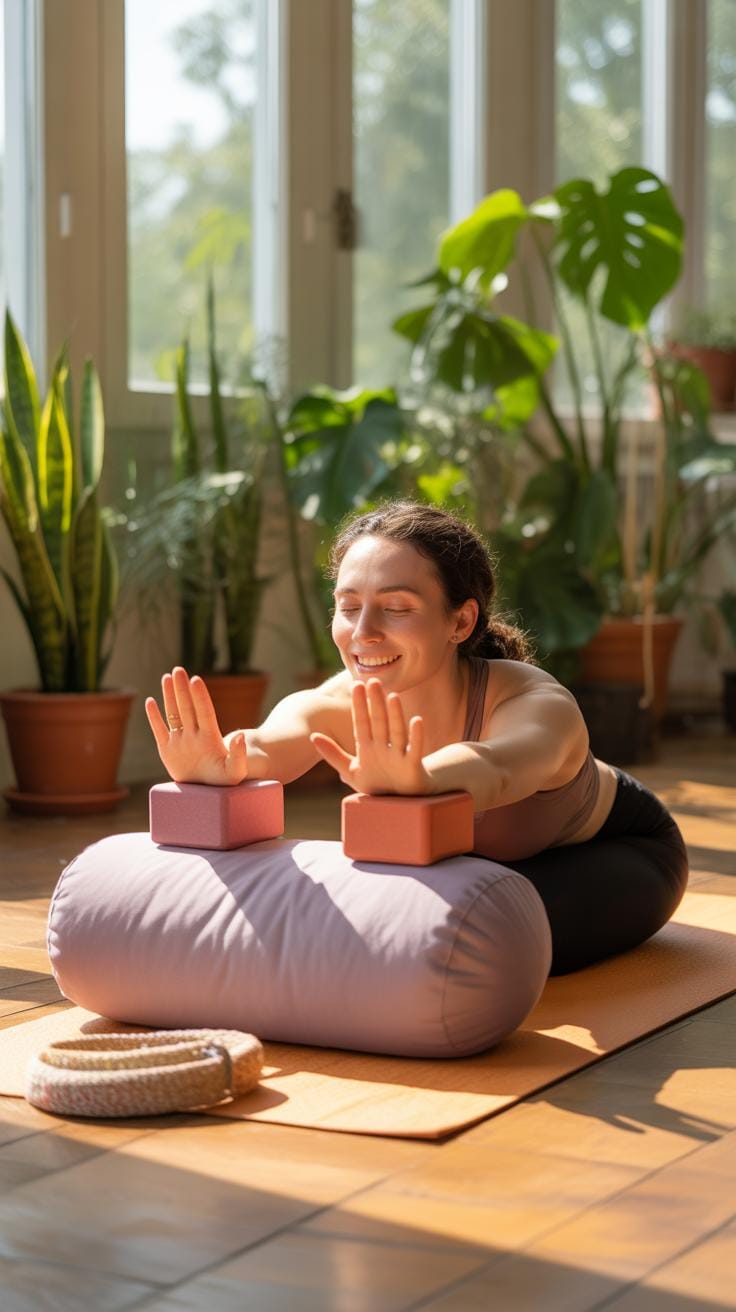
Simple tools and props can make your morning yoga moves feel more effective and much comfier. Adding these can help you hold poses longer or get into postures more naturally, especially if your body feels stiff or tight early in the day.
Beginners often struggle with balance and alignment, which can lead to discomfort or even injuries. Using props can be a solid way to improve your posture and avoid strain. For example, a yoga block can support your hands in standing poses so you don’t have to overstretch.
Benefits Of Yoga Props For Beginners
When you’re new to yoga, props help bridge the gap between where your body is now and the ideal pose. They provide stability, so there’s less risk of hurting yourself. Props can also ease tension by supporting tight muscles, letting you relax deeper into the pose.
I remember when I first started yoga, a strap was a game changer. It allowed me to reach my feet in seated stretches, which otherwise felt impossible.
Examples Of Common Yoga Tools
- Yoga Blocks: Great for elevating hands or hips in standing poses, improving alignment.
- Straps/Bands: Help you extend reach in stretches or tie limbs together for support.
- Bolsters: Cushions that support the lower back or knees for comfort in resting poses.
- Blankets: Offer padding or warmth, and can be folded to support joints.
- Chairs: Useful for balance poses or to modify standing asanas if you have limited mobility.
Experiment with these tools during your morning routine. Even a small prop can keep you from struggling in a pose, allowing your mind to calm and your body to gently stretch at the start of the day.
Track Your Progress And Adjust

What Signs Show Improvement In Yoga
When you’re practicing morning yoga regularly, it can sometimes be tricky to tell if you’re really making progress. But there are some clues you might notice physically and mentally. You might find that certain poses feel less challenging or that your body moves more freely. Maybe you’re even standing a little taller or experiencing less stiffness when you wake up. Mentally, yoga can bring a bit more calm and focus throughout your day. You might catch yourself feeling less stressed or reacting to daily annoyances with more patience.
It’s not always a straight path, though. Some days might feel harder, even if you’re improving overall. Your mind and body have their own rhythms, so keep an eye out for subtle improvements in flexibility, balance, or your ability to breathe deeply instead of quick, shallow gasps. These small changes are signs you’re on the right track.
When To Increase Intensity Or Time
Knowing when to step up your yoga routine isn’t always clear-cut. If you notice poses becoming too easy or your mind wandering while you practice, that might mean it’s time to add some challenge. You could try holding poses a bit longer or exploring new postures that require more strength or balance. Maybe add five minutes to your session or sneak in some gentle twists and backbends.
But be cautious—pushing too hard can backfire. If you start feeling persistent soreness or lose your usual mindfulness, it’s a sign to ease back. It helps to check in with how your body feels during and after practice. You want to stretch limits without crossing them. Sometimes a day or two of lighter stretching mixed with mindfulness exercises can help you come back stronger. Ultimately, your body will usually tell you when it’s ready for a bit more or needs to rest.
Sample Morning Yoga Routine For Starters
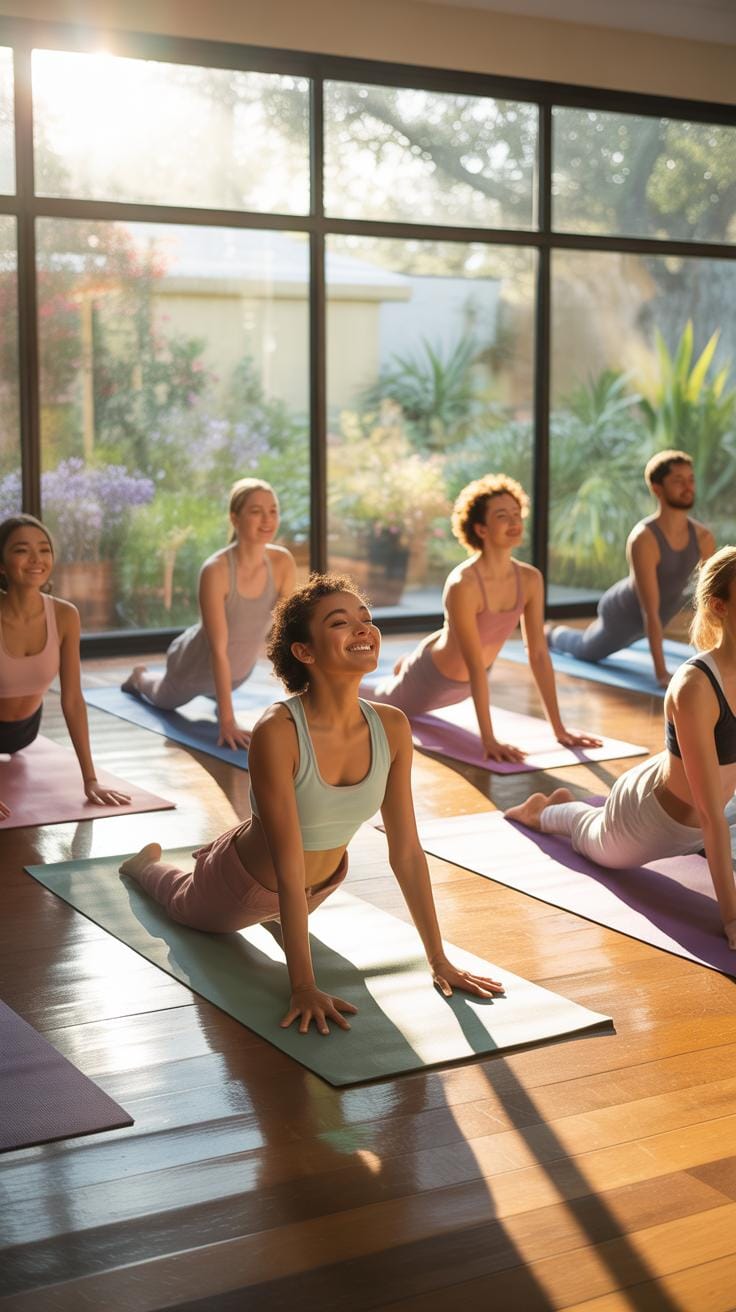
Starting with something simple can make morning yoga feel approachable. Here’s a gentle sequence that eases your body and mind into the day. Begin with Child’s Pose to ground yourself. Then move to Cat-Cow stretches, arching and rounding your spine to warm up the back.
Next, try Downward Dog to stretch your hamstrings and calves. From there, step into a Low Lunge to open hips, followed by a gentle Twist to awaken your spine. Finish with Mountain Pose and a few deep breaths to center yourself.
The pace is slow and mindful—no rush. Maybe hold each pose for about 30 seconds to a minute, adjusting to your comfort level. This routine can take around 10 to 15 minutes, just enough to feel refreshed.
Detailed Daily Yoga Plan
- Day 1: Child’s Pose, Cat-Cow, Downward Dog
- Day 2: Add Low Lunge and Spinal Twist
- Day 3: Repeat Day 2, hold poses slightly longer
- Day 4: Introduce gentle Sun Salutations, slow pace
- Day 5: Combine all poses from previous days
- Day 6: Focus more on breathing with less movement
- Day 7: Full sequence with mindful transitions
This plan eases you in, slowly building a habit without overwhelming your body or schedule.
Adjustments For Different Fitness Levels
If you’re a beginner, using props like yoga blocks or a folded blanket can make poses easier, especially in lunges or twists. Take breaks when needed and avoid pushing beyond gentle stretches.
For intermediate practitioners, try holding poses longer or flowing between them with breath. Adding short balances or more challenging arm support poses could deepen your practice.
Advanced yogis might include extended Sun Salutation series or more complex poses like Crow or Headstand. But even then, mornings can be for calm rather than exertion, so listen to your body’s cues.
The key? Adapt the sequence to how you feel each morning, which sometimes means going slower and sometimes a bit more dynamic. Flexibility in your routine can make all the difference in staying motivated and comfortable.
Common Mistakes To Avoid In Morning Yoga
Incorrect Posture And Breathing
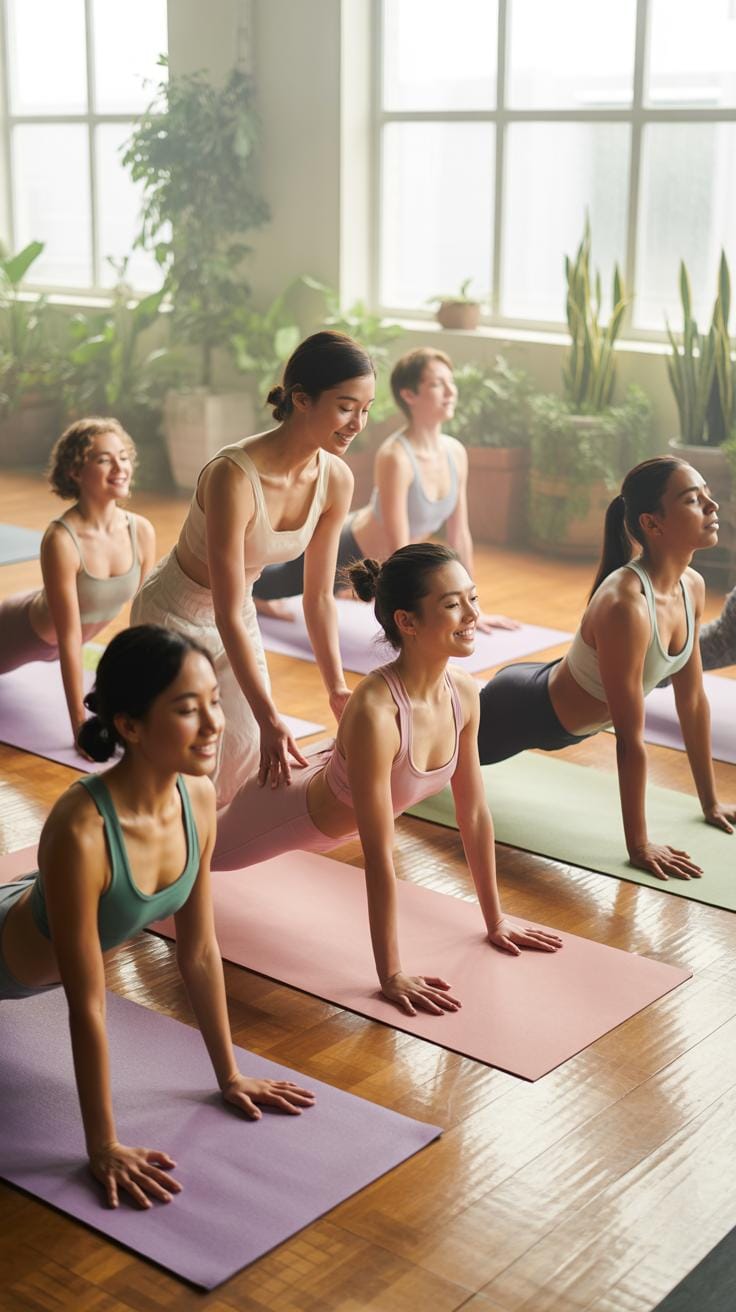
One thing that often trips up people starting their morning yoga is using the wrong posture. It might feel minor, but even a slight twist of the spine or incorrect alignment of the knees can throw off your whole practice. I’ve noticed even some experienced yogis occasionally slump their shoulders or lock their joints unintentionally, especially early in the morning when the body is still waking up.
Breathing mistakes are just as common. Yoga breathing, or pranayama, is supposed to be smooth and controlled, but many folks tend to hold their breath or breathe shallowly in the morning. This can make you tense instead of relaxed. What’s surprising is how little effort it takes to calm your breath and, by doing so, settle your mind. But it’s easy to overlook this, especially if you’re eager to move quickly through the poses.
Skipping Warm Ups Or Rushing Routine
Skipping warm ups is another frequent error. Your muscles and joints are cold after sleep, and jumping straight into intense postures might cause strain or injury. Slow and gentle warm ups prepare the body; it’s that simple. Yet, when mornings feel rushed, it’s tempting to speed through without those initial stretches.
Rushing the routine rarely brings benefits. Yoga is about connection and awareness, not just ticking boxes. Taking your time helps you engage fully, notice subtle sensations, and deepen your practice. If mornings rush you, consider shorter, mindful sessions instead of hurrying through a long routine. What’s the point if you end up more stressed?
Thinking about these common mistakes, have you caught yourself making any? What small adjustments could make your morning yoga feel more natural and restoring?
Conclusions
Morning yoga can improve your day by making your body and mind ready for what is ahead. It helps you relax and gives you more power to face daily tasks. By doing a few basic moves each morning, you build a habit that supports your health.
Try morning yoga as a part of your daily routine. Notice how it helps your mood and energy. With practice, you will find it easier to stay calm and active. Morning yoga is a good choice for your daily workout and relaxing time together.