
Finding Interesting Food Recipes and Videos
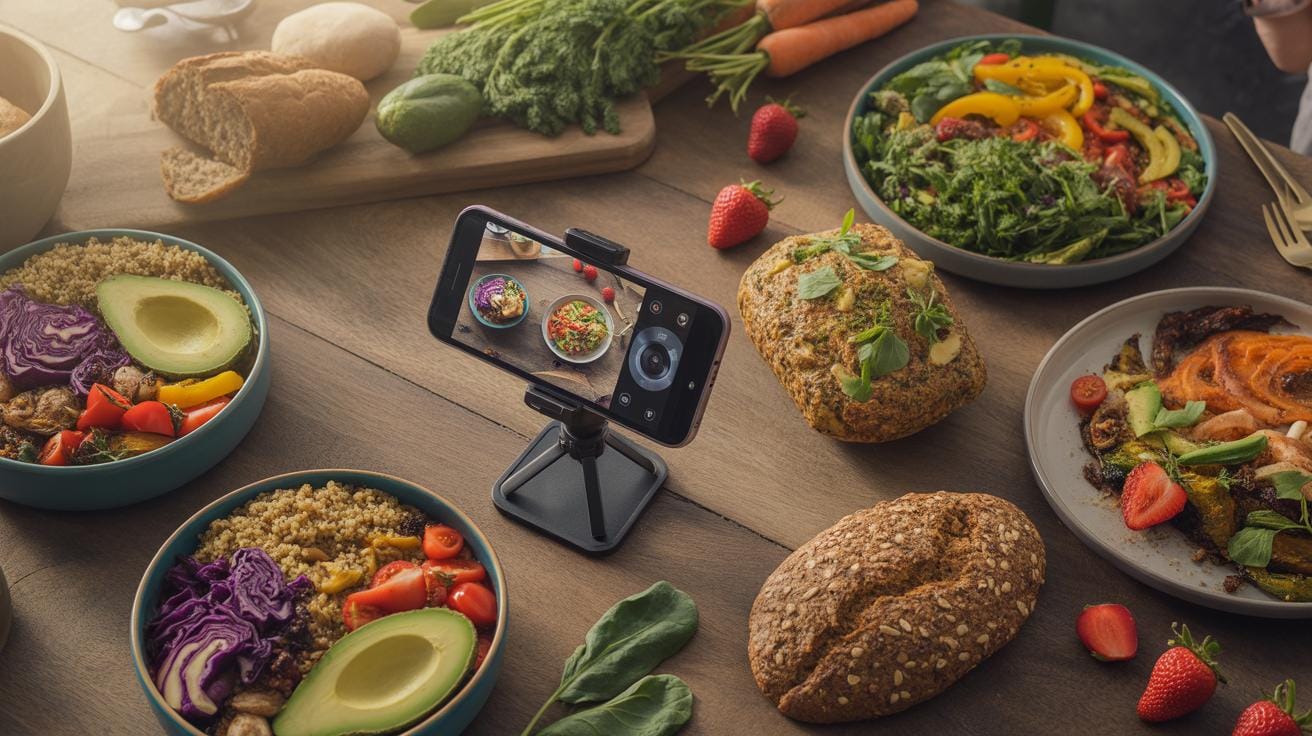
Food recipes are instructions that help you prepare meals. They tell you what to do, step by step. Many recipes come with videos that show how to cook the food. This helps you learn cooking quickly and easily. Interesting food recipes mix flavor and health. They help you enjoy your meals while staying healthy.
Many people want to cook at home for better health. Videos make it easier for you to know what to do. Healthy homemade meals use fresh ingredients and smart cooking. This article explores easy recipes, why health matters, and ways to make tasty meals without fuss. You will find guides, checklists, and examples to cook your best meals.
What Are Food Recipes

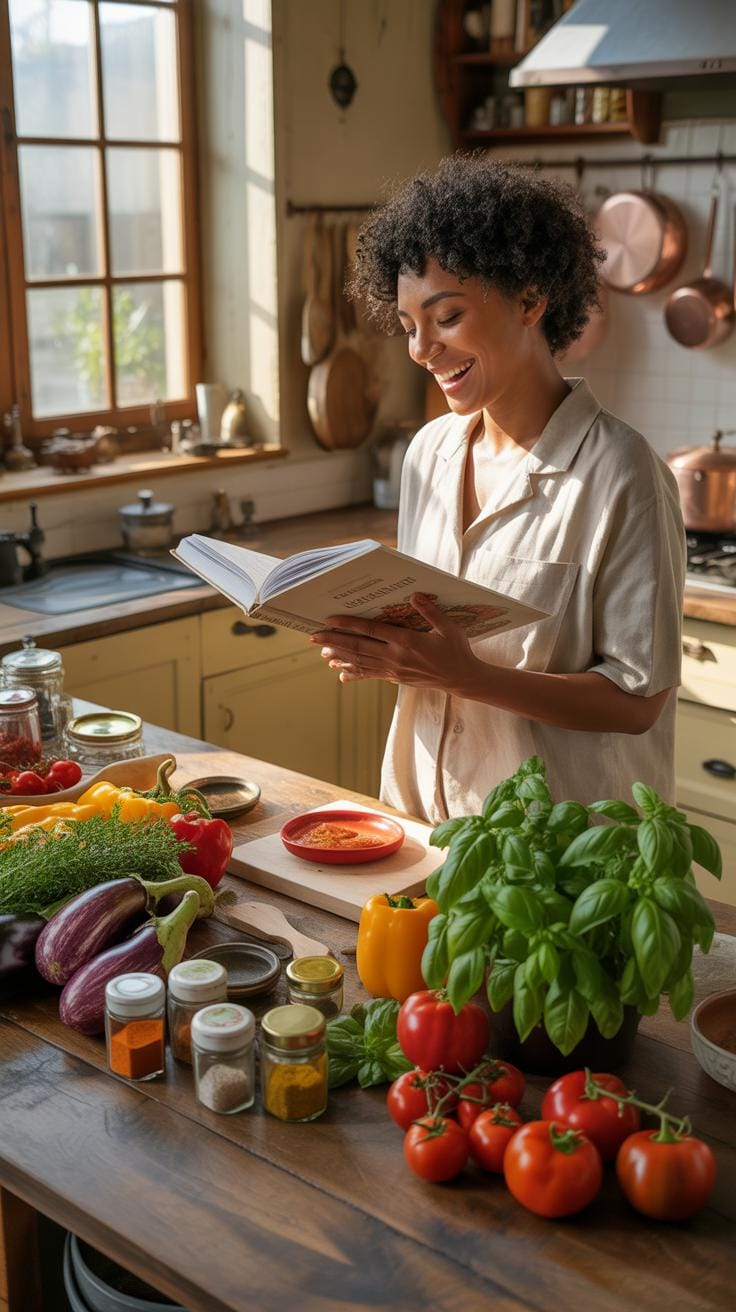
A food recipe is essentially a set of instructions guiding you on how to prepare a specific dish. It typically includes a list of ingredients and a step-by-step outline of the cooking process. This makes the act of cooking more straightforward—sometimes, simply knowing the order of steps and the right ingredients can transform a confusing kitchen experience into a satisfying meal.

Recipes have a long history, evolving alongside human culture and tastes. Originally, many recipes were recorded in handwritten books—what we now call recipe books or cookbooks. These books didn’t just list ingredients but often gave insights into cultural identities and social customs. Today, recipes continue to adapt, including videos and digital versions, which offer new ways of learning and sharing cooking techniques.
History Of Cooking Instructions

Recipes, surprisingly, go back thousands of years. The earliest ones were found in Mesopotamia around 1730 BC, etched on cuneiform tablets. Ancient Egyptians, Greeks, and Romans also left behind cooking instructions, showing their culinary habits. Greece and Rome, in particular, had influential recipes that shaped Mediterranean food traditions.
Interestingly, recipes often started as instructions for medicine before becoming food guides. In ancient times, cooking and healing were closely linked, which is a bit unexpected nowadays. Over centuries, recipes shifted from brief commands for ingredients to more detailed and artful cooking instructions. By medieval Europe, recipe books began to take shape, capturing the tastes and techniques of their eras.
Why Recipes Matter In Cooking
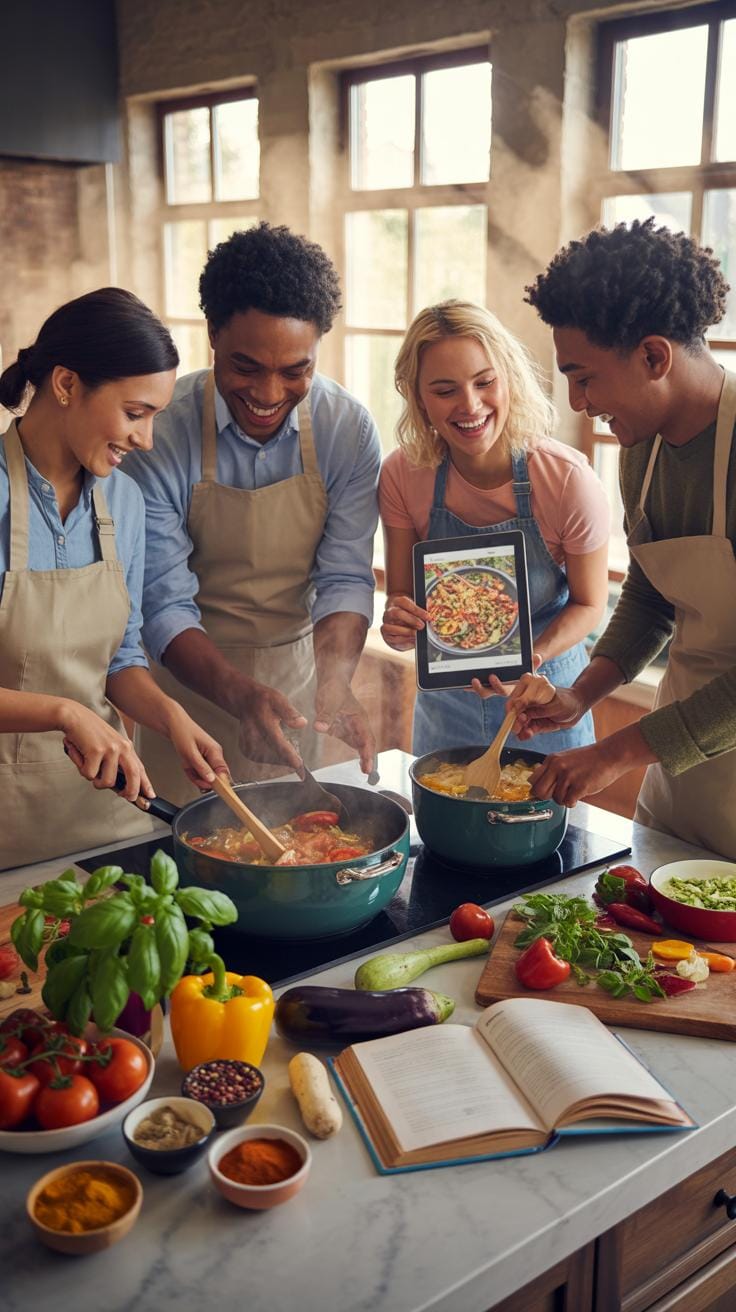
Recipes act like roadmaps for your cooking adventure. They give clear direction—what to prepare, how much to use, when to add ingredients—which helps avoid guesswork. For beginners, this means less frustration. For those more experienced, recipes are useful reminders or starting points for experimenting.
Following a recipe can help in making meals that are consistent in taste and quality. Still, some cooks find strict adherence limiting and prefer to adapt recipes to their taste or what’s available. So, are recipes rigid rules or flexible templates? Probably a bit of both, depending on who’s cooking and the mood they’re in.
Benefits Of Healthy Cooking
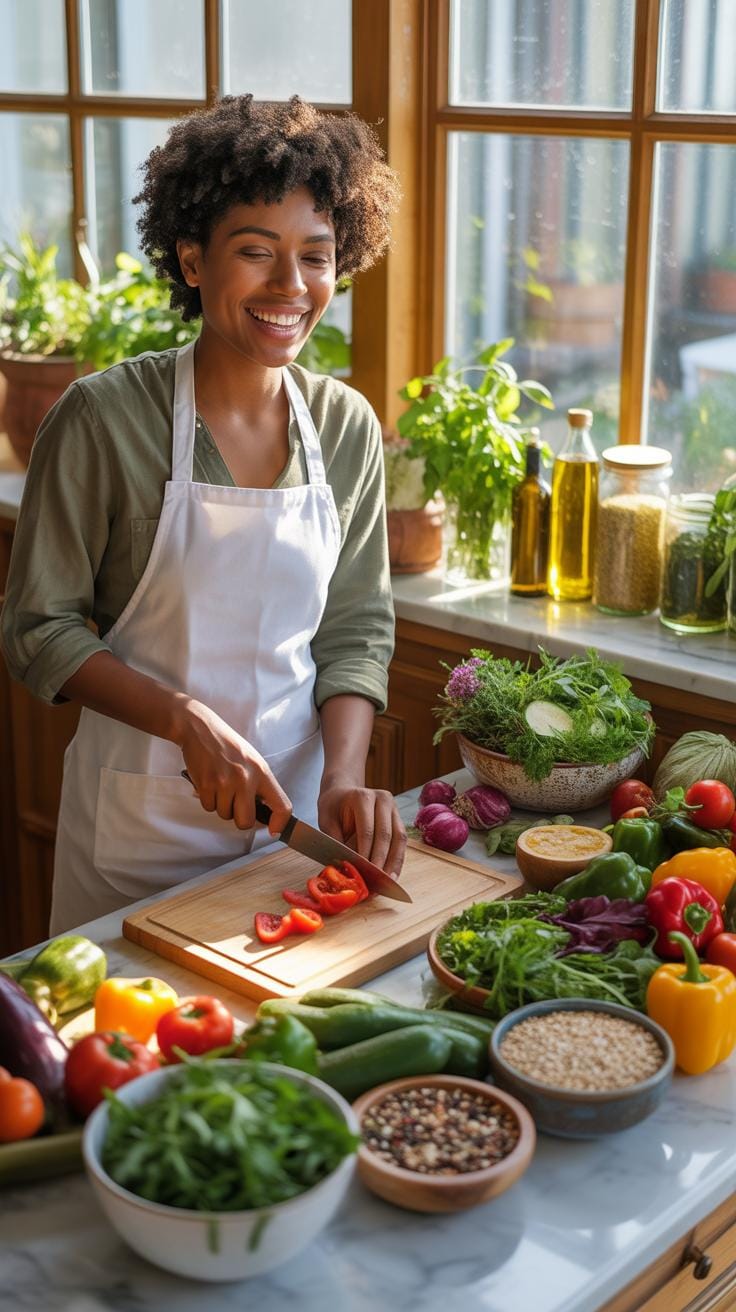
Cooking healthy isn’t just about avoiding illness—it touches every part of your life, from how you feel in the morning to long-term wellbeing. When you prepare meals with fresh vegetables, fruits, balanced proteins, and whole grains, you’re giving your body what it truly needs. It’s easy to underestimate how important these choices are.
Key elements of a healthy diet include:
- Fresh vegetables and fruits that provide essential vitamins and minerals.
- Balanced intake of proteins, carbohydrates, and fats to support body functions.
- Avoidance of overly processed and sugary foods, which tend to do more harm than good.
Following a diet rich in these elements supports bodily functions, energy, and even mood. It’s a bit more than just eating “healthy”—it’s about nourishing yourself properly to keep everything running well. I sometimes wonder if it’s just about discipline or really understanding how food affects us.
How Healthy Meals Improve Your Life
There’s a noticeable shift when you start cooking healthy meals regularly. You might find your energy lasts longer throughout the day and your mood feels more stable—it’s not just in your head. Simple choices, like swapping a sugary snack for a handful of nuts, can reduce the sluggish feeling after eating. This can be a small change with a surprisingly big impact.
Cooking at home means you control what goes into your meals, which lowers risks related to heart disease, diabetes, and obesity. Plus, it feels rewarding to know you made something good for yourself. But what about days when you just don’t want to cook? Maybe it’s about balance—healthy cooking doesn’t have to be perfect all the time.
Choosing Nutrient Rich Ingredients
Picking ingredients is more than grabbing what looks fresh off the shelf. When shopping, look for bright, crisp vegetables and fruits without bruises or premature softness. Check labels—not just calories but actual ingredients. The shorter and clearer the list, the better. For example, a broth with additives probably isn’t as healthy as a homemade one.
Try to choose local produce when possible—it’s often fresher and sometimes even more flavorful. Frozen vegetables aren’t bad either, especially if fresh options are limited. When buying packaged goods, watch for hidden sugars and high sodium. Understanding the label can help you avoid foods that might seem healthy but aren’t.
Choosing nutrient-rich ingredients might take some getting used to, especially if convenience is your priority. Yet, it’s worth the small effort, knowing you invest in your health every time you shop and cook.
Interesting Food Recipes
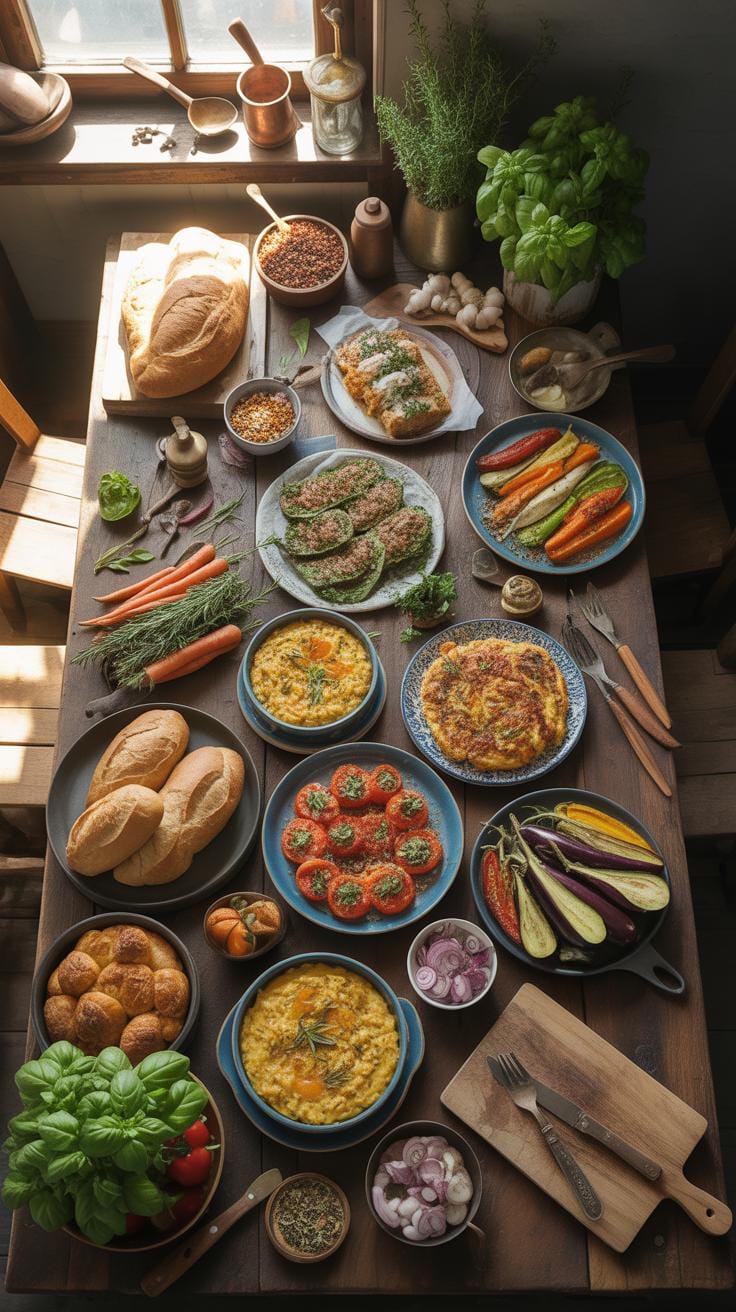
Exploring interesting food recipes often means stepping outside your usual menu. Some dishes feel like a small surprise, mixing flavors you wouldn’t expect but somehow work well together. For instance, blending sweet and savory elements might sound odd initially, but it can add a new twist to home cooking.
One thing I’ve noticed is that trying recipes from different cultures opens a wide array of options. A simple stir-fry can become exciting with the right spices, or a soup might transform with the addition of unexpected ingredients. It’s about being curious, willing to experiment — perhaps with a recipe that originally seemed complicated but turns out quite doable.
Recipes that focus on fresh, whole ingredients often feel more approachable too. The kind that invites you to chop, mix, and gently cook rather than rely on heavy sauces or complicated steps. These often lead to healthier meals but also great taste.
Thinking about what makes a recipe interesting might also include how it fits your lifestyle. Quick meals that still feel special, dishes that please picky eaters, or recipes that use leftovers creatively. Sometimes, a recipe’s appeal lies less in complexity and more in adaptability.
Basically, interesting food recipes challenge usual habits just enough to keep cooking engaging, without overwhelming you. It’s a balance, really — one that keeps the kitchen a place for discovery rather than stress.
Comparing Cooking Methods Baking Frying Steaming and Boiling
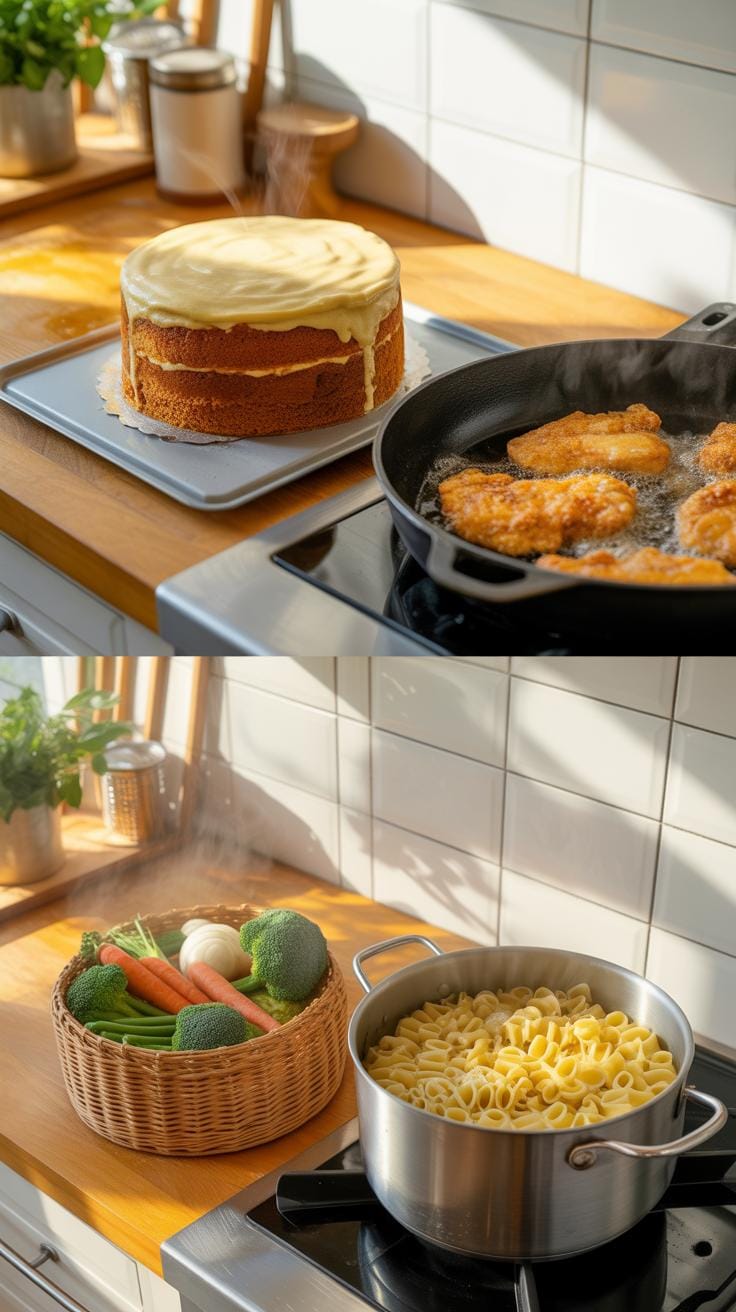
When you think about cooking methods—baking, frying, steaming, boiling—they all seem straightforward but actually impact your food in quite different ways.
Baking is often seen as a cleaner method. You use dry heat, which tends to keep food texture firm without adding extra fat. Then there’s frying, which many find flavorful, but it involves submerging food in oil, so it naturally adds fat and calories. Steaming stands out because it cooks food with moisture and gentle heat, largely preserving vitamins and minerals. Boiling is simple and accessible but can leach some nutrients into the water, especially if you discard it.
Which one is healthier? Well, steaming usually takes the win for retaining nutrients without added fat. Frying might be tasty, but it’s the least healthy if overdone. Baking and boiling fall somewhere in between—they can be healthy depending on what you add to your dish.
Health Effects Of Different Cooking Styles
You might be surprised just how much cooking style alters your meal’s nutrition. Frying is notorious for upping fat content, which can be fine now and then, but frequent use might not serve your health well. Steaming, on the other hand, tends to keep the natural goodness intact—think of green veggies staying crisp with their vitamins preserved.
Boiling, though quick and easy, often results in vitamins dissolving into the cooking water. Sometimes that’s not a problem if you use the broth, like in soups, but otherwise it’s a loss. Baking’s longer, drier heat can break down some nutrients but generally keeps the food’s structure well.
Choosing the Best Method For Each Recipe
Not all cooking methods fit every recipe perfectly. For delicate veggies, steaming often works best to maintain texture and nutrients. Heartier meals with rich sauces might benefit from baking, allowing flavors to meld without extra oil. Crispy foods involve frying, though you might want to keep that occasional for health reasons. Boiling is great for pasta or potatoes, where softening the ingredients is key.
It’s a bit of balancing act—consider what the recipe calls for but also what you value nutritionally. And sometimes, you might mix methods—like lightly steaming before a quick fry to get the best of both worlds. What matters is using the method that brings out the best taste and keeps your meal nourishing, without overcomplicating things too much.
Recipe Preparation Checklist
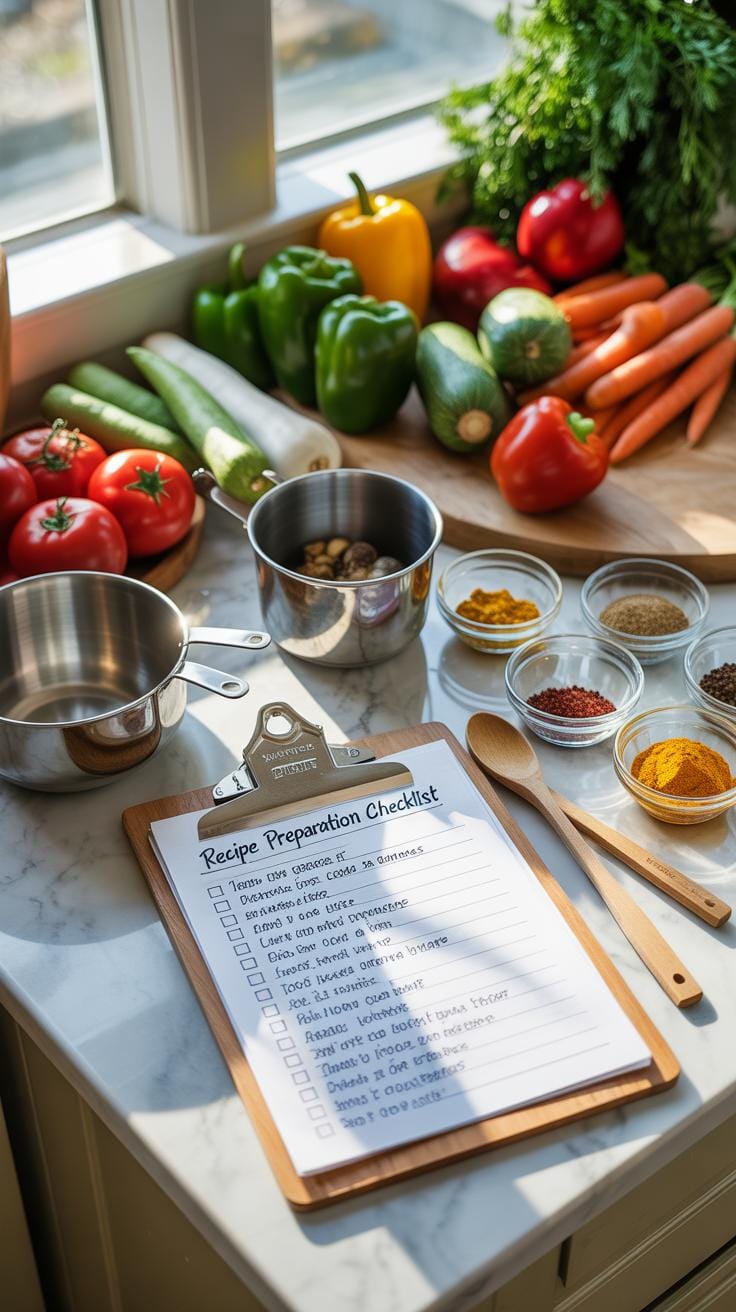
Before you even start cooking, gathering your ingredients and tools is key. It might feel a bit tedious, but having everything in place helps avoid interruptions and stress. So, take a moment to review your recipe and ask yourself: Do I have all the ingredients measured and ready? Are there any fresh items that need washing or chopping? This can sometimes take longer than expected, so be patient.
When it comes to tools, consider what you’ll need: knives, cutting boards, measuring cups, mixing bowls, and any specialized equipment the recipe calls for. Pull them out beforehand, and place them within easy reach. Oddly, I often forget to get my blender ready and have to stop halfway through.
Setting up your workstation is the last piece. Clear off your counters — a clutter-free space is less distracting and safer. Keep a damp cloth nearby to wipe spills quickly, and maybe a garbage bowl to collect scraps and peels. It doesn’t have to be perfect but aim for a clean, organized area that invites you to focus on cooking. It almost changes the mood, don’t you think? Sometimes, starting with a tidy space makes the whole process smoother.
Easy Tasty Recipe Examples
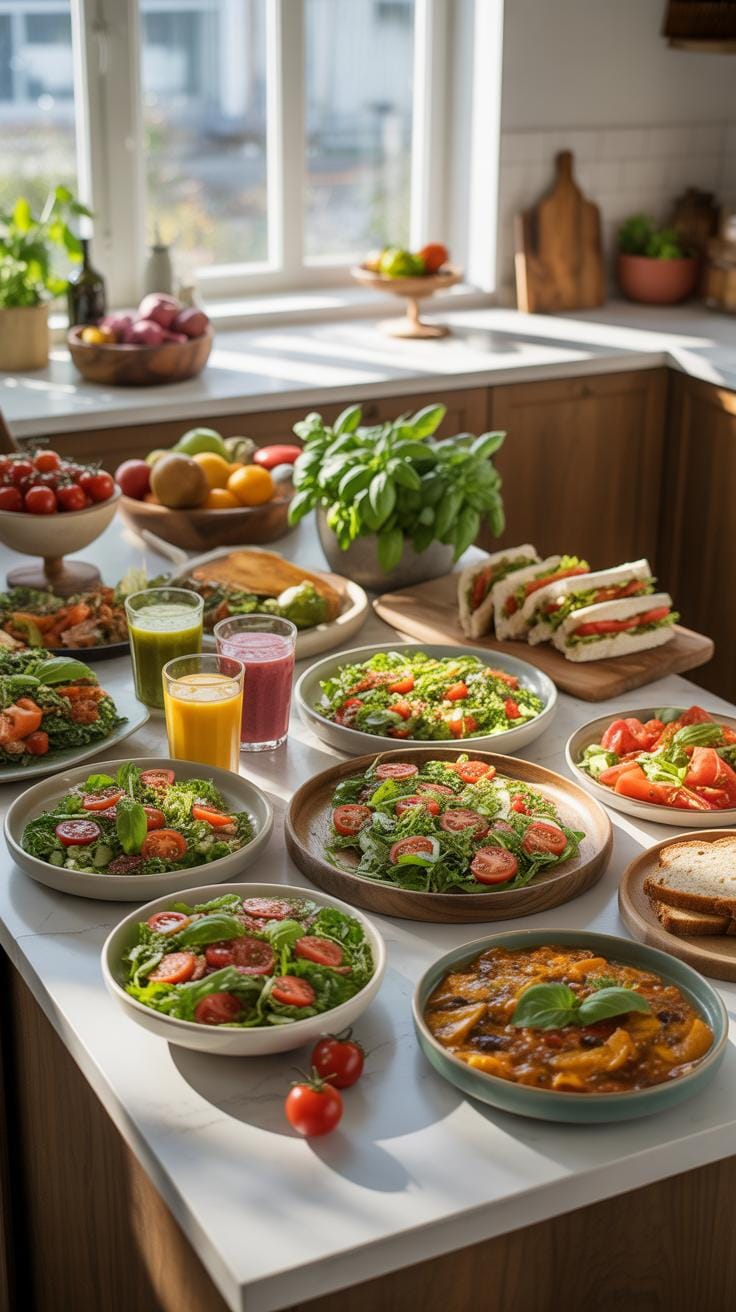
Finding tasty recipes that use healthy ingredients doesn’t need to be complicated. You can whip up dishes that satisfy your palate and your body with just a few staples on hand. For instance:
- Breakfast: Think Greek yogurt with fresh berries and a drizzle of honey. It’s simple yet packed with protein and antioxidants. Or maybe avocado toast topped with tomatoes and a sprinkle of chia seeds catches your eye.
- Lunch: A quinoa salad with cucumbers, chickpeas, and lemon vinaigrette works well when you want something fresh but filling. Even a whole-grain wrap stuffed with grilled veggies and hummus can hit the spot.
- Dinner: Stir-fried tofu with broccoli and brown rice can be quick and nourishing. Or baked salmon paired with roasted sweet potatoes is easy to throw together and feels a bit special.
These choices are not just healthy; they accommodate busy schedules and don’t require fancy ingredients. Sometimes simple meals accentuate flavors nicely. Have you noticed that small tweaks in familiar recipes can make a big difference in nutrition without losing taste?
Quick Breakfast Ideas
Breakfast doesn’t have to be a chore. Smoothies can be lifesavers here — blend spinach, banana, and a spoonful of peanut butter with almond milk. It’s fast, creamy, and provides a decent energy boost. Oatmeal is another solid go-to. Add flaxseed and fresh fruit for fiber and antioxidants. You may even try overnight oats so there’s no morning hassle. Also, scrambled eggs with some chopped tomato and herbs answer the call for protein and vibrant color.
Simple Dinner Recipes
For dinner, keep it balanced but straightforward. One idea is a chickpea curry — canned chickpeas, a splash of coconut milk, curry spices, and spinach come together quickly. If you prefer something lighter, a hearty vegetable soup with lentils can warm you up and bottom you out just right. Pasta tossed with olive oil, garlic, cherry tomatoes, and basil is classic and speedy, especially with a side salad to round it out.
Maybe these sound familiar, or perhaps they spark your own creativity. What’s your usual rush-hour dinner? Could a twist on simple ingredients make your routine a little healthier, a bit more interesting?
Reducing Cooking Mistakes
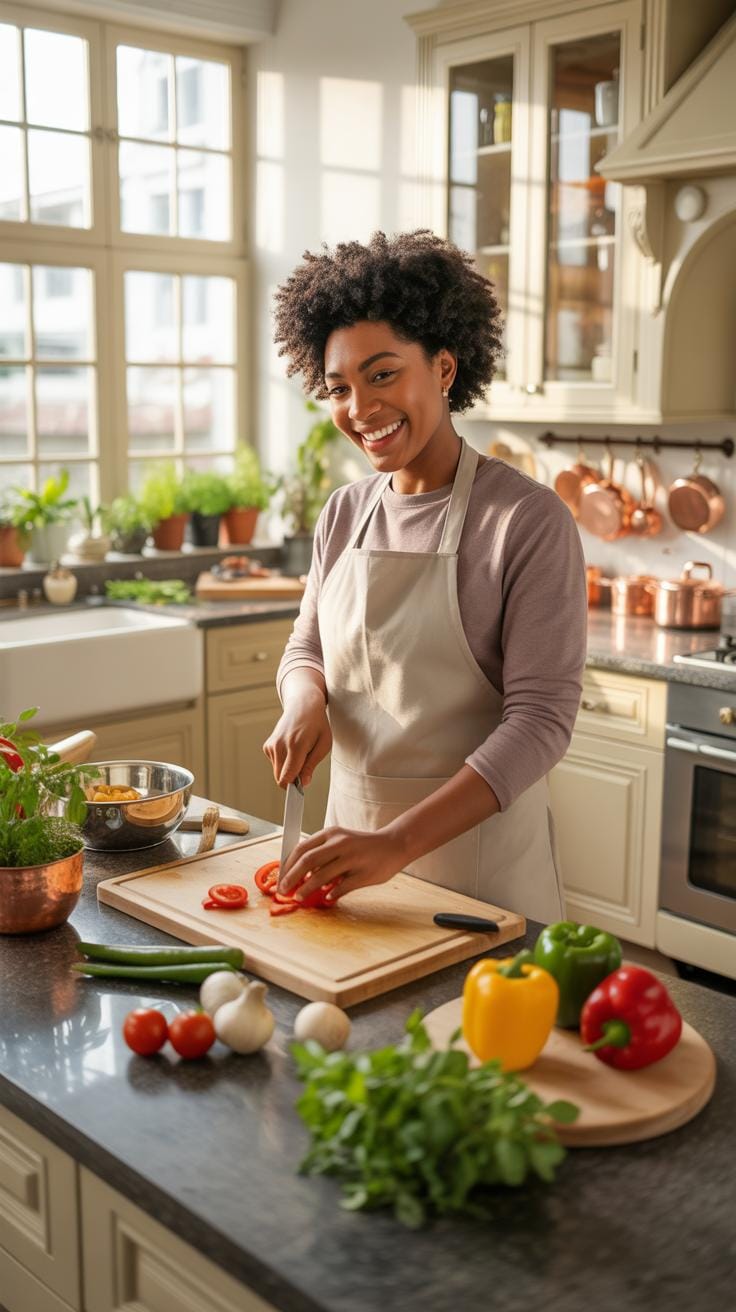
Cooking isn’t always straightforward. There are obvious pitfalls many of us face—like overcooking your veggies until they turn limp or using incorrect measurements that throw off the entire dish. These are probably the most common errors, but they often sneak in before you even realize it.
Consider these mistakes to watch for:
- Overcooking proteins or vegetables, leaving them dry or mushy.
- Misjudging ingredient quantities—too much salt or too little liquid can ruin a meal.
- Not allowing food to rest after cooking, leading to loss of juices or flavor.
- Skipping steps in recipes, such as not preheating the pan or oven adequately.
So, how do you fix these problems when they arise?
- For overcooked food, adding a splash of broth or sauce can soften dryness.
- Incorrect seasoning can often be balanced out by diluting with other components, like adding cream to overly spicy dishes.
- Use timers and measuring tools to keep you on track.
- When in doubt, follow the recipe steps closely and avoid rushing.
Sometimes, mistakes may seem irreversible, but with a little creativity, you might just save your dish or even turn it into something unexpectedly pleasant. Have you ever fixed a culinary mishap by improvising? It’s part of what makes cooking interesting and, well, human.
Cooking For Special Diets
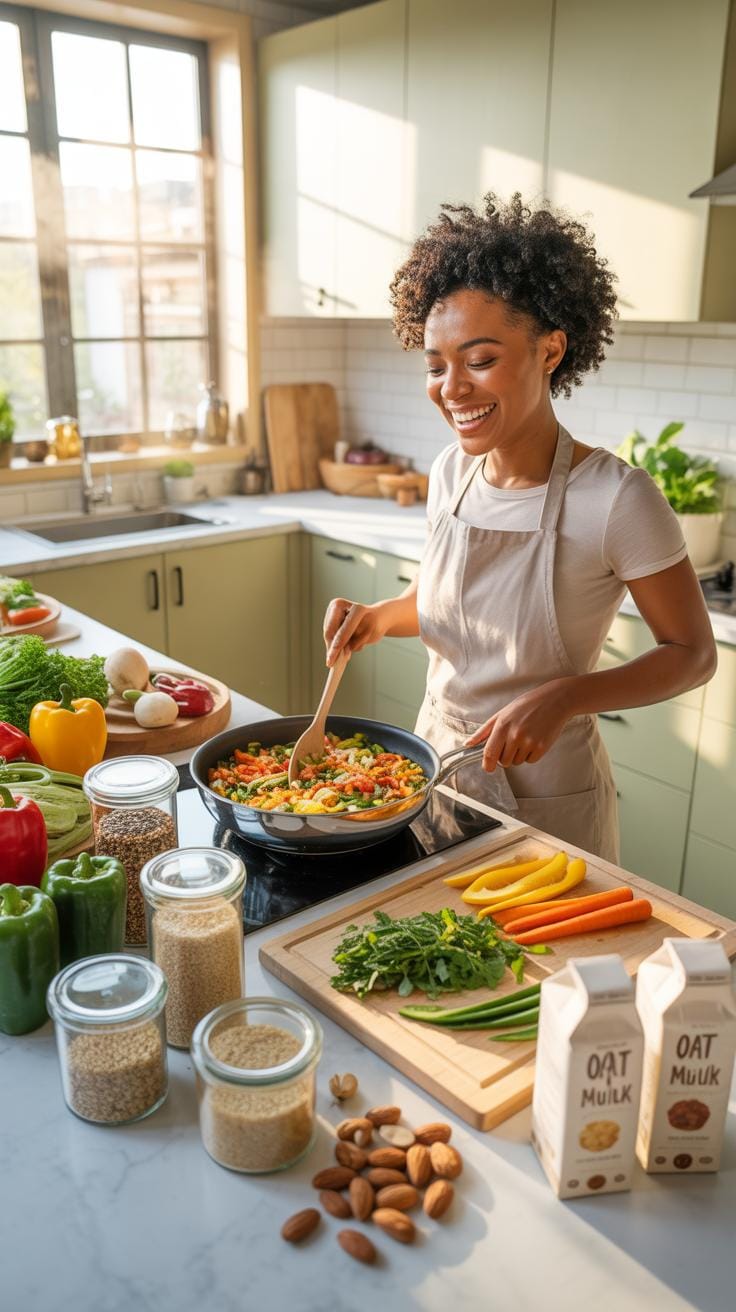
Adapting recipes for special diets can feel like a puzzle sometimes. Take vegetarian or gluten-free diets – they require more than just swapping out one ingredient. You want to keep flavors intact while respecting restrictions. For example, replacing meat with mushrooms or lentils offers hearty texture without sacrificing taste.
When it comes to gluten-free cooking, it’s tricky. Simply switching wheat flour with rice or almond flour might change the dish’s structure. Sometimes blending different gluten-free flours balances texture better. You might need eggs or xanthan gum to hold things together, which helps without dulling flavors.
Low-sugar diets need their own approach. Using natural sweeteners like stevia or dates lets you avoid sugar spikes but watch how much you add. Otherwise, desserts end up overly sweet or oddly flavored.
Adapting Ingredients Safely
Swapping ingredients without losing nutritional value or taste is an art. For example, if a recipe calls for cream, you could use coconut milk, but it alters the flavor. Sometimes, a mix of substitutes works better than a single one. There’s often no one-size-fits-all solution.
Consider allergies, too. Nut substitutes might be good for one but harmful for another. Experiment slowly—try one change at a time to see its effect on flavor and texture. It’s trial and error, honestly. And patience definitely helps.
Balancing Nutrition In Special Diets
Balanced nutrition isn’t straightforward under restrictions. A vegetarian plate loaded with veggies might lack enough protein or iron without deliberate choices. Adding beans, tofu, or quinoa can help. For gluten-free diets, rely on naturally gluten-free grains like millet or buckwheat that also bring fiber and nutrients.
Low-sugar meal plans can miss energy if you just cut sugars without replacing calories adequately. Healthy fats or proteins can fill that gap, but it feels like a juggling act sometimes. Achieving satisfaction and nutrition together demands a little creativity.
So, do you ever find yourself staring at a recipe and wondering how to make it work for your needs without sounding like a compromise? It’s a challenge worth taking though, especially to keep meals enjoyable and nourishing.
Storing Cooked Meals
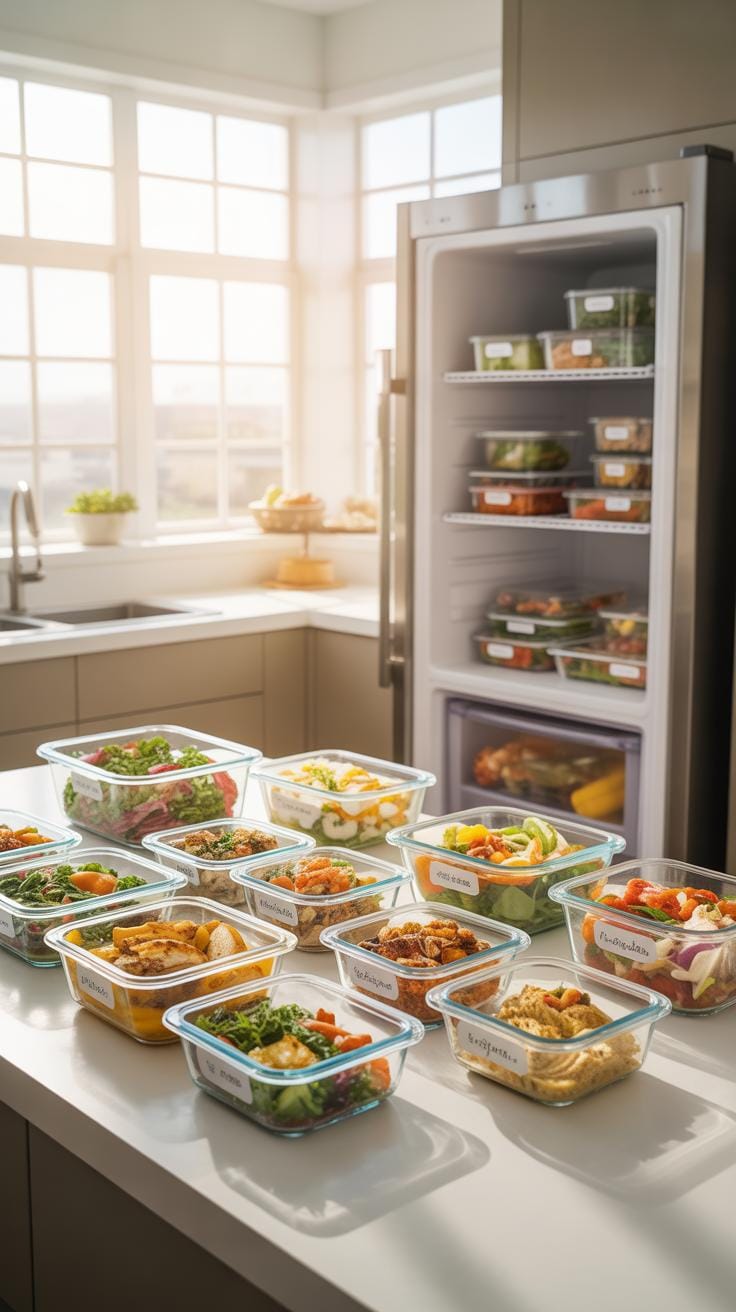
Storing cooked meals might seem straightforward, but there are a few nuances that can make a big difference in keeping your food fresh and safe. When meals come out of the kitchen, it’s tempting to just shove the leftovers into any container and toss them in the fridge. Yet, using airtight containers can help maintain moisture and prevent odors from mingling.
Think about portioning meals into smaller servings before refrigerating. It speeds up cooling and means you only defrost what you need later, which feels less wasteful. Sometimes I’ve found that plastic containers with seals aren’t perfect for every type of dish—soups or sauces might leak unless they are really tight. Glass containers often do better but need careful handling.
Proper Cooling And Refrigeration
Cooling foods quickly is key to avoiding spoilage or bacterial growth. Instead of leaving hot food out for hours, try spreading it out in shallow dishes—this lets heat escape faster. I guess a common mistake people make is putting a large pot of dense stew directly into the fridge. That slows down the entire fridge temperature. Think of it like this: reducing temperature gradually but efficiently protects freshness.
Once cooled, store leftovers promptly in the middle or bottom shelves of your fridge—not the door, which tends to fluctuate in temperature more. If you have a lot of food, leaving spaces between containers helps cold air circulate better. Ever tried cramming too many leftovers in one fridge shelf? It just doesn’t help.
Reheating Safely Without Losing Flavor
Reheating can be tricky—you want to warm food without turning it into mush or drying it out. Using the stovetop or microwave with a lid on can keep moisture in. Adding a splash of water or broth to rice or pasta dishes before reheating prevents dryness. Sometimes I just reheat food on low heat, stirring frequently, which helps keep textures intact.
Being patient really matters here. Rapid reheating, like blasting food on high power, might warm it but can create those dreaded rubbery textures or uneven heat zones. Ever bit into a cold patch in your casserole? Kind of ruins the experience. Stirring midway or covering dishes with a damp cloth sometimes helps with more even warming.
Are there foods you find impossible to reheat without losing their appeal? For me, that’s always been fried items. Re-crisping them isn’t easy but letting some air circulate in the oven seems to come the closest.
Using Leftovers Creatively
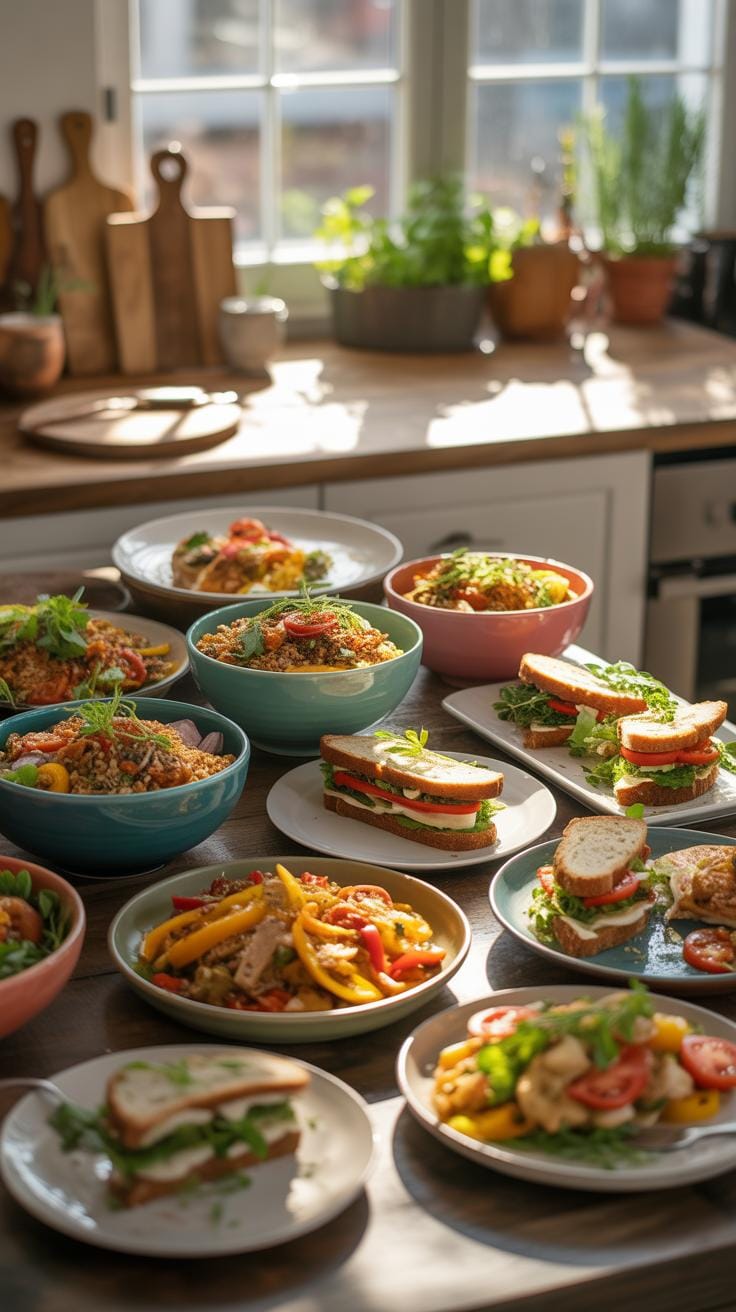
Leftovers don’t have to be dull, and they certainly shouldn’t end up wasted. One way to save both time and money is by transforming those extra bits into entirely new dishes. Think about turning yesterday’s roast chicken into a quick chicken salad or mixing leftover veggies into a stir-fry with fresh spices.
Sometimes, creativity means combining what you have in unexpected ways. A leftover rice portion? Try fried rice with whatever protein and vegetables you find. Stale bread? A simple bread pudding or homemade croutons can bring it back to life. These quick fixes not only stretch your groceries but also keep your meals interesting.
Simple Leftover Recipes
Here are some ideas for simple recipes that turn leftovers into tasty meals:
- Vegetable soup from leftover vegetables and broth.
- Frittatas using leftover meats and cheeses, perfect for breakfast or dinner.
- Wraps or sandwiches with yesterday’s grilled meat and fresh greens.
- Stir-fried noodles tossed with small bits of leftover meat and veggies.
What’s neat is how versatile these recipes are—you can adjust them based on what’s sitting in your fridge. Keeping ingredients like eggs, bread, and canned beans handy can also help extend your leftover repertoire.
Planning Meals To Reduce Waste
Planning is key if you want to cut down on leftover waste before it even happens. When shopping, try to buy what you realistically will use within the week. Meal prepping and portion control are useful here. Cooking once and eating twice can simplify your week without piling up excess food.
Also, consider meals that reuse components intentionally. For instance, cook a big batch of grains or protein to feature across multiple meals; you can switch up sauces or sides to keep things fresh. Do you ever find yourself staring at too many random leftovers? Maybe a weekly “clear out the fridge” night could become a thing.
Conclusions
Trying new food recipes can make cooking fun and healthy. Using videos helps you follow steps and see the process clearly. Choosing fresh ingredients and smart cooking methods helps you make meals that taste good and are good for your body.
With practice, you get better at cooking and can try more recipes. You control what goes into your food, keeping it healthy and fresh. Use the tips and guides here to enjoy meals that support your wellbeing and please your taste buds.