

Building Healthy Eating Habits
Healthy Eating Habits For A Healthy Girl Inspired Lifestyle is about learning how to eat foods that help your body and mind stay strong and feel good every day. This article will explain what healthy eating means and how it can make life better in many ways, from more energy to better health.
You will discover simple steps to improve your eating habits, understand why they are important, and get ideas on how to make eating healthy easy and tasty. Whether you want to feel stronger, think clearer, or have more fun with your meals, this guide will help you start.
Benefits Of Healthy Eating Habits


Eating well can really change things for a young girl—not just physically, but mentally too. Healthy eating supports your body’s growth, helps keep your immune system strong, and even sharpens your mind. For example, foods rich in vitamin D and calcium, like milk or leafy greens, contribute to stronger bones. Meanwhile, fruits and vegetables provide antioxidants that protect your skin and cells.

If you’ve ever felt sluggish after a heavy, sugary snack, you know how important steady energy can be. Balanced meals prevent those energy dips by providing a mix of nutrients your body can use over time. Iron, found in foods like spinach or beans, supports better oxygen flow in your blood, helping you feel more alert and focused throughout the day.
And here’s something interesting: your brain uses about 20% of the energy your body generates, so eating foods that feed your brain—like healthy fats from nuts or fish—can actually help you think clearer and learn better. It’s not just about feeling good for a moment, but setting yourself up for long-term well-being.
How Healthy Eating Supports Your Body
Healthy foods contain key nutrients that your body needs every day. Proteins help repair muscles and tissues when you play or study hard. Vitamins—like vitamin C from oranges—help heal wounds and keep your skin glowing. Minerals such as calcium strengthen bones, which is especially important when you’re growing fast. Even simple things like drinking water keep your cells working smoothly—hydrated cells mean better energy and concentration.
It’s a bit like giving your body the right tools so it can handle daily stresses and grow strong. Without these nutrients, your body could feel tired, your skin might dry out, or you might catch colds more often. So, every bite you take counts more than you might think.
Why Balanced Meals Matter For You
Balanced meals include a bit of protein, carbohydrates, and healthy fats. Proteins come from foods like chicken, beans, or yogurt and help build and repair your body. Carbohydrates, found in whole grains and fruits, provide energy your body can use quickly or slowly over time. Healthy fats, from sources like avocados or nuts, support brain development and keep you feeling full.
When these three parts are combined well, your energy stays steady instead of spiking and crashing. For example, eating an apple with peanut butter gives you carbs for quick energy and fat and protein to keep you going longer.
Try to think about meals not as one food, but a mix that your body needs. It’s not always easy, but little changes—like adding a handful of nuts or some veggies—can make a big difference. Have you noticed how you feel when you skip balanced meals? Maybe it’s time to try this simple approach and see what happens.
Steps To Create Your Healthy Plate
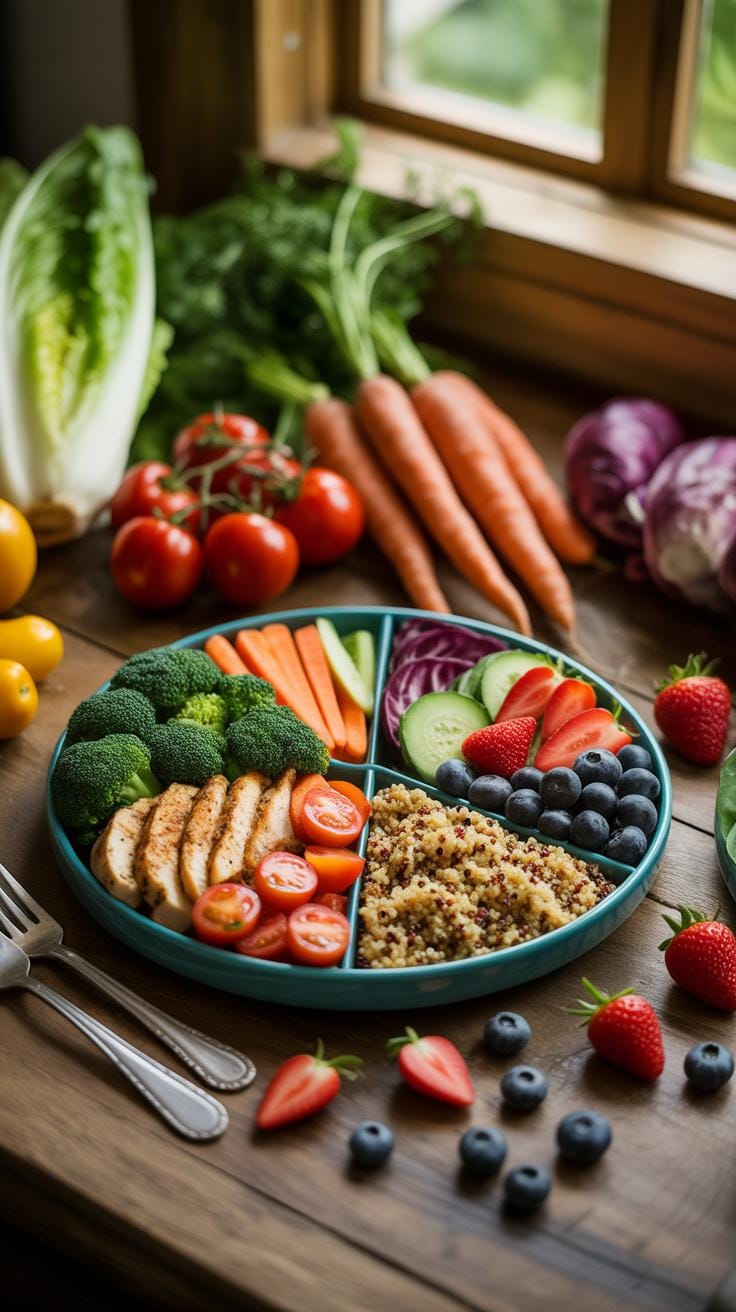
Building your healthy plate at every meal is simpler than you might think. Start by imagining your plate divided into three parts:
- Half the plate filled with colorful fruits and vegetables.
- A quarter dedicated to protein like nuts, beans, or fish.
- The last quarter for whole grains or starchy vegetables.
For example, at lunch you could have grilled chicken, a side of brown rice, and a mix of roasted carrots and green beans. Don’t forget a small spoonful of healthy fats like avocado or olive oil drizzled on your salad. Portion sizes matter, so think of protein amounts roughly the size of your palm and vegetables as much as you can hold in both hands.
Breakfast can shake things up too — add berries or sliced bananas to your oatmeal and sprinkle nuts on top. Sometimes, even small changes to what’s on your plate can make a big difference over time.
Picking Colorful Fruits And Vegetables
The colors on your plate do more than make food look good. Different colors often mean different nutrients. Think red tomatoes, orange carrots, green spinach, purple eggplants… each packed with vitamins and antioxidants.
You might find yourself wondering how to include them easily. Try mixing berries into your morning yogurt or adding sliced cucumbers and cherry tomatoes to your sandwiches at lunch. Dinner? Add steamed broccoli or bell peppers to your pasta or rice dish.
Colorful foods can even make meals feel less boring without extra effort, which I think is a nice bonus—sometimes eating healthy can seem dull, after all.
Including Protein And Healthy Fats
Protein is essential for growing bodies. It helps build muscles, repairs cells, and keeps you full longer. Healthy fats are also important—they support brain function and provide energy. So, don’t skip them.
Look for good protein sources like beans, nuts, fish, eggs, or chicken. For fats, nuts, seeds, avocados, and olive oil are your friends. Serving sizes aren’t huge: about a small handful of nuts or a piece of fish the size of your palm is a good guide. You don’t need to worry about exact grams, just keep portions reasonable.
Sometimes, balancing protein and fats can be tricky. A handful of almonds with a piece of fruit is easy for a snack. At meals, mixing beans with rice gives you a protein combo from plants. These little choices add up, so maybe keep some variety and flexibility instead of stressing over perfection.
Common Mistakes To Avoid In Eating
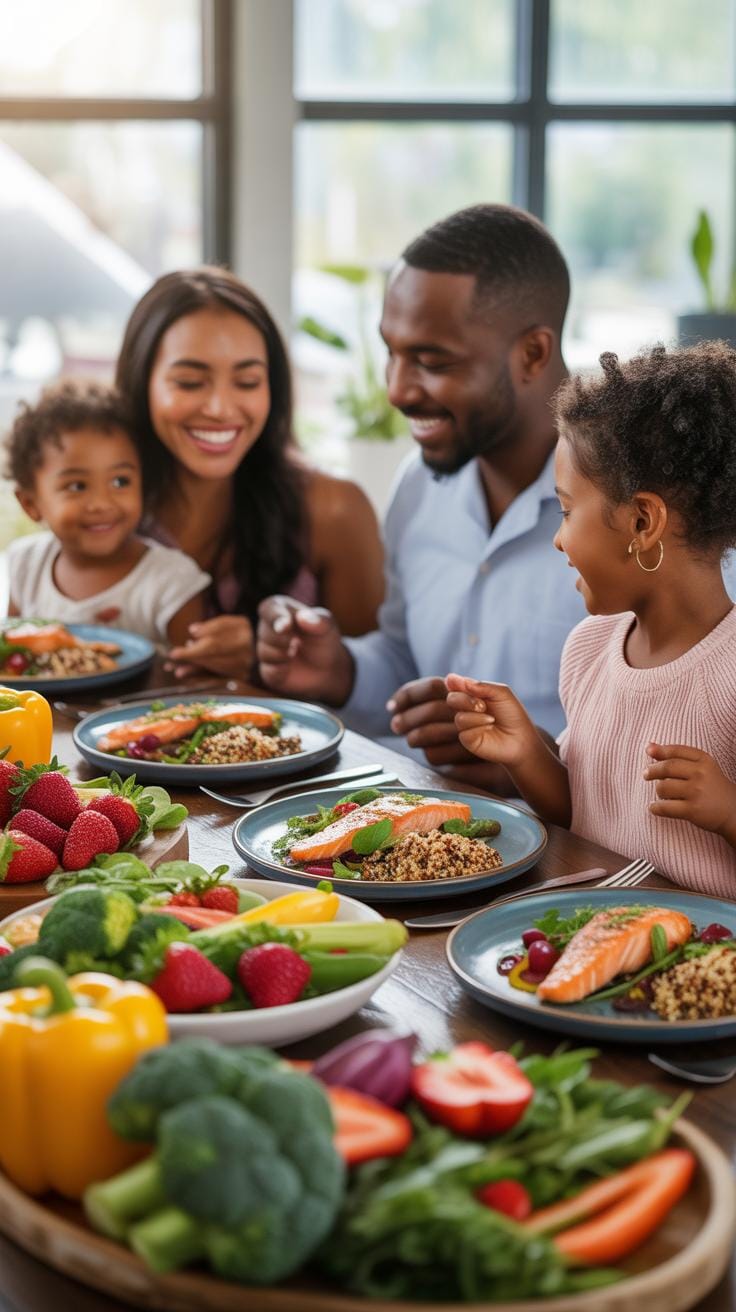
Dangers Of Missing Meals
Skipping meals may seem like a quick fix, especially when you’re busy or trying to cut calories, but it often backfires. When you skip a meal, your blood sugar drops, leaving you feeling tired and unfocused. You might think it saves time, yet it can cause energy slumps later that interrupt your day. Imagine sitting in a meeting or class, and suddenly your stomach growls or your brain feels foggy. Not fun.
It’s tricky, but avoiding missed meals is crucial for keeping steady energy. A handy tip is to prepare small, easy snacks ahead of time—think nuts, yogurt, or fruit. Even a handful of almonds or an apple can tide you over until your next meal. Carrying a water bottle also reminds you to hydrate, which supports your alertness and mood.
Reducing Sugary Foods And Drinks
Eating too many sugary treats and drinking sugary beverages can mess with your energy levels, causing quick spikes and crashes. You might feel great right after that soda, but then exhaustion hits. Too much sugar can also lead to long-term health issues like weight gain and tooth decay, which isn’t exactly what you want when aiming for a healthy lifestyle.
Replacing sugary snacks with natural options is surprisingly simple. Have you tried swapping soda for water infused with fresh fruit? It adds a fresh twist without the crash. Or, munch on whole fruits instead of candy bars. They provide vitamins and fiber and satisfy your sweet tooth in a gentler way. Maybe it feels dull at first, but your body will thank you once you adjust.
Planning Your Meals Ahead Of Time

Planning meals ahead helps you avoid the daily scramble and makes sticking to healthy choices easier—though it’s not always seamless. Sometimes, you might find yourself debating exactly what to prepare, but having a plan can reduce those stressful moments.
Here’s a simple meal plan example for three days that balances nutrition without complicating your life:
- Day 1: Oatmeal with fresh fruit for breakfast, grilled chicken salad for lunch, and steamed veggies with brown rice and fish for dinner.
- Day 2: Yogurt with granola and berries in the morning, turkey sandwich with veggies for lunch, and whole-grain pasta with tomato sauce and a side salad for dinner.
- Day 3: Scrambled eggs with spinach for breakfast, quinoa bowl with mixed veggies and chickpeas for lunch, and stir-fried tofu with veggies and a small portion of noodles for dinner.
Having this kind of roadmap can guide your grocery shopping and cooking—and if your week changes, you can shuffle meals without impacting your goals too much. Plan with some flexibility in mind.
Simple Weekly Meal Plans For Kids
Kids need meals that make sense to them and hit the right nutrition notes. Consider this approachable week filled with fun but balanced choices:
- Breakfast options: cereal with milk, toast with peanut butter, or fruit smoothies.
- Lunch ideas: whole grain wraps with lean protein, cheese and veggie sticks, or small pasta salads.
- Dinner picks: grilled chicken with sweet potatoes, fish tacos with mild salsa, or vegetable-packed homemade pizza.
- Snacks throughout: apple slices with cheese, yogurt cups, or small handfuls of nuts.
Switching things up can keep kids curious and less likely to resist healthy foods.
Benefits Of Meal Prep For Busy Days
Preparing parts of meals ahead, like chopping vegetables or cooking grains in bulk, saves valuable time. On hectic school days or weekends, you can just assemble or reheat meals without scrambling or reaching for unhealthy fast food.
Beyond saving minutes, meal prep encourages portion control and reduces temptation to snack aimlessly. When you have a supply of ready-to-go ingredients, you’re more likely to eat balanced meals even when energy is low or schedules get tight.
It does take some upfront effort, but once habits form, it becomes a smoother routine—helping maintain healthy eating without overthinking every meal under pressure.
Healthy Eating Vs Fast Food Choices
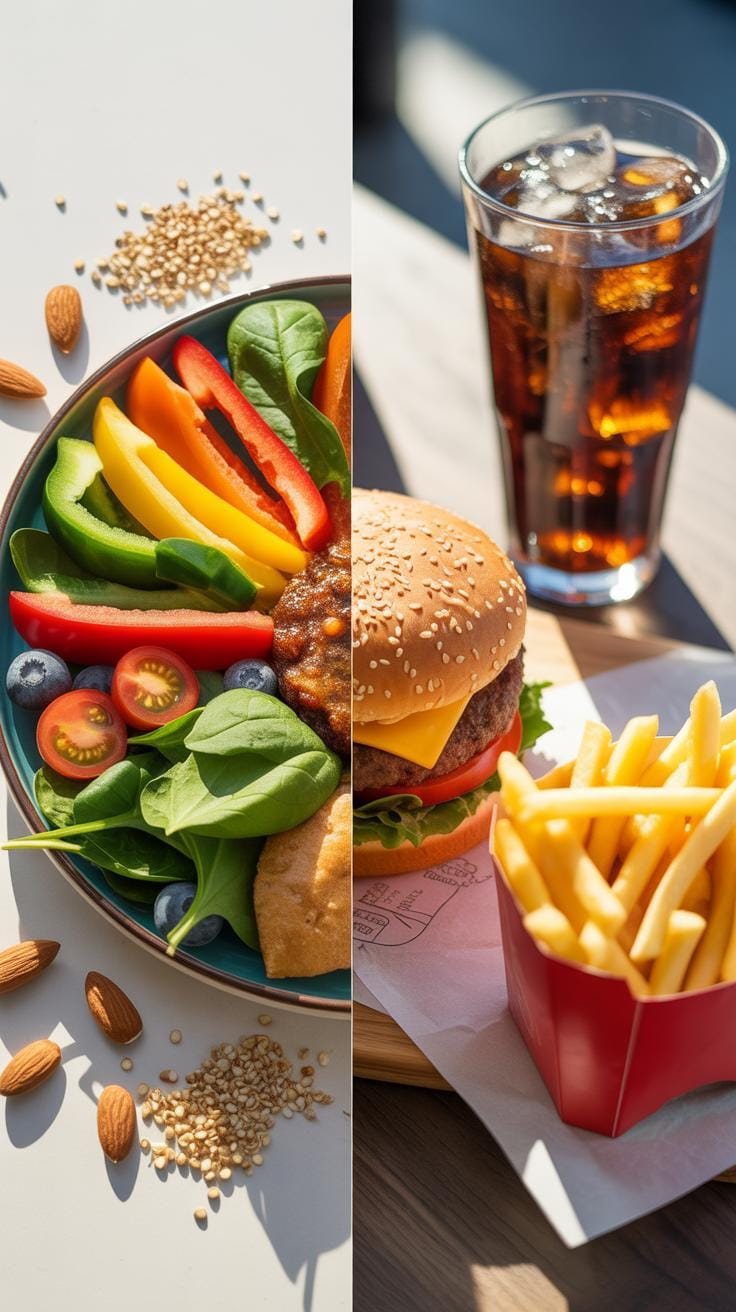
When you compare healthy foods to fast food, the differences become clear in many ways—energy, health, and growth are all impacted quite differently. Healthy foods like fruits, vegetables, whole grains, and lean proteins give your body steady energy throughout the day. They help your body grow and repair itself properly. Fast food, though, often causes short bursts of energy followed by sudden crashes. Have you ever felt super energetic right after eating a burger but then tired or sluggish an hour later? That quick drop happens because fast food tends to be high in sugars and unhealthy fats, which your body processes fast but doesn’t sustain.
Eating fast food regularly can slow your growth and weaken your immune system. On the other hand, choosing nutritious food supports brain function, muscle development, and overall health over time. It’s not just about feeling good right now—it’s about long-term effects, even if they aren’t always obvious in the moment.
How Fast Food Impacts Energy Levels
Fast food may seem like a quick fix when you’re hungry, but it often leaves you feeling tired. For example, grabbing a fried chicken sandwich and soda might give you a quick sugar spike, but soon after, you can feel a slump or low energy. This happens because fast food has simple carbohydrates and unhealthy fats that your body burns quickly but can’t maintain.
Imagine trying to run a race on a sugar rush—you might start fast but struggle later. That sluggish feeling is common after meals heavy in fast food and can affect your focus, mood, and willingness to be active. It’s almost like your body gets tricked into thinking it has energy, but it’s temporary and unstable.
Choosing Healthier Options When Eating Out
Eating out doesn’t have to mean giving up healthy choices. You can still enjoy meals outside without settling for fast food’s downsides. Here are some tips that might help you choose better options:
- Look for grilled, baked, or steamed dishes instead of fried ones.
- Pick salads or vegetable sides over fries or chips.
- Ask for dressings and sauces on the side, so you control how much you use.
- Choose water or unsweetened drinks instead of sodas.
- Portion control matters, so consider sharing a meal or saving part to go.
These little swaps can make a difference in how you feel afterward and keep you closer to your healthy eating goals, even when you’re not cooking at home. It might seem tricky at first, but with a bit of practice, deciding on healthier options gets easier.
Healthy Snacks To Keep You Going
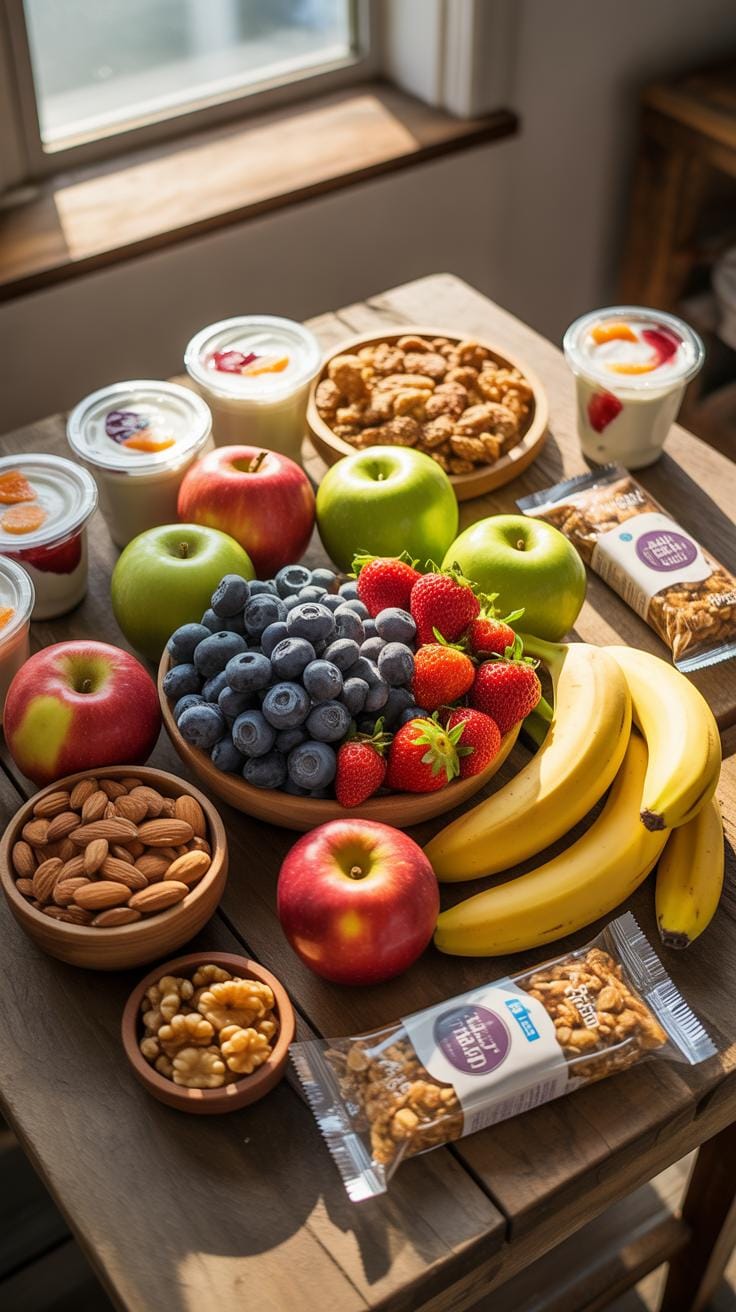
Snacking can be quite the helpful part of your eating routine, especially when you choose options that actually fuel your body. Think of snacks as little energy boosts—given at the right moments, they help keep your focus and mood steady throughout the day. For instance, after a few hours of school or play, your energy might dip, making a smart snack just the thing to keep you going until the next meal.
Now, about the snacks themselves. You’d want to pick snacks that are rich in nutrients and provide lasting energy. Some good choices include:
– Fresh fruit slices like apples or berries, which offer vitamins and fiber.
– A serving of yogurt, which packs protein and probiotics.
– Nuts such as almonds or walnuts, offering healthy fats and protein.
– Crunchy carrots with a tasty dip like hummus, combining fiber and protein.
These options are simple, quick to prepare, and usually kid-friendly too. You don’t have to spend time cooking or prepping; just grab and go. But here’s the thing—snacking isn’t just about convenience, it’s about balance. Too much snacking, or the wrong kind, might backfire, which brings me to sugary snacks.
Sugary treats might seem like a quick fix for hunger or a slump, but they often lead to an energy crash soon after. That jittery burst of sugar? It fades fast, leaving you feeling worse off than before. Instead of reaching for candy or sugary bars, why not swap those for naturally sweet and nutrient-packed alternatives? Dates, dried fruits, or even a small homemade trail mix with nuts and seeds can be better choices. They help keep your energy steady without the dreaded crash.
So, the next time you feel that mid-afternoon lull creep in, consider healthy snacks that nourish and energize. It honestly does make a difference, though it might take a bit of trial and error to find what really works for your body.
Hydration And Its Role In Eating Well

How Water Supports Your Body Functions
Water might seem simple, but its role is anything but. Your body depends on water for many essential jobs. It helps break down the food you eat, making nutrients easier to absorb. When you don’t drink enough, digestion can slow down, and you might feel sluggish or tired. Water also helps transport oxygen and nutrients in your blood, and it keeps your organs working properly. Muscle cramps, headaches, or dry skin? These can happen when hydration falls short. Imagine your body as a machine—water is the oil that keeps it running smoothly, though that might sound a bit clichéd.
How Much Water Should You Drink Daily
So, how much water should you actually drink? It’s not a one-size-fits-all answer, but here are some handy guidelines:
- For girls aged 9-13, around 7 to 8 cups (about 1.6 to 1.9 liters) daily feels like a practical target.
- Teens aged 14-18 might need a bit more—roughly 8 to 11 cups (1.9 to 2.6 liters)—thanks to growing bodies and activity levels.
- Remember, water needs can change depending on exercise, weather, and health conditions.
If you’re unsure, just listen to your body: thirst is a good clue, though sometimes it’s easy to ignore. Try carrying a water bottle around or setting reminders. It’s simpler than you think to stay on track once it becomes a habit. Have you noticed how much clearer your mind feels after a glass of water, or how just a little dehydration can make you feel off? That subtle difference is worth paying attention to.
Reading Food Labels To Make Good Choices

Opening a packaged food and wondering what’s really inside? Food labels can feel like a secret code, but they’re actually helpful if you know what to look for. The main parts to focus on are sugars, fats, and the list of ingredients. These give clues about how the food might affect your health. It’s like getting a peek behind the curtain at what you’re really eating.
What To Look For On Labels
Calories tell you how much energy the food provides, but that’s not the whole story. Sugars and fats matter a lot too. When you see “sugars,” that means all the types of sugar combined. You want to watch for foods that have a lot—they can add up quickly. Fats come in different forms: some are better for you (like unsaturated fats) and some are less healthy (like saturated and trans fats). Labels often separate these, so look closely.
Avoiding Hidden Sugars And Unhealthy Fats
Hidden sugars sneak into many foods where you might not expect them. Words like “corn syrup,” “maltose,” or “dextrose” all mean sugar. It’s sneaky because the label might list them in the middle of a long ingredient list. Unhealthy fats, especially trans fats, might appear as “partially hydrogenated oils.” These fats can be worse than the sugar, so spotting them is key. When in doubt, shorter ingredient lists often mean fewer surprises.
It might feel a bit overwhelming at first. I remember once staring at a breakfast cereal label and realizing it had more sugar than a candy bar! Knowing what to find helps you dodge added sugars and fats that don’t do your body any favors. What’s the last food label you checked? Did it surprise you?
Tips For Eating Healthy At School

Packing a healthy lunch can seem tricky, especially when balancing taste and nutrition. But it doesn’t have to be complicated. Think about including a mix of food groups: some protein, whole grains, fruits, and veggies. Maybe slice up some carrots, pair them with hummus, and throw in a small sandwich on whole grain bread with lean turkey or cheese. It’s all about variety. Kids often respond well to colorful plates—so try mixing up the colors to keep things interesting. Sometimes, a fun-shaped sandwich or a little container of yogurt makes lunchtime feel like a treat, without sacrificing health.
Snacks at school can be a bit of a minefield. Instead of chips or sugary treats, consider easy options like nuts, fresh fruit, or whole-grain crackers. Drinking water should definitely be the go-to beverage, especially since sugary drinks can quickly sap energy or cause a crash later. If your child enjoys juice, aim for 100% fruit juice but in small portions. There’s a balance to strike here, and it might take some trial and error to find snacks your child actually wants to eat.
Packing Balanced Lunch Boxes
A balanced lunch box isn’t just about nutrition—it’s about what kids will eat without fuss. Think about including:
- Protein like boiled eggs, lean meats, or beans.
- Whole grains such as brown rice, whole wheat bread, or pita.
- Fresh fruits such as apples, berries, or sliced oranges.
- Vegetables like cucumber, cherry tomatoes, or snap peas.
- A small dairy portion, like cheese cubes or yogurt.
Sometimes mixing things up with a homemade trail mix or a small sweet surprise keeps enthusiasm up. If your child isn’t keen on vegetables, try disguising them in wraps or alongside favorite dips. Packing lunch the night before might save some morning stress and helps ensure nothing important gets forgotten.
Choosing Smart Snacks And Drinks At School
School treats can be tempting but aim for snacks that fuel rather than tire. Look for options like:
- Fresh fruit or veggie sticks rather than processed snacks.
- Whole grain granola bars without too much added sugar.
- Water or milk instead of soda or sugary juices.
- Small servings of nuts or seeds for a quick protein boost.
It can be a bit frustrating to avoid less healthy options, especially if they are popular with friends. Maybe encourage your child to drink water regularly, carrying a reusable bottle if possible. This simple habit can make a big difference in energy levels throughout the day. Have you noticed that thirsty kids sometimes mistake thirst for hunger? Staying hydrated might even cut down on unnecessary snacking.
Setting Realistic Goals For Healthy Eating

Setting goals for improving your eating habits doesn’t need to feel like a huge challenge. Maybe it helps to start smaller—setting tiny, achievable goals can keep you from feeling overwhelmed. Instead of overhauling your whole diet overnight, what about aiming to add just one more serving of vegetables to your daily meals? It’s manageable, and noticed over weeks, these small wins add up.
Tracking progress can be more than just checking boxes; it can be something you actually look forward to. Some people find that using a simple food diary, whether on paper or an app, helps them recognize patterns and stay mindful. It’s okay if you miss a day or two—consistency is a process, not perfection. Maybe you’ll find that celebrating small victories, like trying a new fruit, keeps your motivation fresh.
Staying motivated often means being patient with yourself and adjusting goals as you learn what works for you. Have you considered sharing your goals with a friend or family member? Sometimes, a little external encouragement makes a difference that keeps you on track, even when enthusiasm dips.
Making Small Changes That Last
Small tweaks in your eating habits might seem insignificant at first, but they often lead to long-lasting differences. For instance, simply adding one more fruit to your breakfast or snack time can shift your whole nutritional balance over time. It’s less about sudden shifts and more about gradual habits that stick. Don’t underestimate the power of one small change; it might surprise you how a minor addition leads to better energy or mood.
It’s interesting, though, that some days you might crave something less healthy, and that’s alright too. The journey to better eating isn’t about rigid rules, but rather about flexibility that fits your life. This balance is key to those small changes really lasting.
Keeping Track Of Your Healthy Choices
Tracking healthy eating doesn’t have to be complicated. A food diary, for example, can be as simple as jotting down what you ate or even marking days on a calendar when you met your goals. Some find visuals helpful: drawing a quick chart or sticker system to check off accomplishments. It turns tracking into a creative, interactive task rather than a boring chore.
Why not set a reminder to reflect on your food choices weekly? It’s a good way to notice progress and adjust goals if needed. The key is to keep it simple and personal—whatever works for you, helps you keep a positive connection with your eating habits.
Conclusions
Healthy eating habits bring many good changes like more energy, better health, and a happier mood. They help your body get the right fuel and keep it working well. You have learned how to pick good foods, plan balanced meals, and enjoy eating well every day.
Taking care of your eating is a step to living a healthy and happy life. By using simple ideas from this article, you can start eating in ways that help you grow strong and enjoy every meal. Your healthy girl inspired lifestyle begins with the choices you make on your plate.