
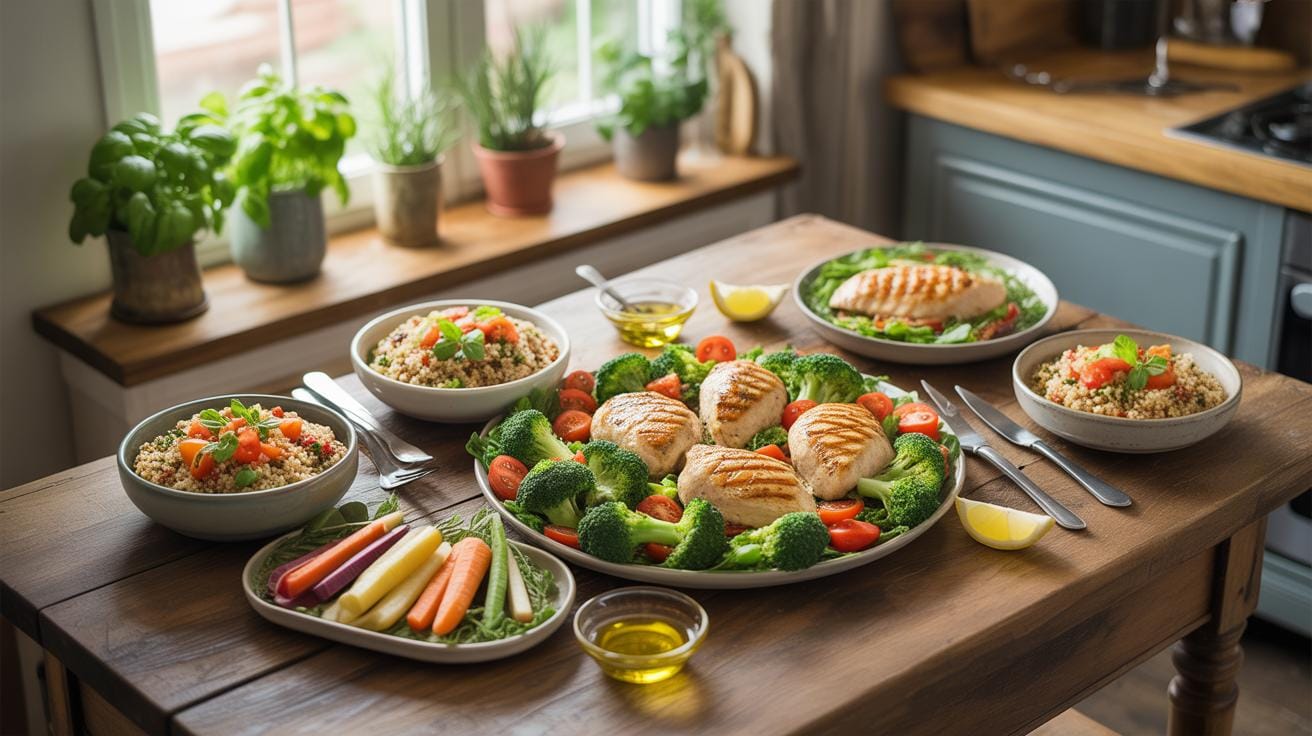
Healthy Chicken Recipes for Weeknights
If you want quick and healthy meals, chicken is a great choice. It contains good protein and is easy to cook in many healthy ways. This article looks at healthy chicken recipes and how you can prepare easy weeknight meals that are good for your health.
We will cover practical recipes, tips on cooking chicken the healthy way, and common mistakes you should avoid. By the end, you will have useful ideas for making tasty and healthy chicken dinners that fit your busy life.
Benefits Of Healthy Chicken

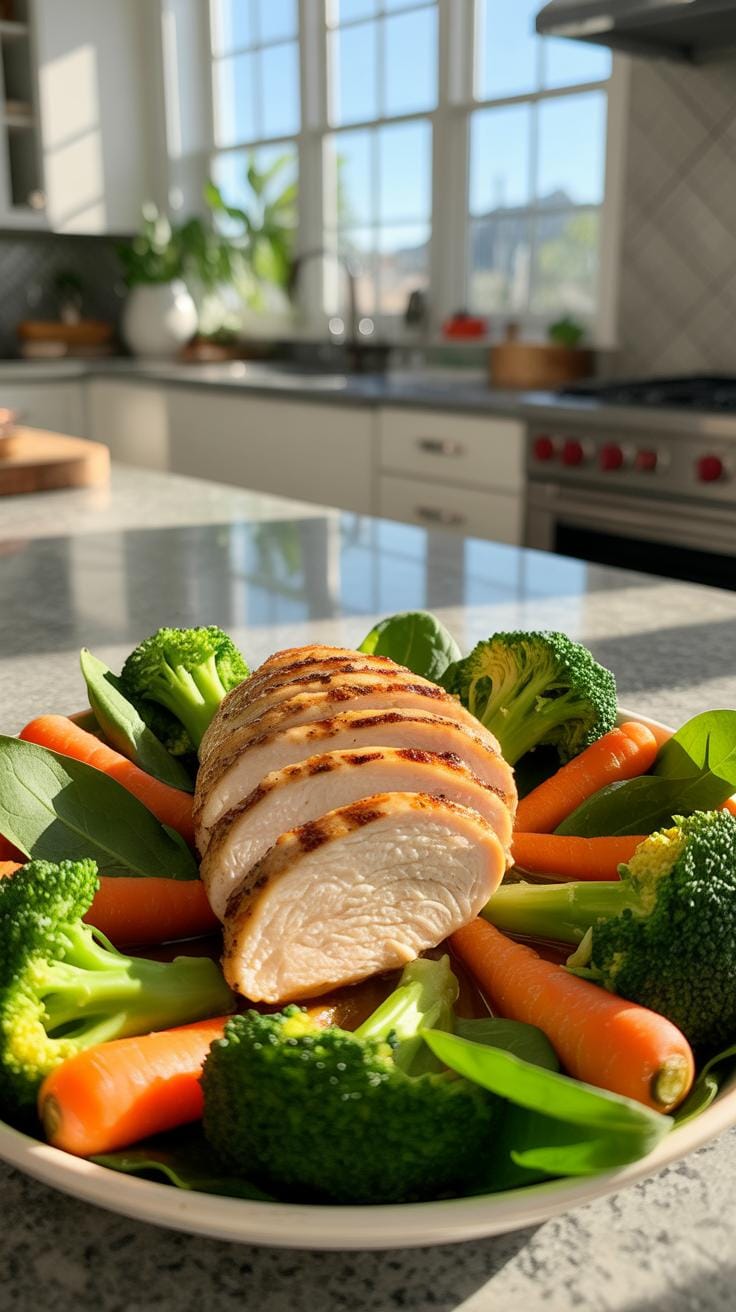
Chicken often stands out as a solid choice for healthy meals. It’s known primarily for its rich protein content — essential for muscle repair and growth. But it also brings some handy vitamins to the table, especially B vitamins like B6 and B12, which support energy metabolism and brain health.

Compared to some other meats, chicken tends to be lower in saturated fat — at least, when you pick lean cuts like skinless breasts. Red meats, for instance, usually carry more fat. Fish offers healthy fats but can be less practical for weeknight meals for some people.
How you cook chicken makes a big difference too. Grilling or baking retains nutrients without adding unnecessary fats, whereas frying can quickly turn a healthy meal into something heavy. That’s why it’s worth focusing on practical cooking methods that keep the benefits intact.
Chicken Nutritional Highlights
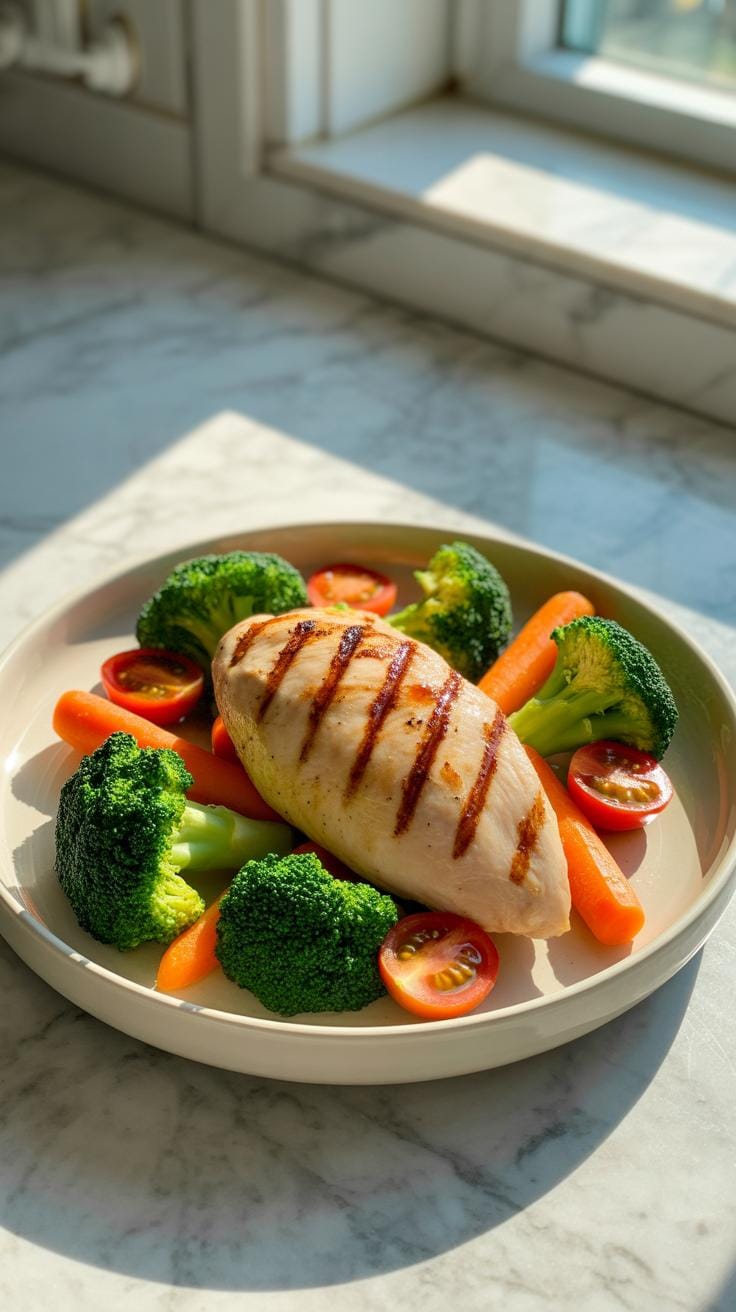
Chicken is often praised for its protein, which is not just abundant but also high quality—meaning your body can use it efficiently. Protein is crucial for building tissue, enzyme production, and immune function.
Beyond protein, chicken packs significant vitamins like B6 and B12. Vitamin B6 plays a role in brain development and immune support, while B12 is important for nerve function and red blood cell formation. Then there are minerals such as zinc and selenium—both essential for immune defense and antioxidant protection.
These nutrients together help your body stay alert, recover from stress, and maintain cellular health, which makes chicken more than just a simple protein source.
Chicken Versus Other Meats
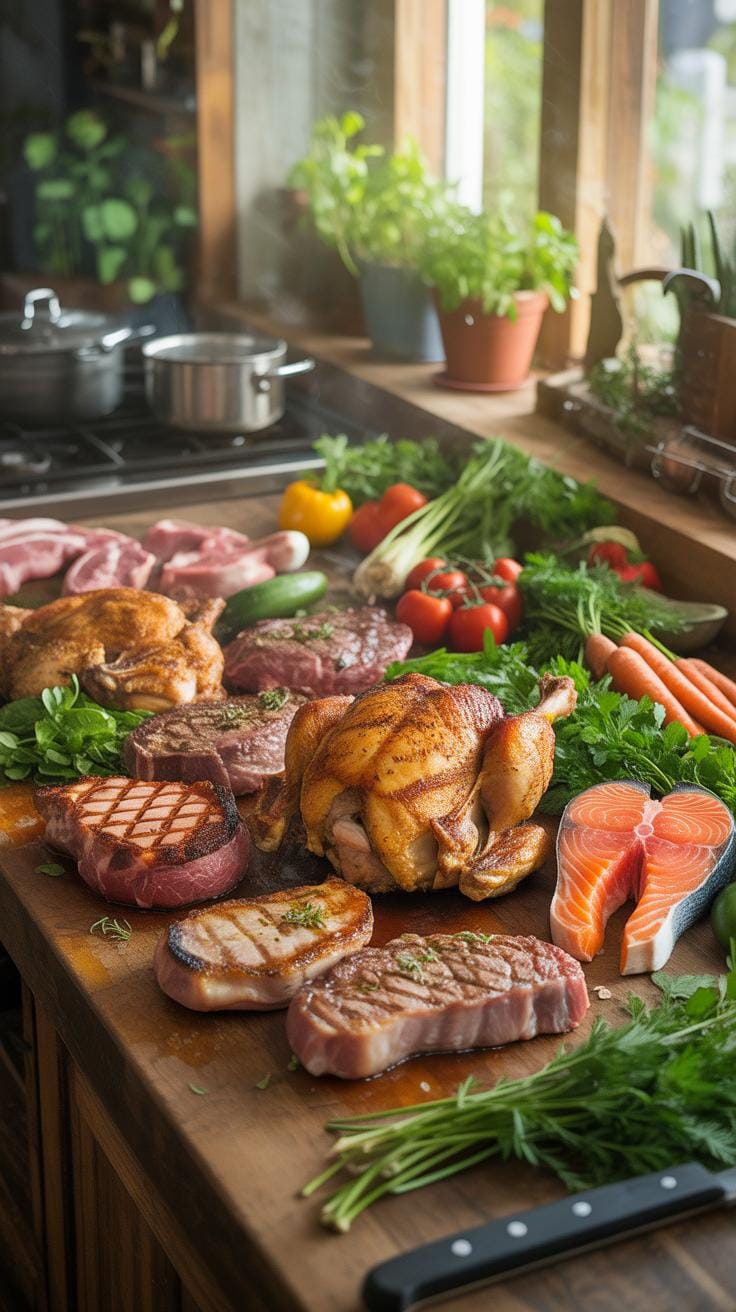
Looking at chicken alongside red meat and fish shows a bit of contrast in health impacts. Red meat, while nutrient-dense, tends to have higher saturated fat and cholesterol, factors linked to heart disease. Fish usually offers healthier omega-3 fats but may raise concerns about mercury content.
Chicken, especially lean cuts, often acts as a middle ground—offering protein with lower fat levels. It’s a leaner alternative that still satisfies the hunger and nutritional needs without some of the risks higher-fat meats carry.
So, choosing chicken can make sense if you’re watching fat intake but find fish or red meat less convenient or appealing. Each has its place, but chicken has earned a spot as a practical, relatively healthy option in everyday cooking.
How To Prepare Healthy Chicken Meals

Cooking chicken in a healthy way doesn’t have to be complicated. You can keep things simple with a few easy steps that still yield delicious results. Grilling is a great option—it sears the chicken and locks in juices without adding fat. Baking is another straightforward method. Pop your seasoned chicken in the oven, and you’re hands-free while it cooks evenly. Steaming, though less common, is fantastic for preserving moisture and keeping the meat tender without needing oil.
If you want to add flavor without risking extra calories, try seasoning with herbs like rosemary, thyme, or oregano. Fresh garlic and lemon juice are classic choices that brighten the taste. Avoid heavy sauces that coat the chicken—that often adds unnecessary fat.
Choose Lean Cuts And Fresh Ingredients
When it comes to picking chicken, the breast is usually your best bet for a healthy meal. It’s leaner than thighs or drumsticks and has less saturated fat. But hey, if you prefer other cuts, just trim off the skin to cut back on fat. Freshness matters too. Fresh chicken carries fewer preservatives, and fresh vegetables we add alongside chicken make the meal more wholesome. Skip processed or pre-seasoned chicken for better control over what goes into your dish.
Cook With Low Fat Methods
Low-fat cooking means favoring techniques that don’t soak chicken in grease. Grilling, baking, and poaching let chicken cook in its own juices or a little broth while keeping extra oils at bay. I think poaching is often underrated—it’s gentle and keeps chicken moist. Steer clear of frying or slathering on thick cream or butter sauces. Instead, use a splash of olive oil or a spoonful of broth to prevent sticking. You might find the flavor comes through better when you let the natural taste of chicken shine rather than masking it with rich sauces.
Easy Weeknight Chicken Recipes
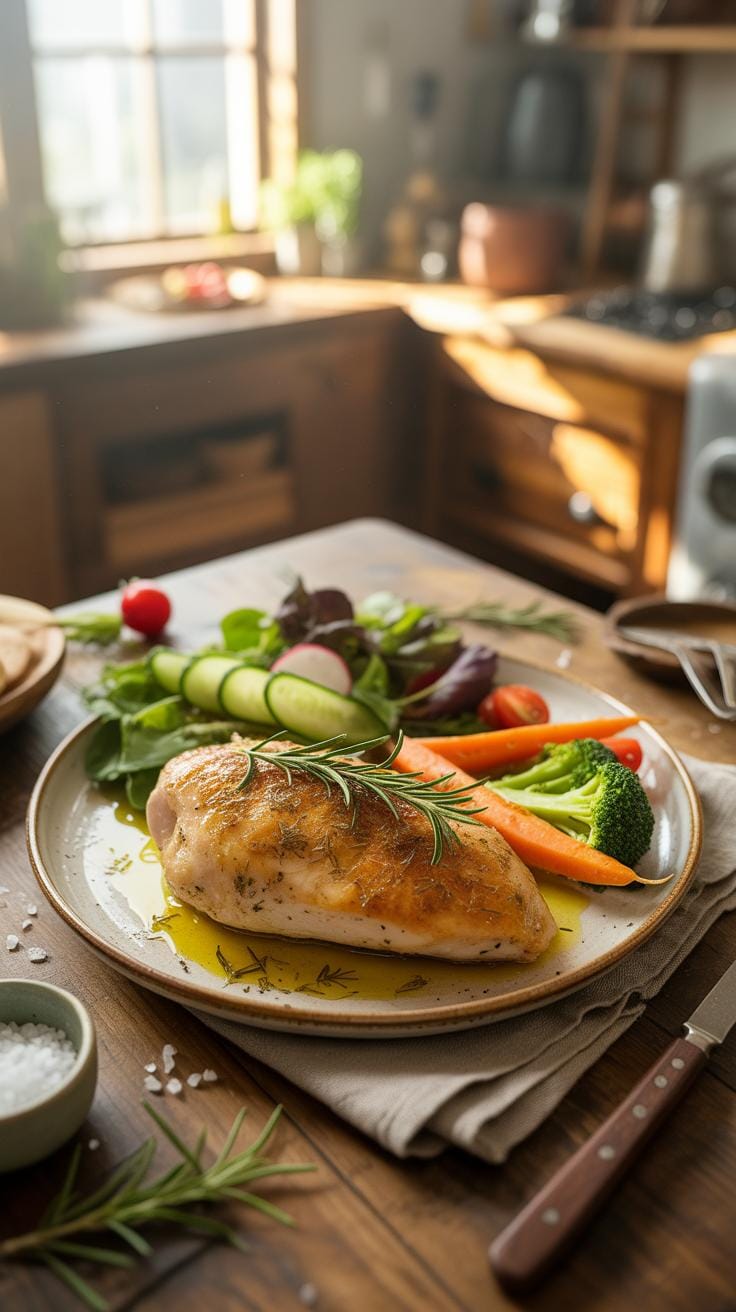
For those busy weeknights when you want a healthy meal without spending too long in the kitchen, simple chicken dishes can save the day. Here are a couple of straightforward options that balance nutrition and flavor well.
Quick Chicken Stir Fry Recipe
This recipe is great if you want something fast and fresh. It takes around 20 minutes to prepare and cook.
- Ingredients: 2 chicken breasts sliced thin, 1 red bell pepper, 1 cup broccoli florets, 1 carrot sliced, 2 tsp olive oil, fresh herbs like thyme or parsley, salt and pepper to taste.
- Start by heating olive oil in a pan over medium-high heat.
- Add chicken pieces and cook until golden and cooked through, around 5-7 minutes.
- Toss in the vegetables and stir-fry for another 5 minutes.
- Season with salt, pepper, and freshly chopped herbs for brightness.
It’s quick, colorful, and you can use whatever veggies are on hand. The olive oil adds healthy fats, and the fresh herbs give a nice, light flavor boost.
Baked Chicken With Vegetables
Here’s another easy one: baking chicken breasts with vegetables. Prep time is just 10 minutes, and baking takes about 30 minutes.
- Ingredients: 2 chicken breasts, 1 zucchini sliced, 1 cup cherry tomatoes, 1 red onion cut into wedges, 1 tbsp olive oil, salt, pepper, and garlic powder.
- Preheat oven to 400°F (200°C).
- Place chicken and veggies on a baking tray, drizzle with olive oil, and season lightly.
- Bake for 25-30 minutes, or until chicken is no longer pink inside.
- Serve hot with a side of whole grains if you like.
Minimal seasoning keeps it simple and healthy, letting the natural flavors shine. Plus, it’s almost hands-off once in the oven, freeing you up for other tasks.
Both recipes are balanced, providing protein, vegetables, and healthy fats, ideal for a nourishing weeknight dinner without fuss.
Healthy Sauces And Seasonings
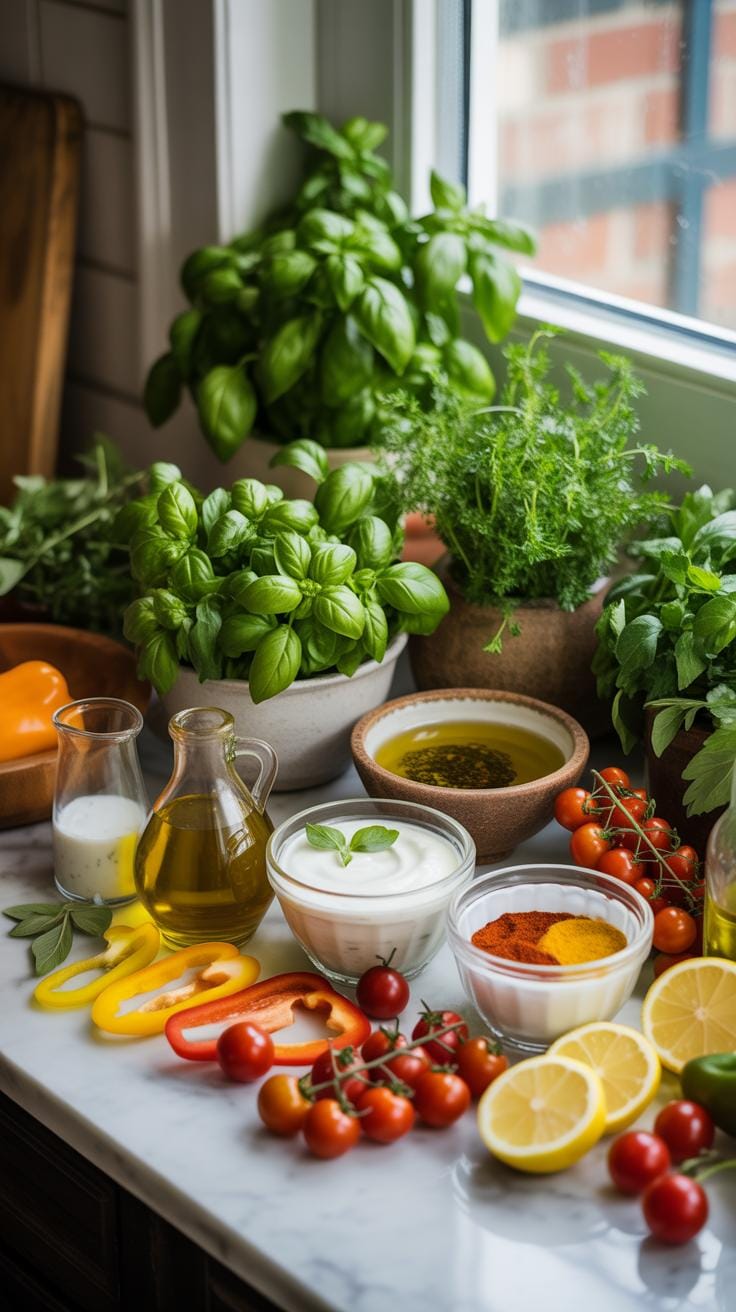
Flavoring chicken doesn’t have to mean piling on unhealthy fats or sugar. In fact, you can keep your meals vibrant without those extra calories, which is great if you’re aiming for a healthy dinner. Making your own sauces at home is a clever move. For example, a simple yogurt-based dressing mixed with a bit of garlic and lemon juice creates a tangy, creamy topping that’s far better than store-bought dressings loaded with preservatives. Or try a herbed lemon sauce — just fresh lemon juice, a drizzle of olive oil, and finely chopped herbs like parsley and tarragon. It’s fresh, bright, and surprisingly satisfying.
Herbs and spices are your best friends here. Fresh herbs like basil, cilantro, thyme, and rosemary not only add flavor but come with antioxidants. Spices such as cumin, paprika, turmeric, and black pepper punch up the taste without adding calories. You might not realize it, but blending herbs and spices thoughtfully can make a dish really sing. Think about combinations like smoked paprika with oregano and garlic powder for a smoky Mediterranean touch, or ginger, garlic, and coriander for an Asian-inspired twist. Experimenting with these blends lets you create exciting meals without any unhealthy extras. It’s almost like a puzzle, finding what works best for your taste buds.
Common Cooking Mistakes With Chicken
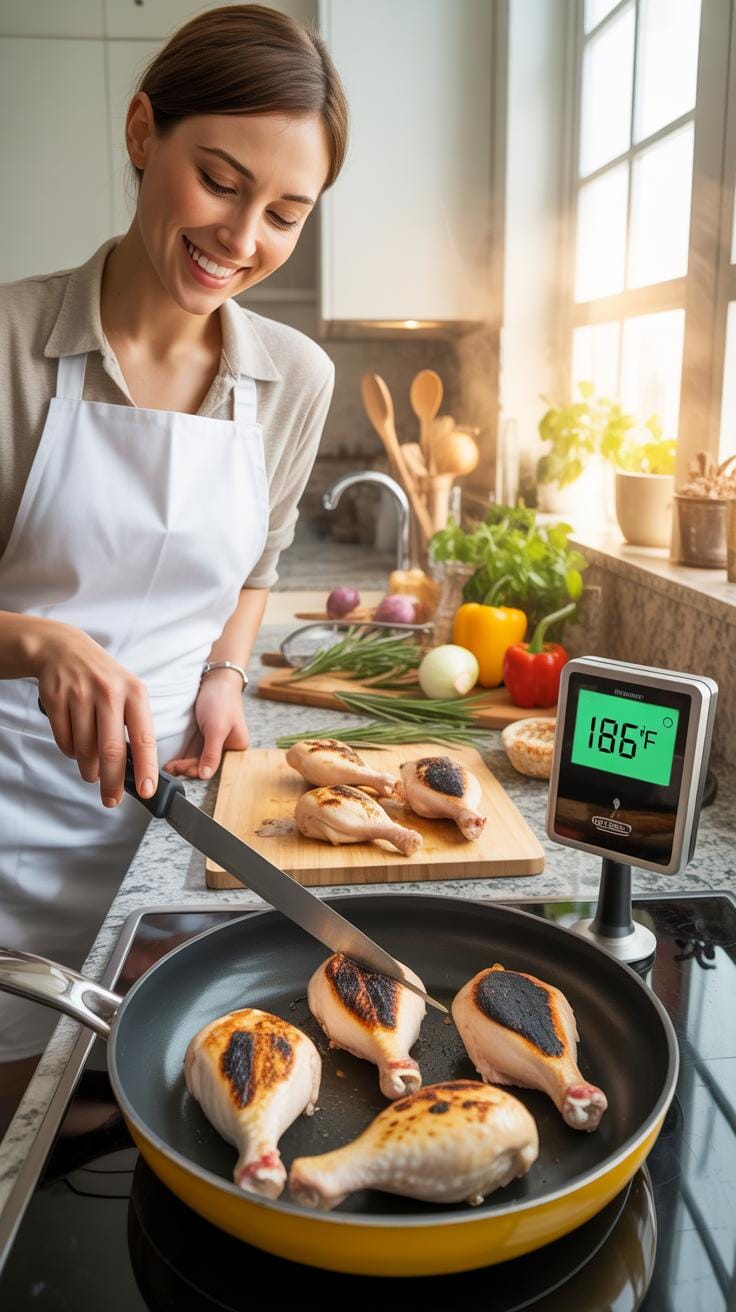
Cooking chicken seems straightforward, but many common mistakes can quietly reduce its health benefits without you even realizing. One frequent error is undercooking. Raw or undercooked chicken poses serious health risks, but oddly, some people avoid cooking chicken fully because they fear dryness. It’s a tricky balance, right? The key is to make sure the internal temperature hits 165°F (74°C). Using a meat thermometer can be a game-changer here. Guesswork often leads to unsafe meals or that rubbery texture in overcooked chicken.
Speaking of overcooking, this is another big mistake. Overcooked chicken isn’t just less juicy — it also loses nutrients and flavor. When chicken is cooked too long or at too high heat, it becomes dry and tough. Signs of this include a stringy texture and an off-putting chalkiness. To keep moisture locked in, try marinating or brining beforehand and cook at moderate heat, turning frequently.
Avoid Overcooking And Dryness
Overcooked chicken feels dense and dry, which most of us find unpleasant. Beyond that, overheating causes protein structures to tighten and squeeze out the natural juices. Nutrient loss, especially of B vitamins, can be significant. Moisture-retaining techniques like poaching or slow cooking can help. Also, resting cooked chicken before slicing allows juices to redistribute. This small wait really makes a difference.
Limit Use Of Unhealthy Oils
Many recipes suggest frying chicken in large amounts of oil—often unhealthy fats like vegetable shortening or partially hydrogenated oils. These increase the fat content and introduce trans fats, which aren’t beneficial to your health. Instead, oils like olive, avocado, or canola are better choices. If you’re worried about calories, grilling, baking, or steaming chicken work well and keep it lean. You might feel tempted to douse chicken with rich sauces, but choosing lighter dressings or using herbs and spices can offer flavor without the fat overload.
Checklist For Weekly Meal Prep
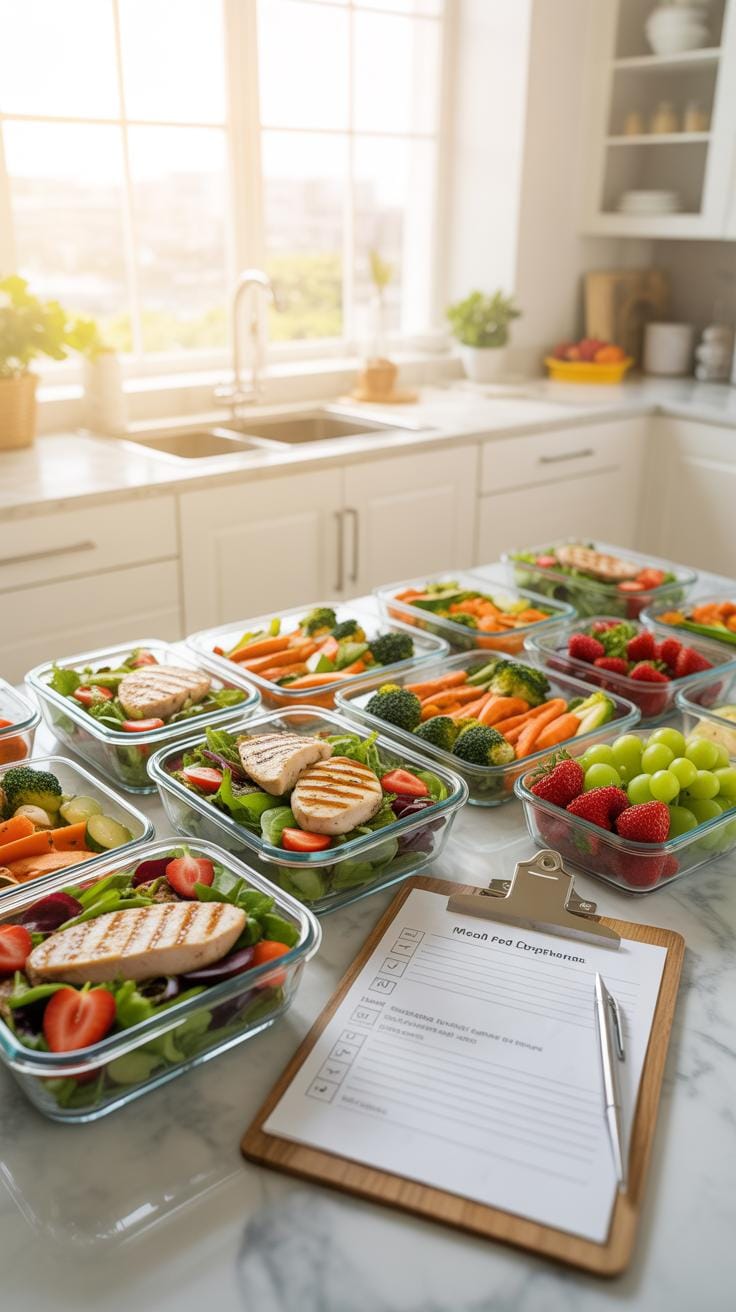
Planning healthy chicken meals for your week can feel a bit daunting, but breaking it down helps. First, start by listing recipes that excite you and fit your time constraints. Aim for diversity: grilled, baked, stewed, maybe even a salad topping.
Next up, shopping list creation. Think lean chicken cuts like breasts or thighs, plus fresh veggies and herbs to round out meals. Don’t forget staples like olive oil, garlic, and spices — they make all the difference.
When you get home, store chicken in the coldest part of your fridge, ideally under 40°F, and use airtight containers or tightly wrapped packaging to maintain freshness. Prep veggies and portion out spices ahead to save time during cooking.
Cook with batch prepping in mind. Grill or roast chicken in large batches, portioning into meal-sized containers. Refrigerate leftovers quickly—within two hours—as lingering at room temperature breeds bacteria.
Reheating can be tricky; use lower heat to keep chicken moist yet safe. Avoid microwaving multiple times as this dries out the meat. Instead, heat only what you plan to eat, keeping the rest fresh for later.
Does this process match your pace? It might take some trial and error to find your groove, but once you’ve nailed it, weeknight dinners get way simpler.
How To Balance Chicken Meals
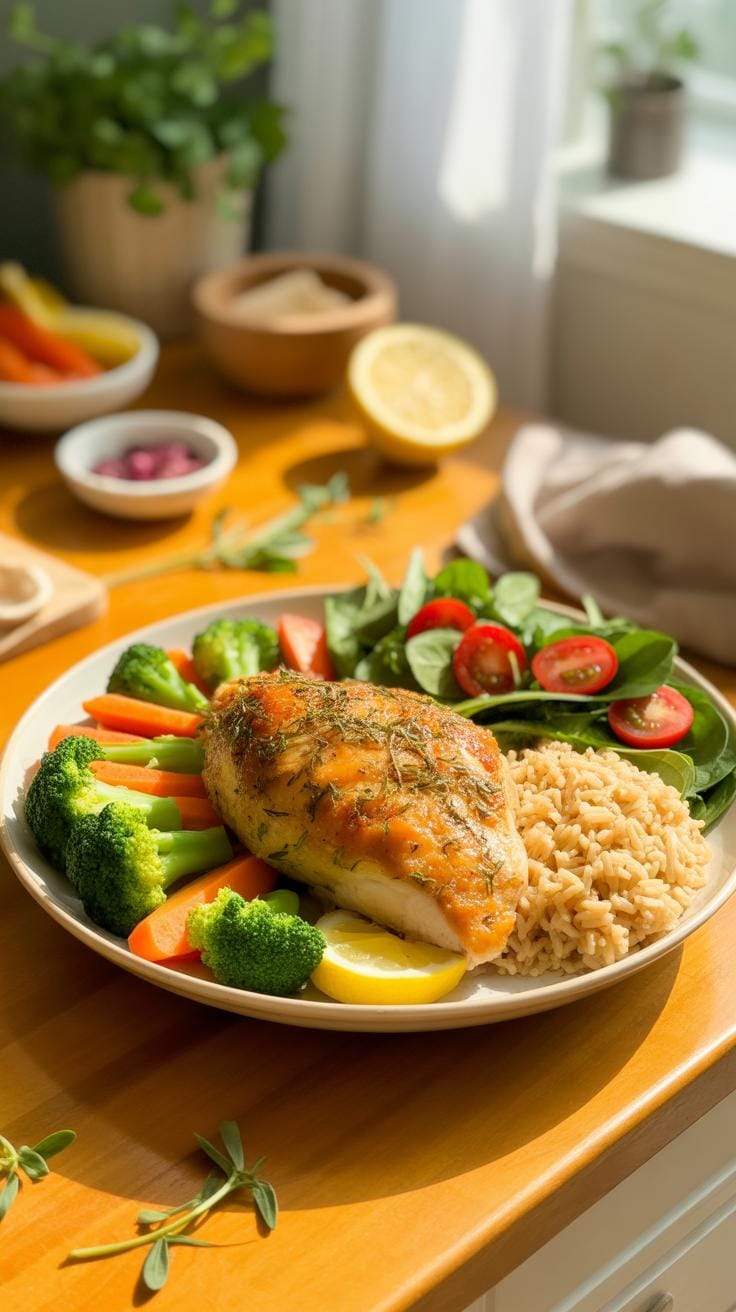
Creating balanced meals with chicken is about more than just the protein. You want to bring in vegetables, grains, and healthy fats alongside chicken to cover your nutritional bases. Think of it like covering all the essentials your body needs for energy, vitamins, and overall function.
It’s helpful to include a colorful array of veggies—maybe some roasted bell peppers with brown rice, or a fresh spinach salad with quinoa. These combinations not only taste good but boost the meal’s nutrient profile significantly.
When it comes to portion sizes, aiming for about 3 to 4 ounces of cooked chicken per serving generally works well. Alongside that, vegetables can fill half your plate, and grains should occupy roughly a quarter. It’s a rough guide, but it steers clear of overeating and keeps your meal varied.
Variety really matters. Rotating different vegetables and grains during the week keeps meals interesting and introduces your body to a wider range of nutrients. Maybe one day try chicken with sweet potato and steamed broccoli; another day, chicken with wild rice and sautéed kale. It’s not just healthy; it keeps dinner exciting enough to look forward to.
What vegetables or grains have you found pair well with chicken? Sometimes the simplest things, like roasted carrots with a sprinkle of thyme or a side of farro, surprise us with their taste and nutritional value.
Question Do Healthy Chicken Recipes Fit Your Diet
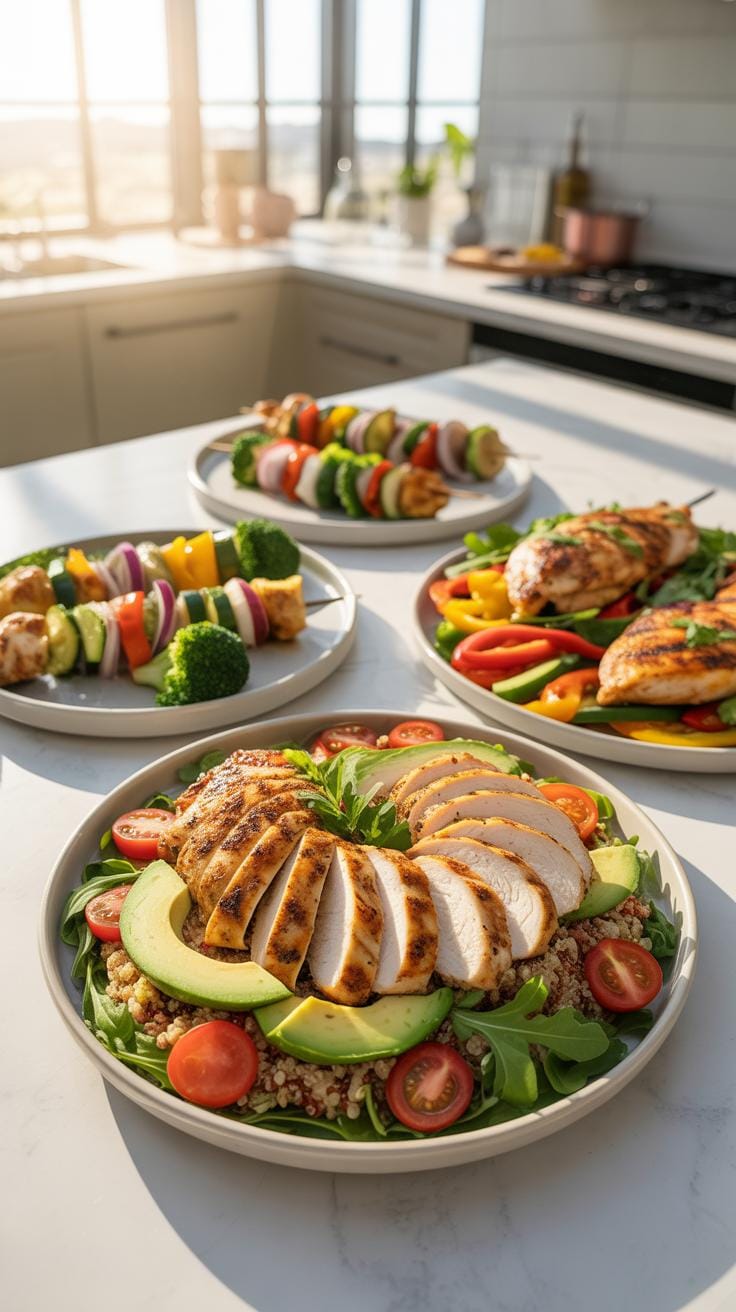
When considering healthy chicken recipes, you might wonder: do they suit various dietary needs? If you follow a low-carb or keto diet, chicken’s natural leanness can be a great asset. But does that mean all chicken dishes fit? Not exactly – some recipes might include higher-carb sauces or sides that could throw off your goals.
What about low-fat diets? Chicken breast is usually a safe bet, but darker meat or skin can increase fat content. If you question how much fat you should include or avoid, tailoring recipes by trimming fat or removing skin becomes essential.
High-protein diets often embrace chicken as a staple, but again, preparation matters. Some recipes add oils or ingredients that shift the nutrient profile, so it’s worth considering those details carefully.
Adjusting these recipes for special needs like keto or diabetic-friendly options means swapping carb-rich ingredients with alternatives like cauliflower rice or sugar-free seasonings. It’s not always cut and dry, and sometimes a recipe might require quite a bit of tweaking to fit your plan.
Reflect on your personal health goals. Are you aiming to lose weight, build muscle, or manage blood sugar? Identifying these goals helps in selecting the right chicken dishes. A recipe that works great for a sedentary person might differ from one crafted for an athlete.
Ultimately, matching chicken recipes with your diet requires a bit of experimentation and awareness. What fits you might not fit another, even if you share some dietary preferences. Healthy cooking with chicken isn’t a one-size-fits-all—it’s a starting point for customization.
Conclusions
Healthy chicken recipes are doable even on weekdays. Using the right methods, ingredients, and knowing what to avoid helps you make tasty meals that support your health. You do not need special skills or equipment—just follow some basic steps.
Try different recipes, focus on freshness and balance, and avoid common cooking errors. Your quick, healthy chicken dinners will become a routine you enjoy. This benefits both your taste buds and your wellbeing.