

How Food Choices Impact Health
Food plays a major role in your health and fitness. The nutrients you get from your diet help your body get energy and build strong cells. Food health benefits are about how what you eat can make your body work better and keep you feeling good.
In this article, we talk about food health benefits impacting health and nutrition in daily diet. You will learn what nutrients are important, how your food choices affect your wellbeing, and ways to improve your nutrition every day.
Food Impact On Health


Food directly affects your health in ways you might not always notice. Some foods can boost your immune system and energy levels. For instance, fruits like blueberries and vegetables such as spinach are packed with antioxidants that help protect your cells. On the flip side, consuming too much ultra-processed food—which is often high in additives, sugar, and unhealthy fats—can increase the risk of obesity and heart disease. Changing your diet even slightly, like swapping soda for water, can reduce the chance of developing chronic conditions like diabetes. It’s quite interesting how small dietary choices accumulate to impact how you feel long-term, though it’s not always straightforward or immediate.
Nutrients Essential For Your Body


Every day, your body needs certain nutrients to function. Carbohydrates provide quick energy, while proteins help build and repair tissues. Fats, though sometimes feared, are essential for brain health and hormone production. Vitamins support various functions—Vitamin C for immune support, and Vitamin D for bone strength. Minerals like calcium and iron keep your bones strong and blood healthy. Not getting enough of these can affect your energy levels or even your mood. It’s a bit surprising how interconnected they all are—you can’t just focus on one and ignore the rest without feeling the effects.
How Food Choices Affect Your Wellbeing

Unhealthy food choices, such as frequent fast food or sugary snacks, often lead to energy crashes and sluggishness. They lack the nutrients your body needs and can contribute to long-term health issues. On the other hand, healthy meals with balanced portions of vegetables, lean proteins, and whole grains can boost your stamina and mood. For example, eating a breakfast rich in fiber and protein can keep you alert throughout the morning. Yet, sometimes a craving for convenience or taste wins over, making it hard to maintain these habits consistently. Your wellbeing truly reflects the quality of food you choose day-to-day, though it’s a complex balance to strike.
Common Nutrient Sources

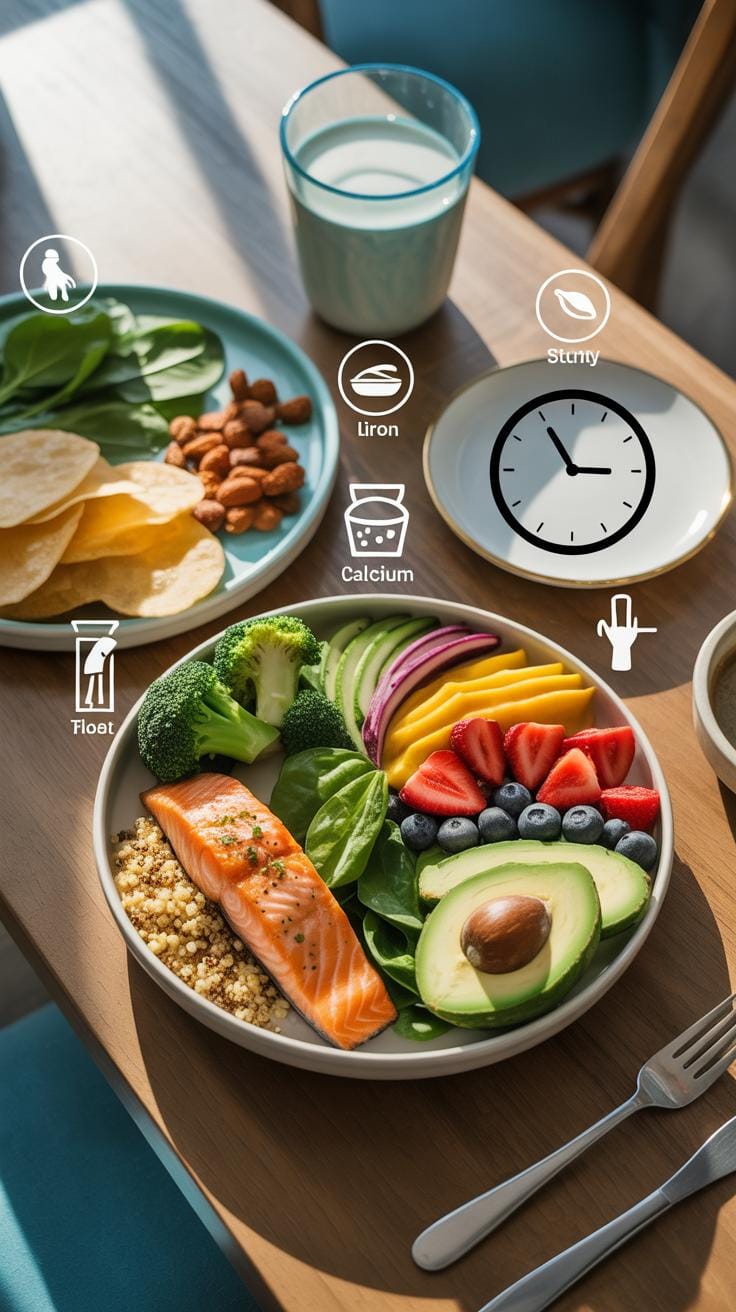
Food groups offer a range of nutrients essential for your daily health. Grains supply carbohydrates, which fuel your body. Dairy provides calcium and vitamin D, supporting bone health. Vegetables and fruits are rich in vitamins and minerals, vital for immune function and energy metabolism. Proteins from meat, beans, and nuts help build and repair tissues. Each group brings something unique, ensuring a balanced diet when combined. Consider a plate with grains, veggies, some protein, and a touch of dairy for a simple, everyday balanced meal.
Fruits And Vegetables For Vitamins
Fruits and vegetables are little powerhouses for vitamins like A, C, K, and folate. Vitamin C helps with skin and immune defense, while vitamin A supports vision. Dark leafy greens like spinach and kale pack vitamin K, crucial for blood clotting. You might have heard of the “five-a-day” rule—aiming to eat at least five servings of a varied mix daily helps cover these vitamins. Berries, citrus fruits, carrots, and peppers offer tasty, easy options—each with a slightly different vitamin profile, so mixing types counts.
Proteins And Healthy Fats
Proteins are foundational; they come from meat, fish, beans, and nuts. Each source varies a bit: beans bring fiber alongside protein; meat supplies essential amino acids. Healthy fats also deserve a spot—avocados, olive oil, and fatty fish like salmon support heart and brain health. These fats don’t just add flavor; they facilitate nutrient absorption and hormone production. You might wonder how much fat is too much? It’s about quality more than quantity—choosing unsaturated fats over saturated ones can make a difference.
How To Improve Nutrition

Simple Changes To Meal Planning
Improving nutrition doesn’t require an overhaul of your entire diet. Small shifts can make a difference. For example, try adding an extra serving of vegetables to your meals. You might find that even one more portion of broccoli or carrots can boost your fiber and vitamin intake. Choosing whole grains instead of refined ones matters, too—whole wheat bread or brown rice provide more nutrients and keep you full longer. And about sugary drinks, maybe start by swapping just one soda or sweetened coffee with water. It’s a simple step, but cutting back on sugar helps stabilize energy and mood.
Why do these changes matter? Vegetables bring important nutrients and antioxidants. Whole grains improve digestion and heart health. Cutting sugar lowers the risk of spikes in blood sugar. None of these are drastic, yet combined, they can gently tug your nutrition towards balance.
Smart Grocery Shopping Tips
Shopping can be tricky, but planning helps steer choices. Before you shop, thinking about meals for the week is useful. This stops impulse buys and lets you focus on fresh ingredients. When selecting products, reading labels can be revealing. Look for items with fewer ingredients and recognizable names. Avoid excessive added sugars, salt, and artificial additives.
Picking fresh whole foods—fruits, vegetables, lean proteins—over packaged processed ones goes a long way. Sometimes, it feels easier to grab that ready-made meal, but these often contain hidden fats and preservatives. One tip: try shopping the outer aisles of the store where fresh produce and dairy tend to be. Plan meals, read labels, and choose fresh when possible—it’s perhaps the best way to nudge your diet into healthier territory without feeling overwhelmed.
How Hydration Supports Health

Water—the essence of life, but how exactly does it fuel your body? Well, it’s not just about quenching thirst. Water plays a central role in your digestion by helping break down food so nutrients can be absorbed efficiently. Think of it as a transport system; without enough water, nutrient uptake slows down, which might drain your energy more quickly.
You’ve probably noticed how dehydration leaves you feeling sluggish or even foggy-headed. That’s because your body relies on water to keep your cells energized and functioning properly. It’s not always obvious how much hydration impacts you until it’s lacking. Sometimes, people underestimate how critical water is in these everyday processes.
Daily Water Intake Recommendations

How much water should you drink? It depends on age, activity, and even climate. For instance, adults might aim for about 2 to 3 liters daily, but athletes or those in hot environments need more. Kids usually require less but still need consistent hydration throughout the day.
Switching to sugary drinks instead of water can sneakily undermine your hydration goals. These beverages often contain extra calories and sugars that don’t really help hydration and may contribute to other health issues. If you’re trying to keep things simple and healthful, sticking with water is probably your best bet.
Signs Of Dehydration To Watch For

It’s not always apparent when you’re not drinking enough, but some signs are worth paying attention to—like dark urine, dry mouth, or fatigue. You might also notice headaches or dizziness creeping in after skipping fluids for a while.
Dehydration can affect your body in many ways—sometimes causing cramping or reducing mental sharpness. Ignoring these signs can lead to more serious problems over time, so it’s wise to listen to what your body is telling you.
Measuring Nutrition Success

Tracking how well your nutrition is working isn’t just about numbers on a scale. Yes, watching weight changes can give clues, but sometimes energy dips or mood swings tell a story that scales miss. You might notice feeling more sluggish mid-afternoon or waking up groggy even if the scale looks good. That’s worth paying attention to.
Energy levels fluctuate for many reasons, but if they consistently improve as you adjust your diet — maybe you swapped sugary snacks for nuts — it suggests progress. Tracking overall wellbeing can feel vague, but it’s helpful to reflect on sleep quality, digestion, and even skin health.
Using Food Journals Effectively
Writing down what you eat might seem tedious, but it shines a light on patterns you otherwise overlook. For example, realizing you snack more when stressed or skip meals on busy days. A simple food journal doesn’t need calorie counts or complicated charts—a few lines noting what, when, and how you felt can uncover links between food and mood.
To keep it manageable, try these tips:
- Use your phone or a small notebook that’s always handy
- Note even small bites and drinks—sometimes those have more impact than meals
- Review entries weekly to spot trends without getting overwhelmed
Listening To Your Body’s Signals
Your body’s cues are subtle guides. Hunger isn’t always about finding food; sometimes it’s boredom or stress masquerading as appetite. Try asking yourself before eating if you’re truly hungry or just wanting comfort. Noticing how your energy changes after meals can steer better choices—do you feel sluggish after a heavy dinner? That’s telling.
Mood swings might link to what you eat too. Some days, a sugary snack temporarily lifts mood but leaves you feeling worse later. Learning to read these signals isn’t exact, and people differ widely, so patience and observation matter.
Common Nutrition Mistakes
Common Nutrition Mistakes
It’s surprising how often people fall into the traps of poor eating habits without realizing. One mistake is sticking to a very limited variety of foods. You might think it’s easier to eat the same handful of foods daily, but this can lead to missing out on vital nutrients.
Skipping meals is another frequent error. Sometimes life gets hectic, and you think skipping breakfast, for instance, saves time. But this often backfires by causing overeating later or low energy.
Then there’s the big one: too much junk food. It’s easy to reach for craving-satisfying snacks, but these often lack nourishment and add unnecessary calories, contributing to health problems over time. Changing these habits isn’t easy, but small steps—like mixing food choices—make a difference.
Risks Of Overeating And Undereating
Eating too much can put real stress on your body. For example, consistently overeating may lead to weight gain, raising the risk of heart disease and diabetes. On the flip side, undereating is just as harmful, leading to fatigue, weakened immune function, or nutrient deficiencies.
Finding balance is tricky. Portion control can help manage intake without feeling deprived. A good tip is to listen to hunger and fullness cues and avoid eating out of boredom or stress. For example, large restaurant portions can mislead us about what’s actually needed.
You don’t need to count every calorie obsessively; just awareness can guide better choices. The odd indulgence doesn’t spoil overall health—but daily habits matter most.
How To Avoid Nutrient Deficiencies
It’s easier than you think to miss essential nutrients like iron, calcium, or certain vitamins. You could feel tired or weak because of this, yet not connect the dots to diet.
Eating a balance of different food groups is key. Include leafy greens and beans for iron, dairy or fortified alternatives for calcium, and fruits and vegetables to cover a range of vitamins. Sometimes, pairing foods smartly helps—for example, vitamin C-rich foods boost iron absorption.
If you’re uncertain about your diet’s coverage, a multivitamin might help, but it shouldn’t replace real food. Small tweaks, like adding a handful of nuts or varied vegetables, can prevent these shortages. What’s on your plate can quietly shape how you feel every day.
Examples Of Healthy Daily Diets

Creating daily meal plans that provide good nutrition isn’t one-size-fits-all. Kids have different needs compared to adults or active people. For children, focus on balanced portions with fruits, veggies, whole grains, and protein sources like lean meats or beans. For example, a breakfast of oatmeal with berries and milk, a lunch sandwich with turkey and spinach, and a snack of yogurt and nuts might work well.
Adults can benefit from similar foods but might want slightly less overall calories and more fiber. A simple plan could be scrambled eggs with toast and avocado for breakfast, a quinoa salad with mixed vegetables and grilled chicken for lunch, plus roasted veggies and salmon for dinner. Active people often need higher protein and carb intakes for energy and muscle recovery. Think of meals including pasta with meat sauce, smoothies with fruit and protein powder, and snacks like trail mix or cottage cheese with fruit.
Balanced Meals For Energy
Meals with a good mix of proteins, carbohydrates, and fats are key to staying active all day. For instance, breakfast might be eggs with whole grain toast and a piece of fruit. Lunch could be brown rice, grilled chicken, and steamed broccoli. Dinner might include baked fish, sweet potatoes, and a green salad with olive oil dressing.
These meals use simple, accessible foods. The carbs provide quick energy, protein supports muscle function, and fats keep you feeling full. Even small portions of nuts, seeds, or avocados can make a difference by adding healthy fats.
Adjusting Diets For Special Needs
When allergies, diabetes, or weight goals impact diet, adjustments are necessary. For someone with a nut allergy, replace nuts in snacks with seeds like pumpkin or sunflower seeds. Diabetics may focus on low glycemic index foods—like whole grains over white bread—to manage blood sugar.
Weight goals require a personalized approach. If trying to lose weight, reducing portion sizes and focusing on nutrient-dense foods helps. For weight gain, adding calorie-dense options such as smoothies with nut butters or whole-fat dairy can be effective. It’s really about tuning meals to one’s specific health needs without overcomplicating things.
Tracking Food Health Benefits Observing Nutritions Impact on Health Over Time

Noticing how your health responds to better nutrition isn’t always straightforward, but tuning in to subtle changes can be rewarding. You might begin to sense small, positive shifts in your mood or strength that hint at what’s going on inside.
Consider these little signs as hints on your body’s journey:
- Pay attention to your energy levels: Are you feeling more alert during the day or less drained after tasks that used to tire you?
- Notice your mood fluctuations: Do you wake up feeling calmer, or find stress easier to manage?
- Observe physical strength: Can you lift heavier or perform movements with less effort than before?
- Track sleep quality: Falling asleep faster and waking up refreshed could mean your diet supports better rest.
Keeping a journal of these changes might seem tedious, but it really helps to spot patterns you might otherwise miss. Some days you might not feel a difference at all, and that’s okay. The key is consistent observation over weeks and months.
Some improvements surface quickly, others creep in gradually. So, be patient with yourself and your body’s timeline—it doesn’t always align neatly with your hopes or expectations.
Conclusions
Your daily food has a big effect on your health. Good nutrition means making smart food choices that give your body the nutrients it needs to stay healthy and strong. Eating a wide variety of foods helps you get enough vitamins, minerals, and energy for your daily activities.
Look at your meals and think about how you can make changes to eat better. Small changes, like adding more fruits and vegetables or choosing lean proteins, can improve your health over time. Your diet is one of the easiest ways to take care of your body.