

Benefits of a Food Diary Template
A food diary template offers a clear and organized way to record your daily food and drink intake. Using this tool helps you see what you eat and drink, the amounts, and the times of consumption. This information is valuable for anyone aiming to improve their health, manage their weight, or boost fitness levels.
In this article, we discuss the benefits of keeping a food diary. We explain how it supports weight control and helps track nutrient intake. We also discuss ways to set up and use a food diary to make it an effective part of your health and fitness routine.
Benefits Of Maintaining A Food Diary


Keeping a food diary does more than just jot down what you eat — it really gets you thinking about your patterns. When you start writing things down, you quickly notice hidden habits. Like how often you snack without realizing or how certain moods steer you toward specific foods. This awareness gently nudges you to make smarter choices.

It’s like holding a mirror to your eating habits, so you see where you might be going off-track. Eating a quick coffee cake every afternoon? Maybe that’s why energy dips later. Writing it all down can push you to swap it for a handful of nuts or fruit.
In essence, the act of tracking encourages mindfulness. You pause before eating, ask yourself if you’re really hungry or just bored. It’s a subtle shift, but over time, it can lead to better food habits without feeling like a strict diet.
How A Food Diary Supports Weight Management
Tracking your food intake can really change how you manage weight. When you log every bite, you become aware of calories, even if you don’t count precisely. This often leads to more cautious portion sizes — you might rethink that second helping or extra dessert.
Calorie awareness helps you realize where extra energy sneaks in — like high-calorie sauces or drinks. Sometimes, you learn that you’re underestimating how much you eat. That little realization can make a big difference.
Plus, seeing your daily intake on paper often motivates you to adjust without feeling forced. For example, if you notice your meals are heavy in carbs, you might balance it out with more veggies next time. This kind of self-correction supports gradual, steady weight management.
Tracking Nutrient Intake Using A Food Diary
A food diary isn’t just about calories; it’s a valuable tool for understanding nutrients too. Writing down everything lets you monitor proteins, fats, carbs, and even vitamins and minerals. This can highlight imbalances or deficiencies you weren’t aware of.
For instance, maybe you think you eat enough protein, but your notes reveal gaps that explain fatigue or muscle weakness. Or you realize you’re low on iron or vitamin D, which is common and worth addressing.
Being aware of nutrient intake can help tailor your diet for overall health. It’s not about perfection but about spotting trends and making better choices that support your body’s needs. It’s an empowering process, honestly.
Setting Up Your Food Diary Template

Creating or choosing a food diary template that fits your lifestyle and fitness goals can be surprisingly personal. Start by asking: what’s your main focus? Weight loss, muscle gain, better digestion? Your goals will guide the details you track.
Begin simply. List your meals for the day, with spaces for time, name of the food, and quantity. You might want to jot down how you felt before and after eating — hunger levels, mood. This context often reveals unexpected patterns.
If you prefer, look online for ready-made templates that align with your objectives. Some templates emphasize calorie counts, others focus on macronutrients or hydration. Experiment to see which feels natural to maintain consistently.
Choosing The Right Format For You
Think about convenience and usage. Paper journals offer a tactile experience and no distractions — but what if you forget your notebook? Apps can be handy, letting you log as you go and even scan barcodes. But they may demand more time upfront to learn and can feel intrusive.
Spreadsheets strike a balance. They’re customizable and easily accessible on your devices, but creating the layout might feel overwhelming at first. Which format feels less like a chore for you? That’s the one worth sticking with.
Essential Components To Include
Every food diary template should have a few non-negotiables:
- Date: To track patterns over time.
- Time: When you eat often influences digestion and energy levels.
- Food Description: Be specific. “Chicken salad” is vague; list ingredients where possible.
- Quantity: Portion size gives context to nutritional content.
- Notes: Include how hungry or full you felt, mood, or any symptoms like bloating.
Including these elements helps connect dots between what you eat and how you feel. It’s like gathering clues to understand your body better. Maybe you didn’t think your afternoon slump was related to your lunch – but it might be.
Daily Steps To Use A Food Diary Effectively

Keeping a food diary might sound straightforward, but doing it well requires some daily ritual. If you want your diary to truly help with health or fitness goals, you should approach it with a bit of discipline.
Each day, make sure you:
- Record every meal and snack as soon as you have it. Don’t rely on memory at night, as you might forget that mid-afternoon biscuit or a late-night drink.
- Include details like portion size, ingredients, and even the time. This helps reveal patterns you might otherwise overlook.
- Note beverages too. They count, and sometimes pack hidden calories or sugar.
Review your entries daily. This little pause lets you spot if you’re snacking more than intended or missing certain food groups. Adjustments can be made quickly while the info is fresh.
It might feel tedious at first, but this habit helps you understand your habits intimately. And that’s where meaningful change starts—knowing exactly what you eat and when, rather than guessing or estimating.
Common Errors To Avoid In Food Tracking

Skipping Small Snacks Or Drinks
It’s easy to think that munching on a small cookie or sipping a soda won’t matter much, so people often skip logging these in their food diaries. But those “little” snacks and drinks add up — and suddenly your calorie counts or nutrient tracking can be way off. Even small bites can disrupt your understanding of eating patterns, leaving you puzzled about progress or setbacks.
To fix this, try to develop a habit of recording everything as soon as you consume it. Set reminders on your phone or keep your diary nearby. Some find snapping quick photos helps capture those tiny intakes before they’re forgotten. The goal is a complete record, not just the main meals.
Estimating Portions Incorrectly
Portion sizes are tricky. Have you ever guessed how much you ate, only to realize later you were way off? This mistake messes up the accuracy of your tracking, sometimes making progress seem slower or faster than it really is. Overestimating can inflate calorie counts, while underestimating can hide overeating.
Using measuring cups, a kitchen scale, or even common objects as references can improve your estimates. For example, a serving of meat about the size of a deck of cards or a cup of rice roughly the size of a fist. Consistency matters too — try to use the same method each time so you build a realistic sense of portions.
Analyzing Food Diary Data For Patterns

When you look back at your food diary, it’s like opening a little window to your daily habits. You might, for instance, see that every Friday evening, you tend to eat much more than usual. Why? Is it a way to unwind from the week, or maybe it’s social triggers like dining out? Identifying these patterns can be eye-opening.
Try to spot recurring behaviors by grouping your entries: Are certain foods or times linked to overeating or snacking? If you note you often skip breakfast but eat larger meals later, that might hint at a disruptive eating rhythm.
These insights help you make better choices by being aware of moments when you’re vulnerable. Maybe you can swap a high-calorie treat for something lighter on those nights or plan meals better to avoid hunger spikes. It’s not about being perfect but understanding what nudges you off track.
Spotting Overeating Or Undereating
Eating too much or too little can sneak up on you. Your diary might reveal clusters of large meals or extended gaps with little food intake. For example, if you note frequent lunches missed or minimal snacks, it could explain mid-afternoon crashes or irritability.
Identifying triggers is key—stress, boredom, or even distractions such as work deadlines might cause overeating or avoiding meals. You might realize that you eat more when stressed or skip meals when busy. Noticing these signals lets you prepare better strategies, like scheduling quick nutritious snacks or mindful eating breaks.
Identifying Nutrient Deficiencies
Your food diary can also be a tool for spotting missing nutrients. If you never jot down leafy greens, nuts, or dairy, your intake of vitamins and minerals might be low without you realizing. That could lead to fatigue, poor skin health, or other subtle signs.
Check your diary for variety—do you eat enough protein, fiber, iron, or vitamin C? Planning balanced meals might mean adding a handful of spinach to your lunch or a citrus fruit as a snack. Over time, small shifts help build a more complete nutrient profile, improving how you feel day to day.
Leveraging Technology For Food Tracking

Tracking what you eat can feel like a chore sometimes, but digital tools make it far easier to keep that food diary consistent. Apps and digital templates automate many parts—no more scribbling notes, trying to recall that snack you had last night. Instead, you input your meals, and the software breaks down calories, macros, or other nutrients for you.
These tools often come with barcode scanners, voice input, and even photo recognition. So if you grab a packaged snack or eat out, logging is quicker. Plus, some offer insights—spotting trends you might miss, like how your energy dips after a heavy dinner.
Best Apps For Food Diary Tracking
Choosing an app depends on what you need. For calorie counting, MyFitnessPal is popular—huge food database, easy logging, and syncing with wearables. Cronometer steps it up by offering detailed nutrient tracking, making it useful if you’re after vitamins and minerals, not just calories.
If simplicity is key, Yazio provides clean design and straightforward tracking without overwhelming features. And then there’s Lose It!, which leans into social features, creating a community to keep you motivated. Each app has quirks—some work offline, others require paid tiers for full access. It’s about finding the one you’ll actually stick with.
Using Wearables Together With Food Diaries
Food tracking alone shows one side of the story, but wearables add context. Devices like smartwatches or fitness bands monitor activity, heart rate, and sleep. When paired with a food diary, you get a fuller picture of how your body responds to different eating patterns.
For example, a spike in calories without corresponding activity might explain weight gain. Or noticing better sleep on days you hit certain nutrient targets suggests areas to focus on. Some apps automatically pull data from wearables to adjust daily calorie goals or suggest when to eat to optimize energy.
Still, relying heavily on devices risks making you obsess over numbers. Maybe the real value is awareness, not perfection. Would you agree?
Comparing Manual Vs Digital Food Diary

When it comes to tracking your diet, choosing between a manual food diary and a digital app can be a bit tricky. Both have their perks and drawbacks, so it kinda depends on what suits your lifestyle and preferences.
Advantages Of Manual Food Diaries
Manual diaries stand out for their simplicity. No need for batteries or an internet connection—they’re always ready for a quick jot down whenever you eat. There’s something reassuring about physically writing things; it makes you more mindful. Plus, they’re easy to carry and less distracting than a phone might be.
On the flip side, you miss out on automatic calculations and reminders. And flipping back through pages can be a bit tedious if you want to analyze patterns over time.
Digital Food Diary Pros And Cons
Digital apps often shine with their automation—calorie counting, nutrient breakdown, and progress charts are done in a flash. They can even sync with fitness trackers for a fuller health snapshot. But being reliant on a device means you’re out of luck if your battery dies or you’re in a no-service zone.
Privacy can be a concern too, as these apps store personal data online. Not everyone’s comfortable with sharing that kind of detail, and sometimes the data usage terms are tangled. It’s worth weighing whether convenience is worth the trade-off.
So, do you prefer the old-school tactile approach or the modern digital convenience? Both paths have their quirks, and your food diary’s effectiveness hinges on how well it fits into your daily rhythm.
How Often To Update Your Food Diary

Deciding on the frequency of updating your food diary really depends on your personal goals and lifestyle. If you’re trying to lose weight or address specific health concerns, daily updates are usually more helpful. They let you catch small, daily habits that add up over time. On the other hand, if your goal is more general — like maintaining your current weight or overall health — weekly summaries might be enough. Weekly updates can reduce the burden of tracking while still providing insight into your eating patterns.
Daily entry can reveal mood or energy shifts related to what you eat, but it might feel overwhelming to some. Weekly summaries allow for reflection and adjustments without the pressure of constant logging. It’s a bit like choosing between watching your diet in real time or viewing it as a bigger picture.
As you reach milestones or change your goals, your updating habits might shift too. For instance, after losing initial weight, you might move from daily logging to less frequent check-ins. Or if a new fitness goal arises, daily updates could become necessary again. The key is flexibility — your food diary should work with your evolving needs, not become a source of stress. Have you thought about how often feels natural for you? What kind of pattern might keep you both honest and motivated?
Using Food Diary Data To Adjust Diet Plans

When you gather information from your food diary, it’s tempting to just glance at it and move on. But if you really want to see progress, you’ll need to dig a bit deeper. Look for patterns—maybe you’re consistently low on protein or tend to overeat on certain days. These clues can help you tweak your meal plans in meaningful ways.
For example, if your diary shows a lack of energy mid-afternoon, it could be a sign you need a better balance of carbs and protein earlier in the day. Or if you notice you snack a lot late at night, you might want to consider whether your earlier meals are satisfying enough. And don’t be afraid to experiment; diets aren’t one-size-fits-all, and your diary helps you find what clicks for your lifestyle and goals.
Tailoring Calories To Activity Levels
Your calorie needs don’t stay the same every day. On heavy workout days, you’ll likely need more fuel to recover and build muscle. On rest days, your calorie requirement drops, sometimes noticeably. Using your diary to track days with varying exercise intensity and frequency can help you adjust intake accordingly.
Say you hit a tough cardio session; adding a bit more carbs or healthy fats after might help you bounce back faster. If you’re doing light activities or resting, eating too much could slow progress. It’s a bit of a balancing act—calories have to match your body’s energy expenditure to keep you moving toward your health goals.
Improving Nutrient Balance For Fitness
Looking closely at the ratios of protein, carbohydrates, and fats in your diary can reveal whether you’re set up for success—or not. Protein matters a lot if you want to build or maintain muscle, but too much can be wasteful or even taxing on the body. Likewise, carbs are essential for energy, especially if your workouts are intense, but excessive intake might result in sluggishness or fat gain.
Fats, often misunderstood, play a key role in hormone regulation and overall health. Using diary data, you might find you need to shift these ratios—more protein to support muscle, or fewer carbs to cut unwanted weight. It’s not always straightforward, though—your preferences and how your body responds matter plenty. Keeping an open mind will help you fine-tune nutrients to feel and perform better.
Examples Of Food Diary Templates To Start
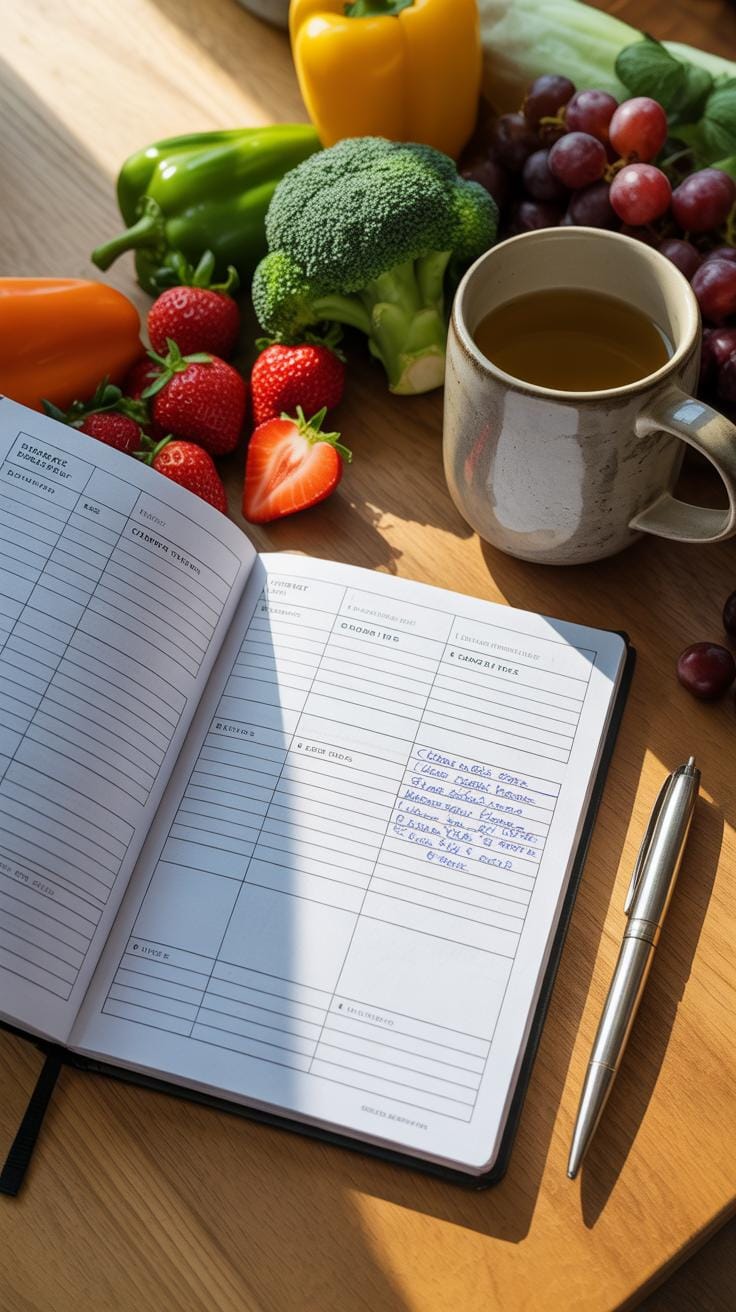
When you’re ready to start using a food diary, having a template that fits your goals can be a useful nudge. You might be trying to lose weight, gain muscle, or just balance your eating better—different templates help in different ways. For weight loss, a template that tracks calories and portion sizes can keep you aware of your intake without overwhelming you. Muscle gain goals might benefit from templates detailing protein intake alongside workout days, helping you link food with progress. For balanced eating, a food diary that includes categories for fruits, vegetables, and whole grains nudges you to pay attention to variety, not just quantity.
Simple Template For Beginners
If this whole diary concept feels intimidating, start simple. A basic layout could include a few straightforward fields: time of meal, food item, quantity, and maybe calories if you want. It’s easy to fill in quickly and helps you develop the habit without much fuss. I once tried a simple paper diary with just those fields, and it made me realize how mindlessly I’d been eating mid-afternoon snacks. It’s not about perfection but awareness—just jotting down a few details can shine a light on your eating habits.
Detailed Template For Advanced Tracking
For those who want to dig deeper, detailed templates can capture more than just food. Adding sections for mood, hunger level before eating, and even physical activity can provide valuable context. Why did you reach for that cookie? Was it genuine hunger or boredom? Tracking your mood and hunger helps spot patterns that a simple calorie count misses. Also, linking your meals with exercise data can reveal whether you’re eating enough to fuel your efforts or maybe overeating when less active. It’s a bit more involved, sure, but the insights you gain might make it worth the extra effort.
Conclusions
Keeping a food diary can support your efforts to eat healthier and meet your fitness goals. Writing down what you eat and drink increases your awareness and helps you spot patterns to change if needed. Tracking your nutrients also ensures you get enough vitamins and minerals.
Using a food diary regularly adds value to your health and fitness journey. It is a simple tool with wide benefits. If you want to see progress, start a food diary and observe how your habits improve over time.