

Building Lasting Healthy Food Habits
Eating healthy foods is important for keeping your body strong and your mind clear. Making good food choices not only helps you feel better but also supports your long-term health. This article will guide you through easy ways to add healthy foods into your daily life.
We will look at why eating healthy foods matters, how you can stay motivated, and simple habits to keep. You will find clear steps, useful examples, and tips to avoid common errors. By following this guide, you can build a lasting healthy food lifestyle.
What Defines Healthy Foods

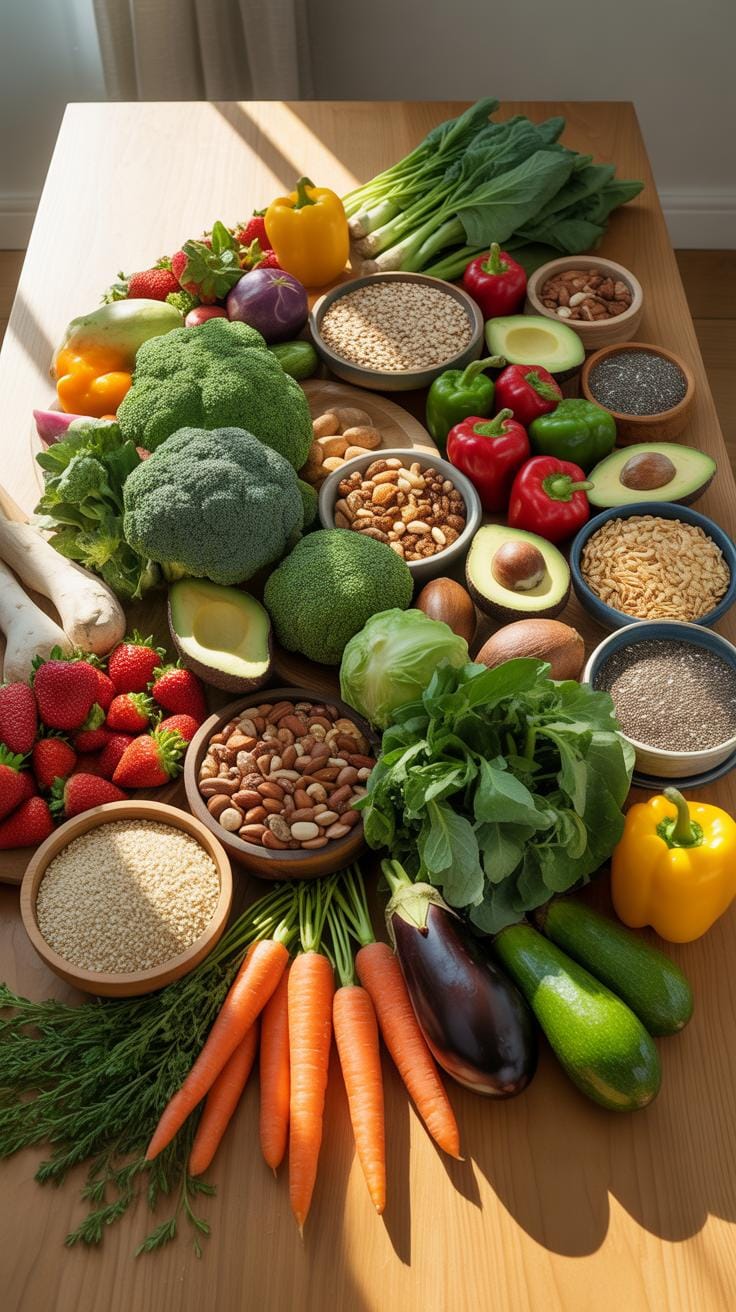
When we talk about healthy foods, it’s not just about what tastes good or what many people eat daily. Healthy foods contribute to our long-term well-being by providing essential nutrients our bodies rely on every day. These nutrients serve different roles — from building muscle to supporting our immune system. Scientific and global health organizations, like the World Health Organization, emphasize foods that meet our body’s energy and nutrient needs without excess.

Healthy foods fall into various groups, mainly fruits, vegetables, whole grains, legumes, nuts, and lean proteins. These are chosen specifically because they supply balanced nutrition across our major needs. It’s not about a single superfood but rather the diversity and balance of these groups that define what’s truly healthy.
Occasionally, you might wonder, is a food healthy just because it’s natural or minimally processed? Well, that’s part of it, but the emphasis is on nutrient content — not just how the food looks or sounds on a label.
Essential Nutrients In Healthy Foods
Our bodies need several main nutrients from food to function properly. Protein helps repair and build tissues; vitamins and minerals support countless processes like metabolism and bone health; fiber improves digestion; water hydrates the body and aids in numerous functions.
Each nutrient plays a unique role. For example, vitamin C helps prevent illness, calcium strengthens bones, and fiber helps regulate blood sugar and cholesterol. Without enough of these daily, health may decline or problems could develop over time. It’s not just a single nutrient but the combination across foods that keeps everything running smoothly.
Examples Of Healthy Foods To Eat
Picking healthy foods can be straightforward when you consider variety and balance. Here are some examples:
- Fruits: Apples, berries, oranges—they offer vitamins, fiber, and antioxidants.
- Vegetables: Spinach, broccoli, carrots—they provide minerals, fiber, and phytochemicals.
- Whole grains: Brown rice, quinoa, oats—these deliver fiber and sustained energy.
- Legumes: Lentils, chickpeas, beans—rich in protein, fiber, and minerals.
- Nuts: Almonds, walnuts, pistachios—sources of healthy fats, protein, and minerals.
- Lean proteins: Skinless poultry, fish, tofu—support muscle and repair without excess fat.
Often, healthy eating involves mixing these groups in daily meals to cover different nutrient needs. I think this variety not only supports health but keeps meals interesting, too. Though sometimes, I admit, it’s tempting just to grab something quick, even if it’s less balanced.
Why Eating Healthy Foods Matters

Eating healthy foods goes beyond just filling your stomach. It plays a crucial role in keeping your body’s systems running smoothly. For example, nutrients from wholesome foods support your heart, lungs, and other organs to function as they should. Without proper nutrition, these systems struggle, and you may feel sluggish or prone to illnesses. It’s not just about warding off colds; eating well can help prevent serious diseases like heart disease or diabetes, which often sneak up on people over time.
Also, nourishing your body with a balanced variety of foods helps your mind stay sharp and your mood steady. Many people find that when they eat poorly, they feel more anxious or tired. On the other hand, choosing meals rich in vitamins and minerals can boost your mental clarity and keep your energy stable throughout the day. You might have noticed a difference yourself, like feeling more alert or less irritable after a healthy meal.
So, eating healthy is not just about weight or appearance—it’s really about giving your body and mind what they need to thrive. What’s interesting is the way food can subtly influence how you feel and function, sometimes in ways you don’t immediately recognize. Have you ever wondered why some days you feel energized after lunch but other days, you just want to nap? Food choices play a big part in that.
Eating Healthy Foods

Eating healthy foods regularly isn’t just about choosing the right items once in a while. It’s about designing your daily routine around meals that nourish your body effectively. You might want to start by focusing on diversity—mixing in fruits, vegetables, whole grains, proteins, and healthy fats in practically every meal. This variety guarantees your body gets essential nutrients it needs, from vitamins to fiber and energy.
When planning meals, don’t fixate on perfection. Instead, think of simple combinations that you enjoy and that satisfy you. For example, pairing a small piece of grilled chicken or legumes with a colorful salad and a portion of whole grains can do the trick. Watching portions can be tricky, so using your hand as a guide—protein about the size of your palm, carbs the size of your fist, and fats like a thumb—can help keep it manageable without counting every calorie.
Shopping for healthy foods can feel overwhelming but focusing on fresh produce and whole foods is key. When you read labels, look out for added sugars and excessive sodium—these sneak into processed products more than you’d expect. Don’t shy away from frozen vegetables; they often retain nutrients better than ones sitting long on shelves. Make your shopping list with a clear idea of meals so you grab only what you’ll use—this avoids impulse buys that might derail your intentions.
Simple recipes save time and stress. Think of stir-fries, one-pot dishes, or sheet-pan meals where you toss in vegetables, proteins, and a drizzle of oil. Such meals don’t take long to prepare and can fit into busy schedules. Gradually, these habits weave into your routine. You’ll notice not just physical changes but a shift in your mindset about food. It’s less about restrictions and more about choices that sustain you. How will you start your next meal to keep this going?
Examples Of Healthy Food Routines
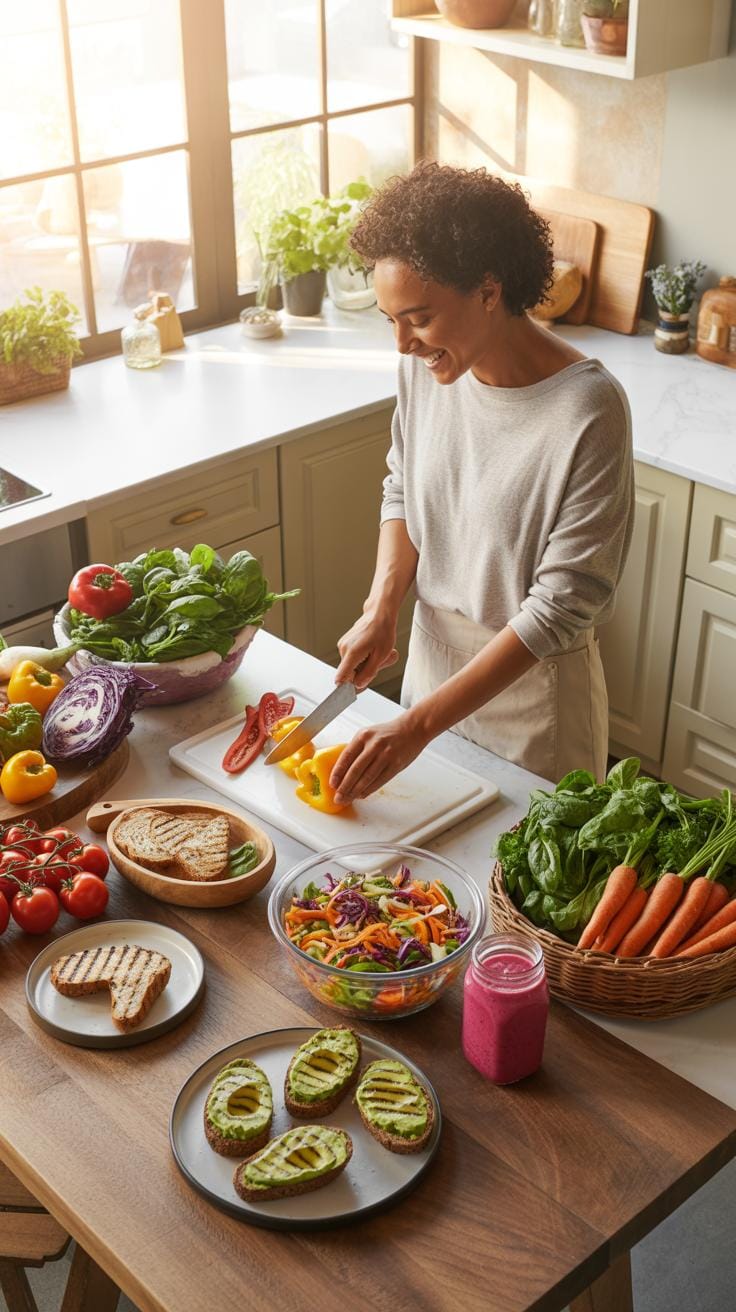
Eating healthy starts with routines you can stick to without much hassle. Take breakfast, for instance. It doesn’t have to be a big ordeal. Think yogurt mixed with fresh berries and a handful of nuts. It’s quick and gives you protein, fiber, and good fats. Or oatmeal made with milk or water, topped with sliced bananas and a dash of cinnamon. Preparing these takes just minutes, yet they fuel your day steadily.
When it comes to dinner, even a minimal effort meal can be nutritious. Imagine a stir-fry loaded with colorful veggies like bell peppers, broccoli, and carrots sautéed in olive oil with some tofu or chicken. Serve it over brown rice or quinoa. The prep is straightforward—chop, stir, and cook—and the benefits are substantial.
Why not try a salad bowl with mixed greens, cherry tomatoes, avocado, chickpeas, and a squeeze of lemon juice? It’s refreshing and takes hardly any time to toss together. That said, balancing flavors and textures keeps things interesting. Occasionally switching between these easy meals might help maintain lasting motivation to eat well. What’s your go-to quick meal?
Sample Breakfast Ideas
Breakfast doesn’t have to be complicated or time-consuming to be healthy. Here are a few ideas to get you started:
- Whole-grain toast topped with mashed avocado, a pinch of salt, and a soft-boiled egg.
- Low-fat Greek yogurt layered with granola and mixed fresh fruits such as strawberries or kiwi.
- A smoothie made with spinach, frozen berries, a banana, and a splash of almond milk.
- Chia seed pudding prepared the night before, sweetened with a bit of honey and topped with sliced almonds.
These breakfasts cover important nutrients like fiber, protein, and healthy fats, and the variety prevents boredom. Plus, you don’t need fancy equipment or long preparations. Often, what we overlook is how breaking the breakfast routine can revitalize your day.
Quick Healthy Dinners
Dinner often feels like a challenge, especially after a long day. But a quick, healthy dinner can still be satisfying and good for you. Consider this simple recipe: pan-seared salmon with a side of steamed green beans and roasted sweet potatoes. It takes less than 30 minutes from start to finish.
Another option: a hearty lentil soup that you can make in a single pot. Toss in lentils, diced tomatoes, carrots, onions, and some garlic. Let it simmer until tender, and you have a filling, fiber-rich meal.
Wraps are also practical—a whole wheat tortilla filled with grilled chicken, mixed greens, sliced cucumbers, and a light yogurt dressing. Roll it up and enjoy. Minimal cleanup, minimal fuss, but you still get your veggies and lean protein.
It’s sometimes tempting to default to less healthy comfort foods when tired, yet these options prove it doesn’t take long or cost much to eat well. Have you tried any quick, wholesome dinners that surprised you with how simple they were?
Common Mistakes In Healthy Eating
Mistaking Diet Trends For Healthy Food
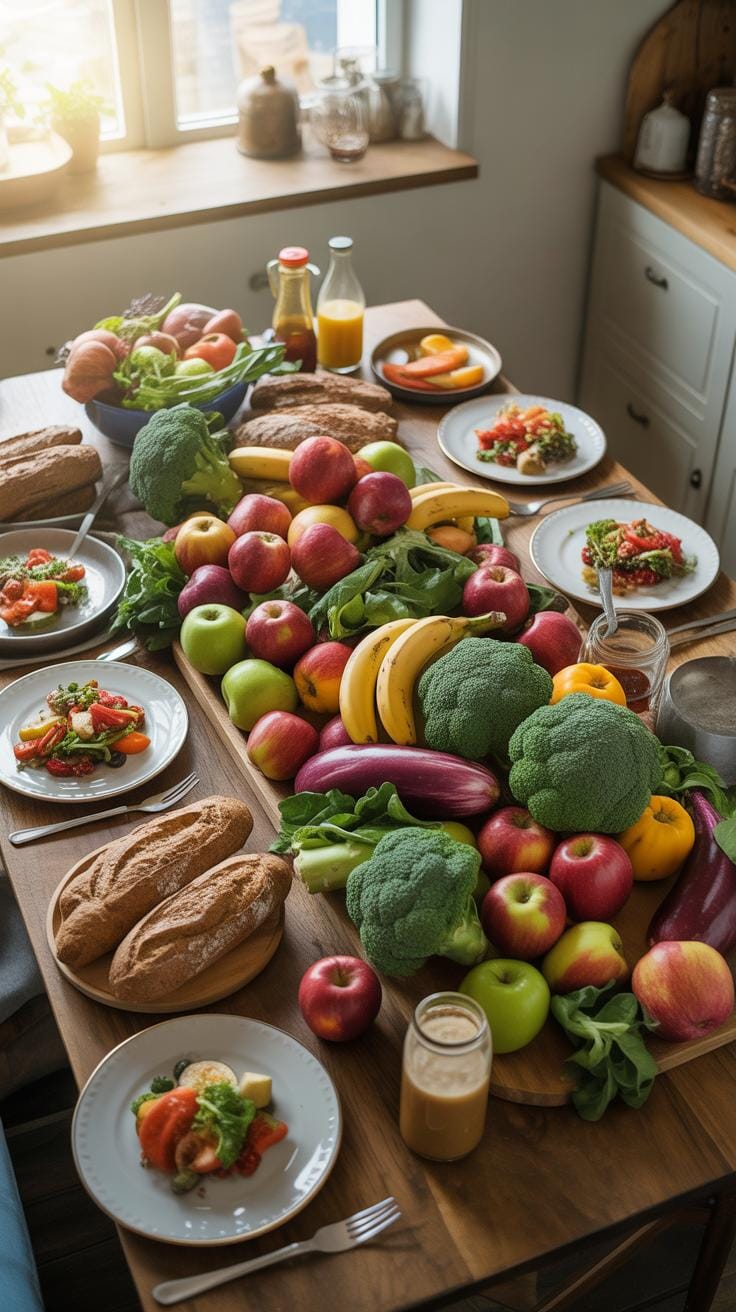
It’s easy to get caught up in the buzz around fad diets promising quick fixes. You know, those popular diet trends that flood your social media or magazine covers. They often claim rapid weight loss or a magical health boost without much effort. But here’s what’s tricky—these diets usually lack solid scientific backing and can even lead to nutritional imbalances.
Following them might feel promising at first, but they often aren’t sustainable. You could lose weight temporarily, sure. But at what cost? Some fad diets are so restrictive they cut out entire food groups or demand weird rituals. This can result in missing out on essential nutrients or even harm your metabolism over time.
Instead of chasing the next diet craze, consider focusing on balanced eating. It’s less glamorous, maybe slower, but more reliable for lasting health. Have you ever noticed how the diets that work best don’t usually grab headlines? Balanced eating supports steady progress rather than dramatic swings.
Ignoring Portion Sizes
There’s a common misconception that if the food is healthy, you can eat as much as you want without consequences. That’s not quite right. Even nutrient-dense foods carry calories, and consuming them in large quantities can affect your health negatively, like weight gain or digestive issues.
For example, nuts and avocados are healthy, but they’re also calorie-dense. It’s easy to overeat these thinking they’re “free passes.” Portion control matters just as much as the quality of food. It’s a subtle but crucial detail people often overlook.
Maybe you’ve noticed times when you feel sluggish despite eating only healthy stuff. Sometimes, the issue lies in quantity rather than the type of food. Paying attention to portions helps keep your energy balanced and progress steady, avoiding that frustrating feeling of “why am I not seeing results?”
Tracking Progress And Staying Motivated

Keeping track of your healthy eating doesn’t have to be complicated, though it can sometimes feel a bit tedious. You might find it surprisingly useful to jot down what you eat daily, either in a simple notebook or through an app on your phone. This practice brings clarity. When you see your meals listed out, patterns emerge—those sneaky indulgences or the missed veggies become harder to ignore.
Using a food journal or digital app helps not just with remembering but also with creating accountability. It’s almost like telling someone else about your choices, except that someone is yourself. You might catch yourself thinking twice about grabbing that extra cookie if you know you’ll have to write it down later.
Setting realistic food goals ties directly into staying motivated. Aim for small changes, like adding one extra serving of vegetables per day, rather than overhauling everything overnight. These modest targets feel doable; this is crucial because overwhelming goals can quickly lead to frustration and giving up.
Rewarding yourself in non-food ways when you meet these goals can keep things interesting. What do you imagine works better for you—a quiet walk, a new book, or just some extra downtime? Remember, motivation isn’t a constant state. Some days will be easier, and others harder. Tracking progress helps remind you that even small steps count.
Eating Healthy Foods On A Budget

Eating healthy doesn’t necessarily mean breaking the bank. If you look closely, some affordable foods pack a real nutritional punch. Think beans, lentils, eggs, frozen vegetables, and whole grains. These staples often cost less and last longer. Plus, they’re versatile—you can toss them into soups, salads, or just cook a simple stir-fry.
Finding these deals can be easier than you might expect. Local farmers’ markets, discount grocery stores, or even bulk sections in supermarkets can be great places to start. Sometimes, you’ll spot reduced prices on produce that’s just about to go out of date but is still perfectly fine to use. It’s a little like a treasure hunt.
Meal prepping can be a game-changer in saving money with healthy eating. By cooking larger batches and portioning meals for the week, you waste less food and avoid the temptation of last-minute takeout. It’s a small effort upfront that can save both time and money later. Are you someone who enjoys planning ahead? If yes, meal prepping might fit you perfectly.
How To Handle Eating Out Healthily

Choosing Healthy Menu Options
Dining out can feel like a minefield if you’re trying to stick to healthy eating. But it’s not impossible, really. One way I try to approach this is by scanning menus carefully, looking for dishes packed with veggies, lean proteins, and whole grains. Think of meals that include grilled chicken or fish instead of fried items, or dishes that boast a variety of colorful vegetables. Sometimes, menus highlight “lighter” or “fresh” options—but be cautious, as those words don’t always mean low calorie or truly nutritious.
It’s helpful to ask for modifications too, like swapping fries for a side salad or requesting dressings and sauces on the side. You might hesitate to ask, but most kitchens appreciate the special requests and it’s okay to tweak meals to suit your needs. Also, if you spot something with lots of cheese, cream, or heavy sauces, it’s probably best left for another time, or shared. I’ve noticed that picking dishes with clear, simple ingredients—like grilled fish with steamed veggies—often results in healthier choices.
Managing Portions And Ingredients
Portion sizes at restaurants often feel overwhelming. I’ve caught myself eating way more than I intended multiple times. One trick that works is to mentally divide your plate in half—eat half and save the rest for later. Sharing a meal with a friend can also make the portions more manageable, though sometimes it’s tempting to go all out and try both dishes.
When it comes to sauces and sides, consider their calorie load carefully. Creamy dressings, rich gravies, and buttery sides can add up quickly. Asking for them on the side or skipping them altogether can make a big difference. Sometimes just a squeeze of lemon or a sprinkle of herbs is enough to keep the dish flavorful without piling on hidden calories.
Dining out doesn’t mean abandoning healthy habits. It’s about making thoughtful decisions—balancing enjoyment and nutrition without harsh restrictions. Have you ever been pleasantly surprised by how good a simple salad or grilled entrée tasted at a restaurant? Sometimes the healthiest choices turn out to be the most satisfying, if you give them a chance.
Comparing Eating Healthy Foods And Processed Foods
Nutrient Content Differences
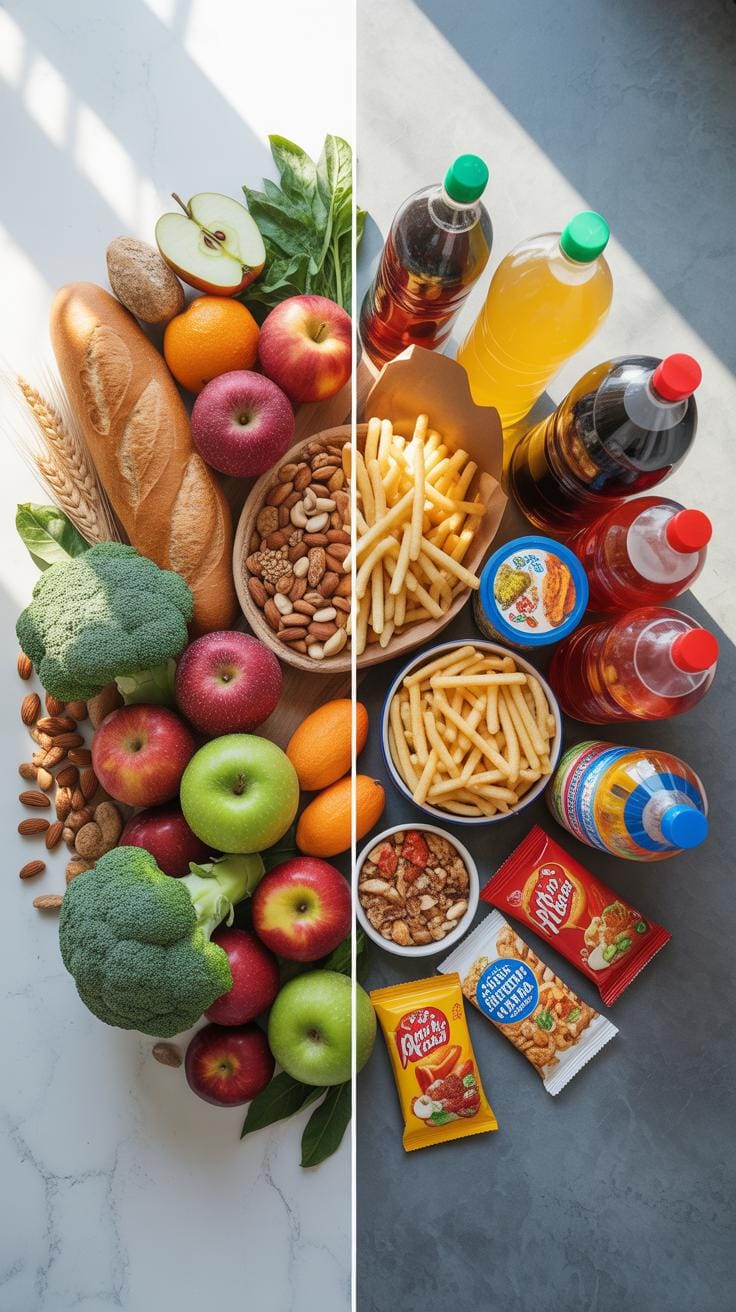
Whole foods—think fresh vegetables, fruits, nuts, and grains—carry the natural nutrients you need for long-term health. Processed foods, on the other hand, often lose these valuable nutrients during manufacturing. For example, vitamins like C and B, minerals, and fiber frequently diminish or vanish entirely. It’s common to find processed snacks high in sugars and unhealthy fats but low in essential nutrients, which whole foods naturally provide.
When you eat whole foods, your body gets a richer nutrient profile. This helps with energy, digestion, and even mental clarity. I’ve noticed days when I rely more on processed options feel sluggish and less focused—maybe you’ve experienced that too? It’s not just about calories but the quality of what you consume.
Health Risks Of Processed Foods
The regular consumption of processed foods has been linked to various health risks, especially obesity and heart disease. Processed foods often contain excessive salt, sugars, and unhealthy fats, which can put extra strain on your cardiovascular system. Obesity, which frequently results from eating these calorie-dense yet nutrient-poor foods, is a major risk factor for diabetes and other chronic conditions.
These risks build up slowly—you might not notice them until they start causing serious health issues. When I tried cutting back on processed snacks, I felt lighter and more energetic, which suggested to me that our bodies react to these foods more than we might realize. Isn’t it interesting how what seems convenient can sometimes do more harm than good?
Checklist For Daily Healthy Eating

Eating healthy every day can sometimes feel overwhelming, but a simple checklist might just keep you on track without too much fuss. Here’s a practical daily guide you could try to follow.
Key Foods To Include Daily
Focus on incorporating a variety of food groups—it’s not about perfection, but variety. Try to include:
- Fruits and vegetables: Aim for at least five servings combined. That can be one apple, a handful of spinach in your salad, and some steamed carrots.
- Whole grains: Choose whole wheat bread, brown rice, or oats—about three servings.
- Protein sources: Mix it up. Think lean meats, poultry, fish, eggs, legumes, or nuts—about two to three servings.
- Dairy or dairy alternatives: One to two servings, like a cup of milk or a piece of cheese.
Habits To Maintain Consistently
Besides what you eat, how you eat matters. Drinking enough water throughout the day is something I sometimes forget until I’m really thirsty, but it’s key—try for about 8 cups daily.
Limit sugary snacks and drinks—not always easy, right? But keeping sugar in check helps energy levels and mood.
Don’t skip meals. Eating at regular intervals supports steady energy and prevents overeating later. A small breakfast, a balanced lunch, and a sensible dinner can do wonders.
It’s not rigid, just regular effort that counts. Think of this checklist as your everyday nudge toward healthier decisions, even when life gets busy or unpredictable.
Conclusions
Eating healthy foods can change your life by improving your energy and reducing risk of diseases. This article showed you practical steps to start and maintain good eating habits. Remember, small changes each day add up to big results.
Keep your focus on choosing nutritious foods, watch out for common pitfalls, and use simple routines. This way, you can enjoy your food and stay healthy for years to come.