
A Clean Eating Grocery List for Beginners
Eating clean means choosing whole, unprocessed foods that fuel your body the right way. This simple approach helps you avoid processed and convenience foods high in sugar, fat, or chemicals. You might also find some people avoid gluten, grains, or dairy while eating clean, focusing mainly on natural foods like fruits, vegetables, lean proteins, and whole grains.
For beginners, starting clean eating can feel overwhelming, especially when building a grocery list or planning meals. This article provides a clear grocery list and simple meal ideas to help you eat clean easily. You will learn what clean eating involves, why it benefits your health, and practical steps to shop and cook the foods your body will thank you for.
Basics Of Eating Clean

What Is Clean Eating
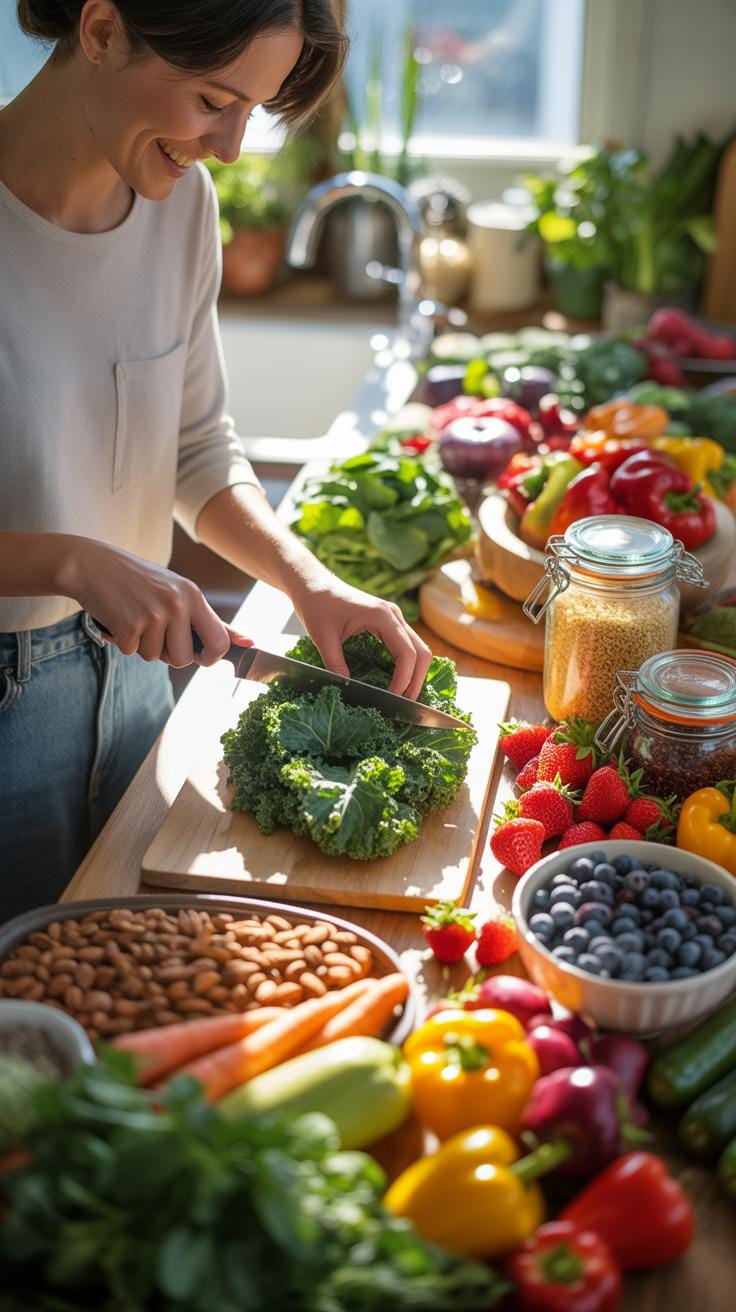
Clean eating is a concept that grew out of bodybuilding circles in the 1990s. Initially, it meant eating high-protein and low-carb foods while cutting out sugar, fat, and junk food to build lean muscle without gaining fat. Over time, this idea evolved. Now, it generally refers to focusing on whole foods—those as close to their natural state as possible—and steering clear of processed and convenience foods. Some versions even exclude grains, gluten, or dairy, and some emphasize raw food. It’s not one-size-fits-all, though. Different people take it in slightly different directions depending on their goals or preferences.
Why Choose Clean Foods

People are drawn to clean eating mostly because of the health benefits. More nutrient-dense foods mean your body gets better fuel and more vitamins, minerals, and fiber. Avoiding chemicals and additives found in processed foods feels safer and less harsh on the body, even if the science isn’t always fully settled. Some folks share stories of improved energy, clearer skin, or better digestion after they start eating this way. It’s about feeling good, not just looking good. But it’s also worth wondering—does cutting out entire food groups always help? Some critics caution against extreme restrictions. Maybe clean eating is about balance and making smarter choices, not instant perfection. What do you think?
Create A Clean Eating Grocery List
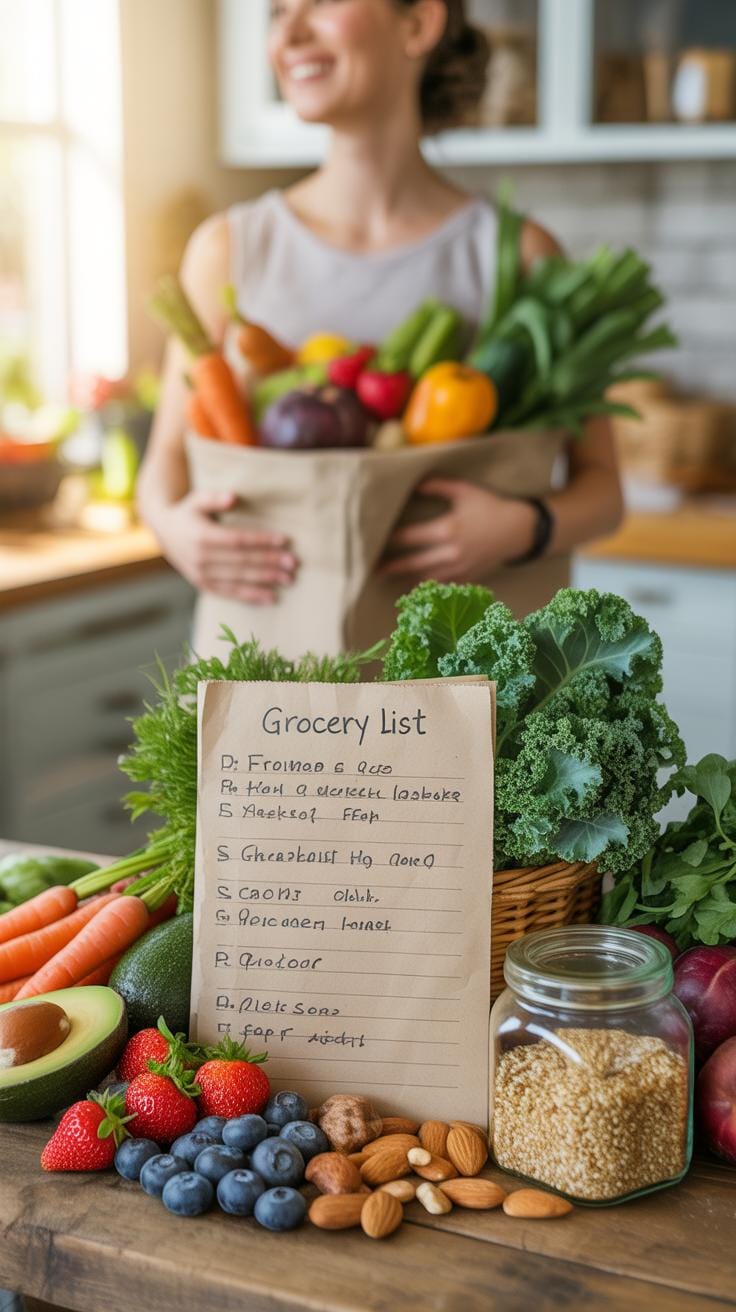
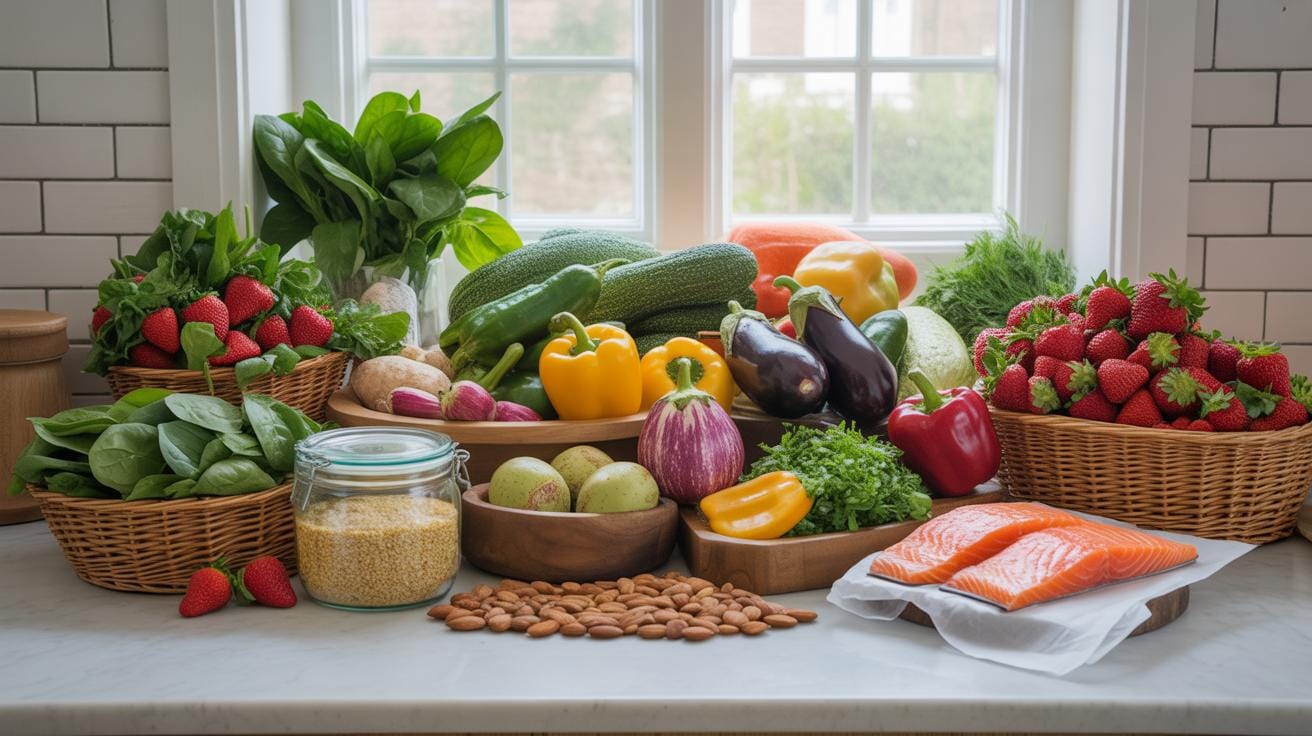
Starting clean eating means rethinking what you bring home from the store. It’s not just about grabbing fruits and veggies but focusing on foods that truly support this way of living. Think fresh produce, lean proteins, whole grains, and good fats. These aren’t just buzzwords—they form the backbone of meals that fuel your body without extra additives or processed stuff.
Here’s a quick checklist that can help simplify your shopping:
Fruits And Vegetables To Include
- Leafy greens like spinach, kale, and lettuce
- Broccoli and cauliflower for crunch and nutrients
- Colorful peppers and carrots
- Avocados for those healthy fats
- Seasonal fruits such as berries, apples, and oranges
Proteins And Grains For Clean Meals
- Lean meats like chicken breast and turkey
- Fatty fish such as salmon or mackerel
- Legumes and beans for plant-based protein
- Whole grains like brown rice, quinoa, and oats
- Unsalted nuts and seeds
You might notice there’s no mention of heavily processed or packaged items here. That’s intentional. It’s easy to overlook, but these clean staples keep things simple and help you avoid unwanted ingredients. Sometimes, it’s tempting to buy “healthy” snacks, but often they sneak in sugars and additives.
One thing I’ve found helpful is to pick a few staples for the week and build your meals around them. It reduces decision fatigue and makes it easier to stick with clean eating without feeling overwhelmed by endless options.
Plan Simple Clean Meals
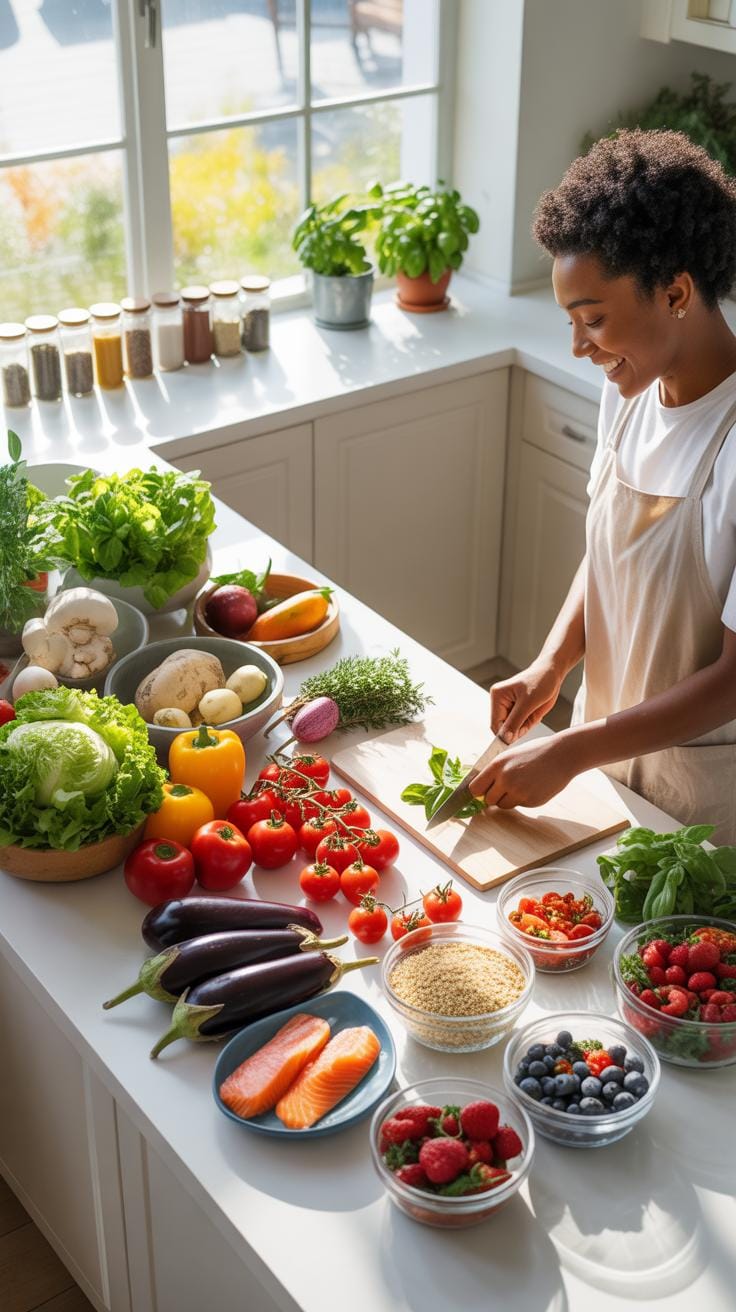
When you’re starting out with clean eating, it’s easy to feel overwhelmed by all the recipes with fancy ingredients or long directions. But really, you don’t need complicated ones. The clean eating grocery list is like your toolkit. Stick to basics: fresh veggies, fruits, whole grains, lean proteins. Look at what you have, and think about simple combos. For instance, roasted chicken with steamed broccoli and brown rice. Or a quick sauté of kale, garlic, and chickpeas. It’s about using whole, single-ingredient foods without a fuss. Planning without overthinking saves time and stress. Don’t hesitate to repeat meals you enjoy. That’s normal and helpful to build your routine.
Sample Breakfast And Lunch Ideas
For breakfast, try oats soaked overnight with almond milk and topped with berries. Or a smoothie with spinach, banana, and plain yogurt. Quick, nutrient-packed, no cook necessary. Lunches can be as simple as a large mixed greens salad with grilled chicken, cherry tomatoes, cucumber, and olive oil dressing. Or a grain bowl: quinoa with roasted veggies and a boiled egg. These meals stick to clean principles without making you feel like you’re sacrificing flavor or effort. I remember once rushing to work with a handful of almonds and an apple—simple, but it kept me going until dinner.
Easy Dinner Recipes For Beginners
Dinner doesn’t have to be elaborate. Take a sheet pan, throw in some salmon, asparagus, and baby potatoes with a drizzle of olive oil and lemon. Bake for about 20 minutes. Done. Another option: stir-fry bell peppers, snap peas, and tofu or chicken in a little olive oil and garlic, seasoned with just salt and pepper. Serve over brown rice. Even scrambled eggs with spinach and mushrooms can be a satisfying clean meal. These dishes keep things straightforward but nourishing. You might find that less is more once you get the hang of it, and you’ll feel more confident cooking clean meals without needing a recipe book per se.
Cook Clean Food Efficiently

When you start cooking clean, the way you prepare food truly matters. You want to keep the nutrients intact and avoid unnecessary additives that muddle the purpose of clean eating. Steaming is one method I keep coming back to because it gently cooks vegetables, locking in vitamins and minerals without fat. It’s simple—use a steamer basket and a pot of boiling water, and soon, you have vibrant veggies that retain their color and crunch.
Grilling is another method worth exploring. It imparts a unique flavor without extra oils or heavy creams. Just watch out for charring too much; burnt bits can introduce unwanted chemicals. Baking, too, lets you cook proteins or root vegetables without drowning them in grease or sauces. It’s an easy way to get meals on the table without fuss.
Now, avoiding excess salt and sugar can be tricky. It’s tempting to add that soy sauce or ketchup because it makes things taste familiar, but these often contain hidden sugars and preservatives. Try seasoning with herbs, spices, or a squeeze of fresh lemon instead. These alternatives bring flavor without overloading your dishes with processed stuff.
Maybe it’s a small shift, but using clean cooking methods changes how you think about meals. You start noticing the natural flavors more, which feels a bit like relearning how to enjoy food in a straightforward way.
Track Your Clean Eating Progress
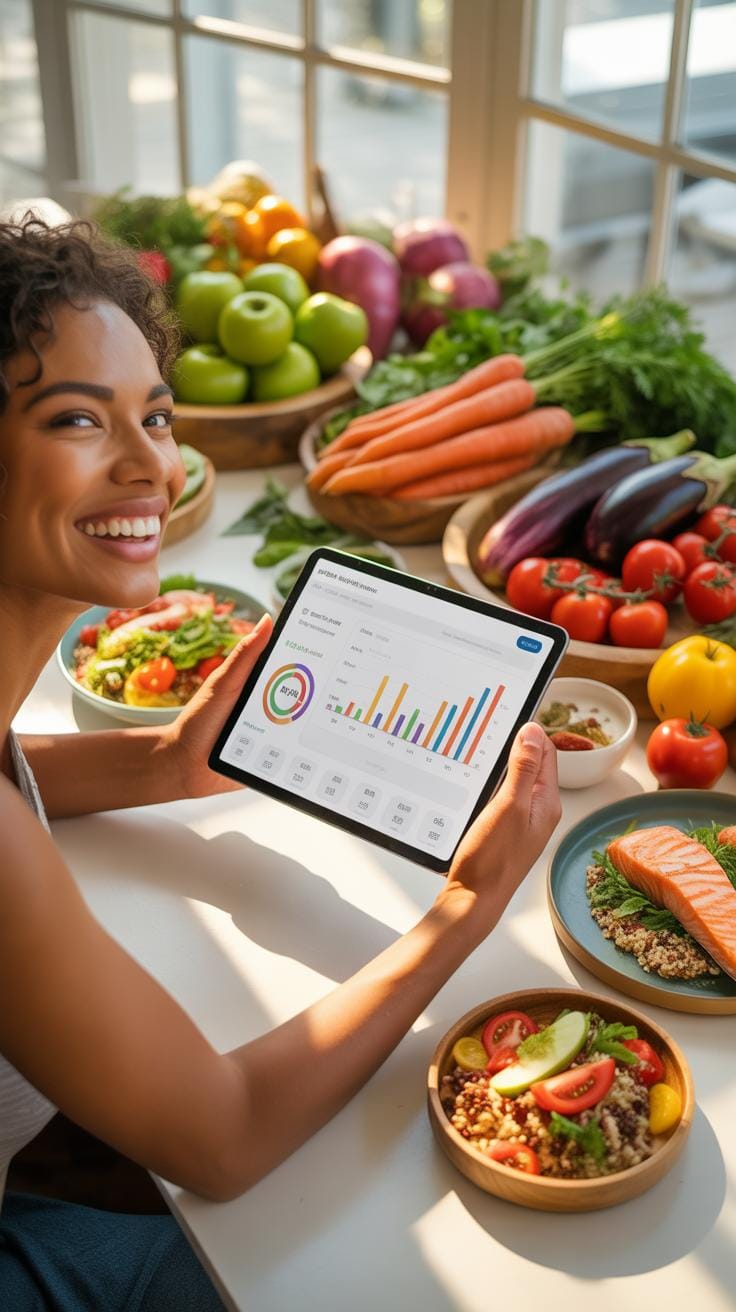
When you start eating clean, keeping track of your food intake can really help you stay on course. A food journal is a simple method to do this. Jot down everything you eat—not just what, but how you feel before and after meals. Sometimes, I found it surprising how my mood shifted in response to certain foods. You might too. It’s not about perfection; it’s about awareness. You don’t have to write an essay every day, a few notes here and there work just fine.
Besides noting the food, track your energy levels, sleep quality, or even changes in digestion. These small observations often add up and reveal patterns. Do you feel lighter or more sluggish? Are certain meals making you bloated or energized? This could guide your choices going forward.
As you continue, watch for some common improvements people notice when switching to cleaner meals:
- Better digestion and less bloating
- Increased energy through the day
- Improved concentration or mental clarity
- More stable moods or fewer irritability spells
- Healthier skin or reduced inflammation
Some changes might pop up quickly, others take weeks, so patience is key. What matters most is tuning into what works for your body. Tracking helps because progress isn’t just numbers on a scale, but how you feel and function daily. So, why not give it a try? You might find tracking adds a sense of control and accomplishment to your clean eating journey.
Compare Clean Eating And Other Diets
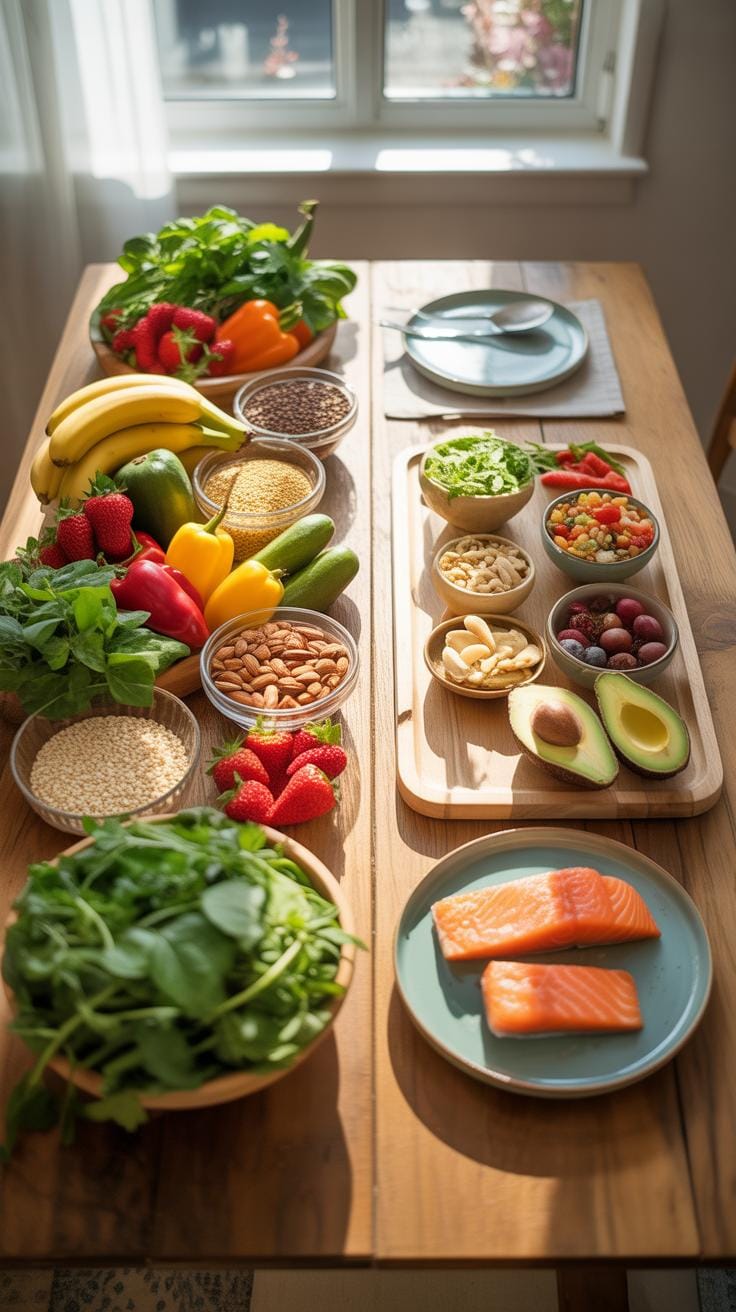
When you start thinking about clean eating, it’s tempting to compare it to other popular diets, but it’s not always clear cut. Clean eating focuses on whole foods — things that are as close to their natural state as possible. In contrast, many diets target specific restrictions like low-carb, plant-based, or no gluten. So, while clean eating lets you choose freely among whole foods, other diets often narrow your choices. For example, veganism excludes all animal products, paleo cuts out grains and dairy, and gluten-free diets avoid gluten-containing grains entirely.
You might notice that clean eating can overlap with these diets, especially if you avoid processed foods. But clean eating doesn’t require total food group elimination, which some find more flexible and less stressful—though that flexibility can make it harder to define exactly what you should or shouldn’t eat. So, are all diets just variations on the clean eating theme? Maybe, but the boundaries blur, and that’s part of the challenge when choosing what fits you best.
Clean Eating Vs Processed Food Diets
The biggest contrast here: clean eating encourages whole foods, while processed food-heavy diets rely on convenience—things like ready meals, snacks, and foods with preservatives and additives. Eating clean means you’re probably cooking more, eating fresh vegetables, fruits, whole grains, nuts, and lean proteins. Processed food diets often have more sugars, unhealthy fats, and fewer nutrients.
If you’ve ever switched from frozen dinners to fresh meals, you might have felt more energetic or noticed subtle changes in your body. But, processed foods are everywhere and sometimes cheaper or more accessible, which makes clean eating a bit of a lifestyle shift rather than a quick fix.
Clean Eating Vs Restricted Diets
Restricted diets, like gluten-free, vegan, or paleo, go beyond just “clean.” They exclude whole food groups for various reasons—health, ethics, or belief in ancestral eating patterns. Clean eating can include gluten or animal products if they’re whole and unprocessed, whereas paleo avoids grains and dairy altogether, and veganism excludes all animal-derived foods.
One interesting wrinkle is that clean eating sometimes adopts elements from these diets, like choosing plant-based or gluten-free whole foods, but it usually stops short of rigid rules or labels. The upside? It’s less about restrictions and more about food quality. The downside? It can feel vague, especially if you want clear guidelines. What feels better to you: flexibility with some ambiguity or structure with hard limits?
Identify Common Clean Eating Mistakes
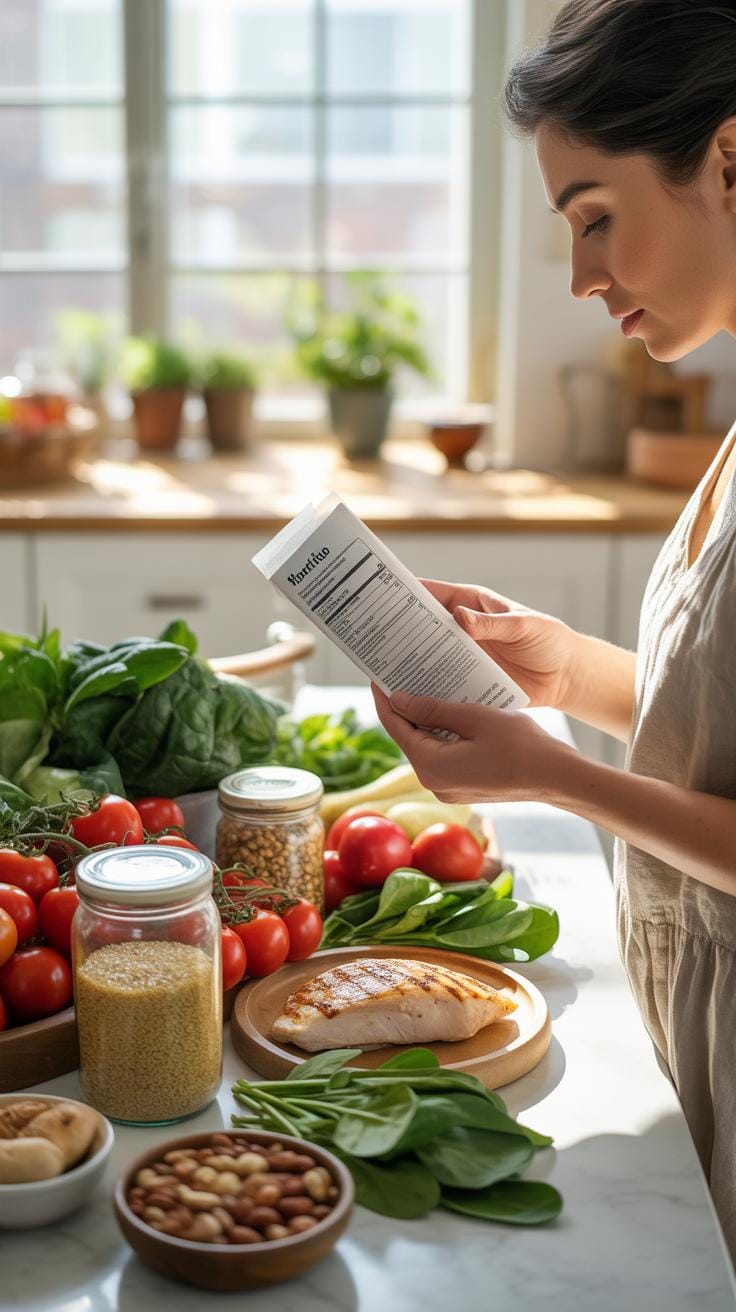
When you start eating clean, it’s easy to get caught up in the idea that more healthy food means better results. But that’s not always the case. You might find yourself overeating even the best ingredients, which can still lead to problems like weight gain or digestive discomfort. It’s weird, right? Healthy food but too much of it—still an issue.
Overlooking Nutrient Balance
One mistake beginners make is focusing too much on one type of nutrient. For example, eating a lot of protein but neglecting fats and carbs. It’s tempting to think protein is the magic bullet, but your body needs a mix of all three for energy, muscle repair, and brain function. Remember, fats aren’t the enemy—they’re essential, especially healthy ones from nuts or fish. Carbs get a bad rap but they provide important energy, especially from whole grains and fruits. Don’t ignore that balance.
Ignoring Portion Sizes
Portion control seems tricky when everything feels good for you. But eating large amounts of even clean food can mess with your goals. Keeping portions moderate helps regulate calorie intake and digestion. If you’re unsure, using your hand as a guide can help—like a palm-sized serving of protein or a fist-sized amount of carbs. It’s simple and effective. Have you noticed how sometimes you feel sluggish after a “clean” meal? Overeating might be why.
Build A Clean Eating Routine
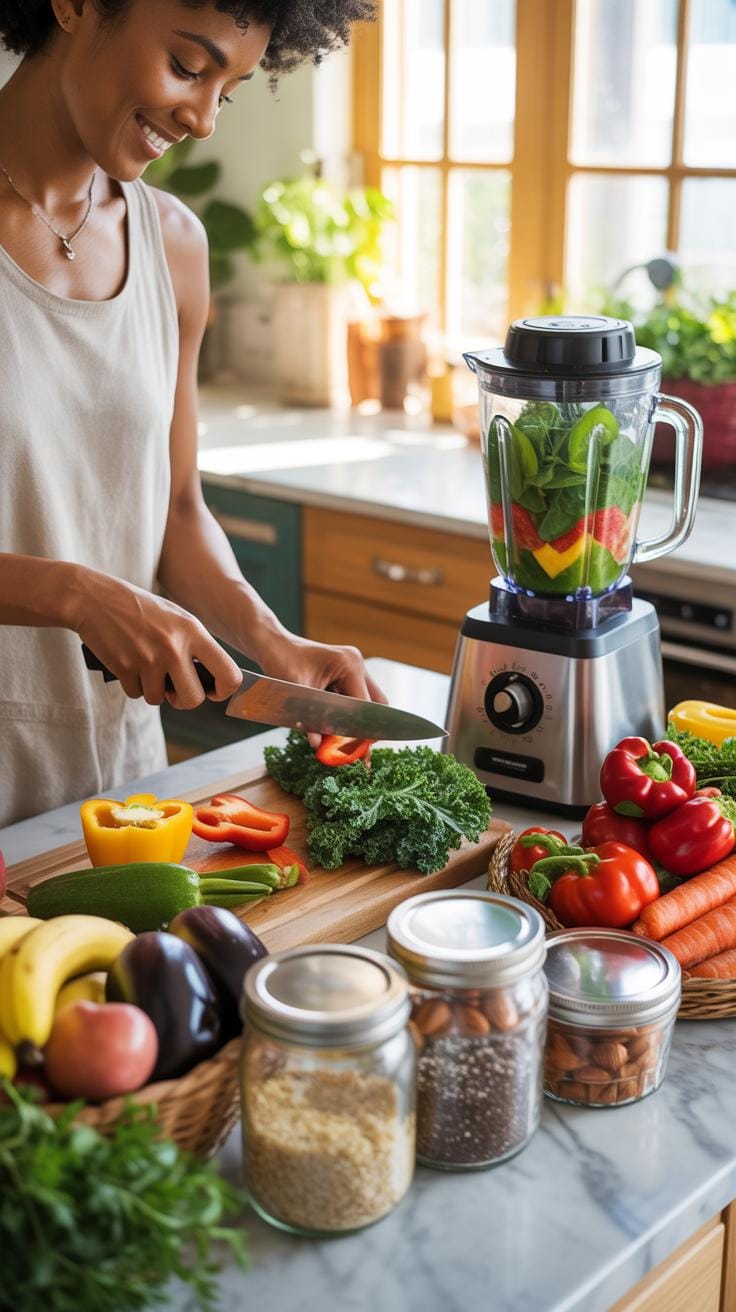
Starting with clean eating means more than just choosing the right foods; it’s about creating a routine that fits into your daily life. For beginners, setting regular meal times helps. Try to eat your meals around the same time each day. This can train your body to expect nourishment, which might reduce those unpredictable hunger cravings. Snacking isn’t off-limits, but plan snacks that complement your meals instead of sabotaging your progress. Think nuts, fruits, or yogurt rather than chips or sweets.
Meal preparation can save you when days get busy. Batch cooking—making a large quantity of food at once—lets you store portions for the upcoming days. Preparing ingredients ahead, like chopping veggies or cooking grains, eases the assembly of meals later. You may find it calming to spend a couple of hours preparing simple meals for the week on a Sunday evening. It’s a routine that sounds a bit rigid but it actually offers flexibility in your daily eating habits.
Would you consider shifting your mealtime slightly if it helps maintain consistency? Some say a routine kills spontaneity, but with clean eating, routine could be the trick that keeps you on track without feeling overwhelmed by choices every day. Experiment and find what works—you might surprise yourself.
Stay Motivated To Eat Clean

Sticking to clean eating, especially at the start, can be challenging. You might wonder if it’s worth the effort, or if it’s just easier to slip back into old habits. That’s why setting simple, achievable goals is a good way to keep your motivation alive. Instead of trying to overhaul everything at once, focus on small steps. For example, aim to include one more vegetable in your meals each day or swap out sugary drinks for water during the week. These clear, manageable targets make progress feel real and prevent you from feeling overwhelmed.
Another subtle but powerful motivator comes from finding support. You don’t have to go it alone. Sharing your goals with friends or family can create a sense of accountability. Maybe a friend wants to join you in trying new recipes, or a family member cheers you on during tough days. Online communities also offer spaces where people share tips, struggles, and successes—sometimes just knowing others are on the journey with you makes a big difference. It might feel odd to reach out, but encouragement often arrives when you least expect it, keeping the clean eating spirit strong over time.
Conclusions
Eating clean for beginners is about making smart food choices that involve whole and simple foods. By avoiding processed items, you give your body better fuel, which can improve your energy and overall health. Following a clear grocery list and simple meal ideas makes the clean eating lifestyle manageable and sustainable.
Your journey with clean eating starts with small, consistent steps. Focus on including more fresh fruits, vegetables, and lean proteins while reducing processed and sugary foods. With time, these habits will become your new normal, helping you build a healthier life.