

The Cabbage Soup Diet Explained
The cabbage soup diet is a short-term eating plan designed to help you lose weight quickly by mainly eating cabbage soup for a week. This diet promises rapid weight loss by focusing on low-calorie intake, particularly revolving around a special cabbage soup recipe and meal plan. In this article, you will get clear details about how the diet works, what you can expect, and what recipes to follow.
You will also learn about the diet’s pros and cons, how to prepare the soup, and tips for sticking to the plan. By the end, you will have a practical understanding to decide if the cabbage soup diet suits your weight loss goals and how to execute it effectively.
What Is The Cabbage Soup Diet

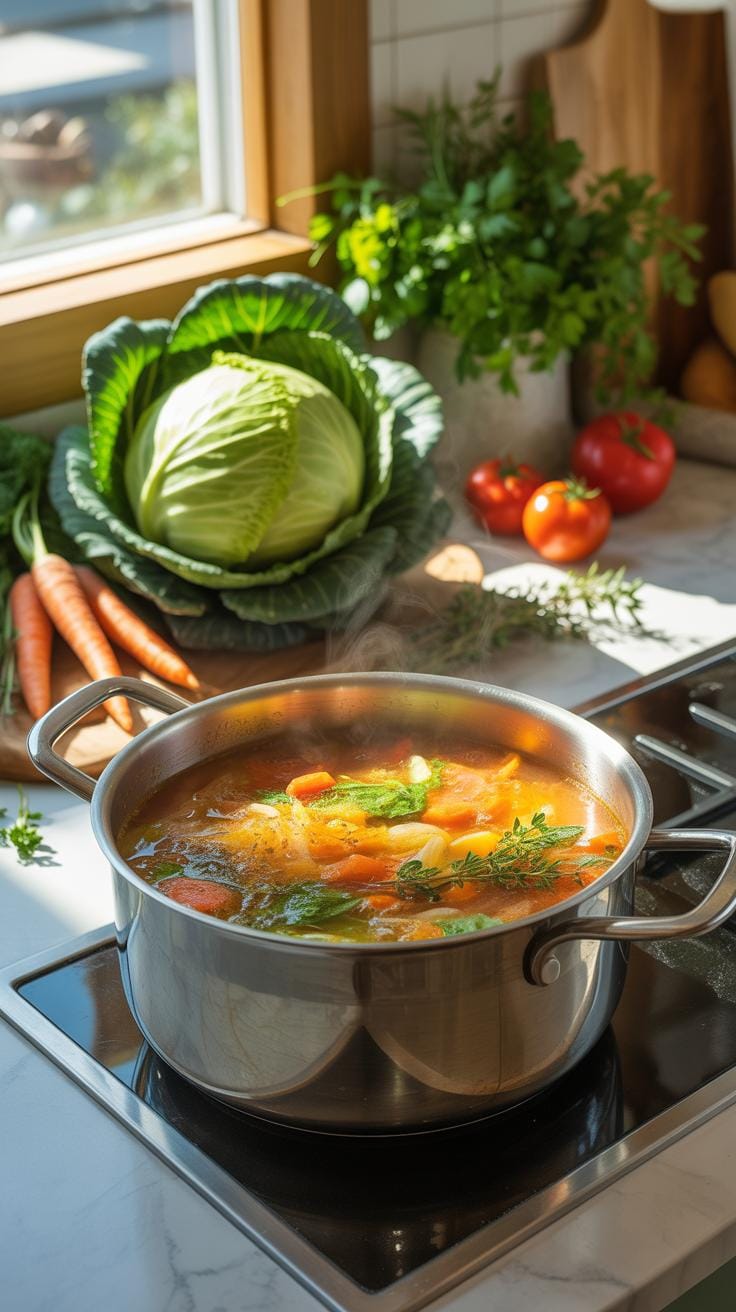
The cabbage soup diet revolves around consuming large quantities of a low-calorie cabbage soup over the course of about seven days. The main goal — at least as advertised — is rapid weight loss, with claims often saying you can lose up to ten pounds in a week. While losing that much fat in so little time is highly doubtful, most of the weight lost tends to be water. The diet itself is pretty restrictive, as you mostly eat the soup and a few approved foods daily, keeping calorie intake very low.

Typically, the diet lasts a week, making it a short-term plan rather than a long-term lifestyle change. The simplicity can be appealing, especially if you want quick results, but the limited variety and low calories make it tough to stick with for longer.
Origins And Purpose Of The Diet
It’s a bit tricky to pinpoint exactly where the cabbage soup diet started, but it dates back to the 1950s. It gained real traction in the 1980s, becoming something of a fad. There are several names linked to it — like the “Sacred Heart Diet” or “Military Cabbage Soup” — but the supposed institutions tied to it have denied any involvement. The real aim, as you might guess, is fast weight loss via a very low-calorie plan emphasizing cabbage soup consumption.
The diet’s purpose isn’t about sustainable habits; it’s more focused on short-term shedding of pounds. It often appeals to those desperate for a quick fix, though nutritional experts tend to be skeptical due to the lack of balance and the fact the weight lost is mostly water, not fat.
Common Variations Of The Diet
There isn’t just one cabbage soup diet — it has several popular versions that differ slightly in what you can eat alongside the soup or how the soup is made. Some common variations include:
- Traditional Cabbage Soup Diet: You eat unlimited cabbage soup along with specific vegetables and fruits each day, with little to no protein or carbs.
- Military Cabbage Soup Diet: Claims to have a connection to the military but really just adds a few days of meat, eggs, and fruit to the standard soup plan.
- Sacred Heart Diet: Named after a hospital but without actual ties, it frequently includes drinking large amounts of water alongside the soup.
Each version sticks closely to the idea of eating mostly cabbage soup but tweaks allowable foods or portions slightly. The core concept stays the same: very low calories and limited food variety.
How To Make Cabbage Soup

The cabbage soup used in the diet is surprisingly simple to prepare. You don’t need many ingredients or complex cooking techniques to make it, which is probably why it’s such a popular choice for those trying to shed some pounds. The basic soup revolves around fresh cabbage and a handful of vegetables. This simplicity, though, doesn’t mean it’s bland. With the right balance, it can be quite satisfying.
Ingredients You Will Need
- 1 medium head of green cabbage, chopped
- 2 large onions, diced
- 3 carrots, sliced
- 2 celery stalks, chopped
- 1 green bell pepper, diced
- 2 cans (14.5 oz each) of diced tomatoes with juice
- 6 cups of vegetable or chicken broth
- 3 cloves garlic, minced
- Salt and pepper to taste
- 1-2 tablespoons olive oil or cooking spray
- Optional: herbs like parsley or thyme for extra flavor
Step By Step Cooking Instructions
Start by heating your olive oil in a large pot over medium heat. Wait until it’s warm, and then toss in the onions and garlic. It’s good to let these soften until they’re translucent; that usually takes about 5 minutes. Then, add the carrots, celery, and bell pepper. Stir these occasionally until they start to soften, maybe another 5 minutes.
Next, the cabbage goes in. Stir it around until it slightly wilts. At this point, pour in the diced tomatoes with their juice, plus the broth. Bring everything to a boil. After it starts boiling, reduce the heat to low and let it simmer uncovered for about 30 minutes. This allows the flavors to combine well.
Season with salt and pepper during the simmering time—or after you taste it. Finally, if you want to add herbs, toss them in just before you turn off the heat. That’s it. You’ve got a pot of cabbage soup ready to support your diet goals.
What To Eat Alongside The Soup
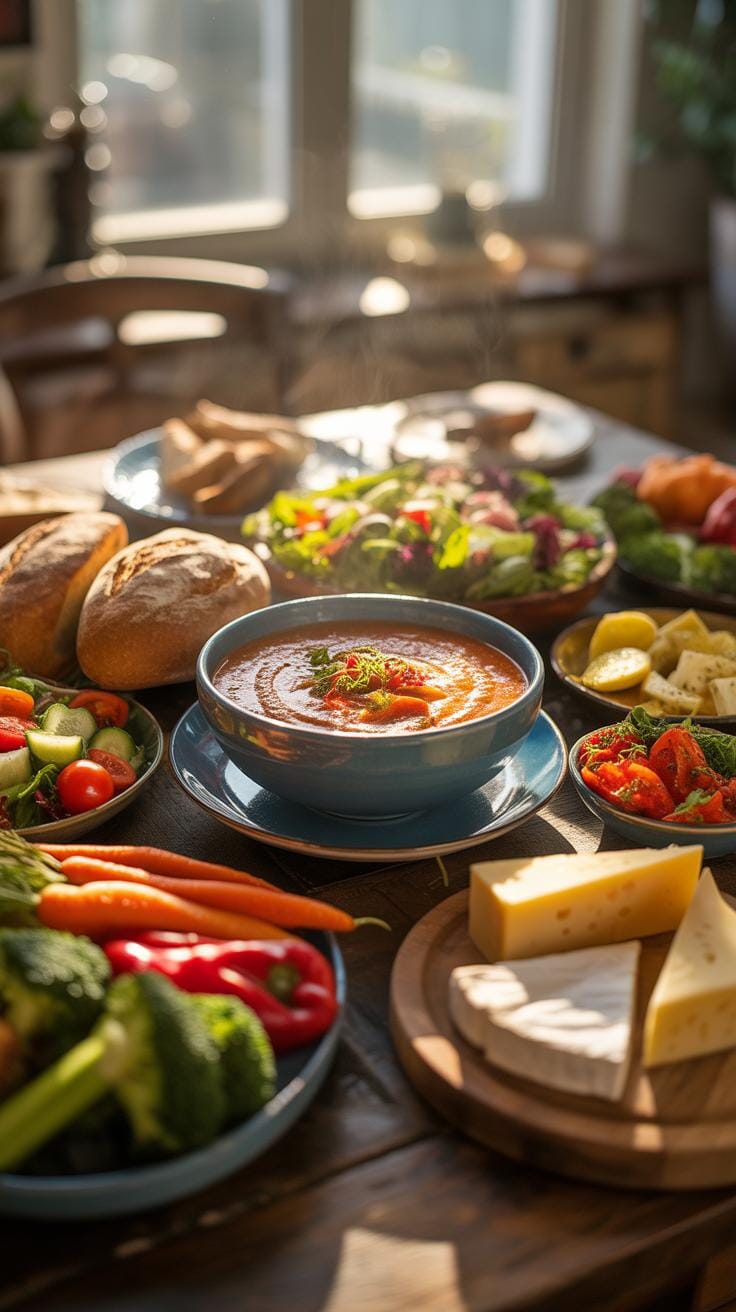
The cabbage soup diet is quite structured, but if you want to avoid feeling like you’re eating the same thing every day, you can add some allowed foods for variety and nutrition. Think fresh vegetables—carrots, celery, cucumbers, leafy greens—these help keep things colorful and keep nutrients coming in. Some days, people add a piece of fruit like an apple or an orange, which offers a bit of natural sweetness and vitamins.
Lean proteins are on the menu too, such as small portions of chicken or fish, especially on days when the diet permits them. These help with satiety, so you’re less tempted to stray.
Daily Meal Plan Examples
Imagine starting the day with a bowl of cabbage soup, followed by a fresh apple mid-morning. For lunch, more cabbage soup with a side salad of greens and cucumbers. In the afternoon, some carrot sticks or celery might keep you going. Dinner could be cabbage soup again, with a baked chicken breast or grilled fish alongside steamed vegetables.
On vegetarian days, swap the meat for extra veggies or a portion of boiled potatoes—these provide energy without heaviness. Drinking plenty of water or herbal teas throughout the day is almost a must, to keep hydration up and digestion smooth.
Foods To Avoid On The Diet
Steering clear of certain foods is key. Avoid starchy and sugary items: bread, pasta, rice, sweets, and soft drinks. These tend to work against the plan’s goals and can cause cravings. High-fat and fried foods don’t fit either—they add calories without much nutrition.
Alcohol is another no-go; it can disrupt metabolism and make sticking to the soup harder. Also, watch out for processed foods loaded with preservatives or additives, as they might irritate digestion or counteract the diet’s cleansing effects.
Cabbage Soup Diet Vs Balanced Diet
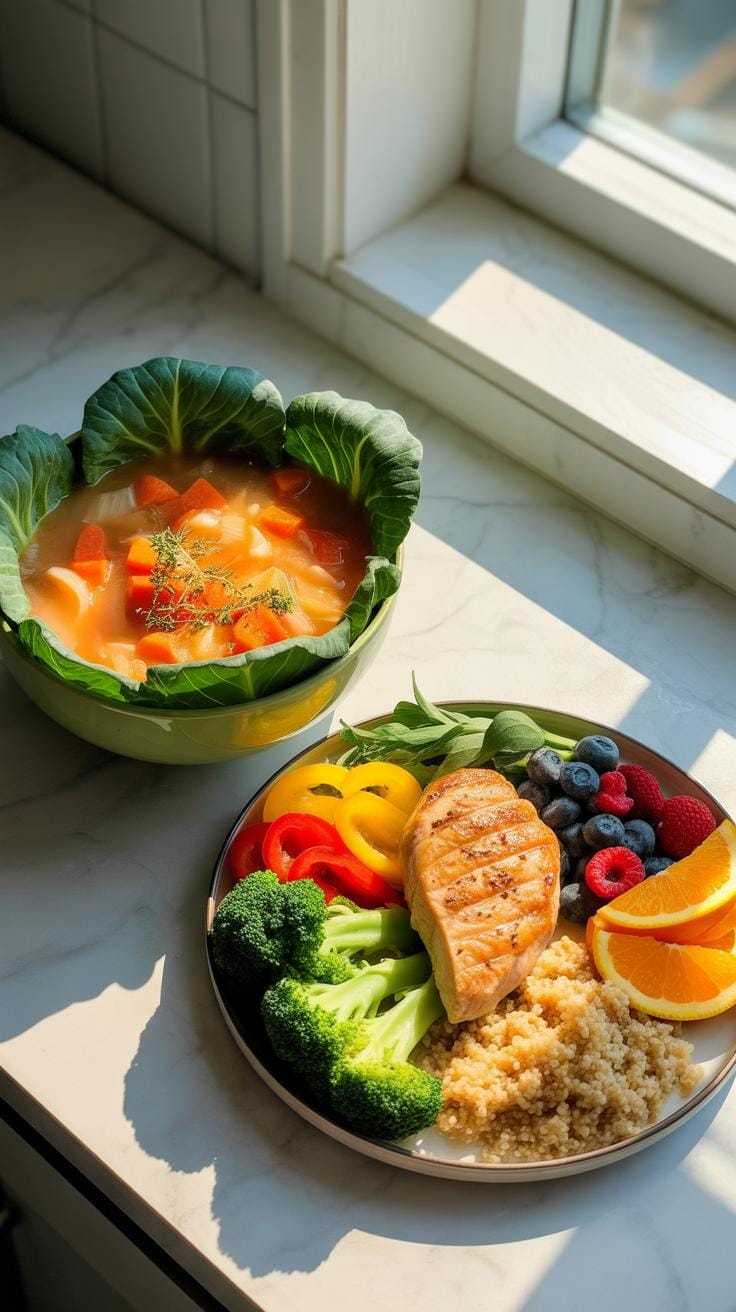
When you look at the cabbage soup diet side-by-side with a balanced diet, the differences in nutrients are pretty striking. The cabbage soup diet mainly centers on a low-calorie soup, which means you’re getting lots of fiber and water but few proteins and fats. In contrast, a balanced diet offers a wider variety of nutrients—proteins, carbohydrates, fats, vitamins, and minerals—that come from diverse food groups.
On nutrients specifically: the cabbage soup diet is very low in calories and lacks sufficient protein and essential fats. This can leave you feeling weak or drained if you stick with it too long. Balanced diets tend to support steady energy levels and overall body function better.
Thinking about long-term safety, this diet seems okay for a few days—maybe a week tops. But sticking with it much longer could bring risks. Dehydration, headaches, or even muscle loss become possibilities. On the flip side, balanced diets are generally more sustainable and promote better health maintaining weight and nutrient balance over time.
Have you ever gone through something like this yourself? It can be tempting to try quick-fixes, but they often come with costs you might not realize until later. So, the cabbage soup diet might work for a short-term push, but it doesn’t really replace a well-rounded eating plan for lasting health.
Tips For Following The Diet Staying Motivated And Managing Side Effects

When you’re on the cabbage soup diet, certain practical tips can make a difference. Keep a water bottle close and sip regularly. Staying hydrated helps with appetite control and keeps you feeling more energetic. Dealing with hunger might be tough at first. If you feel really hungry, munch on a raw veggie or a small portion of fruit allowed by the plan. Sometimes, that little crunch helps you feel less deprived.
Staying motivated isn’t just about willpower. It helps to set small goals and remind yourself why you started. Maybe track progress with pictures or jot down how your clothes fit differently. Having a friend join you or just share your journey can make it easier too — suddenly you’re not alone in this.
The diet can cause some side effects like tiredness, dizziness, or irritability. If you notice these, don’t ignore them. Try adding a bit more salt to your meals if you feel weak. Sometimes, a short walk or light stretching can lift your mood and energy. And remember, these effects usually pass as your body adjusts. If they don’t, reconsider how strictly you’re following the plan or consult a healthcare provider.
Common Mistakes To Avoid

When following the cabbage soup diet, skipping the soup or meals might seem tempting, especially if you’re feeling less than hungry. But skipping the designated meals or the signature soup itself can throw off the whole balance. The diet relies on a steady intake of the soup and meals to keep metabolism going and to provide the right mix of low-calorie nutrients in planned doses. If you skip, your energy dips, and you might actually slow down fat burning — not to mention hunger pangs hit harder.
Another frequent mistake people tend to overlook is ignoring hydration and vital nutrients. Drinking enough water is crucial because the soup’s low calories mean less water naturally comes from food. Without enough fluids, you risk dehydration and can feel sluggish or even dizzy. Vitamins are also key. Since the diet is quite restrictive, you may miss out on essential nutrients that support overall health. A multivitamin or careful meal planning can help fill those gaps, but ignoring this leaves you vulnerable to nutrient deficiencies that might mess with your results and well-being.
Examples Of Success Stories Weight Loss Results And Lifestyle Changes After The Cabbage Soup Diet

People who have tried the cabbage soup diet often talk about quick drops in weight, though the story behind those numbers can be a bit complex. Many report losing around 5 to 10 pounds in a week, but a lot of that tends to be water weight rather than fat. It’s easy to feel motivated by the scale moving fast, but it’s worth remembering that sustainable fat loss takes longer.
Some share stories of getting a reset on their eating habits. After the week on mostly cabbage soup, they found themselves craving healthier options like vegetables and lean proteins more than before. It’s curious how restricting your diet can sometimes make you more mindful of what you eat afterward, even if the diet itself isn’t meant for long term use.
There are those who experienced some unpleasant side effects—like headaches, fatigue, or feeling weak—but they stuck with the plan because they wanted to jump-start weight loss. A few noted that they used the diet as a stepping stone, following it up with gradual changes to avoid regaining lost weight.
Have you ever wondered if short, intense diets could really shift your mindset about food? For some, the rigidity of the cabbage soup diet triggered reconsideration of meal choices later on, while others just returned to their usual eating patterns. The post-diet phase seems quite personal and varied.
When To Avoid The Cabbage Soup Diet

The cabbage soup diet may look simple and tempting for quick weight loss, but it’s not safe for everyone. Some groups of people should really steer clear of this plan. For starters, if you have any chronic health conditions, jumping into this diet might backfire. It’s quite low in calories and lacks balanced nutrition, which can be risky for those with diabetes. Blood sugar levels might fluctuate too much, which is dangerous.
Also, anyone prone to nutrient deficiencies should think twice. The cabbage soup diet doesn’t provide enough vitamins, minerals, or proteins to meet everyday needs. If you’re pregnant or breastfeeding, this diet is definitely not suitable. Your body requires more energy and nutrients during that time.
For those with kidney problems or heart conditions, the diet’s high sodium content in the soup can be harmful. Plus, it doesn’t support long-term health or sustainable weight loss. Instead, consider safer options like Mediterranean or DASH diets, which provide balanced nutrition without extreme restrictions. You might also look into gradual calorie reduction combined with regular exercise for steadier results. It’s better to adopt a lifestyle you can maintain than risk health setbacks chasing quick fixes.
Steps To Transition After The Diet

Reintroducing Foods Gradually
Once you wrap up the cabbage soup diet, the key is to reintroduce foods slowly. Jumping straight into a high-calorie or heavy meal might upset your stomach or even cause bloating. So, start by adding one food group at a time — perhaps some lean proteins or whole grains. This helps your digestive system adjust and you’ll better notice how your body reacts to certain foods. For example, after several days on soup, adding in a small portion of chicken or fish feels like a relief, not a shock. It’s a gentle way to return to normal eating without overwhelming your body.
Creating A Balanced Eating Plan
Moving forward, think about building a long-term eating plan that balances nutrition and satiety. You don’t want to slip back into old habits that led to weight gain. Focusing on vegetables, lean proteins, and whole grains might sound basic, but it works. I mean, it’s not rocket science, right? Keep portions reasonable and aim for variety to avoid boredom. Some days lean more plant-based, others a bit more protein-heavy. The trick is to eat enough to feel satisfied but not overly stuffed. What’s tricky, though, is figuring out that sweet spot—sometimes you’ll overeat, sometimes you won’t feel full enough. That’s normal.
In this phase, ask yourself: How can I maintain the momentum I got from the diet while living a more flexible, balanced lifestyle? Changing habits is not instant. Yes, it requires a bit of patience and trial, but it’s definitely doable. It might even be the hardest part.
Conclusions
Following the cabbage soup diet can lead to quick weight loss primarily through reduced calorie consumption and water loss. It involves eating cabbage soup and some specified foods during a seven-day period. While you might see a drop in numbers on the scale, much of this is not fat loss but temporary water reduction.
To use this diet safely, pay attention to your body’s signals and consider adding variety to avoid nutrient loss. The cabbage soup diet may work best as a short-term jumpstart, with a follow-up plan for lasting healthy habits. Always think about what fits your lifestyle and consult health advice to make the best choices.