

Foods That Support Fat Burning
Belly fat can affect your health and confidence. Choosing the right foods is important for burning this fat and achieving your goals. This article focuses on Effective Fat Burning Foods For A Successful Belly Fat Diet. You will learn what foods help you lose belly fat and how to include them in your diet.
We look at why belly fat matters and what foods work best. This guide is useful for anyone wanting a clear and simple way to lose belly fat through diet. Your belly fat diet can be effective when you know which foods to eat and which to avoid.
Belly Fat Diet Basics


Belly fat is a type of adipose tissue located around your abdomen, often called visceral fat. It sits deep inside, wrapping around organs like your liver and intestines. Unlike the fat just under your skin, this fat can interfere with how your body works. It isn’t just about looks—this fat is linked to diseases like diabetes and heart disease, making it important to pay attention to.

Diet plays a big role in managing belly fat. What you eat affects whether your body stores fat or burns it for energy. Some foods promote fat buildup, while others help your metabolism work better, encouraging fat loss around the belly. Understanding this simple relationship might just be your first step to tackling belly fat for better health.
Why Burn Belly Fat
Belly fat isn’t just a nuisance; it carries health risks. It’s strongly associated with conditions like type 2 diabetes, heart disease, and even some cancers. Carrying excess fat around the belly means your body’s internal organs face increased stress.
Shedding belly fat can improve insulin sensitivity and reduce inflammation. Plus, you might notice your clothes fit better or your stomach feels less bloated. These changes can boost your confidence alongside your health. So, why focus on belly fat? Because it’s not just about appearance—your well-being depends on it.
How Foods Affect Fat Loss
Different foods influence your belly fat in different ways. Some encourage fat storage, especially those high in refined sugars and unhealthy fats. Eating these regularly can lead to increased belly fat. On the other hand, foods rich in fiber, protein, and healthy fats can promote fat burning by boosting metabolism and reducing appetite.
It doesn’t require a perfect diet; small changes can add up. For instance:
- Replacing sugary snacks with nuts or fruit can reduce fat buildup.
- Including lean proteins may help your body burn calories more efficiently.
- Adding vegetables boosts fiber intake, slowing digestion and curbing hunger.
Ultimately, your food choices directly impact how your body decides to store or burn fat, especially around the belly area. Considering this might prompt different decisions than simply avoiding high-calorie foods.
Top Fat Burning Foods To Eat

When thinking about foods that help reduce belly fat, it’s useful to focus on those packing nutrients that push your body to burn fat rather than store it. Some of these foods include:
- Green tea: Rich in antioxidants called catechins, green tea can slightly raise metabolic rate, encouraging fat burning.
- Fatty fish: Salmon and mackerel have omega-3 fatty acids that may reduce inflammation and improve fat metabolism.
- Chili peppers: Contain capsaicin, which can increase calorie expenditure for a short time after eating.
- Lean proteins: Chicken breast and turkey are high in protein, which boosts metabolism through the thermic effect of food.
- Berries: Low in calories but high in fiber, they help you feel full and may reduce fat accumulation.
These foods work because they offer a mix of nutrients that stimulate metabolic processes and help regulate appetite. I’ve noticed, for instance, a small but steady improvement when I add chili to meals—it seems to spark a little more energy burn, though it’s not dramatic.
Foods That Increase Metabolism
Boosting metabolism can mean burning more calories even at rest, which definitely helps tackle belly fat. Some key metabolism enhancers are:
- Caffeine: Found in coffee and tea, it can stimulate your central nervous system, increasing calorie burn temporarily.
- Whole grains: Foods like oats and brown rice require more energy to digest compared to processed carbs.
- Spices: Ginger and cinnamon may slightly raise metabolic rate and improve digestion.
Although these foods can speed up metabolism, the effect is modest. Think of them as small helpers rather than magic bullets. Including these regularly might nudge your fat-burning process uphill just a bit.
Foods That Reduce Fat Storage
Beyond burning fat, preventing its storage is crucial. Foods that lower insulin spikes or improve fat regulation are helpful here:
- Fiber-rich vegetables: Broccoli, spinach, and kale slow digestion and keep blood sugar stable, reducing fat storage cues.
- Apple cider vinegar: Some studies suggest it might reduce fat accumulation by improving insulin sensitivity.
- Healthy fats: Avocado and nuts contain monounsaturated fats that can signal the body to store less fat.
These foods don’t just passively sit in your diet—they actively influence how your body decides where to put energy. Of course, their effect varies person to person, but including them thoughtfully could make a real difference.
Common Belly Fat Diet Mistakes

Eating Hidden Sugars
Many don’t realize how hidden sugars sabotage belly fat loss. You might avoid obvious sweets but still consume sugary sauces, dressings, or processed snacks laden with sugar. These sugars trigger insulin spikes, encouraging the body to store fat around your midsection. It’s frustrating because you think you’re eating “clean,” yet the sugars sneak in and undermine your progress. Avoiding hidden sugars means reading labels carefully and opting for whole, unprocessed foods. Even something as innocent as flavored yogurt can hide a sugar punch. Try using natural sweeteners sparingly, and watch how your body responds. You might be surprised by the difference.
Skipping Meals And Overeating Later
Skipping meals feels like controlling intake, but it often backfires. When you starve yourself, hunger builds up and can lead to overeating later. That extra meal might come with high-calorie bingeing or grabbing convenient junk food. Your body also tends to conserve fat when it senses energy scarcity, slowing your metabolism. Instead, try eating smaller, balanced meals regularly to keep hunger and cravings in check. This stabilizes blood sugar and helps you avoid undoing all the good work done earlier in the day. It’s a little trickier than just skipping meals but more effective for long-term belly fat loss.
Meal Plan Checklist For Belly Fat Diet
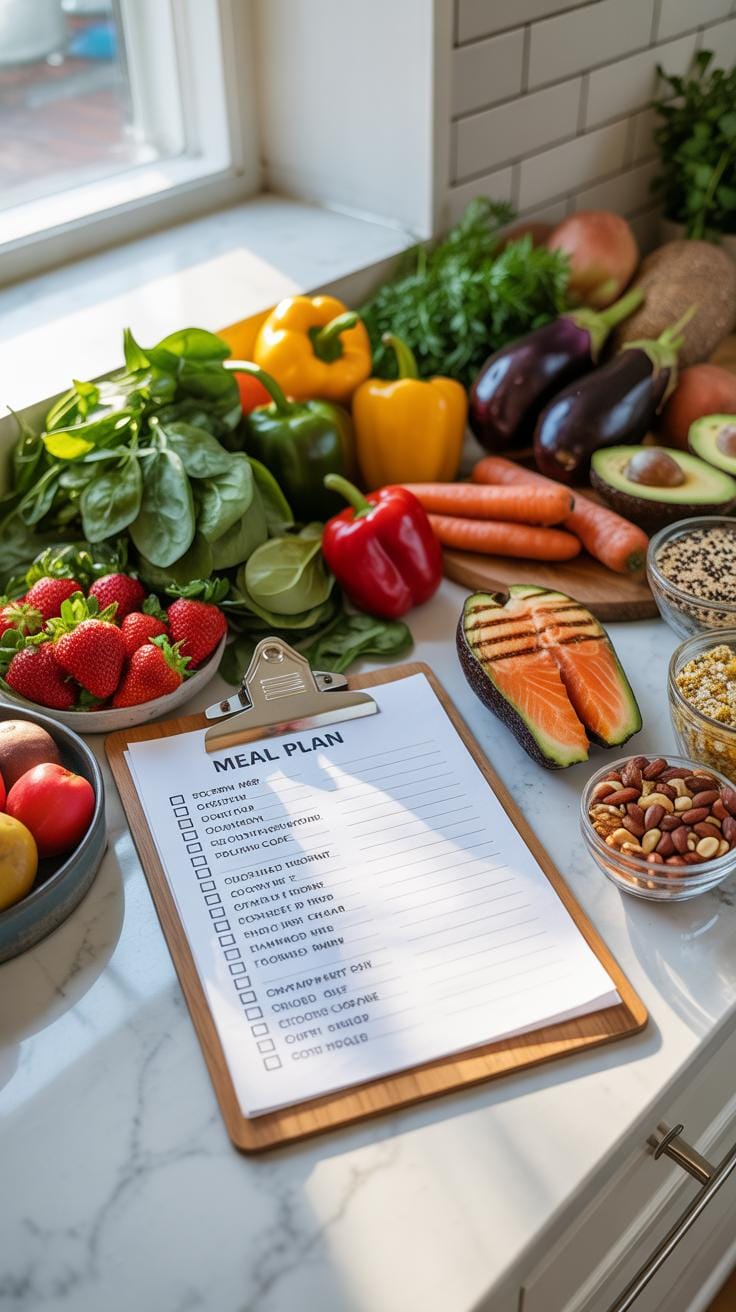
Balanced Meals Every Day
A daily meal plan should focus on portion control and a mix of food groups to support fat loss. For each meal, aim for a balance of lean proteins—like chicken, fish, or legumes—healthy fats such as avocado or nuts, and plenty of fiber-rich vegetables. Whole grains can be included but in moderate amounts; about half a cup to one cup per meal is usually enough. Try to keep protein portions roughly the size of your palm to avoid overeating, with fats limited to about a thumb-sized amount. Vegetables? Fill half your plate with them—they’re low in calories but high in nutrients and fiber, which helps keep you full longer.
Timing And Frequency Of Meals
When you eat might matter as much as what you eat, at least for some people. Some research suggests that eating smaller, more frequent meals throughout the day can keep metabolism steady and may reduce belly fat storage. But this approach isn’t one-size-fits-all; others might find three balanced meals enough, especially if those meals are timed to avoid late-night eating—which can disrupt metabolism.
Eating breakfast within an hour of waking might jump-start your metabolism, and spacing out meals about every 3-4 hours helps manage hunger and blood sugar levels. Late-night snacks? Best avoided, since calories consumed when you’re inactive tend to store as fat, potentially around your belly. But listen to your body—if you’re genuinely hungry, a small, healthy snack is better than going overly long without food and then overeating later.
Might be worth experimenting: how does your body respond to meal timing changes? Do you feel more energetic, less bloated, or maybe notice a difference in your belly fat? Timing and frequency aren’t magic solutions, but they can tip the scale when combined with balanced meals and healthy portion sizes.
Belly Fat Diet Versus Other Diets

The belly fat diet has a unique focus compared to many other popular diets. While most weight loss plans aim broadly at reducing overall body fat, this diet zeroes in on trimming the stubborn fat around the midsection, which is often the hardest to lose. It emphasizes foods that might specifically target belly fat by improving metabolism and reducing insulin resistance.
Low carb diets and the belly fat diet share some similarities; both reduce intake of refined sugars and processed carbs. However, the belly fat diet tends to allow moderate amounts of whole grains and fruits, recognizing the importance of fiber and certain nutrients—this flexibility may make it easier for long-term adherence.
When you look at the Mediterranean diet, it’s rich in healthy fats from olive oil, nuts, and fish, which is somewhat like the belly fat diet. Yet, the belly fat diet is more strategic in promoting foods thought to aggressively combat visceral fat, such as high-fiber vegetables and lean proteins, aimed at shrinking belly circumference specifically rather than just supporting general heart health or longevity.
In essence, the belly fat diet feels more targeted. It tries to address hormonal and metabolic influences on belly fat, while other diets often cast a wider net on overall health or weight loss. If your main concern is that midsection, this focus might be worth considering, even if it overlaps with general healthy eating principles.
How To Track Belly Fat Diet Progress

Keeping an eye on your belly fat diet progress can feel a bit tricky, but some straightforward methods make it easier. One popular way is to use a tape measure. You don’t need fancy body scanners here—simply wrap a tape measure around your waist, right at the belly button. Jot down the numbers regularly, say once a week. This shows changes more clearly than just stepping on a scale because fat loss around the belly can happen even when weight stays steady.
Besides measurements, your weight can give clues. Weigh yourself under consistent conditions — same time of day, same clothing — and track trends over time, rather than day-to-day changes that can mislead. Still, weight alone can be deceptive since it doesn’t differentiate fat from muscle.
Another sign—often overlooked—is how your clothes fit. Something you might notice first, even before the scale or tape measure changes. Pants feeling looser or shirts fitting differently hint at fat loss. Sometimes the scale won’t budge because you’re gaining muscle as you lose fat, making clothes fit better an especially useful sign.
Tracking progress with just one of these methods might give a skewed picture, but using them together – measurements, weight, and clothing fit – paints a clearer image. Have you noticed one way works better for you? I’ve found mixing all three helps keep motivation up, even when the scale stalls a bit.
Tips To Stay On Track With Your Diet

Sticking to a belly fat diet isn’t always straightforward. Life throws hunger, cravings, and social gatherings your way, and it can feel tough to stay on course. But you can manage, really. Here are some things that might help you:
Managing Cravings
Cravings hit everyone. When they do, try distracting yourself with a short walk or a drink of water. Sometimes cravings signal dehydration or boredom rather than true hunger. Also, keep healthy snacks handy—like nuts or fruits—so you don’t reach for something off-plan. I find that chewing gum or brushing my teeth helps to curb those persistent urges. And, well, giving in occasionally doesn’t ruin everything. Balance is key, not perfection.
Planning For Social Events
Social meals can be tricky. You want to enjoy yourself but still stay mindful. One approach is to eat a small, healthy snack before you go so you’re not starving. When you get there, focus on the veggies and lean proteins on the menu. Maybe offer to bring a dish you know fits your diet. Don’t stress too much about having a bite or two of less ideal foods—sometimes it’s about the experience, not just the plate. Could this mindset make it easier to stay consistent long term? Worth thinking about.
Real Examples Of Belly Fat Diet Success Stories That Highlight Real Progress

Let’s talk about some real cases. There was this one woman, Jenny, who started by simply swapping her sugary breakfast cereals for oatmeal topped with berries and a handful of nuts. She stuck to lean proteins—like grilled chicken or fish—for lunch and dinner, paired with plenty of greens. Jenny admitted she did slip up now and then, but she found her rhythm. The key? Not perfection, but persistence.
Another example is Tom, a middle-aged man who embraced whole grains, vegetables, and foods rich in soluble fiber. He also integrated small servings of avocado and olive oil, which helped curb cravings. What kept him consistent was meal planning coupled with occasional treats. These examples show how focusing on nutrient-dense foods while allowing flexibility keeps motivation alive.
Example Of A Successful Diet Plan: A Day On The Plate
Imagine a typical day like this: Breakfast—scrambled eggs with spinach and a slice of whole grain toast. Mid-morning snack—Greek yogurt with a few almonds. Lunch—a quinoa salad loaded with cucumbers, tomatoes, grilled chicken, and a dressing of lemon and olive oil. Afternoon snack—slices of apple paired with peanut butter. Dinner—a fillet of baked salmon, steamed broccoli, and a sweet potato. It’s simple, balanced, and sustainable.
How Consistency Led To Results: Sticking With It Over Time
Results didn’t come overnight, or at least not for most. But by keeping to the diet over weeks and even months, Jenny and Tom saw their waistlines change. The secret? They treated the diet as a lifestyle, not a short-term fix. It was about daily choices adding up, not drastic overnight shifts. This steady approach let their bodies adapt and fat stores slowly diminish, without overwhelming their routines or sanity. It takes patience—something we often overlook in today’s quick-fix world.
Conclusions
Choosing the right foods can make a big difference in losing belly fat. Foods with good nutrients and the right calories support fat loss. You can manage your diet carefully to see real results on your belly fat. Sticking to a diet with effective fat burning foods helps you reach your goals safely and quickly.
Understanding which foods work and how to use them is key. A belly fat diet isn’t about quick fixes but steady progress. Eating well, along with good choices, keeps your body strong and your belly slimmer. Keep learning and adjusting your diet to get the best results for your health and look.