
Snack Ideas for Balanced Energy
Eating healthy snacks can help you keep your energy steady all day. Many people don’t realize how the right snacks can improve focus and prevent energy crashes. Healthy snacks give your body the fuel it needs without adding too many calories or sugar. This article shares ideas for snacks that keep your energy balanced and help you stay active throughout the day.
You will learn why choosing the right snacks matters, which ones to pick for quick energy, and how to make snacks at home. The tips here are easy to follow and will help you feel better between meals. Let’s start with understanding how snacks affect your energy and why they should be part of your daily routine.
How Snacks Impact Your Energy

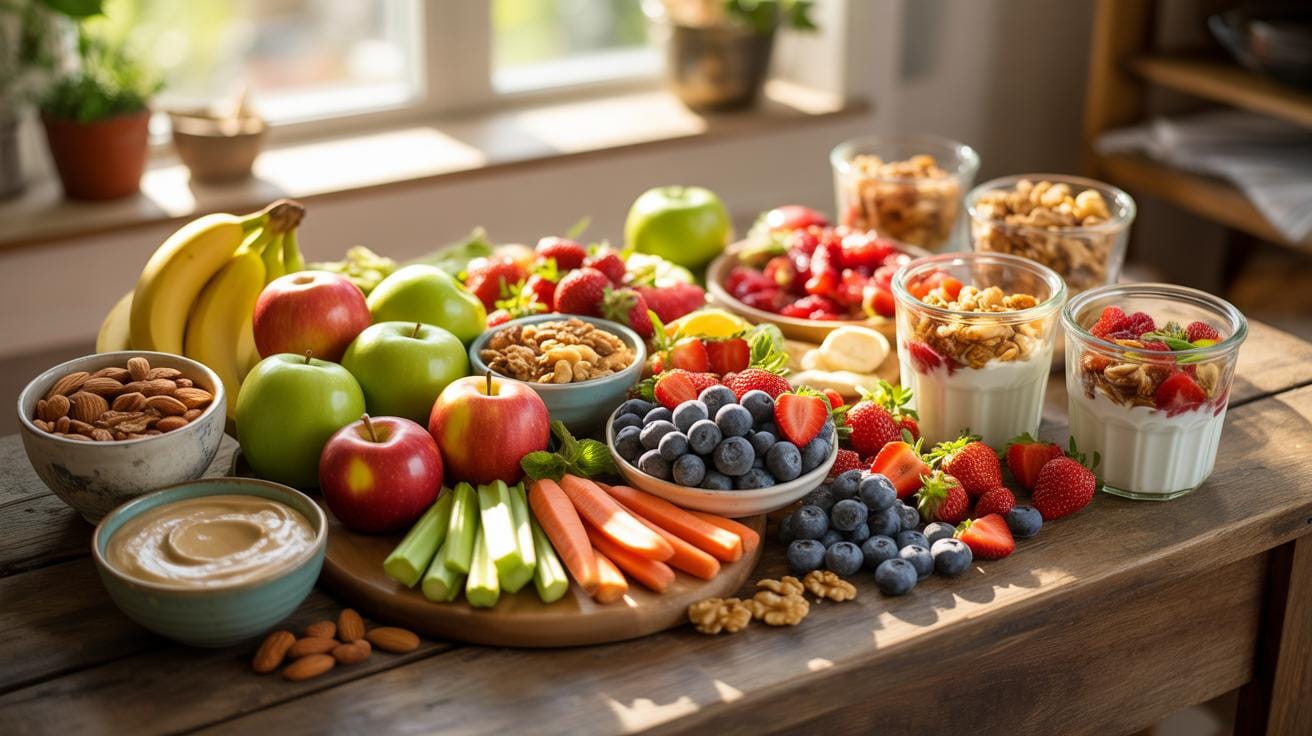
Snacks can have a big effect on how you feel throughout the day—sometimes more than you might realize. When you eat a snack, your body breaks it down into glucose, which is the fuel your brain and muscles need. But not all snacks provide energy equally. For example, munching on an apple with some nuts tends to keep your energy steady. On the other hand, grabbing a candy bar might make you feel lively at first, but then you can get that familiar slump not long after.
This difference comes down to how snacks affect your blood sugar. Healthy snacks, like veggies or yogurt, release sugar slowly. They usually have fiber, protein, or healthy fats, which help avoid sudden changes in energy. Unhealthy options—think sugary sodas or packaged cookies—hit your blood sugar fast. You get a quick rush, followed by a crash, leaving you tired or even a bit cranky. Have you noticed feeling tired after a sugary treat in the afternoon? That’s probably why.
Why Choose Healthy Snacks
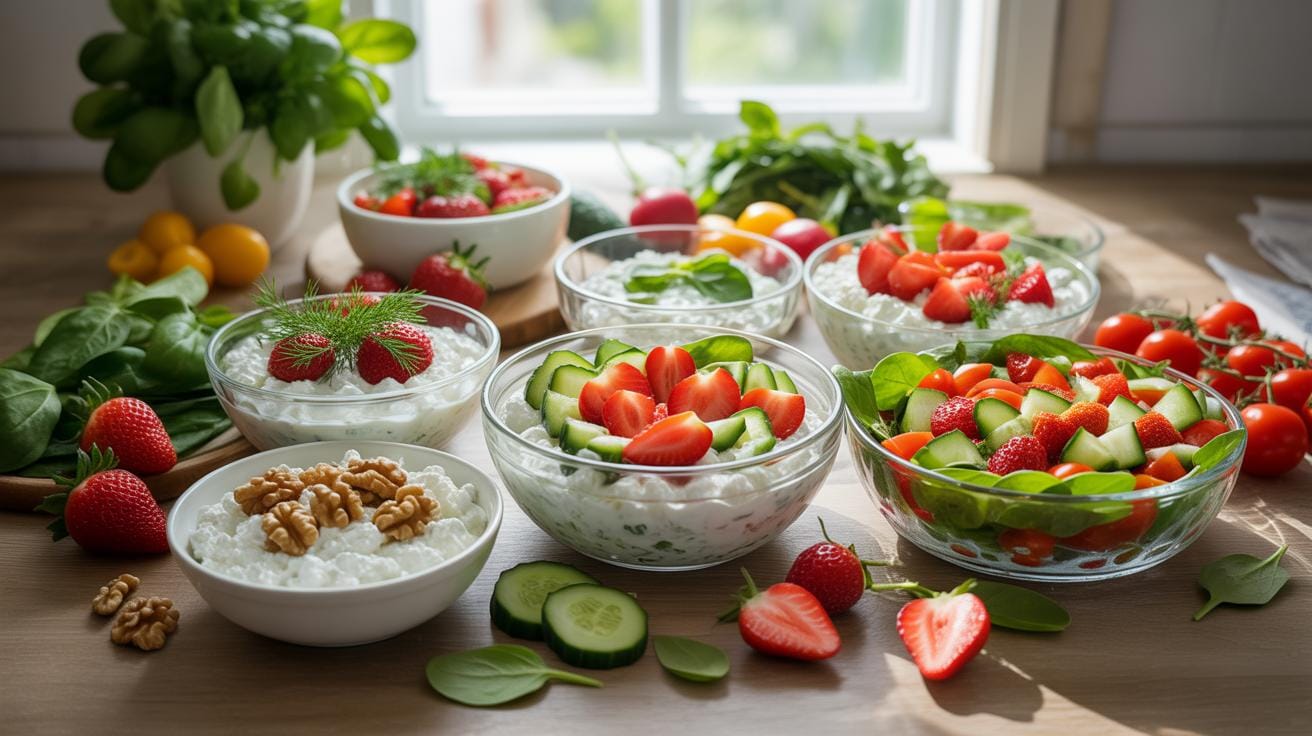
Choosing healthy snacks isn’t just about nutrition labels—it’s about feeling normal all day. Snacks rich in fiber, protein, and some healthy fat help keep your blood sugar steady. That means your energy doesn’t spike and drop rapidly, so you can keep focused and avoid mid-afternoon yawns. For example, cottage cheese with berries or hummus with carrot sticks offer a mix of these nutrients.
These kinds of snacks support your body by providing sustained fuel. It’s like giving your engine a smooth supply of gas rather than quick bursts that burn out fast. You might find yourself less hungry between meals, too, which seems to be a surprise for many. Healthy snacks aren’t just “good” for you—they can actually make your whole day run more smoothly.
How Unhealthy Snacks Cause Energy Dips
Unhealthy snacks, especially those packed with sugar or refined carbs, can throw your energy off track. At first, you feel an energy spike because your blood sugar shoots up quickly. But then, the crash comes—and it’s not fun. This dip can make you feel sluggish, foggy, or just plain tired. Ever wonder why that cookie or soda that felt so good at lunch left you dragging a bit before your next meeting?
These snacks lack fiber or protein, so your body processes them quickly. The rapid changes in blood sugar may lead to overeating, too, since you get hungry sooner. It’s a cycle that can be hard to break. Even though they seem convenient and tasty, these snacks may be working against your goal of steady, balanced energy. Your body wants fuel that lasts, not just quick bursts that disappear fast—and you probably feel that imbalance throughout the day.
Best Snacks For Morning Energy
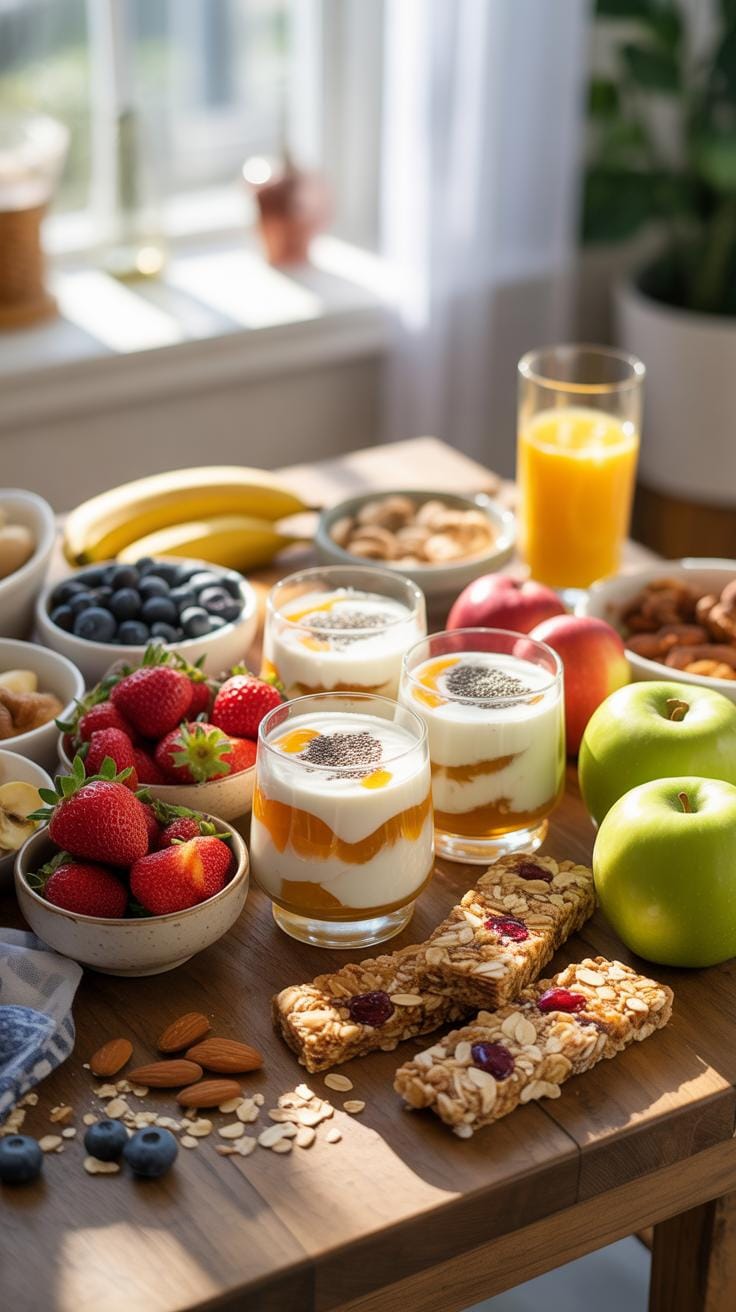
When you first wake up, your body craves fuel that’s gentle but effective. Snacks like a handful of almonds or a small banana can jumpstart your energy without feeling heavy. These choices pack a good balance of complex carbohydrates, healthy fats, and a bit of protein, which means they provide steady energy instead of a quick crash.
Oatmeal bars with some nuts or seeds also work well because they release glucose slowly into your bloodstream. That slow release keeps your brain sharp and your mood stable as you go through the morning. Plus, breakfast foods rich in fiber, like berries or whole-grain toast with nut butter, keep you full longer and prevent mid-morning slumps.
Have you noticed how some sugary snacks can actually leave you feeling more tired? That’s why combining protein with carbs early on matters—it helps sustain your focus. Things like Greek yogurt with honey or a boiled egg can be surprisingly effective, given their nutrient profiles.
Simple Breakfast Snack Ideas
Quick morning snacks don’t have to be complicated. A handful of walnuts or an apple is practical and portable. They’re easy to grab but rich in micronutrients and energy-boosting compounds. Yogurt is another favorite; it has protein and probiotics which might aid digestion and energy levels.
Sometimes, I just eat a peach or a small bunch of grapes if I want a milder pick-me-up. These fruits hydrate and offer natural sugars without a sugar crash later on. If you’re in a rush, peanut butter on whole wheat crackers might sound simple but provides protein and good fats that can keep you alert through a busy morning.
What’s nice about these options is they don’t require much prep, which means less morning stress but still a decent energy source.
How To Prepare Morning Snacks
Preparing snacks ahead can change your morning routine quite a bit. Try portioning nuts and dried fruits into small containers the night before—it saves time and controls how much you eat. You might also pre-slice fruits like apples or pears and store them in airtight containers to keep them fresh.
Making yogurt parfaits in advance is surprisingly easy. Layer yogurt, berries, and a sprinkle of granola in a jar and keep it in the fridge. The flavors meld overnight, and you just grab it before running out the door. Boiled eggs can be made in batches and refrigerated for a couple of days, offering a grab-and-go protein boost.
It might seem like extra work, but once you start, you’ll notice fewer moments of hunger-induced distraction and maybe even a bit more patience when mornings get chaotic. Maybe it’s not for everyone, but prepping does give a sense of control when mornings feel rushed.
Afternoon Snack Options To Stay Alert
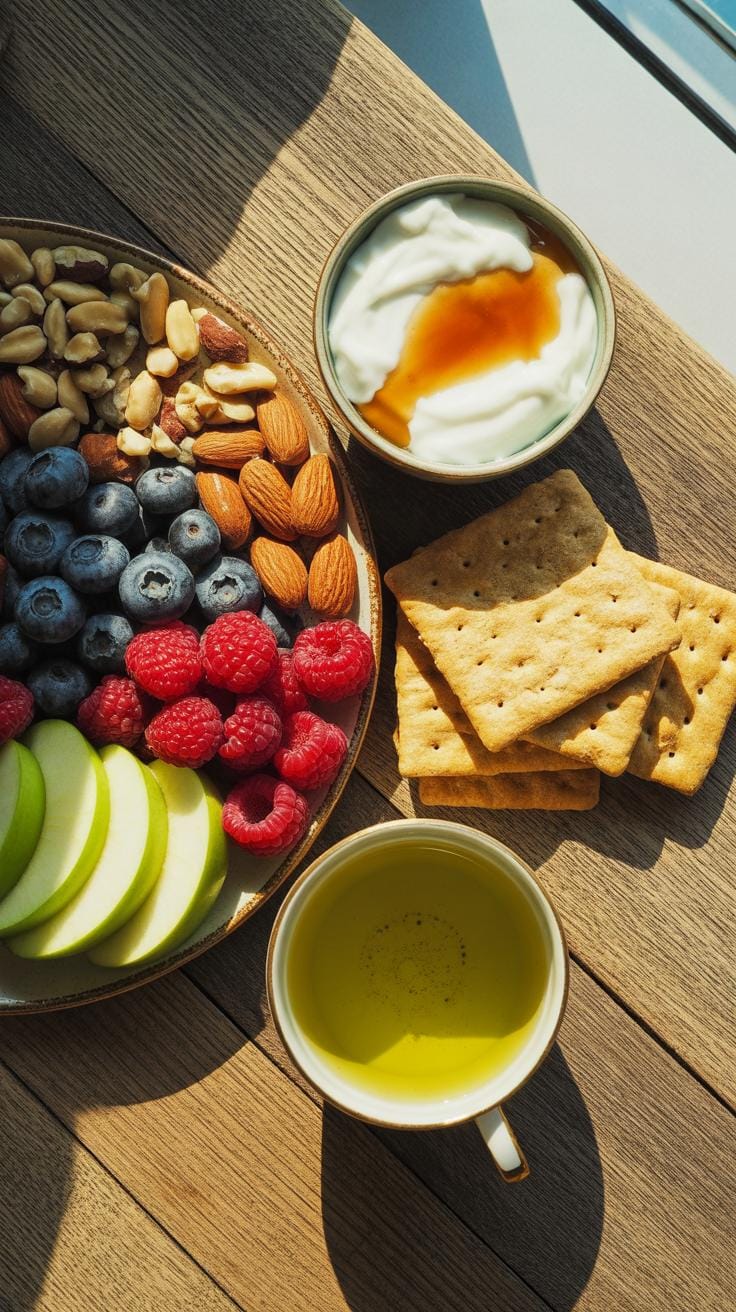
The afternoon slump hits a lot of people hard—sometimes you just want to crawl under your desk or grab a sugary fix. But the right snacks can keep that fading energy at bay. Snacks rich in protein and fiber slow down digestion, preventing the crash that often follows a quick sugar spike. It’s tricky, though, because not all protein or fiber works the same way for everyone. Still, focusing on these nutrients is a good bet.
Protein Rich Snack Choices
Protein is great at providing steady energy because it helps maintain blood sugar levels and keeps you feeling full. If you’re unsure what to reach for, here are some practical options that don’t require much prep:
- Cheese sticks – easy to carry and satisfying without being heavy.
- A handful of nuts – almonds, walnuts, or cashews offer a mix of protein and healthy fats.
- Seeds like pumpkin or chia – not just for smoothies, they can be a crunchy, filling bite on their own.
- Hard-boiled eggs – if you have access to a fridge, these are pretty much a perfect snack.
- Greek yogurt – thick, creamy, and high in protein, though watch out for added sugars.
These snacks don’t just keep hunger away; they support your muscles and brain, which, I think, is exactly what you want when you need to focus.
How Fiber Helps Sustain Energy
Fiber works differently but just as importantly. It slows the absorption of sugar into your bloodstream, which means fewer spikes and crashes. Plus, fiber-rich snacks help you feel full longer—so you’re less tempted to snack mindlessly. Fruits like apples or pears offer fiber and natural sweetness, while crunchy veggies such as baby carrots or celery have enough fiber to support steady energy without the heaviness of a meal.
Something I’ve noticed is that pairing fiber with protein works even better—like an apple with a handful of almonds—or carrot sticks with a bit of hummus. This blend seems to keep people alert more reliably than either on its own, although this can depend on your metabolism and even your mood, really. But it’s probably worth trying if afternoon drowsiness is your habitual opponent.
Easy No Cook Snack Ideas
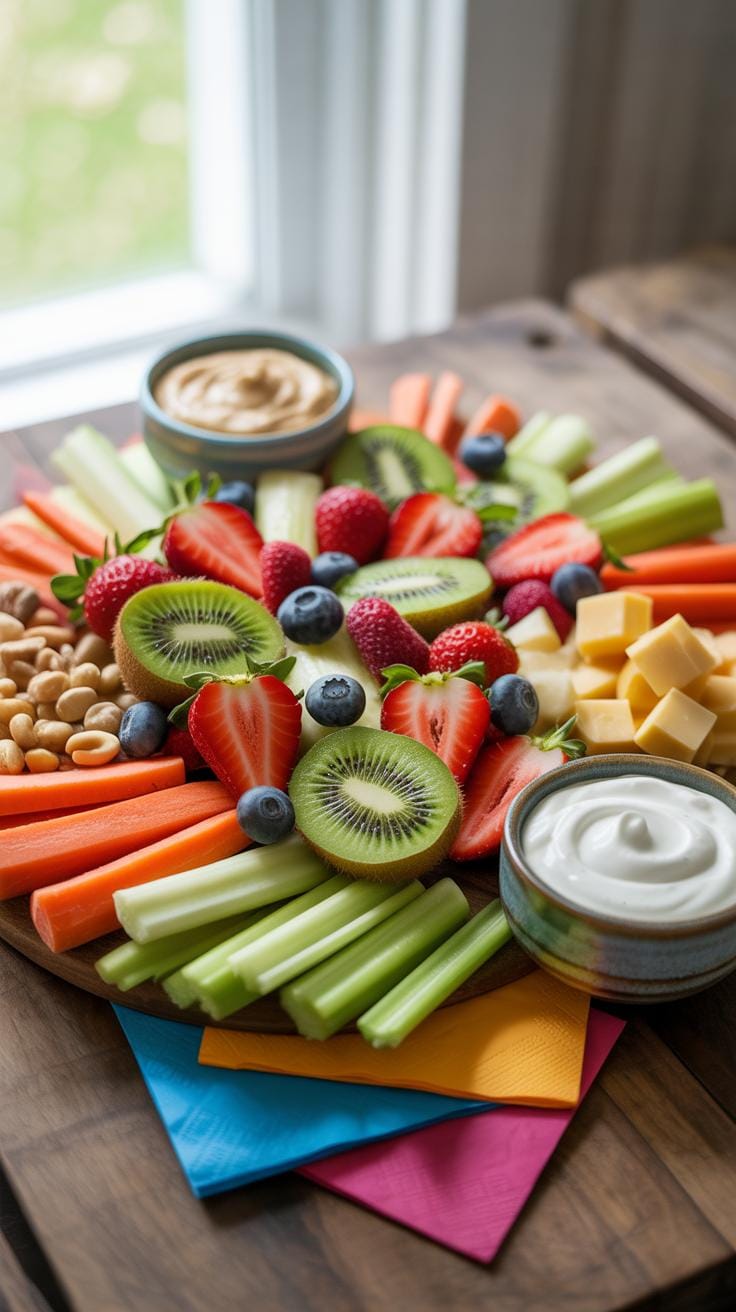
No cook snacks can be a real lifesaver when time is short but you still want something nourishing. These snacks skip the stove and oven, saving you prep time and cleanup. Plus, they often keep the nutrients intact better than cooked options.
Think about simple combinations like a handful of raw nuts and seeds paired with dried fruit. You get protein, healthy fats, and a touch of natural sweetness without turning on any appliances. Or try slicing fresh vegetables—carrots, cucumber, bell peppers—and dipping them into hummus or Greek yogurt. It’s quick, filling, and offers fiber along with some protein.
Yogurt with fresh berries or a piece of cheese alongside whole grain crackers also fits here. These snacks are portable too. Often, you don’t even need a fridge right away, which makes grabbing something nutritious fast, wherever you are, much easier. These quick picks can keep your energy steady, without forcing a full meal on you.
Quick Snack Ideas For Busy Days
Busy days demand snacks that don’t require planning or equipment, right? Here are some that almost anyone can grab and go:
- Trail mix – a mix of nuts, seeds, and a few dark chocolate chips or dried fruit for a little extra flavor.
- Fresh fruit like apples, bananas, or grapes – naturally sweet and hydrating with fiber to keep hunger in check.
- Nut butter with whole grain crackers – the fat and protein help sustain energy, while crackers add crunch and carbs.
- Pre-washed baby carrots or cherry tomatoes – easy to munch on and usually require no extra prep.
- String cheese or individually packaged cheese portions – a convenient protein source.
These snacks don’t call for a kitchen or much thought once they’re on hand. Keeping a few of them around might even save you from less balanced, more impulsive eating later.
Packing Snacks For On The Go
Packing your snacks carefully makes a difference when you’re out all day. Think about airtight containers or reusable snack bags to keep things fresh. For cold items like yogurt or cheese, a small insulated lunch bag with a freezer pack helps maintain cool temps.
Try to blend different types of snacks—something crunchy, something creamy, some fruit. For example, pack a small container with almonds next to an apple, or nut butter in a sealed jar with crackers in a separate bag. This way, you have variety and balanced nutrition ready whenever hunger strikes.
Consider the ease of eating too. Single-serve packs or snacks you can eat with your hands avoid mess and hassle. Maybe you don’t always have time to stop and sit down, so portable snacks help keep your energy up even on the move. Do you find it easier to stay energized with pre-packed snacks? It might be worth experimenting.
How To Make Snack Prep Easy
Setting Up A Snack Station
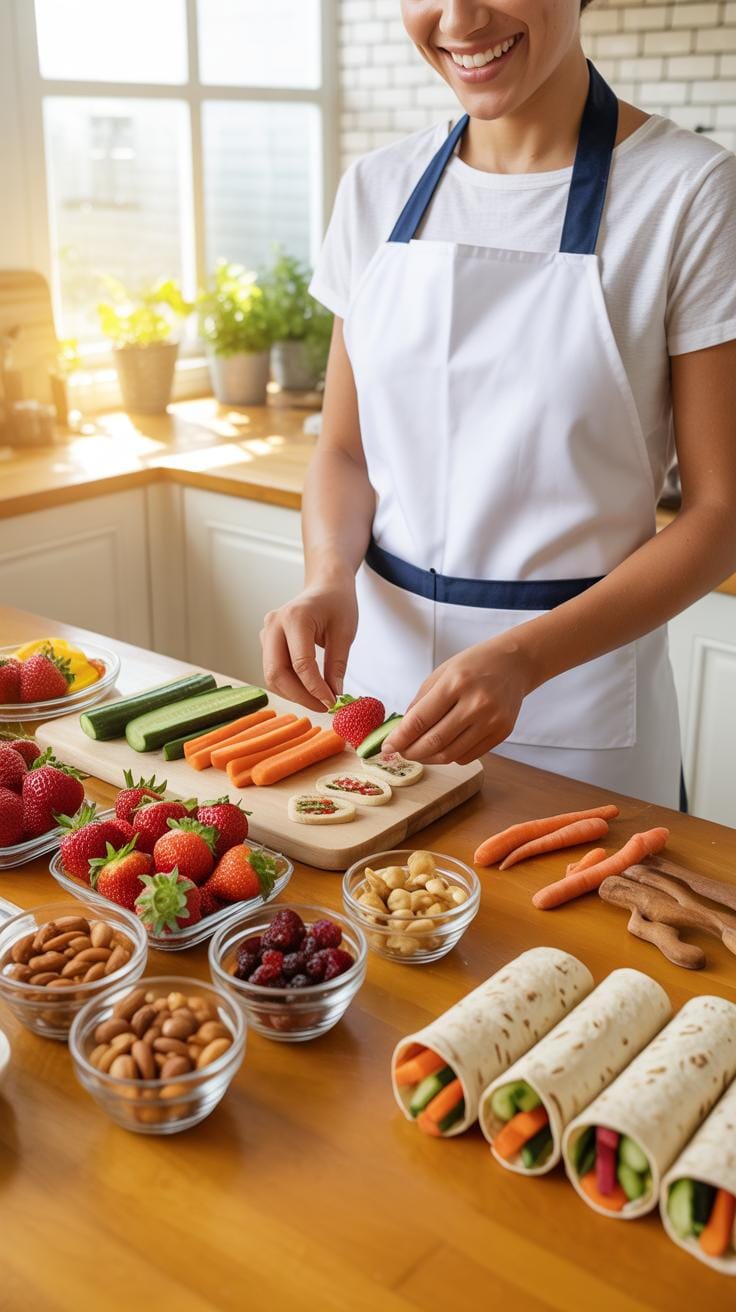
Creating a dedicated snack station in your kitchen can really change the way you approach snacking. If you arrange frequently eaten snacks all in one spot, it’s easier to grab something healthy without pausing to think too much or face a fridge full of choices. You might have a shelf or a drawer specifically for nuts, dried fruits, or pre-portioned packs of veggies.
Keep it visible and accessible. Maybe clear a small corner on your countertop or inside a lower cabinet. When snacks are in plain sight, you’re more likely to pick them instead of less thoughtful options. And the act of organizing itself nudges you toward healthier foods, almost like a little reminder without pressure.
Batch Preparing Snacks
Batch prep is sort of a lifesaver. Chop a big pile of carrots and celery on Sunday, and then store them in airtight containers in the fridge. When hunger hits, your grab-and-go veggies are ready to go for days—no fuss, no extra time needed.
You can do the same with nuts, seeds, or even fruit slices. Portion them into small containers or snack bags. This step helps stop over-snacking and makes sizing easier, which can be tricky during a busy day when energy dips.
Sometimes, I’ve found that prepping hummus or yogurt dips in advance adds flavor and interest to simple snacks, encouraging me to actually eat the prepped veggies before they go bad. It’s almost about creating tiny snack rituals that become part of the routine, more than just quick fixes.
Snack Ideas For Kids And Adults
Healthy Snacks Kids Enjoy
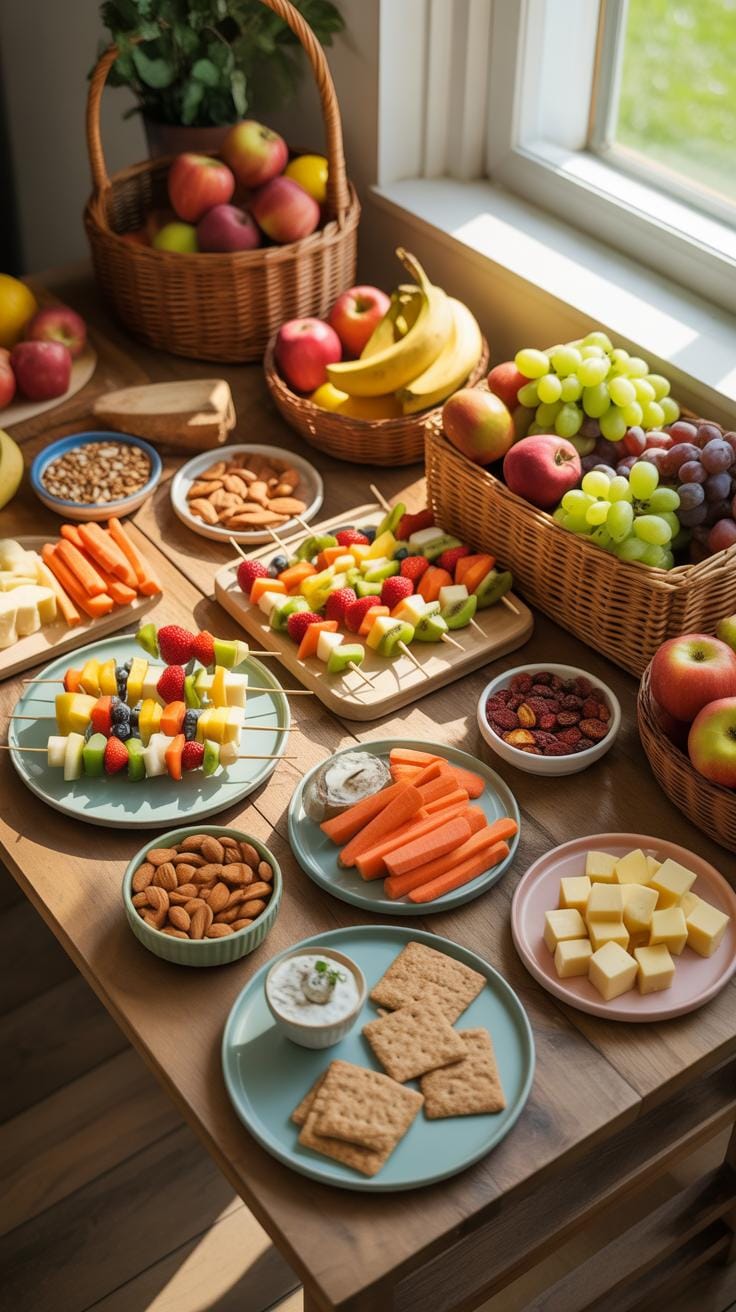
Finding snacks that kids actually like and that give them steady energy can feel like a balancing act. But some options work well, mixing taste with nutrition, without relying on sugary treats. Think about snacks that combine protein with a bit of natural sweetness or crunch. For example:
- Apple slices paired with peanut butter – the sweetness of the apple and protein from the nut butter keeps kids focused longer.
- Greek yogurt mixed with fresh berries – creamy, a bit tart, and packed with calcium and protein.
- Whole-grain crackers with cheese – a satisfying combo that’s not just empty carbs.
- Baby carrots or celery sticks with hummus – veggies that come with a tasty dip often beat plain snacks.
- A small handful of nuts and dried fruit – though a watchful eye is needed to avoid excess sugar from certain dried fruits.
These snacks don’t just boost energy; they often hold kids’ attention longer than sugary snacks that lead to crashes. Still, kids’ tastes can be tricky, and what works one day might not the next. Experimentation helps.
Adult Snack Choices For Energy
Adults have different needs, often needing snacks that support longer stretches of concentration or physical activity. Snacks for adults should include fiber, lean protein, and healthy fats to keep energy levels balanced without spiking blood sugar.
Consider options like:
- Raw nuts with a piece of fruit – walnuts or almonds with an orange or pear can satisfy hunger and stabilize energy.
- Veggie sticks with guacamole – a fiber-rich, nutrient-packed choice that’s more filling than chips.
- Cottage cheese with sliced cucumber or cherry tomatoes – protein-rich and light, perfect for mid-afternoon energy slumps.
- Hard-boiled eggs – simple, portable, and rich in protein and vitamins.
- Whole-grain toast topped with avocado and a sprinkle of seeds – fats and fiber make this a slow-burning fuel source.
Sometimes, choosing snacks like these means avoiding the temptation of quick fixes, which can backfire. But it’s worth considering how your energy really holds up later in the day after different snacks. You might find your favorite “go-to” isn’t quite the hero you thought.
How To Balance Sweet And Savory Snacks
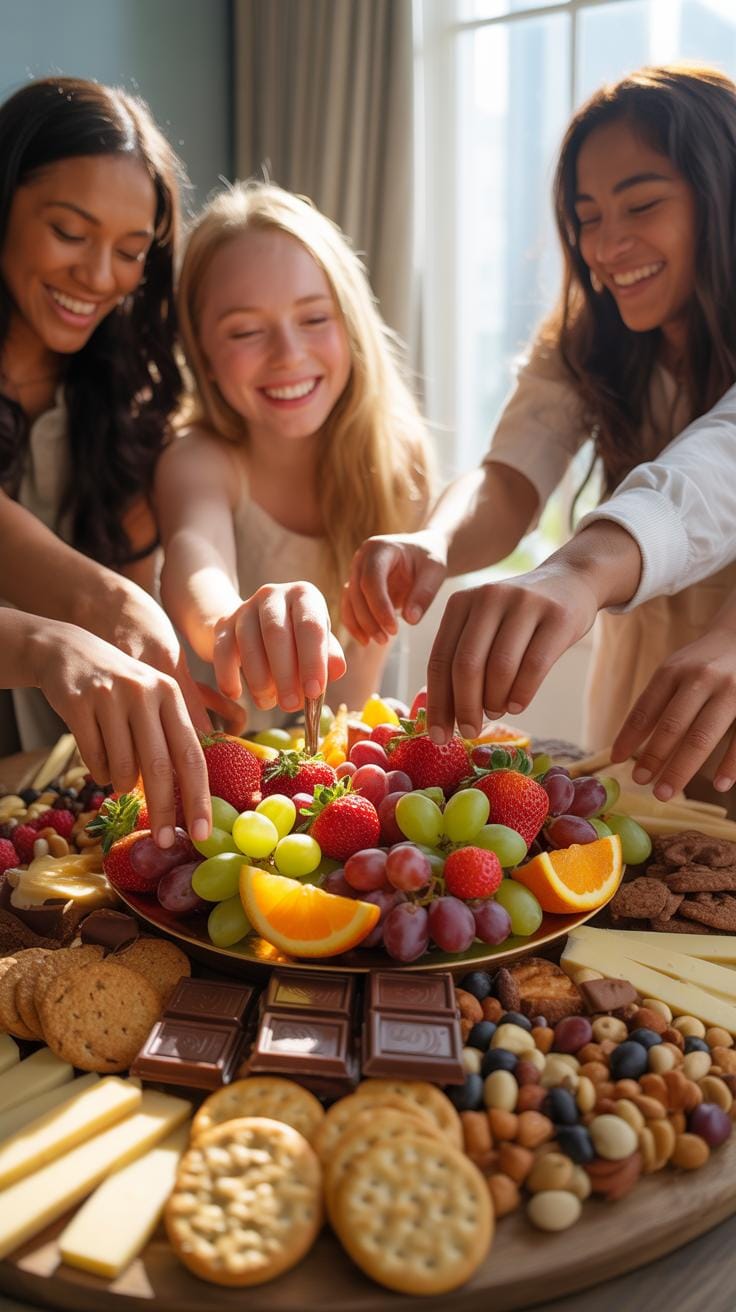
Choosing between sweet and savory snacks can sometimes feel like walking a tightrope, especially when you want to keep your energy steady without sacrificing enjoyment. It’s not always clear which option serves your body better at a given moment, and honestly, it might depend on your mood as much as your biology. For example, if you need a quick pick-me-up, a natural sweet snack like fruit can bring fast energy without the slump that processed sugar often causes. But, if you’re looking for something to keep you fuelled longer, savory snacks with protein and healthy fats might do the trick better.
Sweet treats, especially fresh ones like berries or an apple, provide glucose that your brain and muscles can use almost immediately. They’re easy to carry, low fuss, and usually contain fiber, which slows sugar absorption just enough to avoid a harsh crash. But, relying solely on sweet snacks can sometimes leave you craving more sugar, which isn’t always helpful.
On the savory side, snacks such as hummus paired with crunchy veggies or a modest serving of cheese offer more sustained energy. The protein and fats help stabilize blood sugar and prevent sudden dips in energy. Plus, these options often feel more satisfying, which can curb the temptation to snack repeatedly. Do you ever find yourself grabbing handfuls of crackers without really enjoying them? That’s a sign you might need something more substantial.
Finding a balance might mean mixing both types during the day—fruit for quick boosts, savory for longer-lasting fuel. Maybe you eat a sweet snack mid-morning and a savory one mid-afternoon. But it’s not one-size-fits-all. Sometimes, you just want what tastes good or fits your schedule. That’s part of the trick, I think—listening to your body while keeping an eye on how your energy behaves.
Here are a few ideas to try:
- Fresh berries or sliced apple with a spoonful of nut butter
- Baby carrots or cucumber slices dipped in hummus
- A small piece of cheese alongside whole-grain crackers
- Grapes or dried apricots with a handful of almonds
- Hard-boiled eggs or roasted chickpeas for a savory protein boost
Do you notice more steady energy when you rotate between these choices? It might take some experimenting, but blending sweet and savory options seems to help avoid either energy crashes or boredom with your snacks.
Snack Timing Tips For Energy
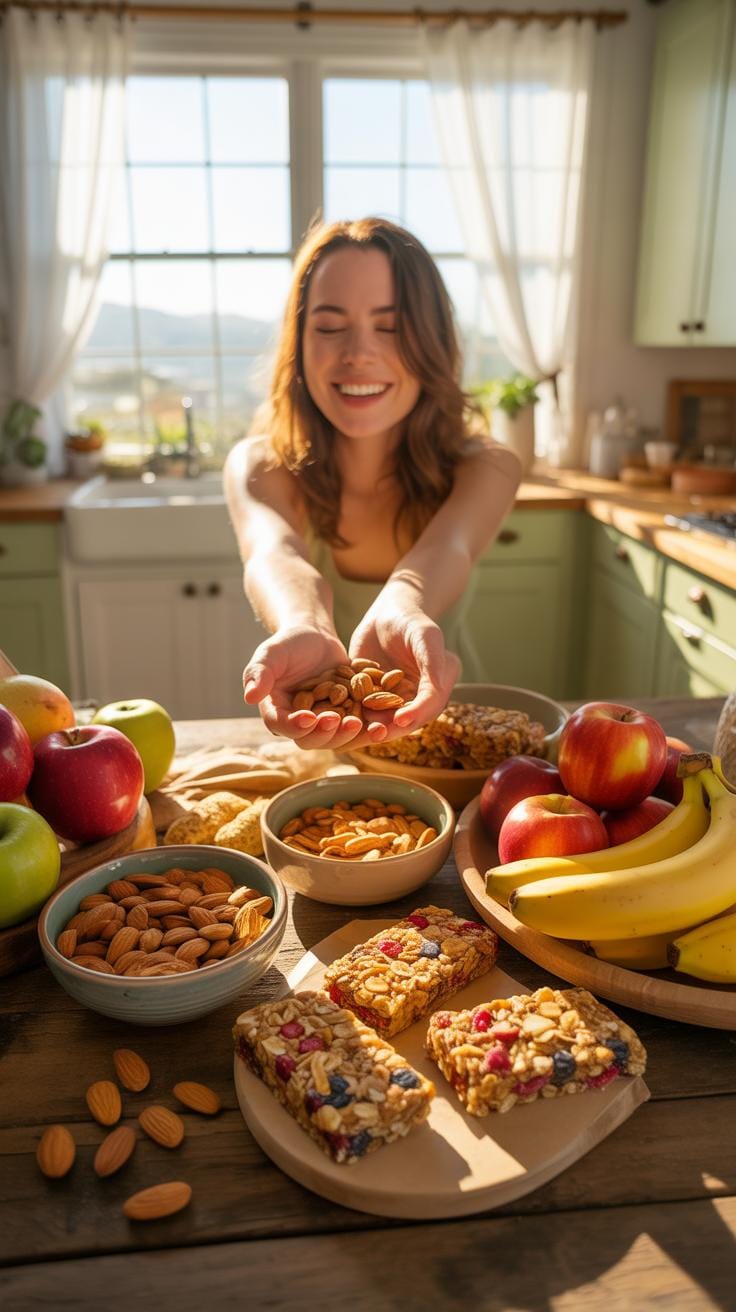
When To Eat Snacks Between Meals
Figuring out the best time to snack can make a real difference in how steady your energy feels. Usually, it’s smart to have a snack about two to three hours after a meal, before you start feeling that tired or sluggish dip. Think mid-morning or mid-afternoon—these times often hit when your blood sugar might be dropping, but you’re not quite ready for a full meal yet.
Snacking too close to a big meal can dull your appetite and even mess with digestion. But wait too long, and your energy crashes, making it harder to focus or stay productive. That annoying mid-afternoon slump? Often it’s just your body asking for some fuel. For example, I’ve noticed that grabbing a handful of nuts around 3 p.m. keeps me sharper without spoiling dinner later.
How To Recognize Your Snack Needs
It’s not always obvious when you really need a snack—or whether you’re just bored or thirsty. But some signs tend to stand out: a growling stomach, difficulty concentrating, irritability, low mood, or feeling physically weak. It’s tricky because hunger can sneak up slowly, and sometimes you might mistake tiredness for hunger.
Try to pause and check in with yourself before reaching for something. Ask: Am I truly hungry, or just tired? Is it hunger or just wanting a break? If your energy feels low, going for something with a bit of protein and fiber usually helps better than sugar alone. Personally, I find that a small yogurt or an apple with almond butter does the trick—it’s quick to digest and keeps me from feeling too full abruptly.
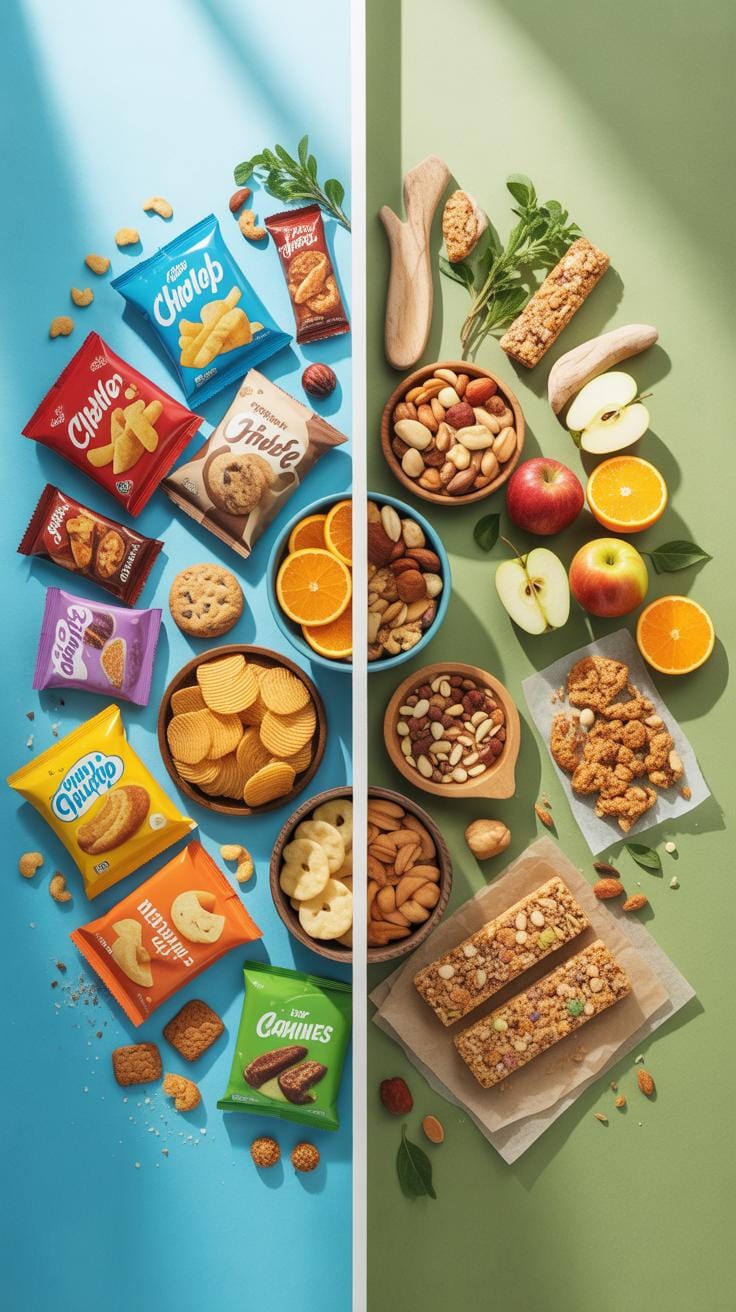
Comparing Packaged Snacks And Homemade Snacks
Advantages Of Homemade Snacks
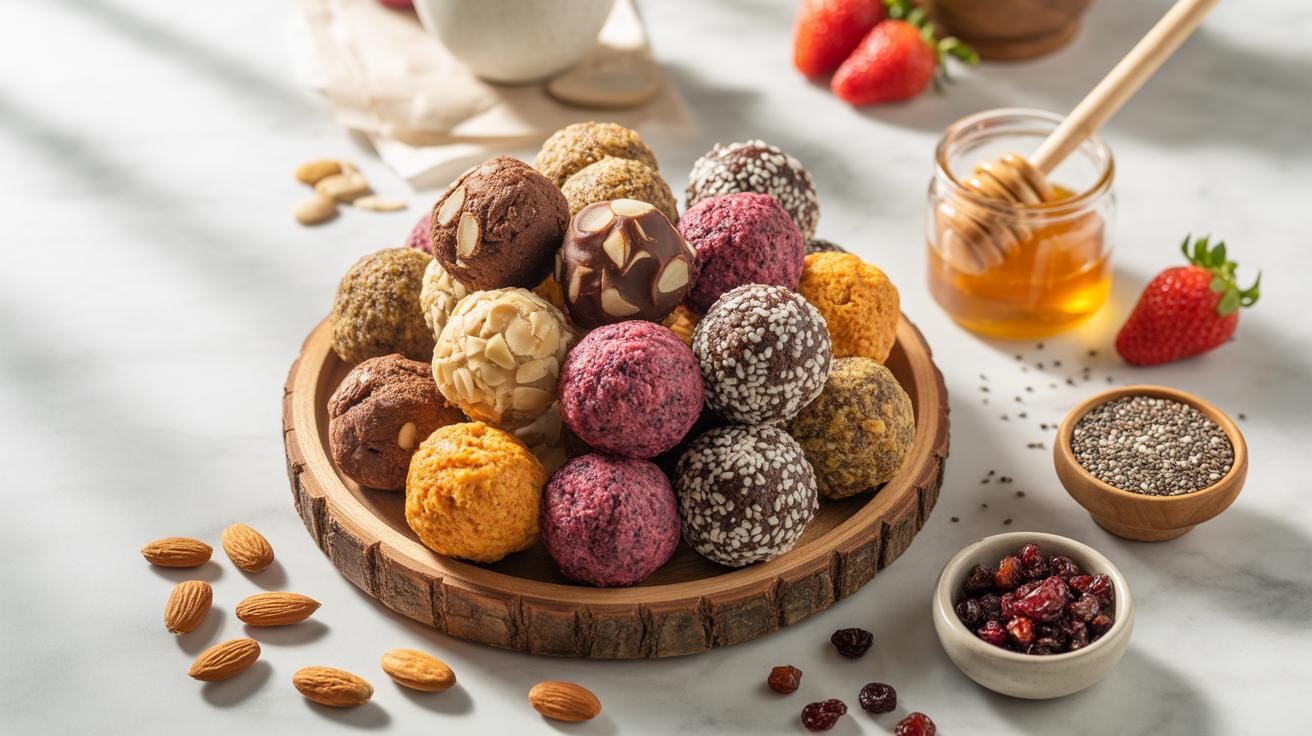
Homemade snacks often feel like a safer bet when you want control over what goes into your body. You decide the ingredients, which means fewer additives, preservatives, or unexpected sugars sneaking in. Plus, tailoring snacks to your taste or dietary needs—say, boosting protein or cutting back on salt—is much easier. I’ve found that when I prepare snacks myself, I can experiment with combinations that actually satisfy hunger longer, like mixing nuts with fresh fruit or making energy balls with oats and nut butter.
Another thing is freshness. Homemade snacks don’t sit on shelves for weeks or months, so you’re getting something more natural. You can adjust portion sizes, too, avoiding overeating or wasting food. Of course, this does take time and planning, which not everyone can manage daily, but the payoff in quality and energy steadiness is often worth it.
When Packaged Snacks Make Sense
Packaged snacks can be a lifesaver when you’re rushing or don’t have access to a kitchen. Think about travel, long workdays, or unexpected delays where grabbing something ready-made just feels sensible. Sometimes, it’s about convenience rather than ideal nutrition.
To make better packaged snack choices, look beyond flashy labels. Scanning the ingredient list is crucial—choose options with recognizable ingredients and limited added sugars or unhealthy fats. Small packs of nuts, dried fruit without added sugar, or even single-serve hummus with crackers can work well if you’re mindful. Still, it’s easy to slip up with these choices, as many products mask poor nutritional value behind health claims, so a bit of skepticism helps.
Maybe sometimes it’s not about picking just one over the other, but balancing both depending on your schedule and what you feel like eating. It’s not always black or white. Are you someone who leans towards homemade snacks or do packaged options get you through more days?
Conclusions
Choosing healthy snacks helps keep your energy steady and supports your overall health. Snacks like nuts, fruits, and yogurt provide vitamins, minerals, and protein that your body needs. When you pick snacks carefully, you avoid energy crashes and stay more focused during busy days.
The snacks suggested here are simple to prepare and carry. Try mixing different options to keep your snacks interesting and effective. With the right choices, you can balance your energy and enjoy tasty snacks every day.