
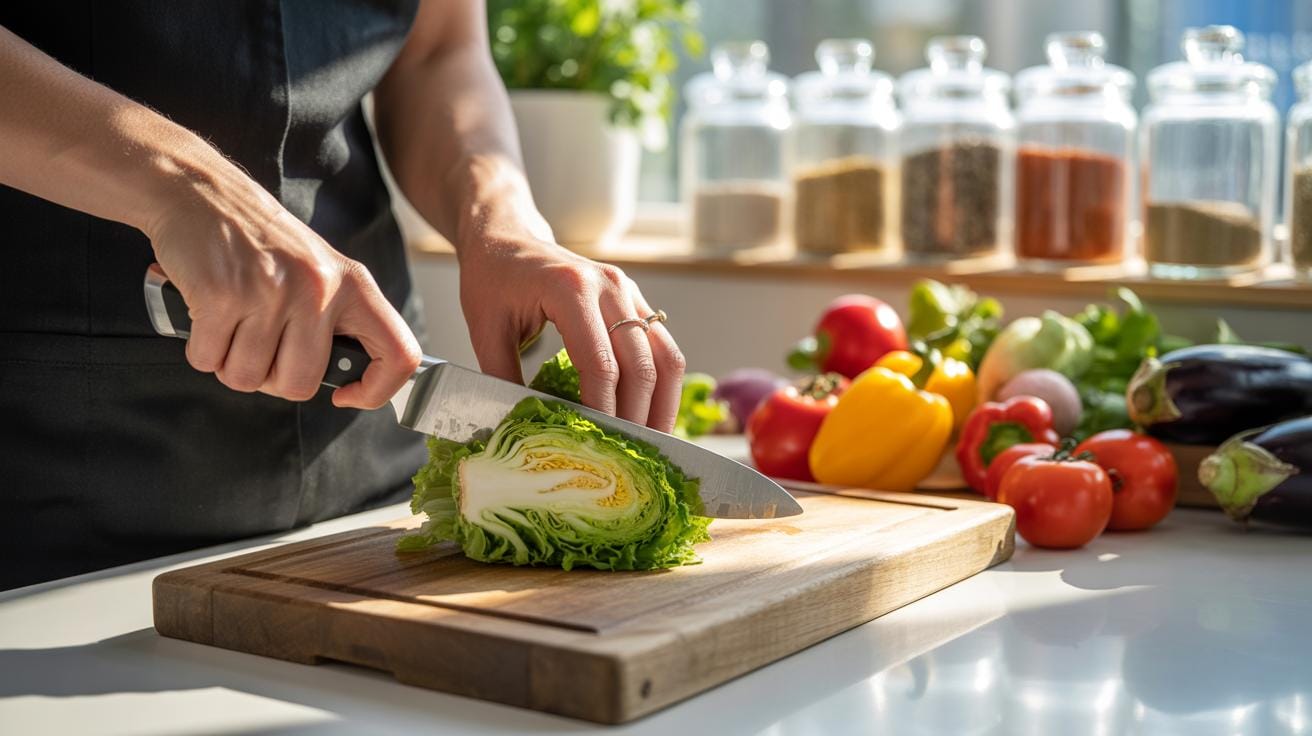
How Meal Prep Boosts Daily Nutrition
Meal preparation, often called meal prep, means planning and preparing your meals ahead of time. This helps you eat healthier and save time each day. Many people use meal prep to avoid last-minute cooking stress and to make better food choices.
This article will explore how healthy meal prep saves your time and boosts your nutrition daily. You will learn why meal prep is helpful, how to start, and the best tips to keep your meals balanced and tasty throughout the week.
Why Meal Prep Matters
What is Meal Prep
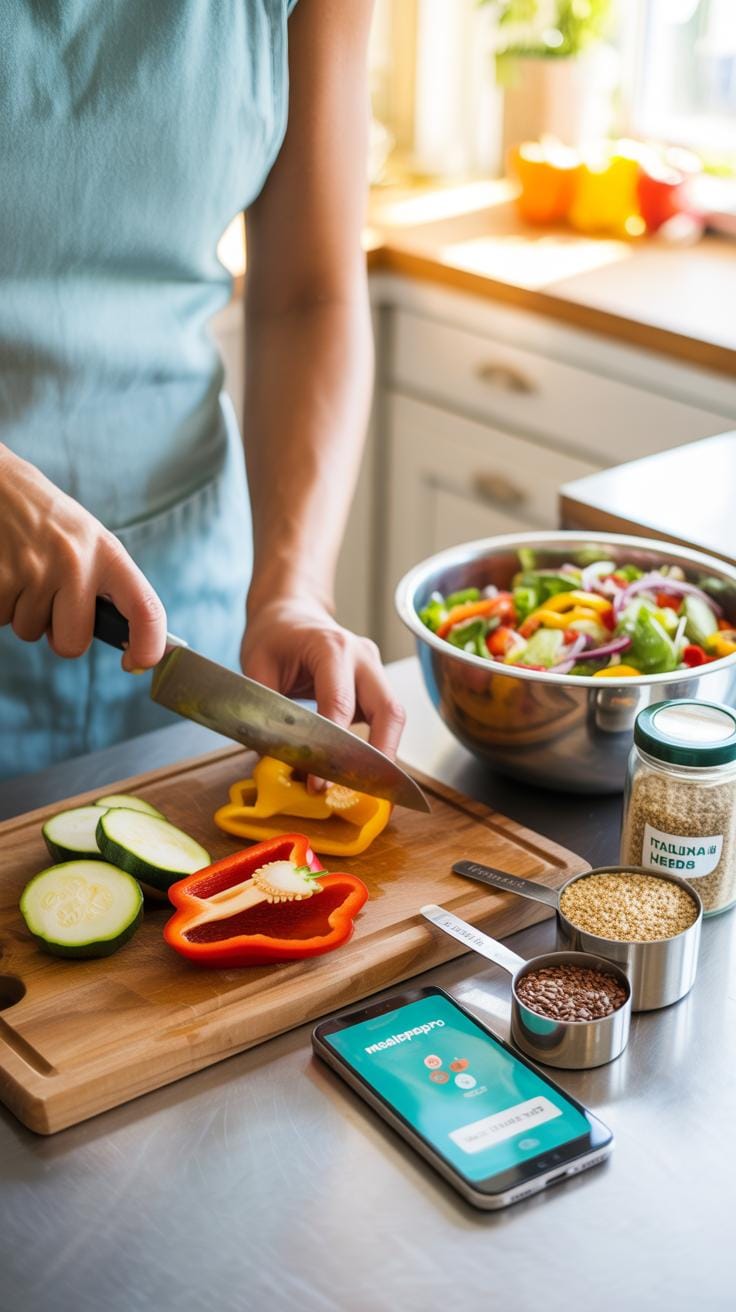
Meal prep simply means planning and preparing your meals ahead of time—whether that’s chopping vegetables, cooking proteins, or portioning out entire meals for the week. It’s about having food ready or mostly ready before your busy days start. This way, when hunger hits, you don’t have to scramble or rely on takeout. Instead, you already have organized, ready-to-eat options waiting for you. It’s like setting the table before dinner, but for all your meals.
Time and Health Benefits
Spending a bit of time prepping meals can save you loads of time during those hectic weekdays. Imagine not having to decide what’s for lunch or dinner each day—it’s right there, simply waiting. Using fresh ingredients and planning meals ahead often means you’re less tempted by quick, less nutritious options. Plus, having control over what goes into your meals usually leads to healthier choices, more veggies, and fewer processed foods. I guess meal prep nudges you toward better eating without much effort during the day. On some days, you might still crave something quick or different, but having a base ready helps you stay on track. And hey, it sometimes makes your daily life feel a little less chaotic, which is nice.
Planning Your Weekly Meals
Choosing Recipes
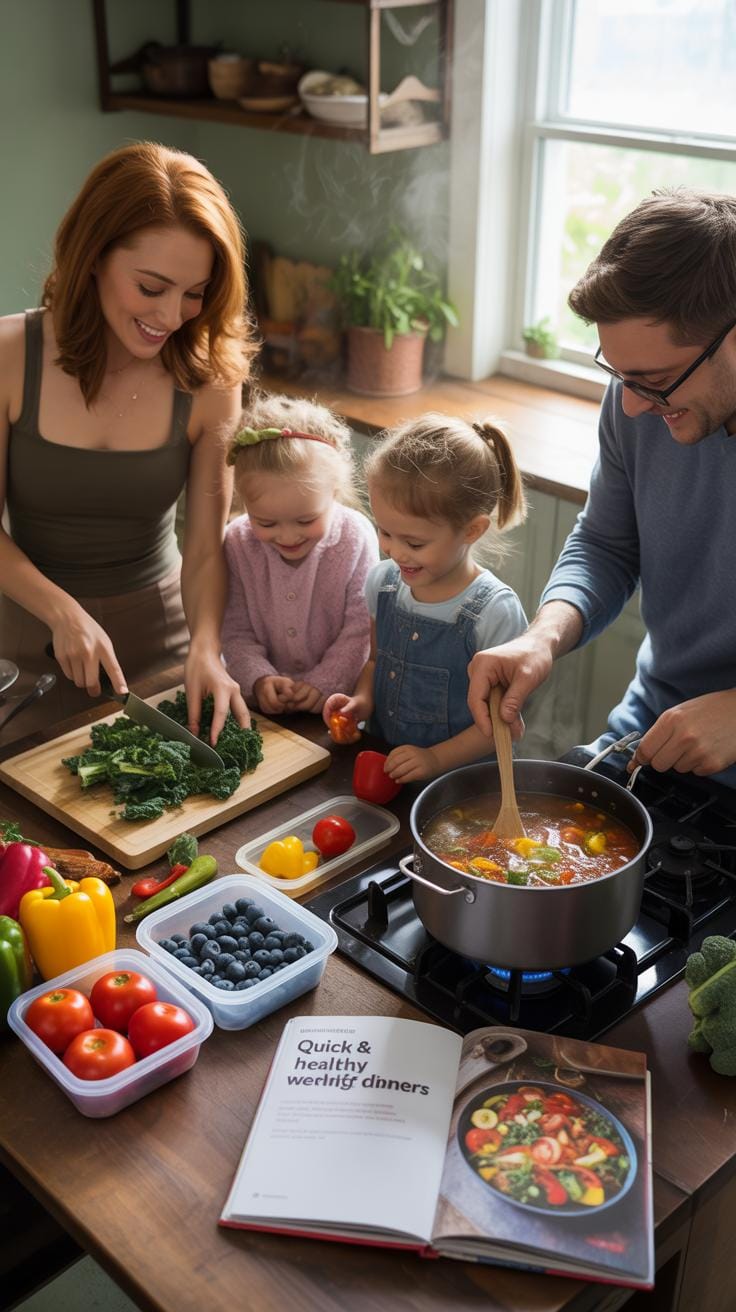
Picking meals for the week doesn’t have to be complicated. Start by thinking about the time you realistically have for cooking on different days. If your evenings are busy, simple recipes with few steps make more sense. Maybe a stir-fry or a baked chicken dish with minimal prep feels easier than anything too elaborate.
Also consider what you actually enjoy eating. There’s no point in planning meals you dread. Try to find a handful of go-to recipes and swap a few ingredients here and there to keep things interesting but manageable. Sometimes I find that sticking to what I like saves a lot of stress, even if it means eating similar meals more than once a week.
Look for recipes that use overlapping ingredients too. It can cut down on waste and save money, plus it makes shopping simpler. And don’t shy away from one-pot meals or sheet pan dishes—they often check all the boxes for quick, tasty, and easy cleanup.
Balancing Nutrition
Meal prep works best when your meals don’t just taste good but leave you feeling satisfied and fueled. That usually means including a protein, a vegetable, and a whole grain or starch. It sounds basic, but it really works.
For proteins, think poultry, fish, beans, or tofu—whatever fits your preference. They keep you full longer and support muscle health. Veggies add fiber, vitamins, and something fresh, even if they’re frozen. Grains like brown rice or quinoa give you sustained energy without spikes and crashes.
Sometimes I find it tricky to balance these elements perfectly every time, and that’s okay. Some meals might lean heavier on veggies; others could be more grain-focused. The key is variety through the week rather than perfection in each single meal.
What meals have worked best for you? Do you prefer mixing things up daily, or sticking to a few favorites throughout? Trying to find a balance that fits your rhythm makes all the difference.
Grocery Shopping Tips
Make a Shopping List
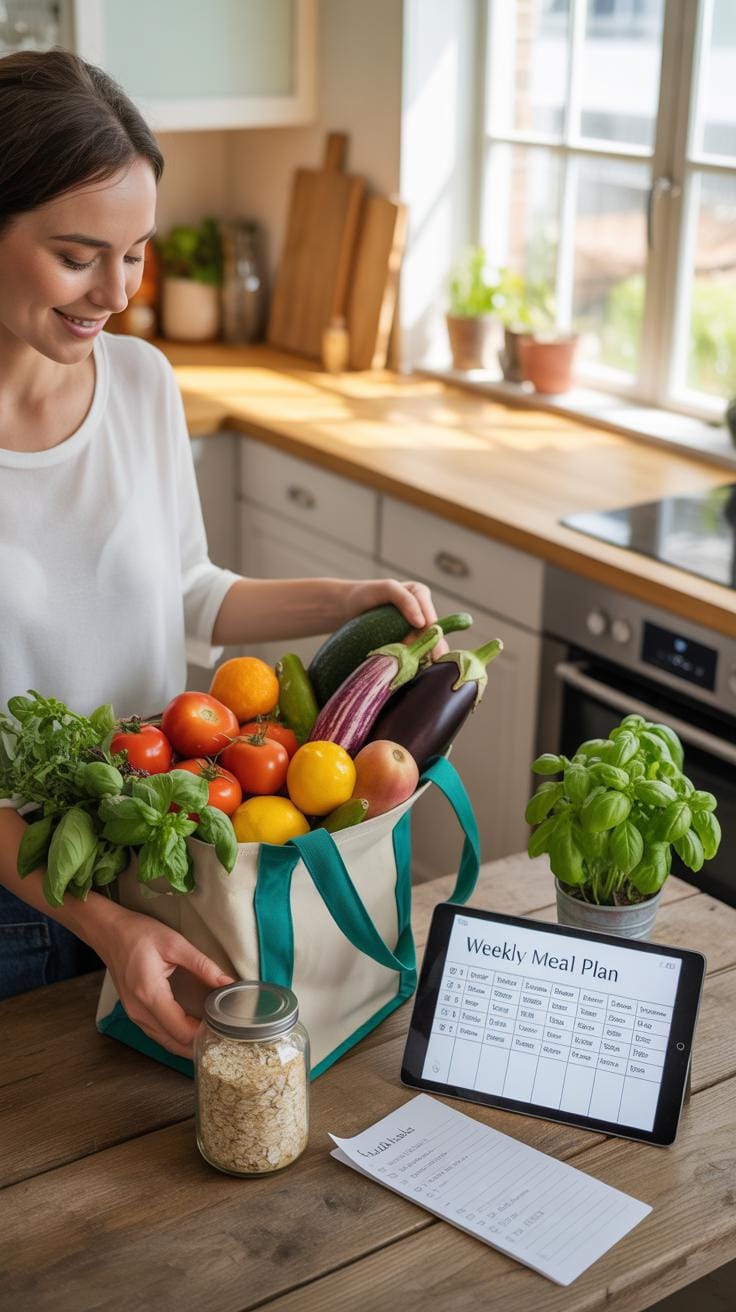
When you head to the store without a list, it’s easy to lose focus and pick up things you don’t really need. A list based on your meal plan acts like a roadmap. It keeps you grounded and less tempted by impulse buys. I’ve noticed that when I skip this step, I get home with random snacks or ingredients that don’t fit my meals. Then, those items just sit there, unused.
Try writing your list according to categories—produce, proteins, grains—so you don’t run back and forth in the store. Crossing items off as you go feels oddly satisfying and helps you keep track. Also, stick to your list. Even if there’s a sale on something tempting, ask yourself if it fits your plan or just adds clutter to your fridge. The truth is, a well-made list saves both time and money, and that’s a win for daily meal prep.
Buy Fresh and Simple
Picking fresh produce is probably one of the easiest ways to keep your meals healthy and flavorful. Fresh vegetables and fruits don’t just taste better—they usually cost less when in season. I admit I’m guilty of sometimes choosing pre-cut or packaged options, but they tend to be pricier and don’t always last as long.
When it comes to proteins, I try to go for lean cuts or plant-based options that are straightforward, like chicken breasts, canned beans, or tofu. Whole grains—brown rice, quinoa, oats—round out meals with slow-release energy. They’re often sold in bulk, so buying a bit more at once but storing it well cuts down on frequent trips.
Keeping your groceries simple and close to their natural state means fewer additives and surprise ingredients. Plus, you get to customize flavors yourself without hidden sugars or salt. That’s something that feels worth the little extra effort, even if it means a slightly longer chopping session at home.
Batch Cooking Basics
Cook Large Portions
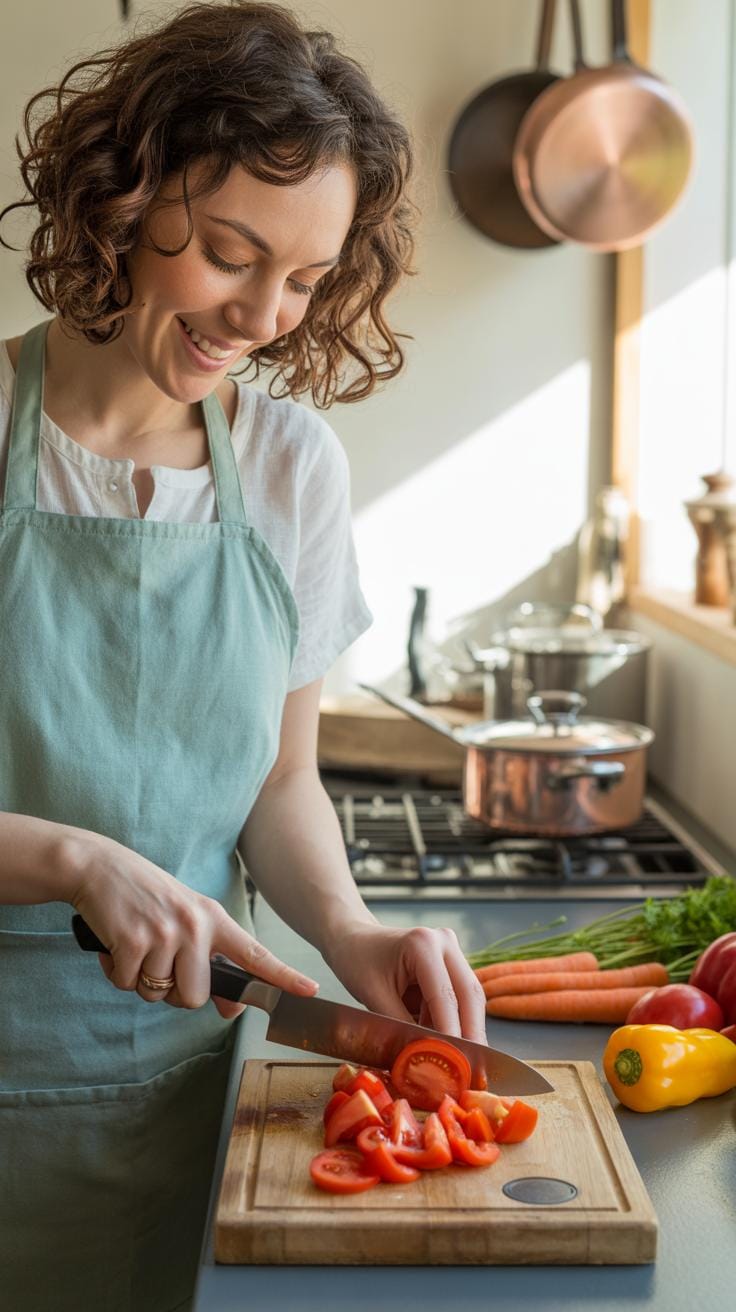
Batch cooking means preparing a bunch of meals at once, which can save you a lot of time during busy days. Often, it starts with cooking large amounts of staple ingredients like grains, proteins, and vegetables. For example, you might boil a big pot of rice or quinoa, roast several chicken breasts, and steam a heap of broccoli all at the same time. These staples then become the building blocks for different meals throughout the week.
This approach lets you mix and match ingredients to keep meals interesting without needing to cook from scratch every day. I’ve found that focusing on proteins, carbs, and veggies makes it easier—not every meal has to be a masterpiece, just balanced.
Storage and Organization
Once your food is cooked, how you store and organize it matters a lot. I suggest investing in clear containers—seeing what you have at a glance avoids the “what’s in here?” guessing game. Labeling each container with the date can help you keep track of freshness, which is surprisingly easy to forget.
Group similar items together in the fridge or freezer. For instance, keep all grains in one stack, proteins in another, and veggies in a third. This simple system reduces decision fatigue and speeds up meal assembly. Plus, proper storage avoids waste—you really don’t want to open the fridge and find food that’s gone bad because it was out of sight and out of mind.
Safe Food Storage
Proper Containers
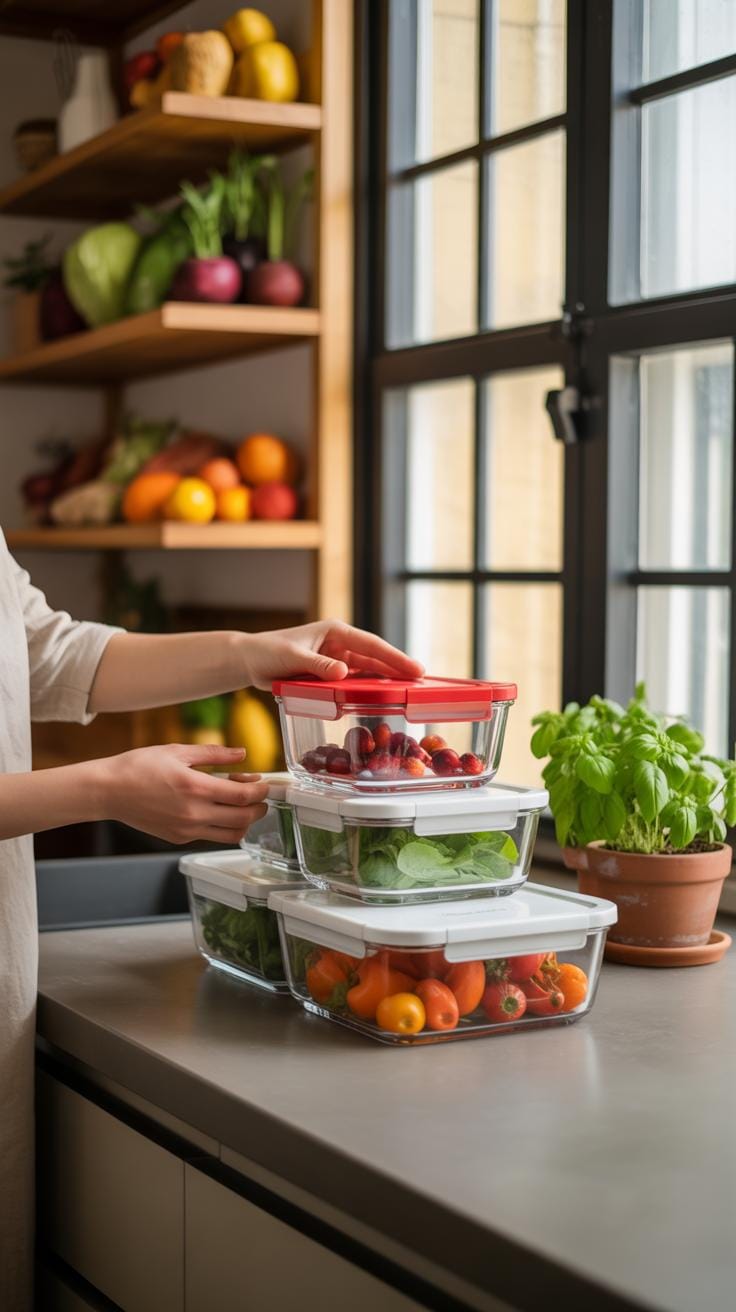
Choosing the right containers makes a big difference when it comes to keeping your prepped meals fresh. Glass containers with airtight lids are great because they don’t stain or absorb smells, and they can usually go straight from fridge to microwave or oven. Plastic containers are lighter and often less expensive, but some types may warp or hold odors over time. If you go this route, look for BPA-free options and ones marked as freezer-safe.
Another option is silicone storage bags, which work well for saving space and reducing waste. They seal tightly, and since they’re flexible, you can fit awkward-shaped leftovers better.
While picking containers, consider how you’ll reheat your meals. Sometimes a simple bowl with a snap-on lid does the trick, but other times, individual compartments help keep flavors separate. It’s a bit of trial and error, honestly.
Refrigeration and Freezing
Storing meals properly in the fridge or freezer matters more than most people realize. When refrigerating, try to cool foods quickly before placing them inside. Hot meals left out too long risk bacterial growth. Something I keep in mind: placing hot food directly in the fridge can raise the temperature inside, affecting other items.
Freezing is handy for longer storage, but quality depends on packaging. Double wrapping, or using vacuum-sealed bags, keeps out air and prevents freezer burn better. Portioning before freezing saves time later—you won’t have to thaw an entire batch, just what you need.
To keep track, label containers with the date. Sometimes, you think you remember when it was made, but a quick glance saves guesswork and keeps things safer. Oh, and a quick tip—defrost in the fridge, not on the counter. It takes longer, but it’s safer and keeps texture more intact.
Healthy Meal Prep Ideas
Quick Breakfasts
Breakfast often feels rushed, right? But prepping simple meals ahead can change that. Think overnight oats made with oats, Greek yogurt, and berries—just mix and refrigerate the night before. They’re ready to eat without extra effort.
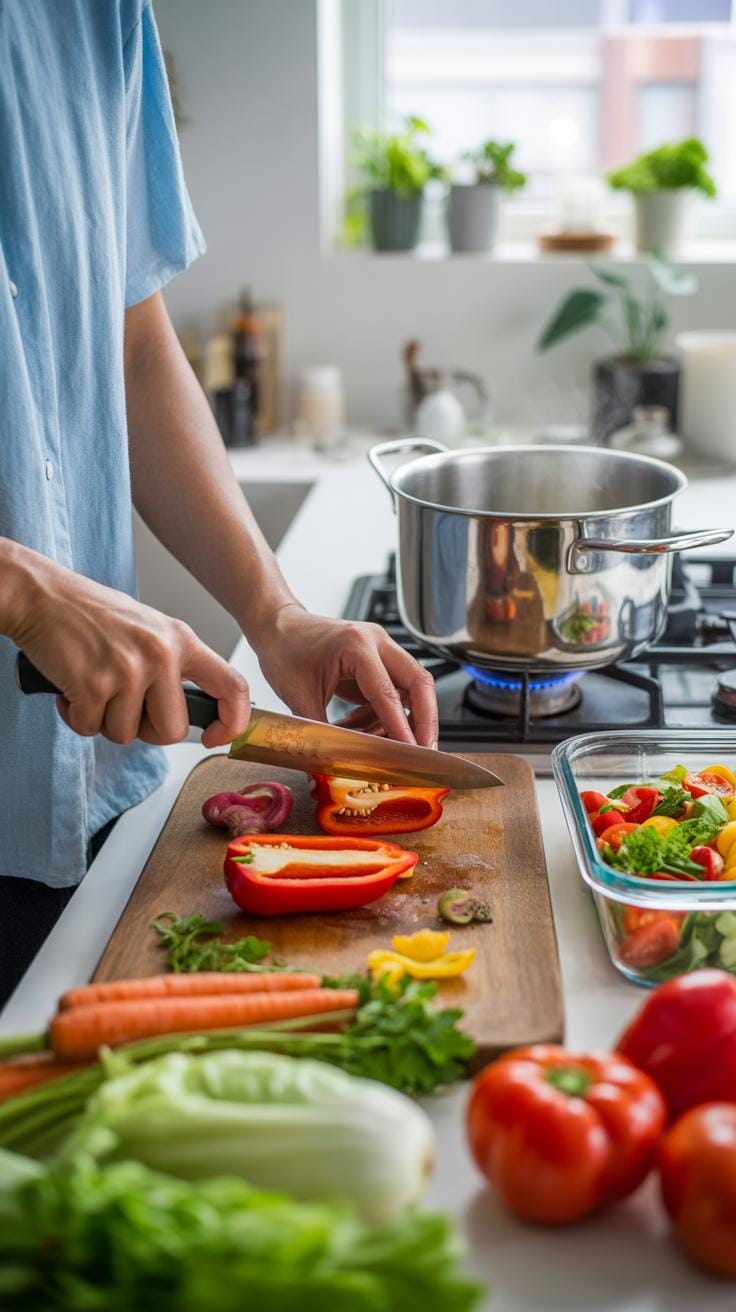
Egg muffins are another easy option. Whisk eggs, chop veggies like spinach or bell peppers, pour into muffin tins, and bake. Once cooled, store them in the fridge for a grab-and-go protein boost. Sometimes, I like to add a sprinkle of cheese or herbs; it makes the flavor less boring.
For something lighter, chopped fruit with nut butter packets can be pre-packed the night before. It’s quick, portable, and covers your energy needs without much fuss. You might wonder if it’s enough—well, sometimes it’s good to keep things simple and adjust as you go.
Balanced Lunch and Dinner
For lunch and dinner, aiming for a combination of protein, vegetables, and carbs can keep you fueled longer. Roasted chicken breasts paired with quinoa and steamed broccoli is a classic, but you can switch proteins to turkey, tofu, or beans depending on what’s on hand.
Stir-fries also fit nicely into meal prep. Cook a batch of brown rice, sauté mixed vegetables, and add your choice of lean protein—like shrimp or tempeh. Toss with a light sauce, and you have a meal that feels fresh even after days in the fridge.
Another idea is hearty salads that hold up well. Include kale or spinach, chickpeas or grilled salmon, chopped carrots, and some whole-grain croutons or roasted sweet potatoes. Dressings can be pre-portioned separately to keep the salad crisp. I tend to overdo the dressing sometimes, which I need to work on.
Trying different combos every week keeps meal prep interesting—and it’s fine to repeat your favorites when time gets tight. Have you experimented with mixing up your proteins or veggies? It’s actually easier than it sounds once you start.
Avoiding Common Mistakes

Over-Preparing Food
Making too much food might seem like a time-saver at first, but it often leads to waste. You might end up tossing leftovers that don’t keep well or simply feel tired of eating the same thing. Besides, storing excess food takes up valuable fridge space, which can get frustrating.
Try to gauge your portions more carefully. Think about how much you actually eat in one sitting and plan for that, not some ideal amount you hope to finish. Using smaller containers can help—you won’t be tempted to fill them just because there’s space. It’s better to prep more than once if needed, rather than forcing yourself into finishing extra meals.
Lack of Variety
Eating the same dishes all week? That can drain your motivation fast. Even if the meal is healthy, repetition can make you less excited to stick with your plan. You might find yourself craving takeout or unplanned snacks instead.
Try mixing up ingredients or flavors—add different spices, swap out a grain, or use varied veggies. Even simple tweaks can break the monotony. Planning small changes for each day keeps things interesting without complicating prep time. Ask yourself: does this meal still feel appealing halfway through the week? If not, it’s time to rethink your lineup.
Staying Motivated

Meal prepping can start strong, but keeping the momentum over weeks or months is a different challenge. One practical way to stay motivated is by setting simple, small goals. Instead of aiming to prep every single meal perfectly, try focusing on manageable targets. For example, decide to prep lunches for just three days a week, or master one healthy recipe before moving onto others. These bite-sized aims feel less overwhelming and give you a clearer sense of direction.
Celebrating your progress also plays a big role in staying encouraged. You don’t need to wait until you hit a huge milestone to acknowledge your effort. Recognize when you’ve packed your first successful week of meals or chose veggies over snacks a few days in a row. Sometimes, just noticing these small wins keeps the habit alive. Have you noticed how a little praise—maybe from yourself—can shift your mindset? It’s subtle, but it works. Don’t underestimate that.
Staying motivated isn’t always about pushing harder. It’s often about pacing yourself, appreciating growth, and staying curious about how small changes add up over time. What small win could you celebrate today?
Meal Prep for Special Diets
Identify Dietary Needs
First, you need to get clear about your own dietary restrictions or preferences. Maybe you’re vegetarian because of health or ethics, or perhaps gluten upsets your stomach. Some people choose low-carb diets for weight or blood sugar reasons. Understanding what you actually can and can’t eat shapes your meal prep from the start.
Think about how strict you want to be. Are you avoiding gluten completely or just reducing it? Do you eat dairy or eggs if you’re vegetarian? Sometimes, clarifying these details saves you from frustrating trial and error later.
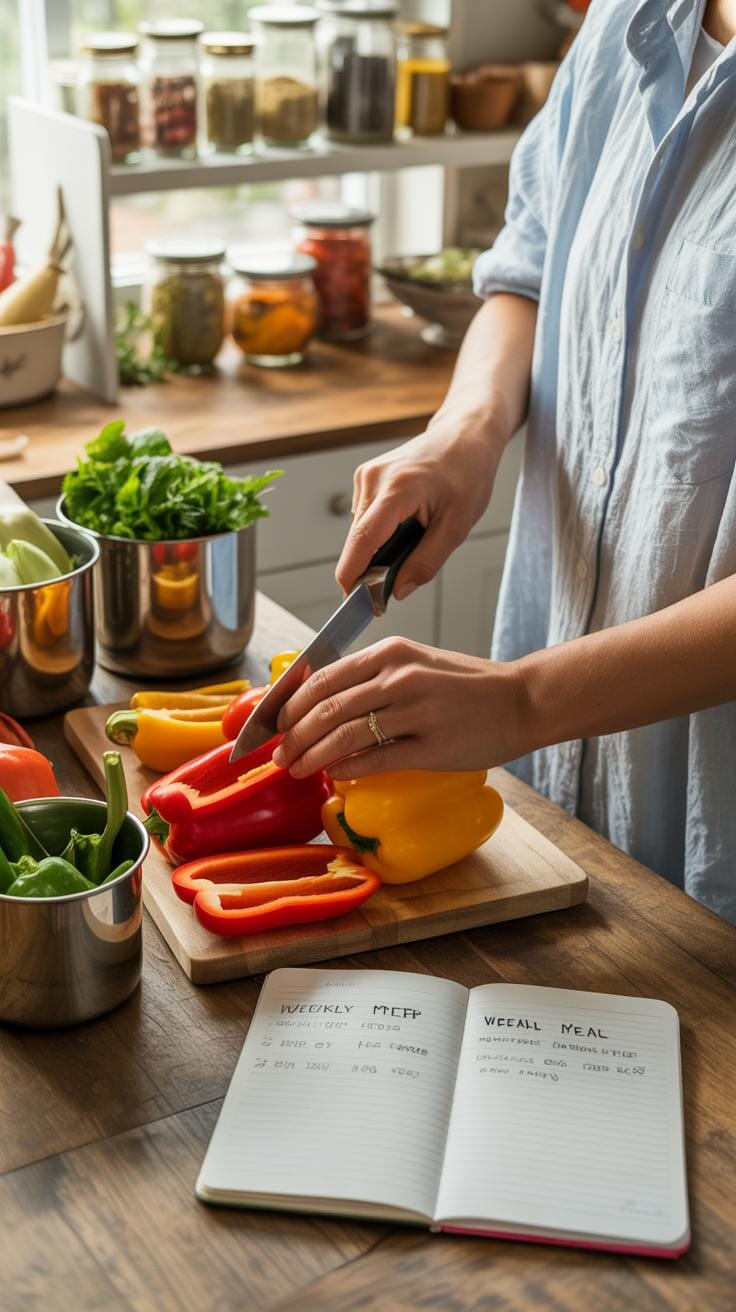
It helps to jot down your main guidelines before picking recipes or shopping. That way, your planning won’t leave you stuck trying to turn a pasta dish gluten-free at the last minute.
Adjust Recipes
Modifying meals doesn’t have to mean bland food. You can swap out ingredients easily.
- For vegetarians: Replace meat with beans, lentils, or tofu. These pack protein and texture. I’ve found that spices or marinades carry flavor better than just swapping ingredients straight up.
- Going gluten-free? Use rice, quinoa, or cauliflower rice as a base instead of pasta or bread. Many gluten-free flours work well in baked goods if you want to prep snacks ahead.
- On a low-carb kick? Focus on leafy greens, veggies, and good fats like avocado or nuts. Try spiralized veggies instead of noodles. It’s surprisingly filling if you add tasty sauces or herbs.
Adjusting recipes will take some experimenting. Sometimes you might miss that familiar texture or taste—and that’s okay. The key is to keep meals enjoyable enough to look forward to, so you stick with prepping.
Tracking Your Progress

Keep a Meal Diary
Writing down what you eat each day might feel a bit tedious at first, but it’s one of the simplest ways to see how your meal prep is really working. Jot down not just the meals themselves, but also portions and any snacks or drinks. Over time, you might start to notice patterns—like which meals keep you fuller longer or when you tend to stray from your plan. Even small details matter, like if you felt more energized or sluggish after certain lunches.
Try to be honest and consistent in recording your intake. It’s not about perfection; it’s about clarity. You might find, for example, that meal prep helps you avoid the afternoon slump, but maybe your dinners are still rushed or less balanced. Seeing it on paper can be a bit of a wake-up call or a quiet reassurance that you’re on the right track.
Review and Adjust
Once you’ve kept your diary for a week or two, take a moment to review it. Look for trends, both good and bad. Are you actually saving time during busy weekdays, or does meal prep spill over into extra hours that you hadn’t counted? Is your nutrition improving as you hoped, or are you missing some food groups without realizing it? These questions can guide your next steps.
Use your diary to tweak your approach. For instance, if you notice meal prep salads wilting before you eat them, maybe swap in more hearty veggies or try prepping parts separately. If a certain cooking method takes too long, experiment with quicker alternatives. This review process is ongoing—and a bit of trial and error is completely normal. Over time, your notes become a kind of roadmap, showing where you’ve gained time and where you might lose it.
Tracking isn’t about criticism. It’s more like a conversation with yourself about what’s actually happening in your kitchen and your body. What small change could make your meals more satisfying or your prep more manageable? You might not have all the answers immediately, but keeping close tabs helps you find them.
Conclusions
Healthy meal prep helps you take control of your food. It reduces the need to eat out or rely on processed foods. You spend less time cooking every day and more time enjoying balanced meals packed with important nutrients. This not only supports your health but can also save money.
Starting meal prep might seem difficult at first, but small steps can lead to big changes. By planning and preparing your meals ahead, you gain better eating habits and reduce daily stress. Try it and see how your daily routine and nutrition improve.