
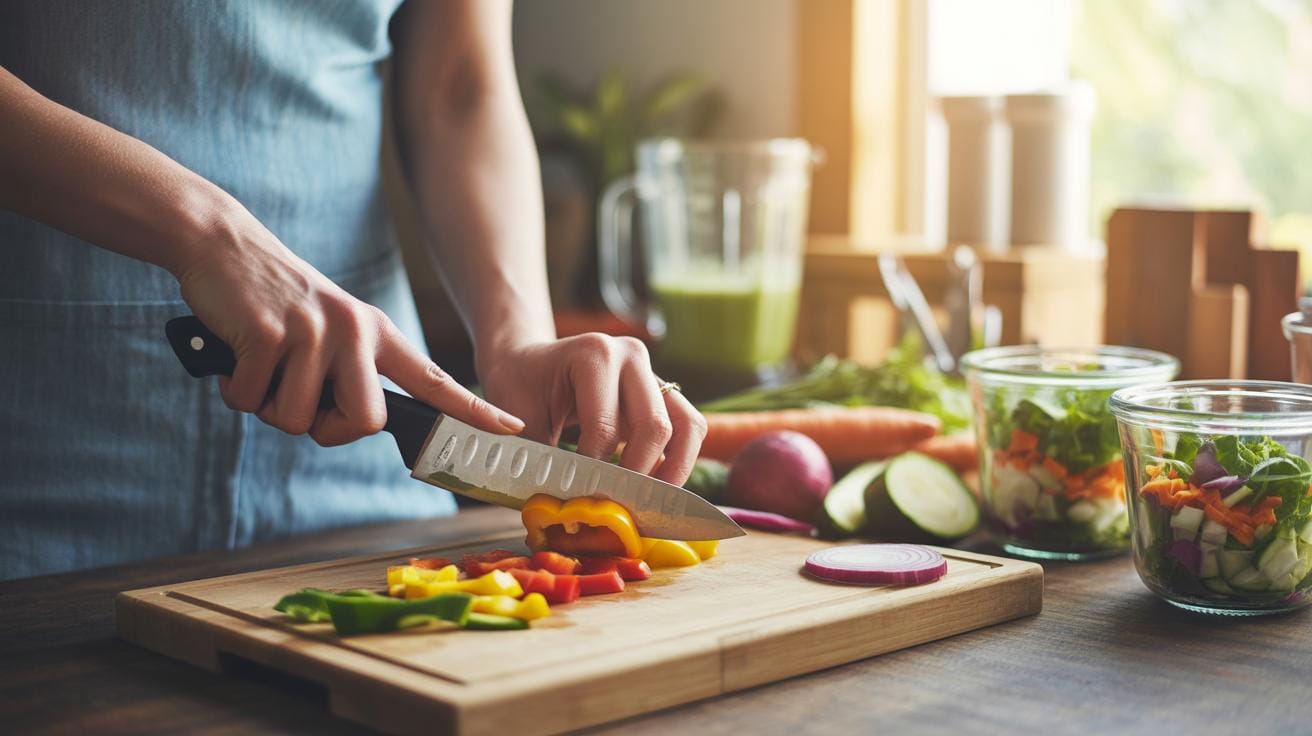
Getting Started with Easy Meal Prep
Easy Healthy Meal Prep Steps You Can Start Doing Today is a practical approach to saving time and eating better. By preparing meals ahead, you gain control over your food choices and avoid the rush of cooking at the last moment. Meal prepping helps you focus on healthy ingredients and balanced meals.
This guide will show you how to plan, shop, and cook meals in a way that is manageable and fits your lifestyle. You will learn simple steps to organize your meals, pick nutritious ingredients, and maintain healthy eating habits daily.
Planning Your Meals
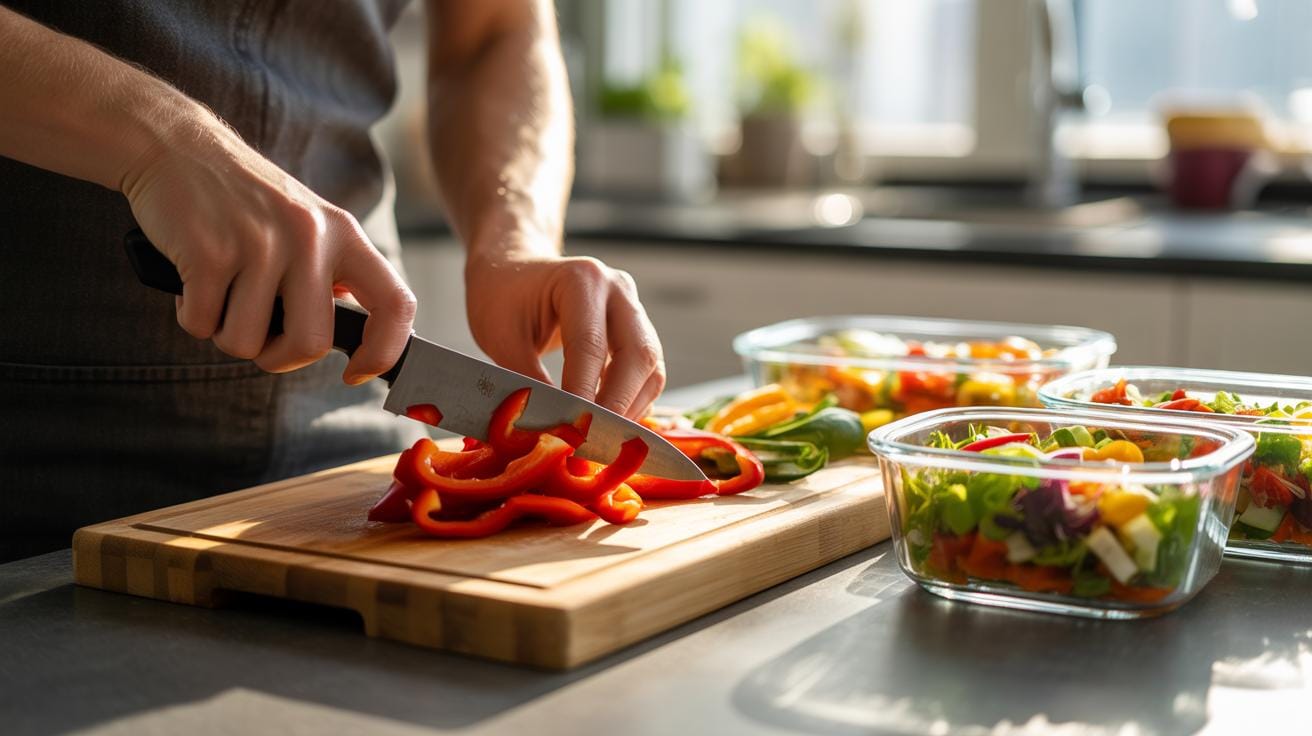
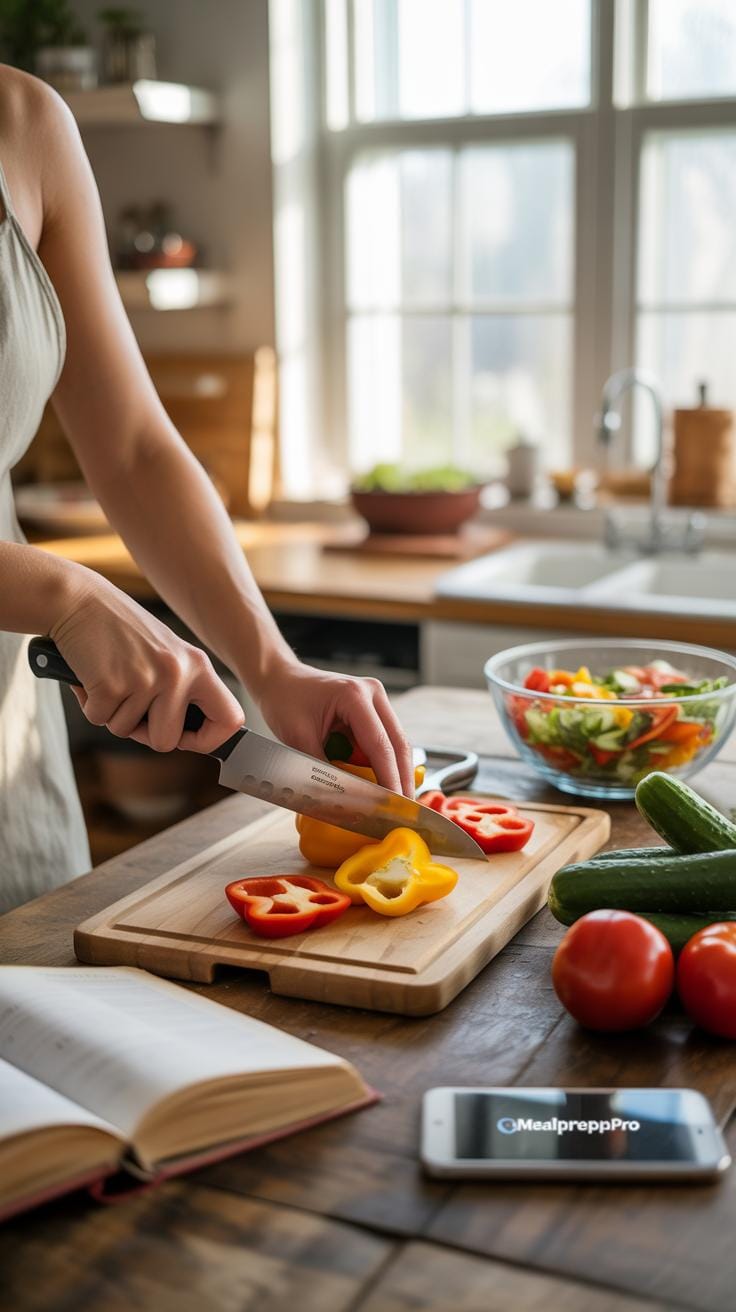
Planning meals ahead can take much of the stress out of cooking. When you know what you’re making for the week, it cuts down those last-minute decisions that often lead to unhealthy choices or takeout. But how do you start? First, think about your weekly schedule and carve out a block of time dedicated to meal prepping. Maybe Sunday afternoon works best, or perhaps you’re more of a weekday evening type. The key is consistency—pick a time you can stick to, even if it’s just 30 minutes.
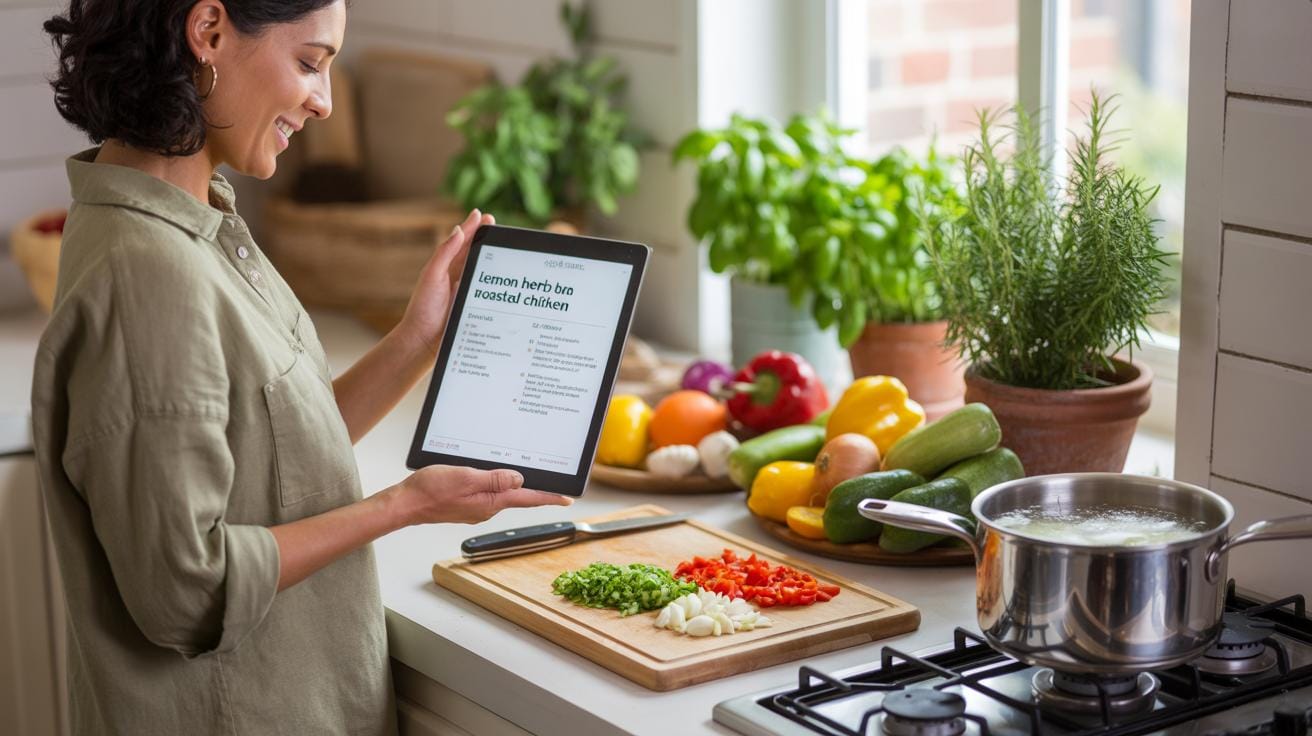
Next, choose recipes that feel manageable. Don’t aim for complicated dishes if that’s not your style. Simple meals with whole ingredients that you enjoy are easier to commit to. Consider meals that share some ingredients to save time and reduce waste. For example, roasting a batch of chicken breasts can serve several recipes: a salad one night, a grain bowl the next. What recipes do you find both tasty and nourishing? Those are the ones worth repeating.
Try making a rough meal outline before shopping. Think about breakfasts, lunches, dinners, and snacks. Keep portion sizes and how much energy you’ll need in mind. Taking the time to plan means less guessing later—and maybe a little less time staring blankly into the fridge wondering what to eat.
Smart Grocery Shopping
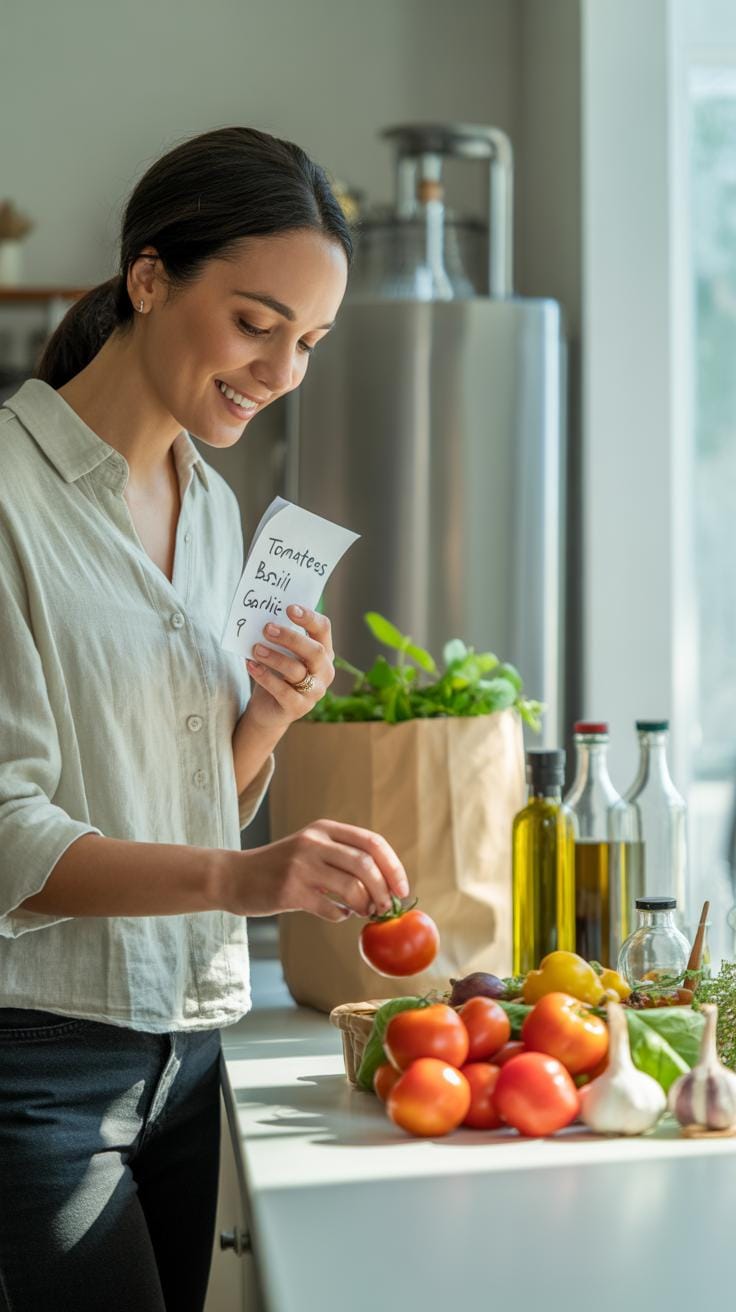
Make a List
When you’ve planned your meals, writing a grocery list becomes more than just a good idea—it’s a must. I find that without a list, it’s easy to wander down aisles grabbing things you don’t really need. You might think, “Oh, this looks good,” or “I might use this someday,” but then you end up with a fridge full of random items and wasted money. A list focuses your shopping trip. It reminds you of exactly what you need for the recipes planned, nothing more, nothing less.
Try grouping items by category—produce, dairy, proteins—to keep your shopping streamlined. And sometimes, even the best-laid lists run into surprises. But at least you begin with a clear purpose. Have you noticed how much faster you move through the store when you’re organized? I’m someone who easily gets distracted, so a list keeps me on task, though I admit I occasionally add something off-list if it really catches my eye.
Choose Fresh Foods
Picking fresh fruits, vegetables, and proteins makes a bigger difference than most realize. Fresh produce isn’t just about looks; freshness ties closely to the nutrients you get. When shopping, trust your senses. Check for firmness, color, and smell. For example, bright, crisp greens suggest good quality, while wilting leaves hint at age. Don’t shy away from slightly imperfect shapes—sometimes those taste just as good.
With proteins like fish or chicken, freshness can feel less obvious. Look for firm textures and mild aromas. A fish fillet should smell like the sea, not fishy or sour. Sometimes, I find local markets offer fresher picks than big chains, though that isn’t always the case. It’s worth keeping an eye out to find what works best for you. Freshness might cost a bit more, but it usually means better flavors and meals that stick with you longer.
Essential Cooking Techniques
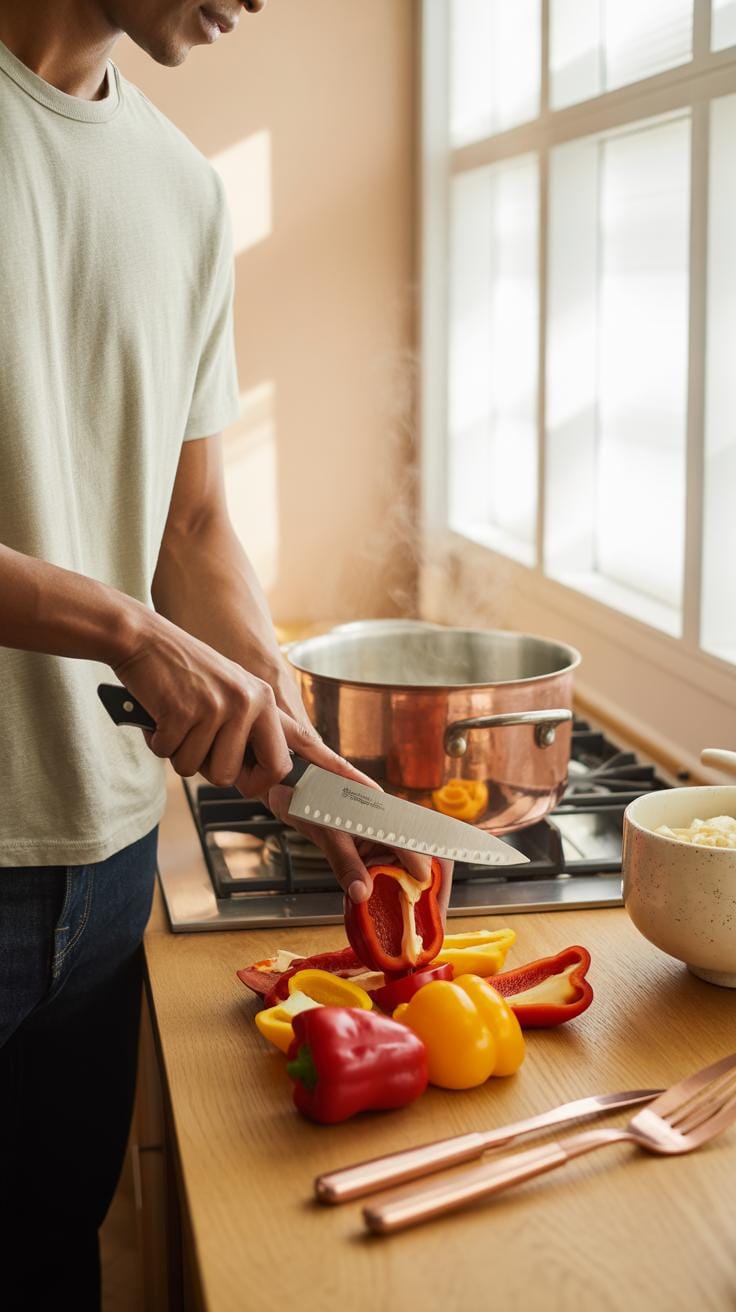
When it comes to meal prep, simple cooking methods can save a lot of time and make your meals tastier without much extra effort. Baking and roasting are good examples. You can toss a mix of vegetables and proteins—chicken breasts, salmon, or tofu—onto a single sheet pan, season them well, and let the oven do the work while you handle other tasks. It’s like setting and forgetting for a bit, and that slow dry heat pulls out flavors you might not get with quicker methods.
Plus, baking lets you cook large batches all at once, cutting down your active cooking time. And yes, sometimes it might feel a bit boring to wait for the oven timer, but the payoff is worth it. Your roasted carrots or potatoes get this nice crispy edge that’s hard to beat.
Steaming and stir-frying, on the other hand, are quick ways to keep your veggies and proteins fresh and bright. Steaming prevents nutrient loss because the food isn’t submerged in water. It’s perfect when you want those vibrant greens or tender-crisp broccoli that still pack a punch of vitamins and color. Stir-frying is a bit faster and adds a slight char or sear that makes flavors pop.
Both methods suit busy days when you want a fast, nutritious meal. A quick question for you—have you ever noticed how stir-fried dishes keep their texture better than boiled ones? Maybe that’s why so many Asian recipes use this technique. It’s simple, fast, and most importantly, it doesn’t feel like a chore.
Portion Control
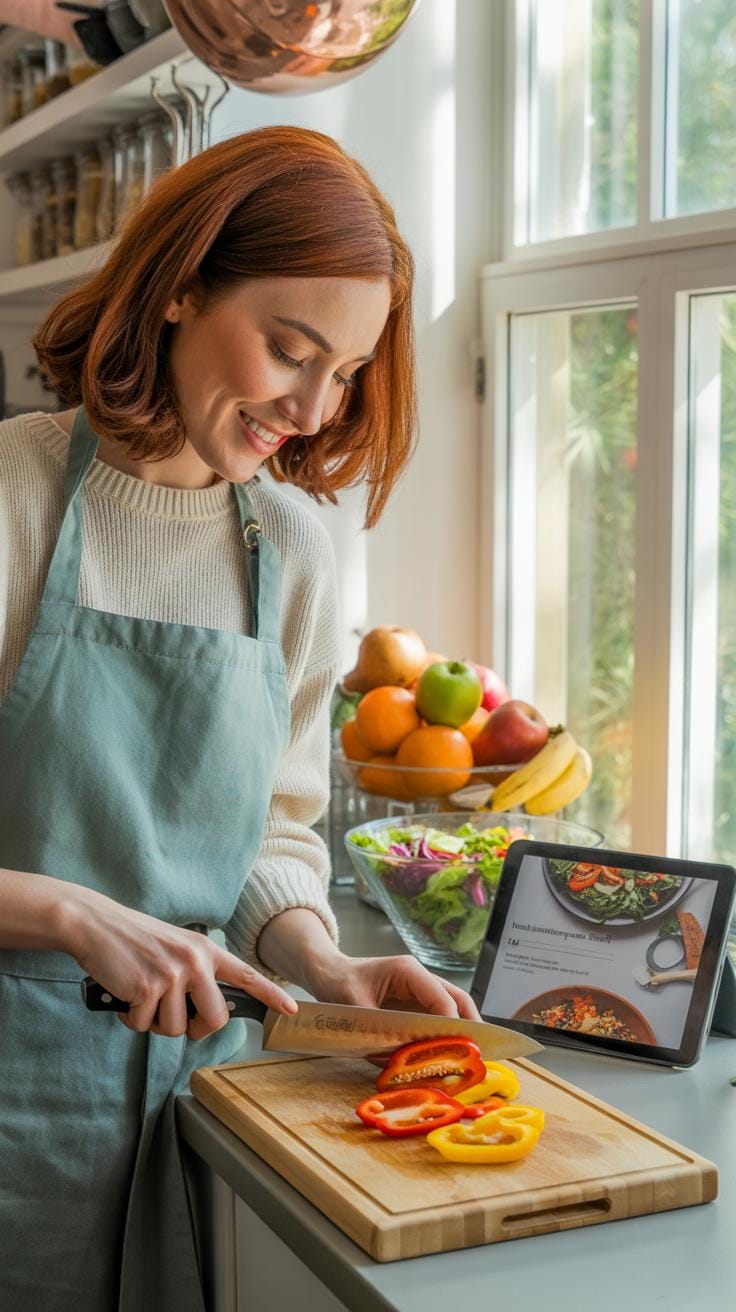
Portion control might sound like a simple concept, but when it comes to meal prep, it really changes how you eat day to day. If you’re not mindful of how much food you’re packing, your balanced meal can quickly turn into an oversized plate that throws your diet off track. Sometimes, even healthy foods eaten in large amounts can lead to unintended weight gain or energy slumps.
One easy way to keep portions in check is to use single-portion containers. These little boxes help you resist the urge to overfill your plate or grab extra servings. I’ve tried meal prepping with one big container before—it’s tempting to just eat it all at once. With individual containers, it feels more manageable and you’re less likely to waste food or overeat without noticing.
When you think about your plate, try to split it between proteins, carbohydrates, and vegetables in a way that feels natural but not overly rigid. For example:
- About a quarter of your plate as protein—like chicken, tofu, or beans
- A quarter as carbs—think brown rice, quinoa, or sweet potatoes
- The remaining half as veggies—broccoli, carrots, spinach, or whatever you prefer
Still, sometimes it’s tricky to get this right. You might feel hungrier some days and want more carbs, or at times your body craves more protein. It’s okay to adjust, but portion control gives you a baseline to avoid mindless overeating. Have you noticed how sometimes you eat more just because it’s there? Using portioned containers helps avoid that pitfall.
All in all, paying attention to portion sizes doesn’t have to be a strict or stressful rule. It’s more like a helpful nudge—one that keeps your meals balanced without making every bite a battle.
Healthy Ingredient Choices
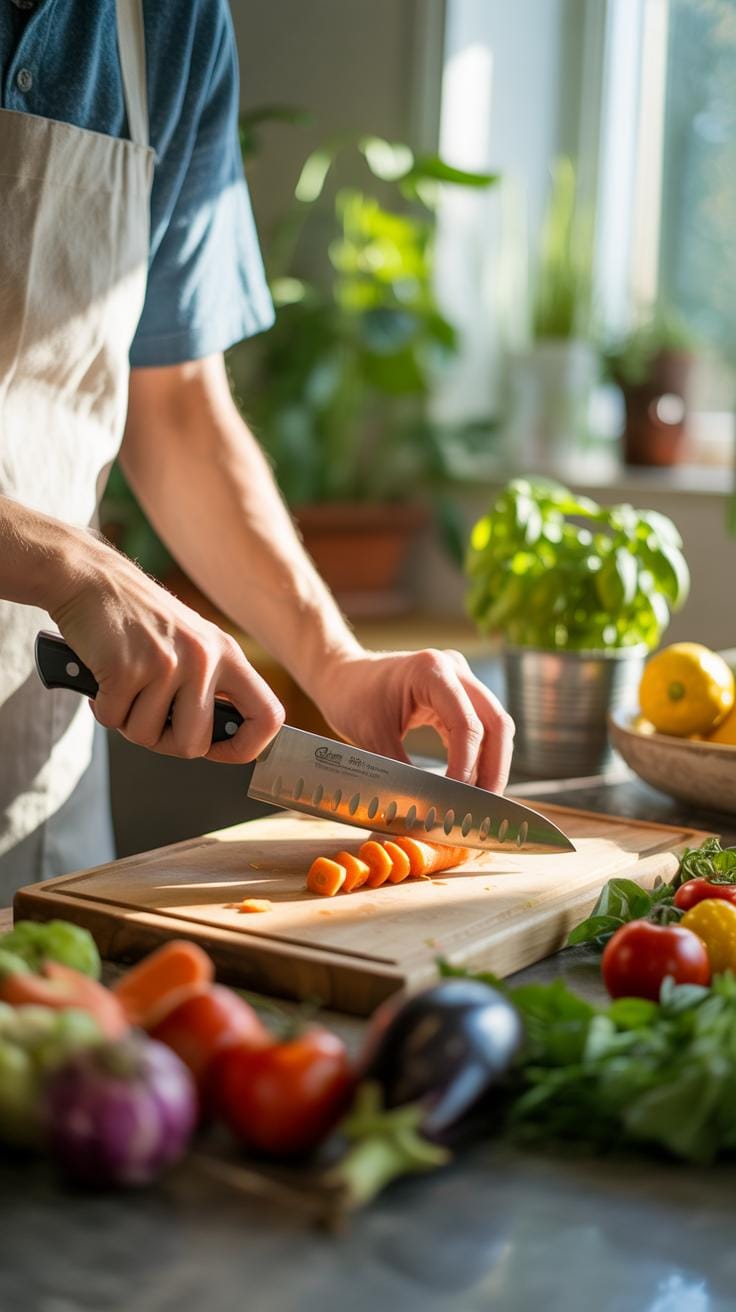
When it comes to meal prepping, the ingredients you choose can make a big difference—not just in taste but also in how you feel throughout the day. Focusing on whole grains, lean proteins, and plenty of vegetables sets a solid foundation for your meals. It’s simple in theory, but sometimes picking the right items can feel a bit overwhelming. Let’s break it down.
Select Whole Grains
Whole grains, unlike refined ones, keep most of their natural fiber and nutrients intact. That fiber slows digestion and helps you feel fuller longer, which can be pretty handy when you’re trying to keep portions in check. Think brown rice, quinoa, oats, or whole wheat pasta instead of white rice or white bread. Honestly, sometimes I find myself missing the fluffy texture of refined grains, but the benefits of whole grains—like better blood sugar control and digestion—win me over more often than not.
Choosing whole grains also means you’re getting more vitamins, minerals, and antioxidants. It adds a subtle richness to your meals that might not be obvious at first, but you might notice it over time, in sustained energy or less frequent cravings. If you haven’t tried swapping out refined grains for whole grains in your prep yet, you might want to give it a shot. Just be prepared for a slightly different texture and taste, which, I think, grows on you.
Pick Lean Proteins
Proteins are the building blocks, right? But not all proteins are created equal when it comes to health. Choosing lean meats like chicken breast or turkey, fish like salmon or cod, and plant-based options such as beans and lentils can reduce your intake of unhealthy fats while still providing essential amino acids.
Lean proteins support muscle repair and keep you feeling satisfied—something I really notice after a busy day when hunger hits hard. Fish, in particular, comes with omega-3 fatty acids, which many of us don’t get enough of. On the other hand, legumes offer fiber and slow-releasing carbs alongside protein, which sort of double up on nutrition. I sometimes wonder if the variety of legumes in a meal might actually help make eating less monotonous, even in routine meal prep.
So, mixing lean meats, fish, and plant proteins helps keep meals interesting and balanced. You don’t have to go all-in on each type every week, but including a range of these choices can make your meal prep healthier and less boring over time.
Safe Food Storage
Use Proper Containers
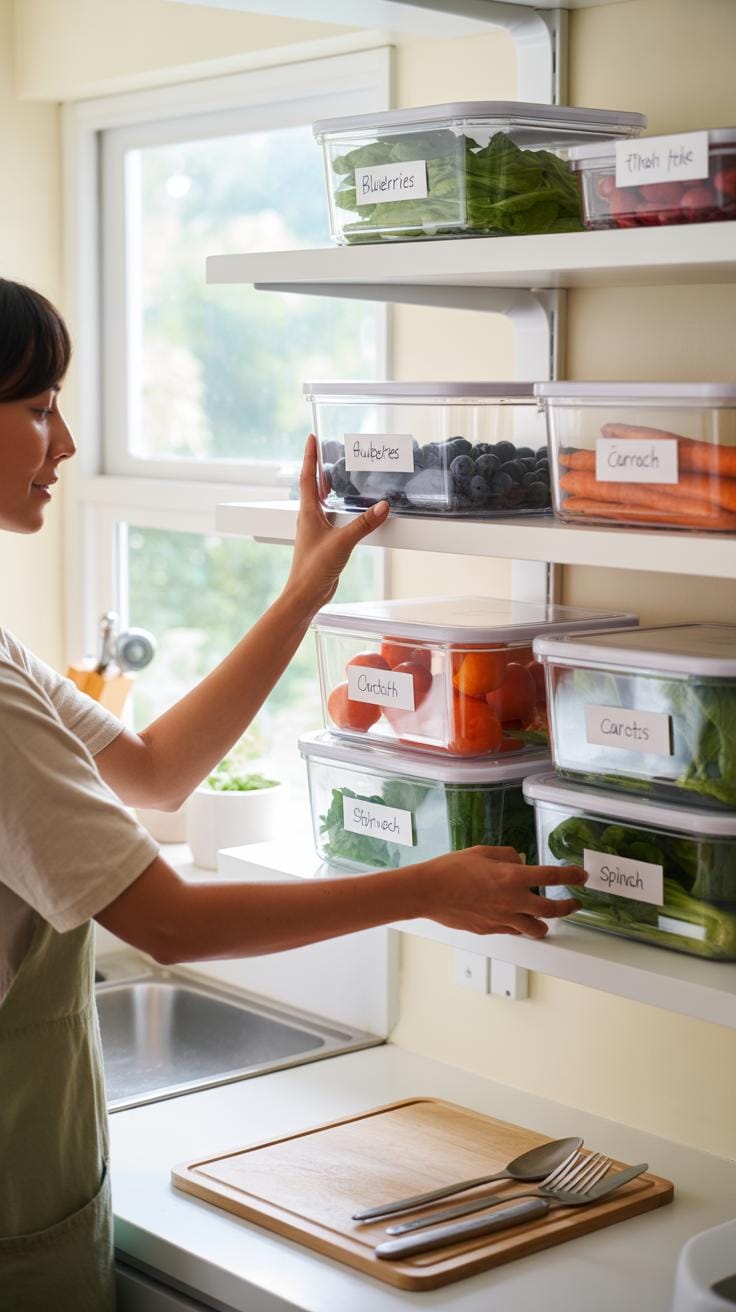
Storing your prepped meals in the right containers is more than just neatness—it actually helps keep your food fresh longer. I tend to reach for airtight containers because they limit exposure to air, which slows down spoilage. Glass ones are great because they don’t stain or retain odors, but sturdy plastic containers with tight lids work fine too. Sometimes, I’ve found that certain containers don’t seal properly, so it pays to test them before prepping a whole week of meals.
Labeling your containers is almost as crucial. I usually scribble the date and what’s inside with a permanent marker or sticky label. It helps me avoid guessing on freshness, which I sometimes do—especially when faced with similar-looking leftovers. Having a clear date system means less food waste and less “Is this still safe?” moments.
Refrigerate or Freeze
Knowing when to refrigerate and when to freeze is a bit of a judgment call. If you plan to eat the food within a few days—say, three to four—then the fridge is perfect. I try not to exceed that window because even the best storage won’t stop bacteria indefinitely. For anything longer, freezing is your best bet to keep meals from spoiling.
Freezing does change texture sometimes, though. So, for veggies or grains, I often freeze portions separately and thaw only what I need, avoiding soggy messes. If you’ve made soups or stews with a lot of broth, freezing works particularly well. But, if your meal includes fresh salads or dressings, those should stay refrigerated and be added just before eating.
Do you find it tricky to know what lasts how long? I do, depending on the meal. Over time, you kind of pick up a sense of what freezes well and what’s better fresh. Still, when in doubt, freezing buys you extra time—and peace of mind.
Making Meal Prep Fun
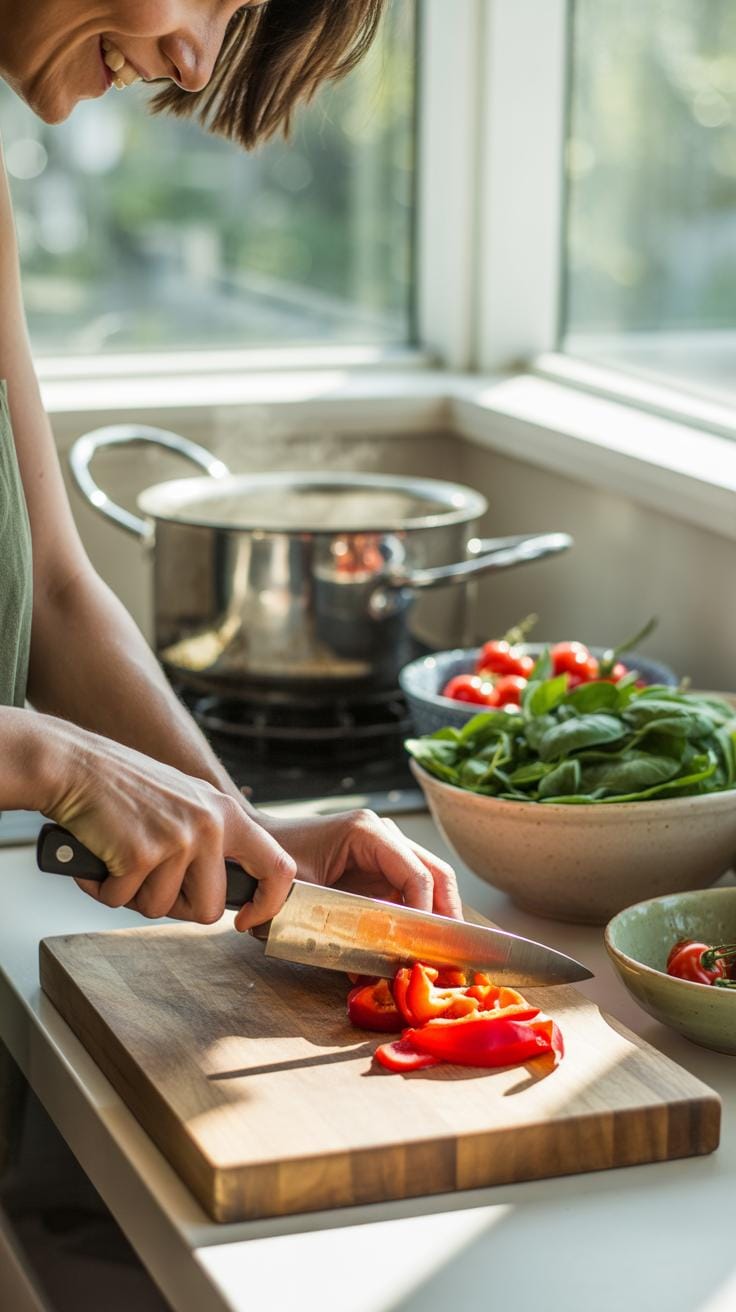
Meal prepping can feel like a chore if you just see it as a routine task. But there are ways to keep it enjoyable, or at least less dull. One simple approach is to try new recipes. Sticking to the same meals week after week can make things stale, and you might find yourself losing interest quickly. Why not pick a recipe you’ve never made before, maybe something a bit outside your comfort zone? It doesn’t have to be fancy—just different enough to spark your curiosity. Sometimes, a little flavor twist or a new ingredient can make a big difference.
Another way to keep meal prep fun is to bring others into the process. Cooking with family or friends can lighten the workload and add some social energy. Having someone else chopping, stirring, or even tasting keeps the atmosphere lively. I’ve noticed that when I prep meals with my partner, time passes faster and it feels more like a shared activity than a tedious task. Plus, it’s an easy chance to catch up or share stories while being productive.
So, what could you try this week to shake things up? Maybe challenge yourself with a new dish or invite someone to join your prep session. It doesn’t have to be perfect—just different enough to keep you coming back for more.
Adapting Meal Prep to Your Life
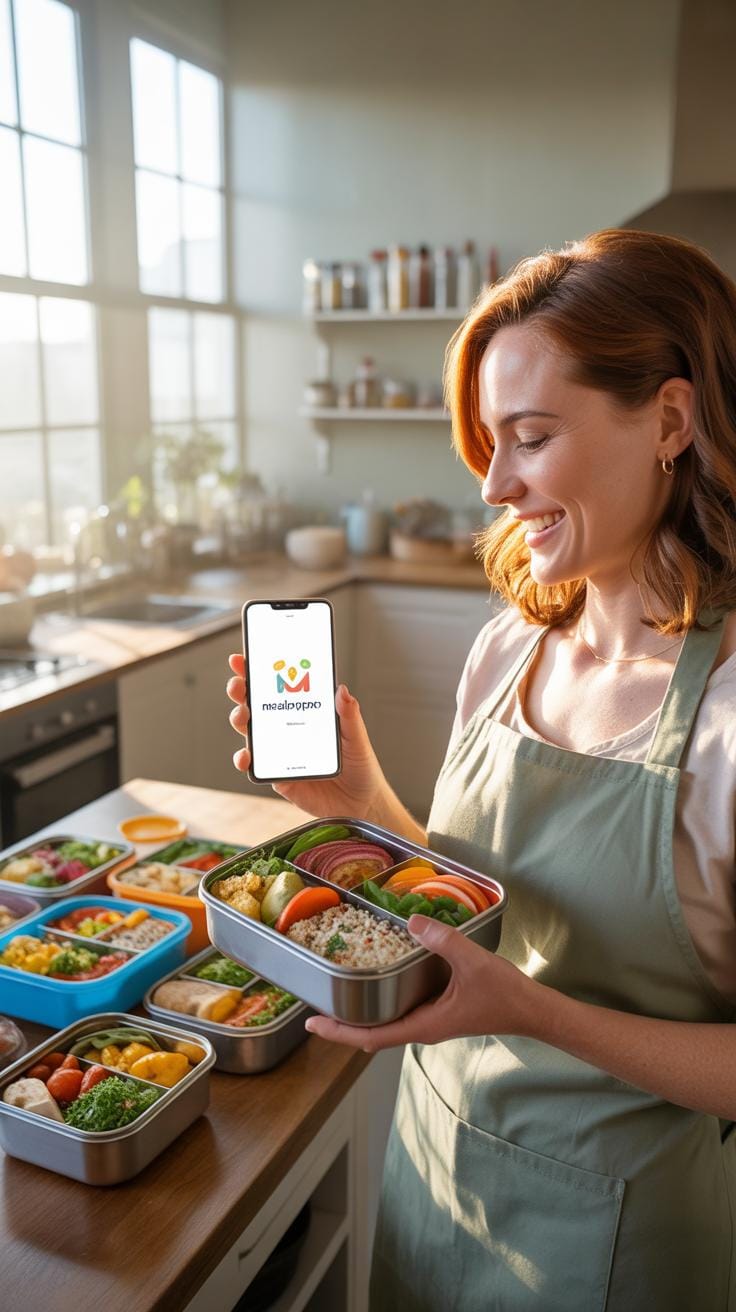
Meal prep isn’t one-size-fits-all. Your routine, your kitchen, and your tastes all change how you approach it. Think about your schedule first. Maybe you only have 10 minutes some evenings. That’s okay. Instead of complicated meals, focus on quick staples—roasted veggies, pre-cooked grains, or simple proteins like eggs or canned beans. You can build fast bowls or wraps from these without starting from scratch every day.
For really busy days, snacks can be a lifesaver. Pre-portion nuts, cut fresh fruit, or keep hummus with veggie sticks ready in the fridge. They don’t need reheating, which saves time and energy.
Now, if you have dietary restrictions or preferences, meal prep might feel tricky. But it doesn’t have to be. Allergies? Swap out ingredients or try allergy-friendly alternatives. Vegan? Use plant-based proteins like lentils, tofu, or chickpeas instead of meat. You might discover new favorite dishes along the way.
Honestly, I’ve found that adjusting recipes as you go, rather than trying to plan perfectly from the start, helps meal prep feel less stressful. So, maybe don’t aim for a complete overhaul right away—just small tweaks that fit your lifestyle. What could you try changing this week that would make meal prep less overwhelming?
Staying Consistent With Meal Prep
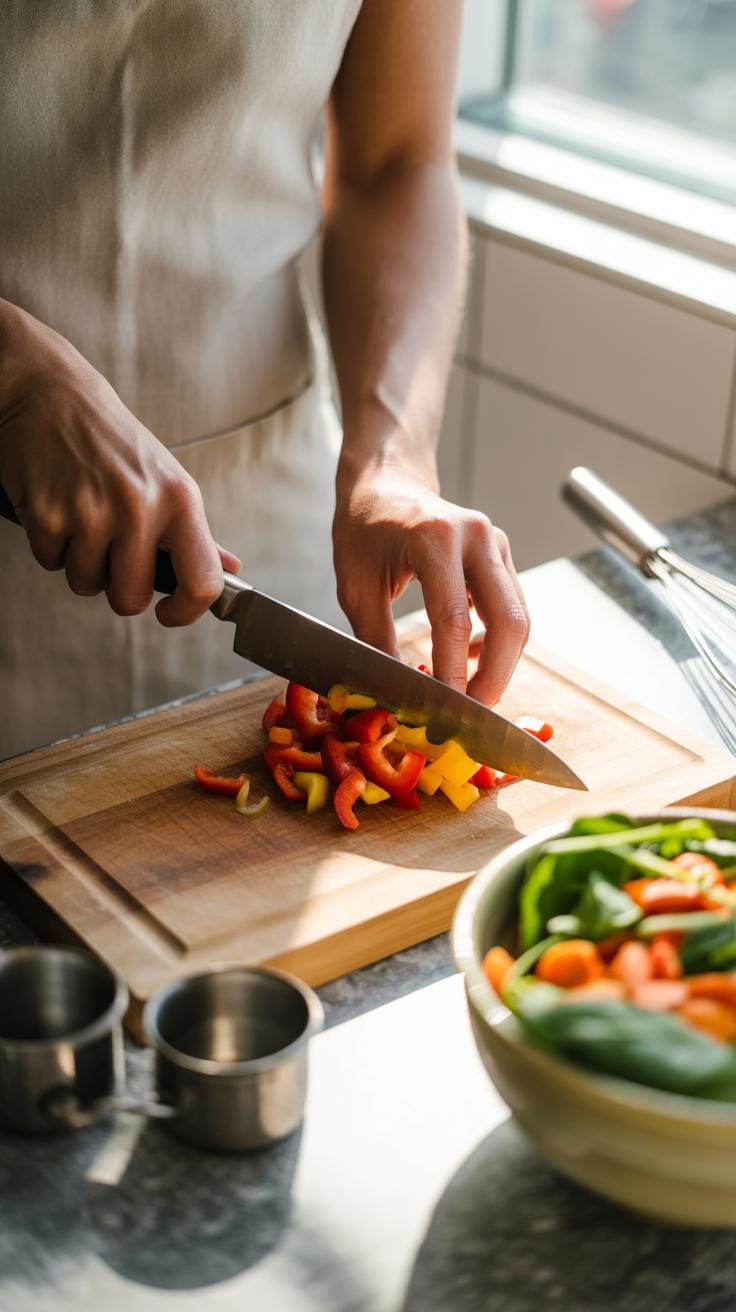
Building a lasting meal prep habit doesn’t happen overnight. It’s easy to feel motivated at first but then get overwhelmed or distracted. The key is to start small and set realistic goals you’re actually comfortable with. For example, try prepping just one or two meals a week instead of aiming for every single day. Little wins like these add up and help you avoid burnout.
Tracking your progress can also keep you on track. You might jot down what meals you prep each week or take quick notes about what worked and what didn’t. Maybe you realize you hate chopping certain veggies or that some meals don’t keep well. That’s useful info. Adjust as you go, don’t expect perfection.
Consistency is messy and imperfect. Some weeks will be better than others. But if you keep your goals manageable and observe your habits honestly, meal prep becomes part of your routine rather than a chore. Have you thought about how meal prep fits into your day-to-day life? It pays off to check in with yourself often and tweak your approach, even if only slightly.
Conclusions
Meal prepping makes a difference in your daily eating habits. When you plan and prepare in advance, you avoid unhealthy choices and save money. Using simple strategies helps you keep your meals nutritious and varied.
By starting with small steps, you create a routine that suits your needs. This approach gives you more energy and helps you stick to your health goals. You can enjoy meals that support your well-being without spending hours in the kitchen every day.