
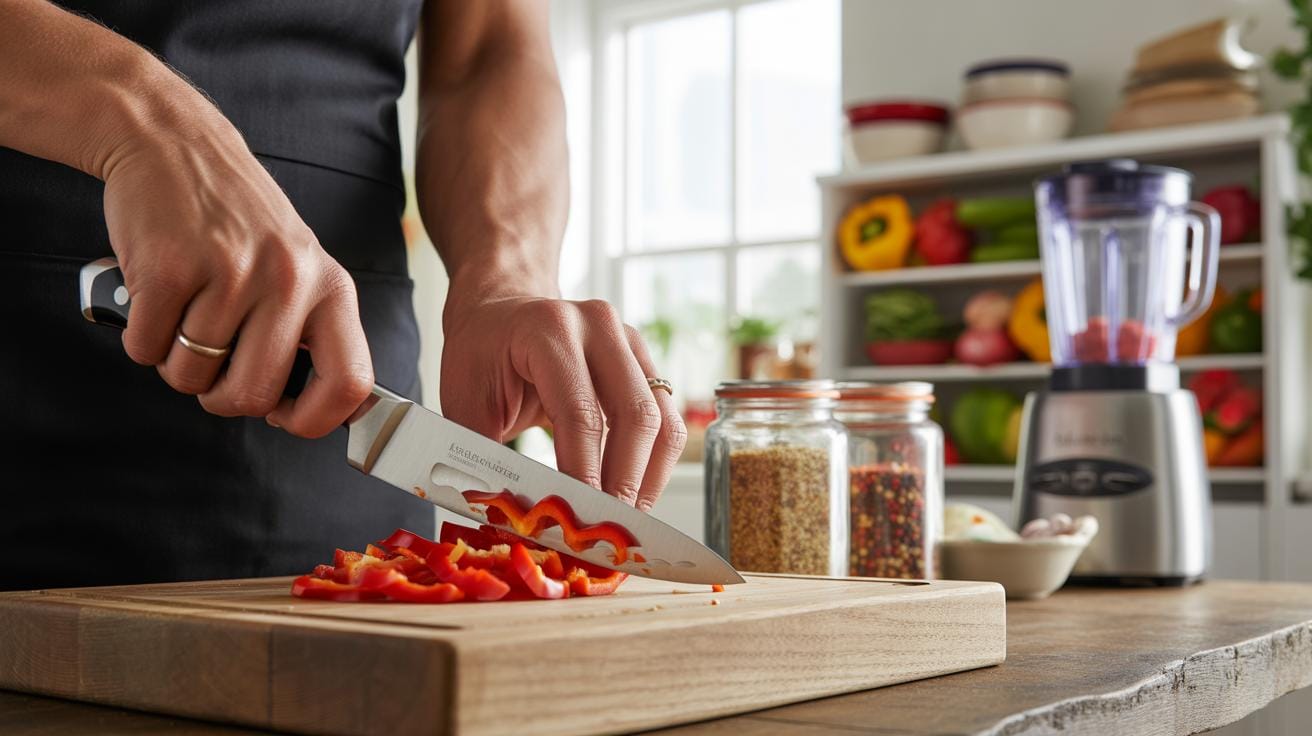
How Meal Prepping Saves Time and Money
Meal prepping helps you prepare meals ahead of time and can save you hours throughout your week. It also helps you save money by reducing the need to buy expensive takeout or eat out often. When you plan and cook your meals in advance, you control the ingredients and portions to eat healthier.
This article explores how meal prep can improve your daily routine, save you money, and keep your meals healthy. It will guide you through planning meals, choosing the right foods, storing meals safely, and making meal prep a simple habit.
Benefits of Meal Prep
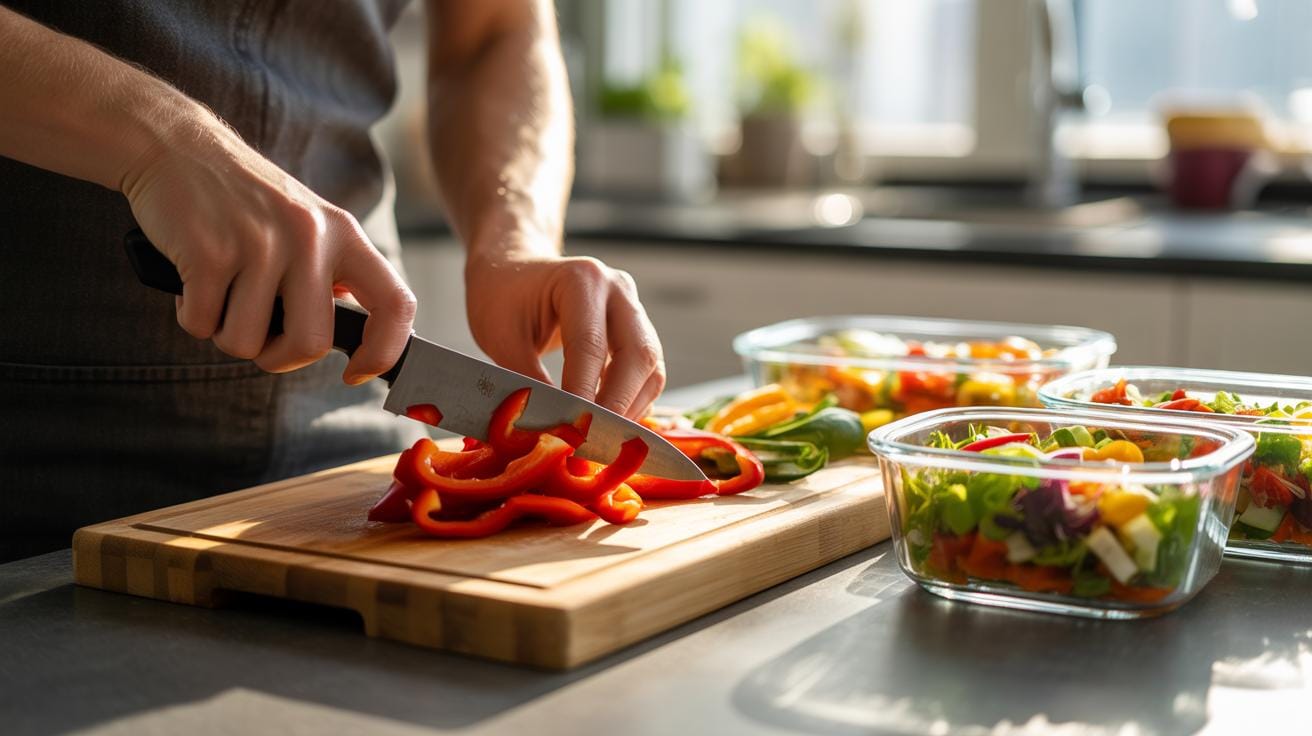
Meal prepping can feel like a bit of work upfront, but it pays off in ways you might not expect, especially when it comes to saving time and money. Think about those hectic weekdays when you barely have a moment to breathe—having meals ready in advance cuts down the need to cook from scratch every night. Instead of scrambling, you just reheat, which can save you at least 30 to 60 minutes per day. Over a week, that adds up to several hours you can spend on other things—or just resting.
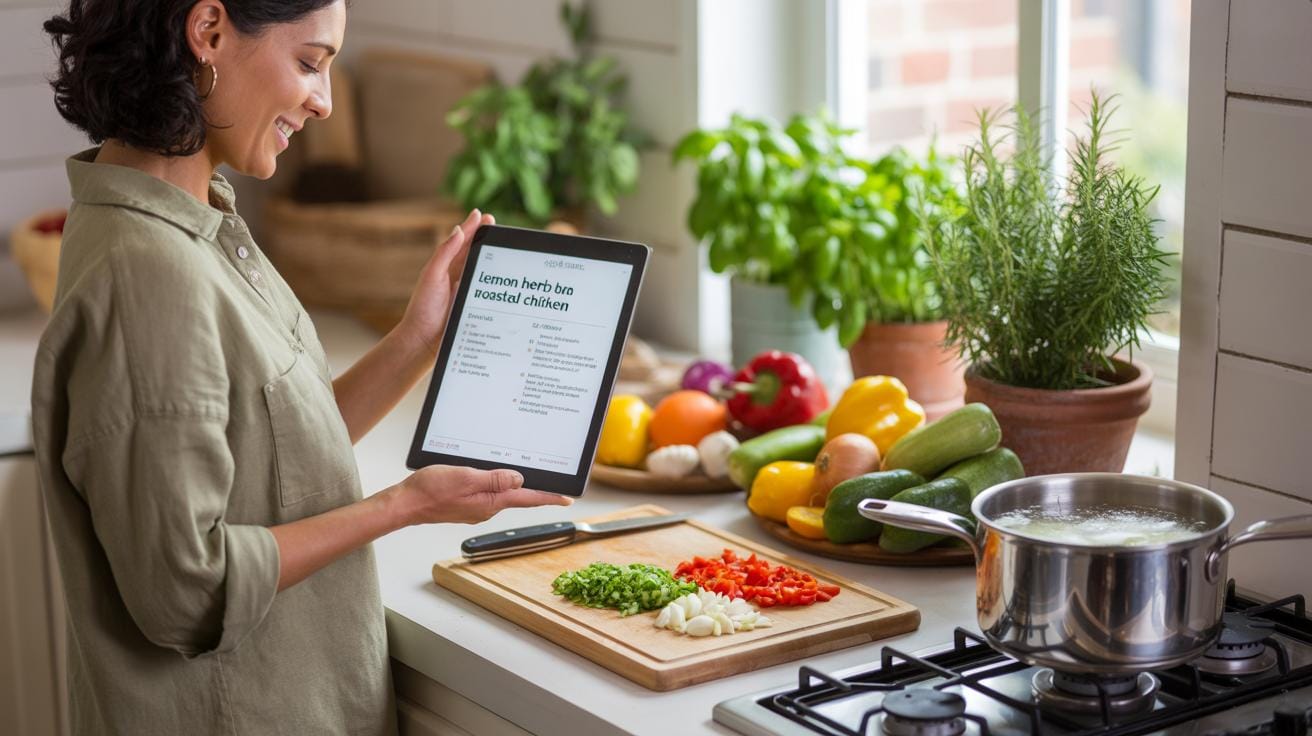
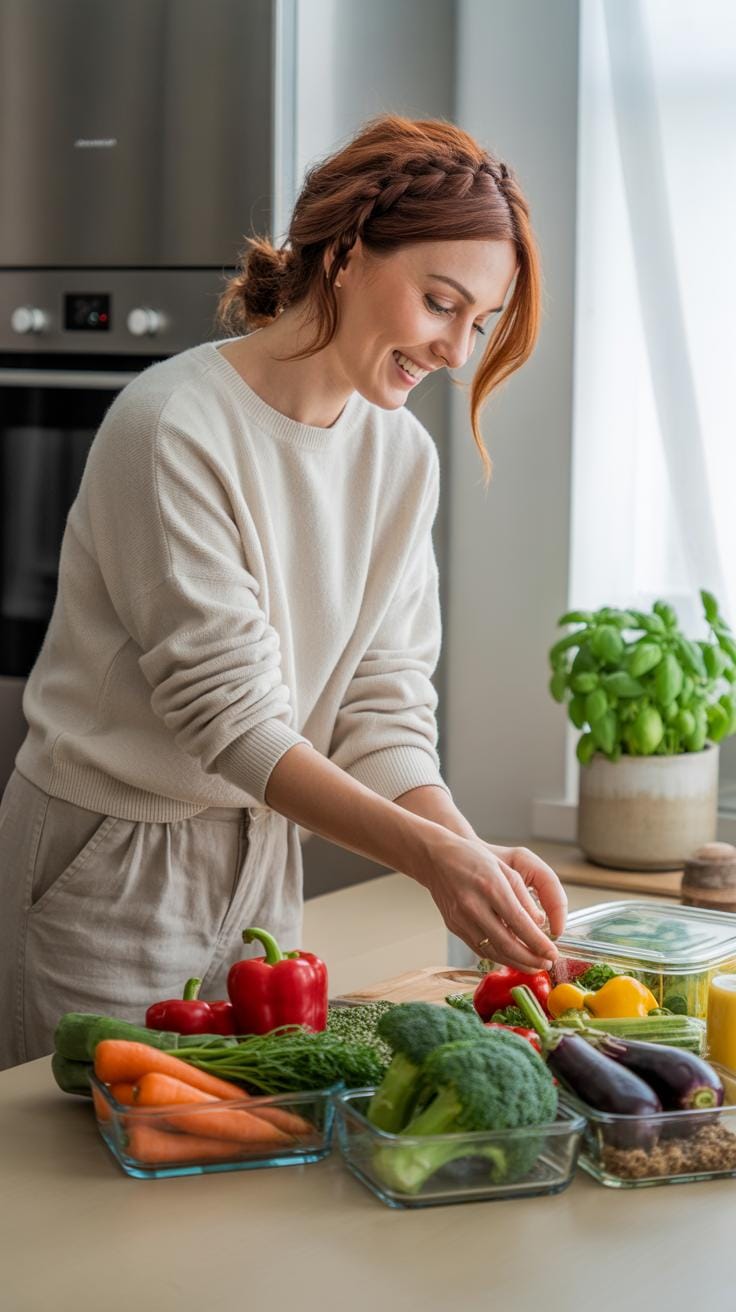
It’s not just about the clock, either. When you plan your meals early, you tend to be more organized throughout the week. No more last-minute dashes to the store or deciding what to eat when you’re starving. It changes how you approach your week. For instance, setting aside time on Sunday to prep some basics can free up your evenings and reduce stress.
Money is another big one. Eating out or ordering in racks up quickly. According to the USDA, cooking at home for a family of four can cost less than half per meal compared to dining out. That really hits home when you look at your monthly spending. When you prepare meals, you buy ingredients in bulk and avoid impulse buys, which means fewer wasted groceries piling up in the fridge.
Plus, cooking at home makes it a lot easier to control what goes into your food. You might go for healthier options without realizing it. Preparing meals allows you to aim for balanced portions and ingredients that suit your diet, potentially reducing expenses on supplements or snacks you don’t really need.
But, is meal prepping always the best choice? Sometimes, it feels restrictive or repetitive. Yet, with a little variety in recipes, it’s surprisingly manageable. Have you noticed how having food ready can actually shift your relationship with eating? It might just change your whole routine in a way you hadn’t thought about.
Planning Your Meals
Choosing Recipes
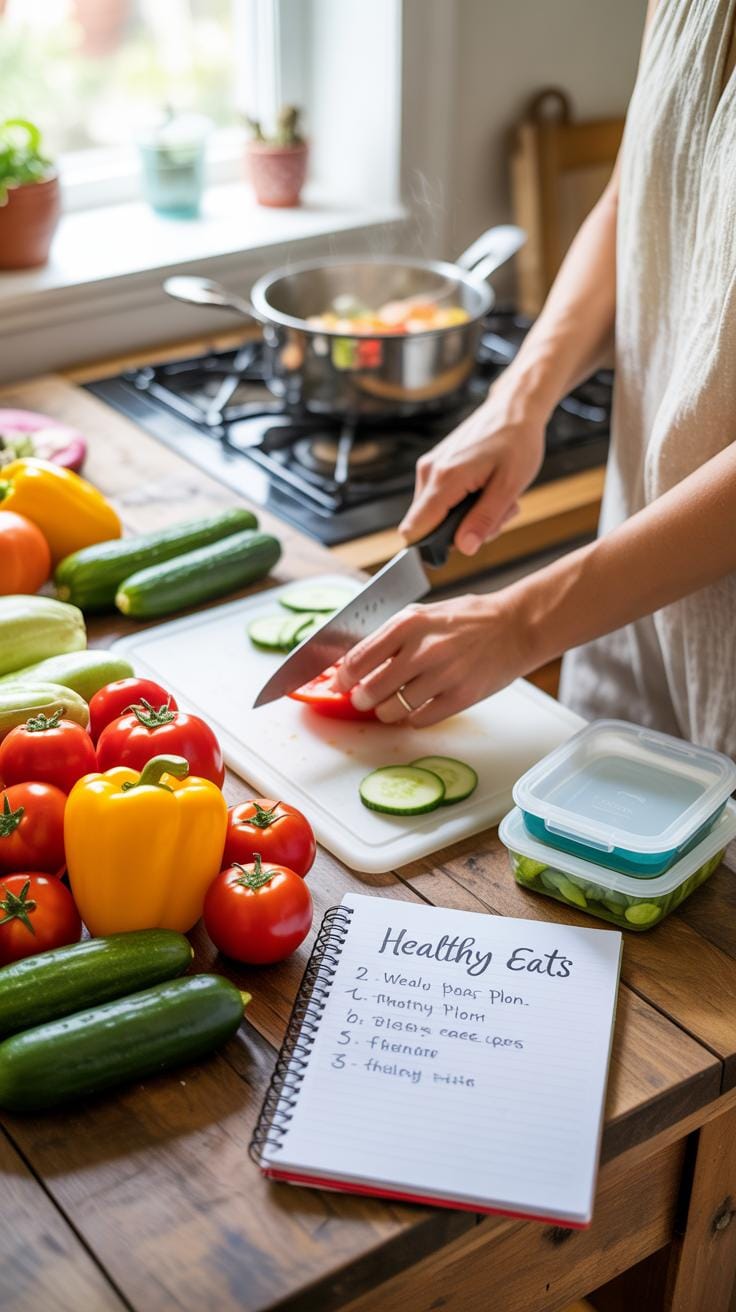
Picking recipes that fit your week isn’t always simple, but it’s key to keeping meal prep manageable. I think starting with meals that store well is a good idea. Think stews, grain bowls, or roasted veggies—they tend to last several days in the fridge without losing texture or flavor. Of course, it depends a bit on your taste and schedule. If you prefer fresher meals, maybe limit batch cooking to only a few main dishes.
Look for recipes with few ingredients that overlap. For instance, if you plan a chicken quinoa bowl and a chicken soup, it cuts shopping and prep time. Recipes that allow easy portioning are helpful too. Don’t shy away from repeating favorites—you might get bored sometimes but having a few go-to dishes saves you decision fatigue. Keep your cooking time in mind as well. Quick options can make the week feel less overwhelming.
Creating Shopping Lists
Making a list that matches your meal plan helps avoid buying extras you won’t use. Start by jotting down all ingredients from your recipes, then check what you already have. It’s tempting to grab “just in case” items, but sticking close to the list is where the real savings happen. If you’re unsure about quantities, consider common package sizes—you don’t want a huge surplus that ends up discarded.
Organize your list by sections of the store. Grouping fresh produce together, then pantry staples, and so on, can speed up shopping. Some people find apps helpful for this, others prefer paper lists. Either way, think about the order that makes sense for your store layout. And don’t forget to factor in snacks or extras you’ll need for the week—that’s sometimes the source of wasted money if overlooked.
Selecting Healthy Ingredients
Fresh Vegetables and Fruits
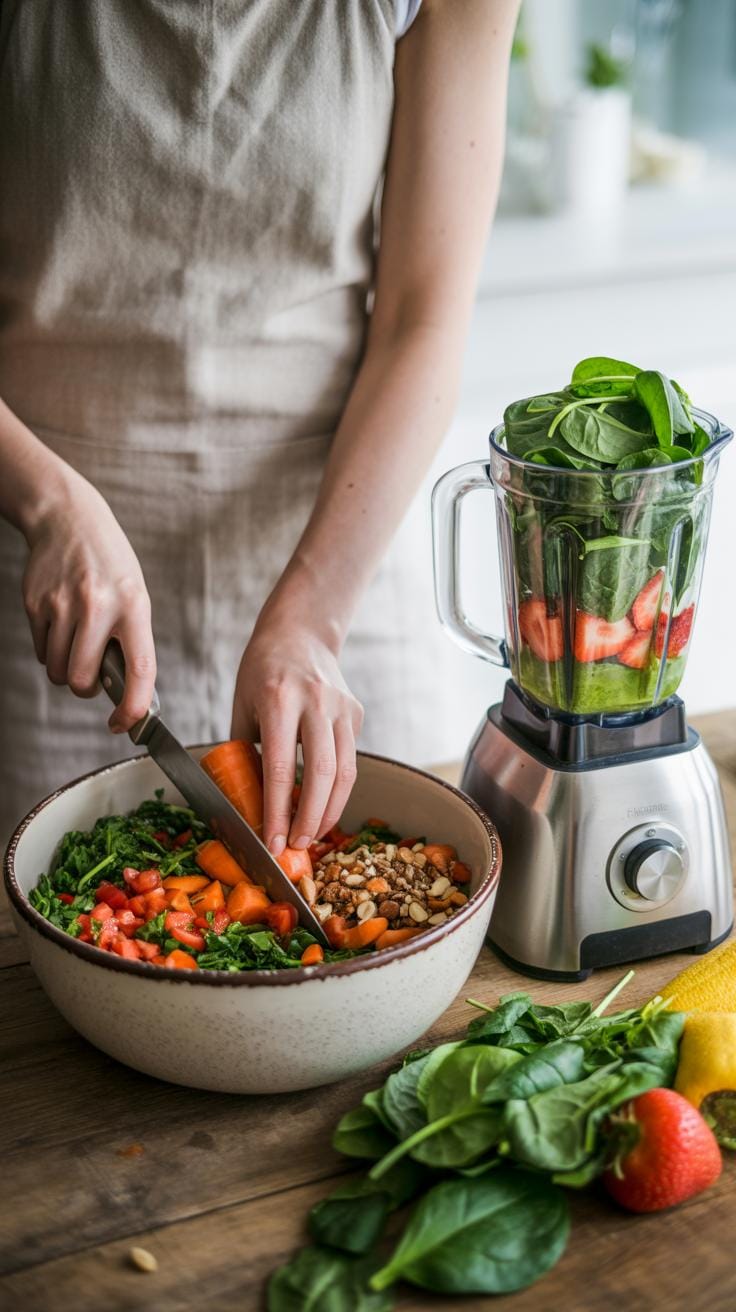
Choosing fresh vegetables and fruits makes a big difference in your meals. They’re packed with vitamins and minerals that your body actually needs. You might find yourself thinking a frozen bag of peas is just as good, but fresh produce usually offers more flavor and a better nutrient profile. Including a variety of colors on your plate isn’t just for looks—it often means you’re covering a wider range of nutrients.
I’ve noticed that when I stock up on fresh greens like spinach or kale, I feel more energetic during the day. Maybe you’ve experienced that too—fresh tomatoes or berries brighten up a meal and provide antioxidants that can be tough to get elsewhere. Plus, fresh produce tends to encourage you to eat more whole foods instead of processed snacks. It’s not always perfect, though; fresh items can spoil quickly if you don’t plan properly, so picking what you’ll actually use is key.
Lean Proteins and Whole Grains
Lean proteins like chicken, fish, and beans are the backbone of a healthy meal. They help repair your body and keep you full longer. I sometimes overlook beans because they take longer to prepare, but pre-cooked options make it easier. Whole grains—think quinoa, brown rice, or oats—add fiber and energy without the crash sometimes linked to refined carbs.
It can be tempting to go for white bread or pasta because they’re familiar, but switching to whole grains can improve digestion and stabilize blood sugar. Of course, not everyone likes whole grains equally. I know some folks who avoid them because of texture or taste, but even small changes—like mixing quinoa with regular rice—can help. Balancing proteins and grains offers steady fuel, which is ultimately what keeps your meal prep sustainable.
Meal Preparation Techniques
Cooking in Batches
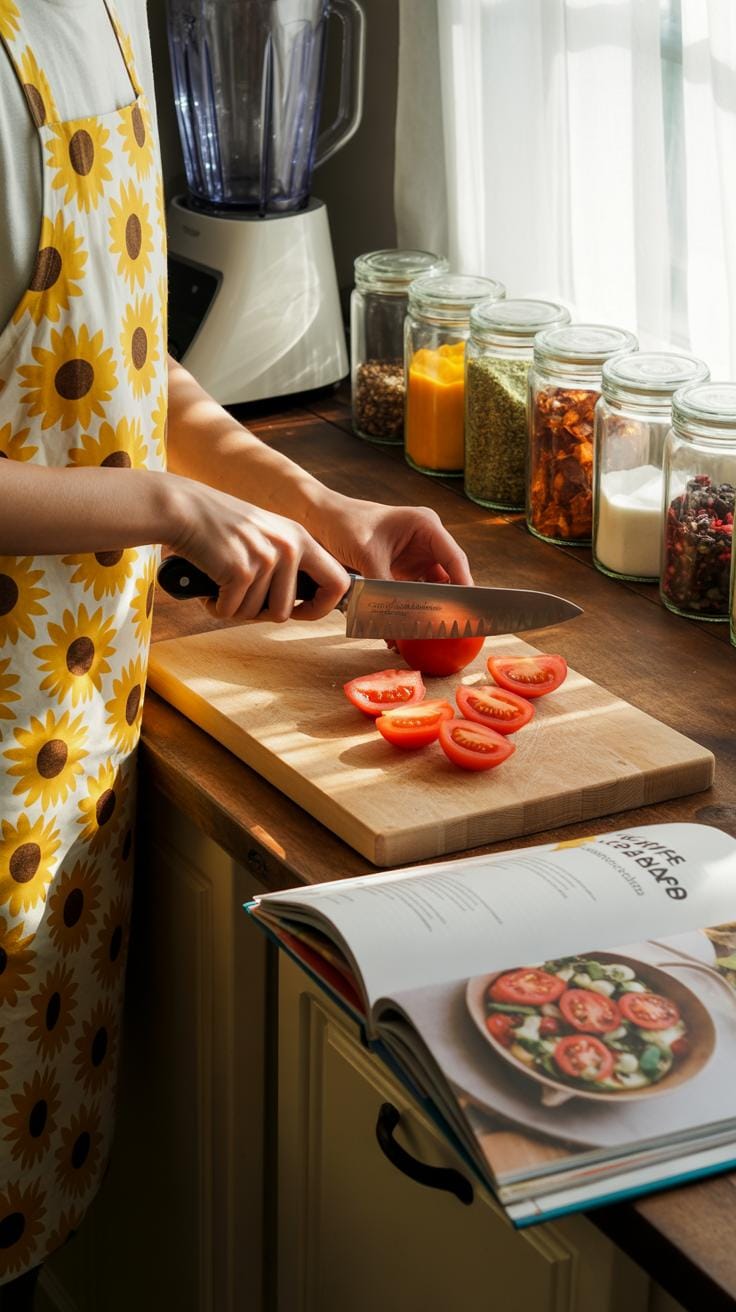
Cooking in batches is one of those things you might underestimate until you actually try it. You make a big pot of stew or a tray of roasted vegetables once, then portion it out for several meals. Suddenly, your weeknight dinners don’t feel like a scramble. The time saved on chopping, seasoning, and cooking multiple times is pretty noticeable.
Try thinking about your meals in terms of multiples. Instead of one chicken breast or one sweet potato, cook enough for three or four servings. It sometimes feels like you’re eating the same dish repeatedly, which can get a bit boring, but small tweaks—like swapping herbs or sauces—can keep things interesting. Also, it helps you avoid last-minute takeout decisions, which drain both your wallet and your schedule.
Proper Storage
Once your batches are ready, storing them right matters a lot. You want to keep your meals fresh and tasty, not soggy or unsafe. Glass containers with tight lids are usually a safe bet—they don’t absorb odors, and they handle temperature changes better than plastic. Labeling each container with a date helps too; it’s a simple step but I often forget and end up throwing perfectly good food away just to be safe.
Freeze meals if you don’t plan to eat them within three to four days. Most cooked dishes freeze well, but watch out for ingredients like potatoes or lettuce that don’t hold up as well. When reheating, stirring halfway through helps warm food evenly and keeps textures better. Experiment a bit—sometimes meals reheat better in an oven rather than a microwave, but that depends on your patience and available time.
Balancing Nutrition
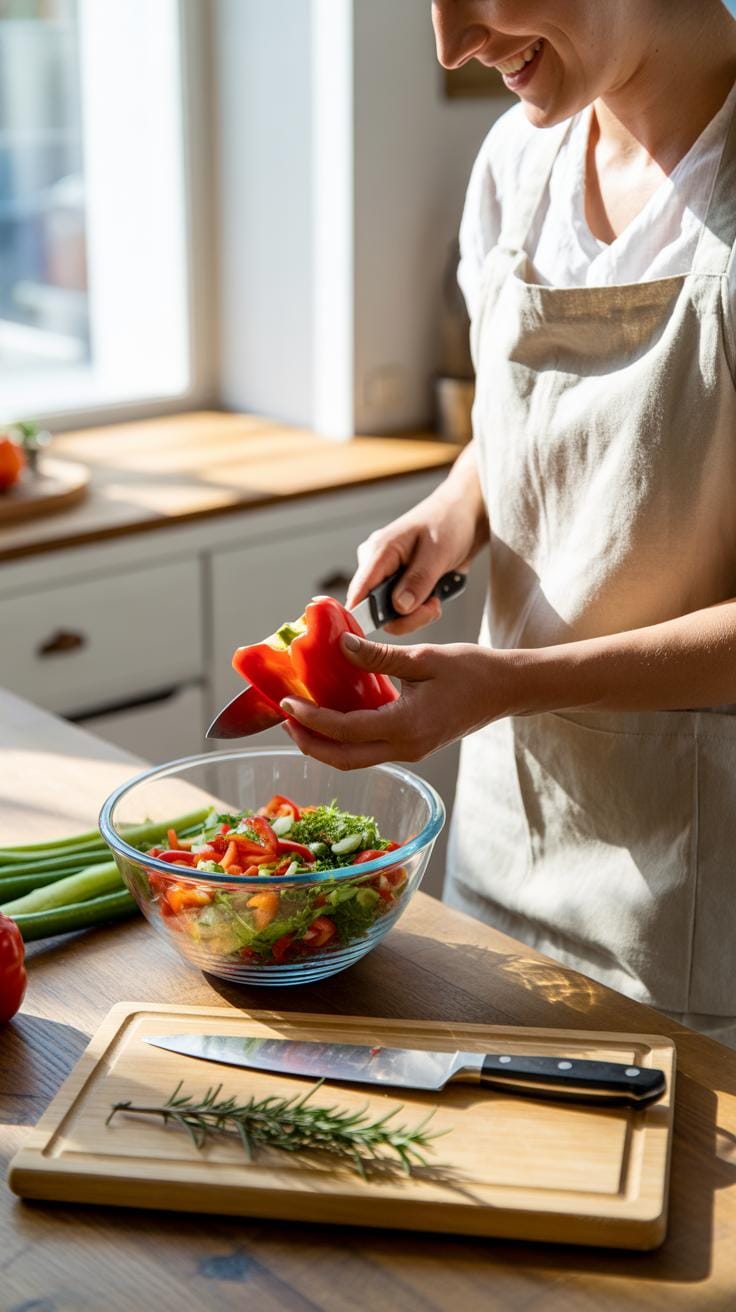
When you’re putting together meals ahead of time, figuring out the right balance of nutrients can feel a bit tricky. What exactly should your plate look like? The goal is to fuel your body with what it needs without overdoing anything.
Portion control plays a big role here. If you pile on too much protein or carbs, you might end up feeling sluggish later. Too little, and your energy can crash unexpectedly. I’ve learned that using simple tools like a food scale or even your hand to estimate portions makes a noticeable difference. For example:
- A palm-sized portion of protein (like chicken or tofu)
- One cupped hand of grains (think rice or quinoa)
- A fist full of vegetables
- A thumb-sized amount of healthy fats (like nuts or avocado)
This rough guide keeps things manageable without obsessing over every calorie.
Including all food groups isn’t just about variety; it’s about how they work together. Vegetables bring fiber and micronutrients. Proteins repair and build tissue. Grains offer sustained energy. Fats support brain function and hormone balance. Skipping any one group feels like missing a puzzle piece, even if the meals still taste fine.
Have you noticed how meals that hit this balance often leave you more satisfied? Sometimes you don’t realize what you’re missing until you try it the right way. It doesn’t have to be complicated. Just a little planning and a modest mix of these elements can help you keep going all day—without rushing to grab snacks or feeling weighed down after eating.
Avoiding Common Meal Prep Mistakes
Storing Meals Incorrectly
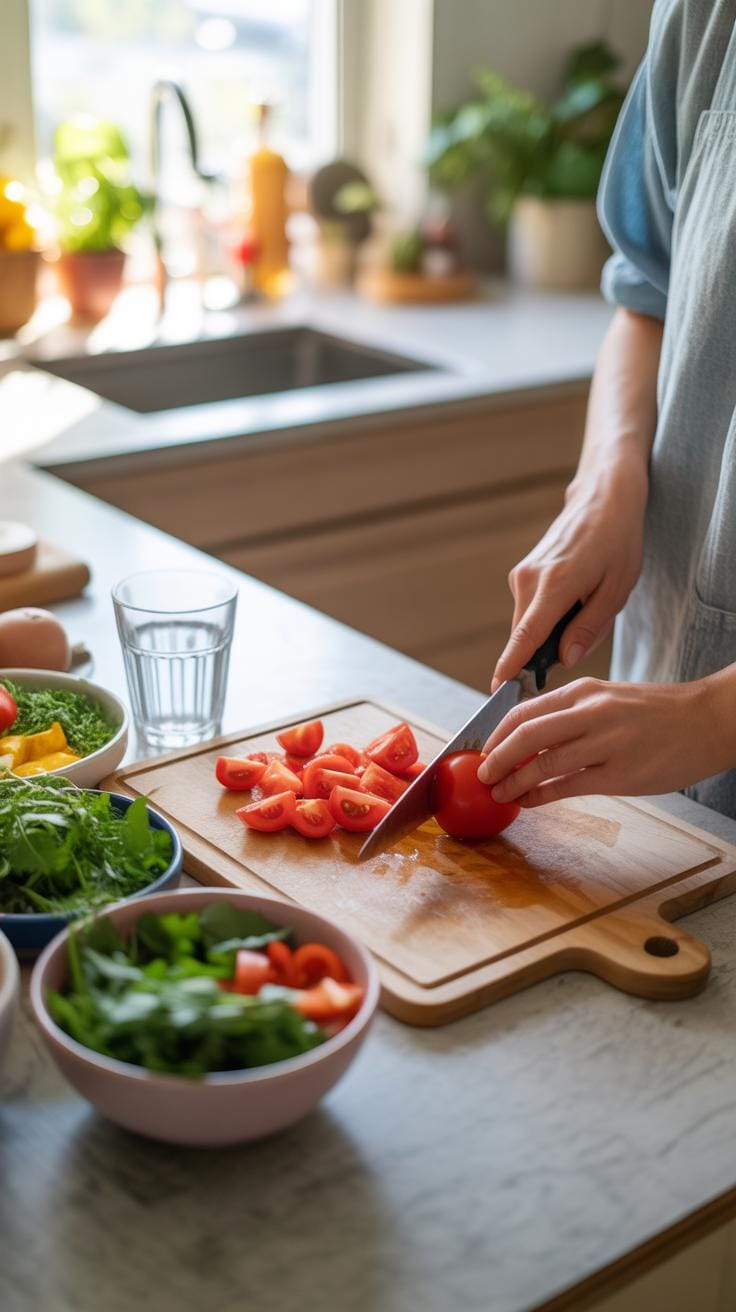
One of the biggest pitfalls in meal prepping is storing food the wrong way. Poor storage can lead to fast spoilage or even foodborne illnesses. Sometimes, you might think something is fine just because it looks okay, but bacteria can grow silently. I’ve had a few disappointments when meals went bad quicker than expected—definitely frustrating and wasteful.
To avoid this, use airtight containers that seal well. Glass containers are usually better than plastic, as they don’t retain odors or stains. Labeling meals with dates helps keep track, so you don’t end up eating something past its prime. Also, refrigerate meals promptly after cooking. Leaving hot food out too long can cause it to spoil quicker.
Freezing leftovers is another option, but be mindful that some ingredients don’t freeze well—like soft greens or certain dairy products. You can try separating sauces from main dishes before freezing. That little step can save a meal’s texture and taste.
Lack of Variety
Eating the same thing every day is a quick way to lose interest in meal prepping. I’ve definitely hit that wall—a few weeks into prep, I’m just over it. When meals feel repetitive, it’s harder to stick with healthy choices.
Mixing up recipes and ingredients keeps things fresh. Try swapping proteins: use chicken one week and lentils the next. Play around with spices and herbs; even a slight change can give a familiar dish a new twist. Seasonal vegetables offer variety and can be budget-friendly too.
Planning a flexible menu can help. Instead of rigidly following a single recipe all week, build meals around interchangeable components. This way, you have more options without extra effort. And if you feel like experimenting, try international flavors or new cooking methods—grilling, roasting, or steaming.
It might take a bit more effort upfront, but keeping variety in your meal prep can stop you from dreading every container in the fridge.
Using Leftovers Creatively

Recipes for Leftovers
Leftovers don’t have to be boring or just reheated meals. In fact, they can become the base for completely different dishes that feel fresh and new. Think about leftover roasted chicken – instead of another plain serving, chop it up and toss it with some salad greens, nuts, and a light vinaigrette to make a quick chicken salad. Or, shred the meat, mix it with some salsa, wrap it in a tortilla, and suddenly you have a tasty burrito.
Leftover rice is another versatile ingredient. Fry it up with veggies, an egg, and a splash of soy sauce for a simple fried rice meal. Or combine leftover roasted veggies with quinoa and a dressing to transform things again. Sometimes, just changing the texture or mixing ingredients differently triggers a new appetite for what was, moments before, just “leftover food.” You might wonder if this really saves time – in my experience, these quick transformations often take less time than cooking something new from scratch.
Storage Tips for Leftovers
Keeping your leftovers fresh is key to making this approach worthwhile. The tricky part? Avoiding the “forgotten food” phenomenon at the back of the fridge. A few practical tips can help you stretch freshness:
- Use airtight containers to seal in moisture and keep out air.
- Label containers with the date you stored the food – it’s easy to lose track.
- Keep leftovers in small portions so you don’t have to reheat large quantities repeatedly.
- Cool food quickly before refrigerating to prevent bacteria growth.
- Freeze portions you won’t eat within a few days to extend their shelf life.
These habits aren’t always effortless—especially when you’re tired or busy—but a little discipline here pays off in less waste and more meals saved. How often have you tossed food because you forgot it existed? That alone should be enough motivation to start getting smarter about leftover storage.
Building a Meal Prep Routine
Setting a Prep Day
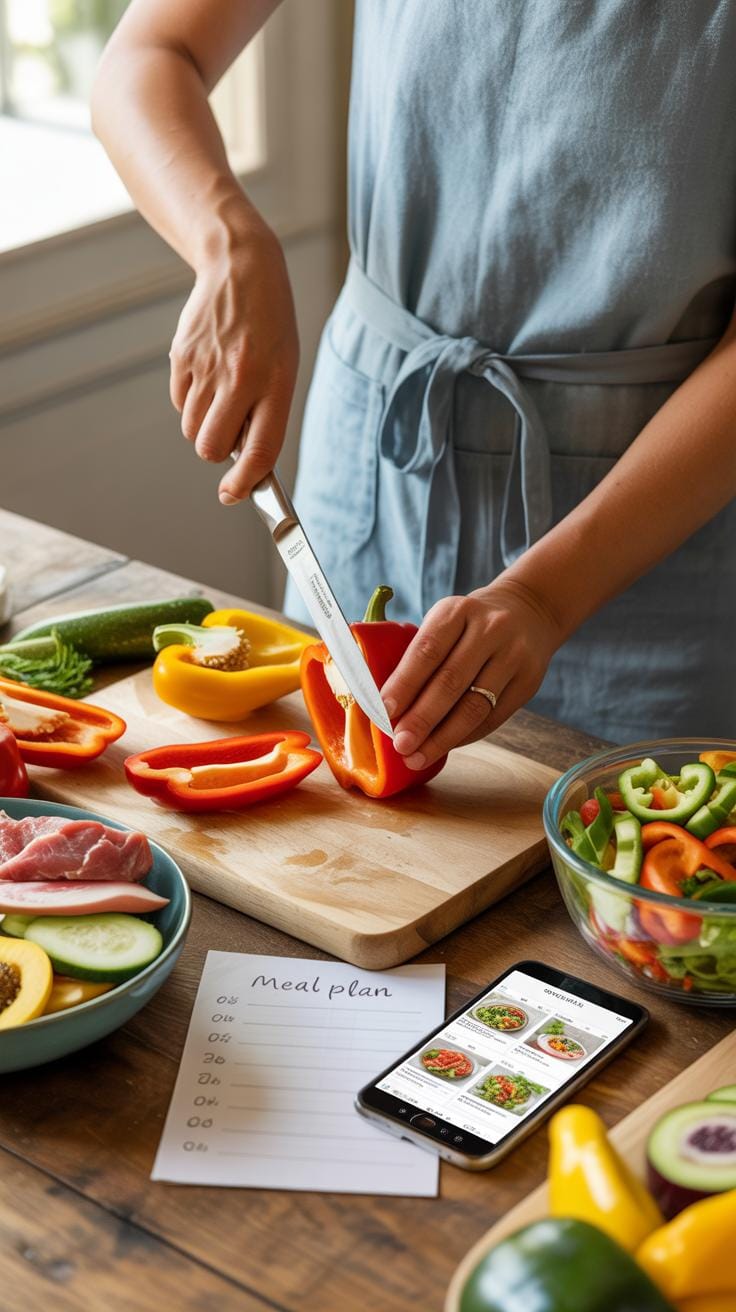
You want to make meal prep a habit, not a chore. Picking a specific day each week can help turn it into something you just do, like brushing your teeth. Think about your schedule—what day feels less hectic? Some people swear by Sunday because it sets the tone for the week, but if weekends are busy for you, maybe a weekday evening works better.
It doesn’t have to be a long, all-day event either. Even setting aside an hour or two on a quieter day can be enough to plan meals, chop veggies, or cook grains in advance. Try to keep it consistent so you don’t mentally debate it every week. It might feel forced at first, but over time, it becomes just part of your routine.
Staying Motivated
Meal prepping can feel monotonous—no doubt about it. But what helps me, and maybe you’ll find this useful too, is remembering why you started. Are you aiming to save money? Avoid last-minute unhealthy choices? Or maybe just want to carve out time later in the week for other things? Hold on to those reasons when the prep feels like a drag.
Mix things up. Try new recipes or swap ingredients to keep it from becoming dull. Also, don’t expect perfection every week. Some weeks your routine will slip, and that’s okay. And sometimes, enjoying the leftovers you made last week can boost your sense of accomplishment.
Small rewards can work too. Maybe treat yourself to a favorite snack or relax with a good show after prepping. Making it feel less like a task and more like part of your life probably sounds nicer, right?
Conclusions
Meal prep is a practical way to eat better and manage your time. When you prepare food ahead, you can avoid last-minute unhealthy choices and reduce food spending. Using fresh ingredients and planning your portions supports a healthier lifestyle.
By following meal prep tips, you gain control over your diet and budget. It takes a little effort to start, but soon it becomes a helpful routine. Eating well and saving money can be part of your daily life if you plan and prepare your meals with care.