
What Weekly Meal Prep Involves
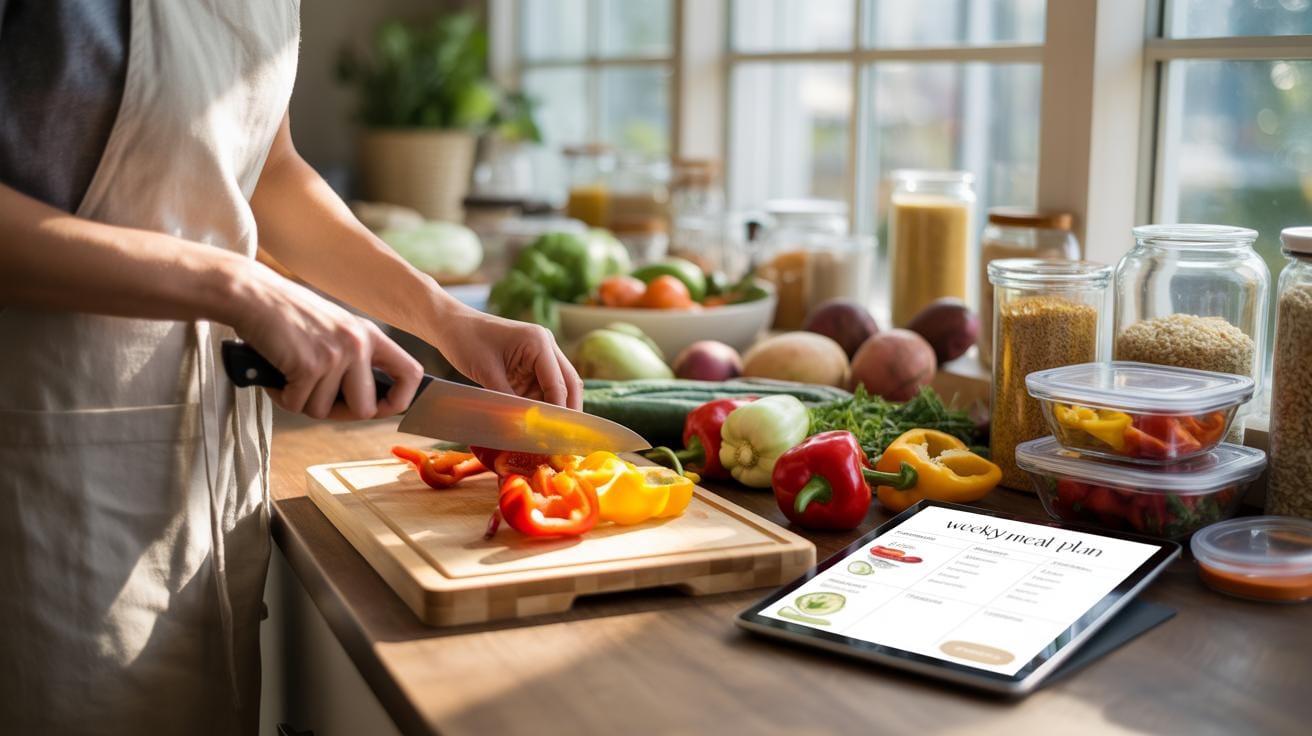
Weekly meal prep is the process of planning and preparing your meals ahead of time. This method helps you organize your eating through the week with ready-to-eat meals. It saves time and effort during busy days, making it easier to eat healthy and avoid last-minute food decisions.
In this article, you will learn about how to create weekly meal prep plans. These plans can simplify your life and help you eat better food that supports your health. From selecting the right ingredients to storing your meals properly, we cover key tips for successful meal prepping.
Benefits of Meal Prep
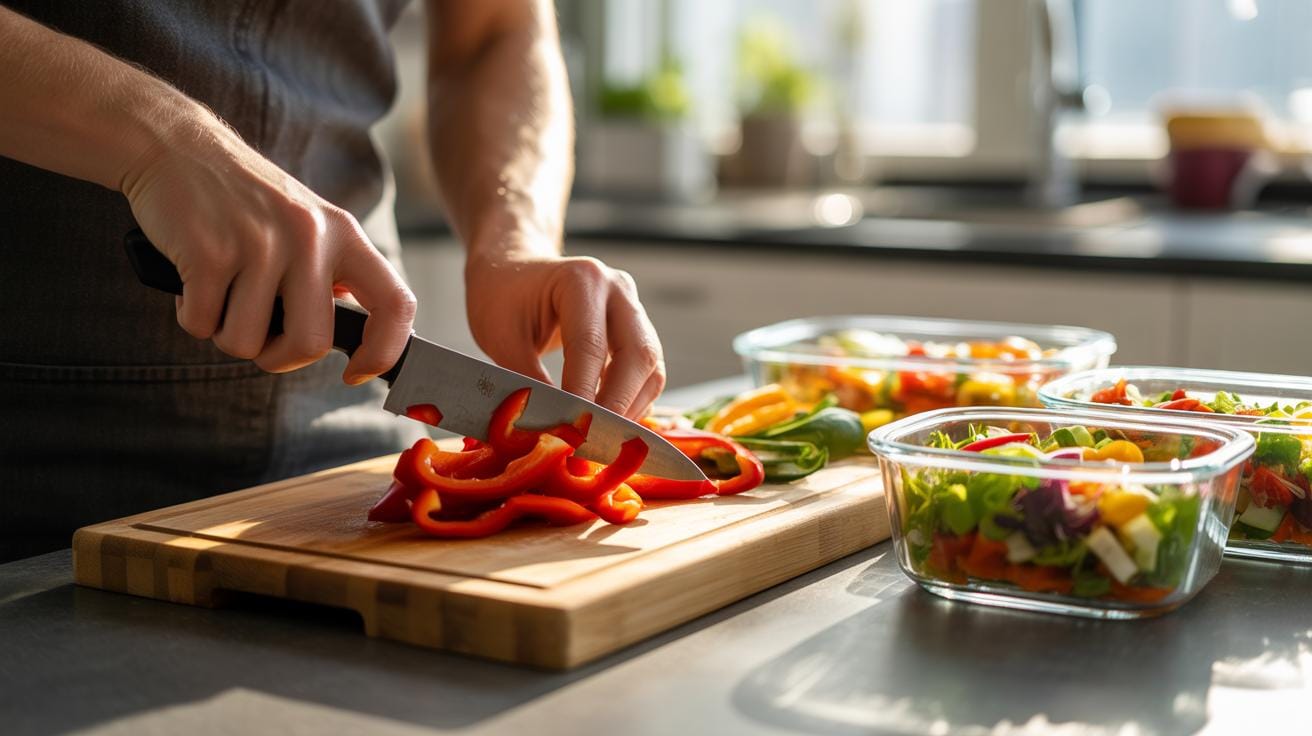
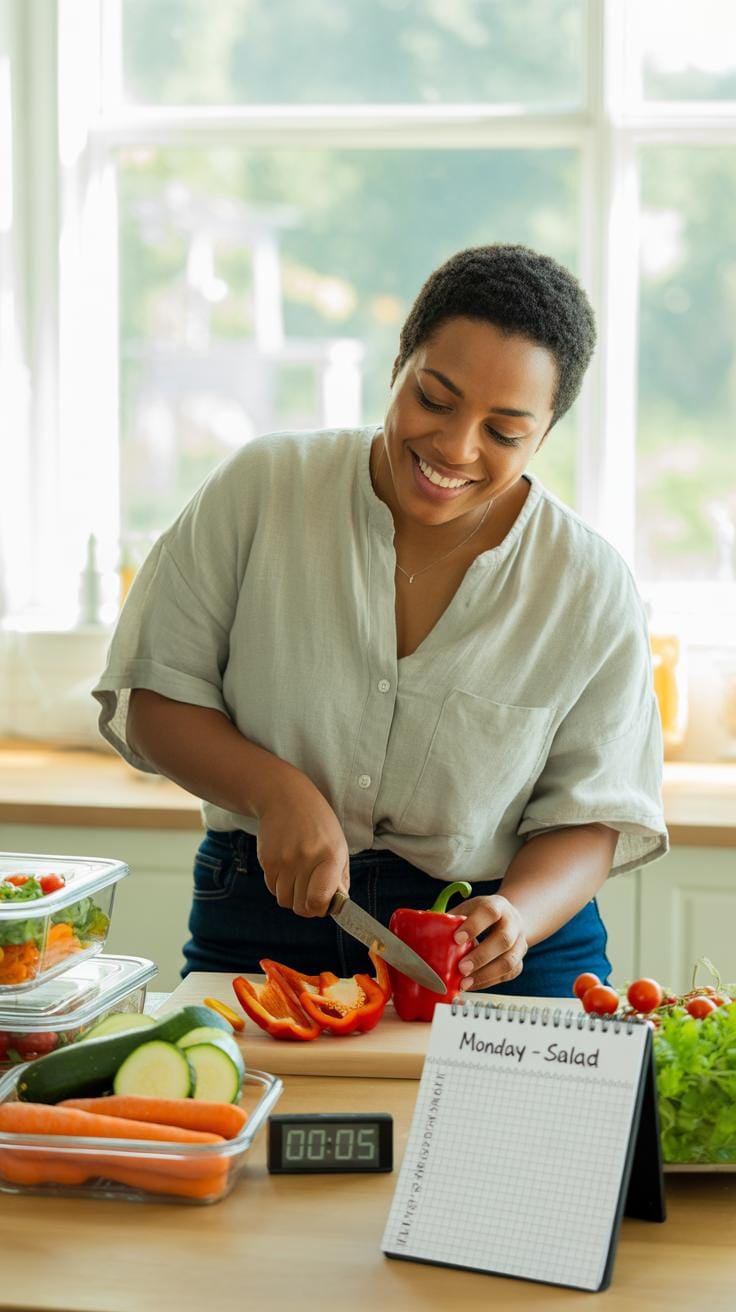
When you take time each week to prepare your meals in advance, the payoff goes beyond just having food ready to eat. One of the biggest perks is saving money. Cooking your own meals means you buy groceries in bulk or just what you need, which cuts down on impulse buys or expensive takeout orders. You probably already know how quickly those coffee runs or lunchtime deliveries add up. Meal prepping helps avoid those extra expenses by making meals accessible and easy, so you’re less tempted to grab something on the go.
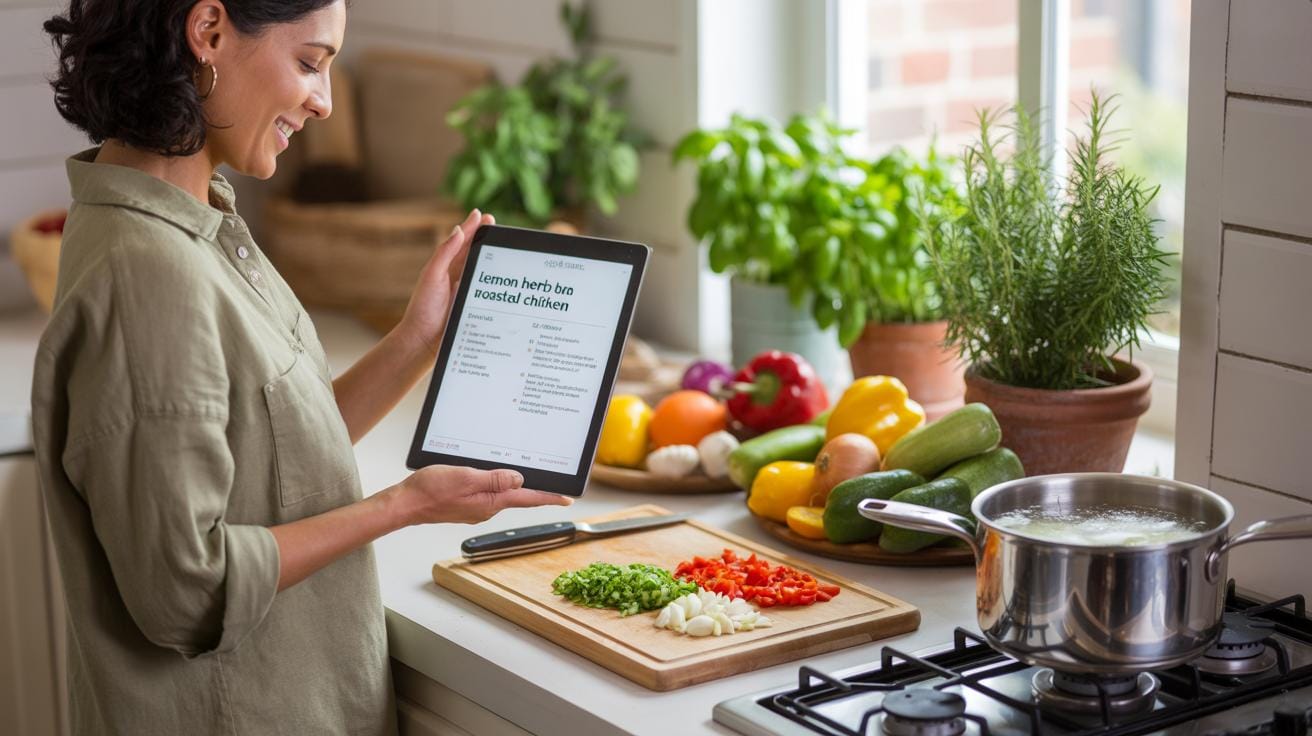
On a side note, there’s also something about having a plan that stops you from wasting food. When you cook ahead, the ingredients get used fully; leftovers are put to good use rather than tossed out, which can save quite a bit over time. It’s like you’re stretching your food dollar without really trying too hard.
Eating healthier is another strong reason many choose meal prepping. When you prepare food at home, you control the ingredients, the portions, and even the cooking methods. Compare that with eating out, where meals often come loaded with salt, sugar, or fats you didn’t ask for. It’s not that those options are always unhealthy, but the unpredictability can make it harder to stick to better habits.
Also, cooking at home means you can experiment with whole ingredients—fresh veggies, lean proteins, or whole grains—without worrying about hidden extras. This can gently encourage improvements in your diet over time. Of course, some days you might still crave convenience or something special, and that’s okay too. Meal prep simply gives you a reliable base to build healthier choices from.
Plan Your Weekly Menu
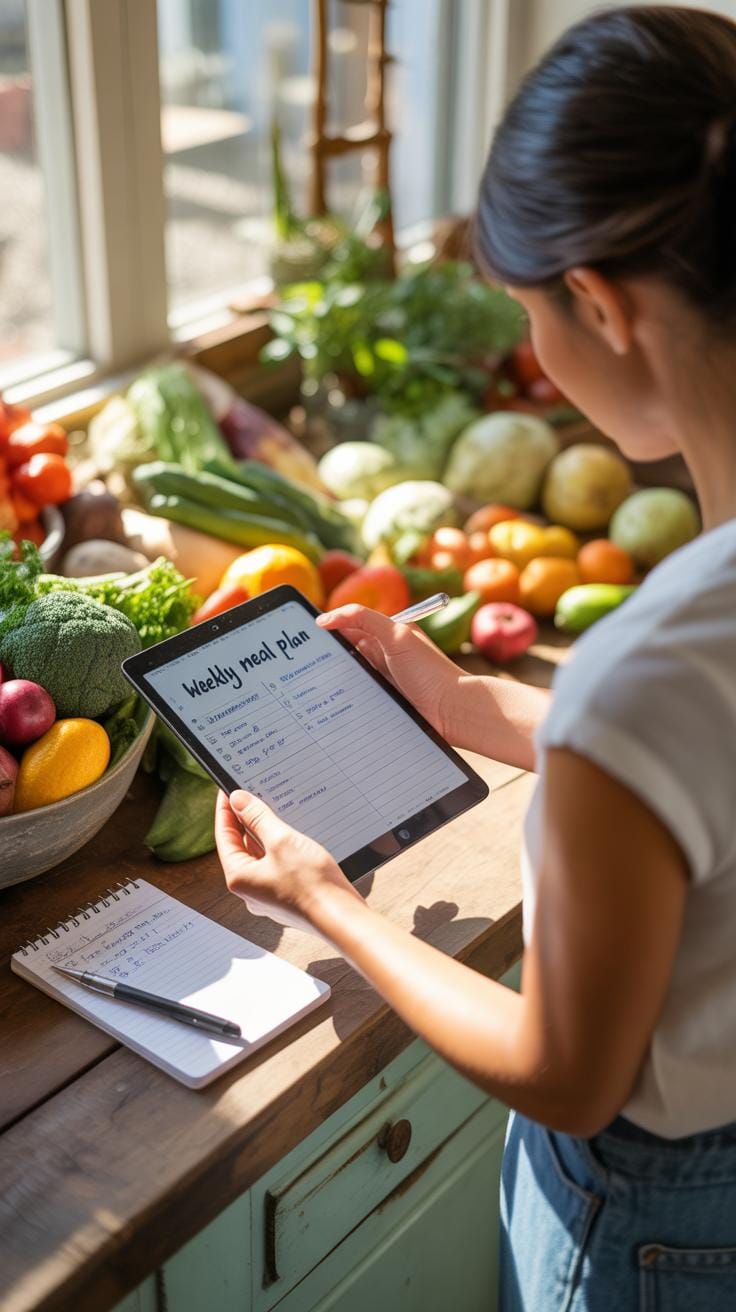
When planning your weekly menu, it’s helpful to think in terms of balance. You want meals that include proteins, vegetables, grains, and healthy fats, but not always in the same combinations or portions. For instance, one day you might have grilled chicken with quinoa and steamed broccoli, and the next, maybe salmon with roasted sweet potatoes and a spinach salad. Mixing these components keeps things interesting and makes sure you cover the spectrum of nutrients your body needs.
Proteins don’t have to be all meat-based. Try beans, lentils, tofu, or eggs to switch it up. Vegetables are great, but aim for different colors throughout the week — that’s an easy way to introduce nutrient variety. As for grains, whole options like brown rice or barley offer more fiber than their refined counterparts, and fats from sources like avocado, nuts, or olive oil add richness as well as benefits for heart health. That said, don’t stress over perfect portions every time; some days your plate will look different, and that’s okay.
Variety does more than keep boredom at bay. It actually broadens the range of vitamins and minerals you get. When you repeat the same meals, certain nutrients might drop off your radar. Think about trying different cooking styles too—roasted, steamed, or raw; the way you prepare food can affect flavors and even nutrient levels. So it’s really about staying flexible, exploring, and — if you ask me — enjoying the process of figuring out what works week to week.
Grocery Shopping Tips
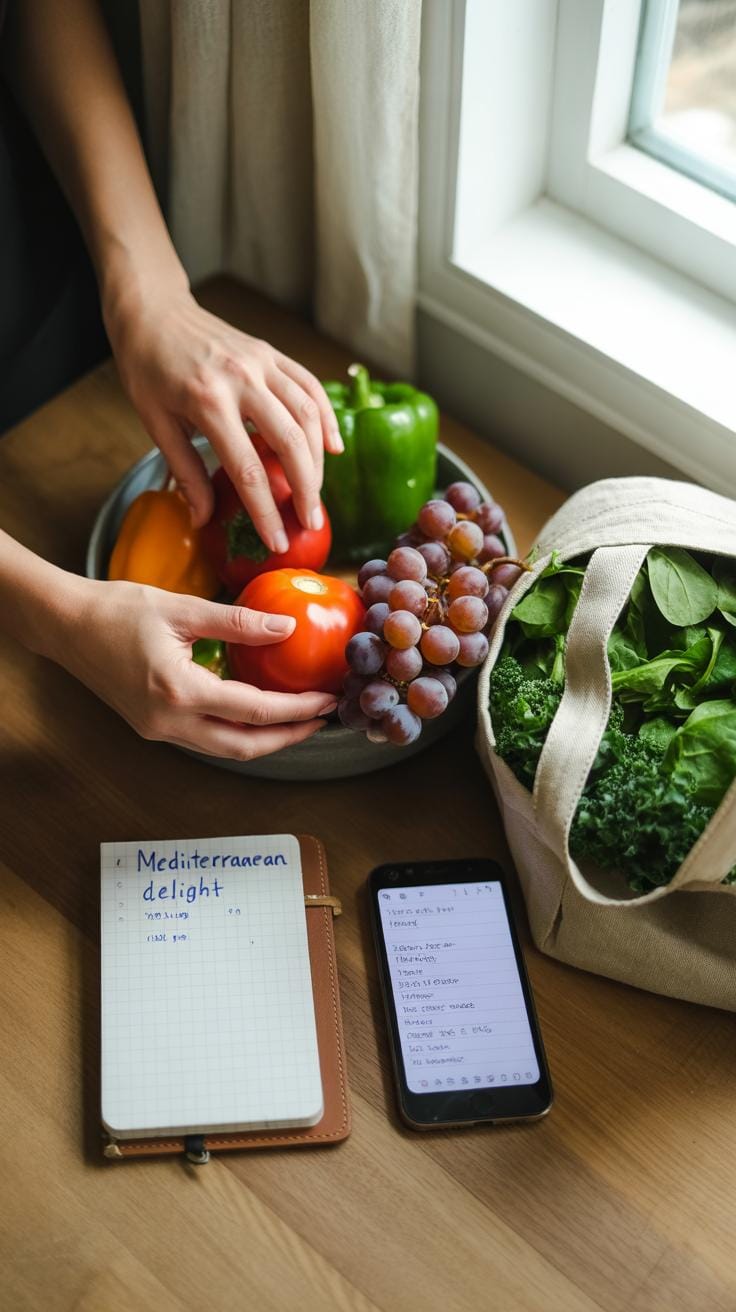
Making a grocery list based on your weekly menu can save you from grabbing things you don’t actually need. Take a moment after planning to jot down exactly what ingredients you require—break it down by category like produce, proteins, and pantry staples. This helps keep your shopping trip focused and, well, less stressful. Sometimes I find myself wandering aisles without a list and ending up with random snacks I hadn’t planned for. Try to stick strictly to the list, but if you spot something fresh looking or on sale that fits your meal plan, maybe allow a tiny splurge.
When it comes to produce, I prefer shopping fresh and seasonal. There’s just something about seasonal fruits and veggies—they tend to taste better and, often, cost less. Also, they’re usually picked at the right time, so their nutrients are more intact. Buying out of season sometimes means the food traveled far or was harvested early, and that can affect flavor and nutrition. For example, tomatoes in summer just have a different vibe than those in winter. It’s a small shift that can make your meals feel less like a chore and more enjoyable.
Meal Prep Techniques
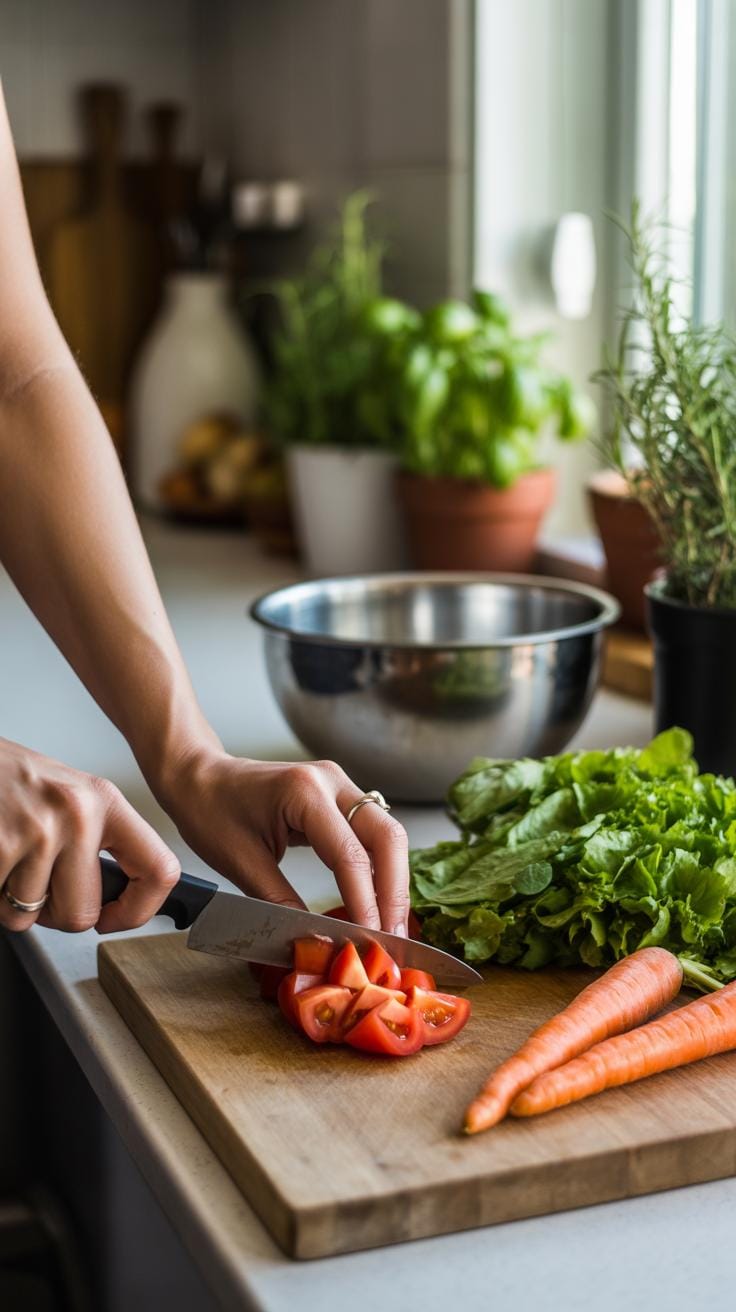
When you start meal prepping, you quickly realize that certain techniques make the whole process smoother—less chaotic, more manageable. One big thing to keep in mind is keeping your workspace organized. If you scatter ingredients or tools around, it drains your energy and time. Simple habits like prepping all your veggies first, or having clean containers ready, can make a difference you might not expect.
Batch Cooking
Batch cooking is probably the backbone of many meal prep plans. It’s about making large portions of staple foods—think rice, beans, roasted vegetables, or grilled chicken—in one go. I’ve found that cooking these basics in bulk not only saves you time but helps reduce decision fatigue during the week. You can just mix and match these prepared parts to keep meals varied.
One practical way is to designate certain days, like Sunday afternoon, to cook your grains and proteins all at once. Then refrigerate or freeze them for later. Even freezing soups or sauces in portion-sized containers can come in handy. Sure, it takes a solid chunk of time upfront, but your future self might thank you.
Portion Control
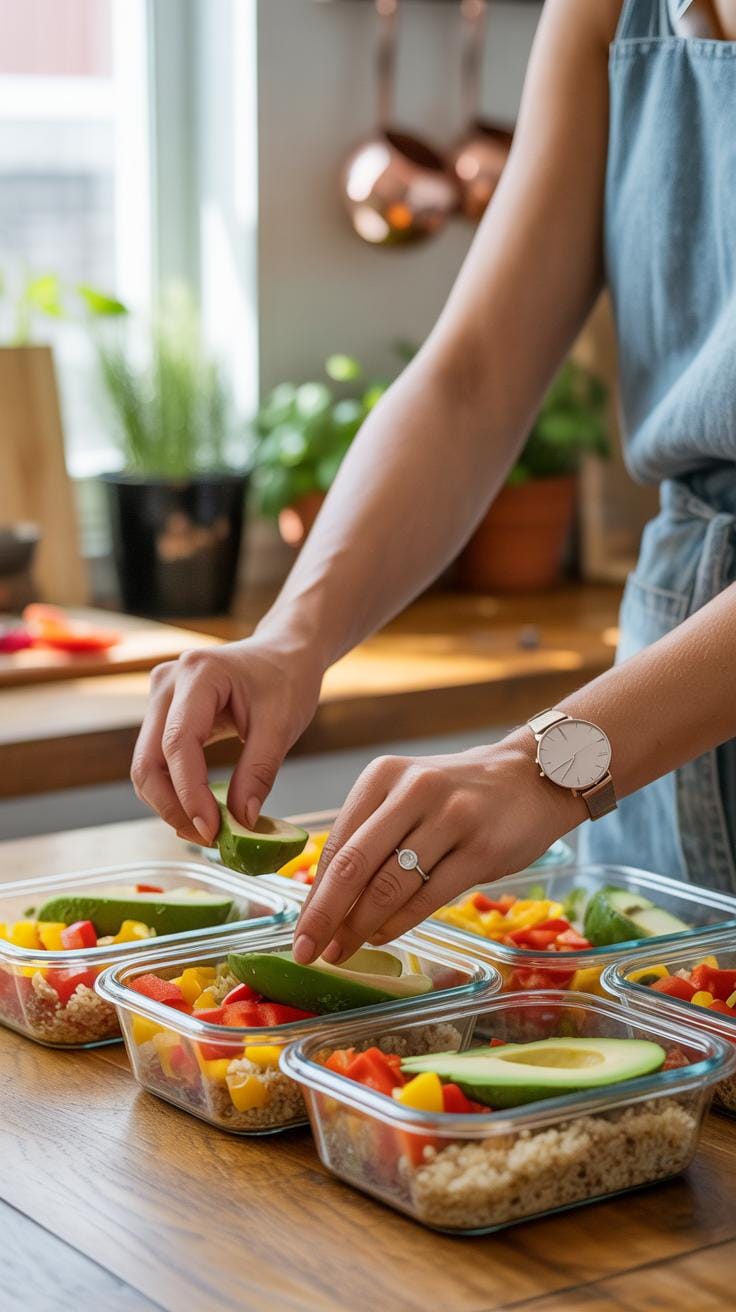
Portioning food into containers might sound straightforward, but it holds more value than you’d think. By dividing meals into single servings, you’re not only keeping track of what you eat but also making it easier to grab a meal without much thought. This can really help avoid overeating or last-minute unhealthy choices.
Having pre-portioned meals means fewer dishes, less stress, and quite often, you find yourself sticking to your dietary goals more naturally. Sometimes, though, I wonder if this rigidity can feel restrictive for some—what if you want a bit more or less on certain days? Still, having that visual guide of what a balanced meal looks like usually helps more than it hinders.
Storage and Safety
Use Proper Containers
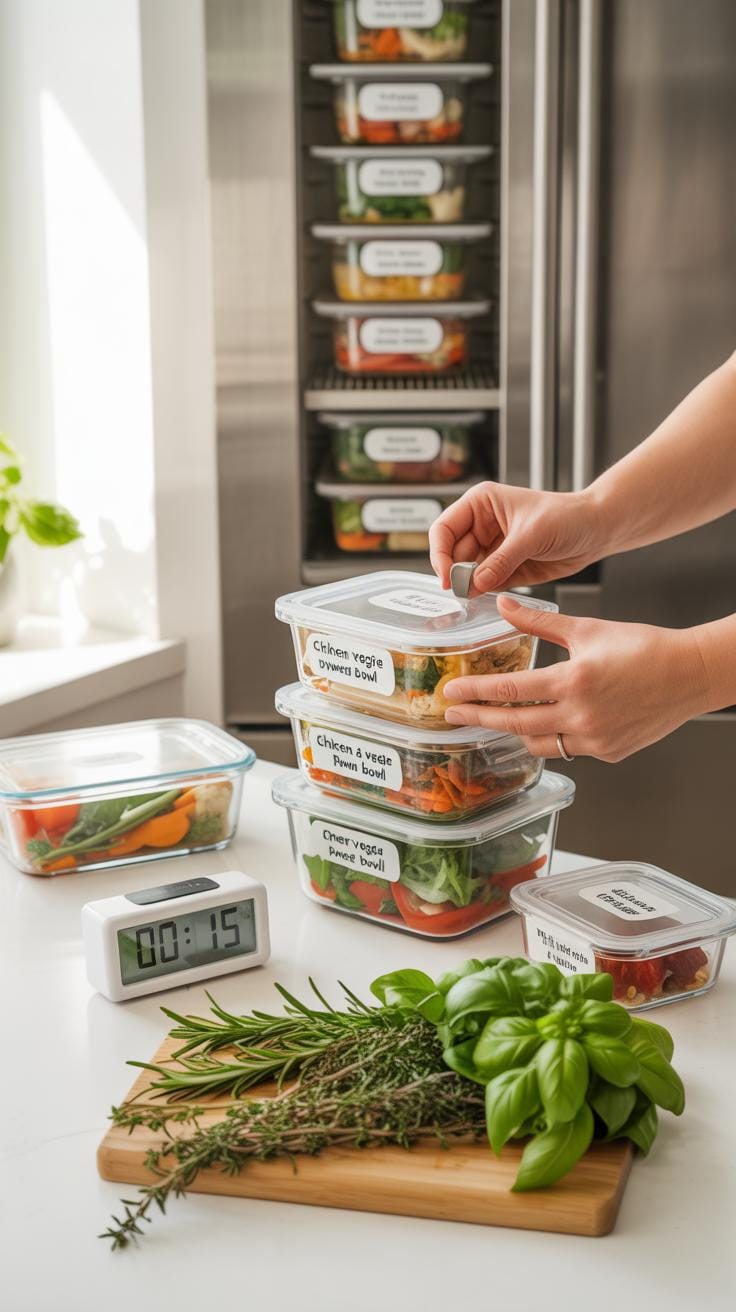
Choosing the right containers for your meal prep isn’t just about convenience; it can actually affect how long your food stays fresh. Glass containers with tight-sealing lids are often the safest bet. They don’t stain or retain odors, and they’re microwave-safe—though you might want to remove the lids first. Plastic containers can work too, but look for BPA-free options to avoid any health concerns. You might find yourself gravitating toward stackable containers, which make fridge organization easier. But sometimes the lids don’t fit perfectly, which can be frustrating and cause leaks. So, it’s a bit of trial and error—see what feels right for your routine. Also, some containers are better for freezing, others for refrigeration. If you plan to freeze your meals, make sure to pick containers designed to handle low temperatures without cracking.
Label and Date Meals
It might seem a bit tedious at first, but labeling your meals with dates is a game changer. It helps you keep track of what you made and when, reducing the chance you’ll eat something past its prime—or worse, forget it entirely. And yes, sometimes I find myself labeling one or two meals and then skipping the rest, thinking I’ll remember. Spoiler: you won’t. I recommend using a simple masking tape and a marker or reusable dry-erase labels. Write the prep date clearly. If you like, note the contents too, especially when meals look similar. It’s a small step that saves food—and stress. Facing your fridge, you’ll know immediately what’s good to eat and what should be tossed. Have you ever opened the fridge and pulled out mystery containers, wondering if it was safe? Labeling prevents that guesswork.
Healthy Recipe Ideas
Protein-Rich Meals
When prepping meals for the week, it’s helpful to focus on proteins that are simple to cook and hold up well in the fridge. Chicken breasts, for example, are a classic choice. You can roast or grill a batch and slice it for salads or wraps. Beans, like black beans or chickpeas, are also great—they don’t need much attention, just a bit of seasoning, and they’re filling. Tofu is another protein that absorbs flavors well. Marinate it and bake or pan-fry to get a texture that works in a variety of meals.
Maybe you’ll find yourself sticking to one protein all week or mixing it up day by day. Both work. It’s about what fits your taste and schedule. Don’t forget eggs – they’re quick to make, versatile, and actually quite lasting in the fridge if you boil them in advance.
Vegetable-Rich Sides
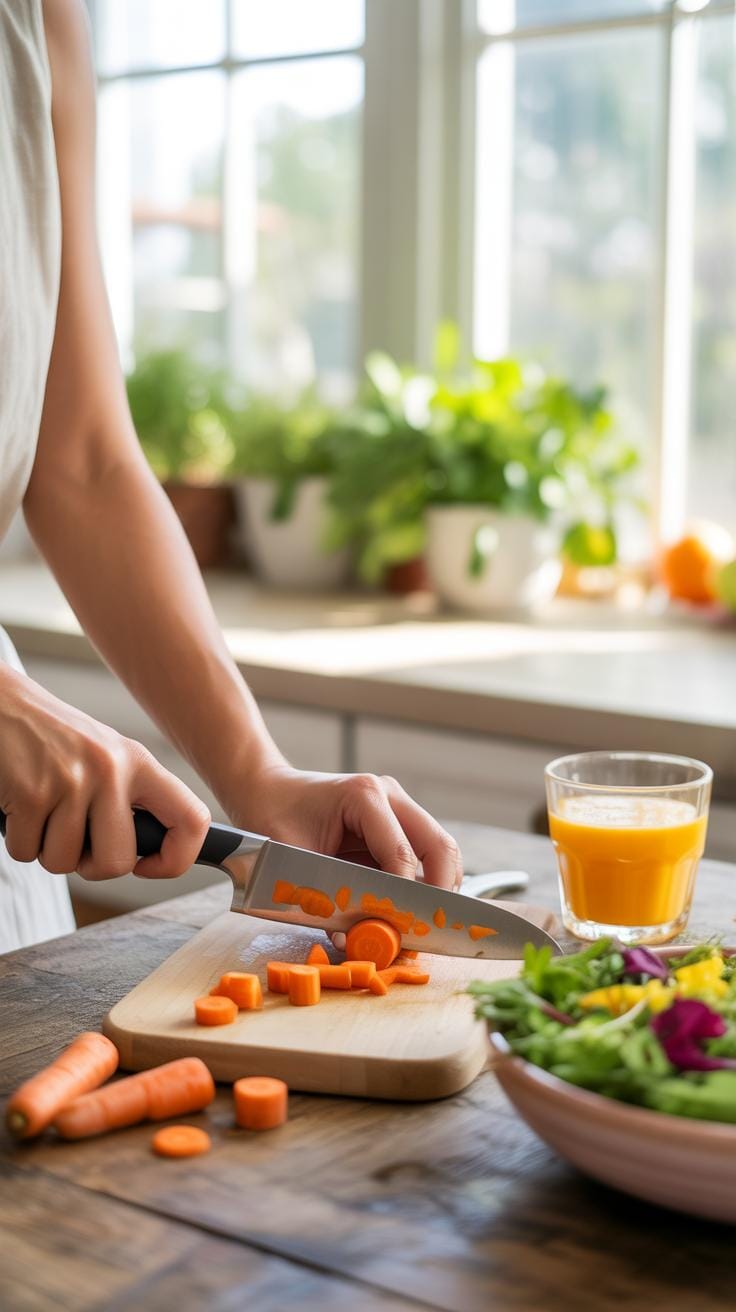
Vegetables can be a bit trickier to prep because some don’t keep as well. Still, many can last through a week when prepped properly. Roasted root vegetables like carrots, sweet potatoes, or beets tend to stay good and taste better reheated. Steamed broccoli or green beans also hold up nicely, especially if you store them with a paper towel to absorb moisture.
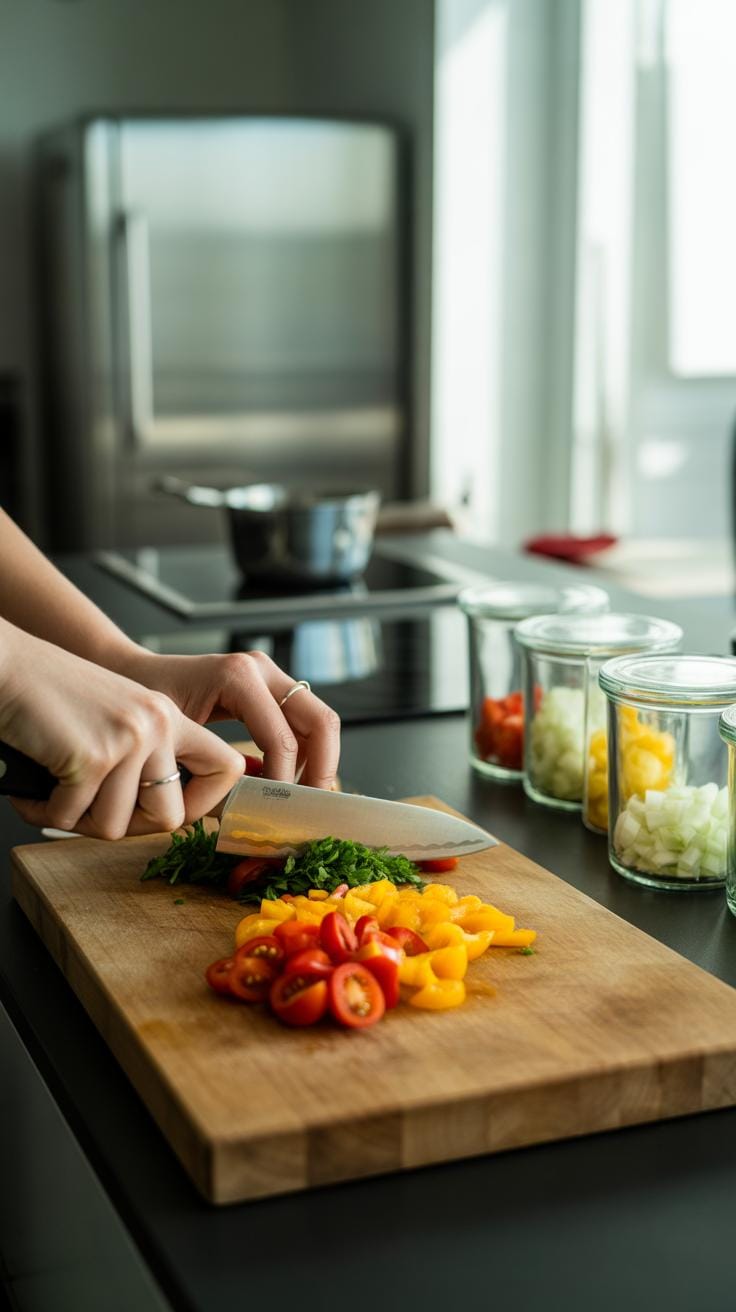
Salads with sturdy greens—think kale or cabbage—last longer than more delicate lettuce. You might try chopping raw veggies in advance too, like bell peppers, cucumbers, or celery, so you can throw together quick snacks or side dishes. It’s a bit of trial and error to find your favorites that keep both flavor and texture.
Time Management

Set Aside Prep Time
Finding the right time for meal prep can be tricky. Many people choose Sunday afternoons because it feels like a natural pause before the hectic week starts. But really, you can pick any day that suits your schedule—maybe a quiet Wednesday evening or Saturday morning works better for you. Expect to spend around 1.5 to 3 hours prepping, depending on how many meals you plan. It might feel like a big block of time at first, but breaking it into smaller, focused sessions can also help.
Some say prepping in one go saves mental energy, but spreading it out might prevent burnout. For instance, chopping vegetables one day and cooking proteins the next. The key is to find a routine that fits your rhythm, not someone else’s.
Use Multitasking Techniques
Multitasking in the kitchen isn’t foolproof, but it can shave off significant time. You can boil rice or pasta while roasting vegetables. When one item is simmering, you might chop ingredients for the next dish. It feels like juggling, but with practice it becomes second nature.
Sometimes, I start with soaking beans or marinating meat early, then prep other parts while waiting. Things don’t have to happen in a strict order. You might notice that stirring a sauce on the stove during a baking session actually makes the kitchen feel busier, but also more productive—oddly satisfying in a way.
Try setting multiple timers to keep track and avoid overcooking or burning anything. It’s okay if you mess up occasionally—that’s part of the learning curve. What’s your favorite multitasking trick when cooking a few meals at once?
Adapting Meal Prep
Meal prepping isn’t a one-size-fits-all plan. Your lifestyle, dietary needs, or preferences can all shift how you approach it. Maybe you have kids who love picky foods, or perhaps you’re cooking just for yourself and hate leftovers. Adjusting your meal prep to fit those aspects makes a big difference.
Meal Prep for Families
When prepping for a family, juggling everyone’s tastes and nutrition is, well, tricky. One strategy is to prepare a base meal—like grilled chicken or quinoa—and then offer different sides or toppings. This way, everyone can customize without you cooking multiple separate dishes.
Keep a list of each family member’s favorites and try to rotate through them during the week. Also, think about portions; kids might need smaller servings but different snacks or treats to stay full throughout the day. Nutrition doesn’t have to be complicated if you prep with flexibility in mind.
Meal Prep for Singles
As a single, it’s tempting to skip prepping because leftovers can pile up or food goes bad. But prepping smaller batches or dividing meals into single portions can help reduce waste. Freezing half of a batch or using versatile ingredients that work across several dishes also eases the process.
For instance, cook a batch of roasted veggies and use them in salads, wraps, or mixed with grains throughout the week. You might find that prepping for one feels more like experimenting. Sometimes a meal prep session can feel like a puzzle—fitting all your meals into a manageable, enjoyable rhythm.
Overcoming Challenges
Avoiding Boredom
Sticking to meal prep day after day can get dull, right? Eating similar meals repeatedly often kills the initial excitement. One way to keep things fresh is to rotate a few different flavor profiles each week—think Mediterranean one week, then Mexican-inspired the next. Spices and herbs can be your best friends here. Even small changes, like swapping out one sauce or adding a crunchy topping, can make a big difference.
You might also try mixing textures. Maybe a soft grain bowl one day and a crunchy salad the next. Sometimes I find just prepping a few different condiments or dressings will keep everything tasting less repetitive. Have you ever noticed how a drizzle of lemon or an unexpected chili kick suddenly makes a meal feel brand new? It’s almost like giving yourself permission to experiment within your routine.
Handling Busy Schedules
When your schedule feels unpredictable, prepping can seem impossible. But a few strategies can help you feel more in control. Start by making simple staples that assemble quickly—think cooked grains, roasted veggies, or hard-boiled eggs. These can be thrown together in minutes, even during a hectic day.
Batch cooking on a weekend might not be an option every time. On those chaotic weeks, prepping just a few ingredients or snacks could keep you on track without feeling overwhelming. I remember one week when I barely had time to cook; having pre-chopped veggies saved me from resorting to takeout.
And sometimes, it’s okay if meal prep isn’t perfect. Having a couple of flexible meals or healthy frozen options on hand can take the pressure off. What small steps can you take right now that won’t add more stress but still keep your eating habits solid?
Maintaining Meal Prep Habits
Setting goals that feel manageable is key when it comes to meal prepping regularly. If you try to overhaul your entire week’s meals all at once, you might burn out quickly. Instead, start small—maybe prep just three lunches or dinners a week. That way, hitting your target feels more doable, and you stay motivated because you actually accomplish what you planned. It’s a little like giving yourself permission to take it one step at a time, and it makes the whole process less overwhelming.
You might wonder if sticking to the same meals all the time gets boring. Well, it can—and that’s where keeping an open mindset helps. Try mixing in one new recipe each week or swapping ingredients based on what’s fresh or what you’re craving. Play around with flavors or different cooking methods. If something doesn’t work out, don’t stress. Adjust your plan to better fit what you actually enjoy and your schedule. Meal prepping doesn’t have to be rigid. It’s okay to tweak things habitually, and doing so often keeps the process engaging and something you look forward to rather than resist.
Conclusions
Weekly meal prep can change how you eat by providing easy access to healthy meals every day. It helps you save money, time, and effort, and keeps your diet balanced and nutritious. When you plan your meals ahead, you are less likely to eat out or grab unhealthy snacks.
By following weekly meal prep steps, you take control of your eating habits. Start simple, pick meals you enjoy, and keep your ingredients fresh and varied. With consistent effort, meal prep will become a helpful routine that fits your lifestyle and health goals well.