
Planning Smart Dinner Meal Prep
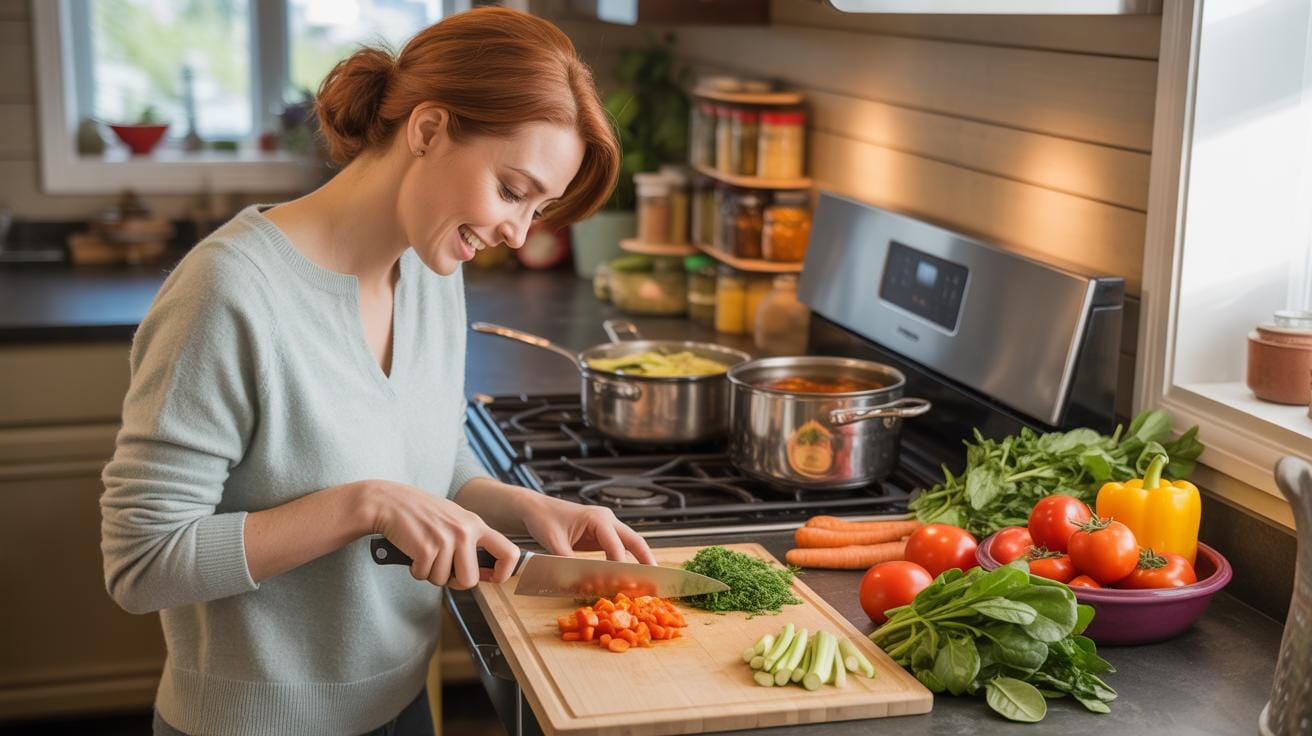
Dinner meal prep is a smart way to have easy and healthy meals ready for the week. Planning your dinners in advance helps you save time and choose better ingredients. This method lets you cook once and eat multiple times, reducing cooking stress on busy days.
In this article, you will learn useful ideas to prep dinners that are tasty and good for your body. We will explore how to plan, prepare, store, and reheat meals effectively. You will also discover tips to keep your meals fresh and nutritious from start to finish.
Benefits of Meal Prep
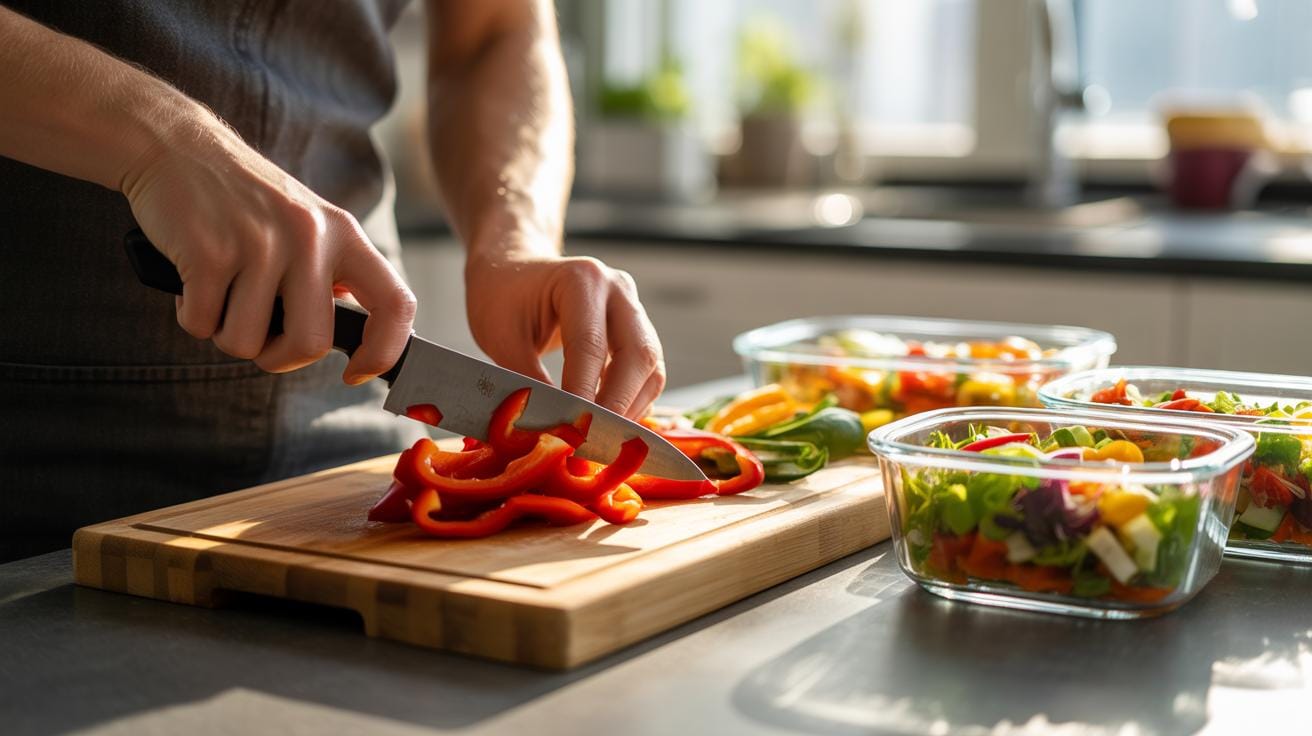
Meal prepping dinners each week can seriously change the way your evenings go. When you take a bit of time upfront to plan and cook meals in advance, it slashes the daily scramble of deciding what to cook or grabbing takeout. That time saved—maybe 20 minutes or more every night—adds up in a big way over the week. Plus, when you prep in batches, you use ingredients more efficiently, so grocery bills tend to drop. You’re not buying last-minute snacks or pricey convenience foods, which often cost way more than homemade meals.
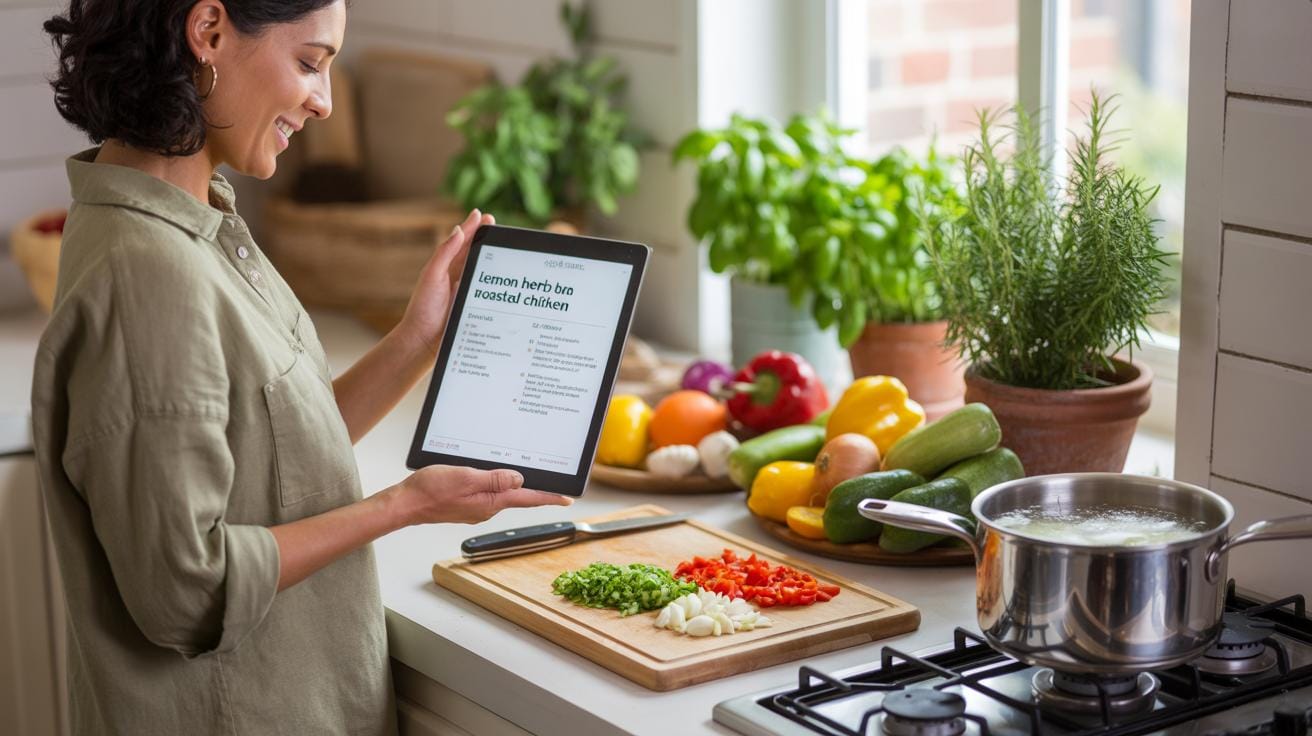
Cooking ahead also gives you the chance to actually choose what goes into your food. You control the salt, the sugar, the fats—and avoid a lot of processed stuff you don’t really want but might eat at a restaurant without thinking. It’s surprising how much better you can feel just by steering clear of additives and preservatives. On the other hand, sometimes you might find the prep itself a bit tedious or hope for a night without cooking. But overall, having meals ready means you’re less tempted by those quick, less healthy options that pop up when you’re rushed or tired.
Sometimes it’s about more than just time and money. Meal prepping can help you eat with purpose, not just convenience. You’re less likely to overeat or pick at unhealthy snacks because your food is portioned out and ready to go. Plus, when your meal comes from scratch, it’s easier to make healthier choices without thinking hard about it. Do you know how many times I’ve grabbed a salad I made ahead instead of reaching for a burger because “it was right there?” Small wins like that make weekly prep worth it.
Planning Your Weekly Dinners
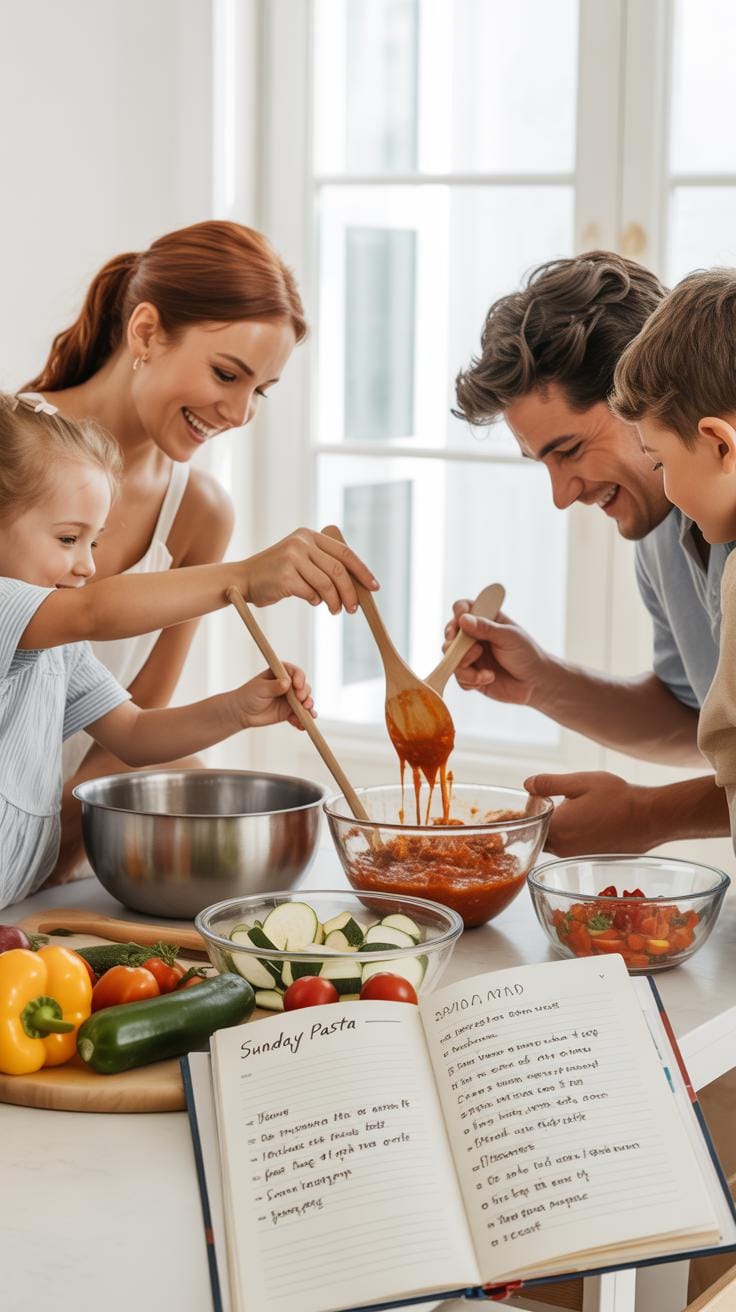
When it comes to planning your dinners for the week, the biggest challenge might be deciding what to cook without feeling overwhelmed. Start by choosing recipes that don’t demand hours in the kitchen but still offer plenty of flavors and nutrients. Think about dishes you can easily double or triple because cooking once and eating multiple times usually saves time and effort later.
Try mixing simple proteins like chicken, beans, or fish with a range of vegetables and some whole grains. You might notice that meals balanced this way keep you feeling fuller and more satisfied. It’s okay if not every dinner hits the perfect nutritional mark—some nights may lean more on veggies, others on grains, and that’s alright.
Don’t forget to factor in what your family prefers and actually enjoys eating—sometimes your kids might crave pasta three nights in a row, and resisting that might cause more struggle than it’s worth. Planning for variety can help, but so can being flexible. What about your week ahead? What recipes do you think you’ll return to again and again?
Grocery Shopping Tips
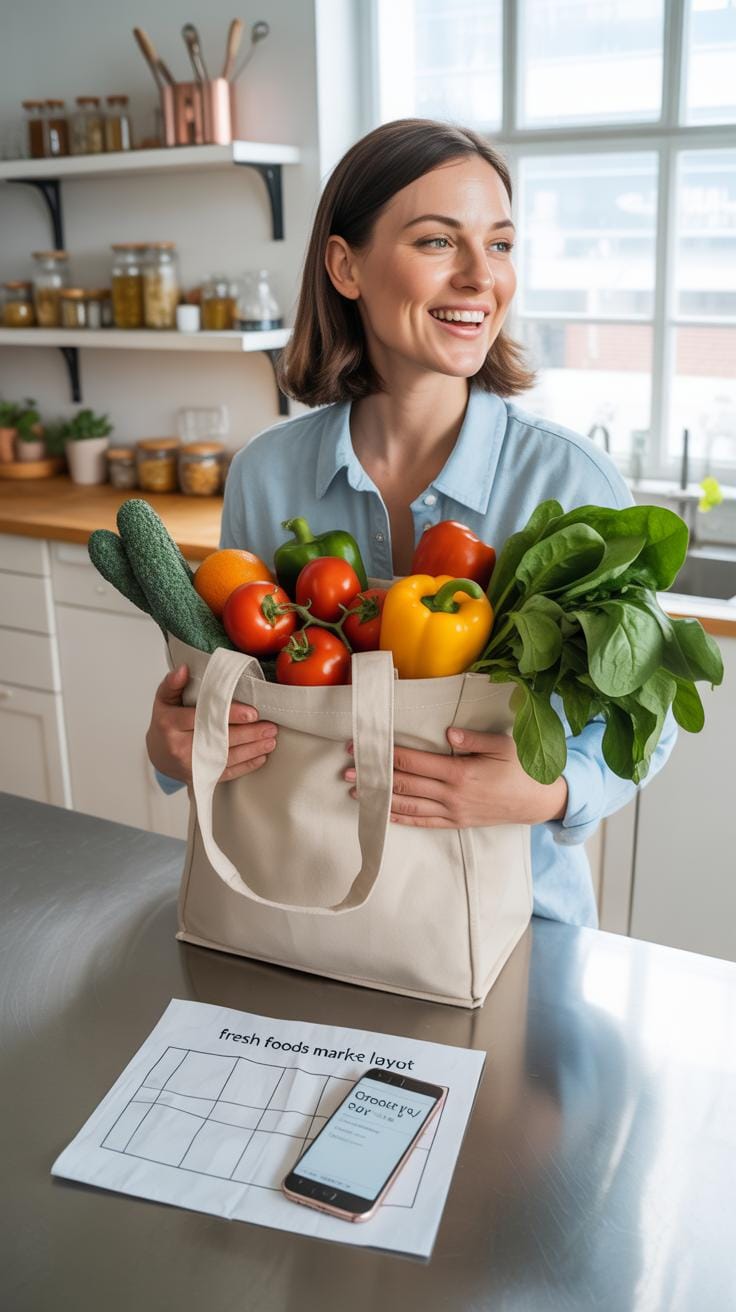
Creating a good shopping list is your best defense against impulse buys and forgotten ingredients. I find it helps to organize the list by recipe, breaking down each dish’s needs. That way, you only buy what truly fits your meal plan for the week. Sometimes, I still add a few extras—maybe a spice or pantry item I’m running low on—but overall, sticking closely to the list saves both money and kitchen chaos.
When you’re at the store, fresh produce matters. Choosing vegetables and fruits that look firm and vibrant usually means better flavor and longer shelf life. You might think frozen is just as good, but fresh often lasts through the week better when you store it properly, so your dinners don’t lose their appeal midweek.
Buying certain items in bulk also makes sense. Staples like rice, beans, oats, and nuts can be more affordable this way, and they keep well if stored correctly. I once stocked up on bulk quinoa and ended up making it in multiple dishes without worrying about running out. It’s not about hoarding; it’s about having essentials ready when you need them.
Make you ask yourself: Are you sticking to the list or just grabbing what looks good? Is buying bulk actually saving money or just filling your pantry with stuff you don’t use? These questions help keep your shopping smart, purposeful, and aligned with your dinner goals.
Prepping Ingredients

Getting your ingredients ready in advance makes the week feel less chaotic. Start by washing vegetables thoroughly—often, running them under cold water while rubbing gently is enough. For leafy greens, soaking briefly can help remove dirt stuck in crevices. When it comes to meats, rinsing isn’t usually recommended; instead, pat them dry with paper towels to avoid excess moisture that could interfere with cooking.
Chopping can be a bit of a chore, but splitting it over a prep day helps a lot. Use a sharp knife to keep cuts clean and reduce bruising on vegetables. Cutting sizes depend on your recipes, but try to keep pieces consistent for even cooking. For example, thin strips for stir-fries or bite-sized cubes for stews. I’ve noticed that chopping some items a little unevenly doesn’t always ruin the dish, so don’t stress too much if you’re rushed.
Portioning ingredients saves decision time later. Try using small containers or ziplock bags to separate measured amounts. This can be done by counting pieces—like 10 carrot sticks—or weighing items on a kitchen scale. Labeling containers can avoid “what did I put in here?” moments. It also helps prevent over- or under-using ingredients. You might wonder if this adds extra work upfront; sometimes it does. But it often pays off during the busy week when you just grab and go.
Cooking Smart
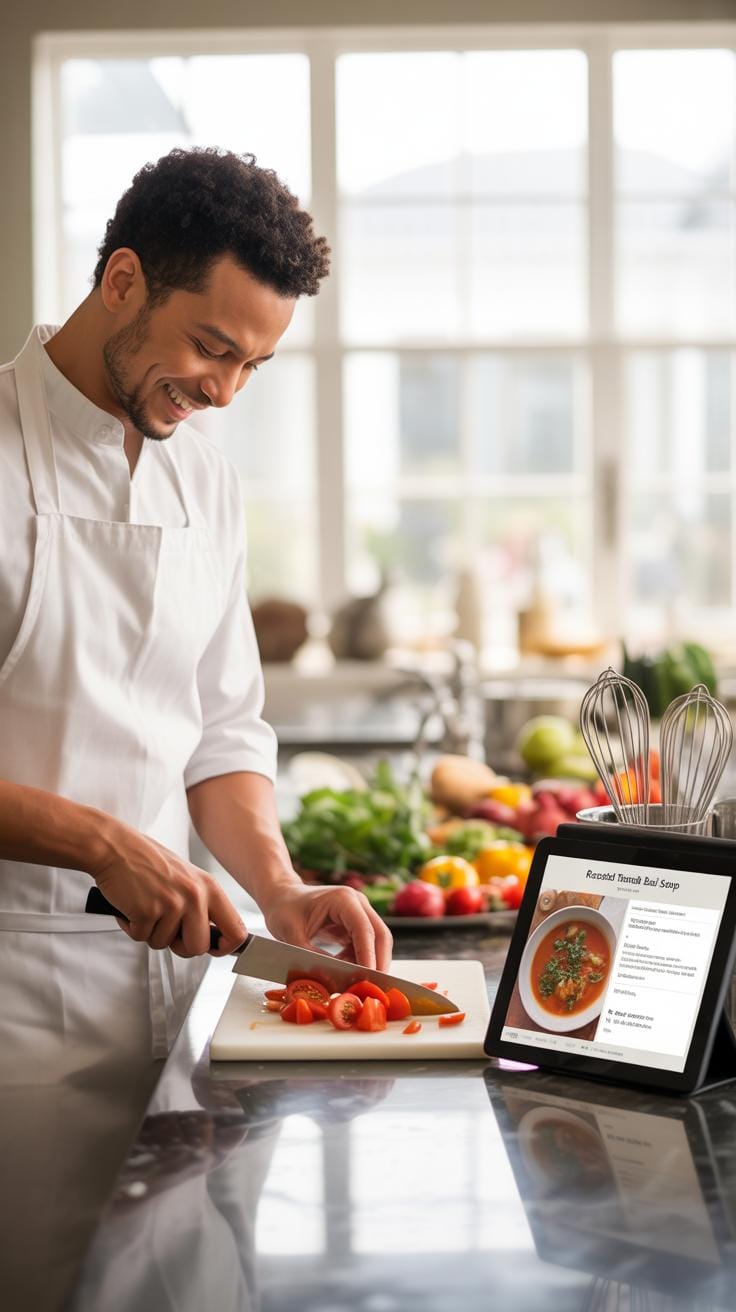
When you’re pressed for time, cooking methods that speed up meal prep without sacrificing flavor or nutrition become gold. One method I keep coming back to is sautéing vegetables quickly over high heat. It locks in texture and nutrients better than long cooking, although sometimes softer veggies can feel more comforting in the evening.
Another technique that’s helped me is using the oven to roast large trays of food while prepping other things. It’s less hands-on, which I appreciate after a long day. You can roast protein alongside root vegetables, so the flavors mingle subtly, which adds depth without extra effort.
Steaming is often overlooked but very straightforward. It’s gentle and keeps veggies bright and crisp. I think sometimes we avoid steaming because it seems bland, but with a squeeze of lemon or a dash of herbs afterward, it’s quite satisfying.
Don’t shy away from quick simmering, too. Soups or sauces that cook gently for just 15–20 minutes can develop good flavor without locking you in the kitchen for hours. The idea is to find balance between speed and taste—so if a dish needs longer, maybe make a smaller batch next time and double down on faster options on busier nights.
Batch Cooking Basics
Batch cooking is one of those ideas that sounds simple but takes some trial and error to get right. The trick is not just making a lot of food, but making food that works for several meals without feeling repetitive.
Pick ingredients and meals that keep well once cooked. Think roasted chicken breasts, cooked grains like quinoa or brown rice, and roasted or steamed veggies that hold up overnight. For example, a large pot of chili can become a stew, a taco filling, or a topping for baked potatoes.
Container choice matters, too. Using clear, divided containers helps avoid the night-before “what is this” panic. And labeling can be more helpful than you expect, though sometimes I skip it and regret it later.
One piece of advice: don’t cook every ingredient in one go if you’re not ready to eat it all within a few days. Some things lose their texture or flavor even in the fridge. So, stagger cooking or freeze portions to keep freshness where it really counts.
Using One-Pot Recipes
One-pot meals deserve their spot on the list for a reason: they make cooking and cleanup faster, which sometimes feels like half the battle. When you cook everything in a single pot or pan, you often build layers of flavor from ingredients cooking together.
Think stews, stir-fries, or grain bowls where protein, veggies, and starch all come together. One-pot pasta dishes are a personal favorite—they absorb the flavor of the sauce, which you miss when you cook pasta separately.
These meals also encourage trying new combinations without a huge time commitment. But they aren’t always the best for keeping ingredients crisp or separate, so if you like variety in texture, you might want to add a side or garnish to change things up.
Sometimes, I wonder if a one-pot dish might get boring if eaten too often, but switching spices or swapping veggies keeps things interesting enough.
Proper Meal Storage
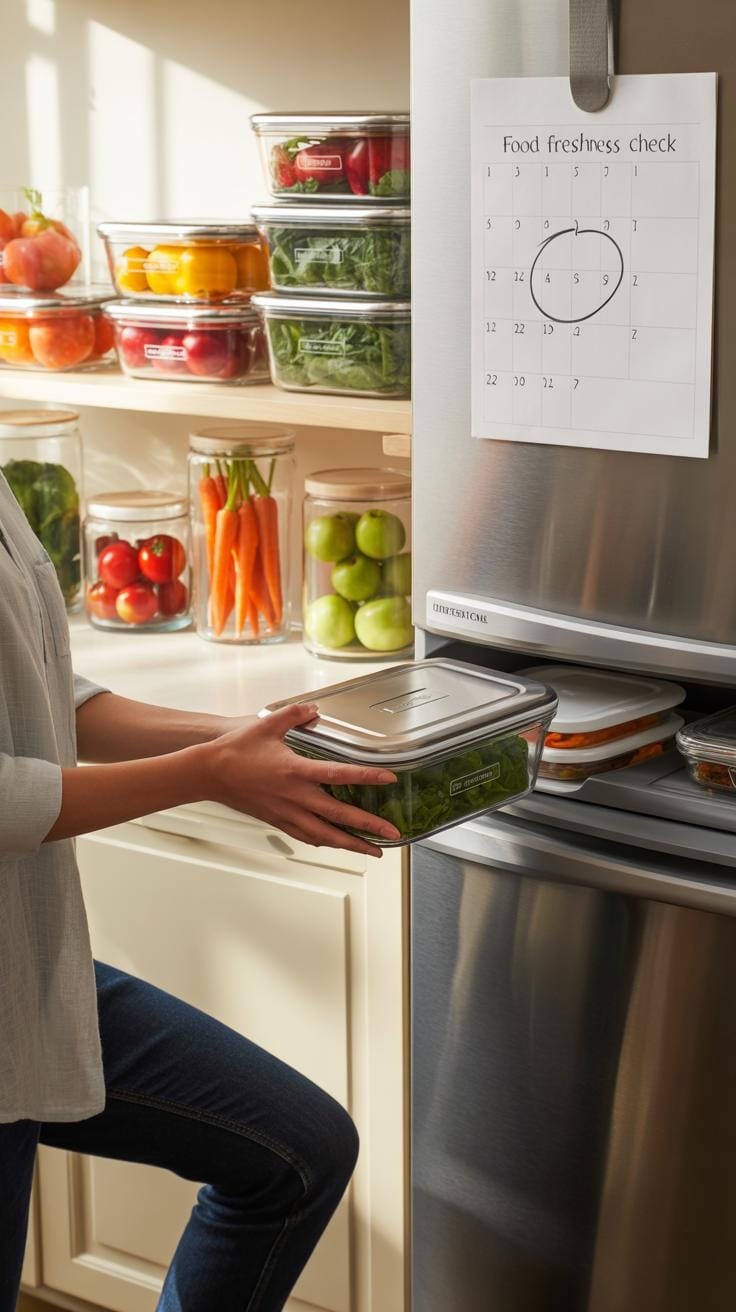
Storing your prepped dinners the right way makes a huge difference in how fresh and tasty they stay throughout the week. You probably know leftovers sometimes develop an odd smell or just lose their flavor faster than you expect. That often comes down to storage. A good rule to follow: cool food down before putting it in the fridge. Hot meals straight from the stove raise the fridge temperature, which can invite spoilage. So, maybe let dishes sit for about 20 minutes at room temperature before sealing them up.
Once chilled, keep meals in airtight containers to lock in freshness and keep out moisture and bacteria. A tightly sealed container reduces the chance of odors mingling and flavors getting weirdly mixed—something I’ve fallen victim to more than once.
Choosing Containers
Picking the right container can feel like a small detail, but it really matters. Glass containers with airtight lids tend to work best for storing and reheating. They don’t absorb stains or odors and heat evenly, which helps when you want to reheat without drying out your food. Plastic containers are lighter and cheaper, but not all are microwave-safe or dishwasher-safe. I often use BPA-free plastic for salads or cold dishes but switch to glass when I plan to nuke leftovers.
Also, think about size and shape. Shallow, wide containers speed up cooling and ensure even reheating. Stacking containers neatly in your fridge will save space, sure, but sometimes using a mix of sizes makes grabbing the right portion easier.
Labeling and Dating
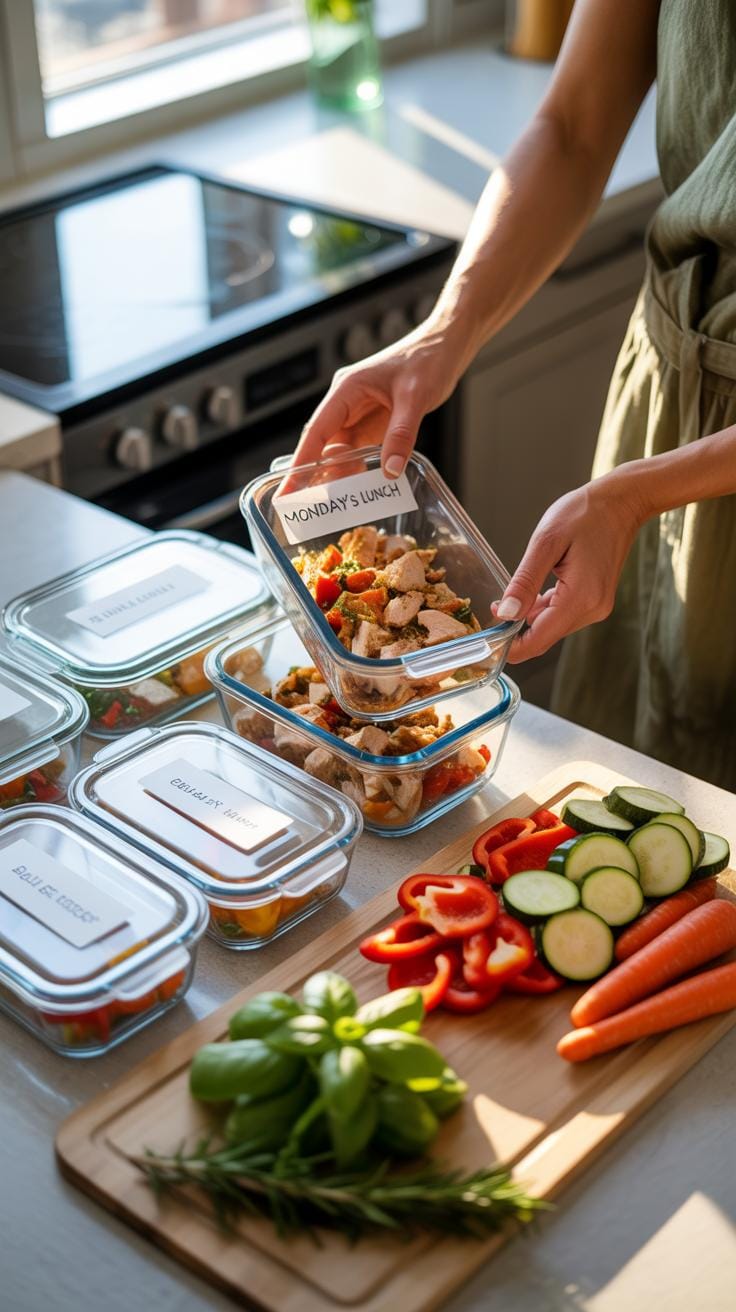
It’s easy to lose track of when meals were prepped, especially if you’ve got several containers lined up. Labeling each container with the date (and maybe what’s inside) is a simple way to stay organized. I often scribble on masking tape or use a dry-erase marker on lids—whatever’s handy.
This little habit helps prevent those moments when you wonder, “Is this still good?” By keeping tabs on freshness, you can avoid unnecessary waste or the unpleasant surprise of spoiled food. You might find that foods last differently in your fridge depending on ingredients, so dates help you notice patterns. For instance, proteins often stay good about 3 to 4 days, whereas cooked veggies might last 4 to 5.
Do you ever find yourself hesitating to eat leftovers just because you’re unsure about how long they’ve been in the fridge? Labeling can take that guesswork out of the equation.
Reheating Your Meals
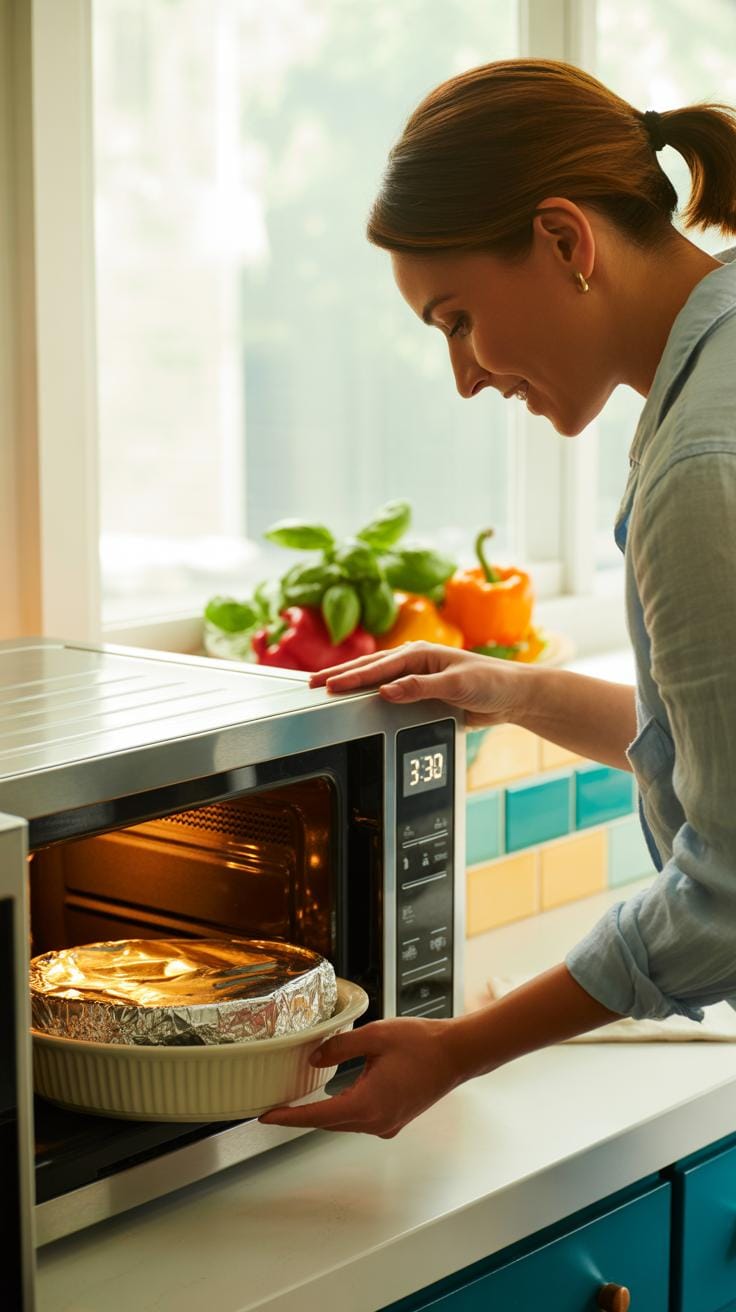
Reheating prepped dinners can get tricky. You want your food warm and tasty but not dried out or overcooked. The microwave is often the go-to for quick heat, but it’s easy to lose texture or end up with cold spots.
Microwave Tips
When using a microwave, try these steps to keep your meal balanced:
- Cover the food with a microwave-safe lid or damp paper towel. This traps steam and stops drying.
- Heat in short bursts, like 30 to 60 seconds, stirring or rotating the dish in between. This helps heat spread evenly.
- If your meal has parts that heat differently, separate them. Reheat veggies and grains separately, then combine before eating.
- Leave your food to rest a minute or so after heating. The heat redistributes and finishes warming your meal without overcooking.
I’ve found that rushing the microwave? Not a great idea. Slow and steady often tastes better.
Oven and Stovetop Options
When you want texture closer to fresh, reheating in the oven or on the stovetop works well. The oven crisps up roasted vegetables or baked dishes without sogginess.
- Set the oven to around 325°F (160°C). Place your meal in an oven-safe dish, cover loosely with foil to keep moisture in, and heat for 15–20 minutes. Check halfway through.
- The stovetop is great for rice, noodles, or stir-fries. Use a skillet over medium heat with a splash of water or broth. Stir often to avoid sticking and bring the dish back to life.
Sometimes oven or stovetop takes longer, and sure, it means more effort, but it often rewards you with better flavor and less soggy mess. You might not do this every day, but trying it once or twice can change how you feel about leftovers.
Meal Prep for Special Diets
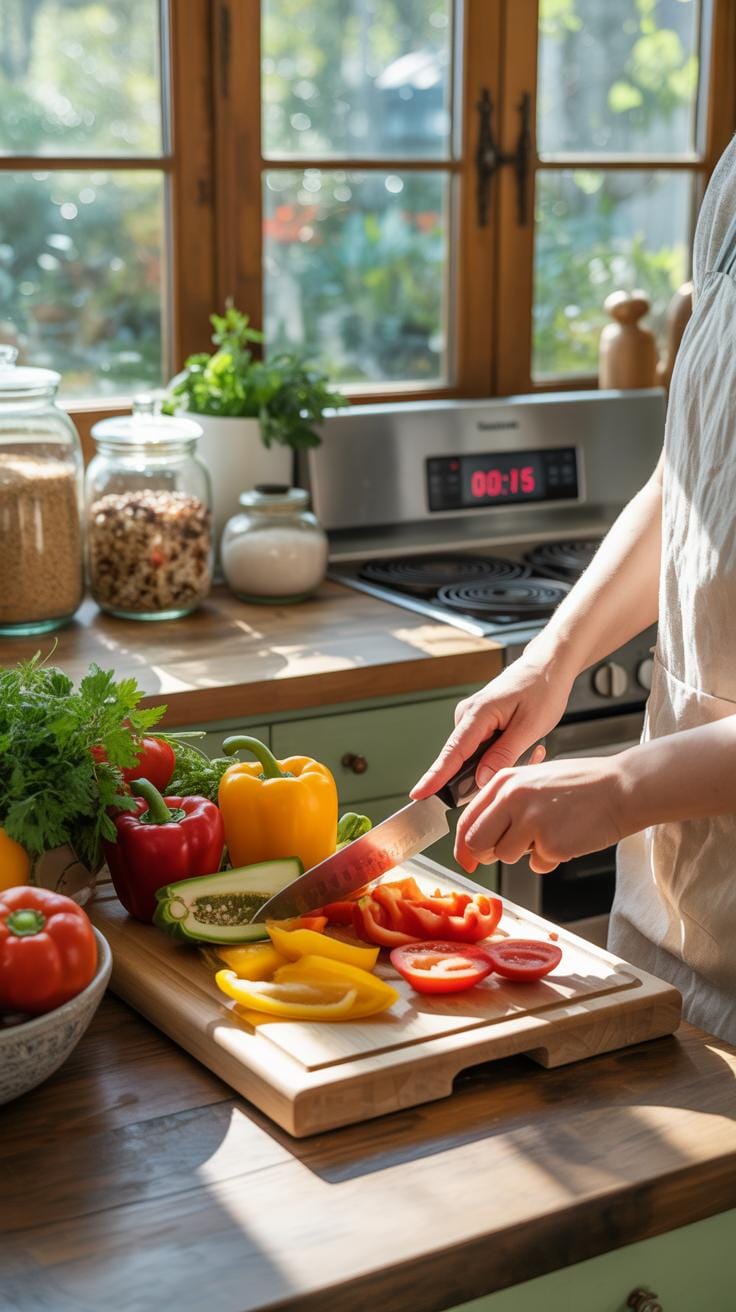
When you’re customizing your dinner meal prep for special diets, a little planning makes a big difference. For vegetarian and vegan dinners, I find focusing on plant-based proteins keeps meals filling and interesting. Think lentils, chickpeas, tofu, tempeh, or black beans—these provide solid protein without getting boring. Pairing them with roasted or steamed vegetables like sweet potatoes, broccoli, or zucchini creates balanced plates that reheat well. Sometimes, I like prepping big batches of quinoa or brown rice as a base, so you have a flexible foundation for varied dishes throughout the week.
Low-carb and gluten-free dinners need a slightly different approach. For low-carb, vegetables take center stage—cauliflower rice or spiralized zucchini noodles are surprisingly satisfying substitutes. I often prep grilled chicken, salmon, or eggs ahead and mix them with leafy greens and avocado for quick, nutritious meals. Gluten-free is mostly about avoiding wheat, barley, and rye, so focusing on naturally gluten-free grains like rice, millet, or potatoes works well. Just be mindful of sauces and condiments, which sometimes sneak in gluten unexpectedly. Do you notice how some pre-made dressings throw a wrench in gluten-free plans?
It feels like meal prepping for special diets requires some trial and error, doesn’t it? Sometimes you have to tweak seasoning or textures a couple of times before finding what actually sticks with you. But once you hit that groove, dinners become less about restrictions and more about choices that just happen to fit your lifestyle.
Keeping Meal Prep Fun
Trying New Recipes
Sticking to the same meals week after week can get tired quickly. Trying new recipes, especially from different cuisines, helps keep things interesting and prevents boredom. Maybe one week you try a Thai-inspired curry, and the next, a Mediterranean dish with fresh herbs and olives. It can be as simple as swapping out a familiar spice for a new one, or exploring a recipe you’ve never tackled before. Sometimes a small change makes the whole meal feel fresh. You might even discover a new favorite dish that fits right into your healthy routine.
Plus, experimenting with new flavors challenges your palate a little. It’s not always about finding the “perfect” recipe on the first try but about enjoying the process and learning what you like. Have you ever noticed how spicy food feels more satisfying when your taste buds adjust? That’s part of the fun in trying different things.
Getting Family Involved
Meal prep doesn’t have to be a solo task. Involving family can actually make the process quicker and less stressful. Kids can help wash vegetables, measure ingredients, or even pick out recipes for the week. Sometimes my partner handles chopping because they’re faster—and it turns the prep session into something social, not just another chore.
Sharing meal prep tasks also creates a little rhythm and a shared sense of accomplishment. When everyone pitches in, dinners feel more personal. It can open conversations about food preferences or introduce new ideas you might have never considered. Sure, it might be a bit messier with more hands in the kitchen, but it tends to feel worthwhile and even a bit fun. Plus, meals made together often get eaten with more enthusiasm.
Conclusions
Meal prepping for dinner can change the way you eat every week. By planning and preparing your meals ahead, you avoid last-minute cooking, save money, and eat healthier food made with fresh ingredients. This approach brings order and ease to your daily meals.
Try different recipes and storage methods to find what works best for you. With simple steps and practice, you can enjoy stress-free dinners every night and stay committed to healthy eating habits.