
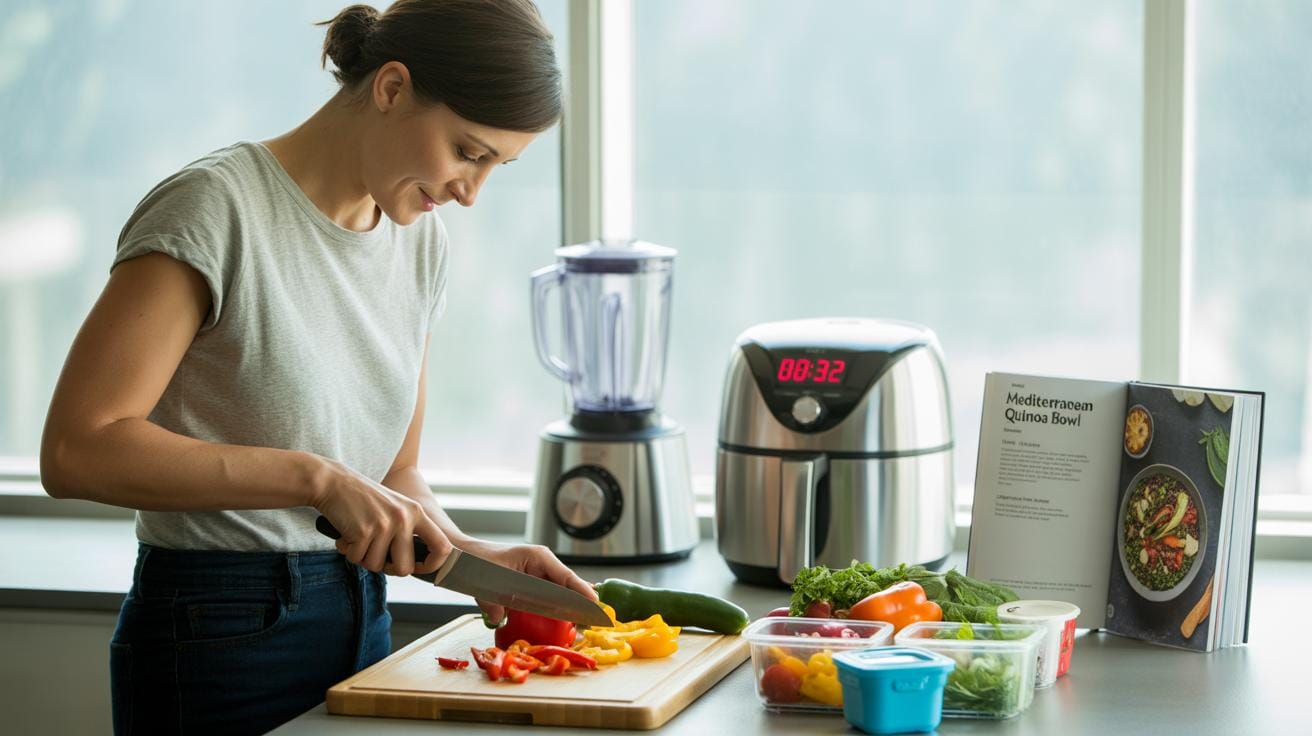
Why Vegan Meal Prep Fits Busy Weeks
Vegan meal prep is a smart way to save time and eat healthy all week. You plan your meals ahead and cook them in batches. This helps busy people stay on track with their vegan diet without spending hours cooking every day.
In this article, you will learn how to make quick and easy vegan meals. We cover benefits, tips, and examples to inspire you. Whether you want to save money or eat better, vegan meal prep is a great solution for your busy week.
Understanding Vegan Meal Prep
What is Vegan Meal Prep
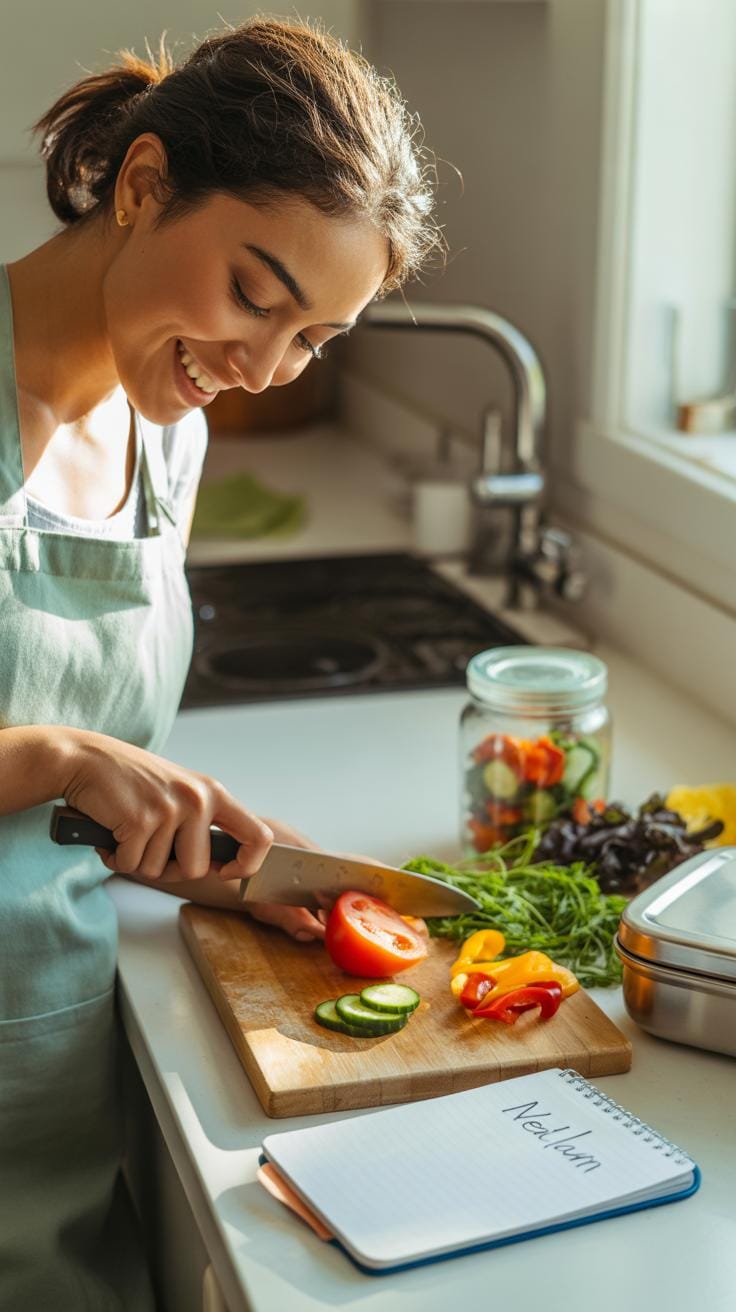
Vegan meal prep means cooking and assembling plant-based meals ahead of time so you can grab them quickly during a busy week. It usually involves making several portions at once, then storing them in containers to heat or eat later. This isn’t just about making food in advance—it’s a way to organize your week around easy, ready-to-go meals that fit your vegan lifestyle.
The process often includes choosing recipes that hold up well over time, cooking ingredients in bulk, and dividing meals into portions. Then, you can just reheat or combine components for a quick lunch or dinner. This kind of planning can feel like a small effort, but it often pays off when you’re rushing or just too tired to cook from scratch.
Why Choose Vegan Meal Prep
People decide to prep vegan meals ahead for many reasons. One big factor is saving time. When your fridge is stocked with ready meals, it’s easier to avoid last-minute drives through takeout lanes or impulse snacks. It also keeps you on track with your eating goals. Prepping stops the “what should I eat?” question from slowing you down each day.
Choosing vegan meal prep can help you eat more balanced, plant-focused meals since you plan what goes into your food. At least, that’s the idea. Though sometimes, it’s still tempting to grab whatever’s easiest. But in general, thinking ahead helps you stick with vegan habits, even when life feels hectic.
You might find that prepping food also saves money. Bought ingredients in bulk and wasted less food because everything gets used up in planned meals. It also removes decision fatigue—something I’ve definitely experienced when staring blankly into the fridge after a long day. With prep done, your future self will thank you.
Choosing Vegan Ingredients
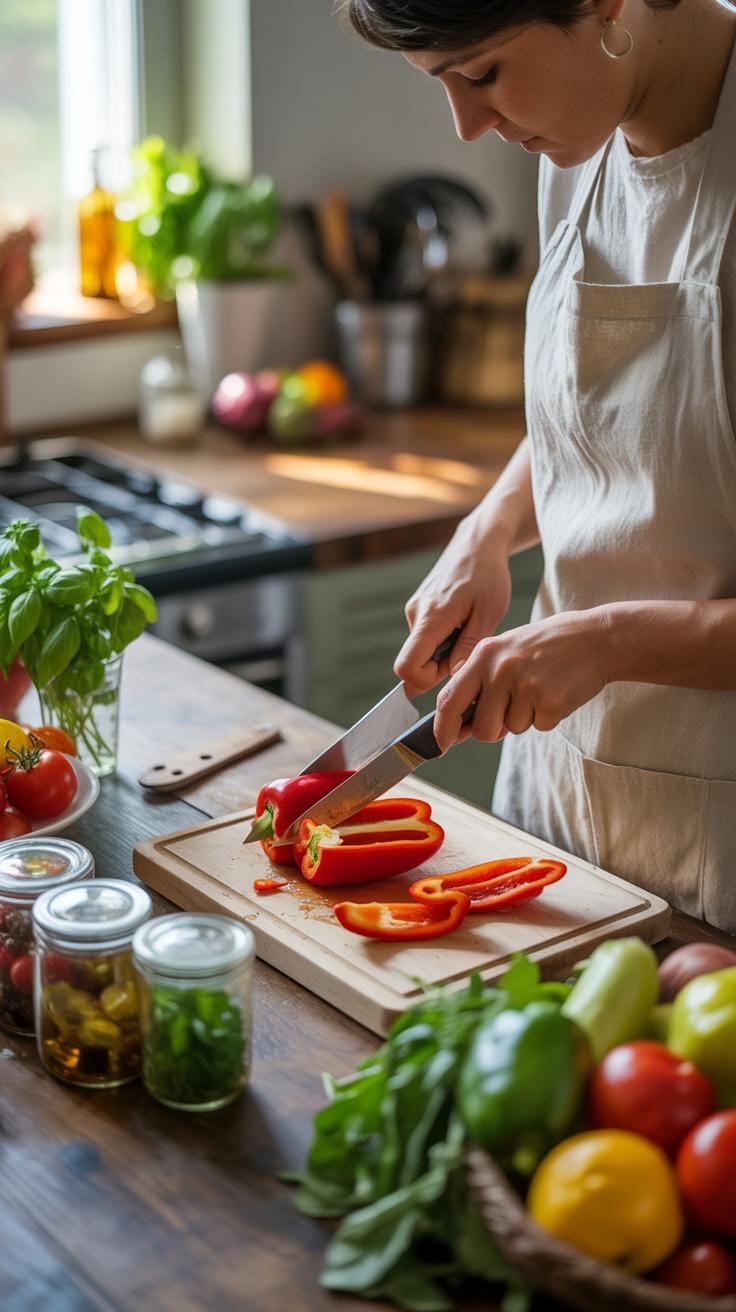
When it comes to vegan meal prep, choosing ingredients that cook quickly and store well can really take the stress out of your week. You want staples that work in multiple dishes and don’t lose their texture or flavor when reheated. There are a few basics I always keep on hand, which makes thrown-together meals feel a lot less thrown-together.
For protein, beans—like black beans, chickpeas, or lentils—are reliable. You can buy them canned or dry, but canned ones save so much time. Grains like quinoa, brown rice, or bulgur cook fairly fast and store well in the fridge for several days. Vegetables are a bit trickier; fresh greens add crunch and brightness but tend to go limp faster, so pairing them with frozen or even some canned veggies is a practical way to keep things balanced and fresh, without much waste.
Plant-based proteins such as tofu or tempeh also fit easily into meal prep plans. They hold up well in the fridge and can be seasoned differently to keep meals interesting. And don’t overlook the frozen section—it offers pre-chopped veggies, fruit, and even pre-cooked grains, which can save a ton of time without sacrificing nutrition.
Balancing fresh and stored ingredients lets you keep meals nutritious and varied without spending hours in the kitchen. You might wonder if frozen broccoli is as good as fresh. Well, sometimes it’s actually picked at peak ripeness and frozen immediately, which locks in nutrients. So honestly, mixing both types can be smarter than relying on fresh produce alone, especially if you have a busy week ahead.
Planning Your Vegan Meals
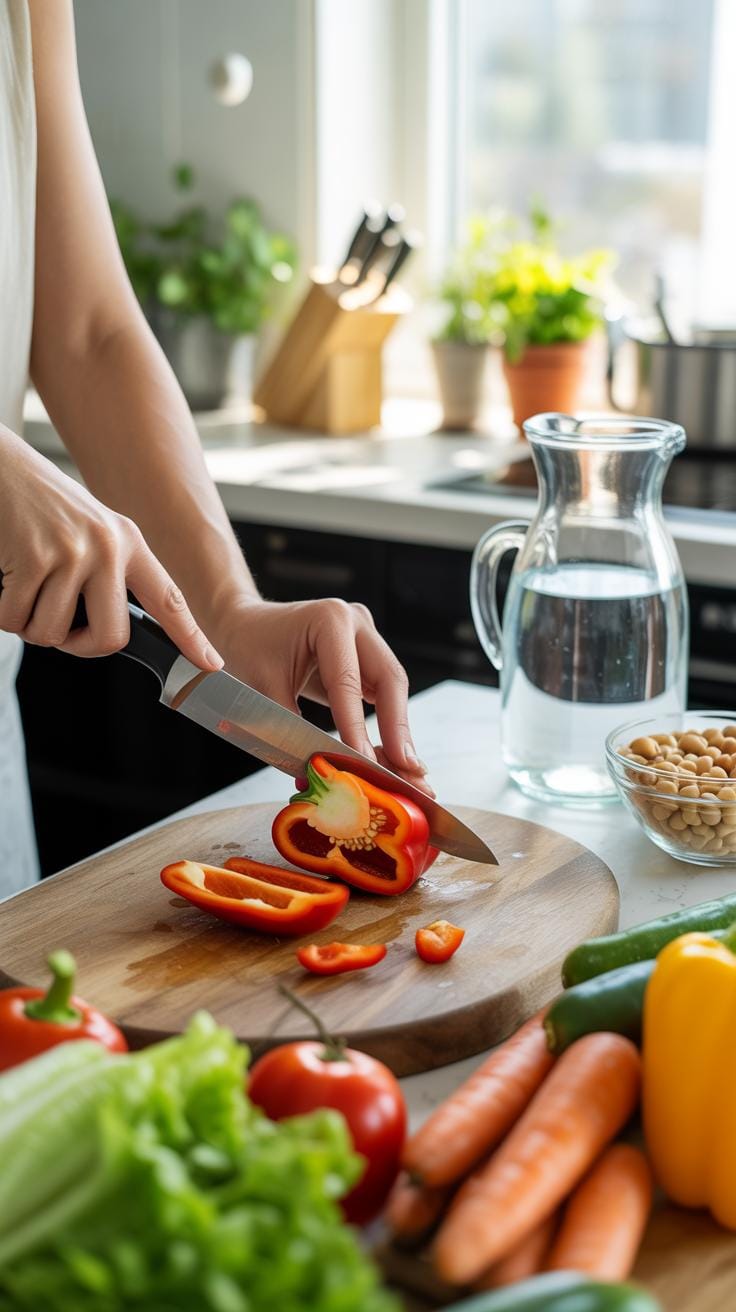
When you’re prepping vegan meals for the week, it’s easy to feel overwhelmed. But thinking ahead about portion sizes and variety can make a big difference. Try aiming for meals that fill your plate with different textures and colors—that’s often a good clue you’re covering nutrients. For portion control, a rough guide could be half your plate as vegetables, a quarter as protein, and the rest split between carbs and healthy fats. Though, of course, these aren’t strict rules. Some days you might want more grains, other days more greens.
Variety isn’t just about making meals interesting—it helps ensure you get a broad range of vitamins and minerals. Rotate your proteins like beans, tofu, or tempeh. Swapping your carbs between brown rice, quinoa, or sweet potatoes keeps things nutritious and fresh. And healthy fats from sources like avocado, nuts, or seeds complete the picture. When meal prepping, pick recipes that can be made in bulk without losing texture or flavor, such as grain bowls with roasted veggies, chickpea salads, or hearty lentil stews. This way, you don’t have to re-invent the wheel daily and still enjoy balanced, wholesome food all week long.
Batch Cooking Techniques
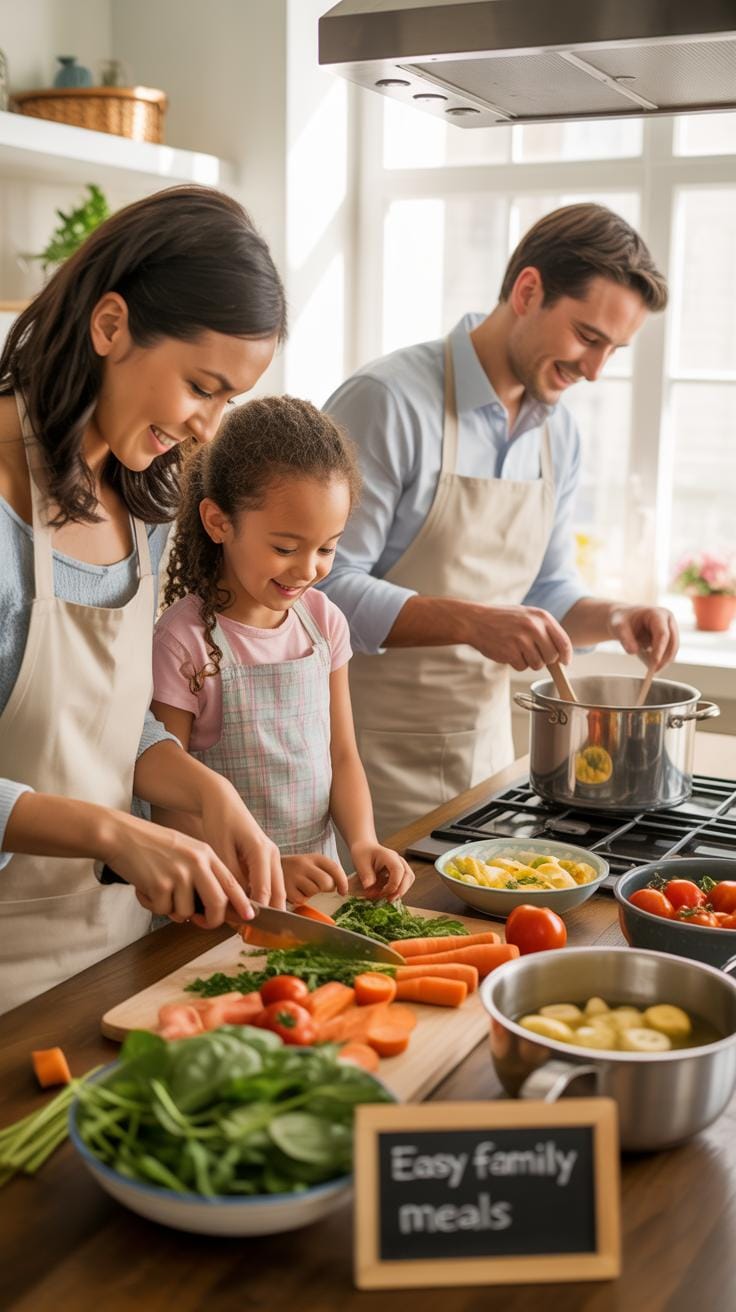
Cooking large portions at once can save you a lot of time during a busy week, but it’s not just about making more food. The trick is to do it in a way that doesn’t feel overwhelming or wasteful. One thing I learned the hard way is that starting with meals that use simple, overlapping ingredients helps you avoid having too many unique items sitting around unused. Think big pots of chili or lentil stew—these dishes can simmer while you prep something else, and they taste even better the next day.
Using one-pan recipes can cut down on cleanup, which I always appreciate when I’m rushed. A roasting pan filled with veggies and tofu works wonders, especially when you season everything at once. I find that switching between stovetop and oven methods also speeds things up. For example, while a sauce thickens on the stove, you can toss something in the oven.
Saving time can also come down to how you organize your tools and space. I keep my cutting board, knives, and containers nearby so I’m not running around the kitchen. Slow cookers or pressure cookers deserve a shout here, too. Sometimes throwing all ingredients inside and setting a timer feels like cheating, but honestly, it’s just smart cooking.
Efficient Cooking Tips
Large pots are your friends, especially when cooking grains or stews. Make extra rice or quinoa that can be portioned for several meals. One-pan recipes reduce the need for washing multiple dishes, which sounds small but can affect your willingness to meal prep on a hectic day.
Using kitchen gadgets like food processors can speed chopping and blending. Try prepping sauces or hummus in advance—they store well and add variety easily. Also, peeling and chopping vegetables all at once before cooking saves precious minutes later. Sometimes, I chop too much and forget to use it, but mostly it cuts down on daily tasks.
Storing Your Meals
How you store your food matters more than most people realize. Let hot dishes cool to room temperature before refrigerating to avoid condensation and spoilage, though sometimes I get impatient and stuff them in anyway.
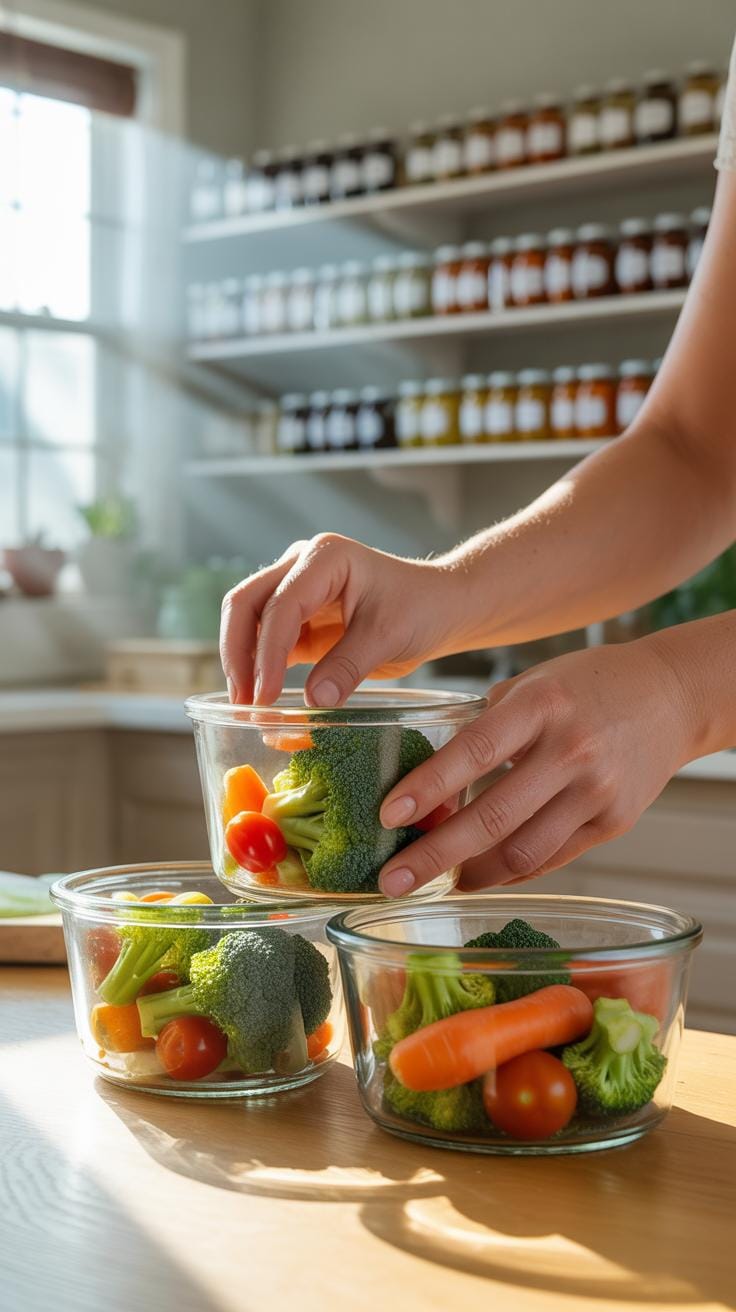
Glass containers with tight lids can keep things fresh longer and make reheating less of a hassle. Portion meals in clear containers, so you see what’s inside without opening everything and risking spills. Freezing leftovers in meal-size portions works great if you don’t plan to finish the batch quickly; just label each one with the date. You might find some meals lose texture after freezing—soups usually freeze better than salads, for instance.
Reheating is easier with some improvisation. Stirring midway through microwaving can help keep meals tasting just as good as when freshly prepared. It’s not perfect, but it’s practical.
Packing and Portioning
Packing and Portioning: Convenience and Variety
When you’re prepping vegan meals for a busy week, packing and portioning can feel like a bit of a puzzle. The trick is to divide your dishes into manageable servings that don’t overwhelm your fridge or your appetite. I usually find that packing meals in single-serving containers saves time during the week. You just grab one and go—no decision fatigue about how much to eat or what to heat. But sometimes, mixing it up with a few larger containers for meals like stews or salads can work better, letting you customize portions right before eating.
Think about creating variety by packing components separately. For instance, keep grains, veggies, and sauces in different containers. This way, meals don’t get soggy, and you can switch up flavors across the week without extra cooking.
Choosing Containers
Choosing the right containers is surprisingly important. Glass containers tend to hold up well to reheating and don’t stain, but they can be heavy—sometimes awkward if you’re carrying multiple meals around. Plastics are lightweight but may stain or retain odors from strong flavors, like curry or garlic. I’ve found that a mix of both types fits different needs: glass for freezer storage and portioning meals for home, plastic for lunch on the go.
Labeling can be a lifesaver too, especially if you prep several dishes at once. Use a simple system—maybe just a masking tape strip and a marker. Date and name the meal so you avoid confusion or letting food sit too long undetected.
Portion Control Tips
Portioning meals right isn’t always intuitive. It’s easy to pack too much, thinking you’re saving time, but then you end up overeating or wasting food. A general rule I lean on is filling half your container with vegetables or salad. Then, use about a quarter for protein sources like beans or tofu, and the remaining quarter for complex carbs—quinoa or sweet potatoes, for example.
Measuring cups help at first, but it’s okay to eyeball portions once you get a sense of your appetite and needs. You might overeat some days or undereat others—that’s normal. The goal isn’t perfection but balance. And small adjustments along the week can keep things from getting stale or monotonous.
TimeSaving Tools

When you’re juggling a busy schedule, having the right tools in your kitchen can make a surprising difference to vegan meal prep. Maybe you’ve thought slow cookers were outdated or that food processors only belong in fancy kitchens. But honestly, these gadgets save time and mental energy, even if they sometimes feel like extra clutter.
Helpful Gadgets
Take slow cookers, for example—they let you toss in beans, veggies, and spices in the morning and come home to a ready meal. They aren’t just for stews; you can make soups, chili, and even grain dishes.
Pressure cookers deserve a mention too. They cut cooking time drastically—beans that usually take an hour can be ready in 20 minutes or less. I’ve often underestimated how much time I save using one until I measured it out. Plus, they keep nutrients locked in better than some other methods.
And then there are food processors. Peeling and chopping can be the most boring part of prepping, right? A food processor turns that into a quick task. Make quick batters, chop onions, or whip up dips and spreads with just a few pulses. It’s far from necessary, but it’s a game changer when you’re short on minutes or patience.
Organizing Your Prep
Beyond gadgets, how you organize your prep can either speed things up or slow you down. One trick I found helpful is setting up “stations.” For example, have separate areas for chopping, mixing, and packing. This stops you from constantly moving back and forth across the kitchen.
Another tip is prepping ingredients in bulk and storing them in clear containers. It kind of feels like cheating, but having diced peppers, cooked grains, or rinsed greens ready to go means you avoid a lot of last-minute rush.
Lastly, don’t overlook the power of a checklist. Writing down tasks in advance helps you focus and avoid repeated trips to the fridge or pantry. Sometimes, just knowing exactly what needs to get done makes the whole process feel less tangled.
So ask yourself: What tool do you keep ignoring that might actually help? How could rearranging your kitchen space save you a few extra minutes each day? The answers might be simpler than expected.
Sample Weekly Menu
Here’s a simple, no-fuss vegan menu you might try for a busy week. It covers breakfast, lunch, and dinner with meals that don’t ask much of your time but still feel satisfying. The idea is to keep things practical—meals that come together with minimal chopping or fuss, mostly relying on pantry staples and quick-cooking ingredients.
For breakfast, expect variations of overnight oats, smoothies, or toast topped with hummus and veggies. Lunches focus on grain bowls, simple pastas, and hearty salads you can make in bulk. Dinners combine easy stir-fries, one-pot curries, or baked dishes that last a few days.
Here’s a quick glance at the week:
- Monday: Peanut butter banana overnight oats, quinoa salad with chickpeas, and vegetable stir-fry with tofu.
- Tuesday: Green smoothie, lentil soup, and chickpea curry with rice.
- Wednesday: Avocado toast, pasta with tomato and spinach, and baked sweet potato with black beans.
- Thursday: Chia pudding with berries, mixed grain bowl, and veggie fajitas.
- Friday: Banana oat pancakes, kale and quinoa salad, and simple stir-fried noodles.
- Saturday: Smoothie bowl, roasted vegetable wrap, and lentil shepherd’s pie.
- Sunday: Toast with almond butter, vegetable soup, and mushroom risotto.
Simple Chickpea Curry
This recipe is great for dinner and reheats well—good for those nights you don’t feel like cooking from scratch. You’ll need a can of chickpeas, canned diced tomatoes, a handful of spinach, garlic, onion, and basic spices like cumin, turmeric, and curry powder.
Sauté chopped onion and garlic until soft. Stir in the spices, then add tomatoes and chickpeas with a little water. Let it simmer for 15 minutes. At the end, toss in spinach until it wilts. Serve over rice. It’s filling and mostly hands-off once simmering starts.
Overnight Oats With Peanut Butter and Banana
For breakfast, this is a quick grab-and-go option. Combine rolled oats, a spoonful of peanut butter, a sliced banana, plant-based milk, and a touch of maple syrup in a jar. Let it sit overnight. In the morning, stir and top with extra banana or nuts if you like. You get fiber, protein, and energy without the morning scramble.
Trying this menu might feel a bit habitual, but it suits a busy lifestyle where you want just enough variety without complication. You might swap some meals or double portions to stretch leftovers—don’t hesitate to adjust based on what you enjoy or what’s in your pantry.
Staying Motivated and Flexible
Keeping on Track
Sticking to vegan meal prep isn’t always straightforward, especially when your week gets unpredictable. You might plan to cook on Sunday but end up too tired or just distracted by other things. That’s normal. What helps is reminding yourself why you started—whether it’s for health, saving time, or just feeling more in control. Sometimes, simply opening your fridge to see those ready-made meals can nudge you back on track.
Small wins matter. Maybe it’s prepping just a couple of meals instead of the whole week or chopping veggies ahead of time. It’s okay if you don’t hit every target. And if you feel your motivation slipping, try switching up the meals—something familiar but with a fresh twist. That little change might spark a bit of excitement again.
Adjusting Your Plan
Life rarely sticks to a script, so your meal prep shouldn’t feel stuck either. If your evenings suddenly get busy, maybe shift the bulk cooking to mornings or spread it over two days. Or if your tastes suddenly shift—maybe you’re craving something more hearty or lighter—don’t hesitate to swap out ingredients or meals.
Try keeping a flexible “base” meal you can tweak. For example, a grain bowl can become a salad or a warm dish, just by changing dressings or veggies. Also, leftovers can be reimagined; that lentil stew might turn into a filling for wraps or a spicy dip. Adjustments don’t mean failure—they’re just part of making this routine fit your life, not the other way around.
Conclusions
Vegan meal prep can make your life easier and healthier. By cooking ahead, you reduce stress and avoid last-minute unhealthy choices. Using simple ingredients and planning meals helps you stay on track with your vegan goals.
Try these tips and examples to create your own quick vegan meal prep. This habit can save time, money, and improve your diet. With some practice, you’ll enjoy tasty meals all week without the hassle of daily cooking.