
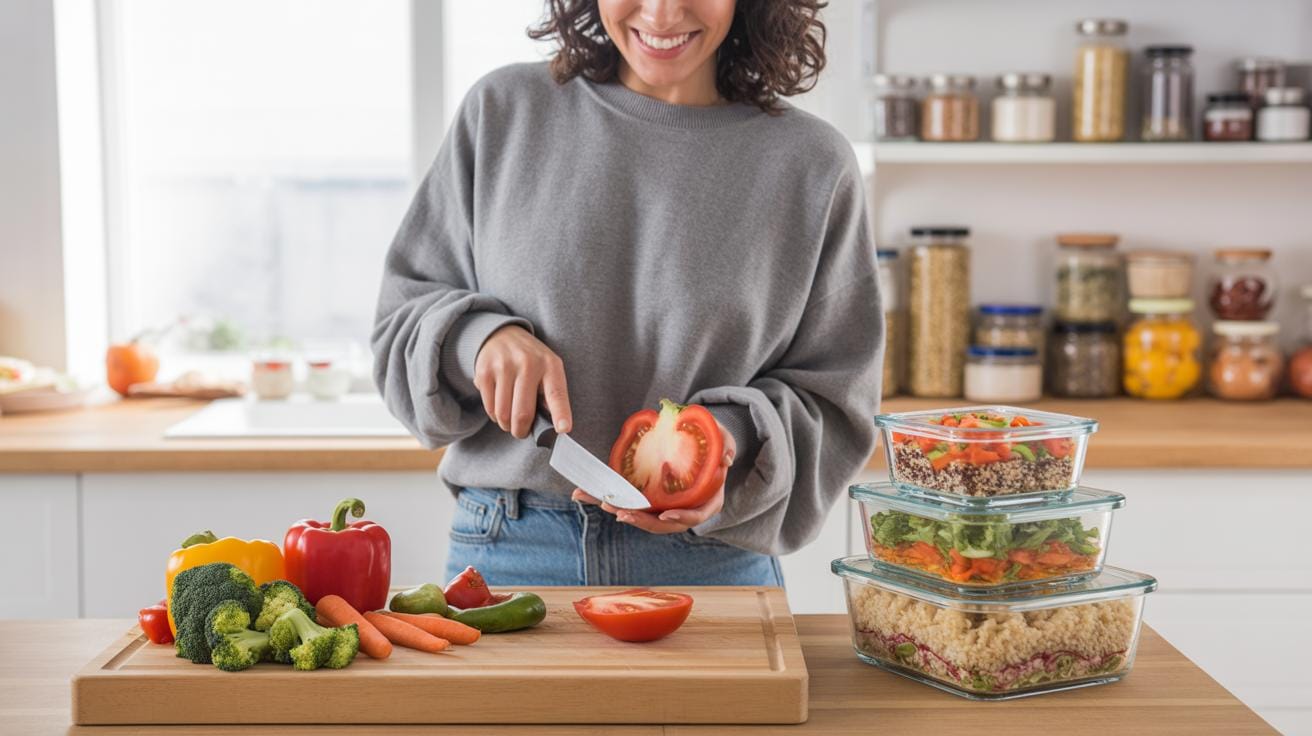
Getting Started with Vegetarian Meal Prep
Vegetarian Meal Prep Plans You Can Make Ahead For Week means getting your meals ready before the week starts. This way, you save time each day and eat healthy meals without stress. When you prepare vegetarian meals ahead, you use fresh vegetables, grains, and legumes to create tasty dishes that last for days.
Meal prepping makes it simple to stick to your vegetarian diet. You can easily control what goes into your food and avoid unhealthy takeout. This article will guide you through meal prep basics, give helpful tips, and show how to enjoy a week full of varied meals that keep you energized and satisfied.
Benefits of Vegetarian Meal Prep
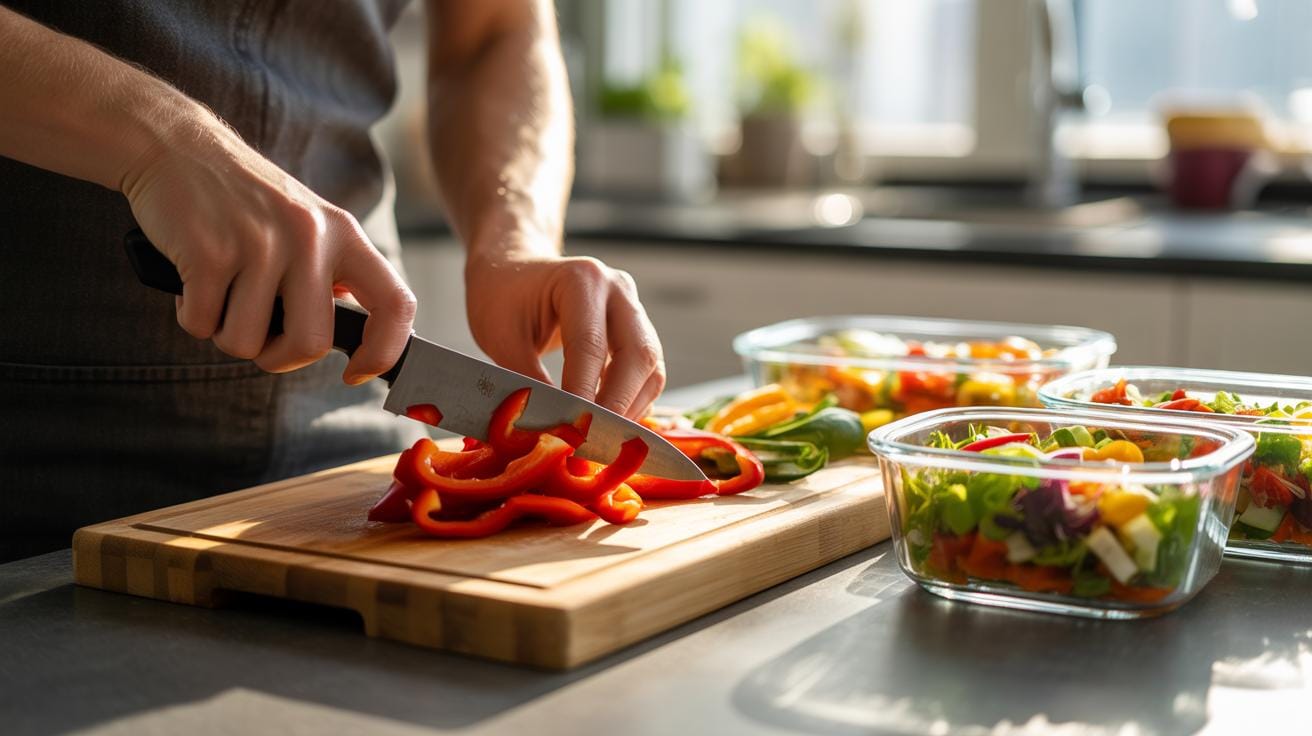
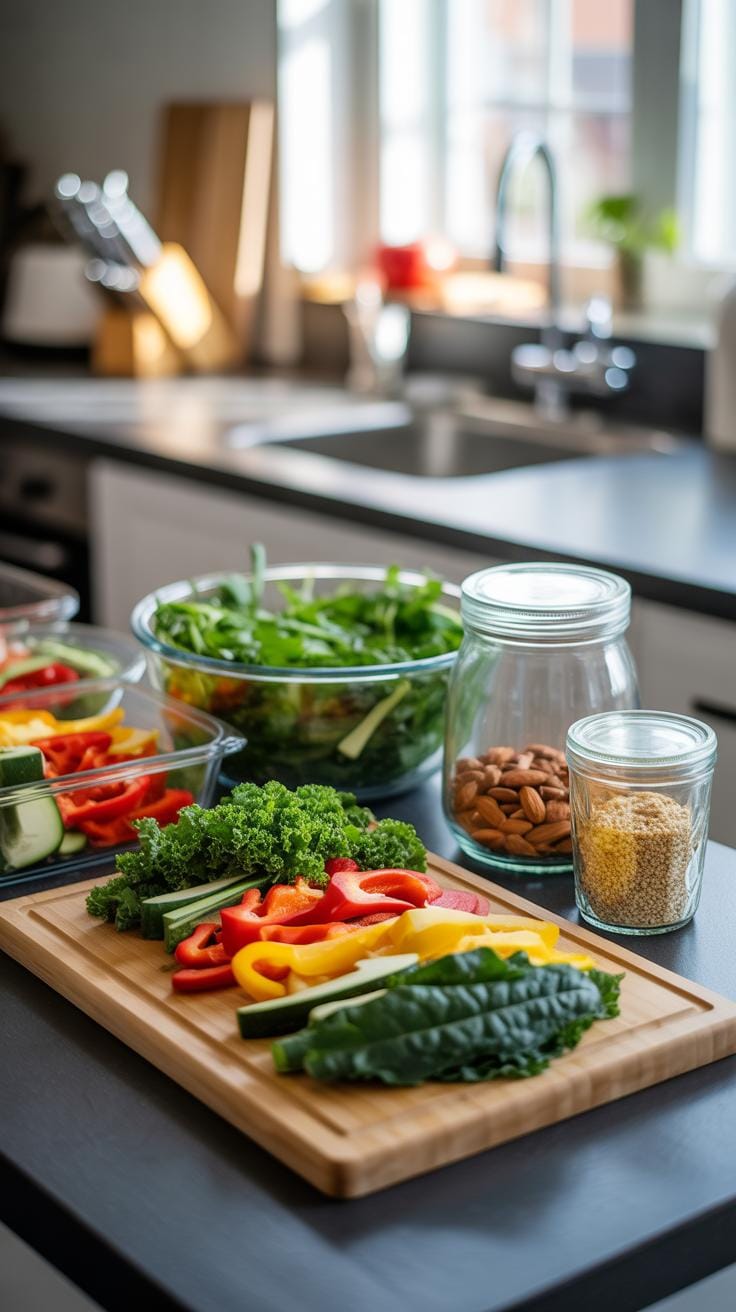
Preparing vegetarian meals ahead of time can feel like a small act with a surprisingly big impact. When you set aside an hour or two to cook for the week, it quietly frees up so much time later—no more scrambling after work or rushing between errands just to throw something edible together. You might find that having those ready-made meals waiting in the fridge not only cuts down cooking stress but actually nudges you toward healthier choices.
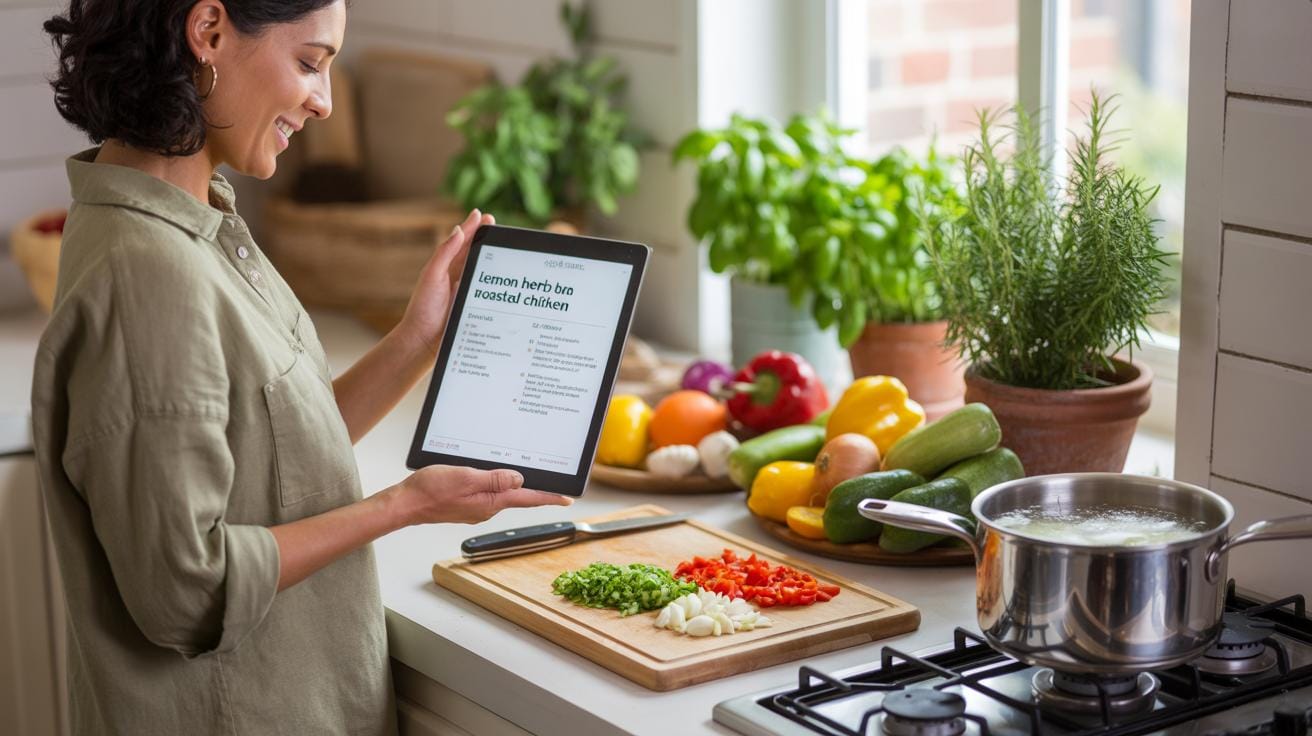
The simple truth is, when meals are prepped, you’re less tempted to fall back on whatever’s quickest, which often isn’t the best option. Instead, you’re pulling from a collection of wholesome dishes made with fresh vegetables, grains, and legumes, which can boost your energy and mood in subtle ways. And if you’ve ever noticed how a busy day can leave you reaching for whatever snack is easiest, this habit quietly discourages that impulse.
Thinking about it, meal prepping also means you have control over ingredients and portions without the need to decide under pressure each day. That lightens your mental load, especially on days packed with work, errands, or unexpected plans. You might still want to tweak a dish here or there, but having meals mostly ready reduces small daily decisions and—well—sometimes that can make a huge difference.
Planning Your Weekly Menu
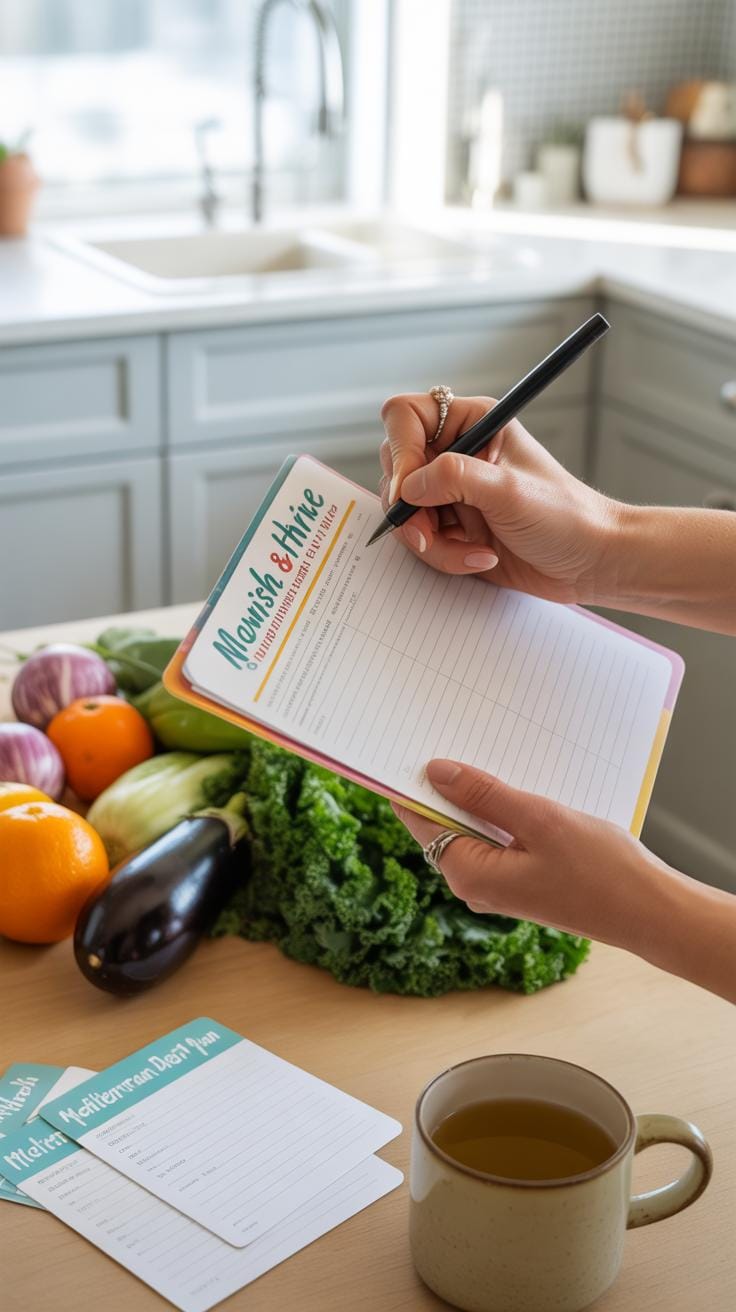
When you set out to plan a vegetarian menu for the week, you’re juggling more than just filling your plate. Making sure your meals have enough protein, grains, and vegetables can feel a bit like a puzzle. But it’s really about balance, and not necessarily perfection. You probably want meals that keep you full and energized without being overly complicated.
Start by focusing on protein-rich foods. Beans, lentils, tofu—these are staples in the vegetarian world, and for good reason. They provide the protein your body needs to stay alert and recover through the day. Think about including a cup or so of cooked legumes at lunch or dinner. You can toss lentils into a salad or stir tofu into a vegetable stir-fry. They don’t always have to be the star of the meal, but they should be there.
Try to work in a variety of colorful vegetables, too. I mean, not just for looks—different veggies bring different nutrients to the table. Pick reds, greens, yellows, maybe even purple potatoes or orange carrots. Whole grains like quinoa, brown rice, or bulgur round it out nicely. They add fiber and keep your energy steady. Mixing things up this way helps cover the nutrition bases without much extra thought.
Does planning your menu sometimes feel like overthinking? Absolutely. But leaning on familiar proteins and rotating your veggies can help make next week’s plan feel a little less daunting. And it lets you prep ahead with less guesswork, which you’ll thank yourself for later.
Shopping Smart for Meal Prep
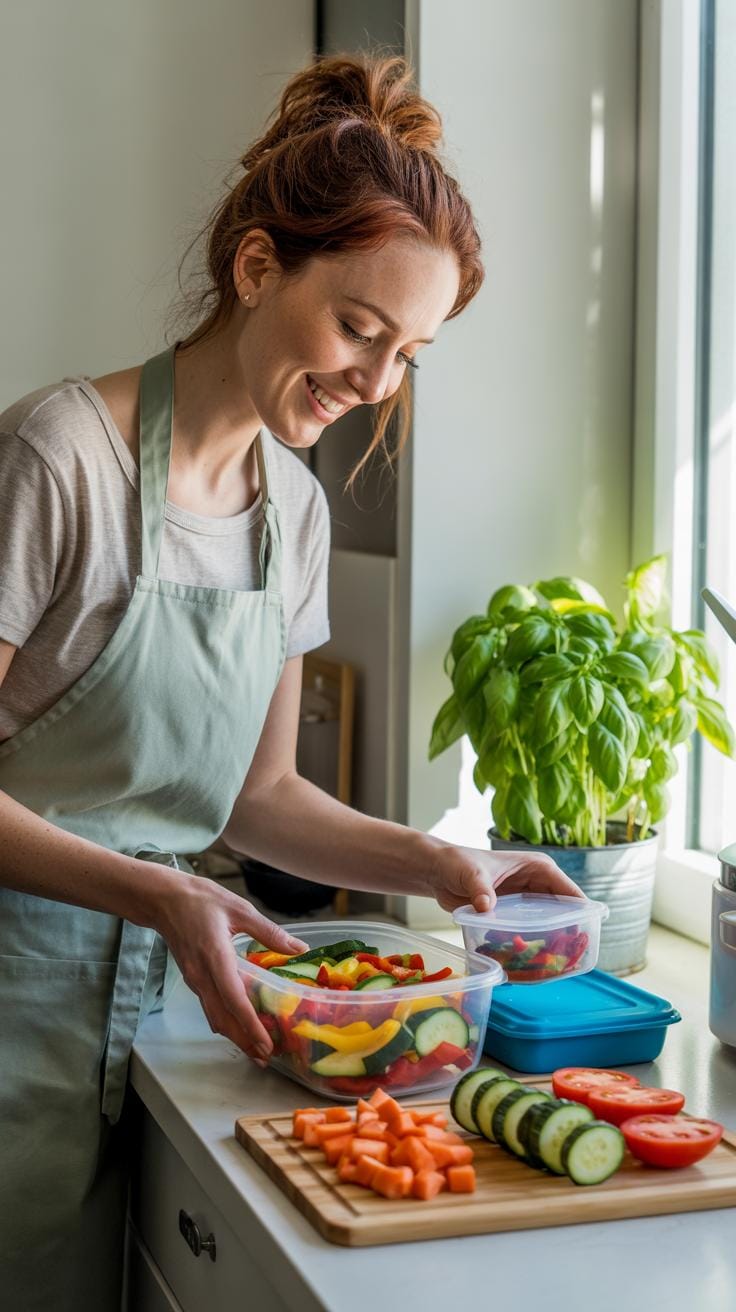
Shopping for vegetarian meal prep can feel a bit overwhelming if you don’t have a clear approach. One thing I’ve learned is that starting with a detailed grocery list makes a huge difference. When you base that list on your planned meals, you avoid those last-minute trips to the store or buying things you don’t actually need — which can lead to wasting food or money.
Try breaking your list into sections: fresh produce, grains, legumes, and pantry staples. That way, you won’t overlook anything essential. For example, if your meal plan includes grain bowls, list the specific grains and toppings you want. This also helps when you get to the store and don’t have to guess what to grab.
Buying fresh vegetables is essential for flavor and nutrition, but I admit sometimes I grab more than I can use. Buying what you can reasonably prep and eat during the week keeps things from going bad. Then there’s grains and legumes — these are great to buy in bulk. Bulk bins often have better prices, and you can measure out exactly what you need, which cuts down waste. Plus, bulk purchases tend to last longer on the shelf.
Overall, shopping smart means balancing freshness and savings without overcomplicating it. Are there items you usually end up tossing because they spoil too fast? Maybe rethink those or freeze extras when possible. It’s a bit of trial and error, but making a specific list and focusing on fresh and bulk buys definitely points you in the right direction.
Meal Prep Tools and Containers
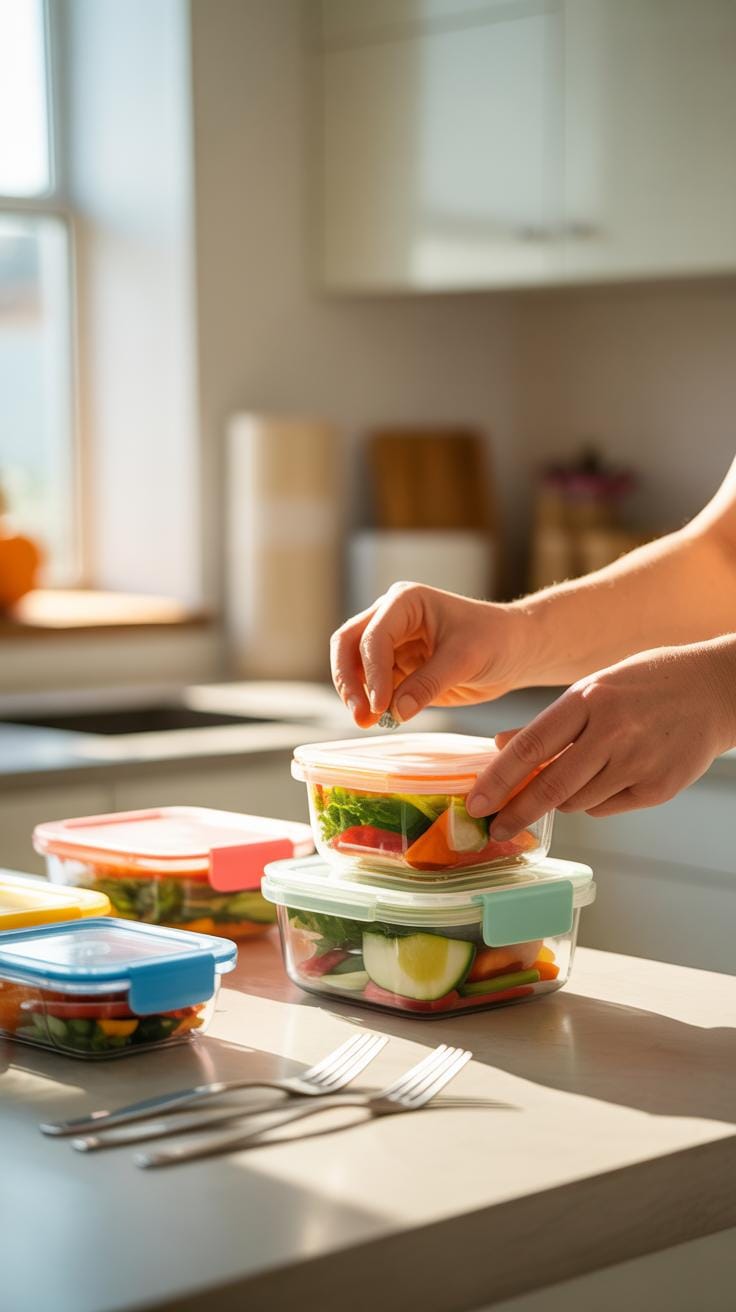
When you start prepping vegetarian meals for the week, having the right tools makes a big difference. It’s not just about convenience; it affects how well your food lasts and even how much you enjoy eating it later. One thing I’ve learned is that durable containers are a real game changer. Airtight, reusable containers keep your meals fresh longer—no mystery spoiling or accidental spills in the fridge.
You might wonder if glass or plastic is better. Glass tends to hold up well over time and doesn’t absorb smells, which can be helpful when you have strong veggies or sauces. Plastic containers are lightweight and handy, but they sometimes stain or warp. I usually keep both types, depending on what I’m storing.
Besides containers, a few kitchen tools stand out as essential. Sharp knives are a must—trying to chop veggies with dull blades is slow and frustrating. A sturdy cutting board, ideally one reserved just for fruits and veggies, helps keep things clean and organized. Measuring cups or spoons might seem minor, but they speed up recipe accuracy and reduce guesswork, especially if you’re batch cooking.
Other helpful gadgets could be a vegetable peeler, a good colander, or even a handheld food processor if you’re feeling fancy. But honestly, even basic tools will do. Sometimes, simple is best—and the less clutter, the less distracting your prep becomes. Are your kitchen tools making your meal prep smoother, or are you still missing that one thing?
Cooking Grains and Legumes in Bulk
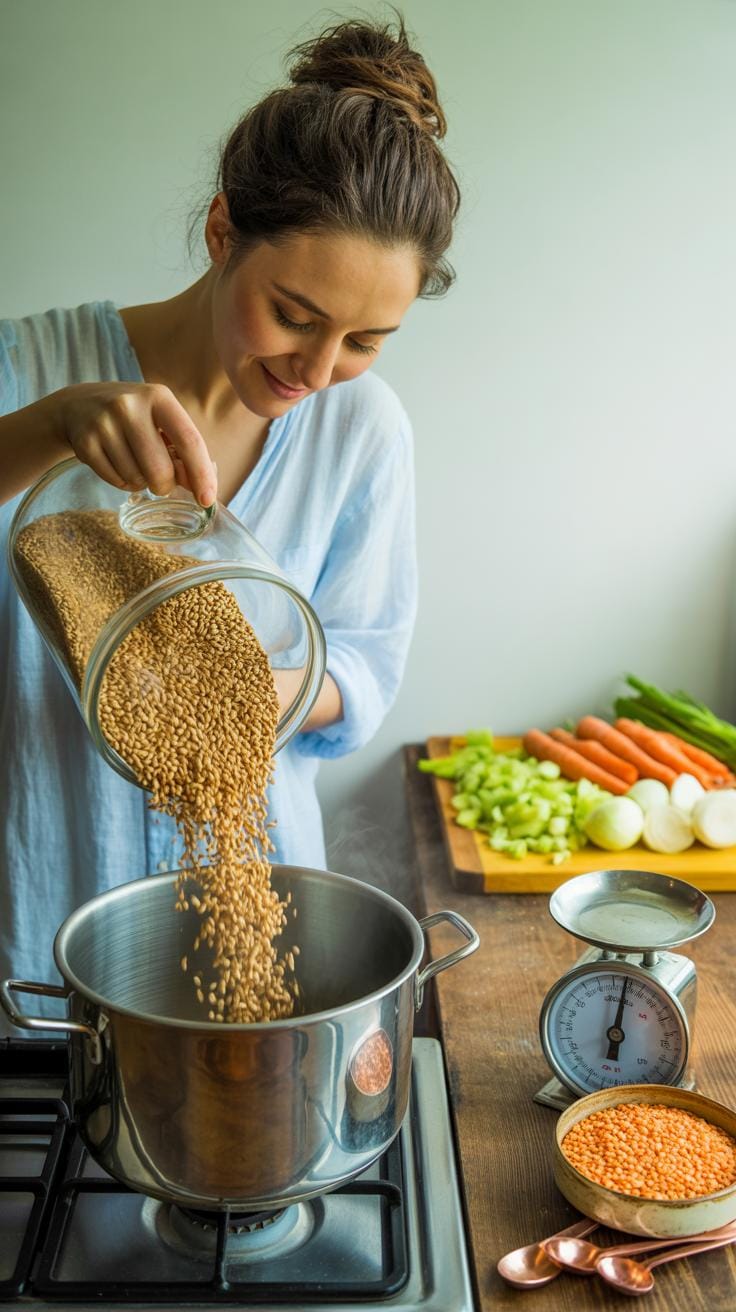
Cooking grains and legumes in large batches can really change the way you approach your vegetarian meal prep. It saves you time on busy days when you don’t want to cook from scratch. Think about cooking a big pot of brown rice or lentils once or twice a week. You can then mix and match these base ingredients with different veggies and sauces to keep meals interesting.
Easy Cooking Methods
Boiling is the simplest way to cook most grains and legumes. Just rinse them well, cover with water, and simmer until tender. It does take a while, yes, but you can multitask while the food cooks. Pressure cooking speeds things up a lot—if you have an Instant Pot or similar device, it’s worth trying. For example, dried chickpeas often take hours on the stove but only about 40 minutes in a pressure cooker. Just remember to adjust water ratios, since pressure cooking uses less water than boiling.
Storage Tips for Bulk Foods
Once cooked, the trick is to store grains and legumes so they stay fresh and don’t get mushy or dry out. Cool them completely before putting them in airtight containers or resealable bags. I usually portion mine into half-cup servings—that way I don’t waste anything. Keep them in the fridge for up to five days. For longer storage, freezing works well but gives a different texture. You might want to freeze in small portions to defrost just what you need. Do you ever get tired of the same plain rice or beans? Warming them up with a splash of broth or a little seasoning can bring them back to life.
Preparing Vegetables for the Week
Batch Washing and Chopping
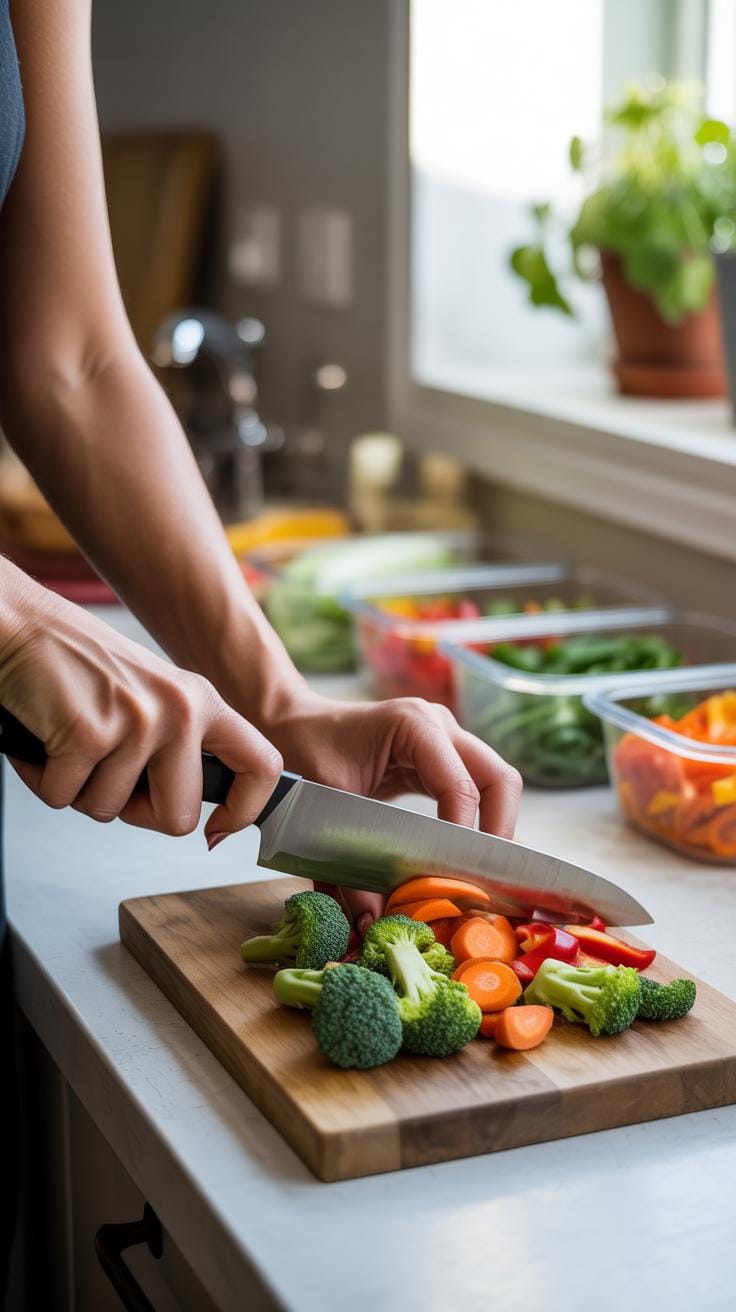
When you think about the time you spend during the week prepping vegetables, it can feel like a lot. That’s why washing and chopping in bulk saves you so many trips back to the cutting board. Start by rinsing all your veggies in a large colander or basin—lettuce, carrots, peppers—anything you have on hand. I often find that soaking leafy greens for a few minutes gets rid of dirt better than a quick rinse.
Once clean, chop everything according to your plans—dicing bell peppers, slicing zucchini, or shredding cabbage. Keeping the pieces uniform helps with even cooking later on but don’t stress if they’re not all perfect. Store these prepped veggies in airtight containers or resealable bags with a paper towel inside to absorb extra moisture. This little trick keeps them from getting soggy, although sometimes I forget, and it’s a bit frustrating later.
Roasting and Steaming Tips
Cooking your veggies in advance can change meals completely. Roasting brings out a natural sweetness and creates a satisfying texture. Toss chopped root vegetables or squash with a bit of oil, salt, and whatever herbs you like, then spread them evenly on a baking sheet. Roasting at about 400°F usually takes 25-30 minutes. It’s simple yet rewarding.
Steaming is a different story. It keeps things tender and bright, which works well if you want your vegetables ready to toss into salads or grain bowls. Use a steamer basket over simmering water, cover, and check in after 5-10 minutes. Don’t overdo it—you want just crisp tender, not mushy. Once steamed, you can store these veggies in the fridge and reheat gently, or eat cold depending on what you’re assembling.
Thinking about these steps ahead of time frees up your weeknights and makes pulling meals together feel less like a chore. Have you tried roasting a big batch of vegetables just to eat straight from the fridge? It’s not always planned, but it’s definitely worth it.
Combining Ingredients into Meals
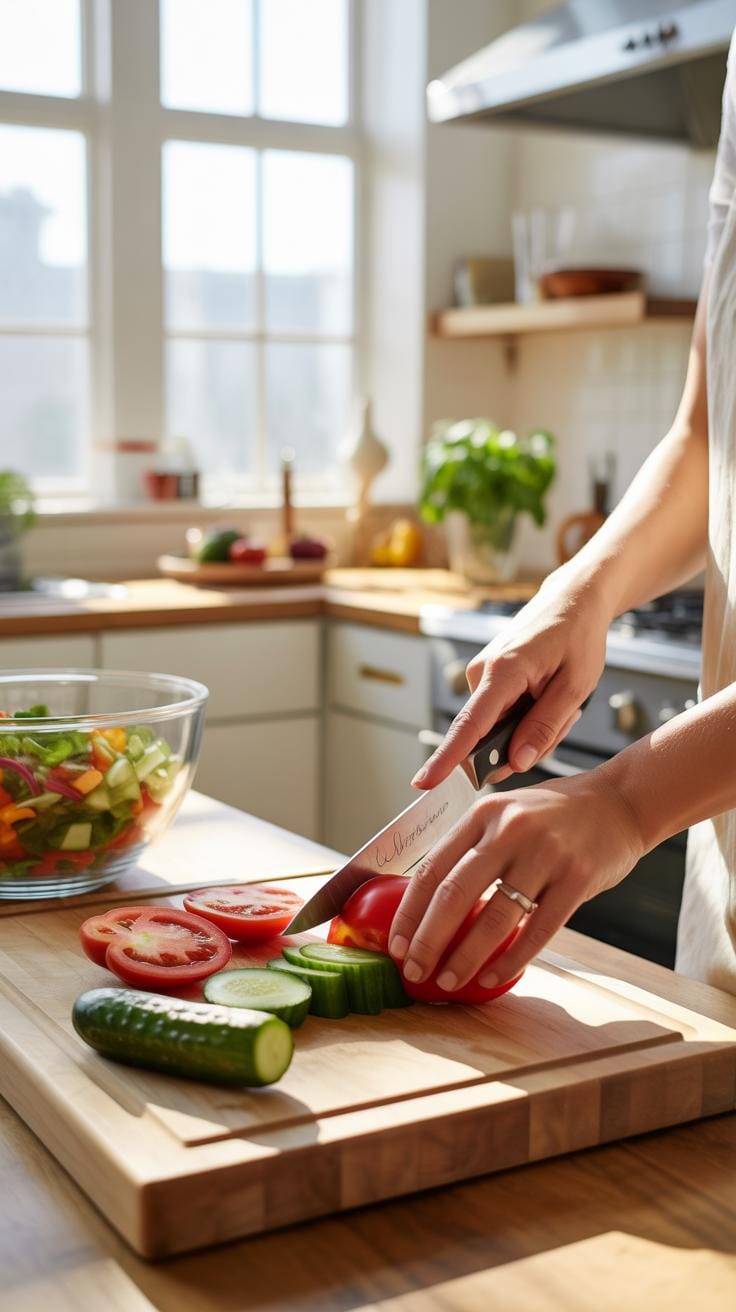
Once you have a stash of pre-cooked grains, legumes, and vegetables, the question becomes: how do you turn them into meals that don’t feel repetitive? The trick lies in mixing and matching these ingredients thoughtfully. Think of your prepped components as building blocks. For example, cooked quinoa combined with roasted sweet potatoes and black beans can become a simple bowl topped with salsa and a squeeze of lime. Or toss lentils with steamed broccoli and a drizzle of tahini for a quick comforting lunch.
Simple recipes can emerge just by swapping out one ingredient or altering a sauce. Consider a stir-fry: use your cooked rice alongside sautéed vegetables, toss in some chickpeas, then flavor it differently each day with soy sauce one time, or a curry paste the next. Your meals get variety without extra cooking.
Spices and sauces are your best allies here. Mixing cumin, smoked paprika, or ginger with garlic can change the dish’s character substantially. Soy sauce, lemon juice, or even a dollop of yogurt opens up distinct flavor profiles. Experiment with herbs like cilantro or basil at the last moment to add freshness. You might find some surprising combos that outshine your usual choices. What’s your go-to flavor combo when you’re in a rush? Playing around with these elements keeps your weekly vegetarian meals interesting and far from dull.
Storing and Reheating Meals
Keep Meals Fresh
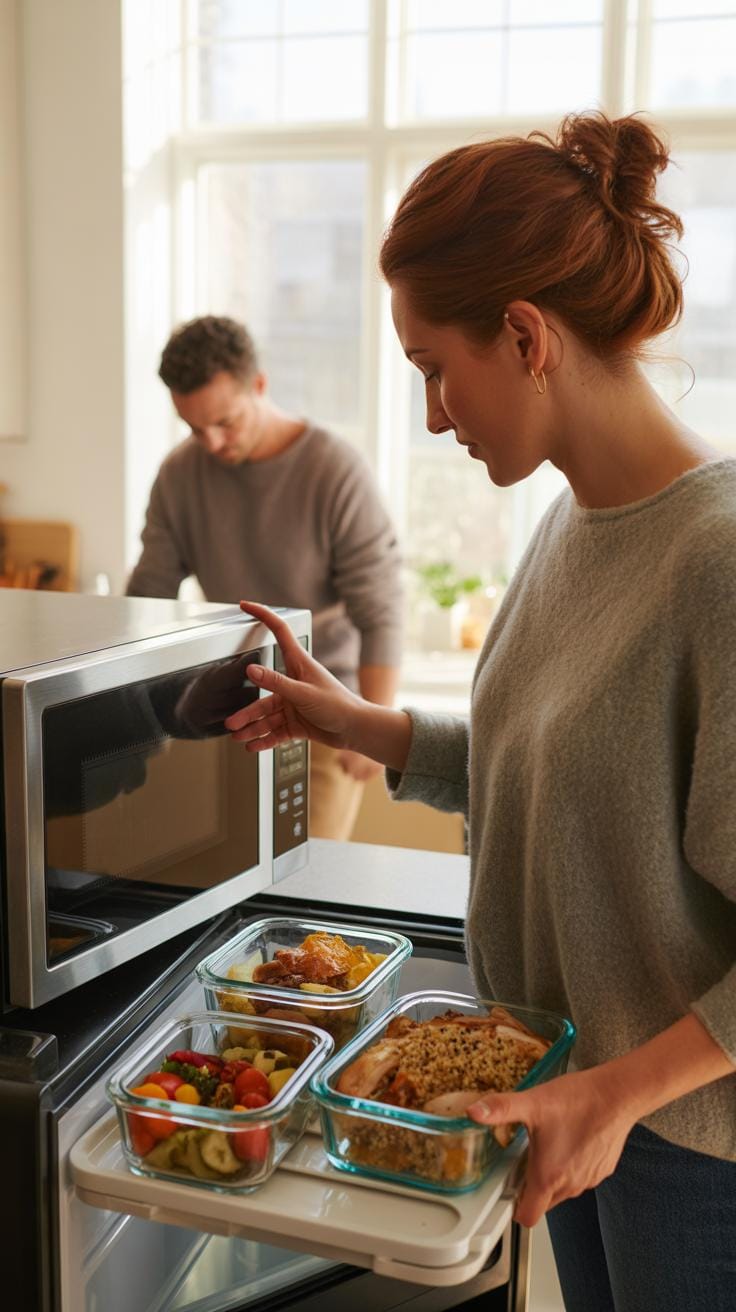
When it comes to storing your vegetarian meal preps, freshness is key to keeping your week’s meals enjoyable. Place cooked veggies, grains, and proteins in airtight containers right after cooling to avoid moisture buildup. It’s best to use glass or BPA-free plastic containers with tight lids to prevent smells mixing or drying out.
In the fridge, meals usually stay good for about 3-4 days. If you want to keep things longer, freezing is your friend. Just remember to cool everything fully before freezing—hot food can create condensation that ruins texture and invites spoilage. Label containers with the date so you’re not guessing later.
Some foods freeze better than others. For example, cooked beans and rice hold up well, but salads or dishes with fresh herbs might fade or get soggy after freezing. Maybe try freezing portions of soups or stews with hearty grains and thawing greens fresh if that fits your routine.
Best Reheating Practices
Reheating vegetarian meals without drying them out can feel tricky. Quick warming in a microwave often works but be sure to add a splash of water or broth if your meal feels dry—it helps prevent toughness, especially with grains or tofu. Covering the container loosely traps steam for gentler heating.
If you’ve got a bit more time, reheating on the stove over low heat while stirring can bring back some texture. Take care not to overcook; otherwise, vegetables turn mushy, and beans might get rubbery. Sometimes, I find tossing the reheated dish with a drizzle of olive oil or fresh lemon juice can brighten flavors back up—give that a try.
There’s a balance to strike between reheating thoroughly and preserving the original taste. You might guess when something needs just a quick zap or a slow warm-up. Experiment to see what works for your favorite prepped meals—it can transform leftovers from meh to something you actually look forward to.
Staying Inspired with Meal Prep
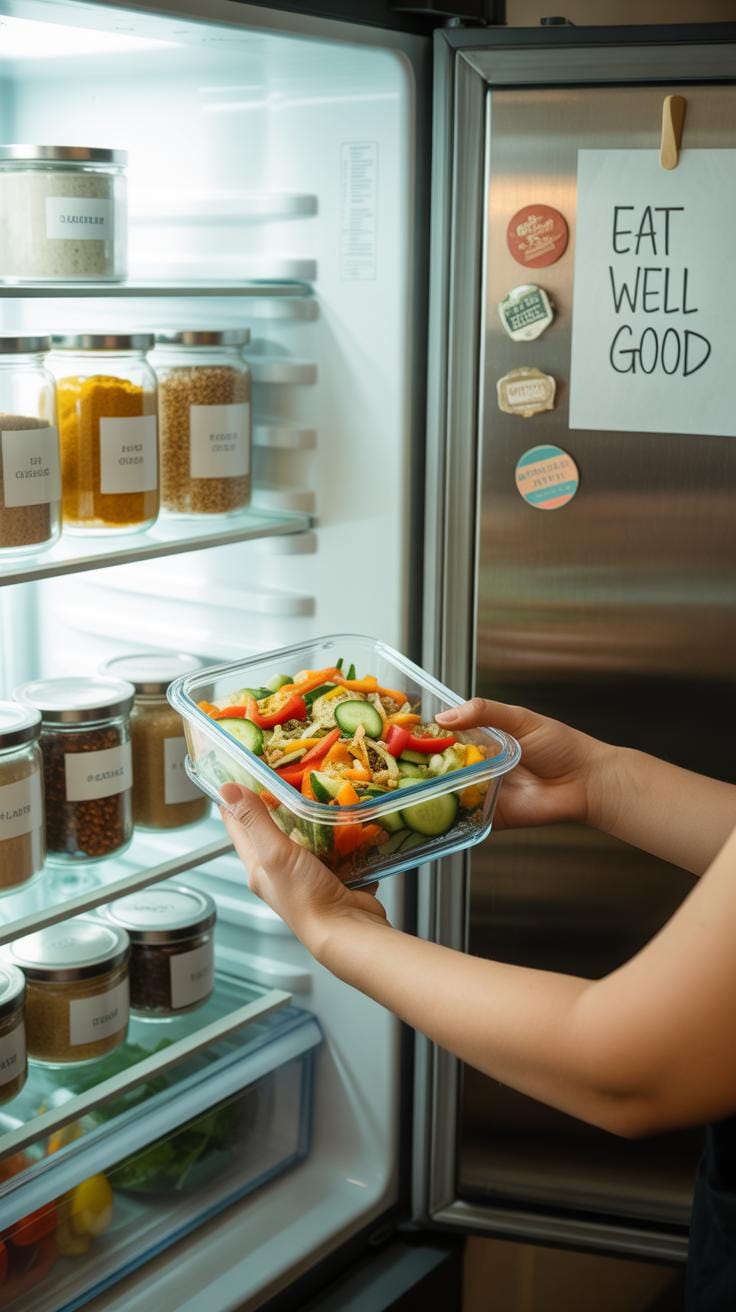
Keeping your vegetarian meal prep routine fresh can be tricky. It’s easy to fall into the same patterns week after week. But changing up your recipes just a little can make a surprising difference. Maybe try adding a new spice or swapping out a grain for something different. Even small tweaks, like swapping chickpeas for lentils, can refresh the whole meal. It doesn’t have to be complicated—sometimes just trying a recipe from a different cuisine can spark new interest.
Using seasonal ingredients helps, too. When you cook with whatever’s fresh in your area, meals tend to feel more vibrant and less repetitive. You might find yourself excited to use that crisp autumn squash or bright spring greens. Plus, seasonal produce often tastes better, which can make a big difference when you’re eating the same meals several days in a row.
What if you turn meal prep into a little weekly experiment? You could pick one or two new ingredients to try every week or recreate a dish from a cookbook or blog you haven’t explored before. It keeps things from feeling too routine. And honestly, it’s okay if some experiments flop. Sometimes those less successful attempts teach you a lot more.
Do you find it hard to stay motivated during busy weeks? That happens to me too. When that occurs, I remind myself that even small changes can keep the process enjoyable and less of a chore. Maybe it’s switching from baking to sautéing, or trying a new sauce—little shifts in approach can revive excitement without adding stress.
Overcoming Common Challenges

Time Management Tips
Finding time for vegetarian meal prep in a busy week can feel tricky. Maybe you think it’s all-or-nothing: spend hours chopping and cooking, or eat out. But breaking the process into smaller chunks helps. For example, soak beans or grains the night before. Then, cook them while you’re making breakfast or finishing another task. You can also prep ingredients in batches. Chop veggies right after grocery shopping and store them in airtight containers. That way, when it’s time to cook, everything is ready to go.
Scheduling meal prep into your calendar might seem too rigid, but even 15 to 20 minutes a day adds up. Make it a routine, like a mini project you check off. Try combining tasks: while lentils simmer, prepare a salad or portion out snacks. Over time, you might find certain days or times work better, but don’t stress if it varies week to week.
Handling Leftovers
Leftovers often get a bad rap—boring, repetitive meals that make the fridge feel crowded. But they don’t have to be dull that way. If you cooked a big pot of chili, try turning it into a baked veggie chili casserole with cheese or a hearty wrap the next day. Leftover roasted veggies can brighten up a breakfast scramble or pasta dish. Sometimes I toss them in a blender with some broth for a quick soup.
Here are some quick ideas to keep leftovers interesting:
- Add fresh herbs or a splash of lemon juice—small touches go a long way.
- Mix leftovers with fresh ingredients to create something new, like bowls or salads.
- Freeze portions if you suspect you won’t eat them soon to avoid waste.
- Try layering leftovers in a new dish to change texture and flavor.
Have you ever thought about how much money gets lost in forgotten leftovers? Using them creatively saves cash and time. Plus, it forces you to be a bit inventive, which might be just the spark your meal prep needs.
Conclusions
Planning your vegetarian meals ahead helps you eat better and save time. You learn to pick good ingredients and cook in ways that keep food fresh for days. This lets you avoid rushing or choosing less healthy options when you’re busy.
By setting up your vegetarian meal prep, you gain more control over your eating habits. You enjoy healthy, tasty dishes without much daily effort. With practice, meal prepping becomes easier and helps you keep a balanced and enjoyable vegetarian diet throughout the week.