
Planning Healthy Lunches Ahead
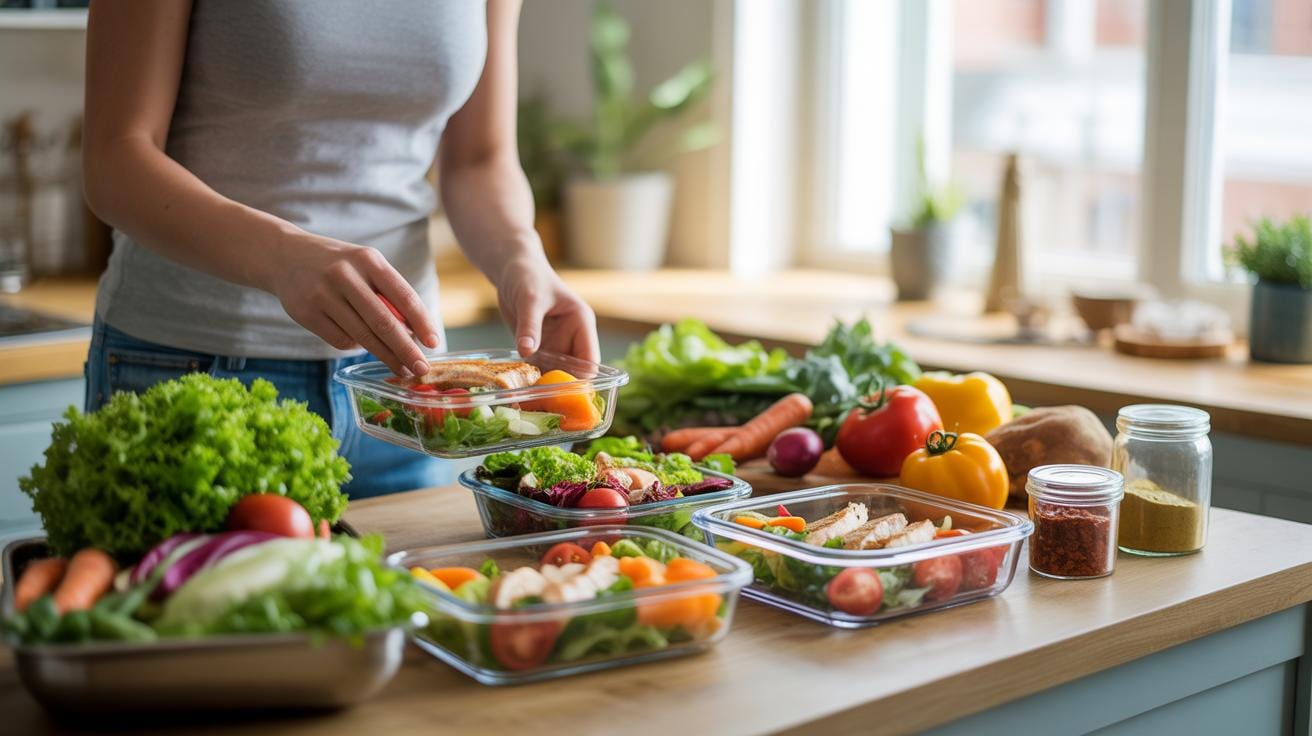
Meal preparation has become a popular way to maintain a healthy diet while saving time throughout the week. Healthy lunch meal prep plans can help you enjoy nutritious meals without the hassle of cooking every day. By planning and preparing your lunches in advance, you control the ingredients and portions, making it easier to stick to your health goals.
In this article, we’ll explore practical ways to prepare healthy lunches quickly. From understanding the benefits, planning your meals, to useful tips and recipe ideas, you will find simple solutions to make meal prep a part of your routine. Let’s dive into easy strategies to help you eat well and save time.
Understanding Meal Prep Benefits
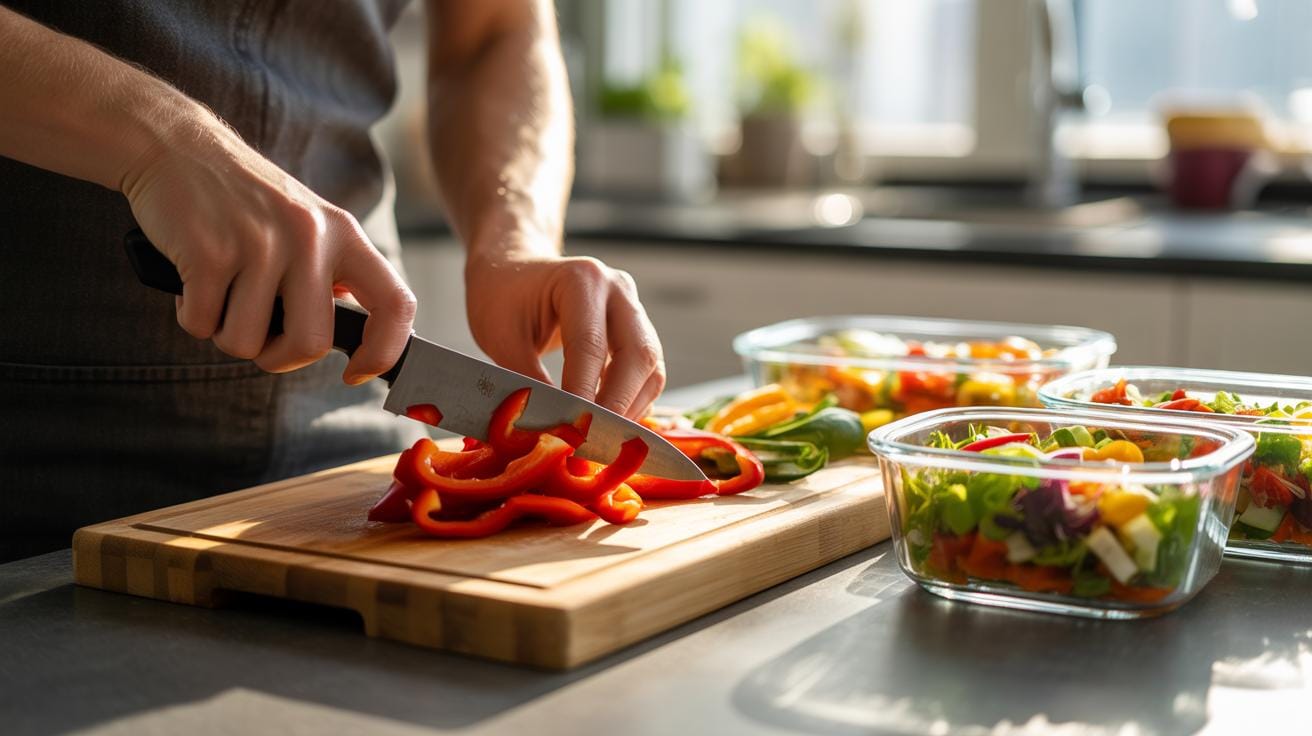
Meal prepping lunches can really change how you approach your day. For one, it saves money. When you prepare meals ahead, you avoid the easy—but often expensive—option of eating out or grabbing quick takeout. Studies hint that the average person spends about three times more per meal when eating out versus cooking at home. Buying ingredients in bulk and cooking several meals at once lowers your overall grocery bill because you reduce waste and capitalize on sales. I remember how my weekly grocery bills dropped noticeably once I committed to prepping.
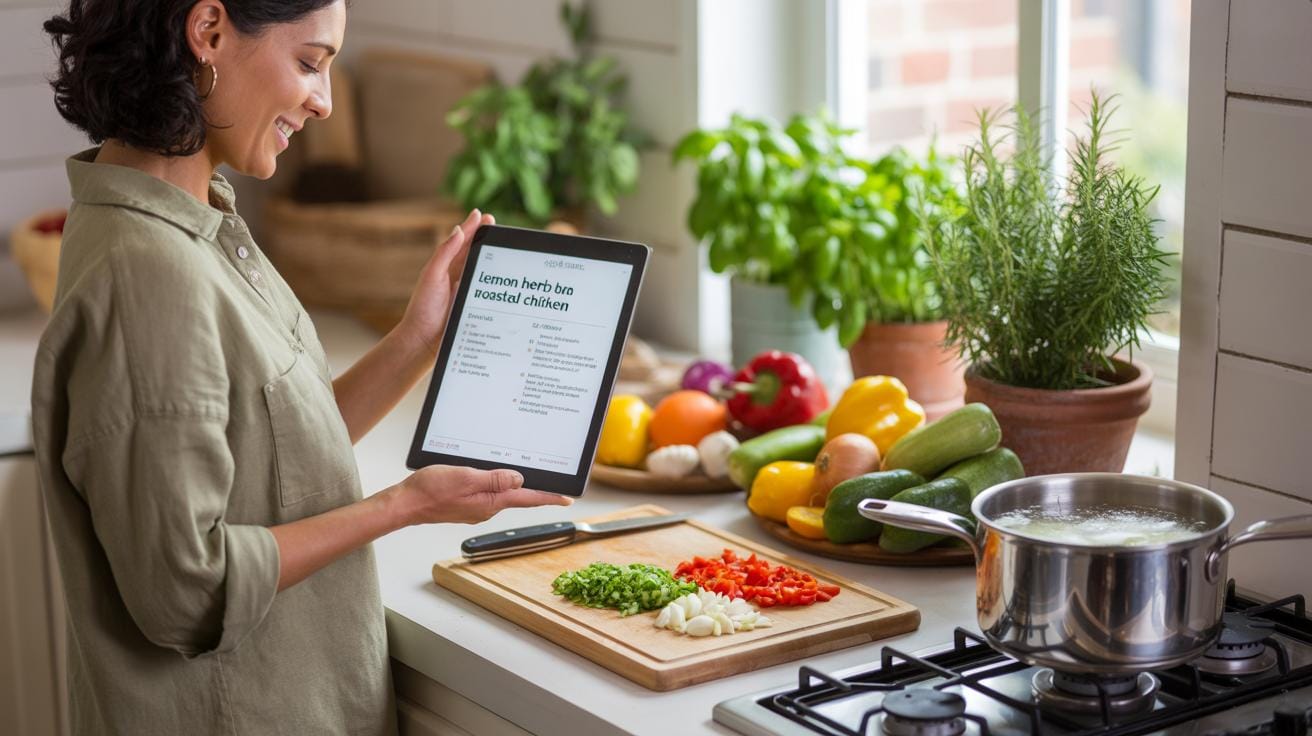
Beyond cost, meal prepping quietly improves your eating habits. You decide what goes into your food instead of depending on whatever’s quick or available. Restaurants tend to load meals with more sugar, salt, and unhealthy fats—even if unintentionally. By cooking your own food, you control these factors and tend to eat more nutrient-rich meals with fresh veggies, lean proteins, and whole grains. Some research links regular home-cooked meals with lower risks of obesity and diabetes.
Also, preparing meals ahead helps with portion control. Without it, it’s easy to overeat or pick snacks that don’t satisfy hunger well. Meal prep boxes portion your food into sensible amounts, making it less tempting to go back for seconds unnecessarily. That said, it’s still possible to misjudge portions when prepping, so a little mindfulness helps.
Have you noticed how skipping this part makes your food choices messier during busy days? I certainly have. Once you meal prep, you might find yourself less stressed about lunch and oddly more in tune with your body’s real needs.
Planning Your Lunch Menu
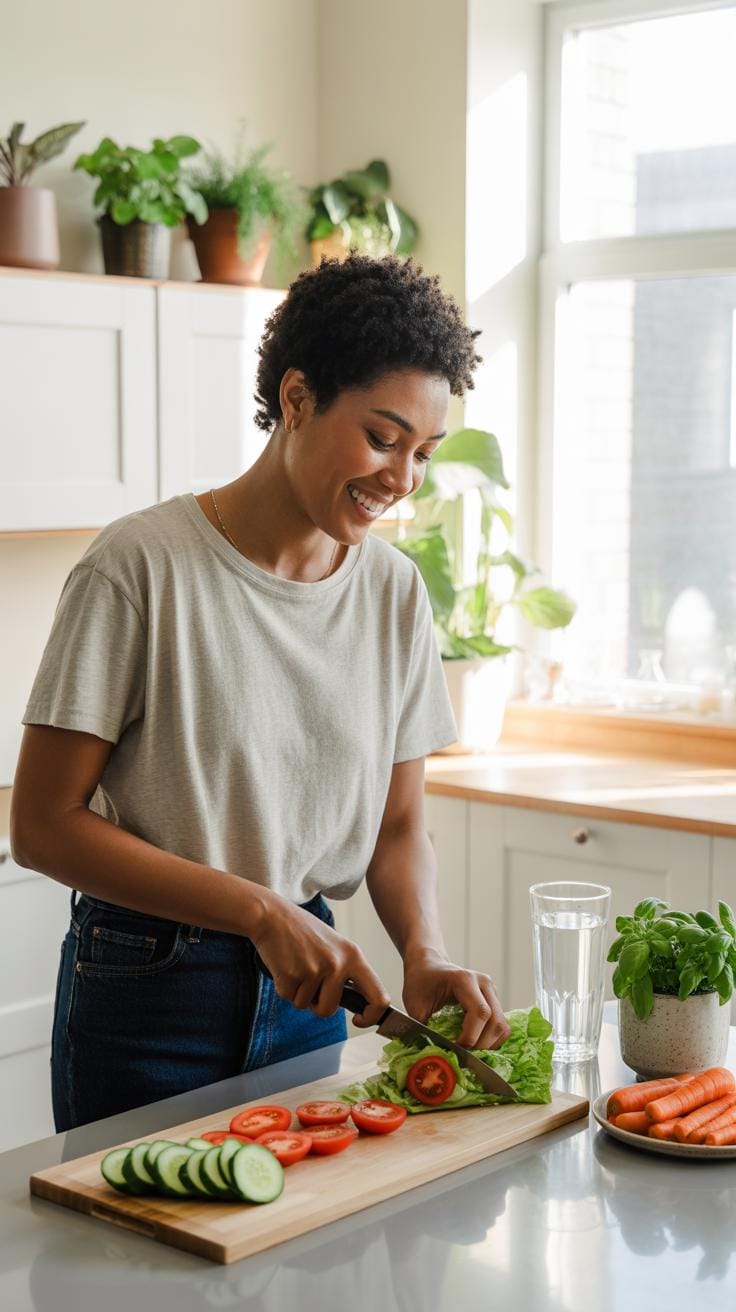
When you sit down to plan your lunch menu for the week, try to aim for balanced meals that combine proteins, vegetables, and whole grains. This mix helps keep your energy steady and your body nourished without that mid-afternoon slump you might dread. Think about meals like grilled chicken with quinoa and roasted broccoli, or a chickpea salad paired with brown rice and a colorful mix of greens. These combinations cover the basics your body needs.
But, don’t just stick to the same ingredients every day. Variety matters, not only to keep boredom at bay but also to make sure you’re hitting a broad spectrum of nutrients. Maybe one day you choose sweet potatoes over brown rice, or swap spinach for kale. Seasonality plays a role here—fresh market vegetables can inspire change and also support better taste and nutrition.
Balance Macronutrients
The balance of proteins, carbs, and fats at lunch affects how full and focused you feel. Protein builds and repairs tissues; carbs provide quick energy; fats help with nutrient absorption and keep you feeling satisfied. For example, preparing a salmon salad with avocado and a side of wild rice brings those elements together pretty well. Or, if you prefer plant-based options, try lentils, roasted veggies, and a drizzle of olive oil for fat. You might find some lunches feel heavy, while others leave you wanting more—this is normal and adjusting portions or food types can help you figure out what works best for your routine.
Choose Diverse Ingredients
Using different proteins, grains, and vegetables prevents monotony and boosts nutrient variety. Rotating between chicken, eggs, beans, or tofu keeps your meals less predictable. Different greens—like arugula, romaine, or mixed salad leaves—bring unique vitamins and textures. Whole grains could be anything from barley to farro or millet; changing them up might even help digestion. The market or grocery aisles usually offer whatever’s in season or on sale, which can guide your choices. That way, meal prep feels less like a chore and more like an experiment with everyday ingredients that fit your tastes and health.
Smart Grocery Shopping
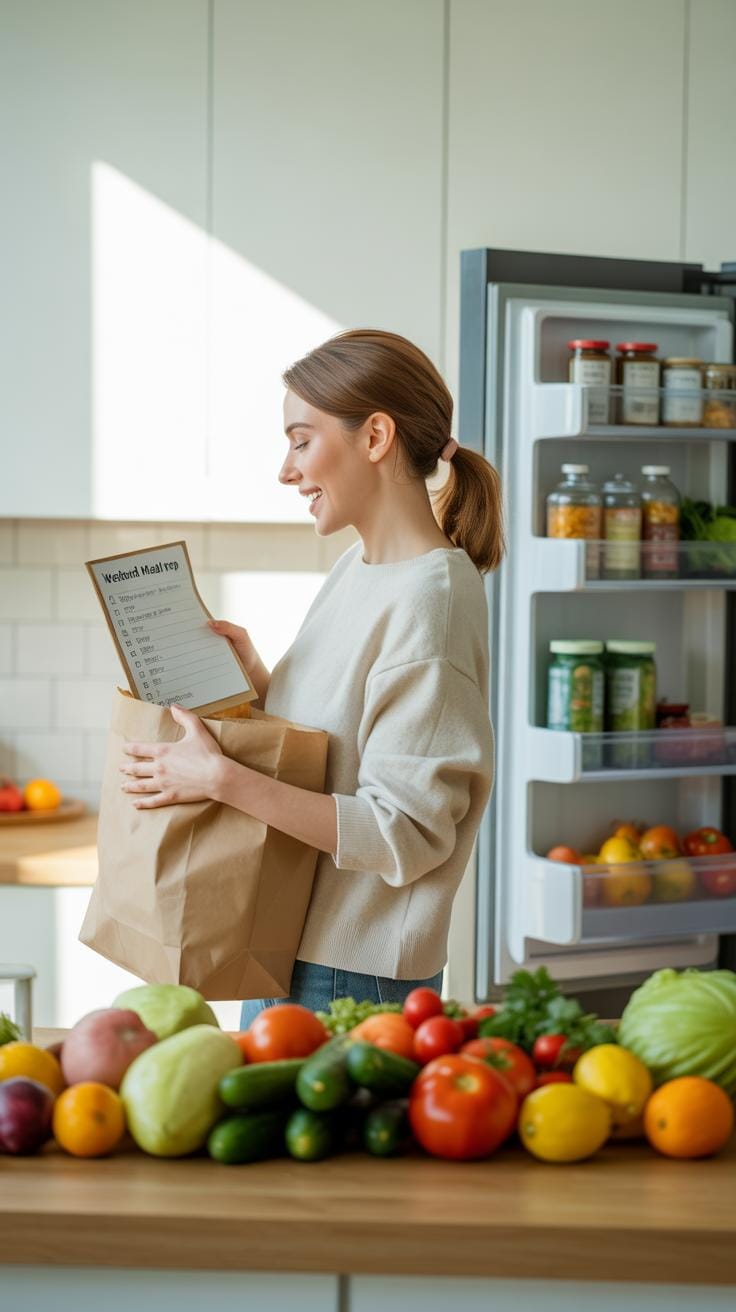
Shopping with meal prep in mind takes a bit of strategy—more than just tossing things into a cart. The trick lies in building a precise shopping list from your menu plan. Write down every ingredient you need for the week. Try to stick to the list as much as possible, even if something else catches your eye. It’s tempting, sure, and sometimes you convince yourself it ‘might’ be useful. But stray purchases often pile up and disrupt your meal prep flow.
When you’re at the store, look for bulk options on staples like grains, beans, or frozen vegetables. Bulk buying saves money and reduces multiple trips. Yet, don’t overbuy—especially fresh items you may not finish. Picking fresh produce means scanning for firmness, color, and avoiding bruises or spots. It’s not always obvious though; sometimes a tomato looks good but falls apart faster than expected.
Storing produce right is a quiet art. Leafy greens last longer wrapped in paper towels inside a container, while root veggies prefer a cool, dark spot. Freezing comes in handy too. Think about freezing herbs in olive oil cubes or chopping peppers and freezing them to save time later. But not every vegetable or fruit freezes well, so plan accordingly—maybe try it on a small batch first.
Batch Cooking Techniques
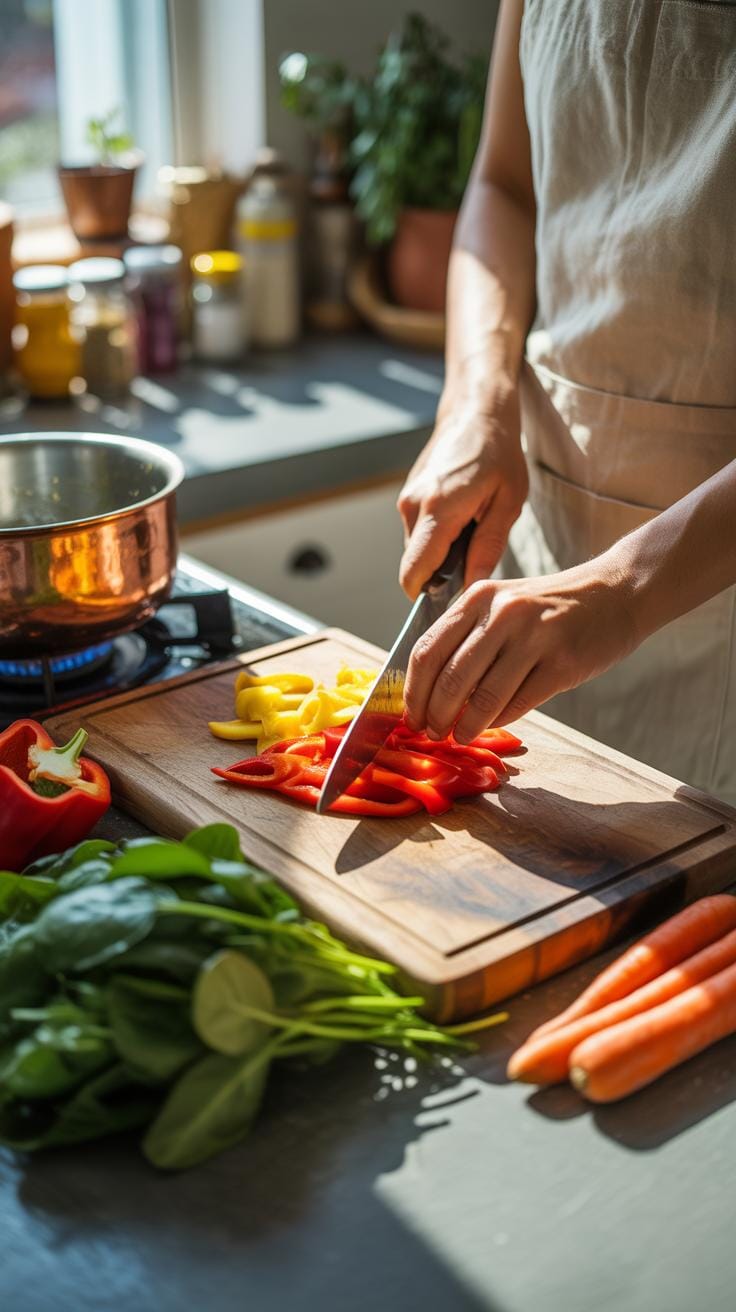
Batch cooking can feel like a lifesaver when you want quick, healthy lunches without fuss every day. The main idea is to cook large amounts of staples—grains, proteins, veggies—once, then combine them in different ways throughout the week. It’s not about cooking one big boring meal but creating flexible building blocks for your lunches.
Start with grains. Cooking a big pot of rice, quinoa, or oats is surprisingly simple and pays off. You can portion these into airtight containers, and they usually keep well in the fridge for 4-5 days. When reheating, sprinkle a little water on top to keep them from drying out. I remember once making quinoa for the whole week and finding it perfect even after a couple of days stored away.
Proteins work similarly. Roast or grill seasoned chicken breasts, bake tofu cubes with spices, or simmer a big batch of beans. The trick is to use flavorings that don’t fade or get overpowering. For chicken, I lean toward simple herb mixes—garlic, paprika, salt—that hold up well over time. Beans can soak up whatever sauce you toss in later, so keep those neutral at first. If you worry flavors might get dull, try prepping a few different seasoning batches to rotate through your meals.
Mixing your prepped ingredients is where creativity comes in. Grain bowls, salads, wraps—you name it. The question you might ask is, how do I avoid getting bored with the same components? Changing up dressings, sauces, or adding fresh veggies just before serving can make a big difference.
- Cook grains in bulk and store in shallow containers for quicker cooling.
- Use versatile seasonings on proteins to maintain flavor without overpowering.
- Mix and match grains, proteins, and vegetables to keep meals interesting.
- Consider quick add-ons like fresh herbs or chopped nuts to change the texture.
This way, you keep your lunches both tasty and quick to pull together, sparing yourself the daily grind in the kitchen.
Packing and Storing Lunches

Choosing the right containers can really change how your meal prep works out day-to-day. Glass containers are great if you want something durable, easy to clean, and safe in the microwave. They don’t stain or hold odors, which is nice. But they’re heavier and can break if dropped, so you might not want to carry them if your lunch spot is far from home. Plastic containers are lighter and less breakable, but be cautious—look for BPA-free options and check if they are microwave and dishwasher safe. Sometimes, plastics can warp or get stained, so rotating them out every so often isn’t a bad idea.
Portion control matters, too. Containers that have compartments or come in smaller sizes help you keep meals balanced without overpacking. It’s a bit like eating with purpose during the day—you see exactly what you have and avoid that last-minute snacking trap.
When it comes to storing, think about your fridge and freezer organization. Use airtight lids to keep moisture and odors out. Label each container with the contents and prep date—handy if you forgot what that quinoa mix was from last week. I use masking tape and a permanent marker because stickers sometimes peel off too fast.
Keep meals refrigerated if you plan to eat them within a few days. For longer storage, freezing works well. Just remember to cool hot dishes before closing the lid tightly—that avoids sogginess and bacterial growth. If you’re like me, sometimes you pack the container right after cooking and regret it later. Trust me, give your food time to chill before sealing it up.
Quick Assembly Lunch Ideas
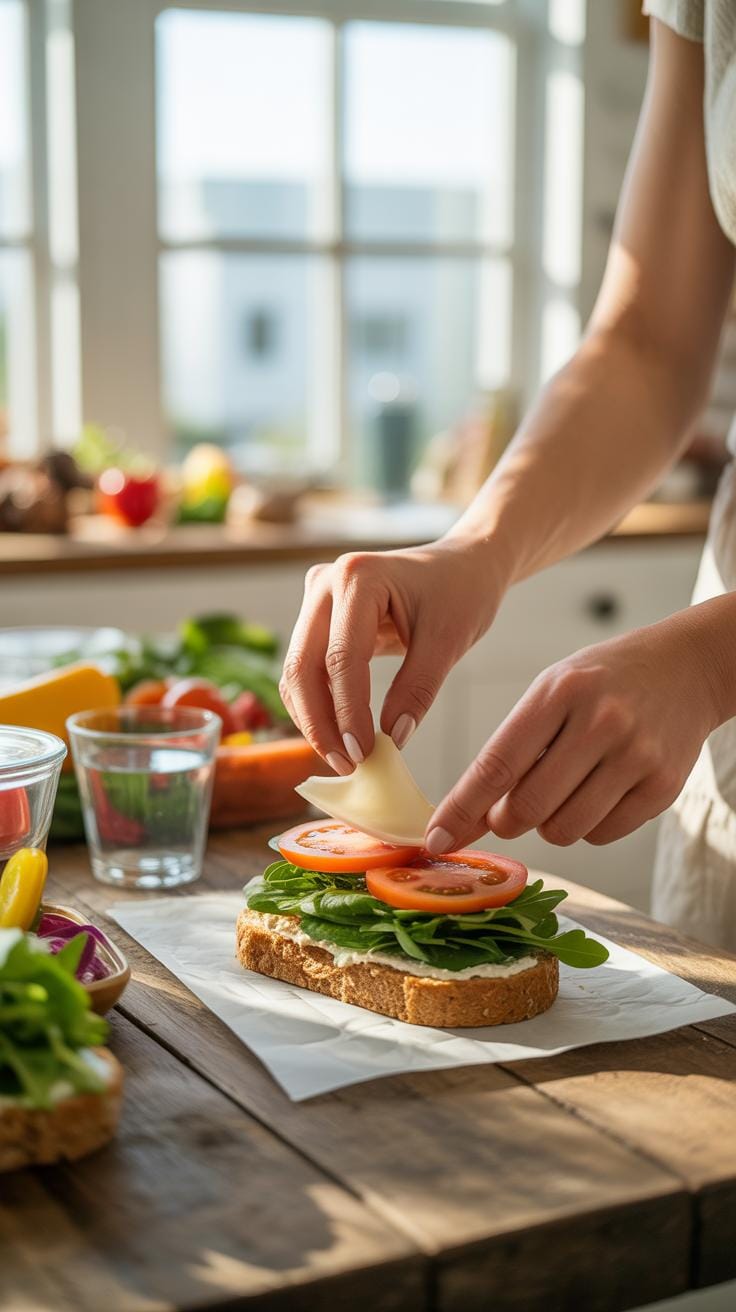
When lunch prep time is limited, leaning on quick assembly ideas can make all the difference. These lunches often need very little cooking—sometimes none at all. That’s where pre-prepped ingredients shine. Maybe you have some cooked chicken, roasted veggies, or a batch of grains waiting in the fridge. Tossing these together with fresh elements can lead to surprisingly satisfying meals fast.
Salads come to mind first. The key is layering in protein, some crunch, and a worthwhile dressing to avoid blandness. Think mixed greens with pre-cooked shrimp, a handful of walnuts, and a splash of lemon-tahini dressing. Or arugula with canned beans, cherry tomatoes, and a drizzle of balsamic—the kind of combo you can throw together in under five minutes.
Wraps work well too, especially if you prepare fillings in batches. Spread hummus on a whole-grain wrap, add some shredded chicken, sliced avocado, and spinach. Roll it up, and you’re good to go. Grain bowls also fit this style—possibly quinoa or brown rice as a base, topped with roasted veggies, leftover steak strips, and a dollop of yogurt dressing.
It’s tempting to think elaborate meals always taste better, but sometimes simplicity wins. Are there times you find a quick mix-and-match lunch more satisfying than one that required hours in the kitchen? Probably—especially on tired afternoons.
Easy Salad Combos
Salads don’t have to be complicated to be enjoyable—just varied and balanced. Toss together greens like spinach or kale with proteins such as canned tuna, boiled eggs, or tofu cubes. Adding nuts or seeds—almonds, pumpkin seeds—gives texture and a bit of healthy fat.
Dressing options could be as simple as olive oil and vinegar or a store-bought vinaigrette you actually like. The point is to keep it fresh but quick. One of my favorites lately has been baby spinach, grilled chicken strips, sliced apples, and a splash of apple cider vinegar. It feels light but filling.
Using pre-washed greens and ready-to-eat proteins really speeds things up. Have you noticed sometimes that the simplest salads with just a few thoughtfully chosen ingredients end up being surprisingly good? It tends to happen when you’re not overthinking it.
Simple Wrap and Grain Bowls
Wraps and grain bowls become lunch staples because they’re endlessly adaptable and fast. If you cook a batch of quinoa or brown rice ahead of time, pairing it with roasted chickpeas, cucumbers, and a bit of feta cheese creates a nice bowl quickly. Adding a lemon-tahini sauce makes it feel less boring.
Wraps need just a few ingredients but can taste fresh if you mix textures—creamy avocado with crunchy lettuce and some grilled meat or beans. Even a simple turkey and spinach wrap with mustard can hit the spot without fuss. Sometimes I find myself going back to the same combinations not because I’m lazy, but simply because they work.
Have some grilled veggies hanging around? Add them to your grain bowl or wrap for a boost. Preparing components when you have time frees you up during busy days, so assembling lunch feels less like a chore and more like a quick routine you can actually enjoy.
Using Leftovers Creatively
Leftovers often get a bad rap, but they can be a real asset when you want quick, healthy lunches without extra effort. Think about the cooked vegetables from last night’s dinner—roasted carrots, for example. Instead of eating them plain, chop them up and toss them into a quinoa bowl with some fresh greens and a light vinaigrette. Suddenly, you have a vibrant, balanced meal that feels brand new.
Meat leftovers offer plenty of options too. Shredded chicken or slices of turkey from dinner can become the star of a wrap or a hearty salad the next day. Mixing and matching these with different accompaniments—like adding avocado, nuts, or seeds—changes the texture and flavor enough to keep things interesting.
Grains such as rice, farro, or couscous are especially handy. Using them as a base, you can layer on whatever else is around: leftover roasted veggies, a few fresh herbs, and a simple dressing create a satisfying lunch bowl. It’s a practical way to avoid wasting food and keeps your meals diverse. Have you noticed how combining unexpected leftovers—say, grilled zucchini with leftover beans and a squeeze of lemon—makes you appreciate those meals all over again?
Healthy Snack Addition
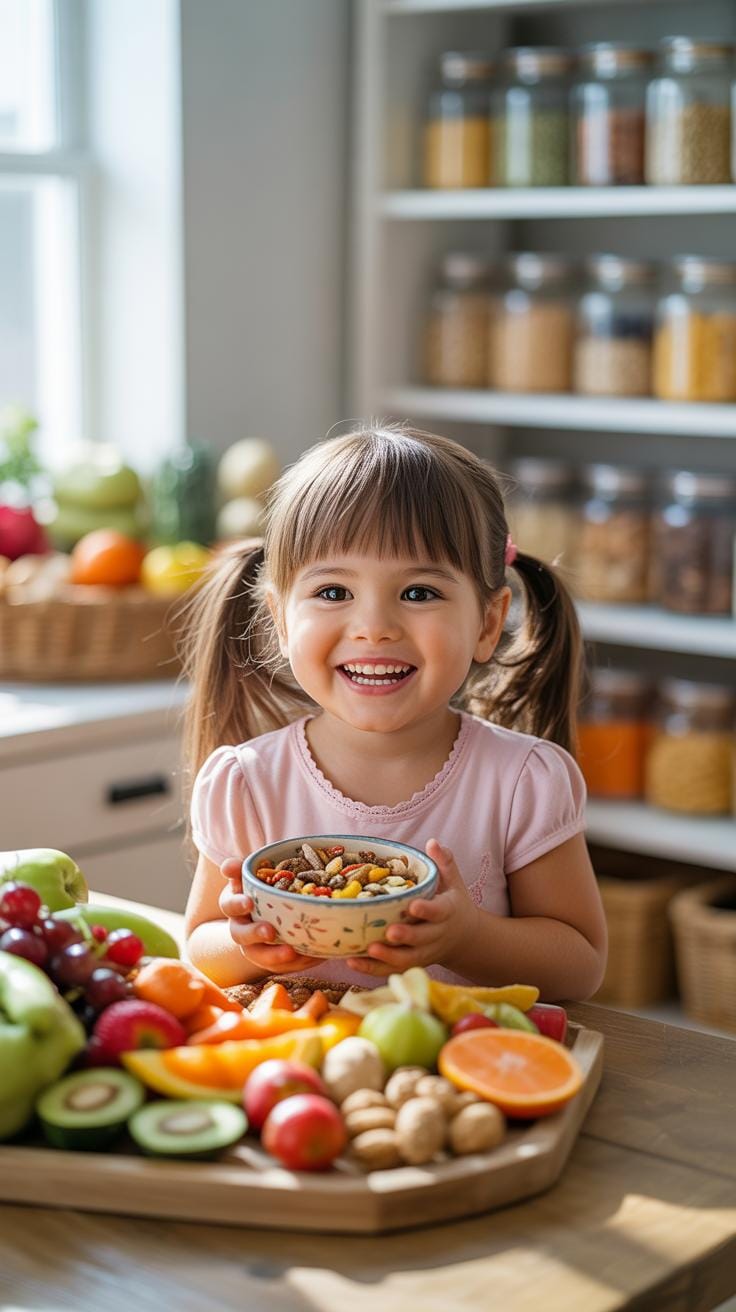
Including snacks with your lunch prep can really help keep your energy steady throughout the day. Sometimes lunch alone isn’t enough to carry you through a busy afternoon, and you might find yourself craving something. That’s where a well-chosen snack steps in—something that complements your meal without adding unnecessary sugar or empty calories.
Nuts like almonds, walnuts, or pistachios are great because they provide protein and healthy fats, which help you stay full longer. A small handful can do the trick, but packing them in single-serving portions avoids overeating. Fresh fruit, such as apple slices or berries, adds natural sweetness and fiber, which aids digestion and keeps your energy from spiking too fast.
Plain yogurt, maybe with a sprinkle of seeds or a few chopped nuts, offers protein and probiotics. It’s filling and can feel like a bit of a treat when you want something creamy. I sometimes dip a spoonful of yogurt into some fruit for a quick combo that feels more balanced.
When packing snacks, think about convenience and portion control—small containers or resealable bags work well. It’s surprisingly easy to overload a snack portion, and then you might feel sluggish rather than energized. Also, layering snacks with your lunch in your bag avoids having to juggle multiple items separately.
Have you noticed how a little snack can prevent that late afternoon slump? Maybe adding these options is exactly what your meal prep has been missing.
Maintaining Meal Prep Routine
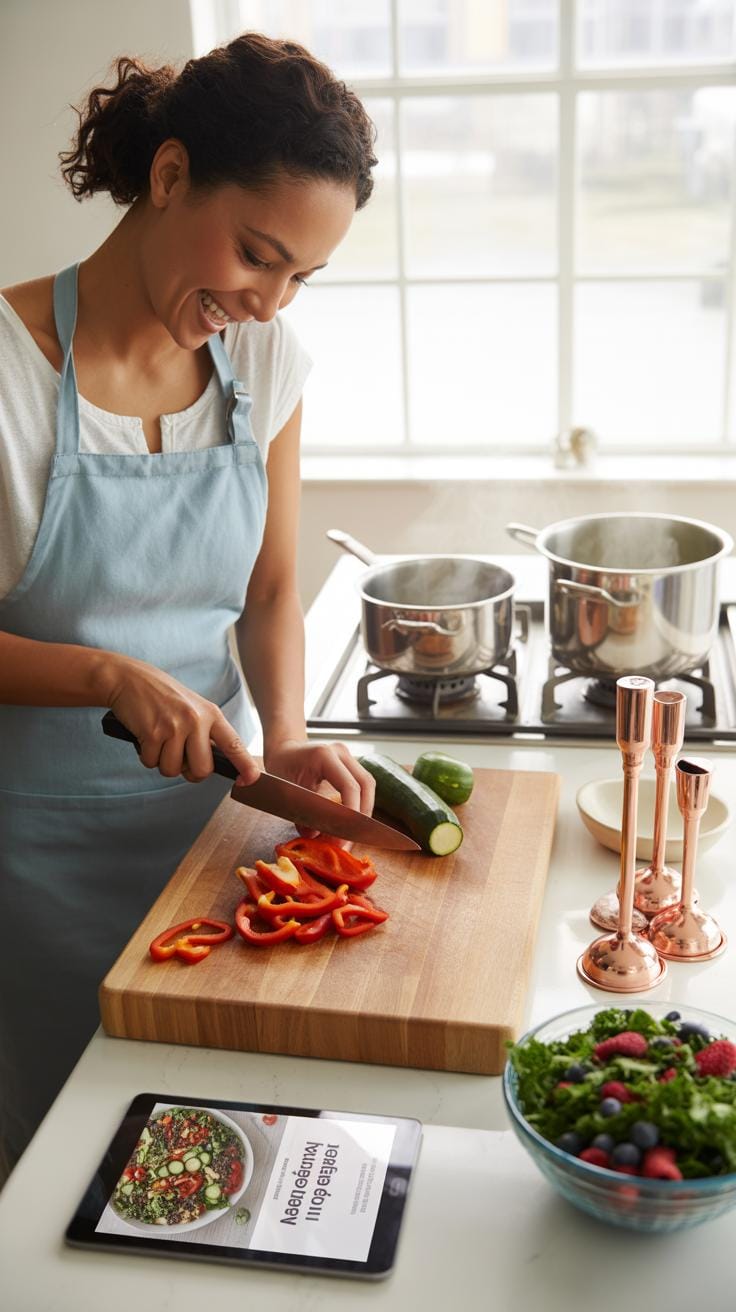
Finding a good rhythm for meal prep isn’t always straightforward. Picking one day—maybe Sunday or Wednesday—just for prepping lunches can help. When you stick to that, it becomes easier to build the habit. Your brain starts to expect it, and it feels less like a chore. Plus, you save time later in the week by having meals ready to grab.
But, don’t feel locked into whatever day you choose right away. It’s okay to experiment until you find what fits your schedule and energy levels best. Sometimes, a midweek prep suits better than the weekend, depending on your workload or social plans.
Keep an eye on what’s actually working. If you notice certain meals are going uneaten, or prep is taking longer than expected, tweak your plan. Maybe swap out ingredients or buy from a different store. You could try prepping smaller portions, or chopping veggies in advance but cooking later. These small adjustments can make the process less frustrating and more sustainable.
Ask yourself: Do you feel excited or tired when you prep? What could make it easier or more enjoyable? Staying flexible with your approach helps you stick with it longer without burning out. After all, the goal is to support your routine without it feeling like a burden.
Conclusions
Healthy lunch meal prep is a powerful tool to improve your eating habits and save time each day. Planning your meals ahead allows you to choose fresh and nutritious ingredients, which benefits your well-being. Prepping lunches also reduces the temptation to buy unhealthy fast food.
By adopting quick and straightforward meal prep methods, you can enjoy tasty, balanced lunches even on busy days. Consistent practice brings better organization, less stress, and more control over your diet. Start small, use the tips shared, and create habits that support your health and lifestyle.