

Building a Balanced Everyday Menu
Eating Healthy Food Menu Choices helps you keep your body strong and full of energy. A balanced menu has just the right amounts of proteins, fats, and carbohydrates your body needs. It also includes vitamins and minerals found in fruits, vegetables, and whole grains. Following a healthy food menu every day can keep you feeling good and prevent many illnesses.
In this article, you will learn how to pick foods for a balanced menu. We will talk about different food groups and how to mix them in your meals. You will also find tips on planning menus that are easy to make and taste good. This guide will help you make smart food choices that fit your busy life and keep you healthy.
Understanding Nutrients

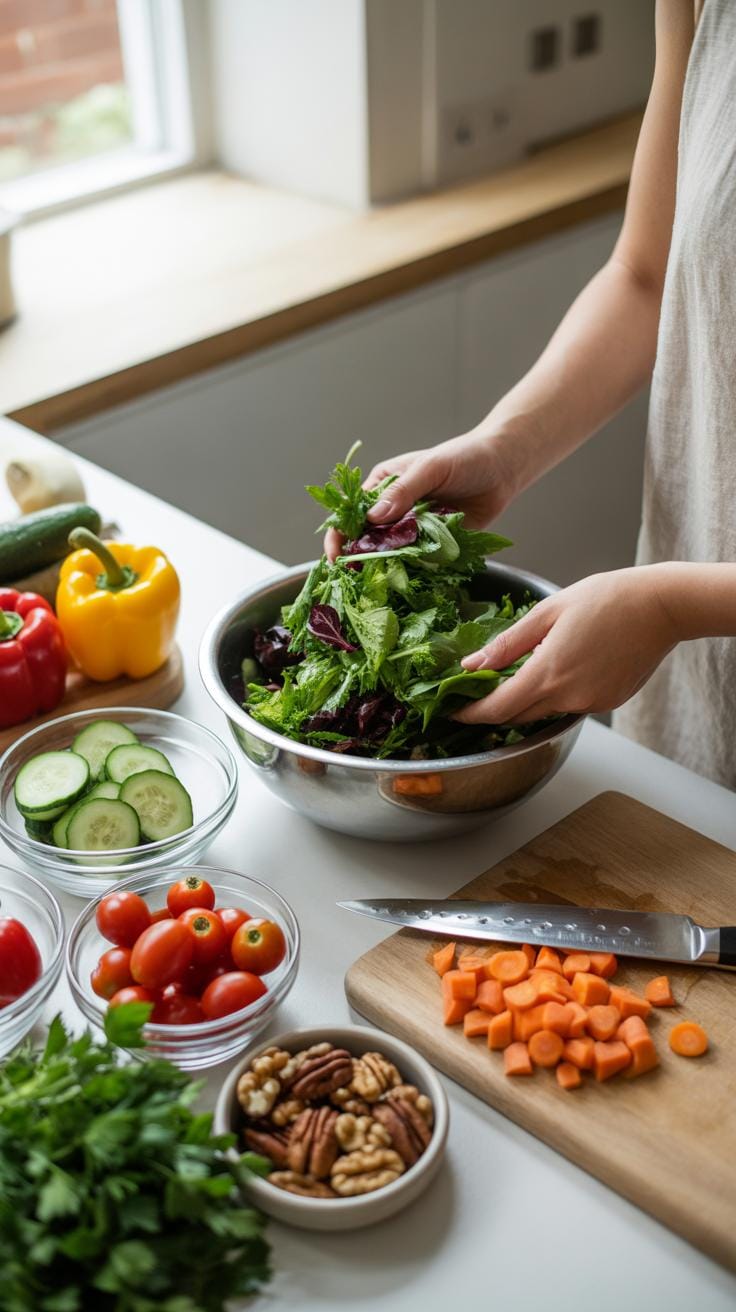
Nutrients are the substances in food that your body needs to function well every day. Think of them as the tools your body uses to build, repair, and keep everything running. The main nutrients—proteins, carbohydrates, fats, vitamins, and minerals—each have distinct roles, though they often work together in complex ways.

Proteins help build and repair muscles, skin, and other tissues. Carbohydrates serve as the body’s primary energy source, fueling everything from thinking to moving. Fats aren’t just energy stores; certain types support cell growth and protect organs. Then there are vitamins and minerals, which act like tiny helpers ensuring processes like immune defense, bone strength, and cell repair run smoothly.
You might wonder how to balance these in daily meals. There’s no perfect ratio that fits all, and needs can vary with age, activity, and health. It’s more helpful to think about variety and moderation rather than strict counting. Remember, your body depends on a mix of these nutrients working in harmony.
Proteins and Carbohydrates
Protein’s main job? Building blocks. Muscle, skin, enzymes—all need protein to form and mend. You find it in many sources: lean meats, fish, eggs, beans, lentils, and even nuts. Including a good source at each meal keeps your body stocked for repair and growth. I usually try to add a bit of chicken or chickpeas to my salad or have a boiled egg in the morning. It’s simple but effective.
Carbohydrates get less flattering attention sometimes, but they’re crucial—your brain and muscles run on them. Complex carbs, like whole grains, oats, and sweet potatoes, release energy slowly, avoiding spikes that leave you drained. Simple carbs, like sugars, give quick bursts but can lead to crashes. Including whole food carbs in meals—say, brown rice with veggies or whole-wheat toast—can keep you steady throughout the day.
Fats and Vitamins
Fats often get a bad rap, but not all fats are equal. Healthy fats, like those in olive oil, avocados, and fatty fish, support brain function and hormone production. Your body needs them; skipping fats entirely isn’t the answer. I sometimes worry I eat too little fat but try to include sources like nuts in snacks or drizzle olive oil over salads.
Vitamins work behind the scenes but are indispensable. Vitamin C in citrus fruits supports immunity. Vitamin D, from sunlight and fortified foods, helps bones. B vitamins help energy release from food. Including colorful fruits, vegetables, nuts, and dairy in your daily menu usually covers these, but it’s a bit of a juggling act. Sometimes, I wonder if I’m really getting enough—especially in winter when sunlight is scarce.
Fruits and Vegetables

Fruits and Vegetables: Why They Matter
Fruits and vegetables play a key role in your daily menu, not just because they add color and flavor, but because they provide essential vitamins and fiber. Vitamins like C and A help your immune system stay strong, while fiber supports digestion and keeps things moving in your gut. You might notice that when you eat more fiber, it helps prevent bloating and makes your digestion feel smoother. It also influences your energy levels and mood, even if that sounds a bit indirect.
The fiber in these foods also slows how quickly sugars enter your bloodstream, which helps avoid sudden energy crashes. For anyone trying to balance meals, fruits and vegetables offer a simple, natural way to feel fuller, longer. Yet, choosing the right types for your needs matters more than just filling your plate.
Choosing a Rainbow
Ever wondered why nutrition advice often talks about eating a “rainbow” of fruits and vegetables? Different colors mostly mean different nutrients. For example:
- Red tomatoes have lycopene, which supports heart health.
- Orange carrots are rich in beta-carotene, great for eyes and skin.
- Green leafy veggies bring iron and folate into the mix.
- Purple foods like eggplants offer antioxidants that you don’t see elsewhere.
It’s not about eating all colors at once every day—just varying your choices during the week helps you get a wider range. Toss some berries in your morning yogurt or add a mix of bell peppers to a stir-fry. Little switches like that can make a surprisingly big difference.
Fresh, Frozen, or Canned
You might wonder whether fresh fruits and vegetables are always better. Honestly, it depends. Fresh options usually taste best and have the most texture, but frozen fruits and veggies can be equally nutritious because they’re often frozen soon after picking, locking in vitamins. Canned versions sometimes get dismissed, but they can be convenient and budget-friendly. Just watch out for added salt or sugar in canned products.
For meals, frozen peas or corn can be quick additions to soups; canned tomatoes work well in sauces. Using a mix based on what’s available or on sale—rather than only seeking fresh—makes eating fruits and vegetables easier every day. You don’t have to be perfect; just keep them on your menu regularly.
Whole Grains Importance

Whole grains are grains that keep all parts of the grain kernel—the bran, germ, and endosperm—intact. This makes them different from refined grains, which lose much of their fiber and nutrients during processing. You might wonder why that matters so much. Well, whole grains provide steady energy. Because the fiber slows digestion, you avoid sudden blood sugar spikes that can leave you feeling drained.
They also support digestion. The fiber in whole grains helps keep things moving through your gut. You might have noticed how meals with whole grains often leave you feeling fuller longer, with less bloating.
Try including whole grains in your daily meals, alongside fruits and vegetables. They create a foundation that helps your body manage energy and nutrition better—though not every day needs to be perfect.
Types of Whole Grains
Common whole grains you might already know—or could try—include oats, brown rice, and quinoa. Oats are quite simple: just boil them with water or milk and you can add fruits or nuts for flavor and texture. Brown rice takes longer but offers a nuttier taste and pairs well with veggies or lean proteins.
Quinoa cooks quickly, about 15 minutes, and stands out as both a grain and a complete protein source, which makes it pretty versatile. Just rinse it before cooking to avoid bitterness.
No need to get fancy here. A pot of brown rice or a bowl of warm oats can be the starting point for countless meals. Cooking isn’t always precise; you might experiment with water ratios or cooking times until it feels right for you.
Replacing Refined Grains
Switching from refined grains like white bread or regular pasta to whole grains can be surprisingly easy. You could swap your usual white rice for brown or try whole wheat pasta instead of traditional. Even replacing white bread with whole grain bread boosts fiber and nutrients without a huge adjustment.
Try this: breakfast oats instead of sugary cereals, or quinoa salad instead of plain pasta salad. These small shifts add up, even if you don’t make the change all at once.
You might find whole grains a bit different at first—taste or texture-wise—but sticking with them usually pays off in how you feel later. Have you considered which whole grain you’d try tomorrow?
Lean Proteins Role

Lean proteins form a key part of balanced meals. They help build and repair muscle, support immune function, and keep you feeling full longer. But not all proteins are created equal. Choosing lean options can keep meals lighter on unhealthy fats while still offering the essential amino acids your body needs.
Animal proteins like chicken, fish, and eggs are common go-tos. Chicken breast is low in fat and easy to prepare—grilled, baked, or boiled works well. Fish, especially varieties like salmon or cod, offer omega-3 fatty acids along with protein, which benefits heart health. Eggs provide a convenient source of protein and nutrients in few calories; a quick boiled or poached egg fits easily in most menus.
Plant-based proteins also have a solid place. Beans and lentils bring fiber and protein; they’re filling and versatile. Toss lentils into salads or beans into soups to enrich meals. Nuts add crunch and nutrients, though keep portions moderate since they’re calorie-dense. Tofu, adaptable in texture and flavor, works in stir-fries or baked dishes. These choices vary your protein intake while keeping things light.
Do you find it hard to mix these proteins regularly? Trying different recipes or combining both types in meals might make your menu more interesting than sticking to just one kind.
Healthy Fats Sources
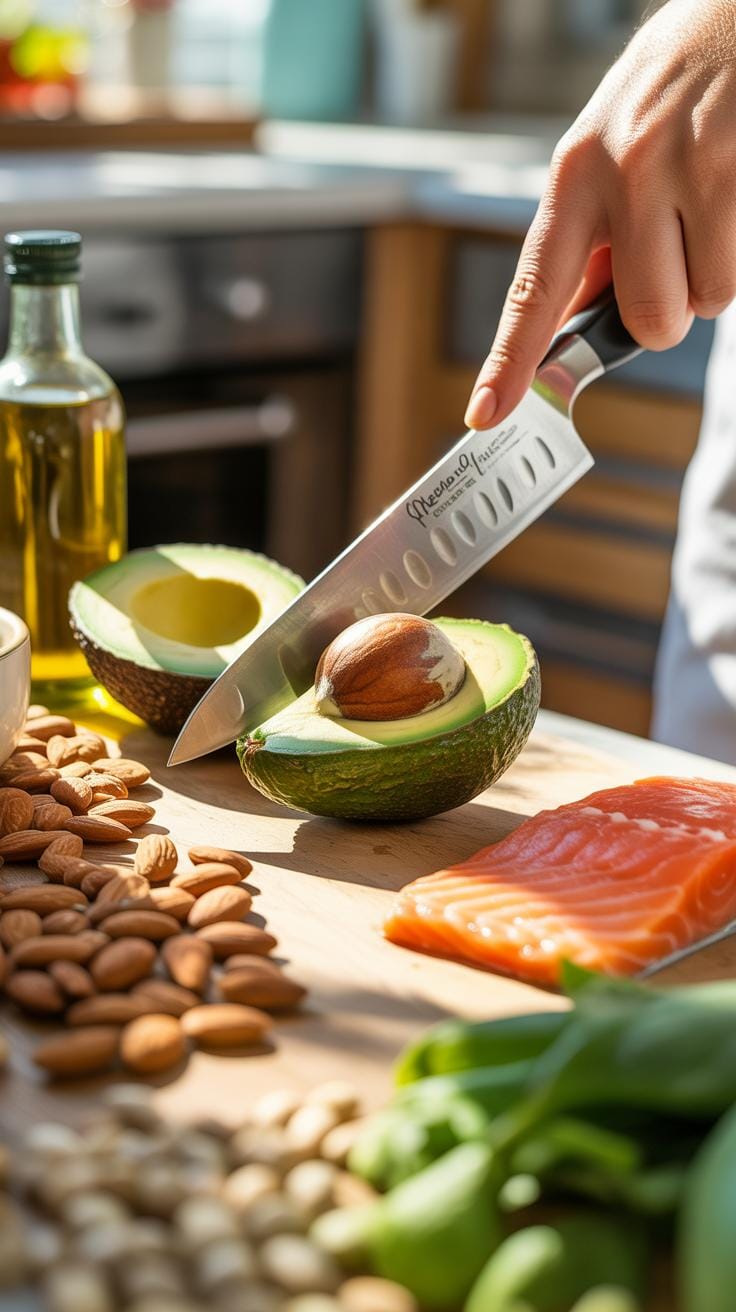
Not all fats are created equal. You might have heard that fats are bad, but that’s an oversimplification. There are healthy fats that your body needs and unhealthy ones that can cause problems over time. The key is knowing the difference and making choices that help rather than harm.
Healthy fats, often called unsaturated fats, come mainly from plants and fish. They support brain function, hormone production, and cell health. On the other hand, unhealthy fats like trans fats and excessive saturated fats can raise bad cholesterol levels, increasing the risk of heart disease. But it’s tricky—saturated fats aren’t always the enemy; some, like those in coconut oil, may have a nuanced role. Still, caution is reasonable.
Good Fat Foods
Incorporate these into your daily menu:
- Nuts: Walnuts, almonds, and pistachios provide essential omega-3 and omega-6 fatty acids. They’re great for snacks or tossed into salads.
- Seeds: Chia, flax, and pumpkin seeds bring fiber and healthy fats together. I often add them to yogurt or smoothies.
- Olive oil: Rich in monounsaturated fats, it’s perfect for dressings or light sautéing. It might even help reduce inflammation.
- Avocados: Creamy and versatile, avocados hold heart-friendly fats that also keep you full.
These foods don’t just add fat—they add nutrition. The fats from these sources tend to be liquid at room temperature. That’s a decent rule of thumb to remember.
Fats to Limit
Trans fats often hide in processed snacks, baked goods, and fast food. They can sharply raise LDL cholesterol and lower the good kind, HDL. Saturated fats, found in fatty cuts of meat, butter, and some dairy, should be limited but not necessarily cut out completely.
Reading labels helps. Look for “partially hydrogenated oils” as a red flag. If you find them, it’s usually better to pick something else. When unsure, consider the ingredient list length too—long, complicated lists often mean more processed and possibly worse fats.
Choosing fats might feel confusing sometimes, but focusing on natural sources and steering away from processed foods usually leads to better results. Do you pay much attention to fat types when grocery shopping? It might be worth a closer look.
Meal Planning Tips

Planning meals ahead can feel like a puzzle sometimes. But thinking through portion sizes first helps a lot. You don’t have to measure everything obsessively, but a rough idea of how much protein, veggies, and carbs to include keeps things balanced. Maybe think of your plate as divided—not equally, necessarily, but with enough space for each food group.
Timing meals may seem flexible, but sticking to regular intervals can stop unnecessary snacking or overeating. Breakfast, lunch, and dinner with small snacks in between often works well, but sometimes skipping or delaying a meal feels fine too. Everyone’s rhythm is different, so you might need some trial and error here.
Make sure your menu includes all food groups. That means fruits, vegetables, whole grains, proteins, and—yes—even healthy fats. Oddly enough, missing one might leave you feeling off, even if you think you’re eating ‘healthy.’ Balance isn’t about perfection. It’s more like making sure you’re not neglecting any part of your nutritional needs on purpose.
Creating a Weekly Menu
Start small. Plan just a few meals for the week instead of every single one. Pick a couple of proteins, some veggies, and carbs you enjoy. Rotate those through the days. It’s easier than trying to reinvent the wheel every day and stops menu planning from feeling like a chore.
Variety doesn’t mean complexity. Using different spices or swapping one vegetable for another mixes things up without extra effort. I’ve found that writing down quick meal ideas on sticky notes and rearranging them on a board helps me visualize without stress.
Keeping meal prep simple saves time. Cooking one protein in bulk or chopping vegetables for multiple meals early in the week is a small step that pays off. This way, the menu feels less overwhelming and more doable, especially during busy days.
Shopping Smart
Going to the store with a list—based on your menu—can really stop impulse buys, which often derail healthy eating plans. It’s tempting to buy things that aren’t even on your list, but having a plan helps resist that.
Fresh and seasonal produce usually tastes better and costs less. I try to pick whatever looks good and is in season, even if it’s different from my usual favorites. Sometimes, you find great deals that turn the week’s menu upside down, in a good way.
Don’t shy away from budget-friendly options. Frozen fruits and veggies are great—they last longer and keep most nutrients intact. Plus, buying staples like rice, beans, or canned tomatoes in bulk can save money and add versatility to your meals.
Cooking Healthy Meals

When it comes to cooking healthy meals, the methods you choose really do matter. Baking, steaming, and grilling stand out because they keep most of the food’s nutrients intact, unlike deep frying or boiling for long periods. For example, steaming vegetables preserves their vitamins and crisp texture better than boiling, which can leach out nutrients into the water. Grilling allows fats to drip away, while still locking in flavor—that charred taste isn’t just appealing but also helps seal in juices.
If you’re short on time, simple recipes like baked salmon with lemon and herbs or steamed broccoli tossed with garlic are easy ways to keep meals nutritious. The less oil or salt you add during cooking, the better, which is where herbs and spices become your friends.
Try using fresh basil, rosemary, or thyme for a boost of flavor without extra calories. Spices like cumin, paprika, or turmeric can add warmth and depth, making even simple dishes exciting. Sometimes I find that experimenting with these seasonings makes cooking less of a chore and more of a small adventure. Do you ever feel like the garlic or ginger can almost transform a plain dish into something worth looking forward to?
Developing good habits, like prepping ingredients beforehand or cleaning as you go, might seem trivial but actually encourages cooking at home more often. That’s when you really start to appreciate the difference in taste and nutrition.
Healthy Snacks Choices

Snacking often gets a bad rap, but chosen wisely, snacks can keep your energy steady between meals and support a balanced diet. Think about snacks not as empty fillers but as small opportunities to add nutrients.
Some simple favorites that work well include fresh fruit paired with nut butter—apple slices with almond butter, for instance. The fruit offers fiber and vitamins, while the nut butter provides protein and healthy fats, which helps you feel fuller for longer. Greek yogurt topped with a sprinkle of seeds or berries is another good option. It’s rich in protein and calcium, which can keep hunger at bay without a sugar crash.
Vegetable sticks like carrot, cucumber, or bell peppers dipped in hummus or guacamole offer crunch and a dose of fiber plus healthy fats. These snacks are easy to prepare and can be packed for on-the-go moments.
Steer clear of snacks loaded with sugar and salt—they may satisfy a craving briefly but often leave you craving more or feeling sluggish. Instead, explore whole-food options and pay attention to ingredient lists if you’re picking prepackaged snacks. Sometimes, a quick mix of nuts and dried fruit can do the trick without tipping into excess calories.
Quick idea: try spreading natural peanut butter on whole-grain crackers with a few banana slices. It’s a small snack that combines carbs, protein, and a bit of sweetness—good fuel, really.
Do you find it hard to avoid vending machine temptations? Maybe preparing a few snack packs ahead of time could help. That way, you have better choices ready whenever hunger strikes.
Hydration Importance

Water Benefits
Water plays a key role in how your body functions every day. It helps regulate your temperature, supports digestion, and moves nutrients where they’re needed. Without enough water, you might feel sluggish or notice headaches and difficulty concentrating. Sometimes it’s hard to realize when you’re slightly dehydrated, but those subtle signs really matter.
Drinking water keeps your skin clearer, reduces fatigue, and helps flush out waste. It even influences how well your muscles perform during daily activities. I’ve found that on days when I don’t drink much water, I just don’t feel quite right—like my body is a bit off balance. That feeling can sneak up, so staying hydrated isn’t just about quenching thirst; it’s about keeping your system in good working order.
Choosing Healthy Drinks
How much water should you drink? Experts often suggest about eight cups a day, but individual needs vary. Factors like activity level, weather, and your diet affect this. Sometimes, plain water feels boring—that’s where infused water comes in handy. Try adding slices of cucumber, lemon, or fresh herbs like mint for flavor without extra sugar.
Herbal teas also offer a cozy alternative. Chamomile or ginger teas can soothe and hydrate at the same time, which I find helpful, especially late in the day. On the flip side, sugary sodas and many fruit juices quickly spike your sugar intake without satisfying actual hydration needs. They might taste good, but over time, they can disrupt your energy levels and overall health.
So, what’s the best choice? Water, infused water, and herbal teas. Maybe keep those sugary drinks as an occasional treat rather than a daily habit. Your body will thank you, even if it doesn’t say it outright.
Conclusions
A smart Healthy Food Menu fills your body with what it needs to be strong and active. By choosing a variety of foods from all groups, you give yourself the nutrients to grow and feel great every day. It is important to focus on fresh fruits, vegetables, whole grains, and lean proteins. Limiting sugar, salt, and unhealthy fats helps your heart and keeps weight in check.
Making healthy menus is not hard when you know what to look for and plan ahead. Remember to eat balanced meals and drink water throughout your day. Your choices today build a healthy tomorrow. Using these tips, you can enjoy meals that are good for you and delicious too. You are now ready to start making better menu choices for a balanced life.