
Smoothie Mistakes That Hurt Weight Loss
Smoothies can be a great way to get nutrients and support weight loss. However, many people make mistakes when preparing or choosing their smoothies that can stop their weight loss efforts. These errors can include adding too much sugar or high-calorie items without realizing the impact on the body.
This article points out common mistakes with healthy smoothies that may sabotage your weight loss goals. You will learn what to avoid and how to make your smoothies more effective in helping you reach your health and weight goals.
Identify Hidden Sugars in Smoothies
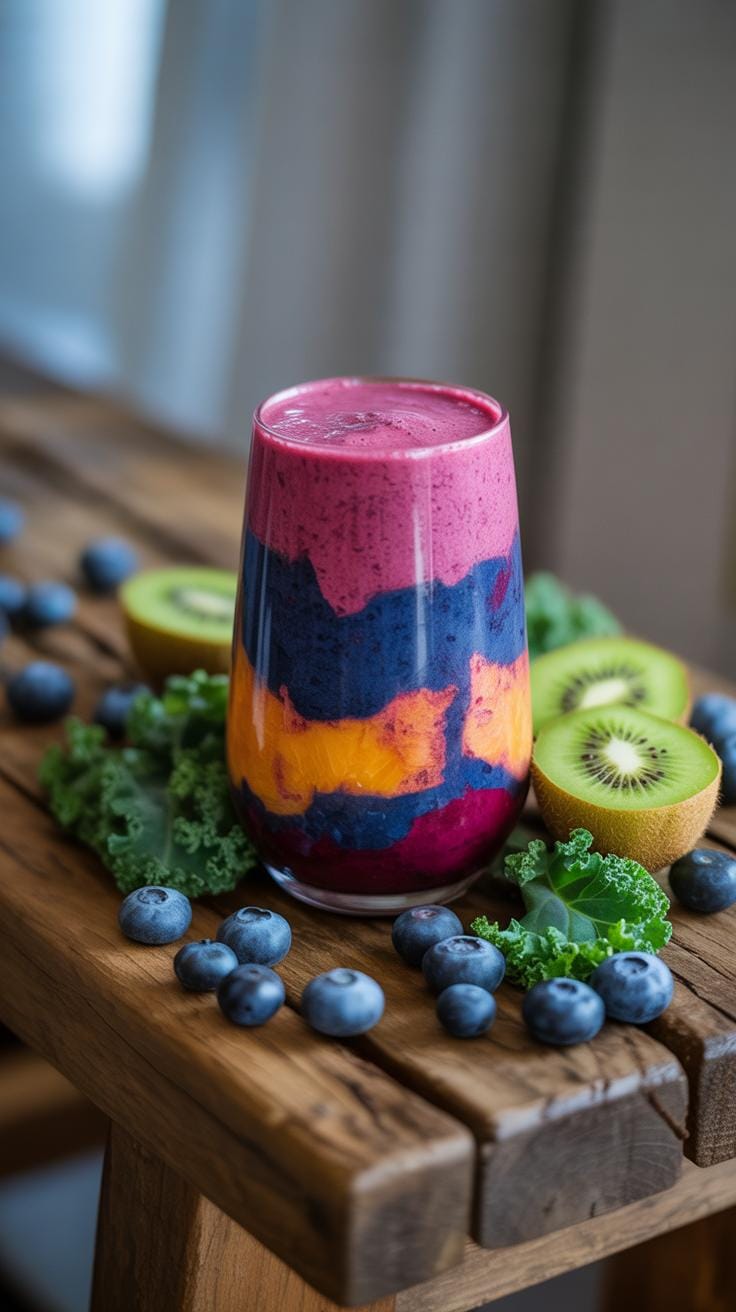
You might think your smoothie is healthy, but hidden sugars often sneak in without much notice. Sweetened yogurt, fruit juices, and syrups are common culprits. These additives can boost your calorie intake quickly, making weight loss much harder than you expect. It’s easy to overlook how much sugar hides in what seems like a natural ingredient.
For example, flavored yogurts can contain as much sugar as a soda. Even natural fruit juices—like orange or apple juice—lack the fiber that whole fruits provide and can spike your blood sugar. Syrups, such as honey or agave, add concentrated sugars, which might seem small in quantity but add up fast.
How can you spot these hidden sugars? Check the ingredient list carefully. Look for terms like “sucrose,” “corn syrup,” “fruit concentrate,” and anything ending in “-ose.” If you don’t recognize the ingredient, pause and reconsider adding it.
To avoid these pitfalls, opt for plain yogurt, use whole fruits, and skip any syrups or sweeteners. It may feel less sweet at first, but your taste buds adjust. And honestly, your body might thank you later when your weight loss goals aren’t sabotaged by those sneaky sugars.
Sources of Added Sugars
Flavored yogurts top the list for hidden sugars. They often contain more added sugar than you expect, sometimes over 20 grams per serving. Juice concentrates are another tricky ingredient. They sound natural but can be just as sugary as soda once added to your smoothie.
Sweetened protein powders are popular but can be loaded with sugars to improve taste. Even some plant-based milks include added sugar, so checking labels is essential. These ingredients aren’t bad in moderation, but relying on them frequently could hurt your progress.
Remember, added sugars provide empty calories and cause spikes in insulin, which may slow fat burning and increase cravings.
Tips to Reduce Sugar Intake
Choose plain, unsweetened yogurt instead of flavored versions. It takes a bit of getting used to, but adding fresh fruit will bring natural sweetness without overdoing sugar.
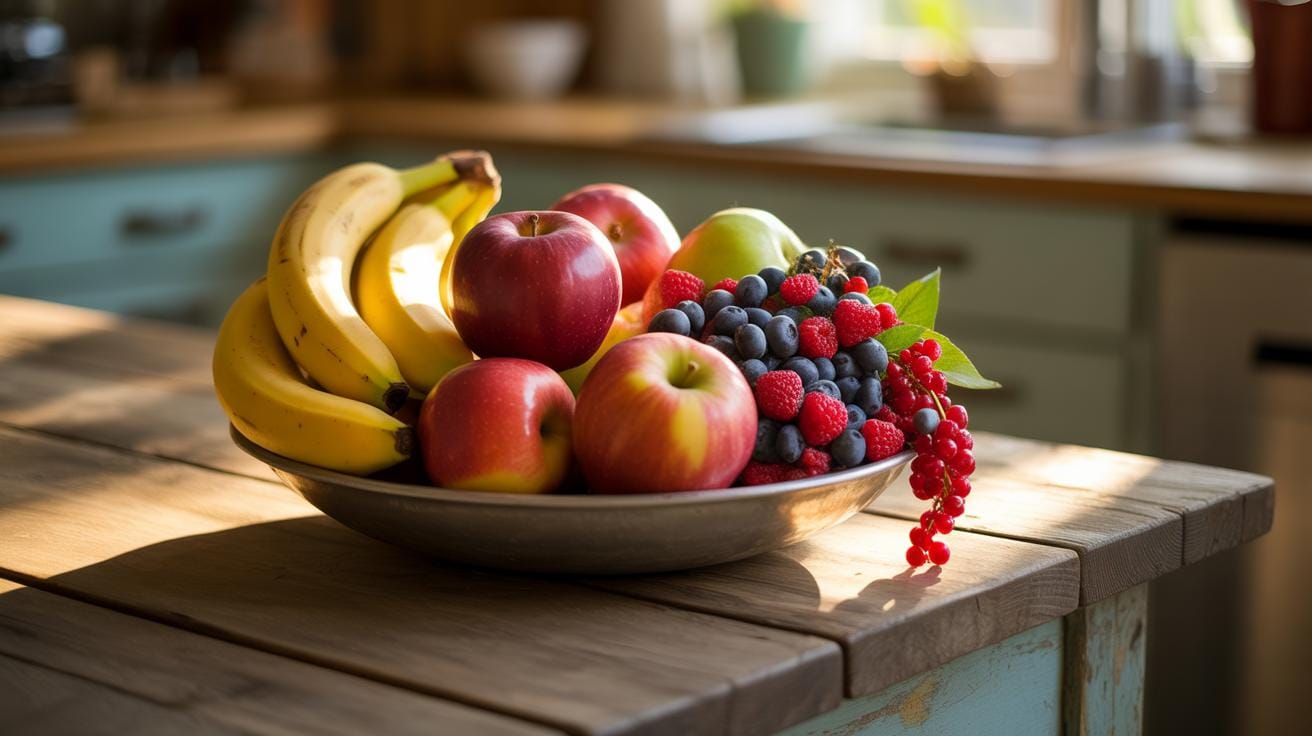
Try whole fruits over fruit juices. Blending an apple or berries retains fiber and slows sugar absorption, making your smoothie more filling and balanced.
Avoid adding sweeteners like honey or syrup. If you crave something sweet, smaller amounts of naturally sweet fruits like banana or mango can help. Also, experiment with spices like cinnamon or vanilla extract to add flavor without sugar.
It’s probably worth mentioning that making these sugar-smart swaps won’t ruin your smoothie experience. On the contrary, it can often make your drink feel more satisfying and supportive of your weight loss efforts.
Balanced Ingredients for Weight Loss

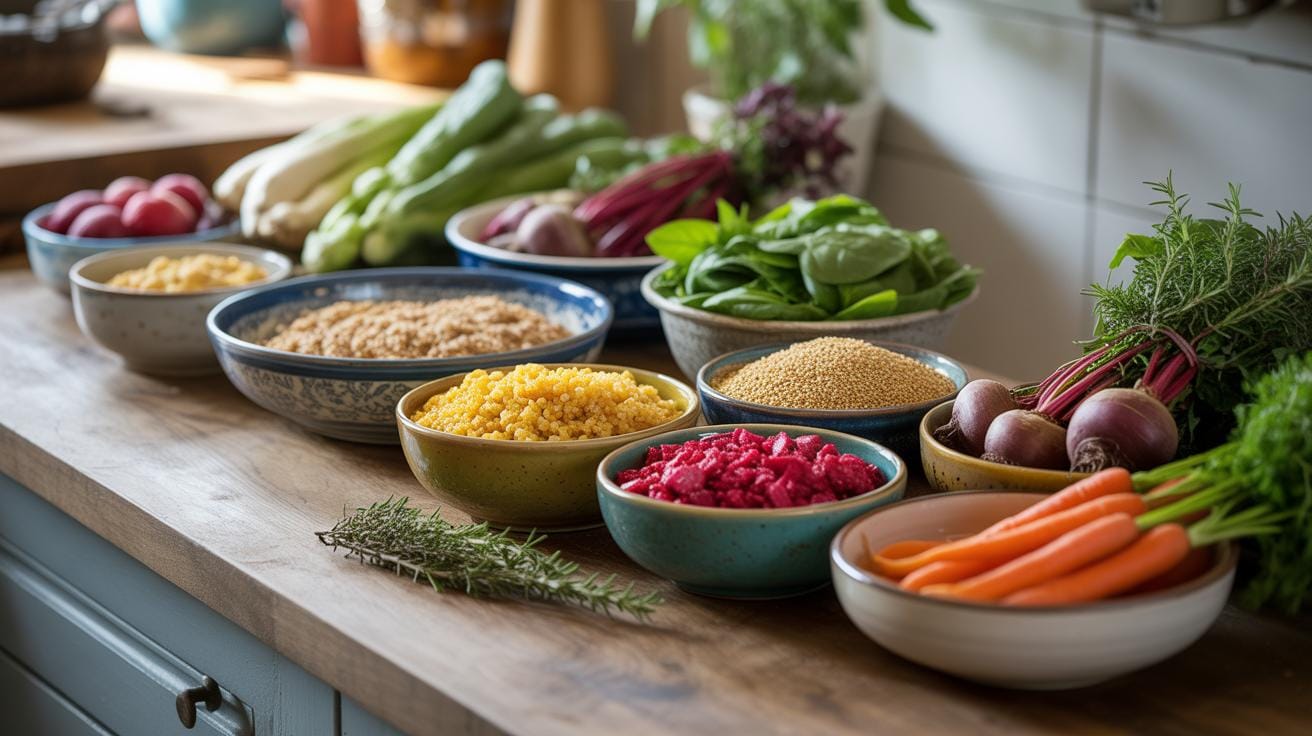
When you’re making a smoothie for weight loss, it’s not just about tossing in a handful of fruit and calling it a day. The trick lies in balancing macronutrients — especially protein, fiber, and healthy fats. These elements work together to help keep you full longer and keep your metabolism humming along. Without enough protein or fiber, you might find yourself hungry again an hour later, wondering why your smoothie didn’t do the job.
Think about adding Greek yogurt or silken tofu for protein. Spinach, kale, or a spoonful of chia seeds boost fiber nicely. Healthy fats come from ingredients like avocado or a modest amount of nut butter. But watch out—some additions, like too much fruit juice or ice cream, sneak in calories fast and don’t offer lasting satisfaction. It’s easy to go overboard with these in the name of flavor.
So, if you want to create smoothies that genuinely support your weight loss, strike a balance. Combine protein, fiber, and fats carefully. Your body—and your hunger—will thank you. Are you including enough of these in your blends, or have you been relying too much on sweeteners and additives that just fill calories without filling you up?
Green Smoothies Versus FruitBased Smoothies
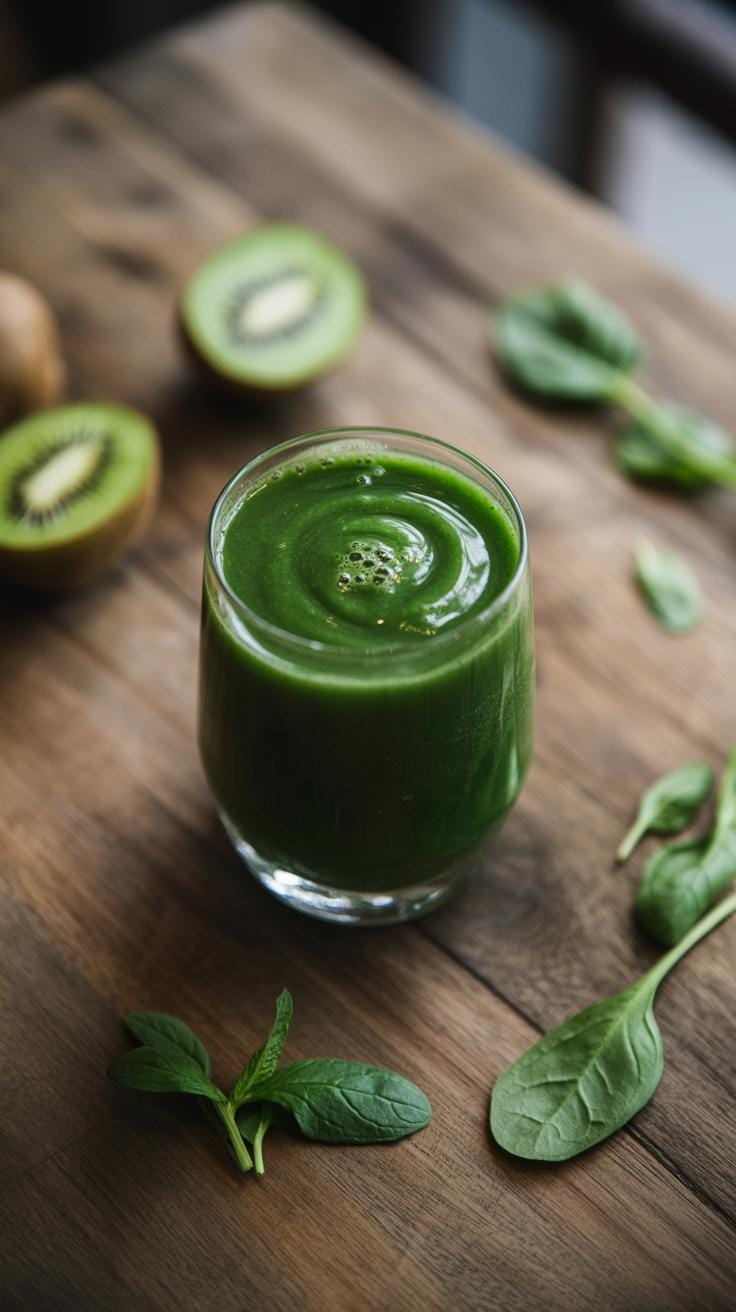
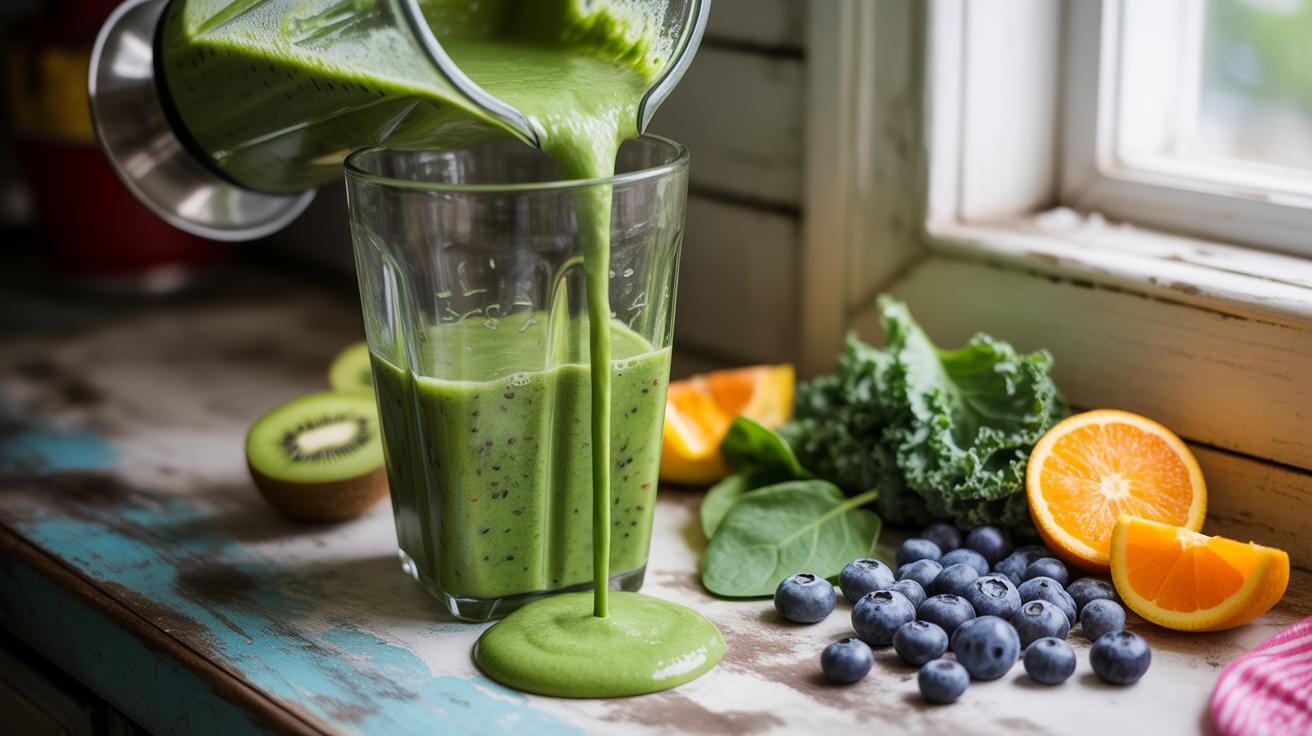
When it comes to choosing between green smoothies and fruit-heavy ones, the difference often comes down to calorie load and how they affect your weight goals. Green smoothies usually center on leafy greens like spinach, kale, or chard. They tend to be lower in sugars and calories, but rich in fiber and nutrients that fill you up and help steady blood sugar.
I’ve noticed that green smoothies keep me feeling full longer—probably because of the fiber. They’re bulky without adding lots of energy-dense sugars, which can make a huge difference if you’re trying to lose weight.
Benefits of Green Smoothies
Green smoothies give you vitamins, minerals, and fiber with fewer sugars compared to fruit-based versions. They:
- Support digestion and promote fullness, so you graze less throughout the day
- Provide antioxidants and nutrients that help your metabolism run more smoothly
- Have fewer calories per serving, making it easier to stick to a calorie goal without feeling deprived
Even if you aren’t watching calories very closely, green smoothies can balance your nutrition without the spike in blood sugar that often comes with fruit-heavy blends.
When Fruit-Based Smoothies May Hinder Goals
Fruit smoothies can be tricky. Too many fruits or using fruit juices cram extra sugars and calories into your drink. That boost in sugar might stall your weight loss, even if you thought you were choosing something healthy.
Think about a smoothie with multiple bananas, mango, and orange juice—it can have as many calories as a meal, sometimes more. That level of sugar can cause spikes and crashes, making you hungrier soon after. The sweet taste might also encourage you to reach for more sugary snacks later, without realizing it.
So while fruits bring fiber and vitamins, too much can tip the scale toward excess calories, working against your weight control efforts. It’s a balance, but green smoothies often offer a more consistent path to keeping hunger controlled and calories in check.
Check Your Smoothie Portions
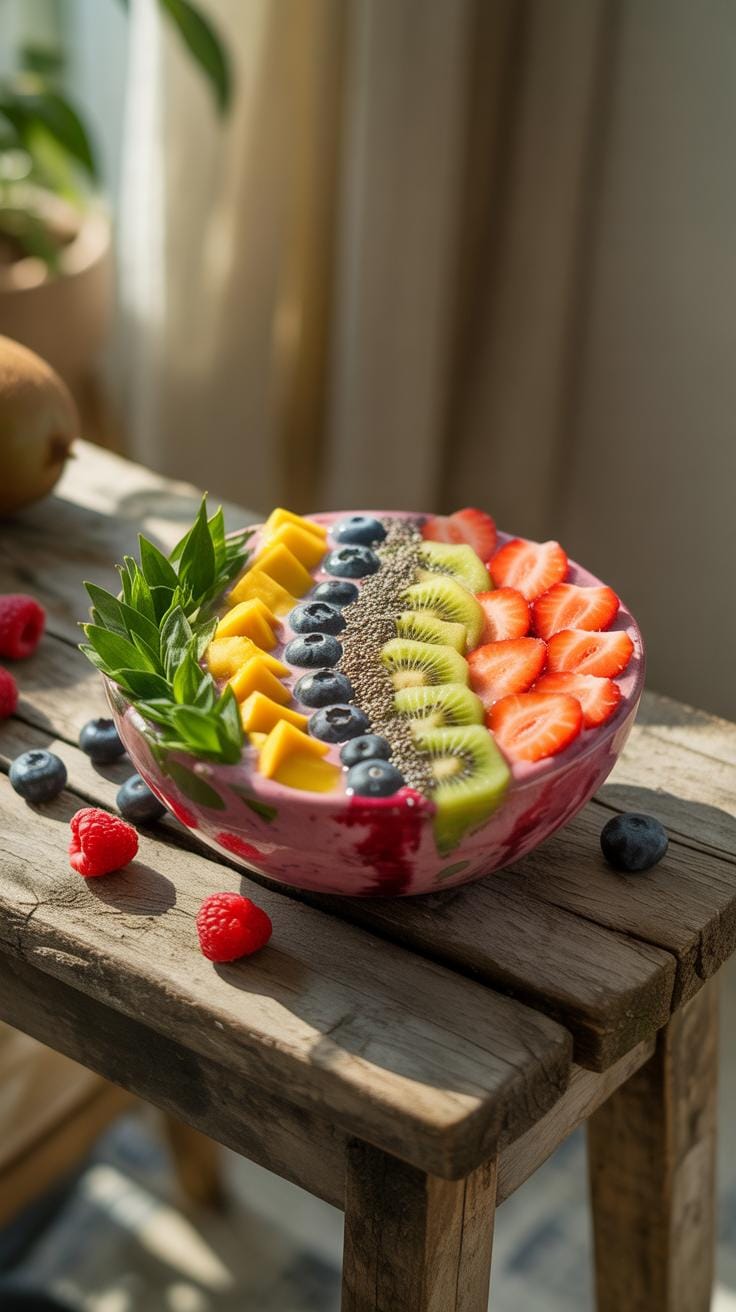
Portion size is one of those things that often gets overlooked when it comes to smoothies and weight loss. You might think a big glass of smoothie feels healthy, but calories can add up fast without you realizing it. A smoothie packed with fruits, nuts, and yogurt can easily exceed 400 or 500 calories in just one serving if the portion is too large.
So, how much should you really drink? A typical suitable serving size is about 8 to 12 ounces—roughly one cup to a little less than one and a half cups. This amount usually provides enough nutrients to satisfy you without dumping too many calories at once. Measuring by volume is easy: grab a standard measuring cup or use your blender’s markings. Eyeballing sometimes leads to oversized portions, which sneaks in extra calories.
Some common mistakes include sipping on large 20-ounce smoothies or even having two or three drinks throughout the day thinking it’s harmless. But this adds up quickly and might stall your weight loss. I’ve seen people overwhelmed by smoothie calories simply because they didn’t pay attention to how much they were actually consuming. Maybe you feel fine drinking bigger portions, but your body doesn’t need that much all at once—sometimes smaller, controlled servings work better.
Think about your hunger cues too—do you really need that entire glass, or are you drinking just because it tastes good or fits some “more is better” mindset? Balancing portion size can make a real difference, so try once or twice measuring your smoothies carefully. It might surprise you how much less you need to feel full and satisfied.
How to Make Smoothies That Support Weight Loss
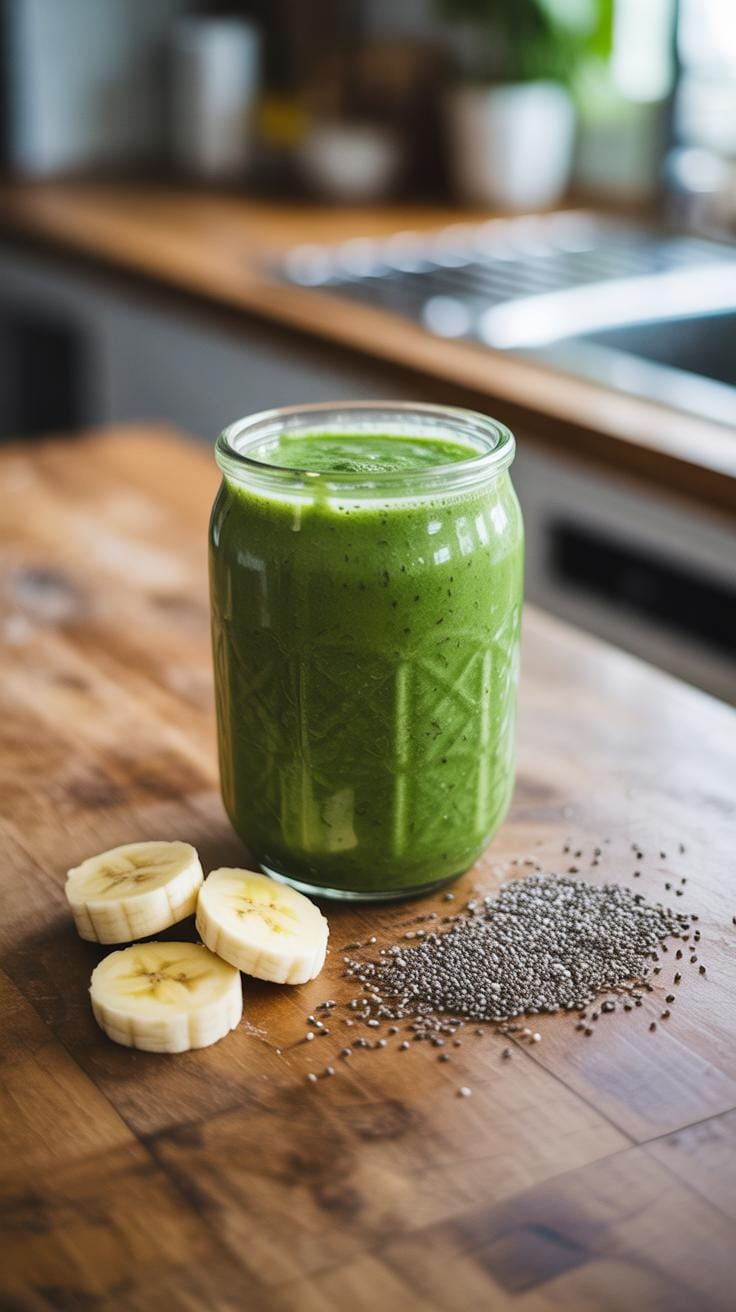
Start by picking ingredients that pack nutrition but won’t overwhelm your calorie budget. Think leafy greens like spinach or kale—they add fiber and vitamins with barely any calories. Then, add a source of lean protein, such as Greek yogurt or a scoop of protein powder. This helps keep you feeling full longer.
Healthy fats come next. A small amount of nut butter or chia seeds can provide satiety without tipping the scale. Limit fruit to one serving—berries usually work well since they contain less sugar.
Blend everything with water or unsweetened almond milk rather than fruit juices, which can spike sugar levels unexpectedly. Don’t go overboard on sweeteners; sometimes a squeeze of lemon or a dash of cinnamon is enough.
Preparing your smoothie in the morning or as a post-workout snack often makes the most sense. Morning smoothies can replace a heavy breakfast, while post-exercise shakes aid muscle recovery and curb hunger.
Experiment with timing a little. Some find a midday smoothie useful to avoid unhealthy snacking later, while others prefer a smaller, nutrient-dense shake before workouts for energy. There’s no single perfect time, really—it’s about tuning into what your body responds to.
Have you noticed how changing just one ingredient affects your appetite or energy? Seriously, try swapping spinach for kale or adding protein one day and see how it feels. Smoothie-making can quickly become a personal science that way.
Tools for Making Nutritious Smoothies
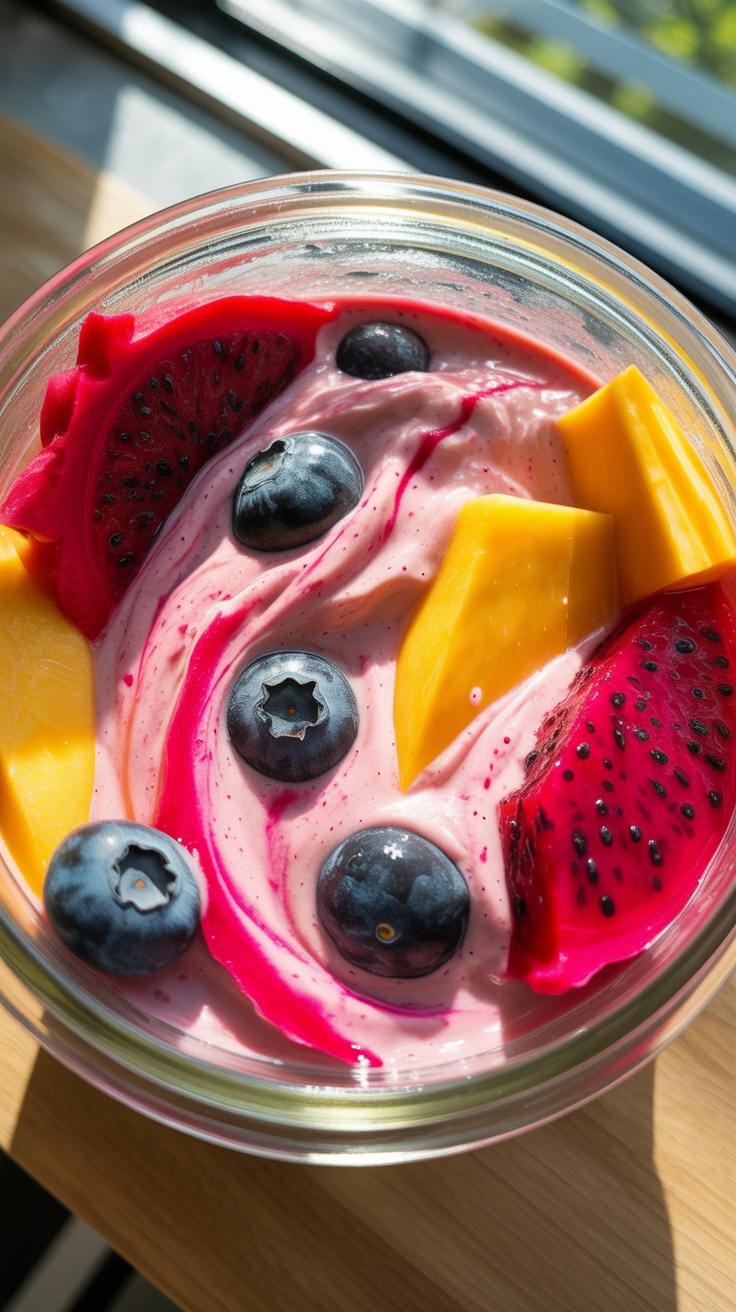
Choosing a Blender
Picking the right blender can feel overwhelming, but focusing on a few key features helps. First, power matters—something around 500 watts or more usually handles leafy greens and frozen fruits without leaving chunks behind. I once tried a weaker blender, and it turned my smoothie into a lumpy mess, which was frustrating. Also, look for variable speeds or preset programs. They offer control so you can start slow to break down ingredients, then ramp up for a silky finish.
Blade design plays a role too. Blenders with blades angled or stacked to create a vortex tend to mix more thoroughly. And don’t underestimate container size. A smaller jar might suit single servings but can make it tricky if you want to prep for the week. Glass is heavier but resists stains better than plastic, which can retain odors, especially from greens.
Storing Smoothies Safely
When you make smoothies ahead, storing them right is a bit of a balancing act. Air and light cause nutrients to break down, so fill your container close to the top to limit air exposure. Glass jars with tight lids are a solid choice—they’re non-reactive and seal well.
Keep your smoothies cold, preferably in the fridge. Some nutrients—like vitamin C—start to degrade after a day or so, so aim to consume your stored smoothie within 24 hours. Freezing helps preserve nutrients longer but might change texture. You could thaw overnight in the fridge and stir well before drinking.
One thing I keep wondering: does blending itself always reduce nutrient content? Some studies suggest it can, but others say the effect is minimal if you drink it quickly. Maybe the real trick is just using the right tools and storage habits to make your efforts worthwhile.
Avoiding Smoothie Pitfalls and Misconceptions
Myths About Smoothies
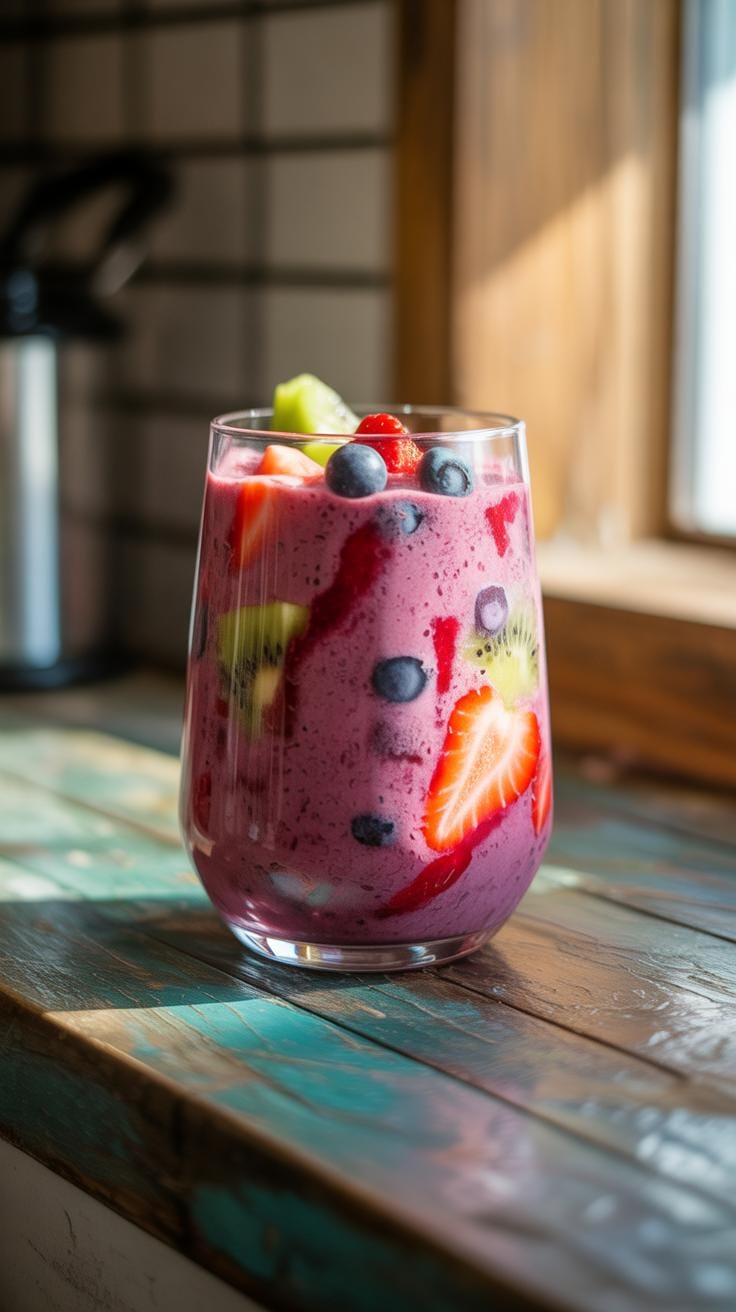
There’s a common idea floating around that smoothies are always a healthy, weight-loss-friendly choice. I think this belief comes from the fact that smoothies often contain fruits and vegetables, which are good for you. But that doesn’t mean every smoothie automatically helps shed pounds. Some smoothies pack so many calories that they end up working against your goals instead of supporting them.
People tend to overlook the ingredients that add sugar, fat, or excess calories—like too much fruit, honey, or creamy bases. It’s tempting to assume, “It’s just fruit blended together,” but fruit sugar can quickly add up, especially in large portions. The assumption that smoothies equal weight loss may feel true at first glance, but it’s a simplification that doesn’t hold up when you dig deeper.
When Smoothies Backfire
Have you ever felt fuller after just one smoothie—and not in a good way? Sometimes, the quantity or calorie content sneaks past your awareness. A smoothie with half an avocado, a cup of full-fat yogurt, a banana, and two tablespoons of nut butter can easily surpass 500 calories. If you’re trying to lose weight, that’s basically a small meal, but without the fiber and chewiness that keep you satisfied longer.
Some people rely on smoothies as meal replacements but forget they might be missing protein or fiber, which slows digestion and controls hunger. Also, blending everything up can cause you to consume calories faster than you realize. Drinking calories often doesn’t make you feel full the same way chewing does, leading to overeating later.
In some ways, smoothies can feel like a shortcut—quick and easy. But if you’re not paying attention to the balance and portion size, you might be doing more harm than good. Maybe next time you reach for that smoothie, pause and check what’s inside—and ask yourself if it’s helping or hindering your progress.
Case Studies of Smoothie Choices
Effective Smoothie Example
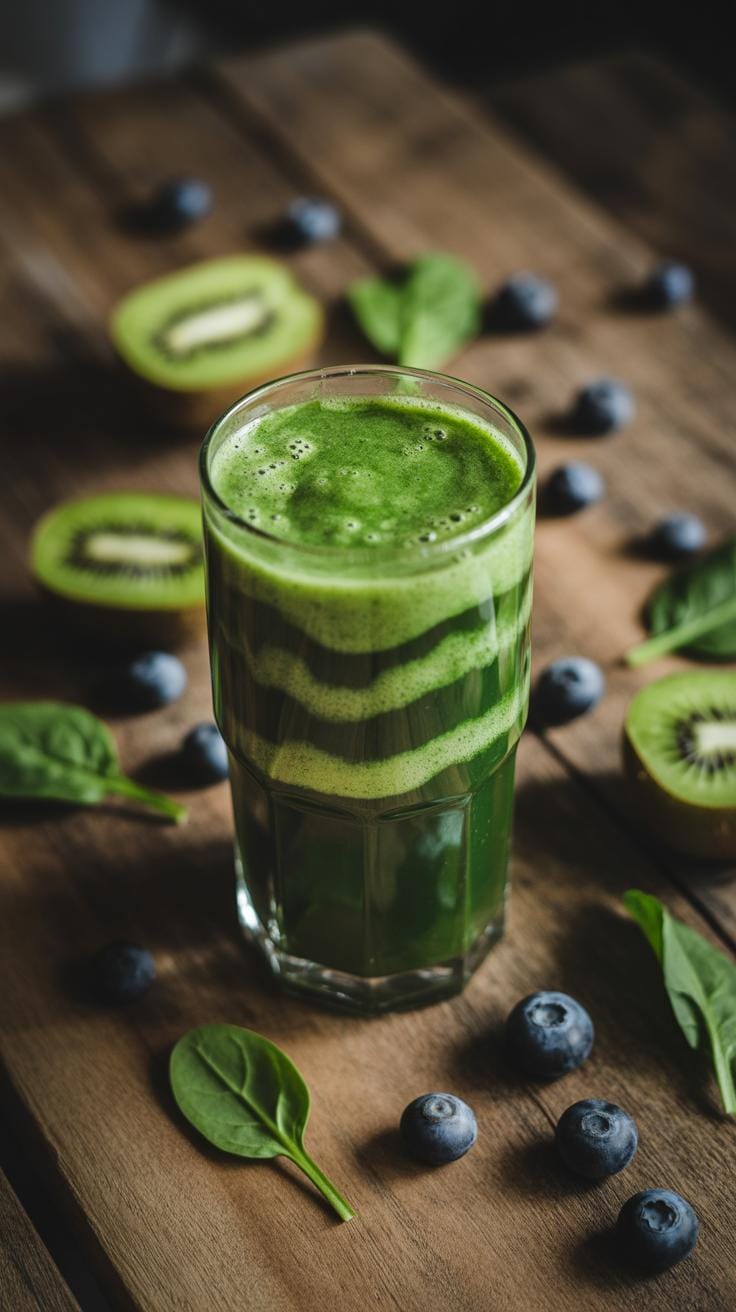
Take Sarah’s story. She started a morning smoothie routine with a simple blend of spinach, half a frozen banana, a scoop of plain Greek yogurt, a tablespoon of chia seeds, and unsweetened almond milk. What made this smoothie work wasn’t just the ingredients, but how she kept portions in check. The banana added natural sweetness without piling on too much sugar. The protein from yogurt helped keep her full longer, reducing cravings later in the day. She avoided adding juices or flavored syrups, which often sneak in sugars.
Over a few months, Sarah noticed her energy stabilized, and the pounds gradually dropped. She wasn’t starving or feeling deprived. The balance of fiber, protein, and healthy fats kept her satisfied. Portion control played a silent but critical role here. Sometimes, even the healthiest ingredients can become too much if the serving sizes are off. Sarah’s experience suggests that paying attention to what *and* how much you blend truly matters for weight loss.
Ineffective Smoothie Example
Then there’s Mike, who loved his fruit-loaded smoothies but didn’t realize why his weight stalled. His typical recipe included three bananas, a handful of frozen mango, two tablespoons of honey, and a cup of orange juice—all blended together. Sweet and tasty, sure. But high in sugar, too, and calorie-dense without any protein or fiber to balance it out.
Mike felt full right after, but within an hour, hunger crept back. His blood sugar levels likely spiked and dropped fast, pushing him toward snacking. Despite drinking these smoothies daily, he found the scale either stuck or creeping up. This case hints that fruit quantity and added sweeteners can easily turn a “healthy” drink into a weight loss obstacle. It’s a reminder that even natural sugars count and that smoothies aren’t exempt from calorie overload.
Conclusions
Healthy smoothies can support your weight loss but only if prepared wisely. Avoid adding hidden sugars and high-calorie ingredients that counteract the benefits. Focus on fresh vegetables, moderate fruits, and protein sources.
By choosing the right ingredients and understanding how different components affect your body, you can make smoothies that promote weight loss. Make small changes and see your goals come closer each day.