
Mistakes Sabotaging a High Protein Breakfast
Your breakfast sets the tone for the day. Eating a high protein breakfast can help keep you full, support muscle health, and give you lasting energy. But many people unknowingly make mistakes that cut the benefits of their morning meal.
This article lists 15 mistakes that can sabotage a healthy high protein breakfast. You will learn how to identify and correct these problems to make your breakfast work better for your health and energy.
What Counts as High Protein Breakfast


What exactly makes a breakfast “high protein”? It’s not just about tossing an egg on your plate and calling it a day. To qualify, a breakfast should provide around 20 to 30 grams of protein. This range supports muscle maintenance, keeps hunger at bay, and fuels your morning activities.

Consider these protein sources and typical portions:
- Eggs: Two large eggs offer roughly 12 grams of protein.
- Dairy: A cup of Greek yogurt can provide about 15-20 grams.
- Meats: Three ounces of cooked chicken or turkey contain around 20-25 grams.
- Legumes: Half a cup of cooked lentils or black beans brings 9-10 grams.
- Plant-based options: A serving of tofu (about 100 grams) has roughly 10 grams.
Mixing foods can help you hit the target without forcing anything uncomfortable. Maybe you enjoy oatmeal—add some nuts or a scoop of protein powder. If you’re a fan of plant proteins, pairing beans with grains can create a complete protein profile, which might be relevant if you’re mindful of amino acid balance.
Protein Types and Their Benefits
Not all proteins are the same. Animal proteins—found in eggs, dairy, and meat—are complete proteins. This means they contain all essential amino acids your body can’t make. This completeness often means they serve muscle repair and growth well. Plus, they tend to digest faster.
Plant proteins—like those from legumes, nuts, and seeds—sometimes lack one or more essential amino acids, but you can combine them throughout the day or even in the same meal. For example, rice with beans. Plant proteins also carry fiber and other nutrients, providing benefits beyond just the protein itself.
Personally, I find animal proteins quick and satisfying in the morning, but a mix with plant sources keeps breakfasts interesting and balanced. Each type brings something different to the table, depending on your preferences and dietary needs.
How to Measure Protein Intake
Tracking protein at breakfast doesn’t have to be complicated. You can start by using visual cues or standard portion sizes. For instance:
- One large egg roughly equals 6 grams.
- A palm-sized piece of meat or tofu usually has about 20 grams.
- A half-cup serving of cooked legumes offers around 9 grams.
- One slice of whole-grain bread has roughly 3 grams.
Apps and nutrition labels help if you want more accuracy, but often approximations work well enough. Just ask yourself—does this meal have enough protein to keep me energized until the next snack? If not, add a bit more. Over time, you’ll get a feel for the right amounts without a calculator.
One tip: don’t stress too much about hitting the exact grams. Slight variations won’t drastically change your progress, but knowing the ballpark is helpful, especially if you’re trying to build muscle or stabilize blood sugar.
Why Protein Breakfast Matters

Eating a high protein breakfast can really change how your morning unfolds. Protein impacts how your body handles hunger, energy, muscle repair, and even brain function. When you start the day with a good amount of protein, your metabolism — the process your body uses to convert food into energy — tends to work more steadily. This can help keep your blood sugar levels from spiking and crashing, which might be why you feel less jittery or tired mid-morning.
Protein also supports muscle maintenance because it provides the building blocks your body needs to repair and grow muscle tissue, especially after overnight fasting. You might not notice this immediately, but over time, a consistent protein intake in the morning can help preserve lean muscle mass, especially if you’re active. That, in turn, helps your body burn calories better.
And it’s not just about the body. Protein affects the brain too. Some amino acids in protein influence neurotransmitters, which are chemicals that control how you think, feel, and focus. So, a protein-rich breakfast may help keep your mind sharp and mood steady throughout the early hours, making those morning tasks just a bit easier to handle.
Protein and Satiety Link
One of the most noticeable effects of a protein-packed breakfast is feeling full longer. Protein takes more time to digest compared to carbs or fat, so it slows down hunger cues. You might experience this if you’ve ever had eggs or Greek yogurt in the morning and didn’t need to snack until well into the afternoon.
Research backs this up. Studies show people who consume higher protein breakfasts tend to snack less later in the day. When hunger isn’t pulling you away from your work or daily routine, it’s easier to stay focused and avoid reaching for less healthy options. So, even if you don’t count calories strictly, protein helps control appetite in a way that feels natural rather than forced.
Protein Effect on Mood and Focus
Protein can influence your mental state in subtle ways. Amino acids from protein contribute to producing neurotransmitters like serotonin and dopamine, which regulate mood and attention. Without enough protein, some people notice brain fog or irritability creeping in the morning.
If you’ve felt sluggish or distracted after a carb-heavy breakfast, protein might be why. It releases energy more slowly and keeps blood sugar more balanced, preventing sudden highs and lows that can affect your concentration and mood swings. So, protein can be a simple way to help your brain function steadily, though it’s not a magic fix — other factors like sleep and hydration matter too.
Mistake 1 Skipping Breakfast Protein

Skipping protein at breakfast might seem harmless at first. Maybe you just grab a coffee or a piece of toast and think, “That’ll do.” But your body actually relies on protein in the morning to fuel your muscles and keep your energy steady throughout the day. Without enough protein, your blood sugar can spike and drop quickly, leaving you tired or craving snacks shortly after.
There are several reasons people often skip protein. Time is a big factor—many feel rushed and don’t want to spend extra minutes cooking eggs or preparing something more substantial. Some simply don’t know what counts as a quick, protein-rich option, or maybe they think proteins belong only to lunch or dinner. Others might be avoiding dairy or meat and struggle to find alternatives that fit their diet or taste preferences.
But adding protein to breakfast doesn’t have to slow you down. If mornings are hectic, try these quick and easy options:
- Greek yogurt topped with nuts or seeds—no cooking needed.
- Hard-boiled eggs prepared the night before.
- Protein shakes or smoothies with a scoop of protein powder.
- Nut butters spread on whole grain toast.
- Cottage cheese paired with fruit for a simple combo.
These choices blend speed with nutrition, so you’re less likely to skip protein even on the busiest mornings. It might take a little planning, sure, but your body will thank you with better energy and focus as the day goes on. Have you noticed how skipping protein leaves you dragging by mid-morning? Adding just one of these can change things more than you might expect.
Mistake 2 Relying on Sugary Breakfasts

If you’re aiming for a healthy high protein breakfast, leaning on sugary cereals or pastries can seriously undermine your efforts. Those sweet options might taste good, but the quick sugar rush they deliver often leads to energy spikes followed by crashes that leave you feeling wiped out mid-morning. It’s frustrating because you start with good intentions, including protein to fuel you, but the sugar throws everything off balance.
Sugar Impact on Energy Levels
Sugar enters your bloodstream fast, triggering a quick burst of energy. But that high is short-lived. Your body responds by releasing insulin to bring blood sugar back down, sometimes overshooting and causing fatigue or irritability. So, even if your breakfast has protein, the sugar’s rollercoaster effect might make you feel sluggish instead of sustained. I’ve noticed this myself—after a sugary breakfast, it’s hard to stay focused or avoid hunger until lunchtime.
Healthy Breakfast Swaps for Sugar
Instead of those high-sugar options, consider breakfasts that combine protein and fiber with minimal sugar, such as:
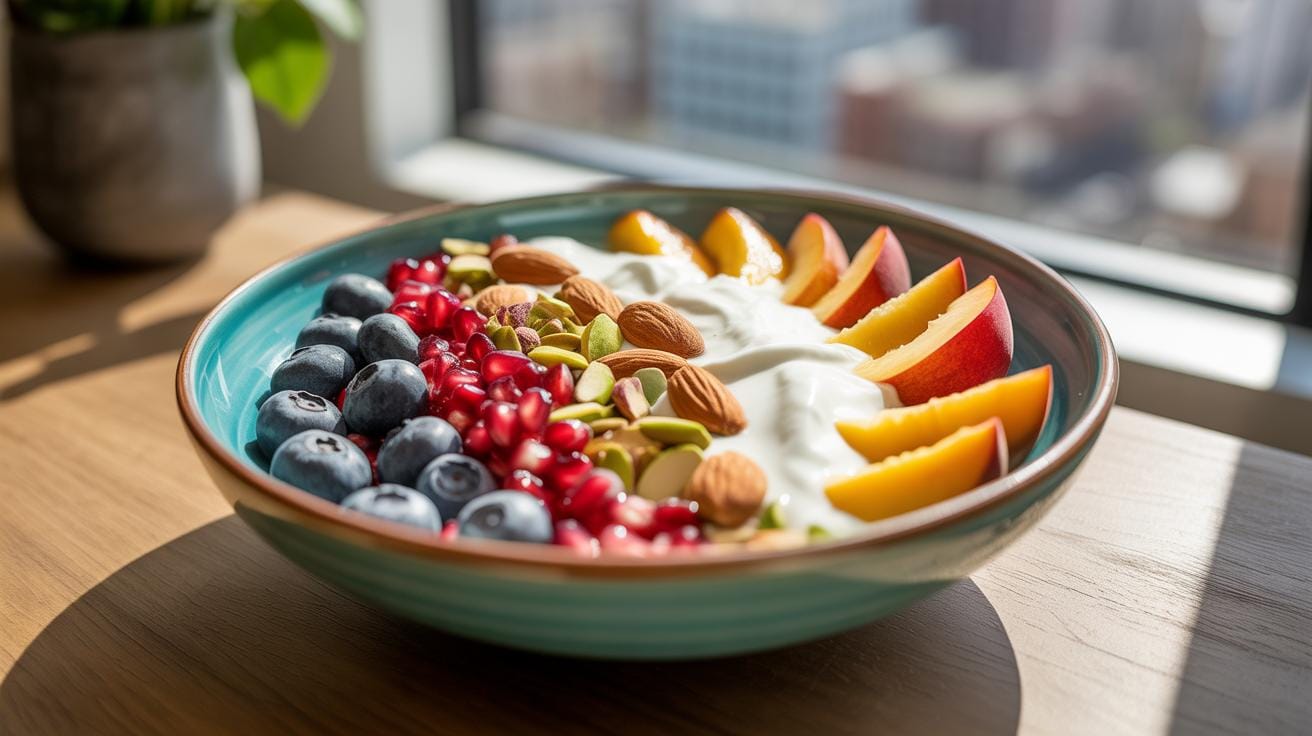
- Greek yogurt mixed with nuts and fresh berries
- Scrambled eggs with sautéed vegetables
- Overnight oats made with protein powder and chia seeds
- Cottage cheese paired with sliced fruit and a sprinkle of cinnamon
- Whole grain toast topped with nut butter and banana slices
These swaps provide steady energy without the crash. Plus, the protein keeps you full longer. It might take a little time to adjust, but your body will thank you. Maybe give one of these a try tomorrow and see if you notice the difference? Sometimes, it’s the small shifts that change how you feel all day.
Mistake 3 Ignoring Whole Food Choices

When you reach for breakfast, it’s easy to pick the quick, processed options loaded with protein powders or processed meats. But those might not serve you as well as you think. Whole foods with natural protein have benefits that often get overlooked. They offer a range of nutrients beyond just protein—fiber, vitamins, healthy fats—that can actually help keep you full and energized longer. Processed protein options sometimes come with added sugars, preservatives, or excess sodium that could quietly undermine your goals.
Take eggs, for example. They are a natural source of protein and provide choline, which supports brain health. Compare that to a processed breakfast sausage patty that might have fillers and unhealthy fats. Or consider Greek yogurt, packed with protein and probiotics, versus an artificially flavored protein shake with questionable additives. Whole foods tend to feel more satisfying, maybe because your body recognizes them better—though I’m not entirely sure why it makes such a difference, but it does.
If you’re after some real, easy breakfast ideas, try these:
- Omelet with spinach, tomatoes, and a sprinkle of cheese
- Greek yogurt topped with nuts and fresh berries
- Overnight oats mixed with cottage cheese and chia seeds
- Smoked salmon on whole grain toast with avocado slices
- Simple hard-boiled eggs paired with fruit and nut butter
These aren’t just packed with protein, but also avoid unnecessary additives. You might find yourself feeling better, though some mornings you might crave the convenience of processed options—so it’s a balance, really. Still, focusing more on whole foods at breakfast might be worth trying, even if it feels like a small change.
Mistake 4 Neglecting Protein Timing

Eating protein in the morning isn’t just about what you eat but also when you eat it. Timing can play a key role in how your body uses that protein for energy and muscle repair. After a night’s fast, your muscles are primed to absorb nutrients, so waiting too long after waking up might blunt this opportunity.
Experts often suggest consuming protein within 30 to 60 minutes after getting up. Getting protein in early can jumpstart muscle protein synthesis, helping repair and build muscle tissue. I remember days when I delayed breakfast and felt sluggish, only to find that having even a simple protein shake soon after waking got me going better.
Delaying protein intake for hours? Well, your body will still get its nutrients eventually, but you risk losing some muscle maintenance benefits. Plus, energy levels may dip more than they need to. It’s like leaving gas out of your car’s tank for a long drive—it’ll run, but not smoothly.
- Early protein intake helps stabilize blood sugar and energy.
- Delaying can cause muscle breakdown to surpass repair.
- The window soon after waking is when muscles are especially receptive.
So, if you’re rushed or skipping your morning protein, think again. Could eating sooner make a subtle but real difference to your day? It just might—not dramatically, but enough to notice if you pay attention.
Mistake 5 Overlooking Protein Quality

Not all proteins are created equal. When you think about your breakfast, the source of protein matters just as much as how much you eat. Protein quality boils down to two main things: the amino acid profile and digestibility. Proteins with a complete set of essential amino acids—and that your body can absorb well—make a big difference in muscle repair, satiety, and overall energy for the day.
For example, eggs carry all the essential amino acids in good amounts and digest easily, putting them in the high-quality category. Same goes for Greek yogurt or cottage cheese. On the flip side, some plant proteins like those in oats or nuts might lack one or two amino acids and might not break down as quickly. That doesn’t mean they’re useless, just that if you rely on a single plant source, you might miss out.
The good news? You can mix and match to improve protein quality at breakfast. Think peanut butter spread on whole-grain toast or combining beans with grain-based dishes. Even a handful of seeds with your smoothie bowl can help balance the amino acids better than eating either alone. So, paying attention to protein quality isn’t about perfection but about making smarter choices to get the most out of your morning meal.
Mistake 6 Forgetting Variety in Protein Sources

Eating the same protein breakfast every day might feel simpler—it’s easy and routine—but it can actually do more harm than good. When you stick to just one type of protein, like scrambled eggs every morning or the same protein shake, you might miss out on important nutrients that other proteins provide. Your body needs a range of amino acids, vitamins, and minerals that different proteins offer. So even if eggs are great, relying on them exclusively can unintentionally narrow your nutritional intake.
There’s also the matter of taste and enjoyment. Morning meals can get pretty dull if they never change. I’ve found that switching up what I eat keeps breakfast interesting and something I actually look forward to. You might feel the same way, even if you don’t realize it right away.
Try rotating among these protein options to keep your breakfast nutrient-rich and varied:
- Greek yogurt or skyr
- Cottage cheese
- Eggs in different forms
- Smoked salmon or other fish
- Nut butters mixed in oatmeal or toast
- Legumes like black beans or lentils in savory dishes
- Protein-enriched plant-based milks
- Lean meats like turkey or chicken slices
Forgetting to switch up proteins might not seem like a big deal, but it can slowly rob your breakfast of both its nutritional depth and its appeal. So, maybe next time you’re staring at your usual eggs, consider—what else could bring something different to the table? It’s worth trying. You might get a better meal, and a better start to your day.
Mistake 7 Not Balancing with Other Nutrients

Relying on protein alone for your breakfast might seem like a solid plan, but it’s really just part of the picture. Protein is crucial, yes, but it doesn’t work in isolation. Your body also needs fiber, healthy fats, and a range of vitamins to make that first meal effective and satisfying.
Think about it—eating only protein can leave you feeling full temporarily but not necessarily energized or steady throughout the morning. Fiber slows digestion, helping keep blood sugar stable and hunger at bay. Healthy fats contribute to brain function and long-lasting energy. Vitamins and minerals round out the meal to support everything from immunity to cell repair.
Why does this balance matter? A high protein breakfast without these elements could cause you to crash mid-morning or miss some key nutrients your body actually needs early on. And really, food is rarely just one thing; nutrients interact, sometimes enhancing each other’s effects.
Some balanced high protein breakfast ideas might include:
- Scrambled eggs with spinach and avocado on whole grain toast.
- Greek yogurt topped with berries, chia seeds, and a drizzle of almond butter.
- Oatmeal mixed with cottage cheese, walnuts, and sliced banana.
Each of these meals pairs protein with fiber-rich carbs and healthy fats, creating a more complete nutritional profile. Have you noticed how a balanced breakfast can keep you more alert or less hungry until lunch? It’s subtle but worth paying attention to.
How to Build Your Healthy Breakfast Plan

Creating a high protein breakfast that actually works for you isn’t just about grabbing eggs or yogurt. It starts with setting clear goals. Are you aiming to build muscle, manage hunger, or just feel more energized throughout the morning? Pinpointing this helps you figure out how much protein you need and what kind of foods to include.
Next, think about the foods you enjoy. It’s tempting to rely only on classic protein sources like eggs or bacon, but variety matters. Consider adding beans, cottage cheese, nuts, or even protein powders if you’re open to it. Mix and match based on taste, time, and convenience.
Prepping can make or break your plan. When mornings get busy, having pre-cooked or partially prepared ingredients can keep you consistent. Maybe hard boil eggs in advance, chop veggies the night before, or batch-make protein pancakes. It takes some effort initially, but saves plenty later.
Tracking your progress might sound tedious, but it actually helps keep your goals in focus. Try simple food journals or apps like MyFitnessPal or Cronometer to log what and how much protein you eat. You’ll start noticing patterns—days you skip prep might have less protein—and that’s useful feedback.
Setting realistic goals, choosing foods thoughtfully, prepping ahead, and checking your progress—these steps create a sustainable breakfast habit. Have you tried tracking your meals before? It’s a bit eye-opening to see numbers laid out, even if it feels like overkill at first.
Conclusions
Eating a high protein breakfast is a smart way to support your body and keep hunger away. But small mistakes can reduce how well it works for you. Avoiding common errors is key to making your breakfast truly healthy and effective.
Look back at the 15 points discussed. Use the tips to improve your meals. By doing so, you can enjoy more energy, better focus, and healthier body weight throughout the day.