
Carbs That Support Weight Loss
Healthy carbs can support your weight loss goals by giving you energy and keeping you full without adding extra fat. Not all carbs are the same. Some can make you gain weight, while others help you lose it or maintain a healthy weight. Understanding which carbs to eat can improve your diet.
This article explains healthy carbs that help with weight loss. It covers what healthy carbs are, why they matter, how to choose them, and practical tips to include them in your meals. You will learn about carbs that support your body and keep you on track with your goals.
What Are Healthy Carbs

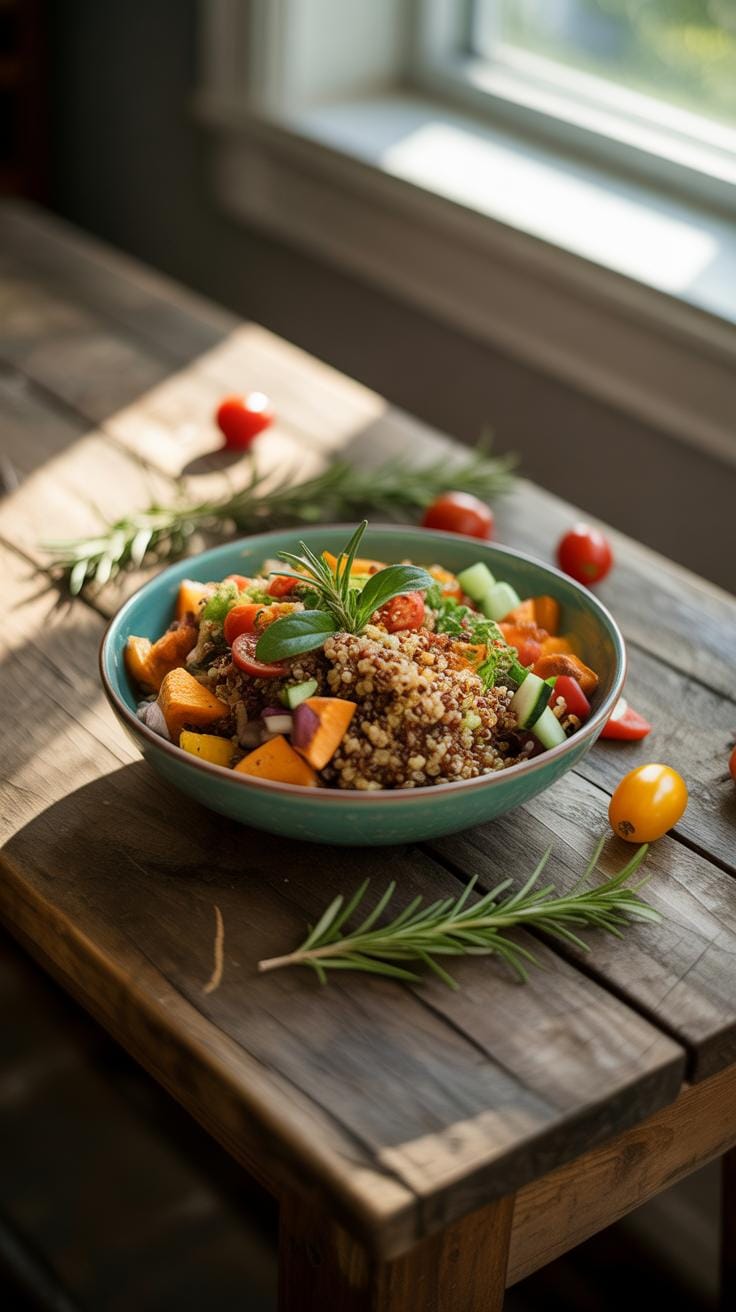
Healthy carbohydrates are more than just sources of energy—they come with nutrients that support your body in several ways. Unlike their unhealthy counterparts, healthy carbs digest slowly, giving you steady fuel rather than sudden spikes in blood sugar. This often means they contain more fiber, vitamins, and minerals.

Most healthy carbs fall into the category of complex carbohydrates. These are made up of longer chains of sugar molecules, which take longer for your body to break down. That slow digestion helps you feel fuller longer, an advantage if you’re watching your weight.
Fiber is a key player here. It’s a type of carbohydrate that doesn’t get absorbed but instead passes through your digestive system. It helps with digestion, steadies blood sugar, and even supports fat loss.
On the other hand, unhealthy carbs often contain simple sugars or are highly processed, leading to quick blood sugar bursts and little lasting nourishment. Think candy, white bread, or sugary drinks—they spike insulin and don’t keep you full.
For example, brown rice and oatmeal are complex carbs rich in fiber, while white bread mostly contains simple carbs with little fiber. Spotting these differences can make your carb choices clearer and more supportive of your goals.
Types of Carbohydrates Explained
Carbohydrates come in three main types: simple sugars, complex carbs, and fiber. Simple sugars are short, quickly absorbed molecules like glucose or fructose. They provide fast energy but often lead to hunger soon after.
Complex carbohydrates, made of longer sugar chains, digest slowly. This slow digestion helps keep your blood sugar stable and appetite in check—helpful if you want to lose weight.
Fiber, a unique carb, isn’t digested but travels through your gut, helping with fullness and digestion. Unlike sugars, fiber doesn’t raise blood sugar and often reduces calorie absorption.
For weight loss, focusing on complex carbs and fiber-rich foods tends to be better. They curb hunger, boost metabolism, and promote gut health. Simple sugars might satisfy cravings but often lead to overeating and energy crashes.
Examples of Healthy Carb Foods
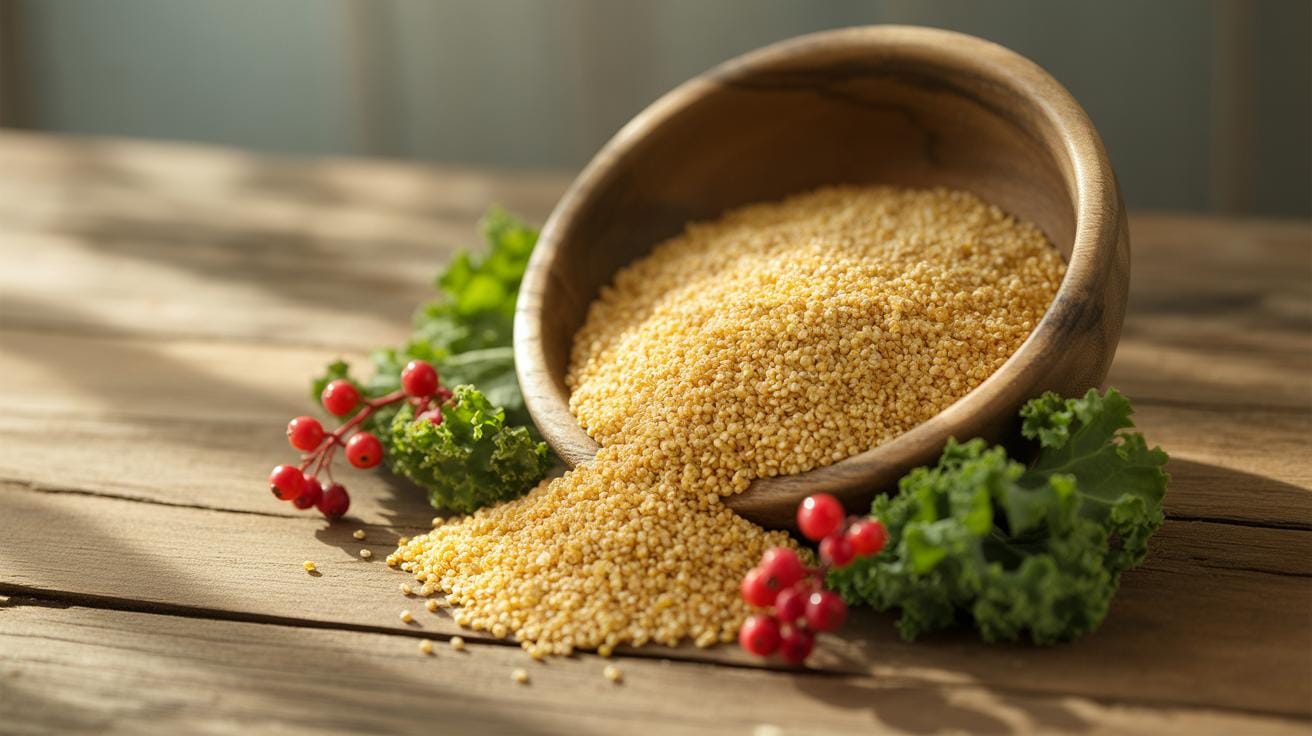
You can find healthy carbs in a variety of everyday foods. Whole grains like quinoa, brown rice, and barley not only offer fiber but also maintain steady energy.
Vegetables, especially non-starchy kinds like spinach, broccoli, and peppers, provide carbs with minimal calories and plenty of fiber. Fruits like apples, berries, and pears bring naturally occurring sugars balanced with fiber, making them good sweet options.
Legumes such as lentils, chickpeas, and black beans combine carbs with protein and fiber, keeping you full longer. These choices offer nutritional benefits beyond just carbs and can help curb those midday hunger pangs.
Trying to make these foods regular parts of your meals could help with weight loss without feeling deprived. It’s not about cutting carbs out but choosing the kinds that support steady energy and fullness.
Why Carbs Matter for Weight Loss
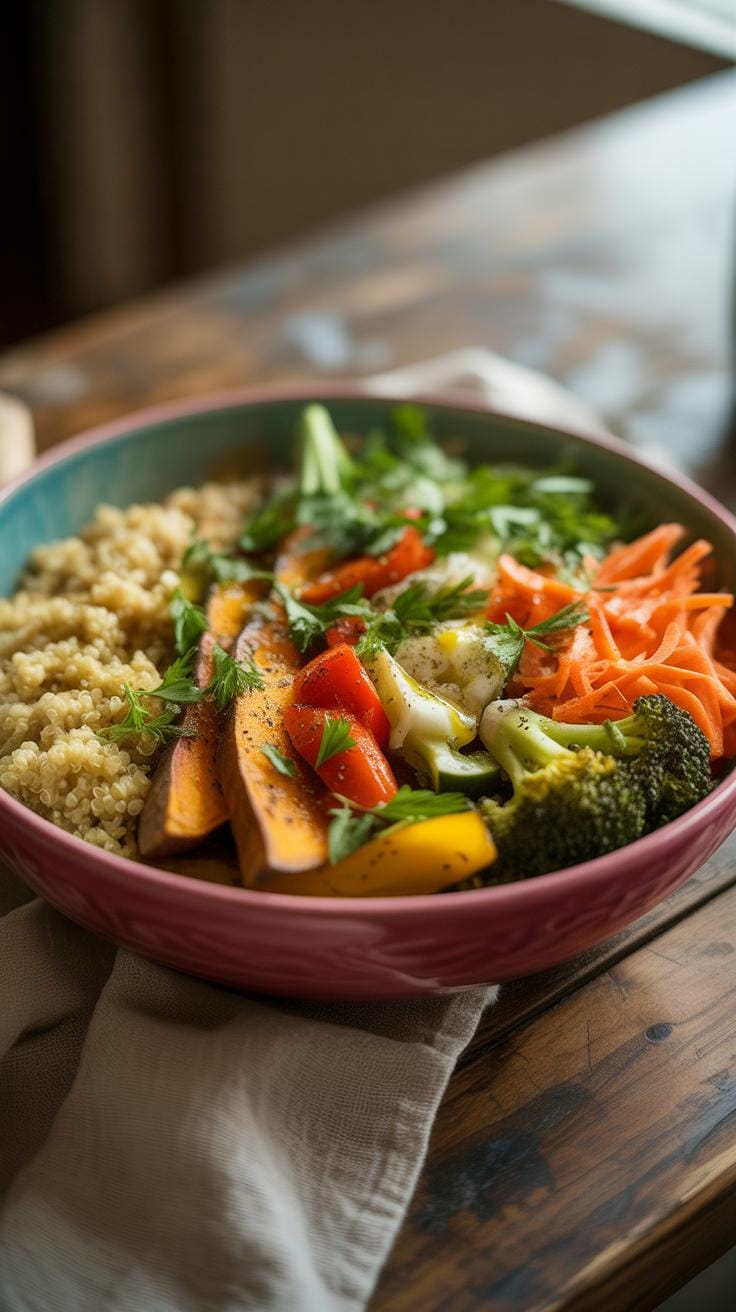
Carbohydrates are the body’s main fuel source. When you eat carbs, your body converts them into glucose, which powers your muscles, brain, and organs. This energy is crucial, especially if you stay active. But here’s the catch: carbs don’t automatically mean weight gain. It’s really about how your body uses that energy and whether you’re in an energy surplus or deficit.
Think about metabolism like a balance scale. If you consume more energy (calories) than you burn, the excess can be stored as fat. That’s not inherently because of carbs, but because of energy imbalance. So carbs play a role, but they’re a piece, not the whole picture.
Now, carb quality has a strong say in how your body responds. Whole grains, vegetables, and legumes come packed with fiber, slowing digestion and keeping blood sugar steady. This can reduce fat storage signals. Processed carbs, like sugary snacks or white bread, tend to spike blood sugar and insulin, which might encourage storage rather than usage. So, choosing carbs with fiber and natural nutrients matters far more than just cutting carbs blindly.
Remember, ditching carbs completely isn’t a magic fix. Instead, focusing on the type of carbs your body gets might be the smarter way to support your weight loss without sacrificing energy or mood.
How to Identify Healthy Carbs
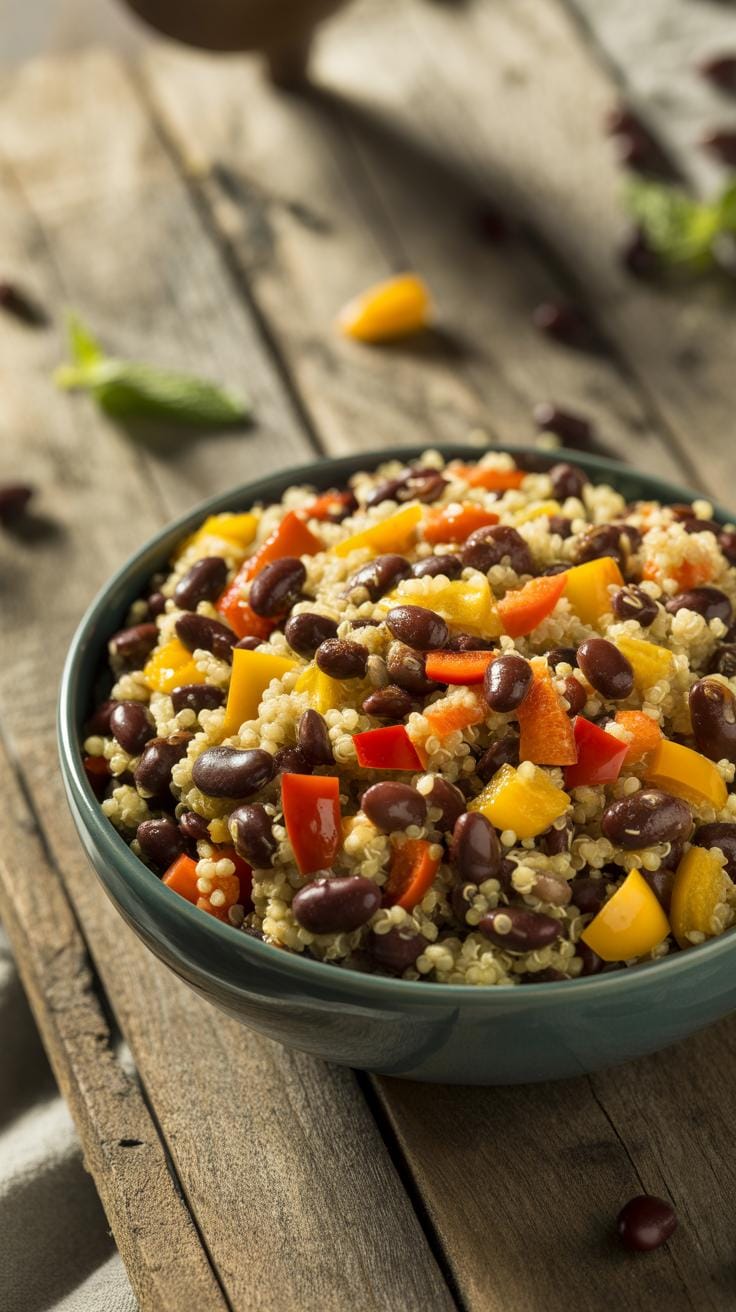
When you’re at the grocery store or eating out, sorting through carb options can feel tricky. One way to make smarter choices is by focusing on the nutrition label and ingredient list. Start by checking the total carbohydrates, but don’t stop there. Look closely at the fiber content—higher fiber usually means better quality carbs that break down slowly and keep you satisfied longer.
Next, examine the sugar amount. Natural sugars, like those in fruit, aren’t the same as added sugars lurking in many processed foods. The ingredient list can help you spot added sugars—words like corn syrup, dextrose, or anything ending in “-ose” are clues. It’s easy to get confused, but less is generally better.
Try to favor whole and minimally processed foods. For example, whole grains such as quinoa, barley, and brown rice offer fiber and nutrients that their refined counterparts lack. I used to grab white bread without much thought, but switching to whole-grain versions made a genuine difference in how full I felt after meals.
When eating out, success depends on asking about ingredients or choosing dishes with obvious whole-food bases—think beans, vegetables, and whole grains. Not every “healthy” label is true, so a little curiosity pays off. What types of carbs do you usually reach for when hunger hits? Maybe it’s time to rethink those options with a sharper eye.
Managing Carb Intake for Best Results

Controlling your carbohydrate intake doesn’t mean cutting carbs out completely. It’s more about being mindful of how much you eat and when you eat it. You might have noticed that sometimes you overdo carbs and feel sluggish later—or the opposite, get shaky because you didn’t eat enough. Getting that balance right is part science, part practice.
Carb Portion Control Tips
One simple way to keep portions in check is to use your hand as a guide. For example, a serving of carb-rich foods like rice or pasta should roughly match the size of your fist. It’s easy to glance at a plate and lose track, but this physical cue helps keep you honest.
Another idea is to fill half your plate with non-starchy veggies first, then add a smaller portion of carbs. This naturally limits intake without feeling like deprivation. And don’t underestimate measuring cups—especially early on—until you get a sense of what portions look like. I remember underestimating pasta size until I started measuring; that made a surprisingly big difference.
Portion control can also be as simple as pre-portioning snacks instead of eating straight from the bag. That small step makes you pause and often prevents overeating.
Best Meal Timing for Carbs
When you eat your carbs affects more than just hunger—it influences your energy levels throughout the day. I’ve found, and many nutritionists suggest, eating most of your carbs earlier or mid-day helps fuel activity and gives your metabolism a better window to burn the energy.
Avoiding large carb loads late at night can reduce the chance of those unused calories hanging around as fat. Though some days I’m not so strict about timing—sometimes a hearty dinner with carbs just feels right.
For active days, having carbs right before or after exercise can actually aid recovery and performance. On rest days, cutting back slightly might prevent unnecessary calorie storage.
Try to notice how your body responds to different timing. Does a carb-heavy breakfast keep you alert, or does it drag you down? Adjusting timing to match your daily rhythm might be the tweak you need.
Carbs vs Fats for Weight Loss

Differences in Energy Use
The body treats carbohydrates and fats quite differently when it comes to energy. Carbs are the body’s preferred fuel source, breaking down quickly into glucose, which is readily available for immediate energy. This makes them especially handy for activities requiring bursts of power or quick recovery after exercise.
Fats, on the other hand, provide a slower, steadier energy supply. They take longer to break down and are often used during rest or low-intensity activities. Interestingly, when carb intake dips too low, your body turns to fats as the main energy source, but this shift isn’t instant and can affect energy levels.
So, if you rely too heavily on fats without enough healthy carbs, you might feel sluggish. On the flip side, eating the right kinds of carbs can maintain energy and even support fat-burning processes. That said, not all carbs are created equal.
Balancing Carbs and Fats
Getting the balance right between carbs and fats is a bit of an art. Too many carbs, especially refined ones, can stall weight loss. But cutting carbs too much can leave you drained or make it tough to stick to your plan.
A balanced approach might look like this:
- Choose whole, unprocessed carbs like oats, sweet potatoes, and quinoa to fuel your workouts and brain.
- Include healthy fats like avocado, nuts, and olive oil to keep you full and support hormone health.
- Adjust based on activity—on more active days, perhaps shift toward higher carbs, and when resting, lean more on fats.
I’ve found that mixing healthy carbs with fats helps me avoid energy crashes and keeps hunger in check. Still, everyone’s a bit different, so it’s worth experimenting to find what keeps you feeling good while moving toward your weight goals.
Checklist for Adding Healthy Carbs

Including healthy carbs in your diet doesn’t have to be complicated. Here’s a simple checklist to guide you through adding good carbohydrates into your meals and snacks every day without feeling overwhelmed.
First, aim to swap out refined grains for whole grains whenever possible. For example, choose brown rice over white rice or whole wheat bread instead of white. It’s a small shift but adds fiber and nutrients.
Next, make vegetables a non-negotiable part of your plate. They’re packed with complex carbs and fiber that keep you fuller longer. Think steamed broccoli, roasted carrots, or sautéed greens.
Don’t forget legumes—like beans, lentils, and chickpeas—as they offer protein and carbs together, which might help you avoid overeating later.
Finally, add fruit in reasonable portions. Berries, apples, or pears serve as sweet snacks with beneficial fiber and antioxidants without causing rapid blood sugar spikes.
Daily Healthy Carb Inclusion Steps
Try a few easy daily habits to keep healthy carbs front and center in your diet. For breakfast, include oatmeal or whole-grain toast. They set a good tone for the rest of the day.
During lunch and dinner, fill half your plate with non-starchy veggies, paired with a moderate serving of whole grains or legumes. Feel free to experiment with quinoa, barley, or sweet potatoes.
Snack smartly by choosing hummus with raw veggies or a small handful of nuts with a piece of fruit. These carb choices won’t derail your weight loss but can actually support it.
Meal Ideas Featuring Healthy Carbs
If you’re unsure what meals fit these guidelines, consider a lunch bowl with brown rice, black beans, roasted vegetables, and a drizzle of olive oil. It’s tasty, filling, and balanced.
For dinner, try grilled salmon with a side of quinoa and steamed asparagus. The quinoa serves as a healthy carb source with extra protein.
Snack on Greek yogurt mixed with fresh berries and a sprinkle of flaxseed. This combo provides fiber, carbs, and protein without excess calories.
These meals might not feel flashy but they do nourish and sustain energy for your day, which is key when trying to lose weight without starving yourself.
Common Mistakes with Healthy Carbs

One thing I’ve seen plenty of people do is rely too much on processed foods even when they’re labeled “healthy carbs.” Just because something says whole grain or “fiber-rich” doesn’t mean it’s doing you any favors for weight loss. Often, these products contain added sugars or refined flours that spike your blood sugar. You end up eating what you think is good for you, but it doesn’t really support your goals.
It’s tricky because packaging can be misleading. People might grab a granola bar or flavored oatmeal believing it’s a good carb source, but the hidden sugars or oils add up quickly. You might want to double-check the ingredient list instead of relying on marketing claims alone.
Portion sizes are another common pitfall. Even “healthy” carbs become problematic if you eat too much. For example, a cup of cooked quinoa is fine, but it’s easy to consume double or triple that without realizing it, especially if it’s part of a larger meal. Overdoing carbs can stall weight loss progress, mainly because of extra calories you might not factor in.
And timing plays a role too. Eating carbs late at night when you’re less active might affect your energy balance differently than consuming them earlier in the day. Some people notice their weight loss slows down when they snack on carb-heavy foods just before bed. But others don’t see much difference—so it’s a bit individual.
To avoid these mistakes, focus on minimally processed carbs like vegetables, legumes, and whole grains in sensible portions. Try pairing them with protein or fats to slow digestion and avoid blood sugar spikes. Have you noticed how your own body reacts to carbs at different times? Paying attention to that could be worth your while.
Tracking Your Carb Intake

Keeping an eye on your carbs doesn’t have to be complicated. It’s really about finding a method that fits your lifestyle and makes sense to you. Simple tools like pen and paper work for some, but many turn to apps these days, which can take a lot of the guesswork out of it.
Tools for Carb Tracking
Apps like MyFitnessPal or Carb Manager let you log foods quickly and even scan barcodes. They break down carbs into total carbs, fiber, and net carbs, which can be useful if you focus on low net carb intake. You might find it a bit tedious at first, but after a few days, it gets easier.
For others, spreadsheets or even keeping a small notebook handy can be enough—no distractions from notifications or ads. The key is consistency, not perfection. The tool just has to make you want to come back to it.
Interpreting Your Carb Data
Once you start tracking, patterns emerge. Maybe you notice you feel sluggish after certain carb-heavy meals, or weight loss stalls on days with high bread or pasta intake. That’s your data talking. Use it to tweak portion sizes or swap one carb type for another.
Tracking isn’t just about numbers. Look at how different carbs affect your energy and hunger. Sometimes reducing carbs isn’t the answer, but choosing ones with more fiber or pairing carbs with protein can make a difference. There’s some trial and error here—don’t be afraid to test and adjust based on what the data and your body tell you.
Examples of Weight Loss Success with Carbs

Case Study One
Sarah struggled with weight for years and decided to stop fearing carbs altogether. Instead of cutting them out, she focused on whole, unprocessed options like quinoa, sweet potatoes, and lentils. She replaced her usual refined pasta and white bread with these choices and noticed something interesting — her energy improved and she felt full much longer. Over several months, she lost 25 pounds without obsessing over calorie counts or going hungry.
What really helped Sarah was learning to balance carbs with proteins and fats in her meals. She didn’t avoid carbs late in the day but chose ones that digest slowly. It wasn’t about perfection but about consistency—she had days that weren’t ideal, yet kept going. This approach made the change stick for her.
Key Takeaways from Success Stories
From stories like Sarah’s, a few simple lessons emerge:
- Prioritize whole, minimally processed carbs over refined versions.
- Combine carbs with protein and healthy fats to stay satisfied for longer.
- Allow flexibility; occasional indulgences don’t derail progress.
- Focus on learning what works for your body instead of following rigid rules.
- Consistency over perfection leads to lasting results.
Are you perhaps expecting instant results when changing your diet? Real change takes time, and it’s the steady habits — like including nourishing carbs — that quietly add up to success. Could shifting your mindset about carbs be the key you’ve been missing?
Daily Habits to Support Healthy Carbs

You might think that simply swapping out refined carbs for whole grains is enough, but sustaining healthy carb choices takes more than just occasional swaps. It’s really about small, consistent habits that quietly shape your daily eating patterns. For example, starting your day by including oats or quinoa instead of sugary cereals can set a tone that carries through your meals.
Try to build a habit of reading food labels—not always fun, but it keeps you aware of hidden sugars or overly processed carbs. Maybe jot down what you eat for a week. This practice often surfaces patterns you didn’t realize, like how often pasta or white bread creeps back in.
Another useful habit could be carrying a healthy snack, like a small portion of nuts or fruit. It’s surprising how having those options close by can deter you from grabbing quick, carb-heavy snacks that don’t do much for your energy or hunger control.
Also, drinking enough water throughout the day oddly supports carb digestion and helps regulate appetite, so it’s a habit worth nurturing. Sometimes thirst gets mistaken for hunger, leading to unnecessary carb cravings.
Habit Building for Carb Choices
Choosing healthy carbs becomes easier when you develop habits that gently nudge you in the right direction. Consider these:
- Plan your groceries around whole foods—think sweet potatoes, brown rice, legumes, and fresh veggies.
- Cook more meals at home. It’s easier to control carb quality and portions when you’re the one preparing the food.
- Swap one less healthy carb at a time rather than overhauling your entire diet suddenly. For instance, replace white bread with whole-grain toast for a week.
- Eat slowly. It sounds simple, but slow eating can help you recognize when you’re truly full, preventing overeating even with carbs.
Building such habits takes time. Sometimes you might slip up or forget—but keeping a light attitude helps maintain progress over the long haul.
Lifestyle Tips for Weight Control
Beyond what you eat, how you live influences your carb choices and weight. For one, meal prepping on the weekend can prevent last-minute carb-heavy meals that don’t support your goals.
It’s a bit worth trying intermittent mindful eating—paying close attention to your hunger and fullness cues without distraction. This practice often quiets those random carb cravings that come from boredom or emotion rather than real hunger.
Get moving consistently. Exercise influences how your body uses carbs, and even moderate activity supports better carb metabolism.
Finally, give yourself permission to enjoy carbs now and then without guilt. Stress over strict carb rules might actually backfire, leading to overeating later.
So, developing habits and lifestyle tweaks that emphasize quality carbs, appetite awareness, and balanced routines can truly support lasting weight management.
Conclusions
Choosing the right carbs can make a big difference in your weight loss journey. Healthy carbs like whole grains, fruits, and vegetables provide fiber and nutrients that keep you satisfied and energized. Avoiding processed and sugary carbs can help prevent unwanted weight gain.
Use the tips in this article to add healthy carbs to your meals. Focus on natural, minimally processed foods. Balance your diet with protein and healthy fats to support your goals. With consistent effort, healthy carbs can be part of a successful weight loss plan.