
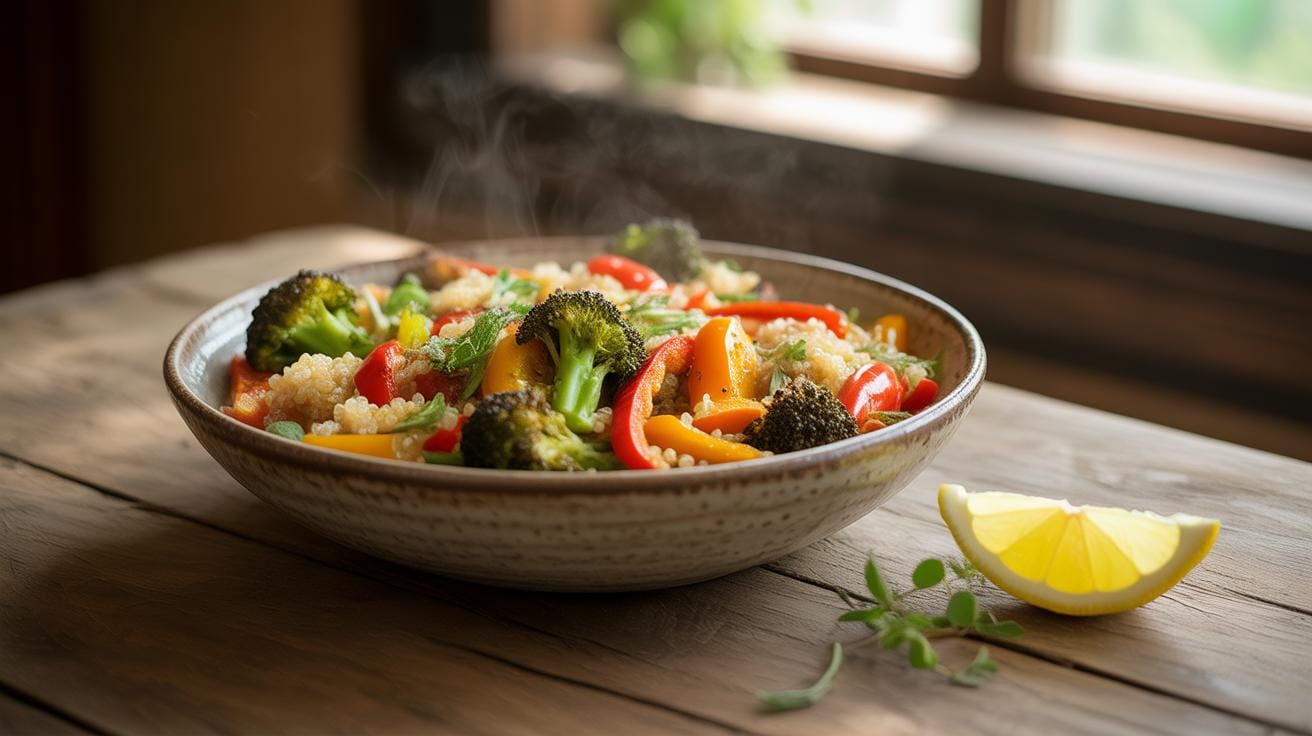
Low Cal Recipes That Keep You Full
Low Cal Recipes That Keep You Full Without Counting Calories offer a practical way to enjoy meals while managing your calorie intake. They focus on ingredients and combination techniques that promote fullness and energy without the need for strict calorie counting. This approach fits well with a balanced lifestyle where the goal is to eat nourishing food that supports overall health.
In the following sections, you will learn why low calorie recipes matter, how to select the best ingredients, methods to keep meals filling, and examples of recipes that work well. This guide helps you make informed choices and improve your diet.
Benefits of Low Calorie Recipes
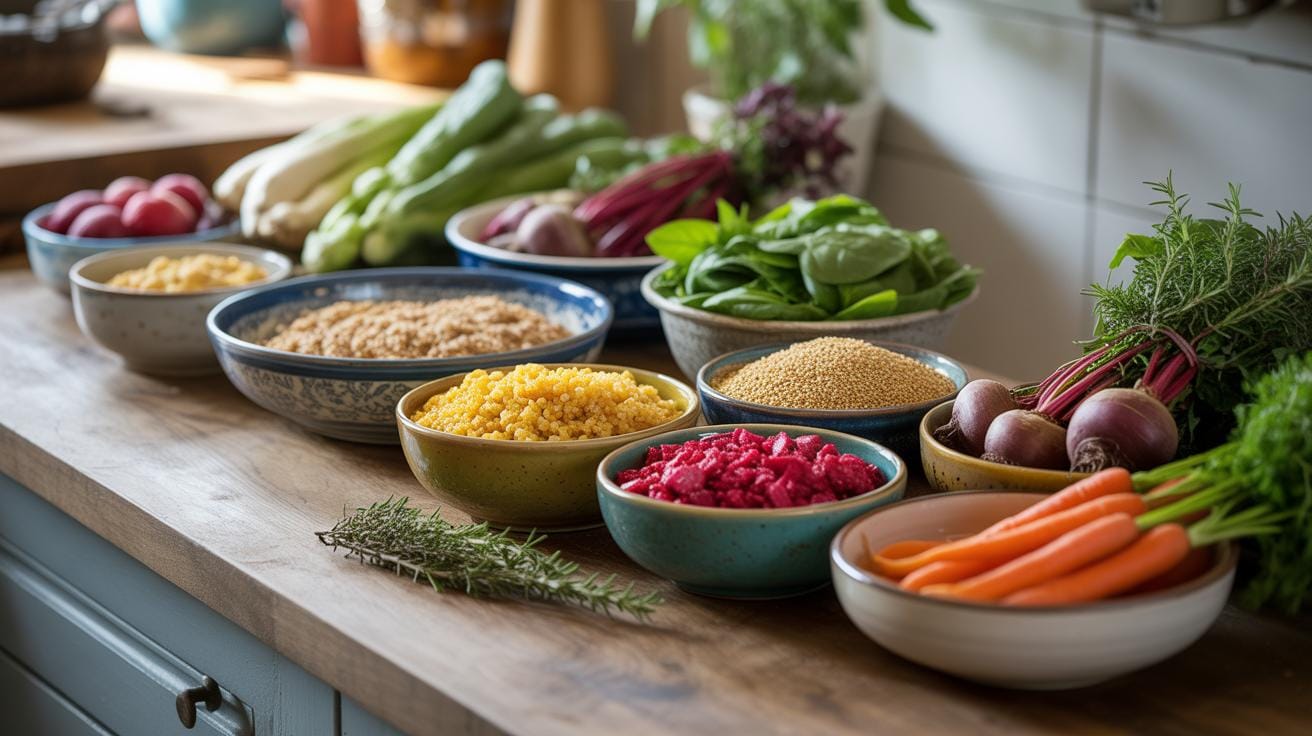
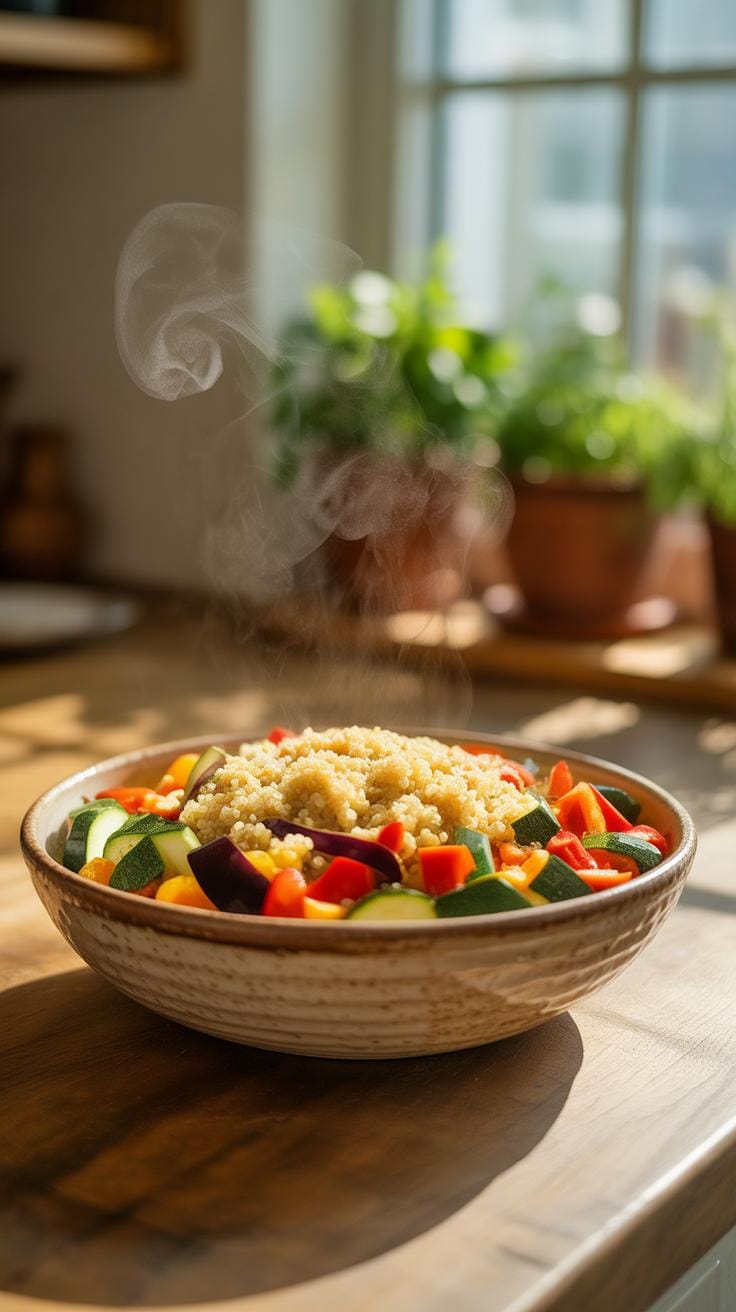
Low calorie recipes that keep you feeling full offer more than just a number on a scale. When you’re not obsessing over every calorie, you can focus on how food really makes you feel—satisfied, energized, even comfortable. These meals often include ingredients that deliver volume without heavy calories, like vegetables, lean proteins, and whole grains. That means your stomach gets what it needs without overloading your body.
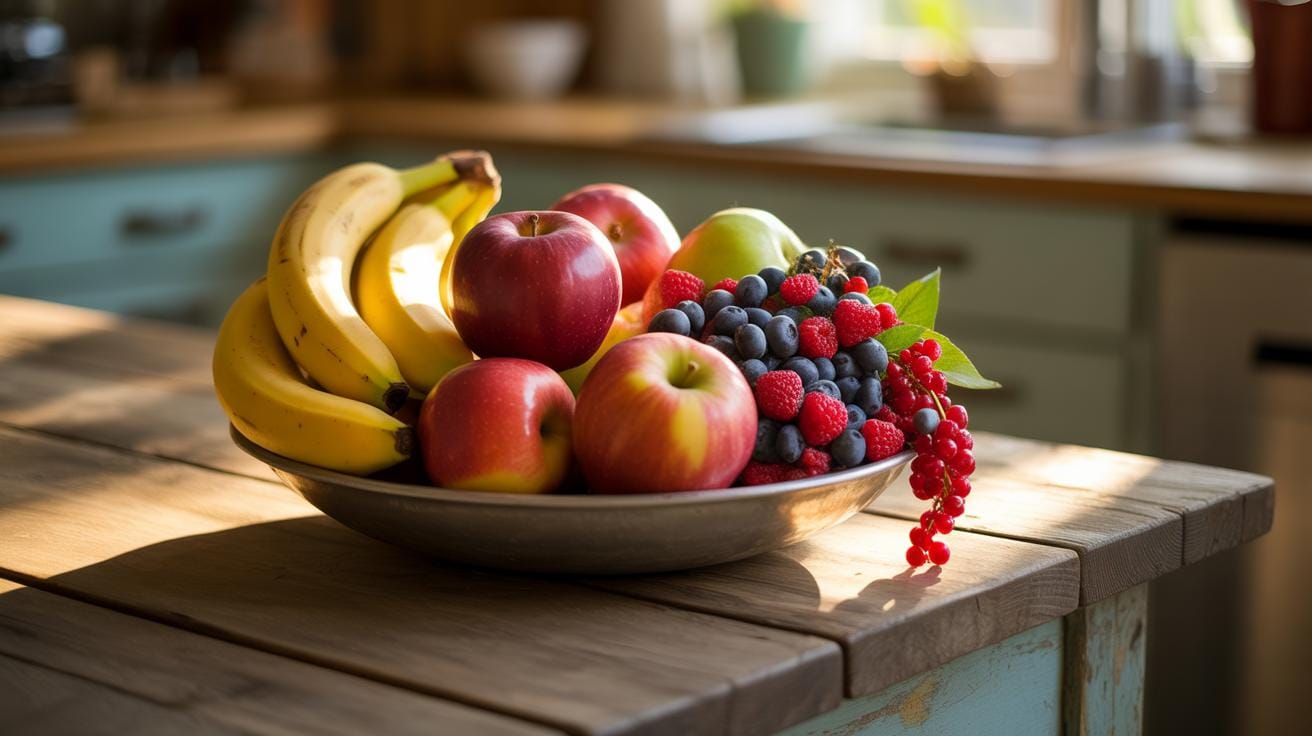
Such recipes can gently support weight management, not by strict rules, but by naturally reducing calorie intake. When you feel full, the urge to snack unnecessarily lessens, which makes a big difference over time. Plus, you might notice better energy through the day because your body isn’t weighed down by heavy, calorie-dense meals. Digestion can also improve since these recipes tend to use fiber-rich foods that move smoothly through your system, avoiding that sluggishness people often talk about.
Some people feel like they’re eating less even when their plates are full, which, frankly, can be confusing but also freeing. It’s like getting the best of both worlds without counting, tracking, or stressing. Isn’t that something we all want?
How Low Calorie Meals Support Weight Control
Low calorie recipes help with weight control in a way that doesn’t feel like dieting. Instead of cutting out foods completely, you swap in ingredients that pack more satisfaction per bite with fewer calories. Think about large servings of leafy greens, fibrous veggies, legumes, or lean proteins. They fill up your plate and, more importantly, your stomach.
The key is fullness. When meals satisfy hunger naturally, you’re less likely to overeat later. Plus, these recipes often keep blood sugar steadier, which can reduce cravings. It’s not about deprivation but about smart choices that help you eat mindfully.
You don’t need to track every detail because these meals usually balance volume and nutrients well enough to slow down eating and spur your body’s built-in signals to stop when full. That balance, I’ve found, is surprisingly effective for managing weight over the long haul without feeling restricted.
Ways Low Calorie Food Boosts Energy and Digestion
Nutrient density is where low calorie meals really shine for energy and digestion. High fiber foods slow digestion, which not only keeps you full longer but helps your body absorb nutrients more efficiently. That steady supply of energy means fewer crashes or mid-afternoon slumps that often come from sugary or heavy meals.
In my experience, when I eat fiber-rich foods regularly—like beans, whole grains, and plenty of vegetables—I feel less bloated and more alert. The trick lies in combining these with good hydration and a moderation of fat and protein to regulate digestion speed. This can reduce digestive discomfort and keep things moving smoothly.
The feeling I get from these meals is a gentle, sustained energy boost without that jittery spike. It’s almost soothing in a way, and it makes work, exercise, or even just daily tasks feel easier. Don’t you find it curious how what we eat can quietly shape how we get through the day?
Choosing Ingredients That Fill You Up
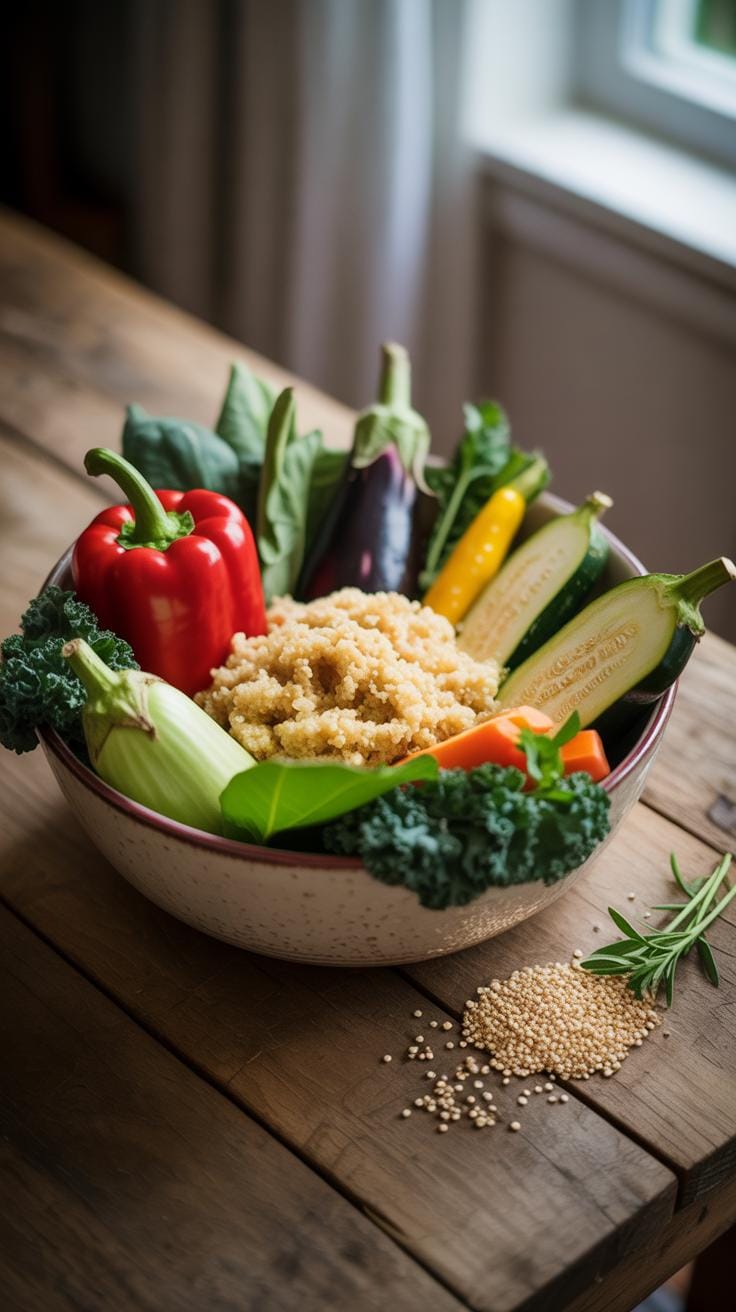
When it comes to feeling full without piling on calories, what you choose really matters. Vegetables, for example, are often overlooked beyond salads, but their fiber and water content add bulk that fills your stomach. Think of foods like zucchini, cucumbers, or leafy greens. They eat up space without bringing many calories along. I sometimes find myself surprised at how a plate of steamed greens can feel surprisingly satisfying, even when I haven’t added much else.
Lean proteins also play a key role. Chicken breast, turkey, or fish not only add substance but affect hormones that control hunger. They slow digestion, keeping you feeling less hungry for longer. And whole grains? Those complex carbs release energy slowly, avoiding blood sugar spikes that can trigger cravings.
Broth-based soups and watery fruits function similarly. Soups fill the stomach with liquid and volume, nudging fullness signals without many calories. Fruits like watermelon or berries pack water and fiber that bulk up your meal without tipping the calorie count.
Fibers and proteins both contribute to stable blood sugar and sustained energy. Protein triggers satiety hormones, while fiber slows down digestion. Ever noticed that a meal low in fiber leaves you hungry quicker? Me too. It’s not just about what you eat, but how that food behaves once inside your body. Choosing ingredients that add volume while being low-cal supports fullness in a way that feels natural, not forced.
Comparing Low Cal Recipes with Traditional Meals
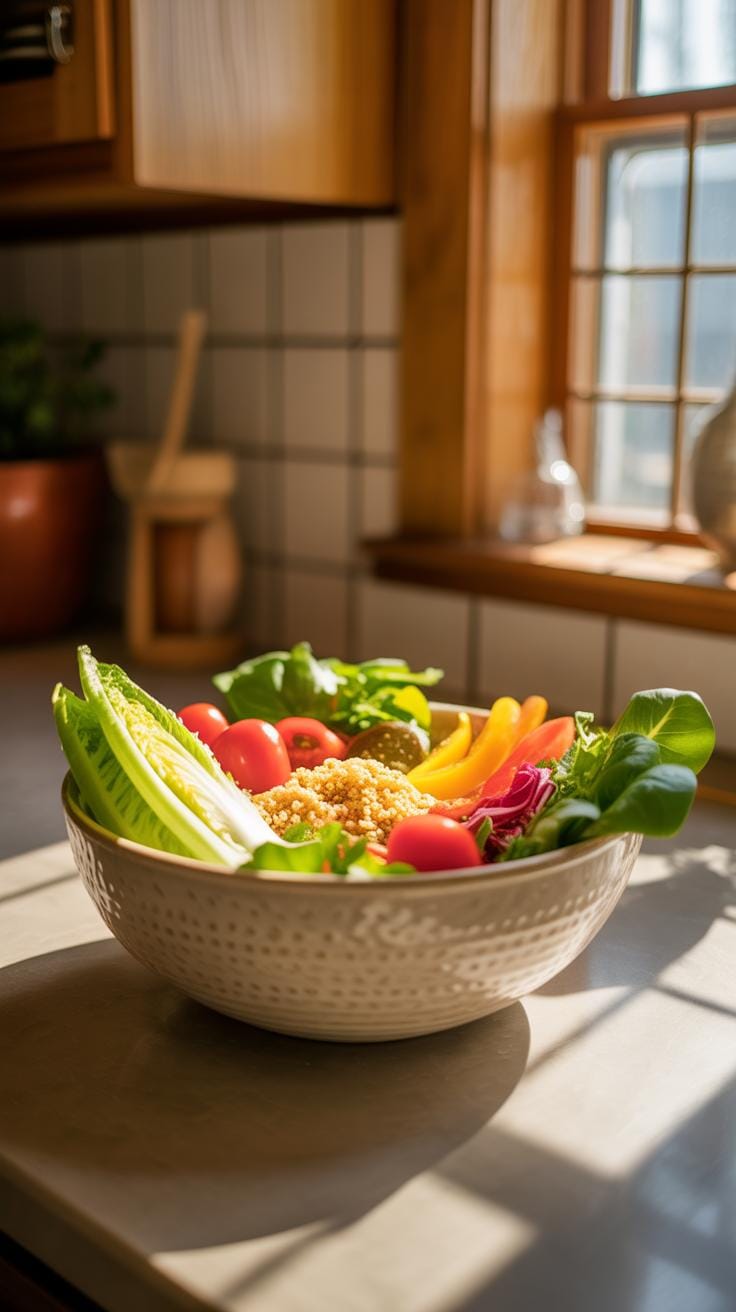
When you look closely at low calorie recipes versus more traditional meals, the difference in ingredients really stands out. Low calorie options often focus on high-fiber veggies, lean proteins, and whole grains, while typical meals might rely on richer fats, starchy sides, and sugary sauces. For example, a low cal chicken stir-fry might use plenty of bell peppers, snap peas, and a light soy-based sauce, while a traditional version could include fried rice and a heavy, oil-soaked glaze.
The calorie content difference can be striking. That same stir-fry might clock in at 350 calories, but the traditional meal pulls in closer to 700 or more. But here’s the thing—the low cal dish can often leave you feeling just as full or sometimes even more satisfied. That satiety comes in part from ingredients like fiber and protein, which slow digestion and keep hunger at bay longer.
Typical Meal Calorie Load vs Low Calorie Options
Breaking down calories shows how standard meals often pack in extras that boost the calorie count without adding much to fullness. Take a cheeseburger with fries: the combined calories might reach 900 or beyond. Swap the fries for a side salad and use lean turkey instead of beef, and you might halve that total.
- Typical meals tend to have more fats and refined carbs, which digest quickly, causing hunger to rebound sooner.
- Low cal recipes lean on volume from vegetables and water-rich foods, filling your stomach more without the calorie spike.
- Protein-rich ingredients like beans or chicken aid in slowing hunger’s return, and sometimes more so than the greasier counterparts.
What surprises many is how these swaps often feel less like “diet food” and more like real, satisfying meals. Still, your experience might vary—some might miss the richness of traditional dishes.
How Low Cal Recipes Affect Your Appetite Differently
The ingredients in low calorie recipes don’t just reduce calories—they interact with your body’s hunger signals in a different way. Fiber from vegetables and whole grains increases feelings of fullness by stretching the stomach and slowing digestion. Protein encourages the release of hormones like peptide YY and GLP-1, which help suppress appetite.
By contrast, traditional meals high in simple sugars or saturated fats might initially satisfy, but could trigger quicker hunger rebounds or cravings for more food. For example, meals rich in refined carbs spike blood sugar levels then cause dips, which can leave you feeling hungry soon after eating.
It’s intriguing how choosing certain low cal ingredients can quiet cravings and reduce snacking, yet sometimes you still find yourself thinking about food. The body’s response is not always predictable, and habits or emotional triggers also play a big role.
Step by Step Low Calorie Meal Planning
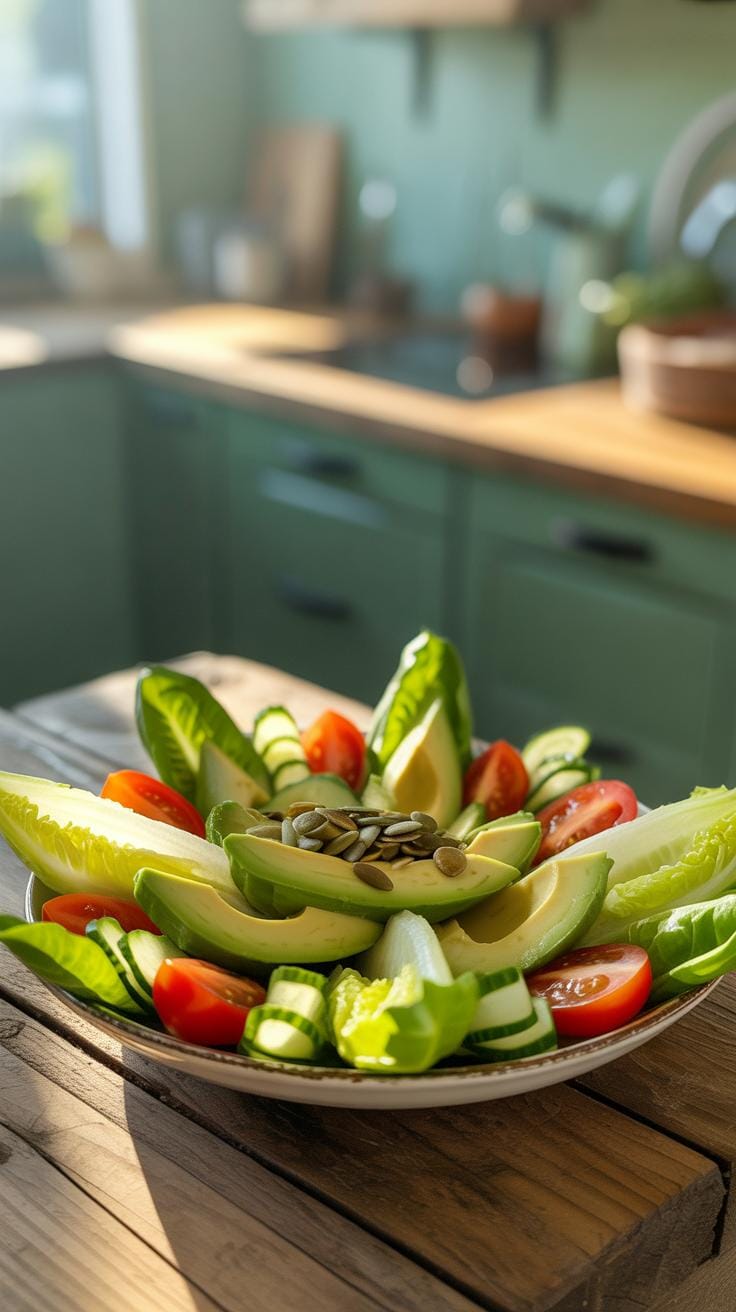
Planning your meals around low calorie recipes that keep you full doesn’t have to be complicated. It starts with a small checklist that you can follow each day without overthinking.
First, focus on picking lean proteins like chicken breast, fish, tofu, or legumes. These give you lasting fullness without piling on calories. Then, fill at least half your plate with a variety of vegetables—think leafy greens, bell peppers, or broccoli. They add bulk and fiber, which helps you feel satisfied longer.
Portion size matters but doesn’t have to be exact. Aim for a palm-sized serving of protein and a couple of handfuls of veggies. Whole grains or starchy veggies can fill gaps but keep those smaller, since calories add up fast there.
Breakfast can be simple: maybe Greek yogurt topped with berries and a sprinkle of nuts. Lunch and dinner? A generous salad with chicken or a veggie stir-fry with tofu. Snacks could be carrot sticks, an apple, or a boiled egg.
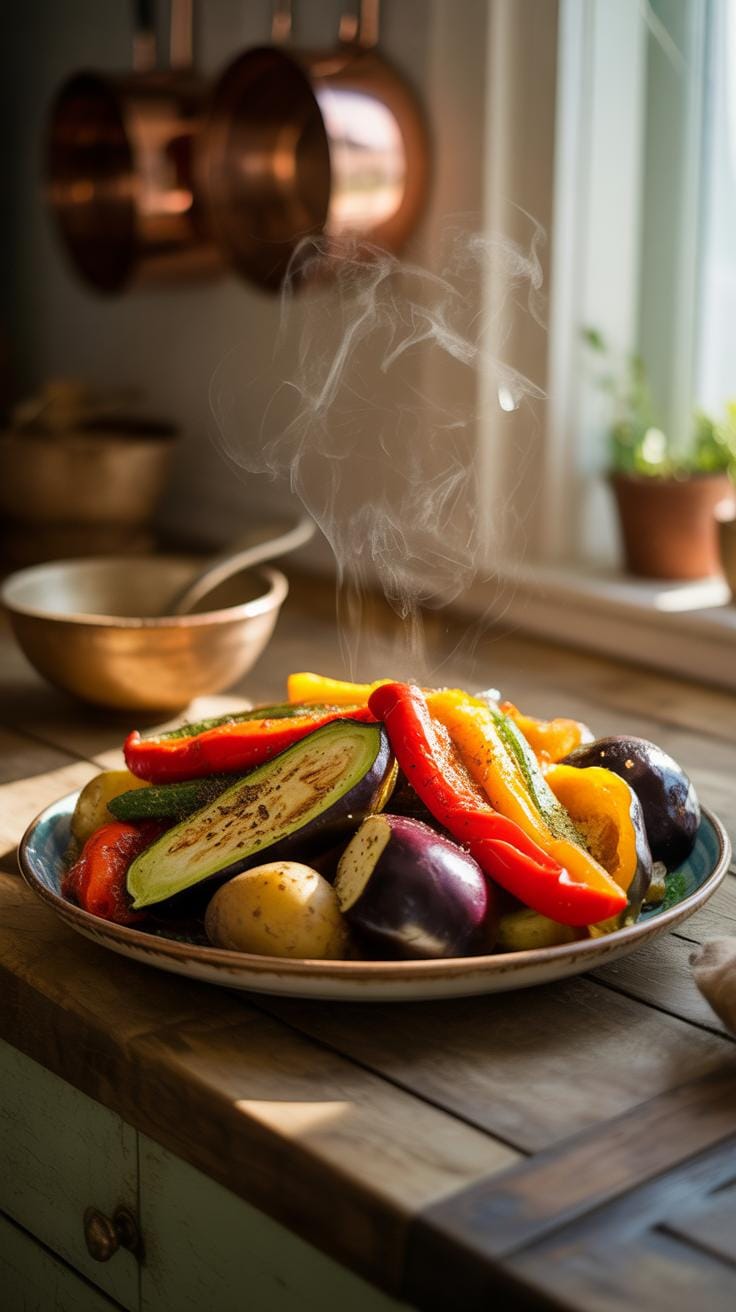
Preparing ahead is a game-changer. Try batch cooking—roast a big tray of vegetables or grill several chicken breasts at once. Pre-chop veggies and store them in clear containers so you can grab and go. It saves time and cuts down on last-minute unhealthy choices.
Maybe not every day will go as planned, and that’s okay. What matters is having these basics ready so you can lean on them when things get busy or you’re low on energy.
Easy Low Calorie Recipes to Try Today
Breakfast Options that Fill and Energize
Starting your day with protein and fiber sets a good tone. Think Greek yogurt topped with chia seeds and fresh berries—simple but filling enough to keep you going. Or try scrambled egg whites mixed with spinach and a slice of whole grain toast. The fiber in the toast slows digestion, and the egg whites provide lean protein without the extra calories. Maybe you’re not a fan of eggs? Overnight oats with almond milk, flaxseed, and a handful of nuts can work, too. It’s quick, and the mix of protein and fiber helps avoid that mid-morning slump.
Lunch and Dinner Ideas for Fullness
Lean protein paired with veggies usually does the trick for lunch and dinner. Grilled chicken breast with roasted broccoli and a small sweet potato fills you up without weighing you down. Or how about a big salad with mixed greens, cherry tomatoes, cucumber, and canned tuna? Dressing it lightly with lemon juice and a bit of olive oil adds flavor but keeps calories in check. Stir-fried tofu with bell peppers and snap peas is an option if you want a plant-based meal. These meals are simple, satisfying, and don’t require counting every calorie to know you’re on the right track.
Common Mistakes When Choosing Low Calorie Meals
Overusing Processed Low Calorie Foods
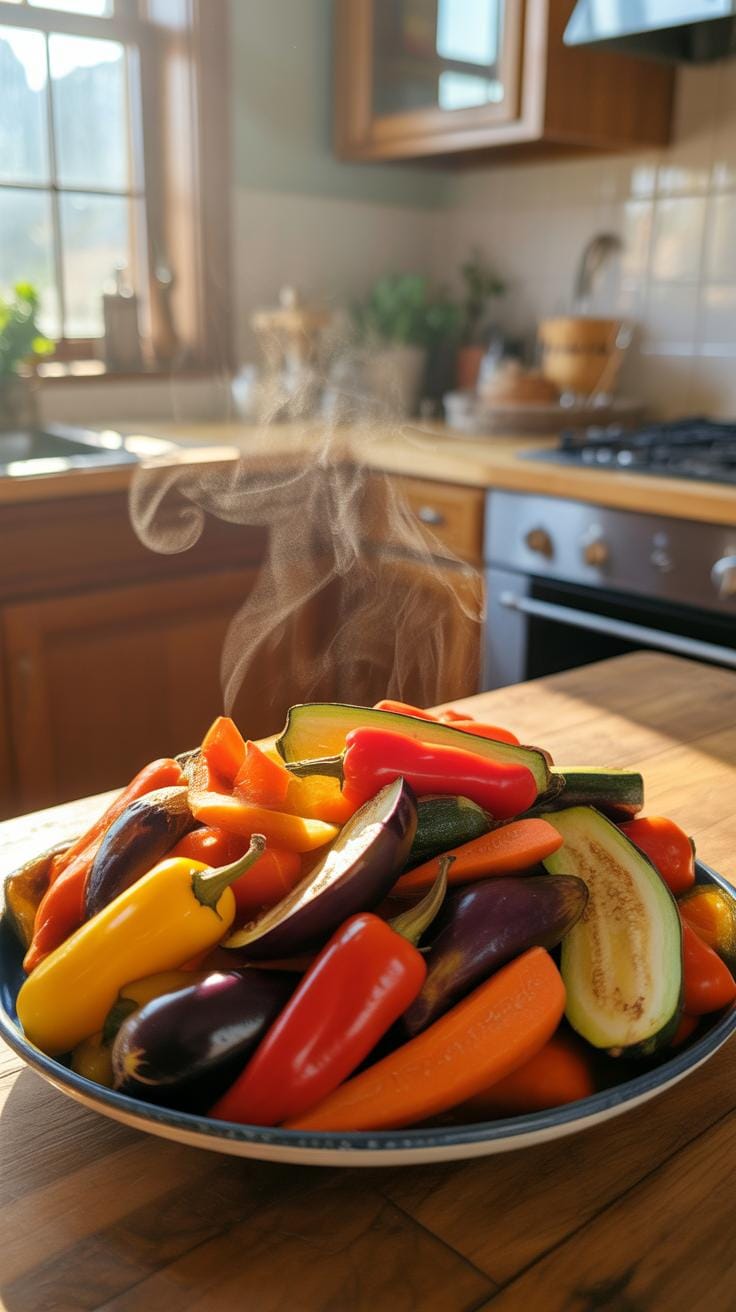
Relying too much on processed low calorie foods might seem convenient, but it often leaves you feeling unsatisfied. These products usually strip out fat and fiber, which are key for keeping hunger at bay. Eating a handful of low calorie crackers doesn’t fill you the same way as enjoying whole vegetables or proteins. Many processed options also sneak in additives or sugars that can mess with your appetite regulation, making you crave more. In my own experience, after a day of mostly packaged “diet” foods, I end up snacking mindlessly later because my body’s still signaling hunger. Processed foods often lack the nutrients your body naturally signals for, so your brain might push you to eat more even if calorie numbers look low.
Underestimating Portion Sizes and Hunger Signals
It’s easy to get tripped up by portions when counting calories. You might measure out what seems like a small serve, but the reality is that your eyes sometimes deceive. Sometimes, I’ve found myself eating a “single” portion only to realize later it was twice or three times what a true low calorie serving should be. Also, ignoring your natural hunger cues can backfire. Trying to “beat” hunger by eating less or waiting too long tends to make you overeat later. It’s tricky because hunger isn’t always obvious or immediate—sometimes it’s subtle, and by the time you recognize it, you’re too hungry to stop. Listening to your body and adjusting portions accordingly can feel uncertain, but it usually results in better fullness without extra calories.
Tools to Track Your Low Calorie Eating
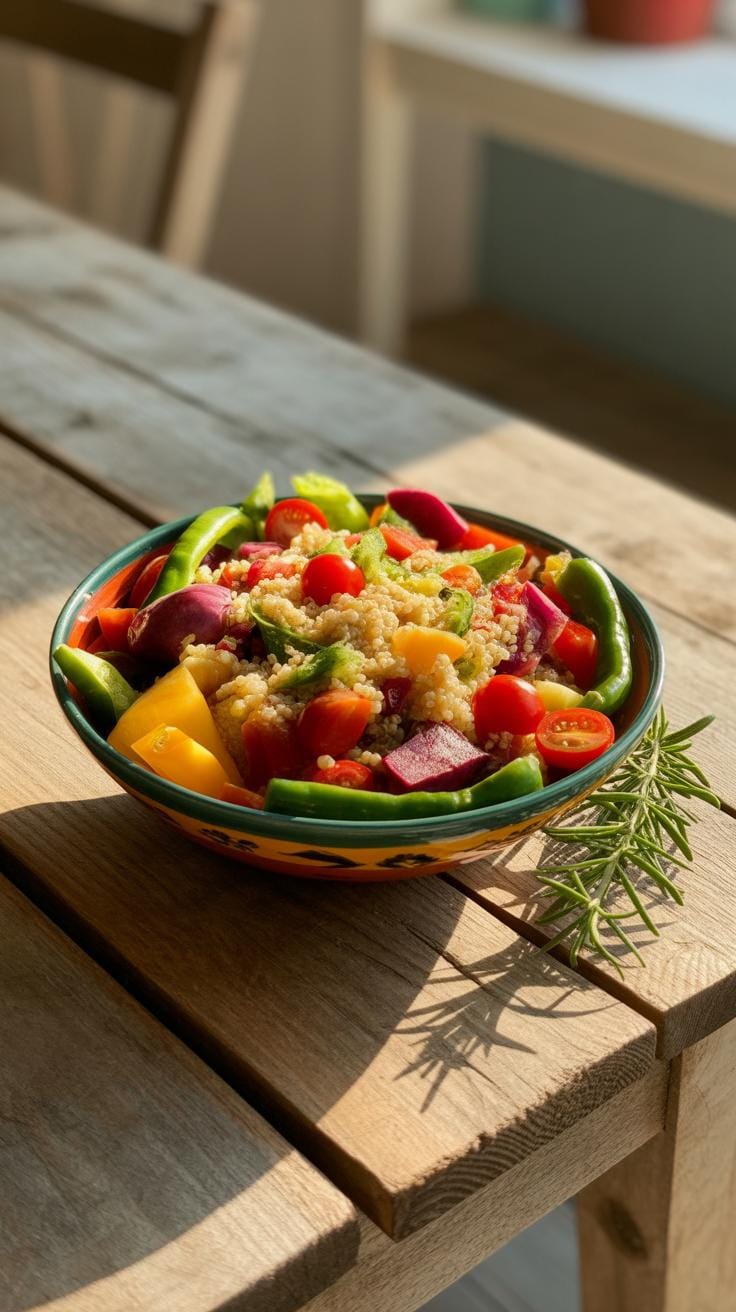
Keeping track of what you eat doesn’t have to mean obsessing over numbers. Sometimes, simple tools help you stay aware without feeling overwhelmed. For instance, a basic kitchen scale can be surprisingly useful. Measuring portions visually can be tricky, but a scale gives a quick, honest idea of how much you’re actually putting on your plate. It’s not about staring at calories but about understanding food quantities, so you don’t unknowingly overload your meals.
Now, there are apps designed specifically for this kind of balance. Apps like MyFitnessPal or Lose It! do log calories, sure, but you can also focus on how full you feel afterward or assess nutrient balance rather than fixating on exact calories. These apps let you photograph your meals, note the ingredients, and track meal sizes in a way that helps create awareness instead of stress. I’ve found this somewhat useful, even if I skip calorie details most days.
Journaling can add another layer. Writing down what you eat and how it makes you feel helps reveal patterns sometimes missed. When do you actually feel full? When do you snack out of boredom or habit? Mindfulness during meals—like eating slowly and paying attention to hunger signals—pairs well with journaling. The act of noting these experiences nudges you toward better choices without making food feel like a math problem. It’s a bit like learning your body’s language, one entry at a time. Do you notice any moments when you’re eating but not really hungry? That’s where mindful logs help.
How to Adjust Recipes for Your Preferences
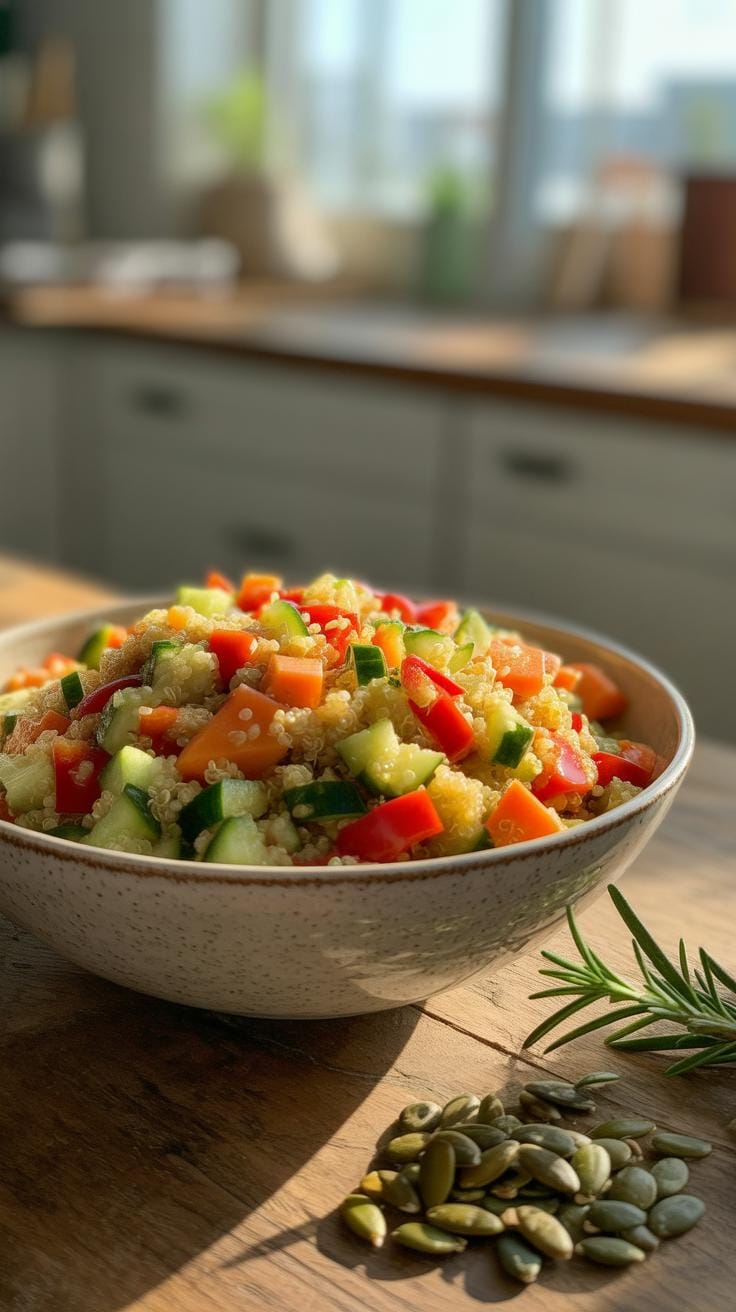
When you think about tweaking low calorie recipes, it’s not just about swapping ingredients to cut calories. It’s more subtle than that. You want to keep the recipe filling and satisfying for your taste buds. One trick is to replace heavier ingredients with lighter ones that add volume but not extra calories. For example, if a recipe calls for cream, try using plain Greek yogurt or mashed avocado instead. They give that creamy feel without weighing you down.
Dietary restrictions can feel limiting, but actually, they invite clever substitutions. If you avoid gluten, try using finely ground oats or almond flour in place of regular flour. They add bulk and texture without sacrificing fullness. Maybe you don’t eat meat? Lentils or beans often work well to keep protein levels high, which helps you stay full longer.
Sometimes the real challenge is what’s in your pantry. Don’t stress if a key ingredient is missing—swap it out with something similar. Frozen vegetables can substitute fresh ones, and using broth instead of oil for sautéing keeps dishes lighter. The key is to focus on maintaining volume and protein, which are your best allies against feeling hungry soon after eating.
Substitutes for Common Ingredients
Substituting doesn’t mean settling for less. Think of these swaps as smart tweaks that keep calories low but still fill you up:
- Cauliflower rice instead of white rice: Lower calories and carbs, yet it’s still chunky and satisfying.
- Zucchini noodles instead of pasta: Same fun texture, much fewer calories.
- Chia seeds or flaxseeds for breadcrumbs: You get fiber and fullness with a fraction of the calories.
- Cottage cheese in place of cream cheese: It’s high in protein and much lighter.
- Mashed beans rather than mashed potatoes: They add protein and fiber, making meals more filling.
What stands out is that these choices don’t just lower calories; they add nutrients that keep you feeling satisfied longer.
Flavor Boosting Without Calories
You might think flavor can only come from rich sauces or fats packed with calories, but that’s not exactly true. Herbs like basil, cilantro, and dill bring bright freshness without extra energy. Spices such as cumin, smoked paprika, or chili powder add depth and interest. I find that a little goes a long way—sometimes just a pinch wakes up a whole dish.
Texture plays a surprisingly big role too. Adding crunch from raw veggies, toasted seeds, or air-popped popcorn makes meals more enjoyable and helps trick your brain into feeling fuller. Sometimes the contrast of soft and crisp can satisfy appetite better than just more food.
What about acid? A splash of lemon juice or a drizzle of vinegar can brighten flavors and reduce the need for calorie-heavy sauces. So rather than adding more butter or cheese, think about herbs, spices, and texture to keep meals fulfilling. Have you noticed how a sprinkle of fresh herbs can completely change your dish? It’s a small step, but it really makes a difference.
Low Cal Recipes That Keep You Full Without Counting Calories
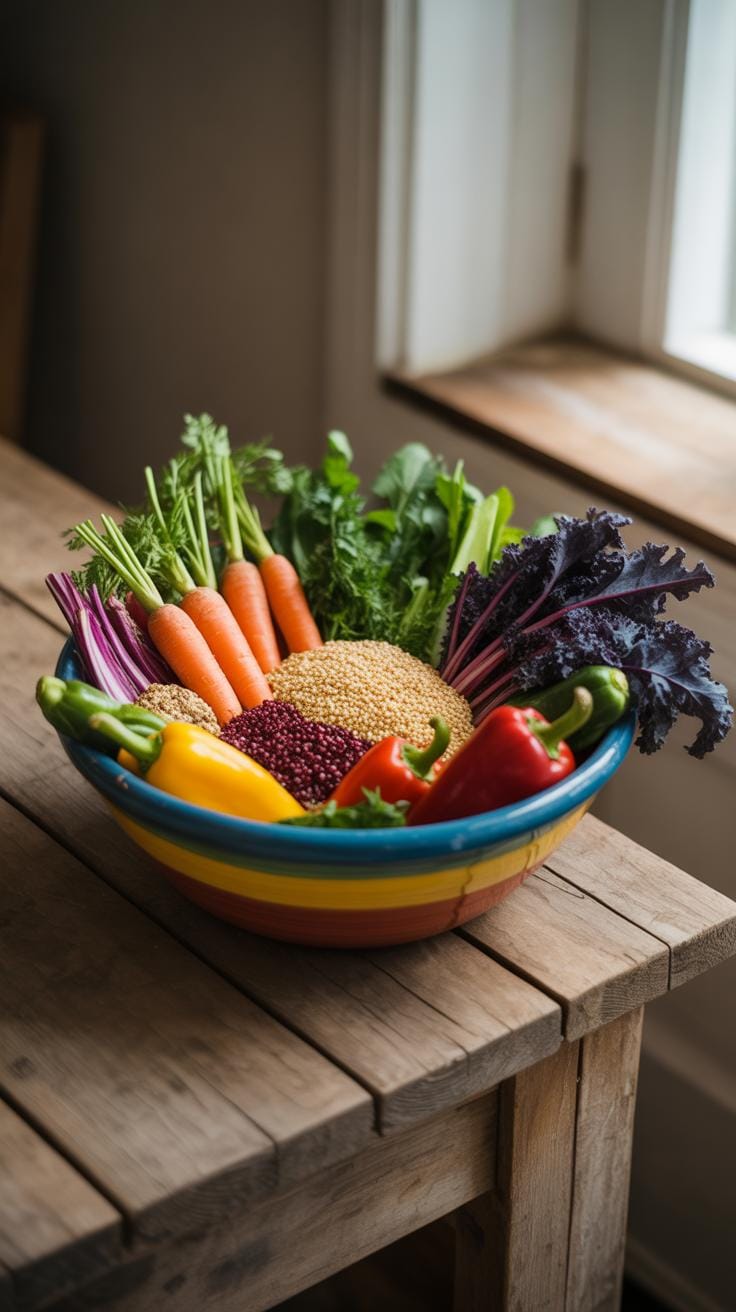
Choosing the right low calorie recipes can feel tricky. You want meals that fill you up and make you feel good—without obsessing over every bite. It’s not just about slashing calories but about what keeps hunger at bay. Think dishes rich in fiber, protein, and volume—things like veggie-packed soups, hearty salads with beans or lean meats, and meals with whole grains that digest slowly.
For instance, a bowl of lentil stew with lots of greens can do more than just tick a low-calorie box. It actually helps you feel satisfied for hours. Or scrambled eggs with sautéed spinach and mushrooms; simple, fairly light, but filling. You might notice that when the meal includes complex textures and protein, you’re less tempted to snack shortly after.
Of course, everyone’s response varies. Sometimes you try a recipe that’s technically low calorie, but you still feel hungry an hour later. Maybe you need a bit more fat or a side of fruit to round things out. Remember, it’s okay to tweak ingredients. The goal is meals that keep you comfortable without constant hunger or counting calories like a hawk.
Conclusions
Low calorie meals do not have to be bland or leave you hungry. Choosing the right foods with fiber, protein, and water content can help you stay full longer. Learning to read labels and understanding portion sizes improves your meal planning.
By applying the recipes and strategies provided, you can enjoy delicious meals that fit your lifestyle. This keeps your diet flexible and enjoyable while supporting your health goals. Consistency in these habits is key.