
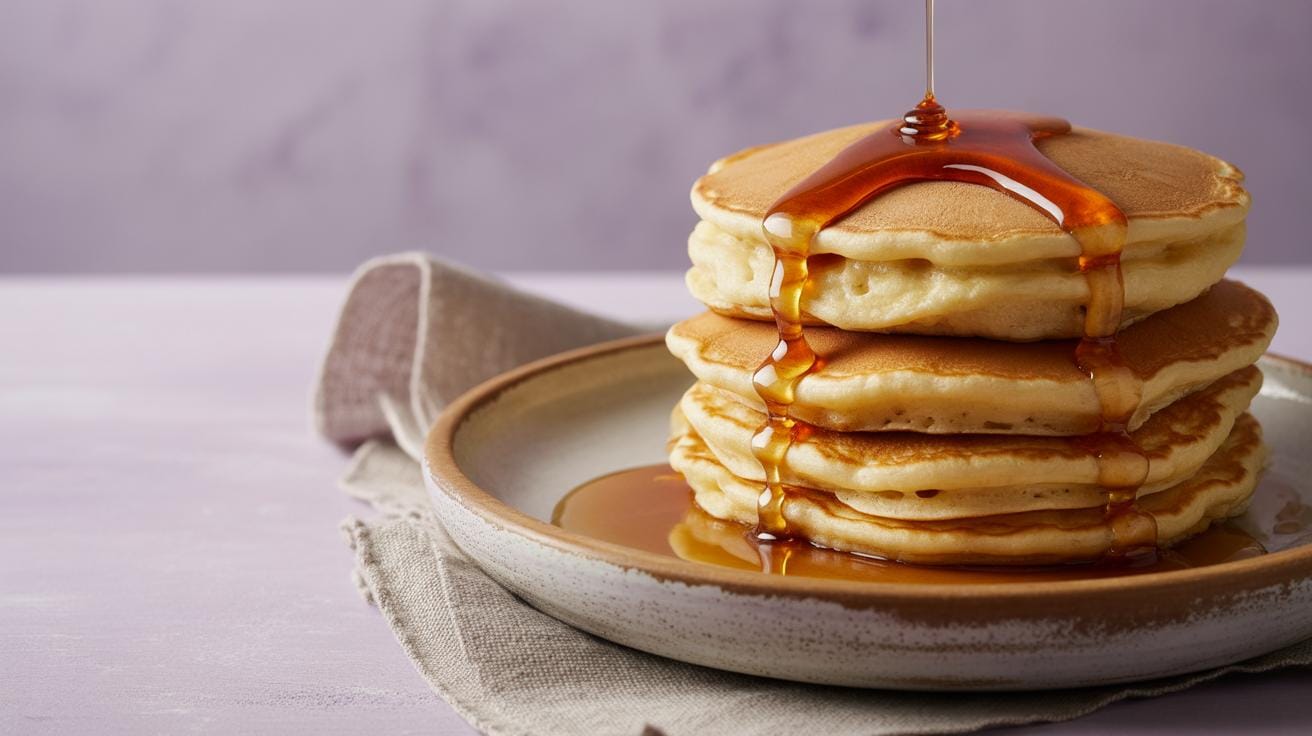
Mistakes That Ruin High Protein Pancakes
High protein pancakes can be a great meal choice if you want to stay full and energized longer. However, many people ruin their pancakes by making simple mistakes. These errors affect taste, texture, and nutrition in ways you might not expect.
This article points out the most common mistakes that ruin your high protein pancakes every time. You will learn which ingredients to avoid or add, how to mix your batter correctly, and how to cook pancakes for the best result. Let’s make your pancake experience better and tastier.
Choosing the Right Protein Sources
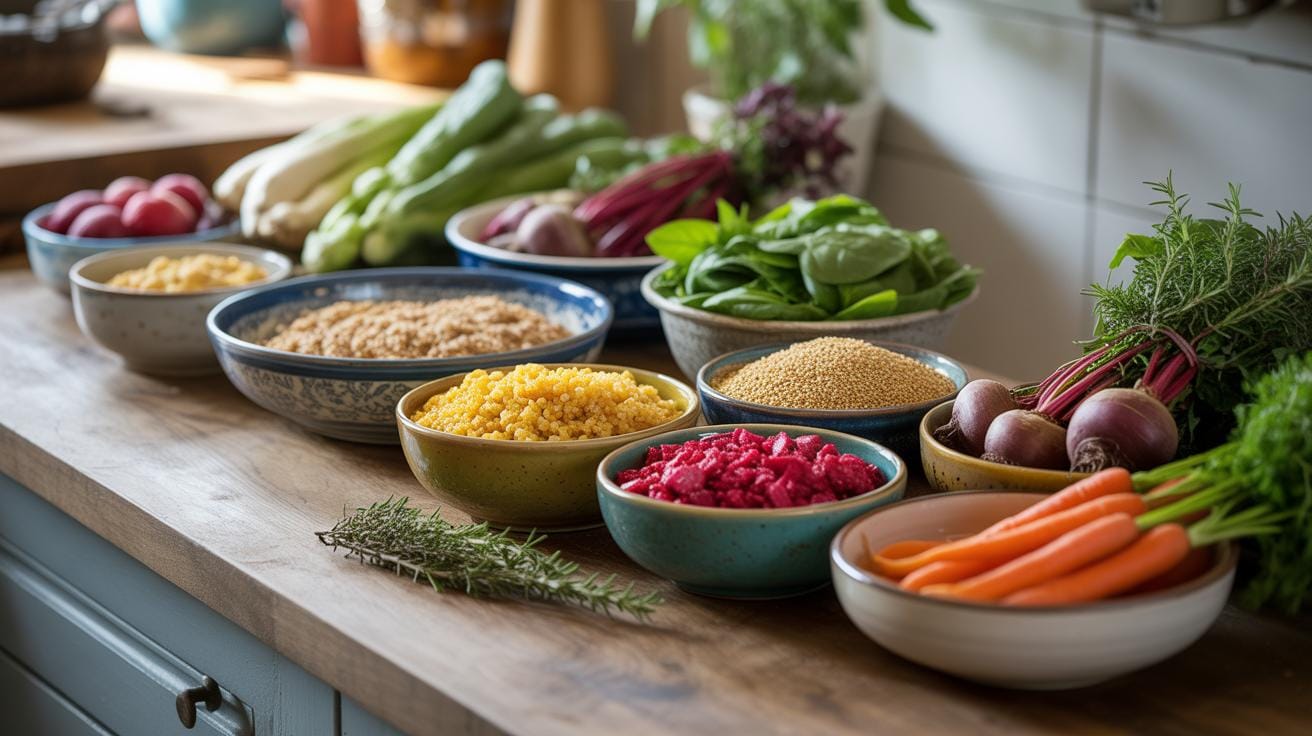
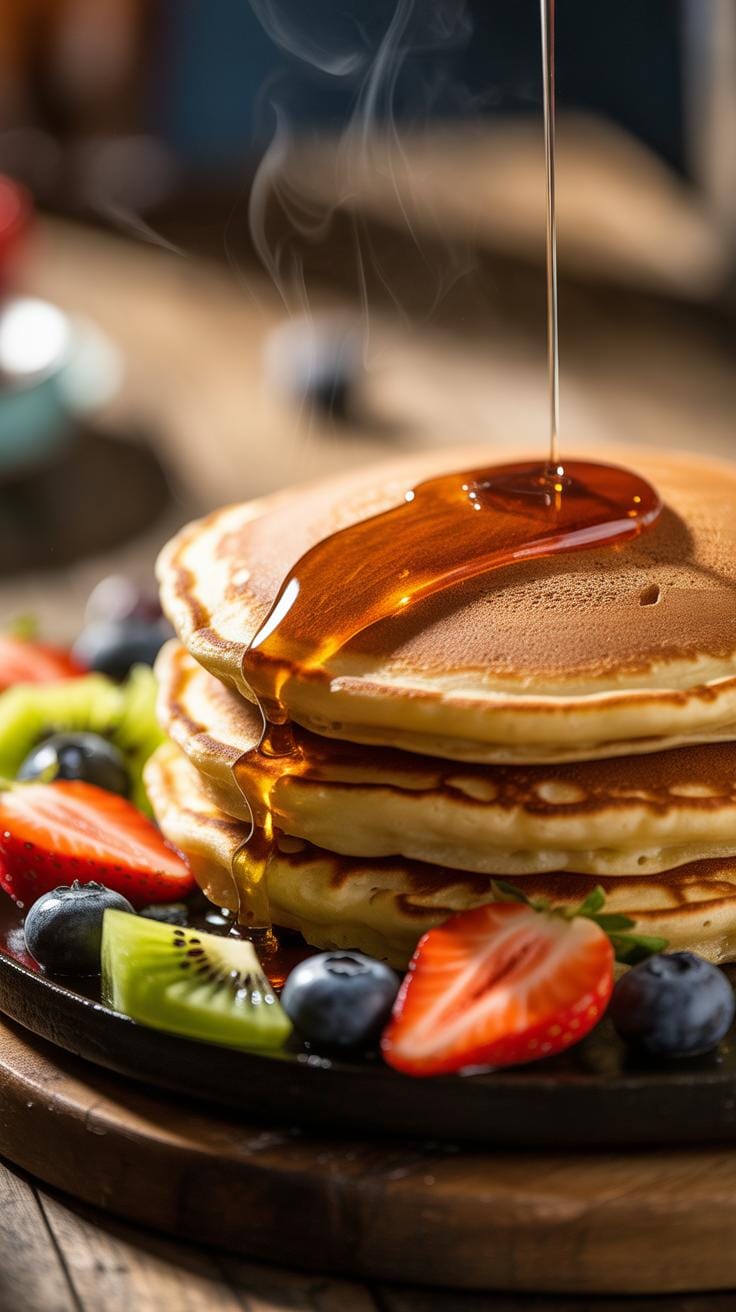
Picking the best protein for your pancakes isn’t as simple as grabbing any protein powder. Each type—whey, egg, or plant—brings its own quirks to the batter. Whey is usually the go-to because of its high protein content and smooth texture. It blends well and gives pancakes a fairly neutral taste, which many people appreciate. But, sometimes it can make pancakes a bit dense if you use too much.
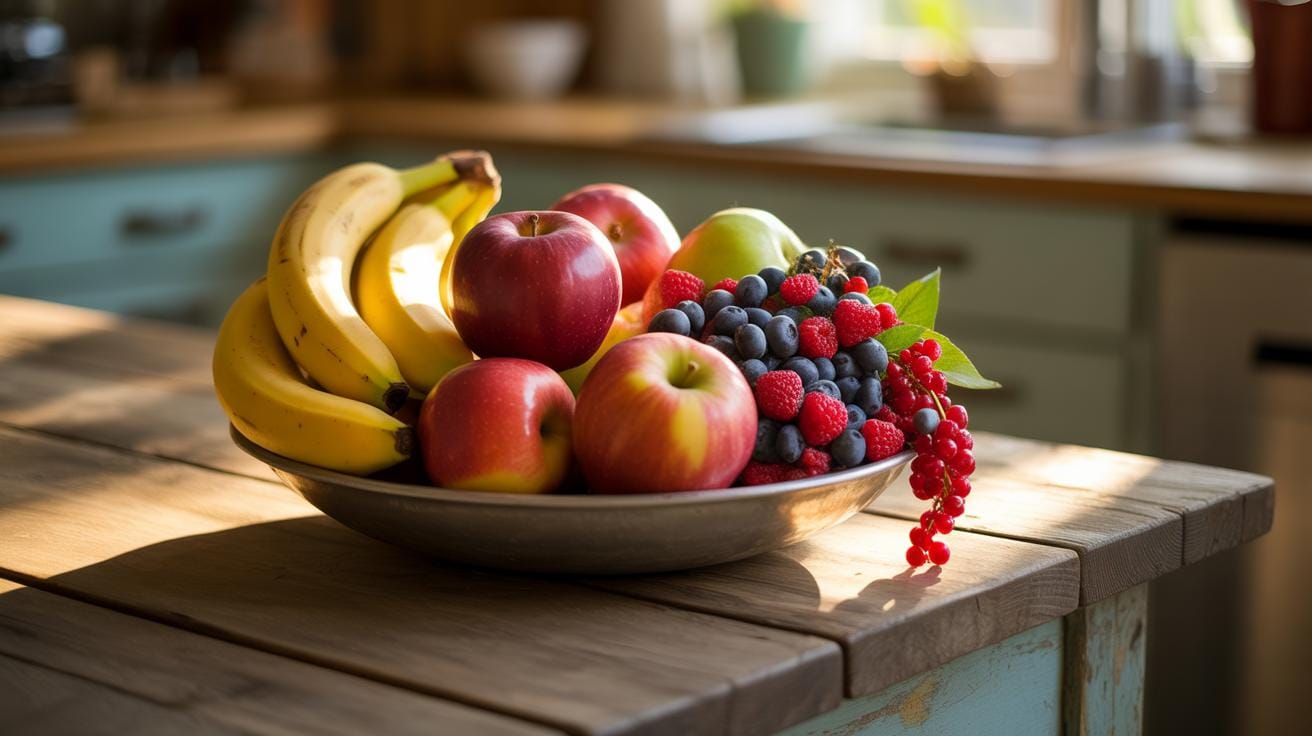
Egg protein adds moisture and helps with fluffiness thanks to its natural fats and emulsifiers. It’s a bit richer in flavor—sometimes a little “eggy”—which doesn’t always suit sweet pancakes. Texture-wise, it tends to hold together nicely, but it can make the batter thinner, so you might need to adjust your liquid ratios.
Plant proteins, like pea or rice, are trickier. They tend to be grainier and can introduce a chalky or earthy taste. On the upside, they’re great if you want a fully plant-based option, but they usually require more tweaking—like adding banana or applesauce to improve moisture and mask flavors. The texture can swing from crumbly to gummy if you’re not careful.
So, when you’re choosing, think about what matters most to you: is it protein content, taste, or keeping the pancake light and fluffy? You might even want to experiment by blending two types, just to get that balance right.
Whey vs Egg vs Plant Protein for Pancakes
Whey protein powders dissolve effortlessly in batter. They provide a smooth mix that cooks evenly without weird lumps. Nutritionally, whey often offers the highest quality protein, quickly digestible and rich in essential amino acids. But, if you’re sensitive to dairy, whey might cause digestive upset or allergenic issues, and it can dry out pancakes if overused.
Egg protein serves as a natural binder and offers a creamy texture that’s hard to mimic. It packs good nutrition beyond protein, like vitamins and healthy fats. The catch is that you’ll notice a stronger egg flavor, which might overpower other flavors if you’re aiming for something sweet or neutral.
Plant proteins bring fiber and a different amino acid profile. The downside? They usually don’t bind as well nor provide the same lift. Batter consistency can get unpredictable—too watery or thick—calling for some trial and error with other ingredients. Still, they’re the best choice for those avoiding animal products and additives.
Protein Content Impact on Pancake Quality
The amount of protein powder in your mix directly changes how your pancakes cook and feel. Too little, and you miss out on the muscle-building punch. Too much, and pancakes can get tough and rubbery. Usually, 15 to 25 grams of protein per serving works well. If you push beyond that, expect longer cooking times because the batter tightens.
For example, a recipe with 30 grams of whey protein might yield heavier, denser pancakes that need lower heat and more patience. On the other hand, 15 grams of egg protein often keeps things light but may require a tweak in liquids to avoid a runny mix. Using plant proteins around 20 grams usually demands extra moisture to avoid dryness and crumble, or else you’ll end up with pancakes that fall apart.
It’s a balancing act. You want enough protein to support your goals but not so much that you forget these are meant to be enjoyable pancakes, not protein bars masquerading as breakfast.
Balancing Ingredients for Perfect Texture
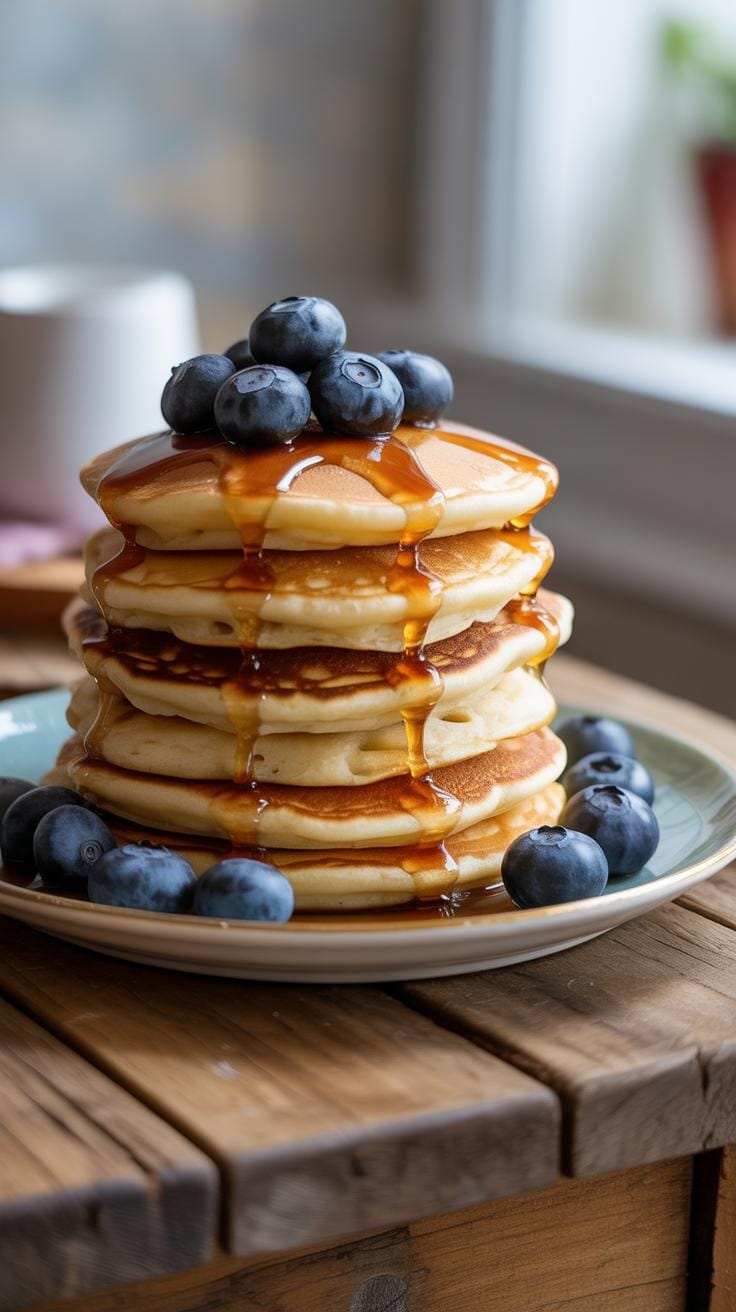
High protein pancakes can be tricky because the combination of ingredients really shapes your batter’s texture. Flour choice matters—a lot. For example, oat flour tends to give a denser, chewier bite, while whole wheat is heavier and might need a bit more liquid. Sometimes I swap some flour for almond or coconut flour for a lighter touch, though that can change the moistness subtly.
Liquids aren’t just fillers; they interact directly with protein powders and flours. Using milk or plant-based milk can add creaminess, but water or even coffee can thin the batter unexpectedly, so you might end up with super thin pancakes if you don’t measure carefully. Eggs play an often underestimated role, binding ingredients and contributing some structure. But too many eggs? That can lead to rubbery pancakes that don’t quite rise right.
The balance between wet and dry is crucial. Too much protein powder without adjusting liquids tends to create dry, crumbly cakes. I’ve found adding a bit more liquid or an extra egg sometimes saves the day. Think of protein powder as absorbing moisture aggressively, so you have to manage the wet side to keep things soft but not runny.
Why Too Much Protein Makes Pancakes Dry
Dryness in high protein pancakes mostly comes from overpowering the recipe with protein powder, which is thirstier than you’d expect. Protein powder sucks up moisture, leaving your batter tight and your pancakes, well, dry. You might add more liquid, but that can thin the batter too much, which messes with cooking times and texture.
Adjusting the ratio is a bit of trial and error. Sometimes cutting back the powder or pairing it with flours that hold moisture better—like oat flour rather than something very absorbent—helps. Also, incorporating a fat source like a little oil or yogurt offsets dryness. Fats trap moisture and improve mouthfeel, so skipping them makes dryness worse than you’d think.
Using Flour and Liquids to Improve Batter
Picking the right flour means considering how it interacts with your protein powder. Blends work better than single flours, especially when one flour can absorb moisture while another adds softness. For instance, mixing oat flour with a small amount of whole wheat or a gluten-free blend can help balance density.
As for liquids, I sometimes use buttermilk or kefir instead of plain milk. The acidity reacts with baking soda, adding fluffiness and a richer flavor. Plant-based milks with oils (like oat or soy) often improve texture better than watery alternatives. A splash of vanilla or cinnamon in the liquid stage can boost taste without compromising moisture.
Experiment with different combinations. Maybe you’ll find that replacing half your milk with yogurt keeps the pancakes tender but still firm enough to flip. It’s all about how these elements bring moisture, structure, and flavor together—and frankly, sometimes you just have to test and tweak to get it right.
Mixing Techniques to Avoid Overworking Batter
Effects of Overmixing on Pancakes
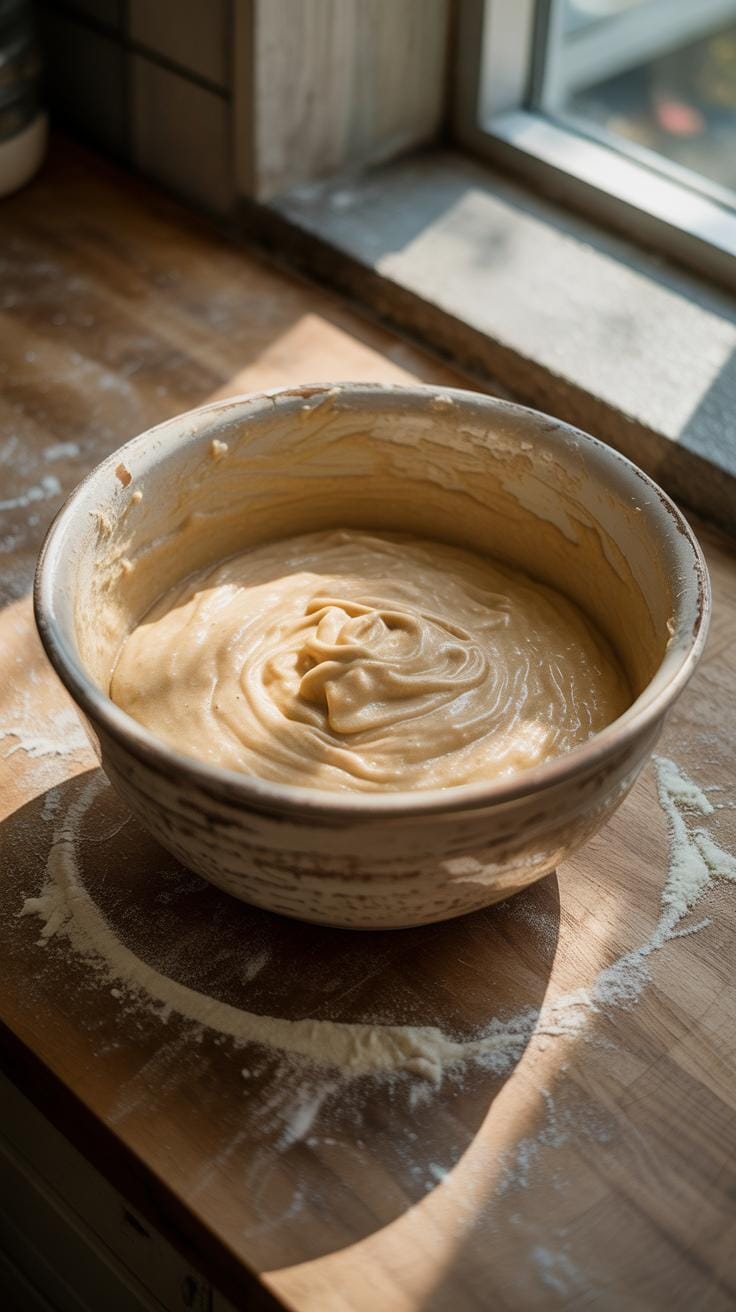
When you mix high protein pancake batter too much, things can go sideways quickly. The main issue is the development of gluten, the protein in flour that gives dough elasticity. Normally, a little gluten is fine, but in batter packed with extra protein—like whey or casein powders—too much mixing tightens that gluten network. The result? Pancakes that feel tough and chewy, not soft and fluffy. It’s ironic because you’re aiming for a protein boost but end up with something denser than expected.
Overmixing also traps excess air and can cause uneven bubbles. Sometimes pancakes cook unevenly, with holes or a rubbery texture. It’s almost like the batter rebels when overstressed. So, it’s not just flour’s gluten; the added proteins in powders add to the structure, and they don’t need aggressive mixing.
How to Mix Protein Pancake Batter Correctly
Mixing gently is key to avoid tough pancakes. Follow these steps to keep your batter tender:
- Start by combining dry ingredients in one bowl, then wet ingredients in another. This helps avoid overmixing everything together at once.
- Add the wet ingredients slowly to the dry, stirring just until you no longer see dry flour. There might be a few lumps left—that’s okay, even preferable.
- Use a spatula or wooden spoon instead of a whisk or electric mixer to keep control and avoid aggressive stirring.
- Fold any add-ins like fruit or nuts gently at the end, again just enough to distribute.
- Stop mixing as soon as the batter comes together. Resist the urge to “perfect” the texture.
You might wonder, what if lumps bother me? Well, they usually disappear during cooking. The trade-off is fluffier pancakes. Over time, you’ll get a feel for the right balance—mix enough to avoid dry patches but not so much that the batter stiffens. It’s a bit of trial and error, but patience pays off.
Cooking Tips for Fluffy Protein Pancakes
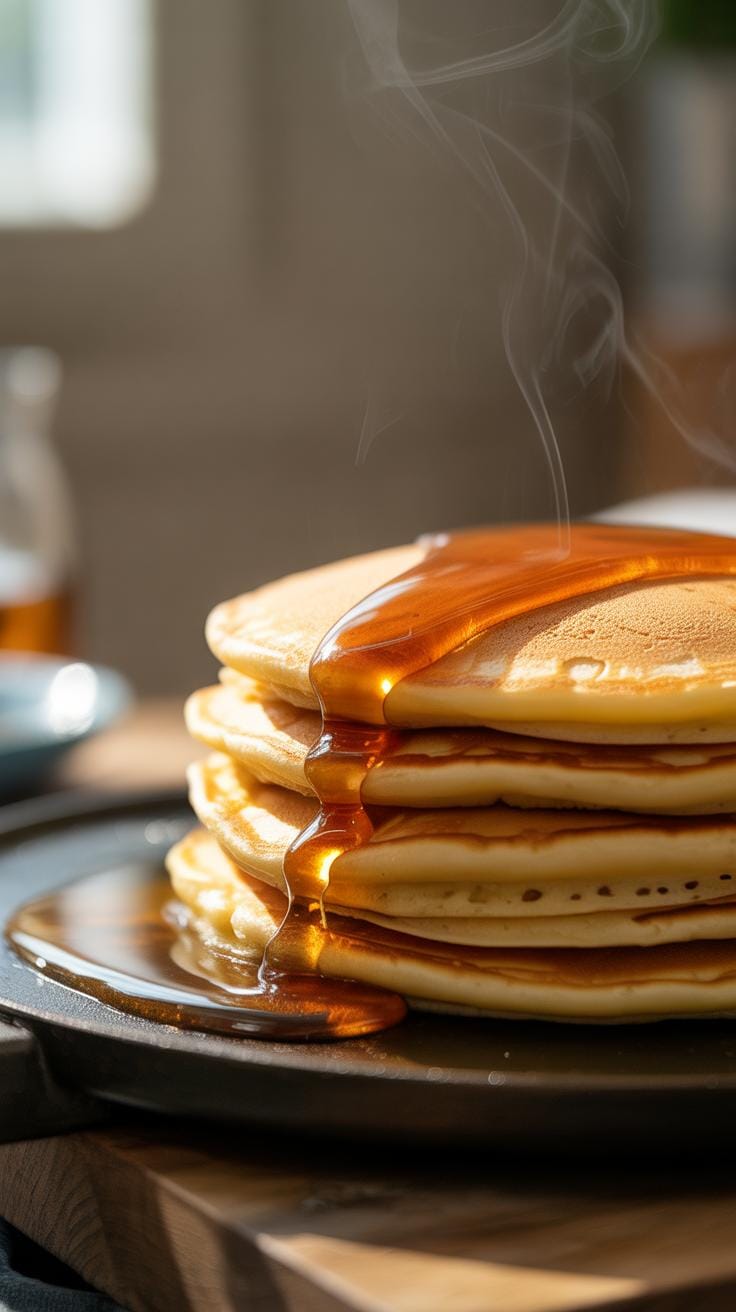
Getting the pan temperature right is often trickier than it seems. High protein pancakes usually need medium-low heat—too high and they burn on the outside but stay raw inside. I’ve learned that keeping the pan just warm enough to create gentle bubbles on the surface is a good sign. That means about 300 to 325°F if you’re using an electric griddle. If you don’t have a thermometer, test the heat with a drop of batter: if it sizzles softly without smoking, you’re in the right zone.
Timing matters a lot. Most high protein pancakes take between 3 to 4 minutes on the first side, then about 2 to 3 minutes after flipping. Rushing to flip sooner often leads to pancake breakage or undercooked centers. Patience is key—even if it feels slow, better to wait a bit than mess up the texture.
When flipping, don’t rush or try to be overly ambitious. These pancakes tend to be more fragile than traditional ones. I find that slipping a wide, thin spatula fully under the pancake first, then loosening the edges gently helps a lot. You can even nudge from one side before flipping entirely, to make sure it’s not sticking. If the pancake feels like it might tear, flipping with a second spatula or your fingers (careful—they’ll be hot) can save the day.
Sometimes I wonder if these techniques suit all protein pancake recipes — some batters might handle higher heat or firmer flipping better. So experiment a little to find your sweet spot. But generally, medium-low heat, slow and steady timing, and gentle flipping will help keep your pancakes fluffy and intact.
Common Mistakes That Lead to Pancake Failure
Skipping or Using Incorrect Leavening Agents
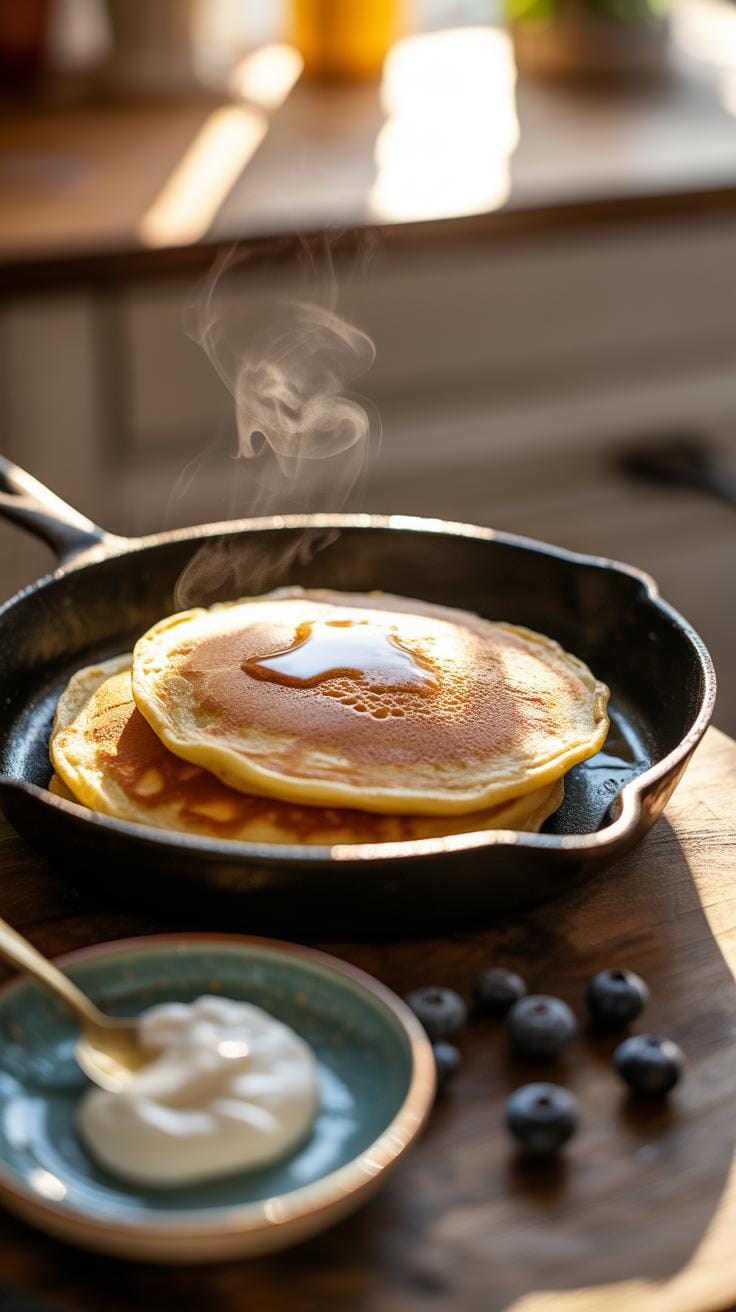
Leavening agents like baking powder or baking soda are what give pancakes their lift and fluffy texture. Without them, your pancakes will likely turn out dense, flat, and just… sad. You might think that protein pancakes can rely on just eggs or whipping, but that’s usually not enough.
Leavening agents create tiny bubbles in the batter that expand as they heat, making the pancakes rise. If you skip them or use expired baking powder, your pancakes won’t puff up properly. Sometimes, people confuse baking soda with baking powder and toss in the wrong amount, which can lead to a strange aftertaste or improper rising.
It’s also tempting to ignore leavening because protein powders sometimes give a thicker batter, and you might believe the rise isn’t that critical. But trust me, it is. Even a little baking powder can make a big difference in keeping pancakes light rather than rock-solid.
Wrong Protein Powder Choices
Not all protein powders behave the same in pancakes. Whey protein is often a safe bet—it blends well and adds moisture. But powders like casein can make the batter gummy or rubbery because they absorb a lot more liquid and don’t cook as cleanly.
Plant-based proteins, especially pea or hemp, sometimes give off a gritty or chalky texture that’s hard to mask unless you fine-tune the recipe. If you pick a powder that’s heavily flavored or sweetened, it can also throw off the pancake’s overall taste or texture.
It’s easy to jump on “the highest protein” powders for pancakes, but if they ruin the texture or add a weird aftertaste, what’s the point? You might find yourself wasting ingredients and getting frustrated because the pancakes won’t cook through or just fail to hold together properly. Try testing small batches first before committing to a full recipe.
Adjusting Recipes Based on Dietary Needs
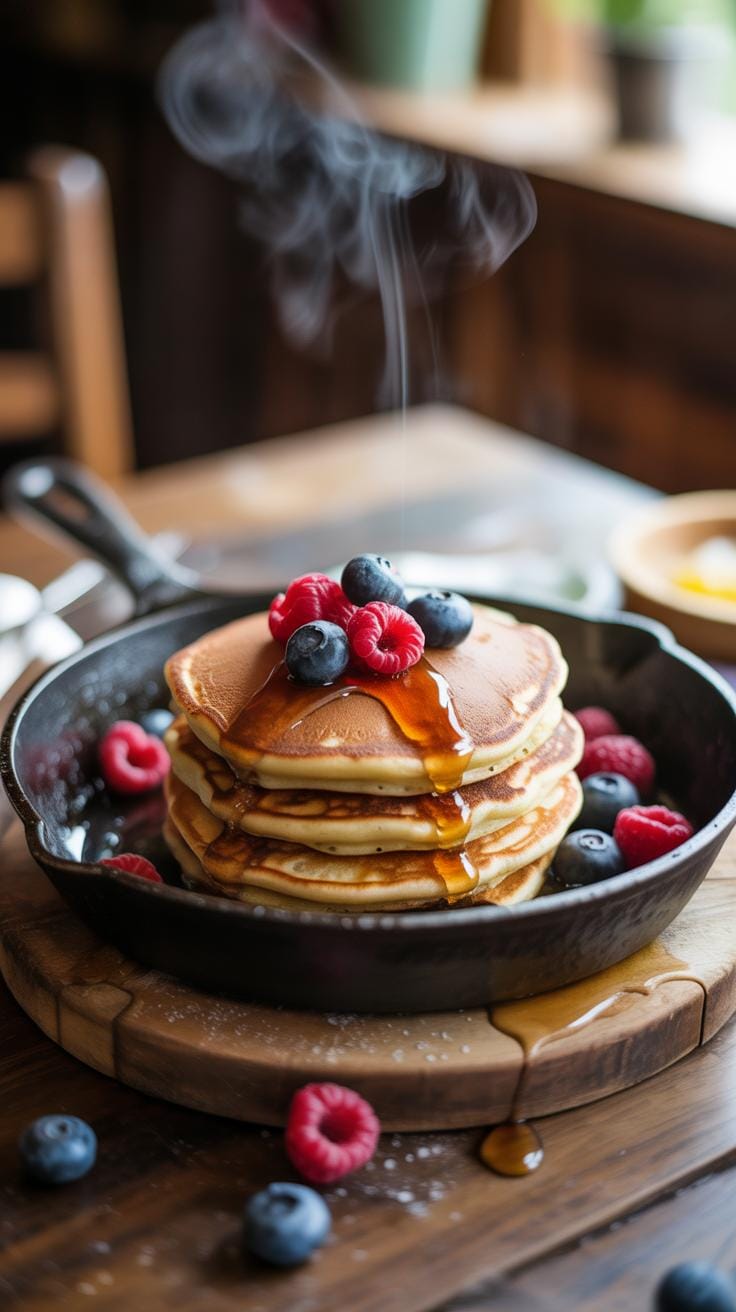
When it comes to high protein pancakes, sticking strictly to one recipe might not work for everyone. Allergies, vegan preferences, or calorie restrictions often mean you need to tweak your ingredients, sometimes quite a bit. The trick is to keep the protein intact while making these swaps, which can be tricky but not impossible.
Substitutes for Common Allergens
Eggs, dairy, and gluten often play a big role in traditional protein pancake recipes. If you’re allergic or avoid these for other reasons, here are some practical swaps you might want to try:
- Eggs: Flaxseed or chia seeds mixed with water create a gel-like binder similar to eggs. You might also use mashed bananas or unsweetened applesauce, though these alter texture and flavor slightly.
- Dairy: Plant-based milks like almond, oat, or soy can replace cow’s milk. Use vegan yogurts or silken tofu for creaminess if the recipe calls for yogurt or cream cheese.
- Gluten: Look for gluten-free oat flour, almond flour, or buckwheat flour. They add slightly different tastes and textures, so you might need to experiment to find what you prefer.
These substitutions don’t all behave exactly like the originals, so you might find your pancakes turn out a bit denser or moister—or even fail to fluff up as much as you’re used to. That can be frustrating, but changing cooking time or adding a leavening agent like baking soda can help.
Lower Calorie Pancake Options
Cutting calories in high-protein pancakes is a fine balance. Swap out heavy ingredients without losing the protein punch—here are some thoughts:
- Instead of whole eggs, try just egg whites or an egg white substitute. You get protein without the fat.
- Use low-fat or unsweetened plant-based milk to save calories compared to whole dairy milk.
- Replace some flour with protein powder, which can reduce carbs and boost protein content.
- Cut down on added sugars by using natural sweeteners like stevia or small amounts of mashed fruit.
- Swap butter or oil for a non-stick spray or a small amount of applesauce to keep moisture.
It’s tempting to cut calories wherever you can, but sometimes the texture or flavor takes a hit. So, maybe try reducing calories step-by-step instead of all at once. You might find a sweet spot that works better than you expect.
StepbyStep High Protein Pancake Checklist
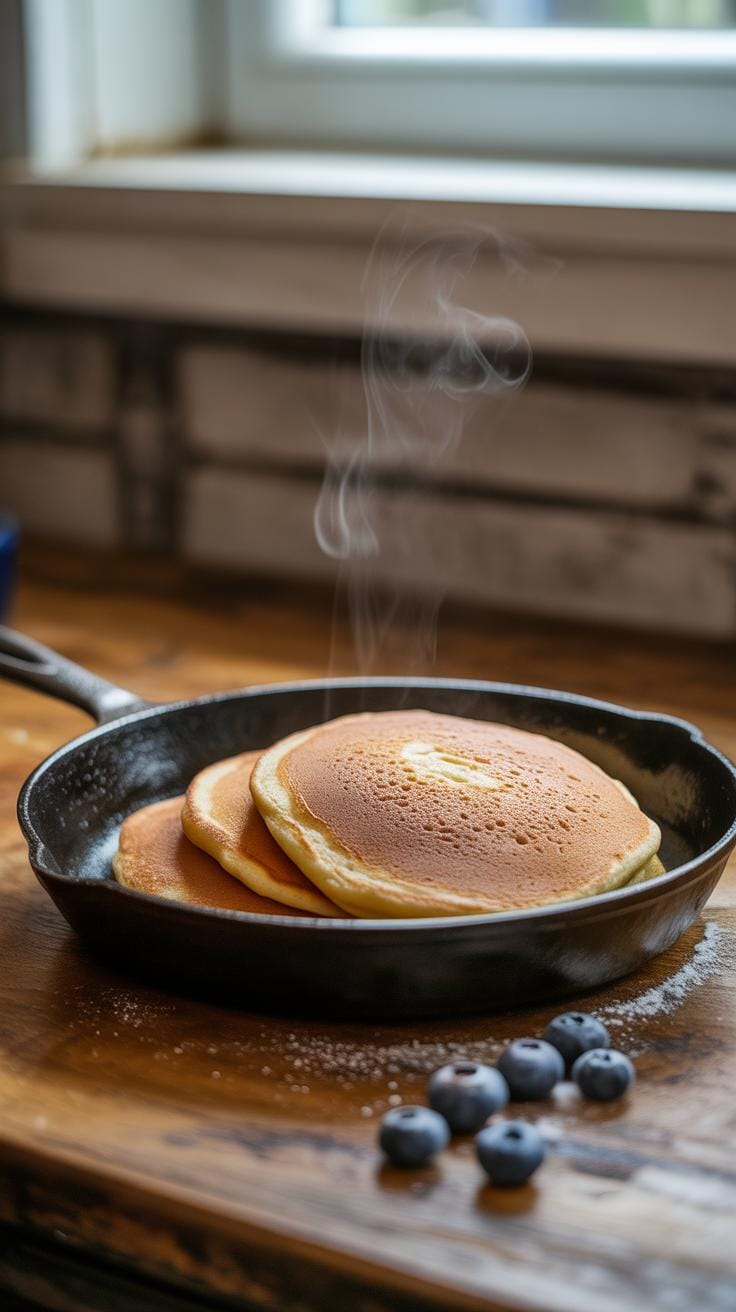
Preparing Ingredients Correctly
Start by gathering your ingredients—choose a protein powder that suits your taste and nutrition goals. Whey, casein, or plant-based all work, but each behaves a little differently when cooked. Measure your dry ingredients first, using a kitchen scale or measuring cups, to avoid off textures that happen from eyeballing amounts. When you add liquids like milk or eggs, pour gradually and keep an eye on consistency; you want the batter thick but still pourable.
Mix dry ingredients separately from wet ones before combining. This helps prevent clumps of protein powder or overly dense pockets. Stir just until combined—overmixing can make pancakes tough or rubbery. I’ve found stopping when the batter looks slightly lumpy gives a better texture than a perfectly smooth mix.
Cooking and Serving
Preheat your pan over medium heat—too hot and the outside burns but the inside stays raw. I usually test with a drop of water; if it dances and evaporates quickly, the pan’s ready. Lightly grease the surface with oil or butter to prevent sticking, but don’t overdo it. Pour batter in small rounds to control cooking and flipping. Wait until bubbles form and edges look set before flipping, or you’ll get torn pancakes.
Serve hot and fresh. Protein pancakes tend to firm up as they cool, so don’t let them sit too long. Top with fresh fruit, a little nut butter, or a drizzle of honey—something simple that won’t overshadow your hard work but adds flavor and moisture. Have you noticed how toppings can make or break the experience? That’s where your personal touch really shows.
Examples of Successful High Protein Pancake Recipes
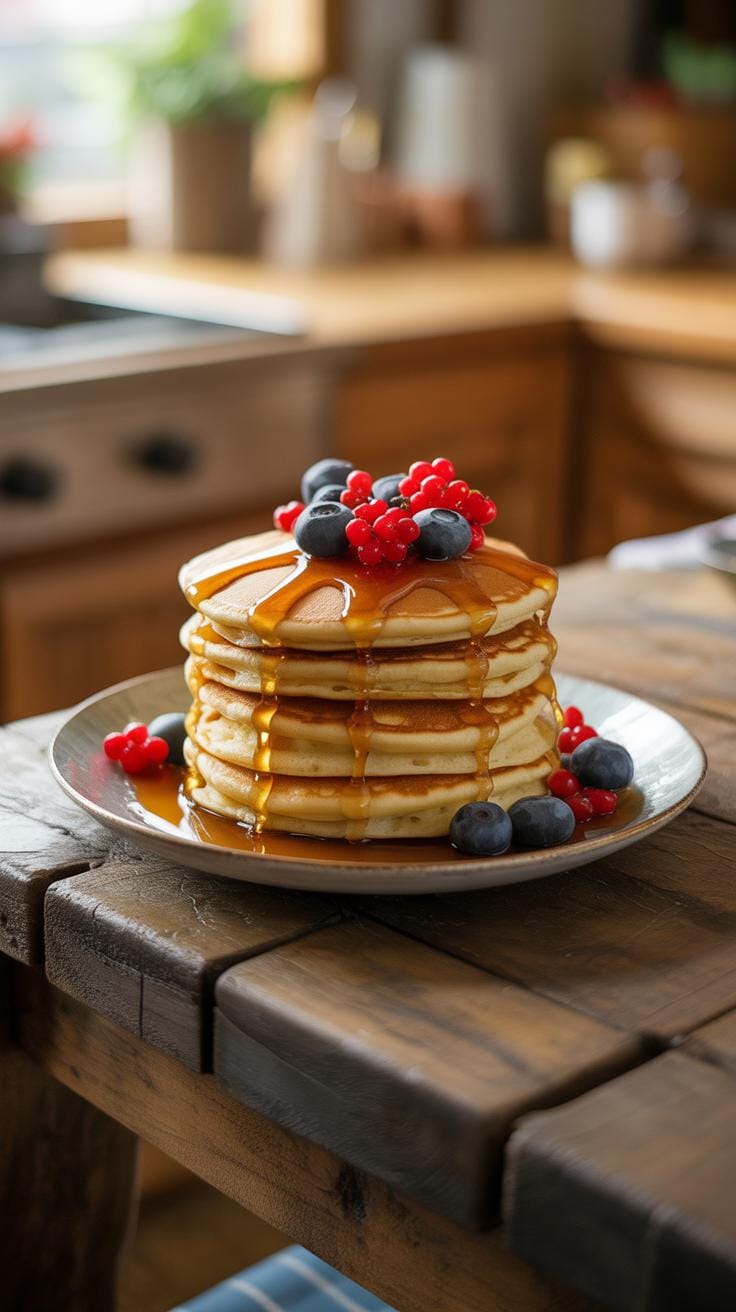
Classic Whey Protein Pancakes
Whey protein is probably one of the most popular choices when people talk about protein pancakes. Its smooth texture blends well, and it boosts the protein content without making the batter too dense. A common recipe involves mixing 1 scoop of vanilla whey protein, 1/2 cup of oats or oat flour, 2 eggs, 1/4 cup of milk, and a teaspoon of baking powder. The eggs and baking powder help with lightness, preventing those pancakes from turning into flat, rubbery rounds.
When you whisk everything gently together, then cook on medium heat, the batter tends to rise nicely and stay fluffy. The vanilla flavor pairs naturally with simple toppings such as fresh berries or a drizzle of honey, which keeps the taste balanced—nothing too overpowering. What I found surprising is how forgiving this recipe is—you can adjust milk amount slightly without wrecking the texture, which is not always true for protein pancakes.
Vegan Plant Protein Pancakes
For those avoiding animal products, plant protein pancakes can be trickier to perfect. A decent starting recipe includes 1 scoop of pea or rice protein, 1/2 cup of whole wheat flour or buckwheat flour, 1 mashed banana or 1/4 cup applesauce as a binder, and 3/4 cup plant-based milk. Adding a teaspoon of baking soda with a splash of vinegar is key here—this small trick encourages fluffiness by creating bubbles in the batter.
The texture can be tricky; plant proteins sometimes give a grainier mouthfeel. So, sift the flour or blend the oats beforehand to keep things light. The mashed banana helps with moisture and slight sweetness, which balances the sometimes earthy taste of plant proteins. If you’ve tried vegan protein pancakes and thought they were too dense or crumbly, maybe experimenting with liquid ratios and leavening agents like this could help get that softness without losing the protein punch.
Conclusions
Making high protein pancakes does not have to be hard. Avoiding common mistakes can help you enjoy pancakes that taste good and support your nutrition goals. Using the right protein sources and cooking techniques makes a big difference.
Remember to watch for texture and mixing issues and adjust your recipe based on these tips. Your high protein pancakes can be a healthy, delicious part of your day when made correctly. Try the advice here and see the results yourself.