
Understanding Hormone Health After 40
Hormones are powerful messengers in your body. They control how you feel, sleep, grow, and even how your body reacts to food. After you turn 40, your hormones start to change. These changes can affect your mood, energy, weight, and overall health.
This article, Your Hormone Health Blueprint for Natural Balance After 40, will guide you through the important hormone changes after 40. You’ll learn what hormones do, why balance matters, how to check your levels, and ways to support natural hormone health for a stronger, healthier you.
Key Hormones Influencing Your Health

What Are Hormones and Their Functions
Hormones are chemical messengers your body uses to communicate between organs and tissues. Think of them as signals sent through your bloodstream, telling different parts of your body what to do and when. They regulate everything from mood and energy to metabolism and reproduction.

For example, insulin helps control your blood sugar levels. Thyroid hormones manage how fast your body uses energy. And sex hormones like estrogen and testosterone influence reproductive health but also affect things like muscle mass and mood. Even cortisol, often linked with stress, plays a role in managing inflammation and energy.
Without hormones, your body’s systems would struggle to stay in sync. But their effects aren’t always straightforward—they can interact in ways that make pinpointing exact causes a bit tricky.
How Hormones Change After 40
After 40, your hormone landscape shifts—sometimes gently, sometimes more abruptly. For many women, this means menopause, when estrogen and progesterone levels drop. This shift can lead to hot flashes, mood swings, or changes in sleep patterns. But not every woman experiences these symptoms the same way—or even at the same time.
Men experience something often called andropause, with testosterone levels slowly declining. This may cause fatigue, decreased libido, or less muscle strength. Again, the pace and symptoms vary widely.
Your thyroid also tends to show changes. It might slow down, which can leave you feeling tired, cold, or even a bit depressed.
It’s easy to think of these changes as purely negative, but they don’t have to define you. Understanding how these hormones evolve might give you clues on how to support your body better at this stage.
Recognizing Hormone Imbalance Signs

You might notice muscle weakness creeping in, or unexplained fatigue that doesn’t really go away no matter how much rest you get. These are some of the common signs linked to hormone shifts after 40. Weight gain can sneak up too, even when your eating habits haven’t changed much. That stubborn belly fat, for example, isn’t always about diet—sometimes it points to imbalances in hormones like insulin or cortisol.
Mood swings can feel confusing. One moment you’re fine, the next you’re irritable or anxious for reasons that seem to come out of nowhere. Sleep troubles also appear, and these don’t just mean occasional restless nights; chronic insomnia or waking up constantly might hint at hormonal disruptions. Low libido, too, is a quietly frustrating symptom that’s often brushed aside but can really affect your quality of life.
For women, changes might include hot flashes or night sweats, but sometimes it’s subtler—like thinning hair or dry skin. Men might notice lower energy, reduced muscle mass, or even bouts of depression that feel unrelated to their environment.
Common Signs of Hormone Issues
Both physical and emotional signs pop up, some more obvious than others. Here’s a quick rundown that might help you connect the dots:
- Unusual fatigue or lack of stamina
- Weight fluctuations, especially around the abdomen
- Mood swings, irritability, or anxiety without clear cause
- Insomnia or disrupted sleep patterns
- Decreased interest in intimacy or lower sexual drive
- Hair thinning or skin changes
- Memory troubles or difficulty concentrating
These symptoms don’t show up the same way for everyone. Sometimes people with hormone imbalances feel almost normal, which can make it tricky to decide if it’s age or something else.
Difference Between Normal Aging and Imbalance
So, how do you tell if what you’re experiencing is just part of getting older or if it’s actually a hormone issue that needs attention? That question can be surprisingly hard.
Normal aging includes gradual changes. For example, slower metabolism or a bit more forgetfulness. These develop slowly and don’t drastically impact daily life. Hormone imbalances, on the other hand, often come with symptoms that feel more abrupt or severe—like a sudden drop in energy or a drastic mood shift.
You might ask yourself: Has this symptom appeared suddenly? Is it interfering with your relationships or work? And does it feel different from what your friends or family around your age are experiencing? If the answer is yes, digging deeper with a healthcare provider could be a good idea.
In some cases, hormone levels can fluctuate naturally during phases like menopause orandropause, but the experience varies widely. Not every symptom after 40 means hormones are the culprit. Still, paying attention to patterns and intensity helps you decide when it’s more than just aging.
Testing Your Hormone Levels Made Simple
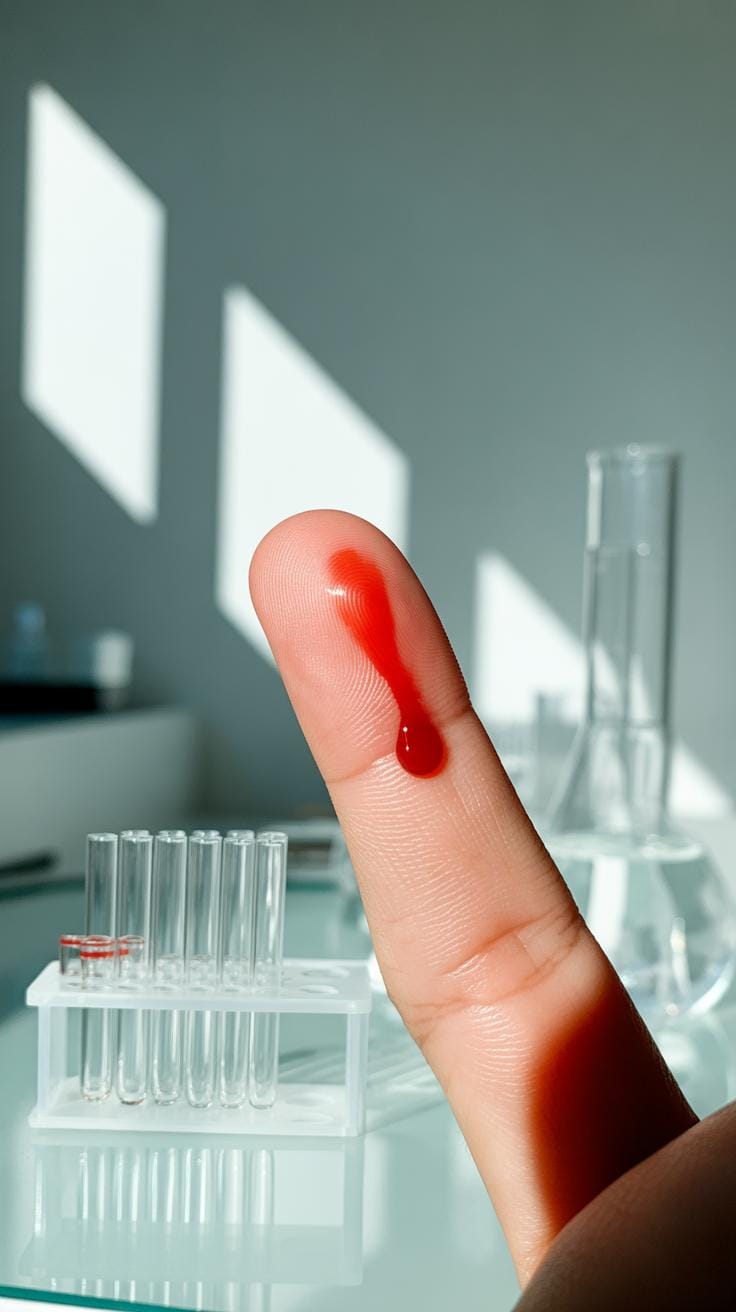
When you decide to check your hormones, the first question is often: how? There are three common ways to test hormone levels—blood, saliva, and urine. Each gives a slightly different picture.
Blood tests are the go-to for many doctors. They measure hormones floating in your bloodstream at a single moment, like your thyroid hormones, estrogen, testosterone, or cortisol. If you’re feeling unusual fatigue, mood swings, or changes in weight, blood tests often come first.
Saliva testing looks at the free, active form of hormones, especially useful for tracking daily fluctuations, like cortisol levels throughout the day. Some people find it more convenient, plus it’s less invasive. But it’s not always as reliable for certain hormones, so make sure your doctor knows why you’re asking.
Urine tests can provide a broader snapshot, showing how hormones break down and are eliminated. They’re sometimes used to analyze hormone metabolites or total hormone production over 24 hours, which can be informative if you suspect imbalances linked to stress or metabolism.
Ask your doctor questions like:
- Which hormones should I test based on my symptoms?
- Does this test measure active hormones or total hormone levels?
- When is the best time to do the test? Some require morning samples, others specific days in the cycle.
Results may feel confusing at first. Low or high values don’t always scream “problem” right away; tiny shifts can matter more than absolute numbers, especially as you get older. If your hormones appear off, that’s a clue to explore lifestyle or medical options. But remember, tests are part of the story, not the whole novel.
Food Choices That Support Hormone Balance

When it comes to keeping your hormones steady after 40, what you eat can’t be overlooked. Your body relies on specific nutrients to make and regulate hormones—without them, things can feel out of sync. For example, healthy fats are crucial because hormones like estrogen and testosterone are actually made from cholesterol. Missing out on those fats might throw your hormone levels off, even if everything else seems fine.
Whole foods packed with fiber help too. Fiber supports digestion and helps your body get rid of excess hormones, especially estrogen. Without enough fiber, hormones might recirculate longer, creating imbalances you don’t want. Vitamins and minerals also play a role—vitamin D, magnesium, and zinc come up a lot. They participate in many hormone pathways, but people often don’t realize how much they need them as they age.
Best Foods for Hormone Health
Focus on these foods:
- Leafy greens like spinach and kale—rich in magnesium and fiber
- Fatty fish such as salmon and mackerel—for omega-3 fats that support hormone production
- Seeds like flaxseeds and pumpkin seeds—good for phytoestrogens and healthy fats
- Avocados which provide monounsaturated fats and vitamin E
- Cruciferous vegetables including broccoli and Brussels sprouts—help detox estrogen
- Whole grains such as quinoa and oats for fiber and B vitamins
- Nuts like almonds and walnuts—offer healthy fats and minerals
These foods not only nourish hormone production but gently support your body’s natural ability to keep levels balanced.
Foods to Limit or Avoid
Sugary snacks and processed foods can cause hormone spikes and crashes. When blood sugar swings wildly, your insulin and cortisol go haywire. This affects sex hormones too, often making symptoms worse. Plus, processed foods might contain additives or chemicals that impair hormone function. It’s a bit unclear just how much these influence your overall balance, but many find reducing them helps feel steadier.
Caffeine is tricky. It can boost energy and mood, but too much may raise cortisol—the stress hormone—and disrupt your sleep. Since hormone regulation depends on good rest, that can have a knock-on effect. Some people tolerate caffeine better than others, so paying attention to your reaction is key.
Does this mean you need to overhaul your entire diet? Probably not. Small, thoughtful changes—like swapping out a snack for nuts or adding some sautéed greens to dinner—can make a subtle difference over time.
Exercise Plans to Enhance Hormone Health

Exercise plays a key role in balancing hormones, especially after 40 when hormone shifts can feel unpredictable. Strength training, for example, helps preserve muscle mass and boosts testosterone and growth hormone levels, which tend to decline with age. You don’t need heavy lifting—bodyweight exercises or light weights work well, and they don’t stress your body excessively. Cardio activities, like brisk walking or cycling, support insulin sensitivity and improve cortisol regulation. If you feel overwhelmed by high-intensity workouts, that’s okay; even steady-paced walks can make a difference.
Yoga and gentle stretching ease stress hormones, like cortisol, which can throw off your hormonal balance when chronically elevated. Don’t underestimate how calming those slow, mindful movements can be. Stress reduction itself improves overall hormone function, so combining movement with relaxation offers a subtle yet powerful benefit.
Creating a weekly schedule might look like this:
- 3 days of moderate strength training—think weight lifting or resistance bands
- 3 days of cardiovascular activity, such as walking, swimming, or cycling
- 2 days dedicated to yoga or stretching routines focused on breath and flexibility
This mix supports endurance, strength, and hormonal stability. You could vary the order—what matters is consistency. Sometimes flexibility work or low-intensity days might feel more necessary and that’s fine—you learn to listen to your body’s changing needs, which itself influences hormone health.
Managing Stress to Protect Your Hormones
Stress Impact on Hormone Balance
Cortisol often gets a bad rap, but it’s a necessary hormone—it helps your body respond to stress and regulates many functions, including metabolism and immune response. The trouble is when stress becomes chronic. Then, cortisol sticks around at elevated levels, which can throw other hormones out of whack.
Long-term high cortisol can lower your estrogen and progesterone, which may lead to symptoms like fatigue, mood swings, and disrupted sleep. You might notice your thyroid feels off, too, since cortisol can interfere with thyroid hormones. It’s a bit of a domino effect; stress doesn’t just bother you emotionally, it tangles with your whole hormonal system.
Have you ever felt that your stress seems to spiral, making everything feel worse, physically and mentally? That’s the cortisol cycle in action. The body keeps pumping it out, thinking you’re under threat, when really it’s just everyday pressures piling up.
Simple Stress Reduction Techniques
The good news is you don’t need complicated routines to calm cortisol down. Small, regular habits can shift the balance, sometimes pretty quickly.
- Deep breathing—just a few minutes each day can slow your heart rate and lower cortisol. Try inhaling for four counts, holding briefly, then exhaling for six.
- Meditation—even short sessions can help. It’s not about clearing your mind perfectly but noticing thoughts without getting tangled in them.
- Engaging with hobbies—something you enjoy that pulls your focus away from stress. Whether it’s painting, gardening, or reading, it can reduce those persistent stress signals.
I’ve found that when stress feels overwhelming, even a ten-minute walk or gentle stretching has this calming effect. It doesn’t erase the stressors but interrupts the body’s response in a way that eases hormone disruption. Maybe some of these will resonate with you, or you might discover your own way to slow the cortisol spiral.
Hormone Therapy Options Explained
Hormone replacement therapies (HRT) come in various forms, designed to help both women and men regain hormonal balance after 40. Women often face menopause-related drops in estrogen and progesterone, while men may notice declines in testosterone. Therapy can include pills, patches, gels, or even injections, each with its own set of pros and cons.
Bioidentical hormones, made to mimic the body’s natural hormones, are gaining attention for supposedly being gentler and more natural-feeling. Synthetic hormones, on the other hand, are lab-produced but might have longer track records in clinical studies. Choosing between them isn’t always straightforward.
There are benefits to hormone therapy such as reduced hot flashes, improved mood, and better bone density, but risks exist too, including possible blood clots or increased cancer risk in some cases. So, speaking with a healthcare provider to weigh what’s right for you is crucial—and ongoing monitoring is key.
When to Consider Hormone Therapy
Hormone therapy might become necessary when symptoms of hormonal imbalance interfere with daily life. Think about persistent fatigue, night sweats, mood swings, or even low libido that doesn’t respond to lifestyle changes. For some, hormone therapy is more of a quality-of-life decision, not just medical necessity.
People with significant bone loss, diagnosed hormone deficiencies, or memory concerns might also see clear benefits. Still, deciding to start therapy often involves weighing personal health history and comfort with the treatment. It’s not a one-size-fits-all solution.
Types and Safety of Hormone Treatments
Synthetic hormones have been standard for decades but sometimes cause side effects that turn people off. Bioidentical hormones are chemically identical to what your body produces, which might make them easier to tolerate. But less long-term data is available for them, so that’s a bit of a gamble for some.
Safety considerations go beyond hormone type. Dosing, delivery method, and individual risk factors—like family history or existing conditions—matter a lot. Regular check-ups are necessary to spot any complications early. Never start or stop hormone therapy without medical guidance. That part’s non-negotiable if you want to stay safe.
Monitoring Progress and Adjusting Your Plan
Keeping track of how you feel day to day can be surprisingly revealing when dealing with hormone health after 40. A symptom and wellness journal isn’t just a list; it’s a way to connect the dots between what you do and how your body responds. Maybe you notice that after a restless night, your mood dips more than usual, or certain foods make your energy fluctuate. Writing all this down helps you spot patterns you might miss otherwise.
Be honest but patient with yourself. Some days, entries might be vague—like “felt off”—and that’s okay. Over time, those small notes add up, showing a clearer picture of your hormone balance and whether your lifestyle changes or treatments are working.
Regular follow-up tests play a key role, too. Depending on your situation, retesting hormone levels every 3 to 6 months makes sense. This timing lets you see shifts without jumping to conclusions after just one swing or another. Between tests, stay engaged with your healthcare provider. Share your journal insights and ask if tweaks to your plan might help.
Remember, hormone levels don’t always tell the full story. Sometimes your symptoms lead the way more than numbers do. So keeping up with both—tracking inside and outside your body—gives you the best chance at finding balance that fits your life. Have you noticed any surprising connections between your daily habits and how you feel? Writing down those thoughts might be the next step you didn’t expect but really needed.
Everyday Habits Supporting Hormone Health
When you think about hormone health, diet and exercise often take center stage. Yet, daily habits beyond those basics play a pretty significant role too. Take sleep hygiene, for instance. The way you wind down at night, the consistency of your sleep schedule, even the environment in your bedroom can subtly influence how your hormones function. Skipping these small steps might leave you wondering why you still feel off despite eating well and moving enough.
Another habit that doesn’t get enough credit is minimizing exposure to hormone disruptors in your environment. These pesky chemicals show up in everyday products—plastics, personal care items, cleaning agents. Even if you don’t think these things affect you, they can confuse your body’s natural hormone signals over time. You might consider simple swaps like glass containers over plastic or fragrance-free products, even if the link feels a little vague or indirect.
It’s not always obvious how powerful these habits can be, and honestly, sometimes they feel harder to control than diet or exercise. But paying attention to your daily routine beyond the usual factors often nudges your hormones toward better balance, even if it’s just a bit at a time.
Importance of Quality Sleep
Sleep is more than rest. It’s the time your body resets hormone cycles, especially those tied to stress, appetite, and reproduction. Poor sleep can throw off cortisol, insulin, and even your sex hormones in ways you might not notice right away. Maybe you feel more sluggish or your mood dips, but also your body chemistry starts shifting beneath the surface.
Better sleep habits don’t require drastic overhaul. Try sticking to a consistent bedtime. Dimming lights an hour before sleep signals your brain to prepare for rest. Avoiding screens late at night helps too, though sometimes that’s easier said than done. Creating a cool, quiet, and dark environment might sound basic, but it really makes a difference. And, if you wake up during the night often, ask yourself—are you drinking caffeine too late or getting enough wind-down time?
Reducing Exposure to Hormone Disruptors
Some chemicals interfere with your hormones by mimicking or blocking their signals. They’re in places you might not expect. Think of BPA found in many plastic bottles and canned food linings. Phthalates hide in scented products, and parabens are common in cosmetics. Even some pesticides can act like hormone disruptors.
Choosing alternatives can feel a little overwhelming, but small changes add up. Opt for glass, stainless steel, or BPA-free plastics when possible. Look for personal care products labeled paraben- and phthalate-free. Washing fruits and vegetables thoroughly reduces pesticide residues, though it doesn’t eliminate them completely.
Does avoiding every chemical feel impossible? Maybe. But focusing on the most obvious sources and making gradual swaps can ease the burden on your hormones. The tricky part might be balancing convenience with these choices, but it’s worth pondering how much control you want over what touches your body daily.
Conclusions
Balancing your hormones after 40 supports your energy, mood, and health. Understanding how hormones affect your body helps you take steps to feel your best every day. Natural strategies like nutrition, exercise, and stress control work well to keep hormones in check.
If you notice signs of imbalance, simple tests can show what’s happening. Sometimes, hormone therapy or medical treatments are needed under a doctor’s care. Follow your body’s signals and adjust your habits to create your own hormone health blueprint for natural balance.