
Myths About Food as Fuel
Food is fuel is a popular idea that guides many of us on what to eat and when. But this concept comes with myths that can lower your energy without you realizing it. You might think you are eating right, but some common misconceptions about food and energy could be holding you back.
This article covers food is fuel myths that sabotage your energy levels daily. We will see what food as fuel really means, identify the myths, and learn how to make better decisions for lasting energy. You will find simple advice and real examples to help you feel more energetic every day.
What Food Is Fuel Means

Food basically works like fuel for your body. You eat food, and your body uses it to keep everything running—breathing, thinking, moving, even just sitting still. The key here is energy, which food provides in the form of calories. Without energy from food, your body would simply stop working.

Mostly, energy comes from three kinds of nutrients:
- Carbohydrates: They break down quickly and give you immediate energy.
- Fats: These offer more energy per gram but fuel your body slower.
- Proteins: Not usually the first choice for energy but can be used when needed.
Your body doesn’t just need fuel now and then; it requires it all the time. Even when you’re asleep, your organs keep using energy. So, think of food as something your body constantly burns, not just a quick boost before that afternoon meeting.
How Energy Comes From Food
Your body turns food into energy through a series of steps that might seem a bit complicated but are pretty straightforward when you think about it. Food breaks down into smaller parts—mostly sugars from carbs, fatty acids from fats, and amino acids from proteins.
Here’s how energy flows:
- Carbohydrates usually break down first into glucose, which your cells use like instant fuel. It’s fast but doesn’t last very long.
- Fats take longer to break down but give you more energy—about twice as much per gram compared to carbs.
- Proteins come into play mostly when carbs and fats aren’t available, serving as a backup energy source.
Once broken down, these nutrients enter your bloodstream, then your cells convert them into ATP—a kind of energy currency your body uses. It’s a constant cycle, with your cells burning energy all day long.
Why Your Body Needs Fuel All Day
You might think energy is just for moving around or exercising, but your body actually needs a constant supply, even when doing nothing. Your heart beats, lungs breathe, and your brain keeps working whether you’re awake or asleep. All these processes require energy, all the time.
When you rest, your body still burns fuel to maintain basic functions. When you move—walking, thinking, working muscles—it uses more. This ongoing use means your body can’t just rely on the energy from one meal; it needs a steady stream throughout the day.
So, feeling tired mid-afternoon? It might be less about how much you ate and more about how your body is constantly using energy, sometimes faster than you’re replacing it. This perspective can change how you think about eating and managing your energy.
Common Food Is Fuel Myths
Myth: Large Meals Boost Energy
Many people believe that eating a big meal will give them a lasting energy boost throughout the day. It sounds logical—more food means more fuel, right? But in reality, very large meals often lead to feelings of sluggishness and even energy dips. When you consume a lot at once, your body diverts more blood to your digestive system to process the food. This can make you feel tired because less blood flows to the muscles and brain during digestion.
Also, large meals can cause a spike in blood sugar followed by a drop, which doesn’t help your energy levels stay steady. Think about how you feel after a heavy lunch—sometimes, you just want to slump in your chair or take a nap rather than get going. Maybe you’ve noticed this yourself, like after a holiday feast or a big takeout dinner. Smaller, balanced meals spaced throughout the day tend to keep your energy more even, even if it’s not as dramatic or immediate as a large meal might seem.
Myth: Sugar Is Best Fuel
There’s a common assumption that sugary foods are the best quick pick-me-up. They give you a burst of energy, which feels great at first. But relying on sugar for energy is a bit like riding a rollercoaster—there’s an exciting lift followed by a sharp drop. When you eat sugar, your blood sugar spikes, prompting a rapid insulin response that often sends it crashing down soon after. That crash can leave you feeling more drained than before.
Some people think sugar is the fastest way to power through an afternoon slump, but usually, the boost is short-lived and followed by a period of fatigue that’s hard to shake. It’s somewhat ironic—what you think is helping might actually be making things worse. Instead of sugar, combining carbs with protein and fat can provide a steadier, more reliable source of energy, though it may not feel as immediate. That’s the trade-off—quick hit versus sustained fuel.
How Food Choices Affect Energy
Energy From Balanced Meals
When you eat meals that combine protein, carbohydrates, and fats, your body tends to get a more steady supply of energy throughout the day. Proteins help repair and build tissues, but they also slow digestion a bit, which means you avoid sharp spikes in blood sugar. Carbs provide the immediate fuel your body needs, especially from whole grains or vegetables rich in fiber. Fats, often misunderstood, keep you feeling full longer and support brain function. It’s like giving your body a mix of fast and slow-burning fuel.
For instance, have you noticed how a breakfast with eggs, whole-grain toast, and avocado feels different than just a sugary muffin? That steady energy keeps you from reaching for snacks every hour. That said, sometimes even balanced meals might not stop a mid-afternoon slump—there’s probably more than just food at play.
Energy Dips From Junk Food
Junk food often triggers a quick surge in energy, mainly because of its sugar and refined carbs content. Your blood sugar shoots up fast, giving that instant buzz. But this is usually short-lived. Pretty soon, you crash, feeling drained and craving more fuel. This cycle can leave you more tired than before.
Think about times you grabbed a candy bar or a soda to power through the afternoon. Did it really help you work better, or did it just make you groggy a bit later? The problem is junk food lacks fiber and nutrients that slow down sugar absorption and support ongoing energy. Plus, those empty calories don’t do much for your overall wellbeing either.
How Meal Timing Shapes Energy
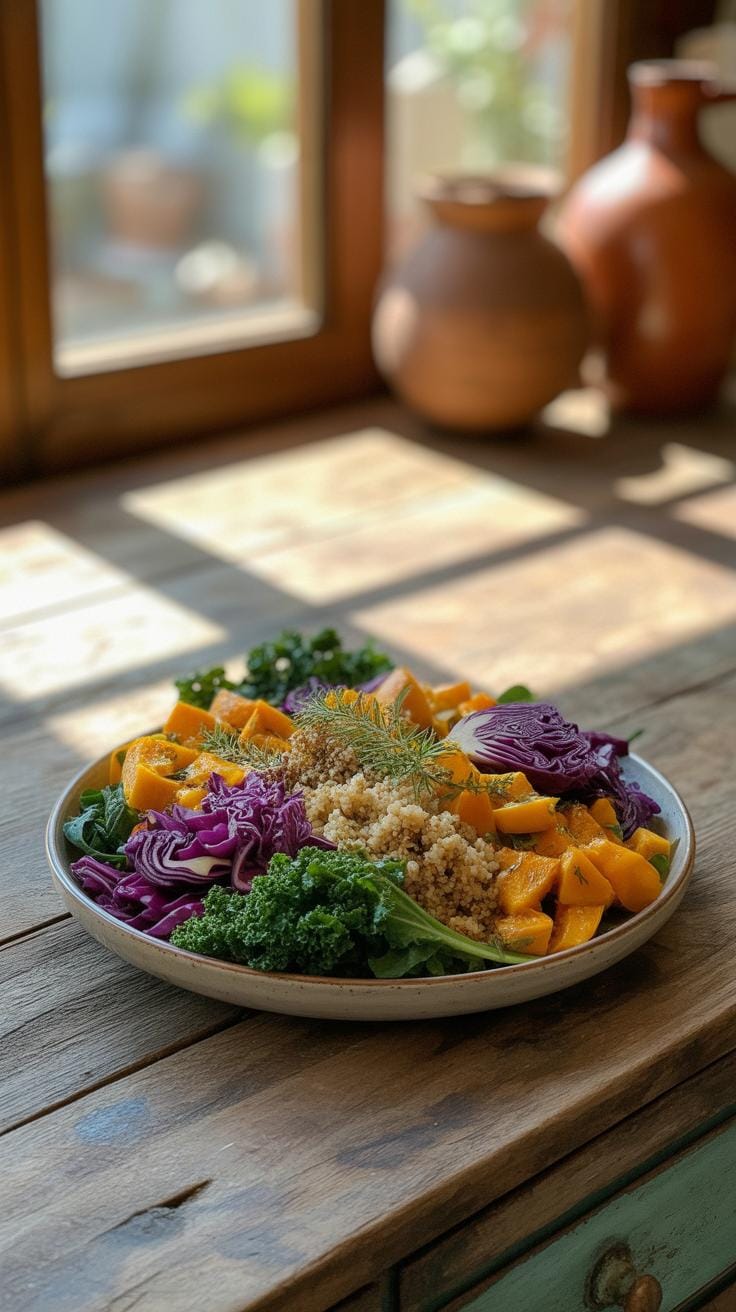
When you eat during the day can make a real difference in how energized you feel. It’s not just about what you eat but also when and how often you do it. Long stretches without food—say, skipping meals or going hours between them—can lead to noticeable energy slumps.
Eating more frequently, with smaller portions, often helps keep your energy levels steadier. This pattern avoids that rollercoaster effect when large meals are followed by long gaps. Instead of having a big spike and then a crash, smaller meals or snacks provide a gentler flow of fuel throughout the day.
Why Frequent Small Meals Help
Breaking your intake into several smaller portions can keep your blood sugar stable. That means your brain and muscles have a constant supply of energy. You don’t get that heavy, sleepy feeling that can come after a large meal. In fact, people who try eating this way often notice better focus and less irritability.
Though it might feel like eating often could lead to overeating, that’s not always the case. Smaller meals prevent you from becoming overly hungry, reducing the chances of bingeing later. Plus, it’s easier to digest and keeps your metabolism more or less humming.
Effects of Skipping Meals
Skipping meals usually backfires. You might think skipping breakfast or lunch saves time or reduces calories, but it often leaves you feeling drained and distracted. Without regular fuel, your blood sugar dips, which can mess with your mood and decision-making.
Many people find their concentration falters after a long fast, even if they pushed through without eating. There’s also the sneaky effect of increased cravings later on, leading to less healthy food choices or overeating when you finally do eat. So skipping meals might seem like a shortcut, but often it’s just slowing you down.
Examples of EnergyBoosting Foods

You might have heard that some foods just give you a quick jolt, but then you crash soon after. That’s where the right choices come into play. Whole grains, nuts, fruits, and lean proteins tend to offer a steadier kind of fuel. They keep your energy more balanced over time, rather than those fleeting highs followed by inevitable lows.
Whole grains like brown rice, quinoa, or oats contain fiber, which slows down digestion. This slower energy release means your body gets a steady supply of fuel, instead of burning through it all too fast. Have you noticed how eating white bread sometimes leaves you feeling tired? Whole grains avoid that spike-and-drop rollercoaster.
Whole Grains and Fiber Role
Fiber does more than just keep you regular. It acts like a buffer, slowing the way carbohydrates turn into sugar in your blood. This helps energy stay stable for a longer period—hours instead of minutes. So, a bowl of oatmeal in the morning could power you well into the afternoon without that midday slump.
Plus, fiber-rich foods fill you up without loading extra calories, so you’re less likely to reach for snacks that cause energy crashes. I remember once skipping a fiber-filled lunch and feeling drained before 3 pm. Lesson learned.
Proteins and Healthy Fats
Proteins—from chicken, fish, or plant sources like beans—take more time to break down, which helps with sustained energy. They also help keep hunger away longer. Eating a snack with nuts or a little natural peanut butter can prevent one of those familiar energy dips caused by sudden hunger pangs.
Healthy fats play a similar role. They provide calories that last, without spiking blood sugar. Avocados or small handfuls of walnuts may not seem like immediate energy-causers but can keep your stamina steady. It’s this slow-burning quality that often surprises people; you don’t always need quick sugar boosts.
What’s tricky is finding the right balance for your own body—sometimes proteins and fats feel a bit heavy, other times just right. But trying these foods out in your daily routine can show you which fuels keep you going without that sluggish feeling that often follows a sugary snack.
Energy Pitfalls to Avoid
Too Much Caffeine Effects
Caffeine might give you a quick lift—no doubt. It jolts your system, sharpens focus, and pushes you through sluggish moments. But that burst rarely lasts long. Often, it’s followed by a crash that leaves you feeling worse than before. I’ve noticed this myself; a morning coffee sometimes sets me up for an afternoon slump I can’t shake.
Beyond that crash, too much caffeine can disrupt your sleep. Even if you don’t realize it, late-day caffeine intake might keep you tossing and turning. Poor rest then affects your energy the next day, creating a cycle tough to break.
Try tracking your caffeine timing—sometimes just avoiding it after midday helps. And maybe consider cutting back gradually rather than quitting cold turkey; the headaches are no fun.
Sugar Spikes and Drops
Eating sugary snacks often feels like a quick fix because your blood sugar shoots up fast. That spike can give you an immediate buzz of energy. But it’s fleeting, followed by a sharp drop that makes you feel drained and craving more sugar. This rollercoaster can be exhausting over time.
I’ve seen it in myself and others: grabbing a candy bar at 3 p.m. seems to revive the day, but the crash hits before long. Overdoing sugary snacks can create a cycle where you’re chasing energy but never quite catching it.
To avoid this, pairing carbs with protein or healthy fats slows sugar absorption, making energy levels steadier. Simple swaps like fruit with nuts or yogurt help keep that crash at bay—though it can take some experimenting to find what works for you.
Foods That Seem Healthy But Drain Energy

Some foods wear a “healthy” label but end up dragging your energy down instead of boosting it. It’s confusing because they look good on the surface – maybe they’re fruit-based or marketed as natural. But there’s more going on beneath that shiny wrapper.
Take granola bars, for example. They often contain a lot of added sugars and refined grains. You might think you’re making a smart choice, but after eating one, you could feel a quick energy boost followed by a slump. The sugar rush doesn’t last, and the body can feel tired soon after.
Another culprit is low-fat or fat-free yogurts with fruit flavors. They can contain extra sweeteners to compensate for the lost fat, which again spikes energy temporarily, but doesn’t sustain it. It’s like feeding a fire with paper—you get light for a moment, but then it burns out fast.
Even seemingly innocent cereals are tricky. They’re often stripped of fiber and packed with sugar, leaving your blood sugar rollercoastering all day long. This lack of sustained fuel wears you out instead of genuinely energizing.
So, how do you recognize these tricky choices? Check ingredient lists carefully, watch sugar content, and don’t be fooled by “natural” or “organic” claims alone. Sometimes, what looks healthy isn’t the best for your energy after all.
Energy Impact of Juice and Smoothies
Juices and smoothies often come across like the ultimate energy boosters. But, in reality, many hide quite a lot of sugars—sometimes more than a soda. When you drink a glass of fruit juice, the fiber is mostly gone, so all that fructose floods your bloodstream quickly.
This causes a rapid energy spike, which feels good at first but often goes downhill fast. Your body reacts by releasing insulin to lower blood sugar, leading to a crash. You might feel shaky or sluggish after, which is the opposite of what you wanted.
Smoothies can be even sneakier. While they sometimes contain fiber, many are loaded with fruit concentrates, sweetened yogurts, or added syrups. These add sugars pile up without enough protein or fat to slow digestion. As a result, the energy from your smoothie isn’t sustained for long.
The takeaway? Not all smoothies or juices are created equal. If energy stability matters to you, it’s better to choose whole fruits or make smoothies that balance fruit with vegetables, protein, or healthy fats. Otherwise, you may find yourself craving more sugar soon after.
Processed Snack Foods
Processed snacks often promise quick satisfaction and convenience, plus the illusion they’re health-conscious choices. Think protein bars, “baked” chips, or flavored rice cakes. They can seem like decent options but frequently cause energy dips.
Many of these snacks contain refined starches, added sugars, and artificial flavors that don’t provide lasting fuel. You might notice you get hungry again quickly or feel a slump in focus and stamina after eating them.
Sometimes, such products include ingredients like sugar alcohols or synthetic sweeteners that can upset digestion, adding a layer of fatigue or discomfort you didn’t expect. Even if you don’t feel those effects overtly, the lack of substantial nutrients means your energy reservoir isn’t being refilled properly.
In a way, these snacks are empty calories dressed up as healthy. You might feel good grabbing one on the go, but there’s rarely a steady release of energy afterward. When energy is your goal, paying attention to ingredients and opting for whole-food snacks makes a real difference.
Daily Food Is Fuel Checklist

Using food as true fuel means paying attention to more than just what you eat. When you think about it, it’s also about when, how much, and what else you do around your meals that shapes your energy throughout the day. Here’s a straightforward checklist you might try out to feel steadier and less drained.
Meal and Snack Timing Tips
Think about spacing your meals so you’re not starving or stuffed:
- Eat breakfast within an hour or so of waking up, to jumpstart your metabolism.
- Try to have meals about every 4–5 hours, so your blood sugar doesn’t dip too low.
- Snacks can bridge the gap if there’s a long wait between meals — but keep them balanced, not just sugary quick fixes.
- Pay attention to how your body feels after eating; timing that avoids that sluggish “food coma” usually works best.
For example, I noticed once that when I waited too long to eat lunch, I’d crash mid-afternoon and reach for coffee or sugary snacks. Breaking snacks into smaller portions helped me avoid this slump.
Hydration and Sleep Effects
Food fuels your body, but water and rest are the engines that keep it running smoothly. It’s easy to overlook hydration—maybe you’re so focused on food choices you forget water is part of the equation.
Even mild dehydration can zap your energy and concentration. Drinking water alongside meals and throughout the day helps your body metabolize nutrients better. Try keeping a glass handy and sipping often.
Sleep has a cryptic relationship with energy from food. You can eat well, but if you’re not sleeping enough, your body won’t process that fuel efficiently. I sometimes underestimate how poor sleep drains me, making food feel like less fuel and more like a chore to digest.
So, keeping hydration and sleep in check might just be as important as what’s on your plate.
How to Spot Your Energy Saboteurs
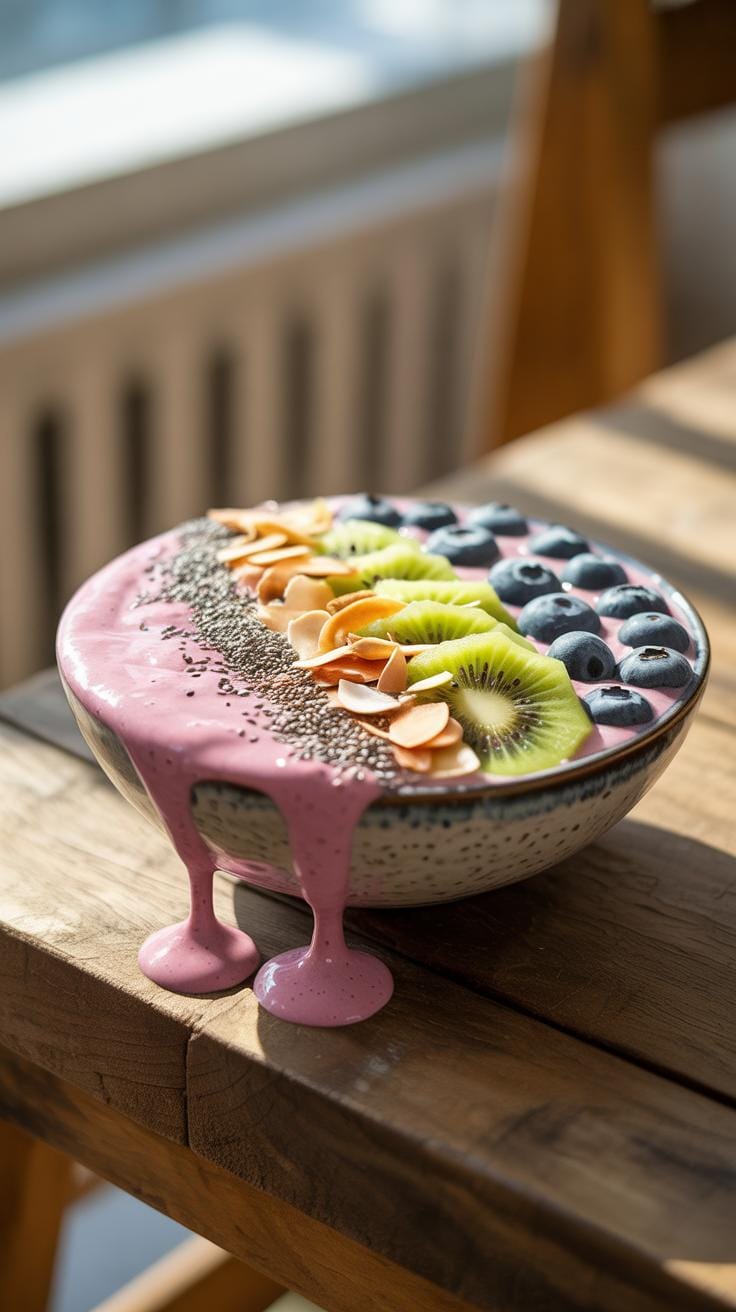
Tracking what you eat and how you feel might sound tedious, but it’s surprisingly revealing. Keeping a simple food and energy log can help you uncover patterns you hadn’t noticed before. Write down what you eat, when you eat it, and how your energy shifts through the day. Over time, some connections will become clearer—maybe a mid-morning coffee gives you a spike but is followed by a slump, or a heavy lunch weighs you down unexpectedly.
Try jotting down quick notes like “felt tired” or “felt alert,” even the small changes matter. This isn’t about perfection but about awareness. You might find surprises, like a snack you thought was harmless actually drags your energy down or a certain meal leaves you unusually restless.
Ask Key Energy Questions
Part of spotting your energy saboteurs is asking yourself the right questions. For example:
- When do I usually feel my energy dip during the day?
- Are there specific foods or drinks that seem to drain or boost me?
- What habits surround those energy shifts—like screen time, sitting, or hydration?
- Am I eating enough, or maybe too much, around these energy low points?
- Do my energy levels change on days I skip certain meals or snacks?
These questions might feel obvious, but they can open the door to new insights. Sometimes the cause isn’t food alone—it’s a habit combo or timing that pulls your energy down. The point is, being curious and paying attention puts you on a path to figuring out what truly fuels you and what just pretends to.
Simple Changes for Better Fuel
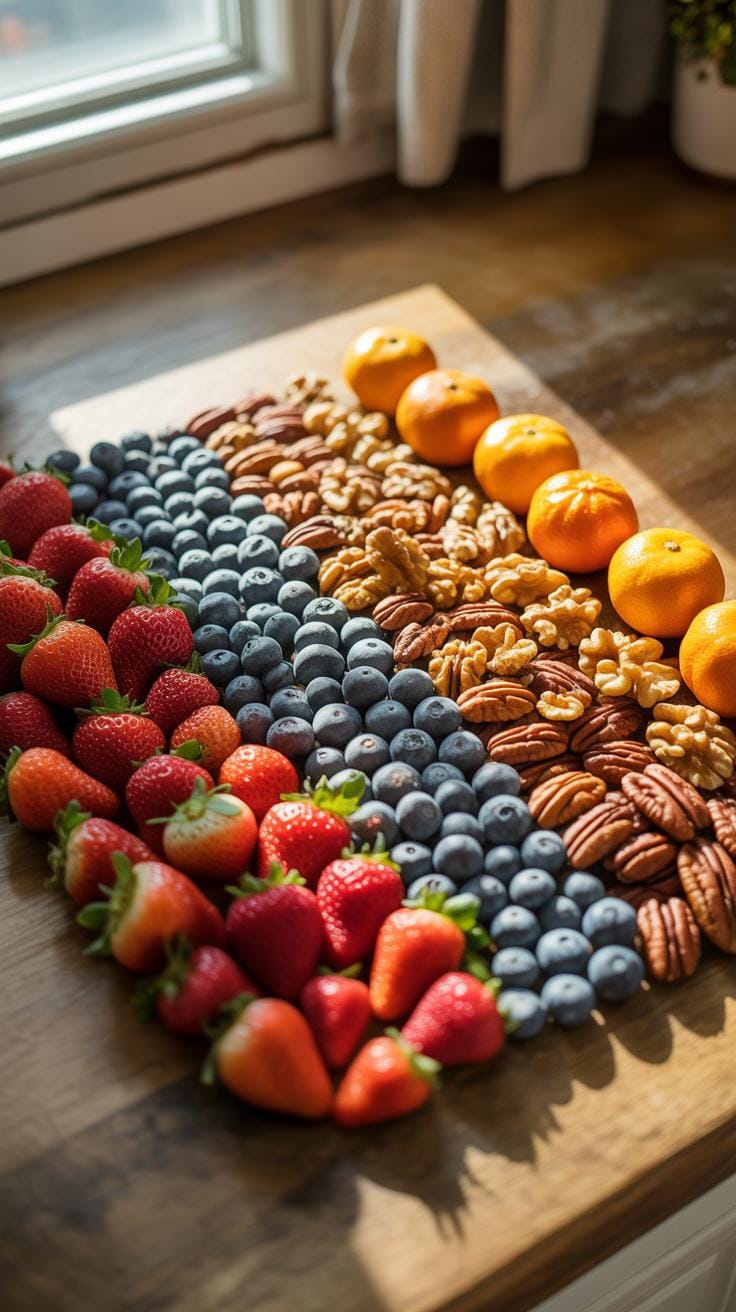
Swap Sugary Snacks for Nuts
You might not realize how often sugary snacks end up dragging your energy down rather than boosting it. That sudden sugar rush feels good for a moment, but it’s usually followed by a crash—sometimes unexpected and definitely annoying. If you replace those sugary bites with a handful of nuts or some fresh fruit, your energy tends to stay more consistent throughout the day. Nuts contain healthy fats and protein, which slow digestion and prevent that rapid spike and fall in blood sugar.
For example, I once swapped my usual mid-afternoon candy bar for almonds. At first, it felt like missing out, but, over a week, I noticed I wasn’t hitting that 3 p.m. slump nearly as hard. You don’t have to give up sweets completely—fruit’s natural sugars are gentler. You might find your concentration lasts longer without the jitters.
Add Protein to Every Meal
Have you paid attention to whether your meals include some protein? It’s one simple change that makes a surprisingly big difference for steady energy. Protein takes longer to digest than carbs alone, which helps keep blood sugar levels stable. Imagine your meals as little energy anchors that keep you balanced rather than tossing you around on a roller coaster.
Even just adding a bit of eggs, yogurt, or beans can alter how you feel hours later. I’ve seen it myself—days when my breakfast is just toast versus days with eggs and some lean meat. The latter usually lets me stay alert without needing multiple snacks. Of course, everyone’s different, and too much protein might feel heavy for some, but it’s worth experimenting with moderate amounts at each meal.
Conclusions
Food truly acts as fuel for your body, but not all fuel is equal. Some myths about food and energy can trick you into eating in a way that lowers your vitality. Understanding the real impact of food on energy helps you make smarter choices.
Keep focused on balanced meals, avoid quick fixes, and listen to your body’s needs. By busting these myths, you can improve how you use food for energy and feel better daily. Your energy is in your hands with the right food knowledge.