
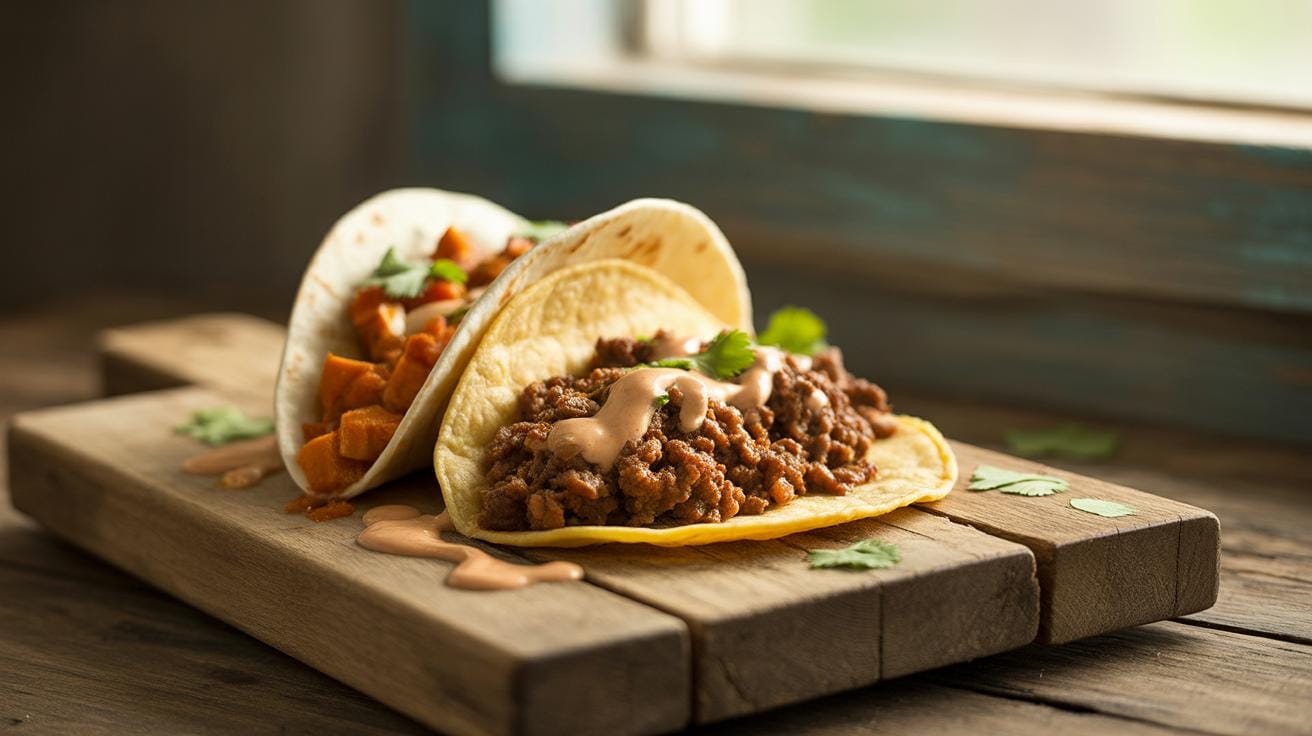
Comparing Sweet Potato and Traditional Tacos
Sweet potato tacos are gaining popularity, but how do they compare nutritionally to traditional tacos? This article looks closely at the calories and nutrition facts for both, helping you decide which fits your dietary needs.
From calorie counts to key nutrients like fiber, vitamins, and fats, we break down the benefits and differences between sweet potato-based tacos and the classic taco recipes you know.
Calories and Macronutrients Breakdown

Calorie Count in Sweet Potato Tacos
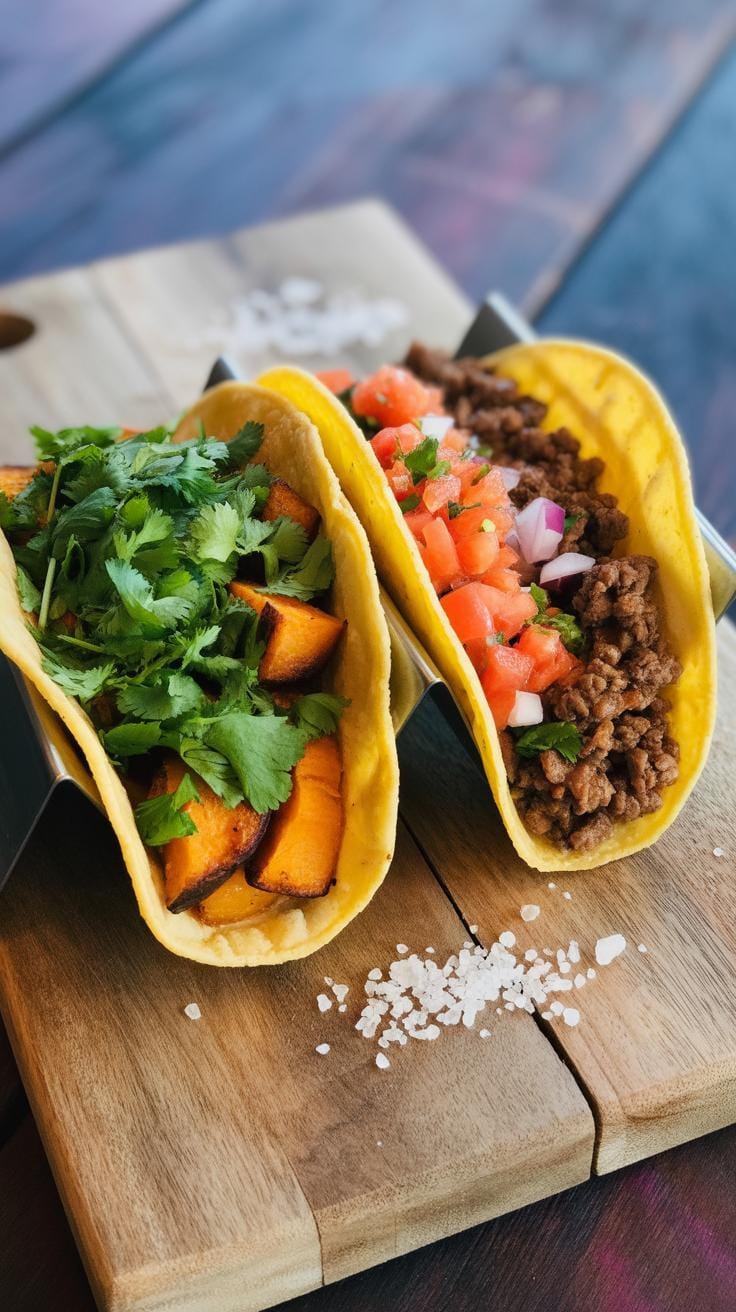
Sweet potato tacos typically contain around 250 to 350 calories per serving, depending largely on how the sweet potatoes are prepared and what else goes into the taco. The sweet potato itself contributes mostly carbohydrates—about 20 to 25 grams per medium-sized portion. Roasting or baking the sweet potato uses little added fat, so those calories mainly come from natural starches rather than oils or frying. If you include toppings like black beans or avocado, the calorie count nudges a bit higher due to extra fats and proteins.

Cooking methods really matter here. Take frying sweet potatoes, for example—that can push calories up by 50 to 100 more per taco. But when roasted or grilled, the calorie content stays relatively moderate. The overall carbohydrate content makes sweet potato tacos a good energy source, but they offer less protein compared to traditional meat tacos. This means you might feel full but not exactly sustained if protein intake is low.
Protein and Fat Levels in Traditional Tacos
Traditional tacos, especially those filled with beef or chicken, generally pack a stronger protein punch than their sweet potato counterparts. A typical beef taco might offer about 15 to 20 grams of protein, depending on the portion size, while chicken tacos can range between 20 to 25 grams. This protein contributes to satiety and can help maintain muscle health, which is something sweet potato tacos alone often lack.
Fat levels in traditional tacos can vary widely but often fall between 8 to 15 grams per taco. Beef tends to introduce more saturated fat, whereas chicken usually has less, particularly if you go for lean cuts. This fat content drives up the calorie count too—traditional tacos typically range from 300 to 450 calories each. These fats also provide energy and influence how quickly you digest the meal. So, while sweet potato tacos are lighter in fat and calories, traditional tacos might keep you feeling fuller longer thanks to their fat and protein content.
Benefits of Sweet Potatoes in Tacos
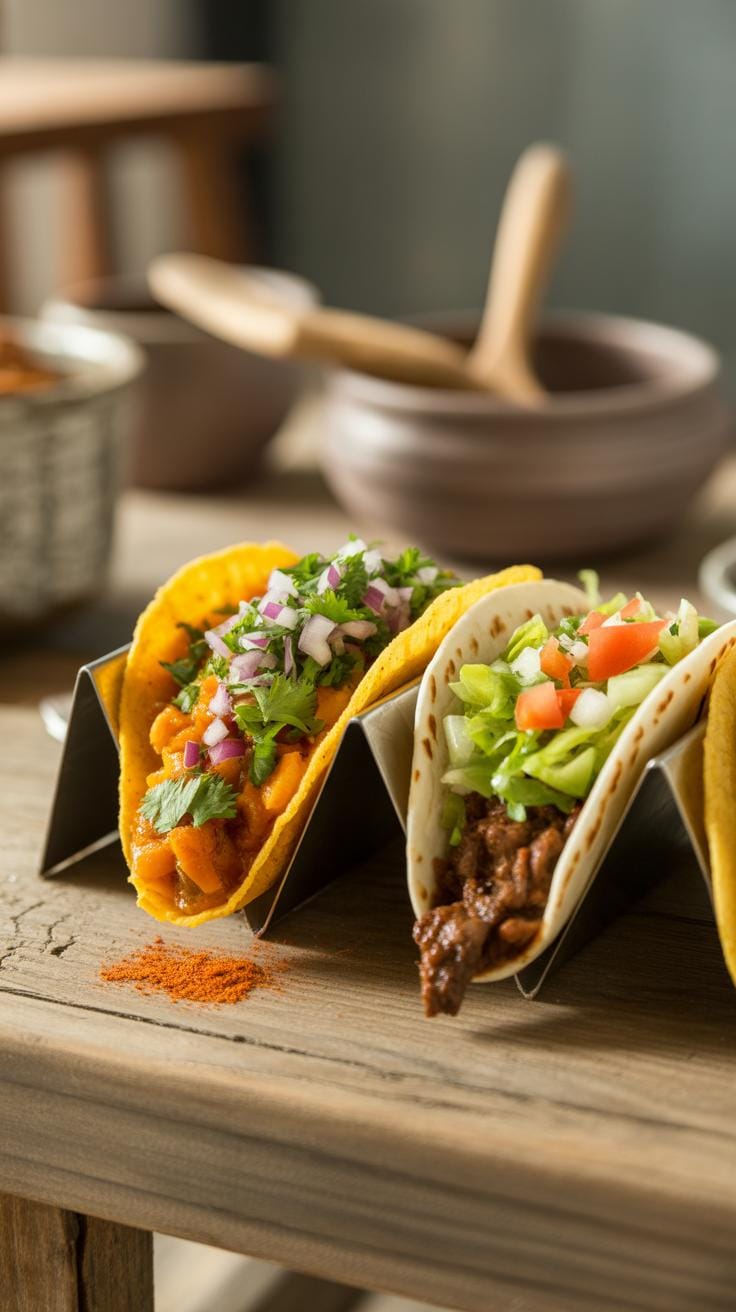
Sweet potatoes bring more to the taco than just color and flavor—they pack a nutritional punch that’s hard to ignore. Rich in vitamins A and C, they play a role in supporting your immune system and keeping your skin healthy. Vitamin A, in particular, is known for its contribution to eye health, something you might not connect directly with your taco choices at first. Vitamin C, on the other hand, helps repair tissues and may boost your resistance to common illnesses.
Beyond vitamins, sweet potatoes offer a good amount of dietary fiber. This fiber aids digestion, helping food move smoothly through your system, and can even help keep you feeling full longer. You may find that tacos filled with sweet potatoes leave you satisfied without prompting an urge for something extra soon after.
There’s also the question of energy and weight management. Sweet potatoes break down more slowly in the body compared to simple carbs, leading to steadier blood sugar levels. This slower energy release might help curb those mid-meal crashes or sudden hunger pangs. While not a magic bullet, using sweet potatoes in your taco fillings could fit well into a balanced eating plan if you’re watching your weight.
Have you noticed how some fillings just weigh you down? Sweet potatoes tend not to do that. Instead, they offer comfort and nourishment together—something that’s worth considering the next time you decide what goes into your taco shell.
Comparing Meat Fillings and PlantBased Options
Nutritional Impact of Meat in Tacos
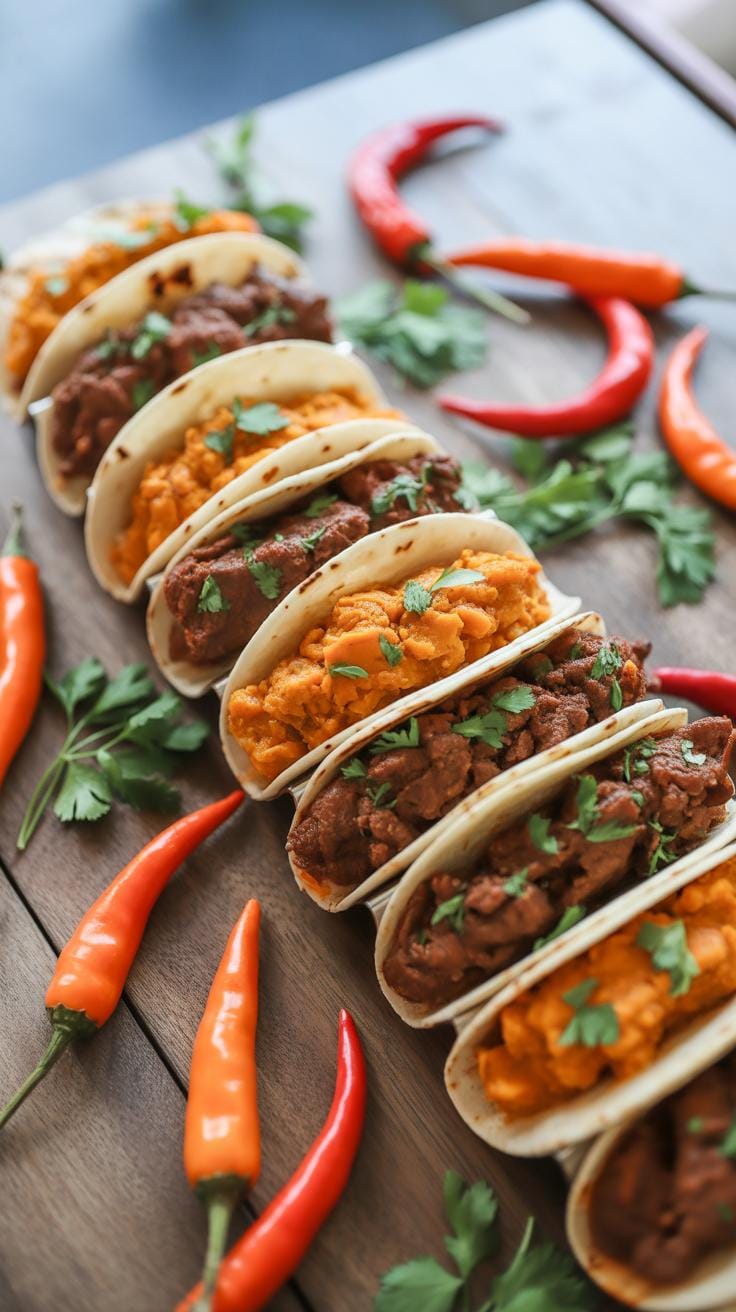
Meat fillings in traditional tacos offer a solid source of protein and important nutrients like iron, zinc, and B vitamins. For those who eat meat regularly, it can help meet daily protein needs without much fuss. That said, meat—especially beef or pork—often comes with a fair bit of saturated fat and cholesterol. These can add up, especially if your taco diet includes cheese and sour cream on top. It’s not just about the calories; the quality of fats matters too. Saturated fat can raise LDL cholesterol, which some people might want to keep an eye on. On the other hand, lean meats like chicken or turkey tend to be lower in saturated fat but still may lack fiber or some antioxidants found in plant-based foods.
Plant-Based Proteins with Sweet Potatoes
Sweet potato tacos, frequently vegetarian, rely more on plant proteins that don’t usually match meat in terms of complete amino acid profiles on their own. That’s where beans or legumes often step in. Pinto beans, black beans, or lentils added with sweet potatoes can make the taco’s protein content more balanced and satisfying. It’s a bit like teamwork—sweet potatoes bring fiber, vitamins, and a touch of sweetness, while beans supply crucial protein and minerals. This combo might not pack the same protein punch as a beef taco, but it usually comes with less saturated fat and zero cholesterol. If you’re wondering about protein quality, eating a variety of plant proteins during the day generally covers it. These vegetarian tacos may feel lighter but still fill you up nicely.
How to Make Healthy Sweet Potato Tacos
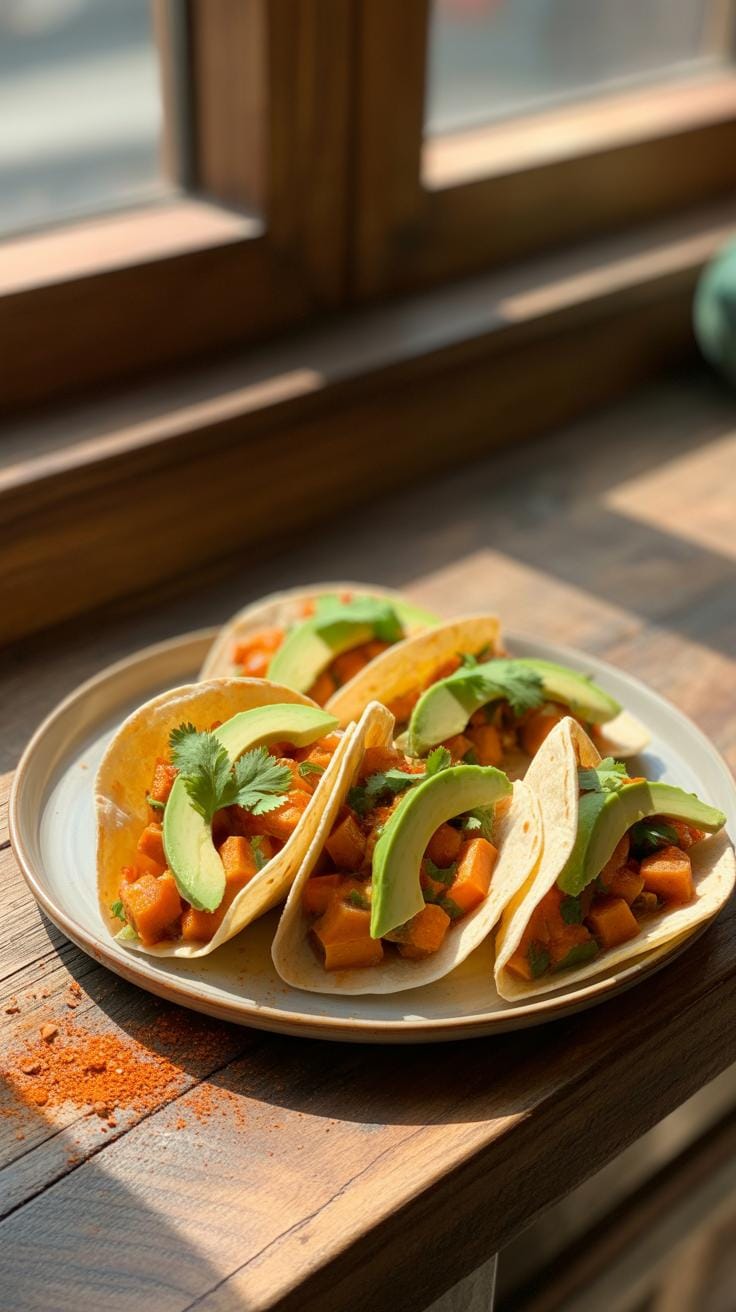
Making sweet potato tacos that are both tasty and nutritious isn’t that complicated, but it does take some thought. Start by choosing sweet potatoes that are firm and orange—those pack the best nutrients. When it comes to flavor, spices like cumin, smoked paprika, chili powder, and a touch of garlic powder can bring warmth without adding calories. Fresh herbs, maybe cilantro or a squeeze of lime, lift the taste without heavy sauces.
For tortillas, whole wheat or corn options usually have fewer calories and more fiber than flour. Smaller sizes help control portions too. Think about toppings that add crunch and freshness—diced onions, shredded lettuce, or even some avocado in moderation for healthy fats. Cheese is fine if used sparingly, but go easy to keep calories in check.
Roasting or grilling the sweet potatoes is the way to go. Roasting caramelizes their natural sugars while keeping more vitamins intact than boiling. You can toss cubed sweet potato with a small amount of olive oil and your spices, then roast at about 400°F until tender. Grilling works too if you slice them thin. These methods help maintain texture and flavor with minimal nutrient loss, which honestly makes a big difference.
Sweet Potato Tacos
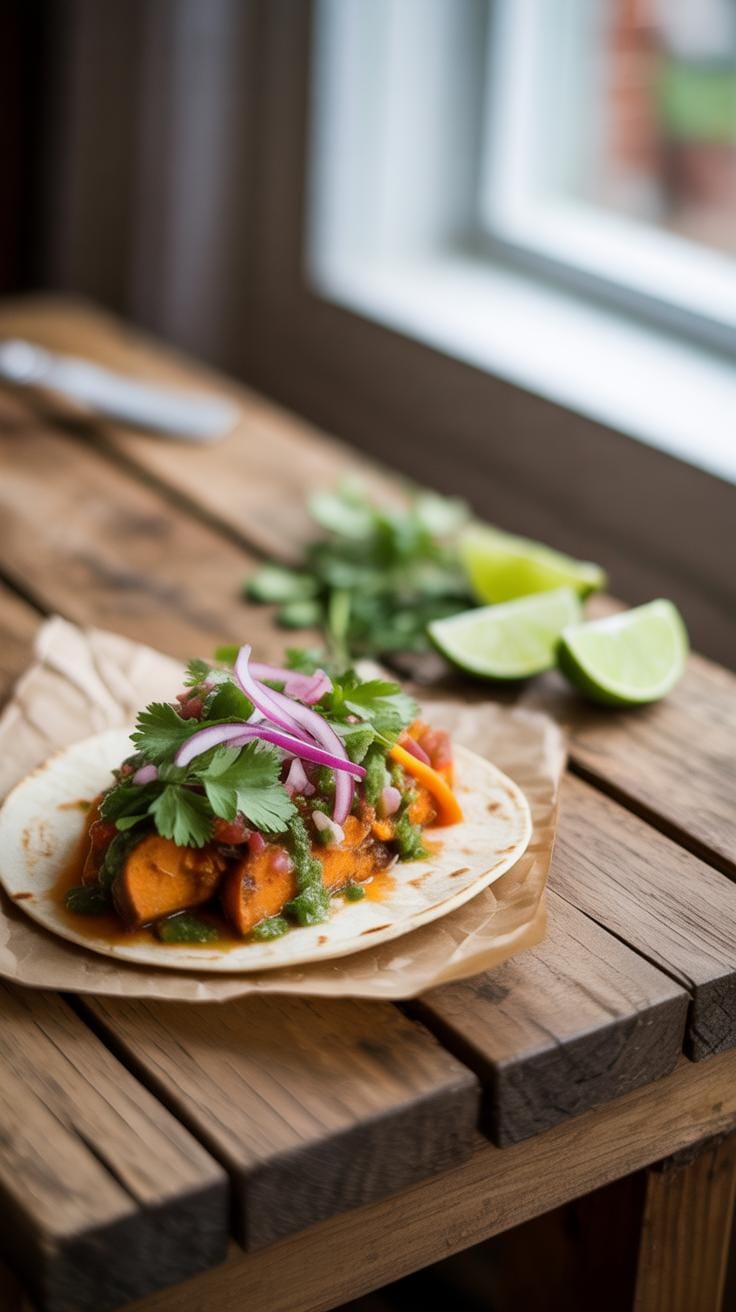
Sweet potato tacos offer a different kind of filling from the usual meats, and that changes both calories and nutrition quite a bit. Sweet potatoes bring natural sweetness, fiber, and a good dose of vitamins, especially vitamin A. A half-cup of cooked sweet potato has roughly 90 calories, which is generally less than most meat fillings.
Besides calories, sweet potatoes add a certain bulk and creaminess that can make your taco feel satisfying without piling on fats or saturated fats. Many people find this filling feels lighter but still filling, especially if you’re trying to avoid the heaviness that sometimes comes with beef or pork.
When you swap traditional meat for sweet potato, you’re also adding more complex carbs and fiber. This slows digestion and keeps blood sugar more stable—something that might matter if you’re watching your energy levels after meals. That said, sweet potato tacos can be less protein-dense unless you add beans, cheese, or another protein source.
One thing to consider: the way sweet potatoes are cooked for tacos matters. Roasting with a bit of oil will add calories, but steaming or boiling keeps them lower. Some recipes toss in spices or a glaze that might add sugar or fat, so watch for that if you want to keep it light.
Overall, sweet potato tacos can be a more nutrient-packed, lower-calorie choice, depending on how you build them. But, do they always satisfy the same craving that a meat taco does? That’s a question worth trying out yourself.
Sweet Potato Tacos
Sweet potato tacos stand out for their balance of nutrients and satisfying taste. Sweet potatoes bring a natural sweetness and a decent amount of fiber to the table, which helps with digestion and keeps you feeling full longer. They also pack vitamins like A and C, plus potassium, which supports heart health. This makes them a smart swap when you want to keep your meal nutrient-rich without overloading on calories.
But it’s not just about the sweet potatoes themselves. The whole taco assembly matters a lot. If you add black beans or corn, you bump up the fiber and protein, which is great. Toss in some fresh veggies like tomatoes, onions, or leafy greens, and you get vitamins and antioxidants that most traditional tacos might lack, especially if they lean heavily on meat and cheese.
Watch the toppings, though. Using too much cheese or sour cream can drive up saturated fat and calories pretty quickly. A simple salsa or avocado can give you creaminess and flavor without excess fat. I’ve found that avocado adds healthy fats while keeping the calorie count reasonable, but you might want to limit the amount if you’re counting every calorie. It’s a bit of a balancing act, really.
The tortilla choice also makes a difference. Corn tortillas generally have fewer calories and more fiber than flour ones, which works better with sweet potato tacos if you want a lighter option. But flour tortillas might feel more filling to some. So, which one do you pick? Maybe it depends on your goals for the meal or just your mood. There isn’t a definitive answer here.
Visualizing Nutrient Differences in Tacos
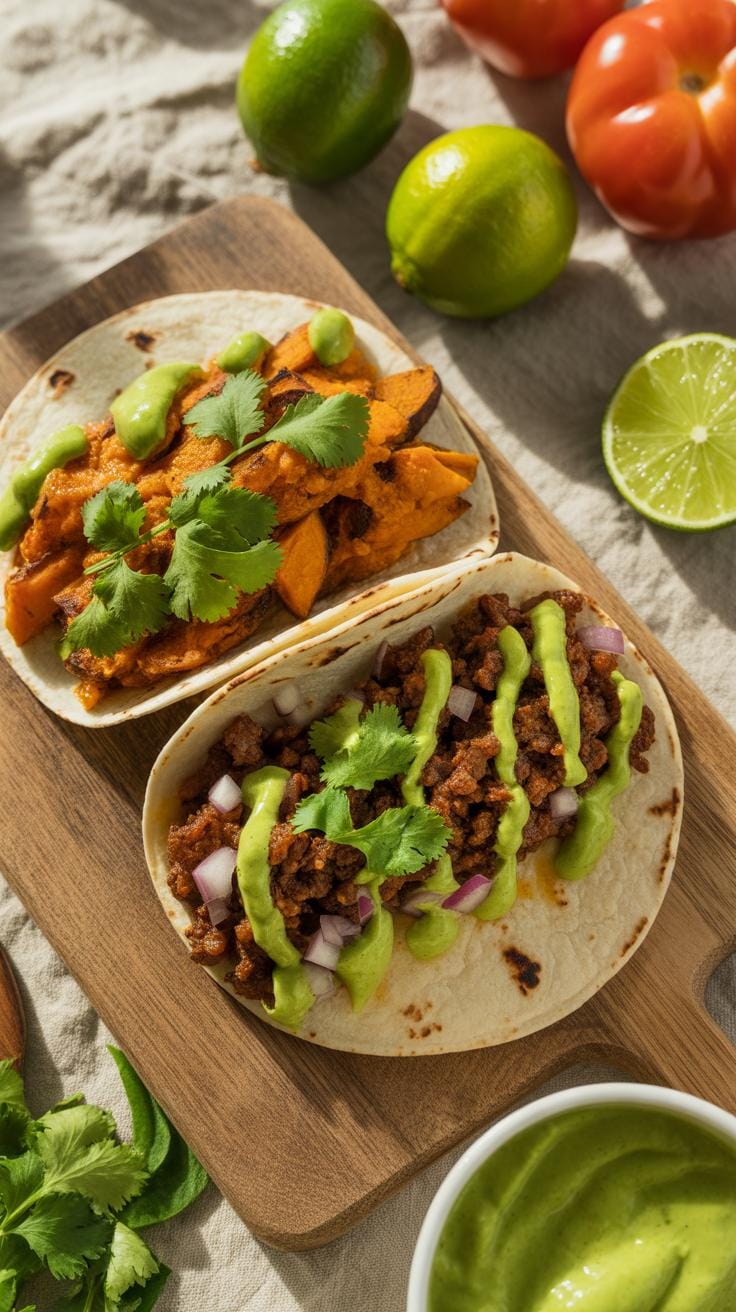
Looking at sweet potato tacos, the calorie count can vary quite a bit depending on what else you pile on. A basic sweet potato taco—roasted sweet potato chunks, a small corn tortilla, and some fresh salsa—usually clocks in around 200 to 250 calories. Compare that to a traditional ground beef taco, which often exceeds 300 calories, thanks to the meat’s fat content and added cheese or sour cream.
Here’s a simple side-by-side snapshot of typical values per taco:
- Sweet Potato Taco: ~220 calories, 4g protein, 35g carbs, 5g fiber, 3g fat
- Traditional Beef Taco: ~320 calories, 15g protein, 20g carbs, 2g fiber, 18g fat
The carbs in sweet potato tacos mostly come from the sweet potato itself, which also provides more fiber and natural sugars, giving it a subtly sweet flavor. The protein is lower, yes, but fats are usually lighter unless you add cheese or sour cream. This makes sweet potato tacos a cleaner choice if you’re watching fat intake or aiming to add more plant-based foods to your diet.
When checking nutrition labels for taco ingredients, focus on the serving size first—it sets the pace for everything else. Look for total calories, then compare fat types. Unsaturated fats are better, but often labels lump them together. Notice fiber content too; it tells you about how filling the taco might be. Salt is another biggie—some pre-made tortillas or mix-ins can spike sodium levels unexpectedly.
Thinking about these details might change how you fill your taco. Sweet potato tacos can feel lighter but still satisfy, and knowing what’s behind those numbers helps you personalize your meal without relying on guesswork.
When to Choose Sweet Potato Tacos
Sweet Potato Tacos for Dieting
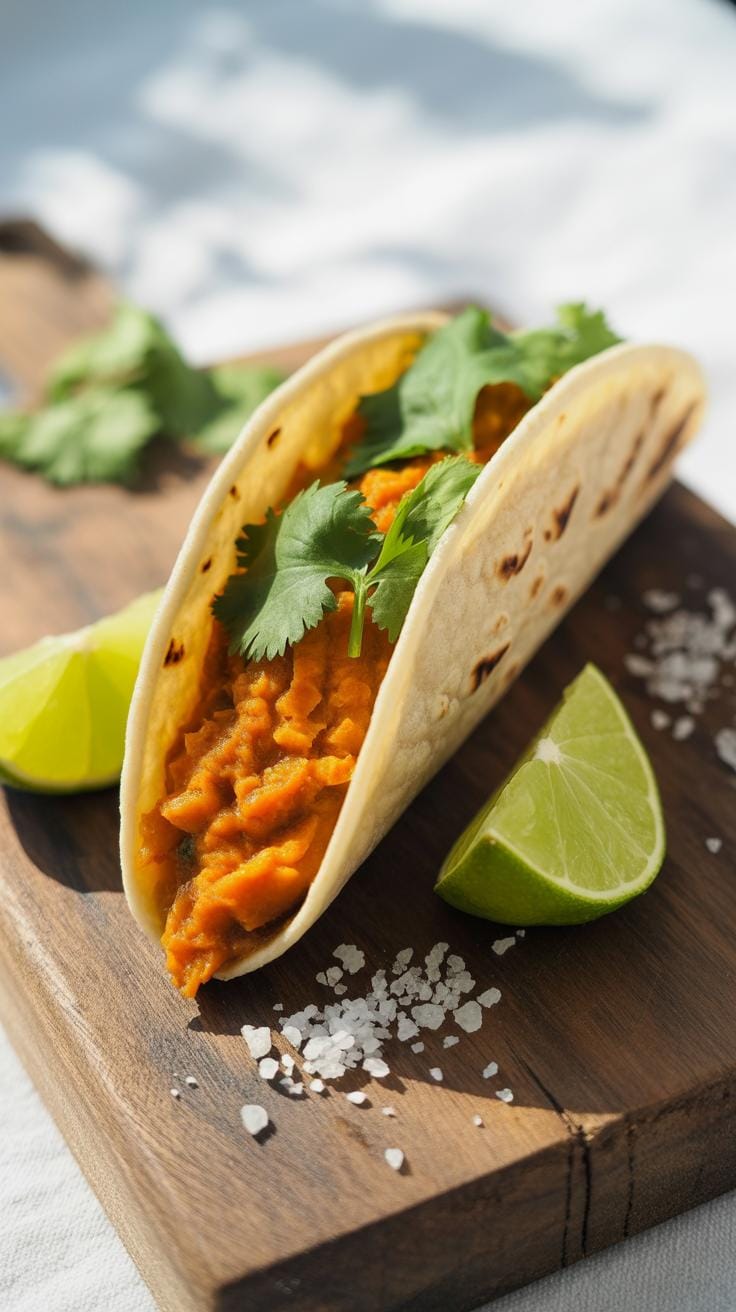
If you’re watching your calorie intake, sweet potato tacos can be a good option to consider. They generally offer fewer calories than traditional meat-based tacos, particularly if you skip heavy sauces or cheese. Sweet potatoes bring natural sweetness and bulk without the calorie load of fatty proteins. I’ve noticed meals with sweet potato tacos leave me feeling satisfied yet not overly full, which can be helpful when you want to avoid overeating. Plus, their fiber content slows digestion, keeping hunger at bay longer.
That said, they aren’t exactly calorie-free, so portion control still matters. For those on stricter calorie diets, balancing toppings and side dishes is key. Sweet potato tacos can fit into many diets—from moderate calorie reduction plans to flex diets where you simply aim for nutrient-dense food without excess.
Choosing Sweet Potato Tacos for Nutrient Boost
Sweet potatoes bring more than just flavor to your taco—they’re a solid source of vitamin A, which is crucial for eye health and immunity. If you find your diet lacking in this vitamin, or you’re aiming to increase your intake without supplements, sweet potato tacos might be the better choice.
Also, there’s fiber. Most traditional tacos don’t pack as much fiber unless you add beans or veggies, but sweet potatoes naturally up the fiber content. This helps digestion and can assist with blood sugar regulation. For someone wanting that nutrient boost without complicated meal prep, sweet potato tacos are a reliable, tasty way to get it.
So, when might you pick sweet potato tacos? Maybe it’s a day when you think, “I need something lighter or more wholesome.” Or if you want a meal that supports specific nutrition goals quietly but effectively. It’s less about what you avoid and more about what your body quietly thanks you for later.
Balancing Taste and Nutrition in Tacos
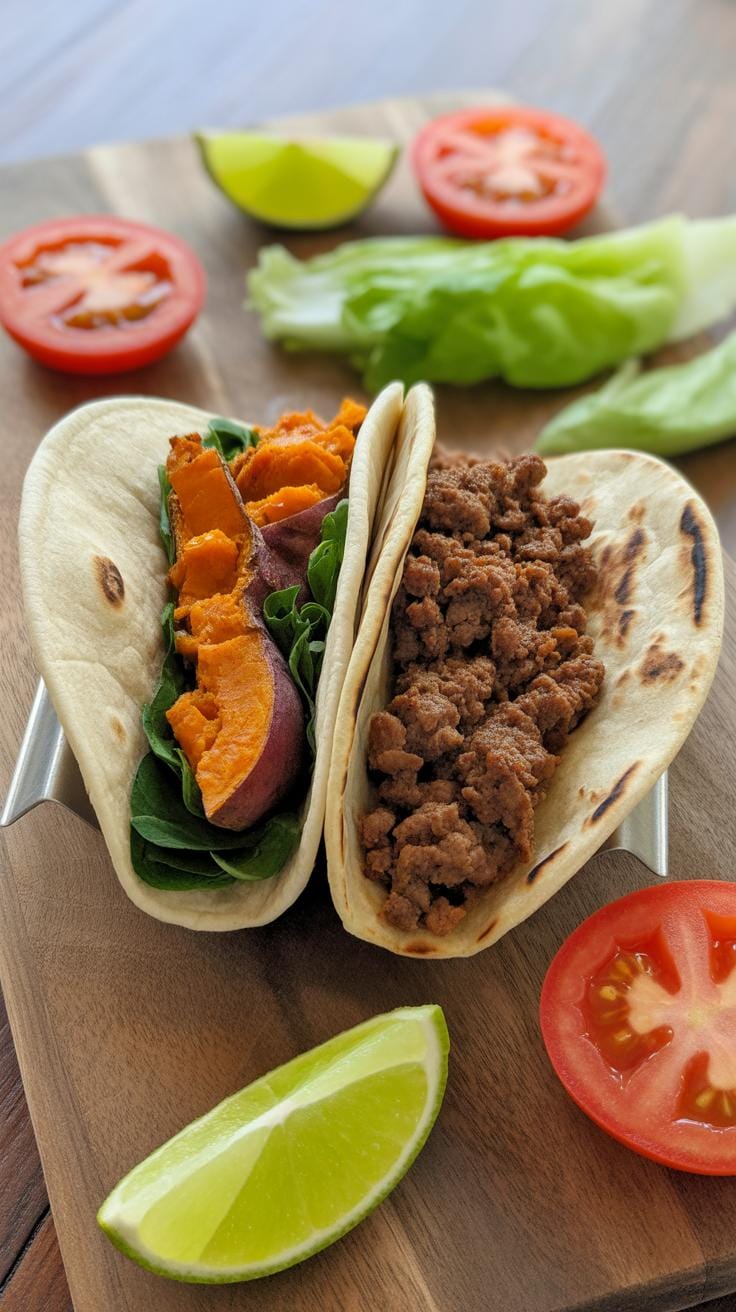
Sweet potato tacos offer a unique twist on traditional flavors, but keeping them both delicious and nutritious can be a bit tricky. You want that comforting, hearty feeling without overloading on calories or missing out on key nutrients. Luckily, sweet potatoes themselves are pretty forgiving—mild enough to pair with bold spices but filling enough that you don’t need to add heavy extras.
Spices that bring out the best in sweet potatoes include smoked paprika, cumin, and a pinch of chili powder. These give a subtle earthiness and warmth without overshadowing the natural sweetness. Adding fresh lime juice or a bit of chopped cilantro can brighten the whole taco experience, making each bite feel fresh and balanced.
When thinking about toppings, consider ingredients that add texture and contrast but not too many extra calories. For example:
- Diced red onion or pickled jalapeños for crunch and zing
- Light crumbles of feta or cotija cheese for a tangy touch
- A dollop of plain Greek yogurt instead of sour cream to boost protein
Sometimes, I catch myself piling on creamy sauces that mask the sweet potato’s flavor. It’s tempting, but it dilutes nutrition and mutates the taste. Instead, try roasting the sweet potatoes with a bit of olive oil and a squeeze of citrus to let their flavor shine through.
On the other hand, keeping traditional meat tacos lighter often means rethinking how the meat is prepared without losing that savory punch. Think lean meats, maybe turkey or chicken breast, cooked with plenty of spices and a touch of broth instead of oil. You can even bulk them out with mushrooms or lentils, which absorb flavors well and add texture.
Trimming the fat from ground beef or swapping in leaner cuts helps, but the real trick is seasoning. Garlic, onion powder, smoked paprika, and a little chipotle pepper can make lean meat taste just as satisfying as its higher-fat counterpart. You’ll want to experiment with seasoning blends. Maybe try marinating the meat briefly to punch up flavor rather than relying on salt or cheese.
Ultimately, balancing taste and nutrition in any taco feels like a small experiment every time. Are you willing to lose a bit of richness for a lighter bite? Or will you add more seasoning to keep all the depth without extra calories? Finding your own balance might be the most important part.
Conclusions
Sweet potato tacos provide a notable alternative to traditional tacos by offering lower calories and more fiber. Their vitamin-rich profile benefits digestion and overall health. They are a solid option if you want a filling but nutritious meal.
Traditional tacos contain higher protein due to meat fillings but often come with extra fats and sodium. Choosing between the two depends on your dietary focus—look for balance and prefer fresh ingredients to keep it healthy either way.