

Common Whole Food Diet Mistakes
A whole food diet focuses on eating foods in their natural, unprocessed form. This can include fruits, vegetables, grains, nuts, and unprocessed meats. Many choose this diet for its health benefits such as better nutrition, weight management, and increased energy. But sometimes, mistakes in following this diet can slow your progress or affect results.
These mistakes can range from misunderstanding what counts as whole food to not balancing your nutrients properly. This article will highlight common errors and help you avoid them so you can get the most out of your whole food diet.
Defining Whole Foods Simply

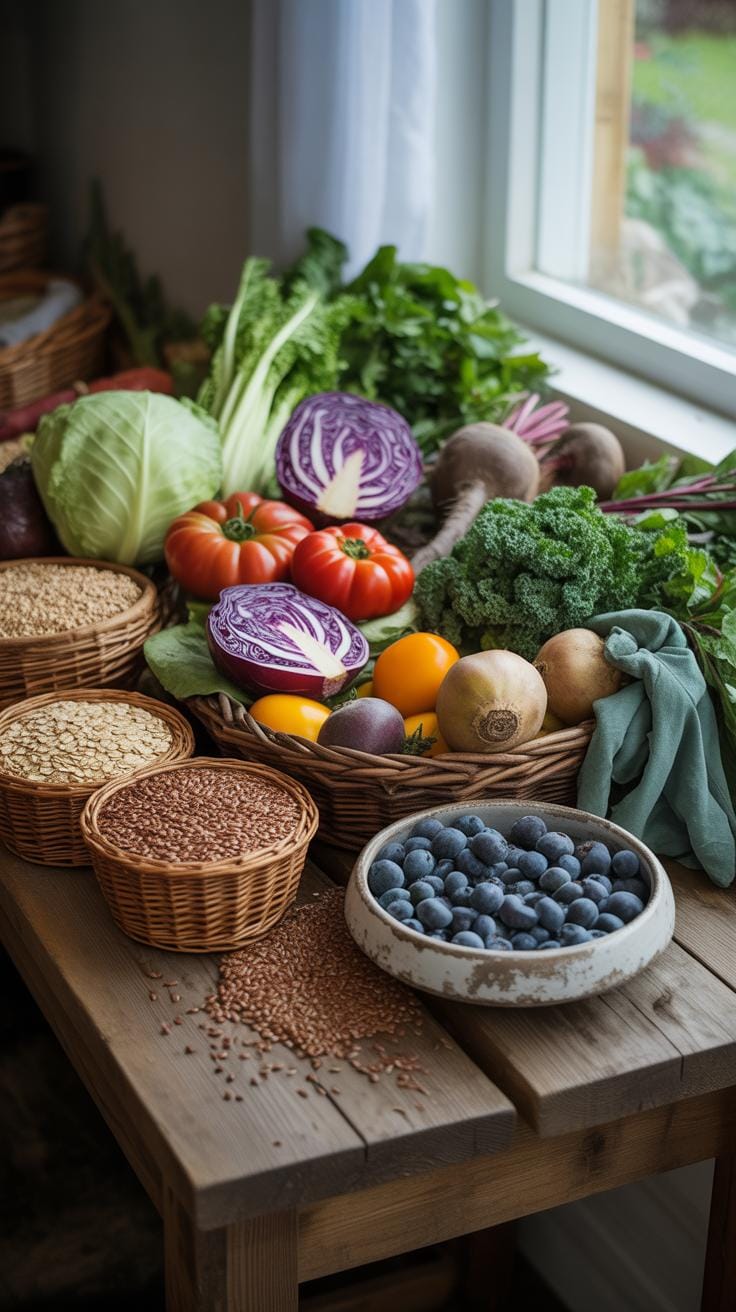
Whole foods are basically foods that stay close to their natural form. They haven’t been heavily processed or stripped of their original components. Think about a crisp apple you can bite into, or a handful of raw almonds—not roasted or salted, just plain nuts.

Examples include fruits, vegetables, whole grains like brown rice or oats, nuts, seeds, and unprocessed meats such as fresh chicken or fish without added preservatives. These foods usually don’t carry long ingredient lists or artificial additives.
Whole foods differ from “natural” foods, which can be a vague label sometimes used just for marketing. Not every natural product is whole—some natural ingredients might still be processed or altered. And of course, processed foods have undergone changes—maybe refined, canned, frozen with preservatives, or sweetened.
In short, whole foods try to keep things simple by avoiding unnecessary tampering. But it’s easy to confuse the terms or assumptions about them, which can trip up your progress.
Whole Foods Vs Processed Foods
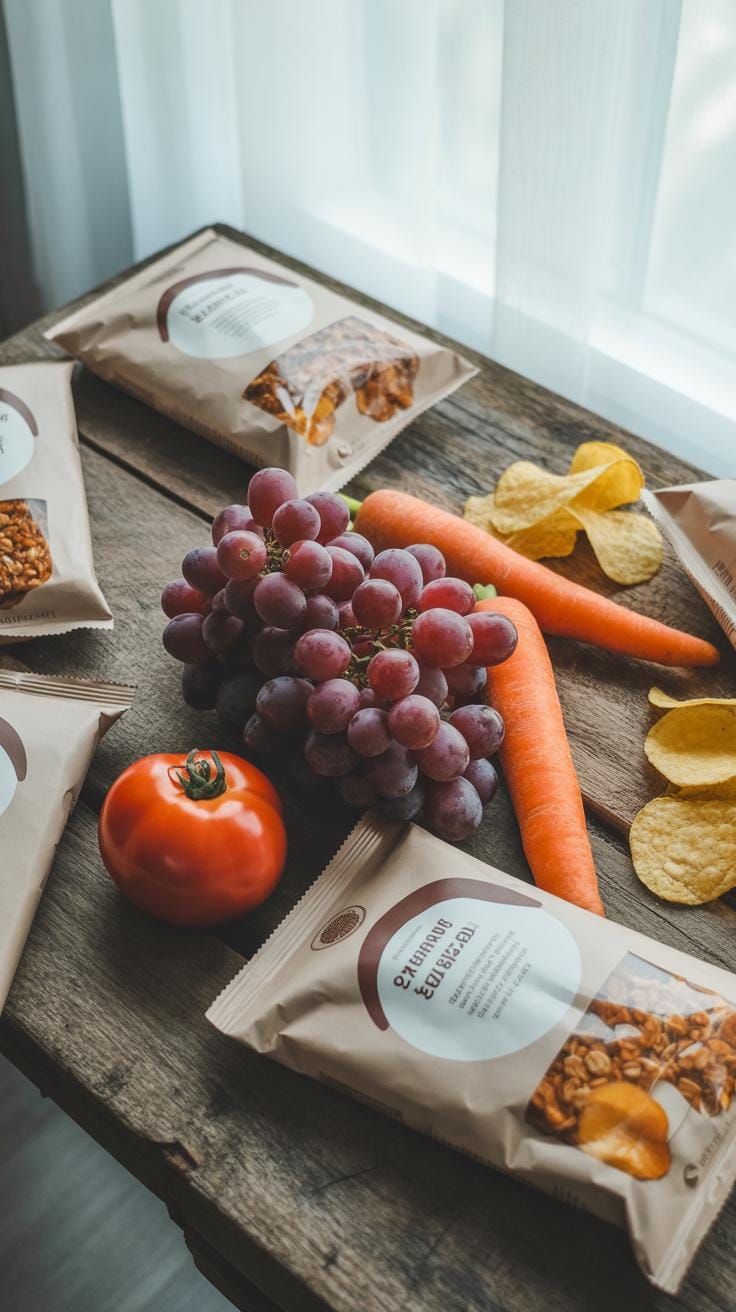
The difference between whole and processed foods can be seen in what they look like and how they affect you. For example, a raw carrot is whole, but carrot sticks with added salt and preservatives from a package are processed.
Whole foods still have their natural fiber, vitamins, and minerals intact. Processed foods often lose some of these nutrients during manufacturing, and sometimes they get new ingredients like sugar, salt, or unhealthy fats. That’s why whole foods usually feel more filling and tend to support health better.
Consider plain brown rice versus instant rice packets with flavoring powder. The former is whole; the latter, processed. The whole version takes more time to cook but gives you sustained energy without the artificial extras.
Things aren’t always black and white, though. Some processed foods might add back nutrients or remove things seen as harmful. Yet, keeping to mainly whole foods generally gives you a clearer idea of what you’re eating.
Foods That Seem Whole But Arent

Sometimes foods look like whole foods but aren’t really. For example, sliced bread sold as “whole wheat” might contain refined flour and additives even though it has some whole grain. Similarly, fruit juices can give an illusion of fruit but usually lack fiber and include added sugars.
Granola bars often get mistaken for whole, but many have processed ingredients, syrups, and preservatives. Even things labeled as “natural” protein powders or snack mixes can be far from whole.
How can you spot these? Look for ingredient lists: if there’s more than a few recognizable items, or added sugars, oils, or preservatives, it’s probably processed. Also, pay attention to packaging claims—it’s easy to be misled by words like “made with real fruit” or “all natural.”
It’s a bit frustrating, really, since the label can be misleading. But paying attention to these details helps you avoid stalling your progress.
Common Whole Food Diet Errors

Misreading Food Labels
You might think that anything labeled “natural” or “organic” is automatically a whole food, but that’s not always the case. These terms can be quite misleading. “Natural” often just means that the food doesn’t contain synthetic additives, but it can still be heavily processed or stripped of nutrients. For example, natural fruit juices without added sugars are still far removed from eating the whole fruit with fiber and skin. Organic cookies or snacks may use organic ingredients, but they’re still processed and usually high in sugar or fat. It’s easy to get caught up trusting these labels, but they don’t guarantee the food fits a whole food approach.
Ignoring Key Nutrients
People often focus too much on cutting carbs or fats, assuming that just eating plants solves everything. This can lead to missing out on essential proteins or healthy fats, which are crucial for satiety, muscle repair, and hormone balance. I’ve noticed many skip nuts, seeds, or avocados fearing fat will ruin progress. But balance matters. Vitamins need fat for absorption, and proteins help keep energy steady. Neglecting these can stall progress and leave you feeling tired or unsatisfied. It’s tempting to simplify meals, but overlooking nutrient variety makes the body work harder, not smarter.
Benefits Versus Challenges

Switching to a whole food diet can feel like a breath of fresh air. You might find your energy hitting new highs, digestion settling down, and maybe even watch a few pounds drop without much effort. These benefits are real and can be powerful motivators. But while the improvements are encouraging, they don’t erase the bumps along the way.
You know, the simple idea of eating whole, unprocessed foods sounds great on paper, but turning it into everyday habits often hangs up on details. Meal preparation eats up time; finding snacks that satisfy without triggering cravings can be tricky. Social outings become puzzles—do you bring your own food? Do you just eat less? These challenges quietly chip away at motivation.
It’s a tug-of-war between the visible health gains and the invisible hurdles. The benefits keep you hopeful. The challenges demand solutions, like planning ahead or reshaping expectations. Without addressing those obstacles directly, the best intentions might stall. So, how do you keep the wins growing while tackling the inevitable snags?
Health Gains Seen
The perks of a whole food diet often show up faster than people expect. You might notice:
- More consistent, higher energy levels throughout the day.
- Steady weight loss without feeling deprived.
- Improved digestion, with fewer bloating episodes and better regularity.
- Clearer mind and mood stabilization as blood sugar evens out.
- Reduced inflammation, which sometimes translates into less joint pain or clearer skin.
People talk about feeling lighter, but not just physically. It’s like your body stops fighting you. Sometimes, these changes spark new motivation to stick with the diet, proving the effort is worth it.
Diet Difficulties Explained
On the flip side, sticking to a whole food diet isn’t always straightforward. Here’s where many get tripped up:
- Meal prep can feel overwhelming when you don’t have practice or enough ideas for quick, varied dishes.
- Time management is a challenge—whole foods often require cooking from scratch rather than grabbing something fast.
- Cravings pop up. That sudden urge for something sugary or salty doesn’t vanish overnight.
- Social settings complicate things when you’re surrounded by less health-conscious options, or people question your choices.
These aren’t minor bumps. Sometimes they build up and test your willpower or make you reconsider if the diet is worth it. Asking yourself how you’ll handle these moments beforehand might save you some frustration. And maybe, just maybe, cutting yourself some slack when things don’t go perfectly helps maintain longer-term success.
Step by Step Whole Food Setup

Shopping Tips For Whole Foods
If you want to start a whole food diet without digging through endless aisles of processed options, focus on what’s fresh and simple. When you’re at the store, look out for foods that come with minimal packaging—this often means fewer additives or preservatives. Fresh produce, bulk bins with grains or nuts, and loose vegetables are usually good bets.
Try to choose fruits and veggies that look vibrant but aren’t overly perfect. Slight blemishes don’t mean they’re bad. Sometimes, they’re even tastier. Organic isn’t always necessary, but if you have the option and can afford it, maybe pick organic for the items you eat most often. Also, don’t hesitate to explore the local farmers’ markets if you have one nearby. The freshness can be noticeably better.
Meal Prep Basics
Setting aside a bit of time each week for meal prep can really pay off. You don’t need to spend hours organizing everything—some simple steps work well. For instance, chop veggies in bulk and keep them in clear containers in the fridge. It saves time and makes reaching for a healthy snack easier.
Cooking grains or legumes in larger batches means you already have a base for quick meals. Mix things up by adding different seasonings or combining various vegetables with the grains to avoid boredom. Try roasting, steaming, or light sautéing to keep meals balanced and flavorful. If you ever feel stuck, remember that preparing simple dishes doesn’t mean your food has to be dull. Change up the herbs, spices, or dressings to keep your palate interested and your habits sustainable.
Checklist To Avoid Pitfalls
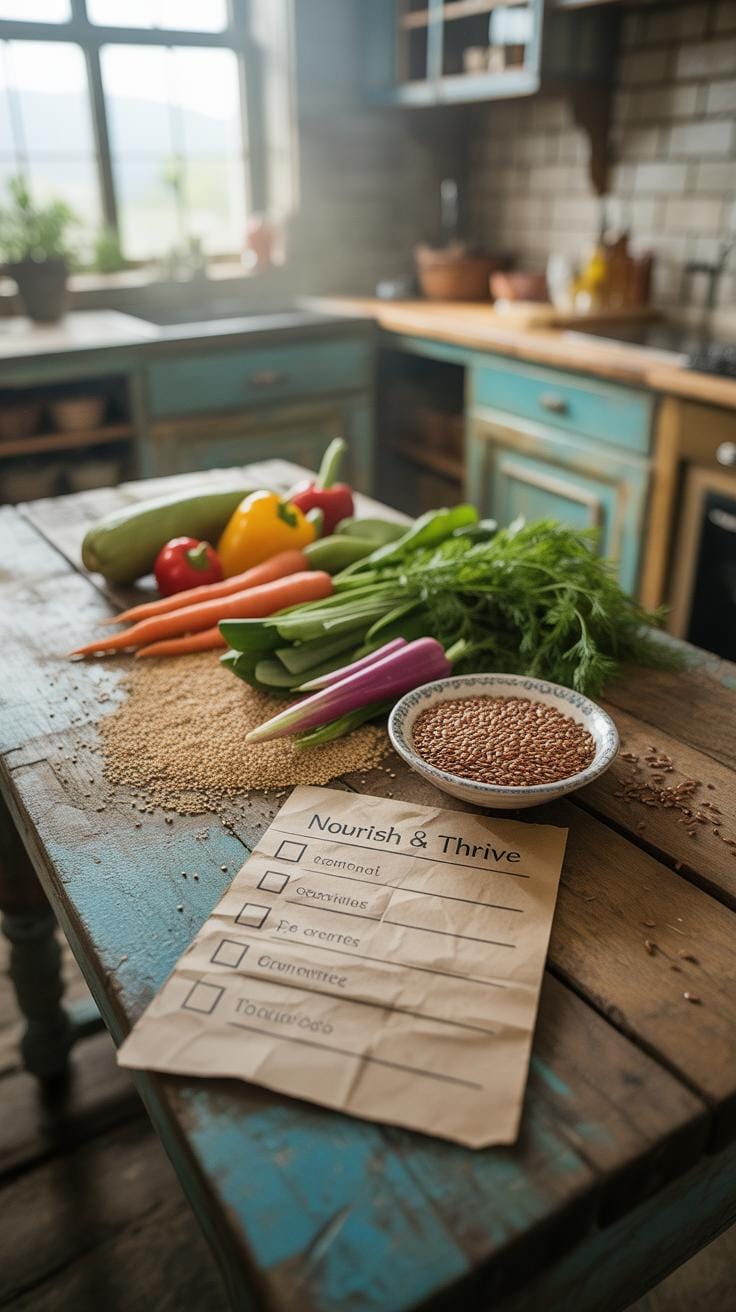
Let’s take a moment to check in on your whole food diet habits. Sometimes, progress stalls because small mistakes pile up unnoticed. This checklist will help you spot common slip-ups. Answer yes or no to each question, honestly.
Daily Food Choices
- Do most of the foods you eat come in an unprocessed or minimally processed state, like fresh vegetables, fruits, nuts, seeds, and whole grains?
- Are you avoiding foods that contain added sugars, artificial ingredients, or refined grains more often than not?
- Do you prepare most meals at home instead of relying on packaged or restaurant foods?
- Is your plate regularly balanced with a variety of plant-based foods, lean proteins, and healthy fats?
- Do you pay attention to portion sizes so you aren’t unintentionally overeating even the healthiest foods?
You might think choosing whole foods is straightforward, but sometimes frozen veggies with added sauces or commercial granola bars sneak past your good intentions. If you said no to a few, don’t stress. Just consider how you could tweak your meal routine. Small changes often matter more than perfect ones.
Nutrient Tracking
- Are you aware of the basic macros—carbs, fats, proteins—in your daily intake?
- Do you track micronutrients like iron, calcium, vitamin B12, and vitamin D, especially if you follow a plant-focused plan?
- Have you noticed signs of deficiency, such as fatigue or unusual cravings, that might suggest a nutrient gap?
- Do you use any tools—like apps, journals, or spreadsheets—to monitor and adjust your nutrient intake?
- Are you flexible enough to tweak your food choices when tracking reveals consistent shortages or excesses?
Nutrient tracking isn’t about obsession; it’s about awareness. Sometimes, people assume that if their diet looks “clean,” they’re covered—but nutritional gaps can still sneak in. I found that just tracking for a week helped me realize I wasn’t getting enough zinc. That small insight changed my meal planning and, after a while, my energy levels. Maybe you’ll spot something similar by asking yourself these questions.
Measuring Progress In Your Diet

Tracking progress on a whole food diet isn’t as straightforward as stepping on the scale every day. You want to look beyond the numbers and consider how your body feels overall. For example, pay close attention to your energy levels throughout the day. Do you find yourself dragging mid-afternoon or bouncing with steady vitality? Small shifts here can say a lot about how your body is responding.
Weight changes matter, but not always in the way you expect. You might maintain the same weight but notice your clothes fitting differently, or feel stronger and more balanced. Digestion is another key area: how often do you experience regular bowel movements? Any consistent bloating, gas, or discomfort might indicate that something’s off, even if other signs look good.
And then there’s mood—sometimes overlooked but critical. Are you more irritable or calmer than before? These subtle changes hint at how your whole food choices influence your nervous system and gut health. Tracking these together gives a fuller picture than any single metric.
Simple Metrics To Watch
Forget complicated charts or apps. Focus on these easy-to-check indicators:
- Energy: Notice how alert or sluggish you feel, especially midday and after meals.
- Weight: Track weekly rather than daily to avoid misleading fluctuations.
- Digestion: Observe bowel regularity and quality—are stools firm or loose?
- Mood: Reflect on your emotional baseline, stress levels, and general outlook.
Jotting a quick note once a day or few days might seem tedious but helps reveal patterns. It also stops you from jumping to conclusions based on one bad day.
Adjusting Based On Feedback
When progress stalls or symptoms flare up, pause and reconsider. It’s tempting to push harder, but sometimes it’s about fine-tuning, not overhauling. Ask yourself: are you eating enough variety or perhaps too much of one food group? For instance, excess fiber without enough water may cause bloating.
Think about cutting back or swapping certain items. Maybe add a gentle exercise routine or change meal timing. If digestion worsens after increasing raw veggies, try lightly cooking them first. Or if mood dips, consider if you’re getting enough fats or missing key nutrients.
Listen closely to your body’s feedback. Adjustments don’t need to be dramatic; small, thoughtful changes often move the needle better. If you feel stuck long-term, consulting a professional might clarify hidden issues. Your progress isn’t a straight line, and that’s okay.
Examples Of Balanced Whole Food Meals
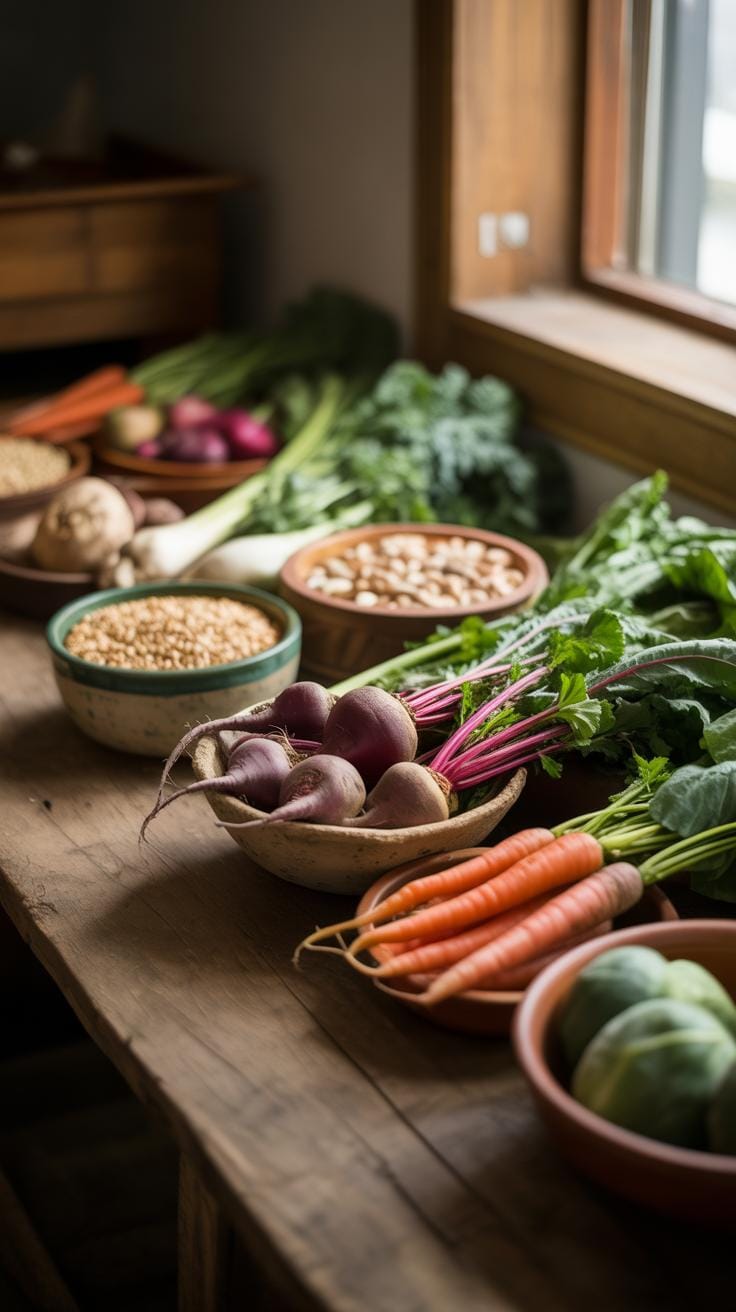
When trying to eat whole foods, it’s easy to focus too much on just fruits or veggies and forget the other nutrient groups. A balanced meal means bringing protein, fats, carbs, and fiber together—something that not everyone thinks about every time.
Breakfast Ideas
Start with something simple like:
- 1/2 cup cooked steel-cut oats (whole grain for slow carbs)
- 1 small banana or a handful of berries (fruit for natural sweetness, vitamins)
- 1 egg or 2 tablespoons of nut butter (protein and healthy fat)
- 1 teaspoon chia or flax seeds (extra omega-3 and fiber)
This combo keeps you full for a while without feeling heavy. I’ve sometimes swapped the nut butter for plain yogurt, which works, but then I miss that healthy fat texture.
Lunch and Dinner Examples
For lunch or dinner, think plates with good variety:
- Grilled chicken breast (about 4 ounces) with quinoa (¾ cup cooked), steamed broccoli, and a small avocado (about ¼ of the fruit)
- Or a large salad: mixed greens, ½ cup cooked chickpeas, 1 small sweet potato, cherry tomatoes, olive oil dressing (1 tablespoon), and a sprinkle of pumpkin seeds
- Another quick option: baked salmon (4 ounces), brown rice (½ cup cooked), sautéed spinach, and roasted carrots
These meals aren’t overcomplicated. They’re mostly foods you’d find in your fridge or local market. Balancing portions like this helps cover protein, carbs, fats, and fiber without overthinking it—although sometimes I catch myself wondering if I’m really eating enough or maybe too much.
Common Questions About Whole Food Diets

Handling Cravings
Cravings for processed foods can sneak up on you, even when you’re committed to a whole food diet. It’s normal to feel tempted by the convenience and flavors you used to enjoy. One approach that some people find helpful is to acknowledge the craving instead of ignoring it completely. Sometimes just naming it—“Okay, that’s a craving for something salty and crunchy”—can lessen its power.
Other times, swapping in whole food alternatives works better. For example, roasted chickpeas or raw nuts can mimic that salty crunch without compromising your diet. I’ve noticed that drinking water or going for a short walk helps too, though that’s not always the case for everyone.
Also, meal timing matters. When you’re too hungry, cravings hit harder. Eating enough protein and fiber can keep you fuller longer, which means cravings don’t take over so quickly. Still, cravings don’t disappear completely, and maybe that’s just part of the process.
Eating Out Tips
Choosing whole food options when eating out can feel tricky, especially at places that focus on processed or fast foods. One simple trick is to look for dishes that feature vegetables, lean proteins, and whole grains without heavy sauces or fried components.
It’s okay to ask the restaurant about how dishes are prepared. Most places accommodate requests like swapping fries for a salad or serving dressings on the side. From personal experience, bringing your own small container of olive oil or vinegar to dress a salad feels a bit odd, but it works.
Also, social events often revolve around plates full of processed snacks. Scanning the table for nuts, fruits, or vegetable sticks can make a big difference. If you’re unsure, eating a bit beforehand prevents hunger-driven choices. Still, sometimes you just have to go with what’s available and get back on track at your next meal.
Conclusions
Choosing whole foods can boost health and energy, but it’s not enough to simply eat unprocessed foods. Avoiding common mistakes like confusing ‘natural’ with whole, skipping key nutrients, or ignoring portion sizes is vital. Your body needs balance and variety for the best results.
Check your diet for these pitfalls. Adjusting your meals with clear goals and proper knowledge helps your whole food diet support your health goals. Stay informed, plan meals carefully, and track your progress to keep moving forward.