
Common Clean Eating Meal Plan Mistakes
Planning your meals is key to clean eating. But many make mistakes that can hurt their health goals. These errors can keep you from feeling your best and may cause you to quit your meal plan.
This article highlights avoidable clean eating meal plan mistakes. You will learn to spot errors, balance your meals, and keep on track easily. With these tips, you can eat clean without stress and still enjoy what you eat.
Common Mistakes in Meal Plans

When you’re trying to stick to clean eating, some meal planning mistakes can sneak in without much warning. One of the biggest slips is skipping meals altogether. Maybe you think it will help with calorie control or quicken weight loss. But skipping meals often backfires—it can drain your energy and slow down your metabolism. You might feel fine in the short term, but soon your body grabs whatever quick fuel it can find, which sometimes leads to overeating later or cravings for less healthy foods. It disrupts your rhythm and makes steady energy a challenge.

Another common error is overlooking the balance of nutrients. You might load up on veggies and fruits but forget protein or healthy fats. Or maybe your carbs all come from grains and you miss out on variety. Each meal should provide a mix that supports your body steadily, so ignoring any major nutrient group can leave you feeling off.
Then there’s the trap of processed foods marketed as clean or natural. You’ll find bars, snacks, and even frozen meals with “clean” labels that seem perfect on the surface but contain added sugars, preservatives, or hidden ingredients you wouldn’t expect. Just because something comes in a package labeled “natural” or “organic” doesn’t mean it fits with true clean eating. Reading labels carefully matters, even if the brand looks trustworthy.
How to Balance Your Meals
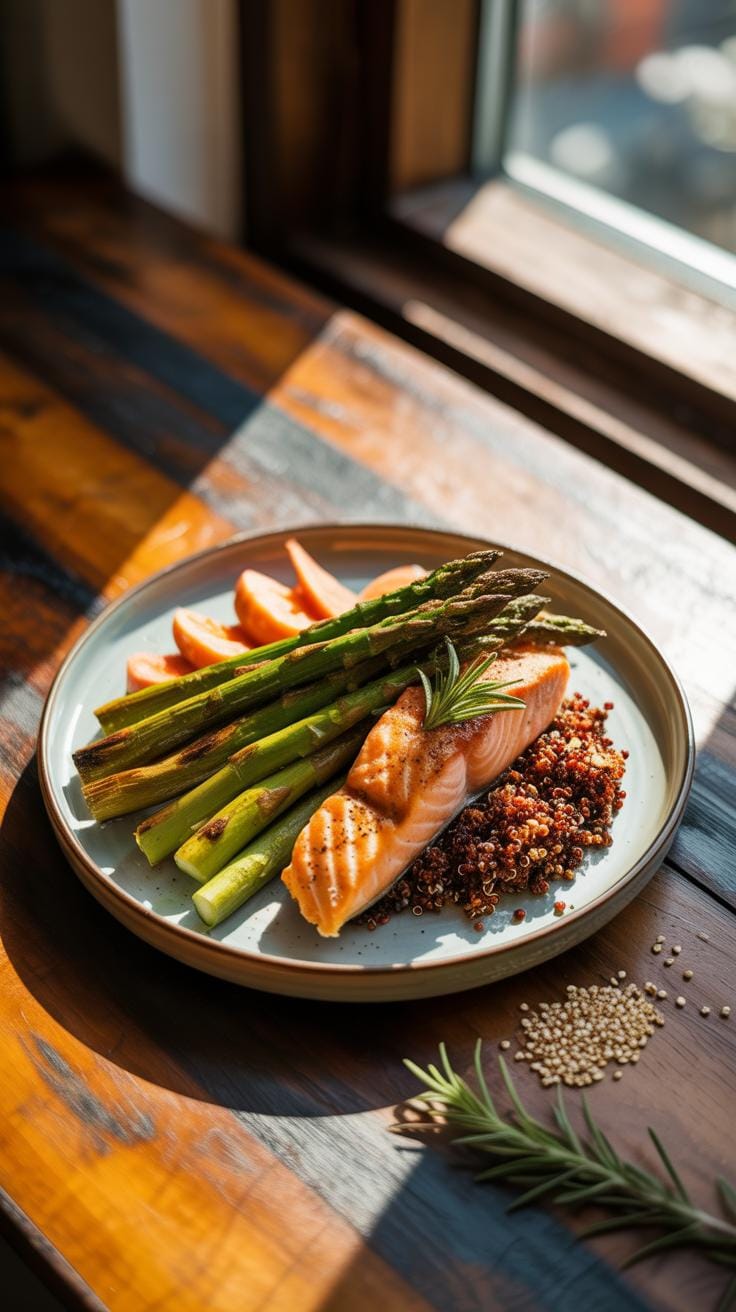
Balancing clean eating meals isn’t just about tossing together whatever looks healthy. It involves a bit of thought—making sure you get proteins, vegetables, healthy fats, and whole grains on your plate in the right amounts. Proteins provide the building blocks your body needs, and including them daily can keep your energy steady. Think chicken, tofu, beans, or fish, depending on your tastes. Vegetables bring fiber and an array of micronutrients, but try to mix colors and types to cover a broad spectrum.
Don’t overlook healthy fats. These fats help your body absorb vitamins and keep you feeling full longer. Nuts, seeds, avocado, or olive oil are good options. Whole grains, meanwhile, give you sustained energy. Brown rice, quinoa, or whole wheat pasta add bulk and slow down digestion.
One trick is to ask yourself if your plate looks varied enough. Too often, I see plates heavy on just carbs or just protein. A balanced meal might feel more like a collage, not a single food item.
Include All Nutrient Groups Daily
Eating all nutrient groups every day isn’t just a rigid rule. It’s more about giving your body what it usually misses if you repeat the same meals. Nutrients like vitamins, minerals, protein, fats, and carbohydrates each play different roles:
- Proteins repair and build tissues.
- Vegetables supply fiber and vitamins that support your immune system.
- Healthy fats support brain function and hormone production.
- Whole grains provide steady energy and help digestion.
Skipping any group can make your meals less satisfying or leave you short on essential elements. But on the other hand, some days you might overdo one group. It’s a bit of a dance to find what feels right for your body without stressing over each bite.
Tips for Easy Meal Prep
Meal prepping can feel time-consuming upfront but saves hours later. Start small by choosing a day—somewhere like Sunday or Wednesday—and cook base ingredients in bulk. Roast a tray of mixed veggies, cook a batch of grains, and prepare a protein source.
- Keep pre-cut vegetables in the fridge for quick salads or stir-fries.
- Use airtight containers to portion balanced meals for different days.
- Mix and match ingredients throughout the week to avoid monotony.
- Consider simple flavorings like lemon, garlic, or herbs instead of complicated sauces.
Honestly, meal prep isn’t perfect every time. Sometimes you forget an ingredient or get tired of leftovers, but having most of the work done helps you stick closer to your clean eating goals. What small change could you try tomorrow to make your meal prep a bit easier?
Compare Clean Eating vs Extreme Cuts

Risks of Cutting Entire Food Groups
When people try to reach their clean eating goals, some swing toward extreme diets that remove entire food groups—like cutting out dairy, grains, or legumes completely. At first, it might seem logical: fewer foods, fewer “bad” ingredients. But that’s where things get tricky. Removing a whole category without proper guidance can backfire. Your body relies on those nutrients. For example, ditching dairy might mean missing out on calcium and vitamin D, which are crucial for bone health, especially if you don’t find a good alternative. Skipping grains can lead to less fiber and certain B vitamins in your diet, which affects digestion and energy.*
Some folks assume that cutting these groups automatically speeds up results. Yet, this mindset can lead to nutrient gaps, increased fatigue, or even mood swings. It’s not just about missing out on vitamins; your gut health may suffer when fiber sources disappear. Plus, there’s a social and psychological toll. Ever felt isolated because you had to say no to common foods at gatherings? It’s real and often overlooked.
Benefits of a Balanced Approach
On the other hand, a balanced clean eating plan tends to embrace variety. That means including different vegetables, fruits, lean proteins, whole grains, and yes, dairy or dairy alternatives if you tolerate them. You might think, “But won’t that slow down progress?” Maybe, but it also helps you stay energized, recover better, and keep cravings in check.
Including a mix of foods supports overall wellbeing—not just weight or appearance. You get more stable blood sugar levels, better digestion, and a wider range of nutrients. Plus, variety can make your meals more enjoyable, which encourages consistency over time. When I switched from an extreme cut to a balanced clean eating plan, I noticed my energy wasn’t dipping mid-afternoon like before, and meals felt less like a chore.
So, rather than focusing strictly on what to cut, think about what to include. Balancing your plate with diverse whole foods can feel less restrictive and more sustainable in the long run. Isn’t it better to eat well and feel good than to chase quick fixes that don’t last?
Checklist for Meal Plan Success

Daily Meal Plan Checklist
When creating your clean eating meal plan, there are a few key points you want to check every day. First, look for variety—are you including different food groups rather than relying on the same ingredients repeatedly? A spinach salad every day might be healthy but can become dull and might miss certain nutrients. Next, focus on nutrients: does your plan have a balance of protein, healthy fats, complex carbs, and plenty of fiber? Without this, energy levels might dip or cravings creep in.
Also, watch out for potential pitfalls like too much processed food, hidden sugars, or excessive snacking that often ruins clean eating efforts. Try to include whole foods and fresh produce whenever possible. If you struggle with that, perhaps adding frozen fruits and veggies can help keep some diversity without the hassle. A simple daily checklist might look like this:
- Did I include at least three food groups in today’s meals?
- Have I included lean proteins and healthy fats?
- Are added sugars and processed items minimized?
- Did I drink enough water?
- Is there some form of fresh or frozen vegetables or fruits?
- Did I avoid skipping meals or excessive snacking?
Adjusting Your Plan When Needed
Sometimes, a meal plan just doesn’t fit your lifestyle or your body’s response, and that’s okay. It takes some trial and error. If you feel sluggish, hungry too often, or bored, it might be time to rethink your plan. Maybe your meals lack enough protein or fiber to keep you full. Or perhaps the timing of your meals doesn’t match your daily routine. You might want to swap ingredients to better suit your tastes or energy needs.
Don’t hesitate to make changes midweek—meal planning isn’t set in stone. If something feels off, ask yourself: am I enjoying the food? Am I satisfied? Am I seeing any progress toward my goals? Small tweaks, like adding nuts for extra fat or switching veggies for more color, can make a real difference. Keep notes on what works and what doesn’t. Your plan should serve you, not the other way around.
Example Day Meal Plan

Let’s consider a practical day of eating that really supports clean eating without falling into some classic meal plan traps. For breakfast, imagine a bowl of overnight oats prepared with rolled oats, unsweetened almond milk, chia seeds, and fresh berries. This offers fiber, protein, and antioxidants without added sugars. It might seem simple, but that balance keeps you full and energized.
Lunch could be a quinoa salad tossed with mixed greens, cherry tomatoes, cucumbers, grilled chicken, and a drizzle of olive oil and lemon juice. This mixes lean protein, whole grains, and plenty of veggies, which helps avoid the pitfall of skipping carbs or protein.
Dinner might consist of baked salmon, roasted sweet potatoes, and steamed broccoli. This combo ensures healthy fats, complex carbs, and fiber-rich vegetables—no over-processed sauces or heavy dressings.
Balanced Meals for Energy
What you want are meals that provide steady energy throughout the day. Each meal should include:
- Protein: like chicken, fish, eggs, or beans to support muscle and satiety.
- Whole grains or starchy vegetables: like quinoa, brown rice, or sweet potatoes for sustained fuel.
- Healthy fats: think olive oil, nuts, or avocado to help absorb nutrients and stay full longer.
- Vegetables or fruits: for vitamins, minerals, and fiber that keep digestion working smoothly.
Mixing these elements looks straightforward but sometimes people overdo one part and neglect others. Could that be why your energy dips mid-afternoon?
Healthy Snack Ideas
For snacks that genuinely satisfy and don’t derail clean eating, options like a small handful of almonds paired with a crisp apple or Greek yogurt with sliced cucumbers work well. These offer a smart blend of protein, fats, and fiber without empty calories.
Other times, try carrot sticks with hummus or a boiled egg with cherry tomatoes. You might think these are “too plain,” but they actually keep your blood sugar steady and prevent overeating later—a subtle but important point often missed.
Would you reach for something healthier if you prepped snacks in advance? Usually, that little planning help makes a big difference. Just don’t overcomplicate it—simple works best when you want to stay consistent.
Tools to Track Food Intake

When it comes to sticking with clean eating, having a way to track what you eat can make a surprising difference. You might think you remember what you had for breakfast, lunch, and dinner, but the details often blur together, and those hidden snacks or unplanned bites tend to sneak in unnoticed.
Using a simple food journal or log can help you see patterns you otherwise miss. Jotting down meals and snacks forces a bit of mindfulness—it slows you down and lets you consider if your choices fit your goals. Some prefer pen and paper for this, which adds a tangible element that’s harder to ignore. Others lean toward apps, which can be quicker and sometimes more informative.
Tracking tools range widely:
- Basic handwritten food journals, where you note everything you eat along with portions
- Apps that allow photo logging, so you snap your meal and record details later
- Simple digital logs that help you plan meals ahead and adjust on the fly
Even if it feels a bit tedious, this kind of tracking can clarify what’s really happening with your food. After all, keeping goals clear means knowing exactly where you might be slipping, which is easier with daily records.
Benefits of Tracking
Tracking your food intake shines a light on mistakes you may not realize you’re making. For example, you might plan a clean, wholesome dinner but fill the afternoon with processed snacks without much thought. By writing it down or logging it, you become accountable to yourself.
It also keeps you aware of portion sizes and nutritional balance. Sometimes, it isn’t the choice itself but the quantity that derails progress. I’ve found that when I tracked regularly—even just for a week—I caught how often I underestimated carbs or overlooked hidden sugars.
Plus, it reduces guesswork. Knowing your intake helps keep your goals precise and manageable. It reminds you why you started this in the first place and offers motivation when tracking shows you progress over time.
Top Apps for Clean Eating Tracking
If you prefer digital tools, a few apps stand out for their focus on simplicity and clean eating principles:
- MyFitnessPal: Though broad, it allows custom meal entries and barcode scanning, making it easier to choose whole foods over processed ones.
- Eat This Much: A neat option for meal planning tailored to dietary goals, helping you avoid last-minute poor choices.
- Lose It!: Straightforward calorie counting with a friendly interface and support for tracking macros, which fits well with clean eating’s emphasis on balance.
- FoodPrint: Focuses on habit tracking with a food journal that nudges you toward mindful, healthier choices rather than just calories.
Each app has its quirks—sometimes they feel more complex than necessary. But trying one out might be worthwhile to see what fits your style best. The key is consistency; even the best tools don’t help if they end up abandoned.
Common Pitfalls and How to Fix Them
When following a clean eating meal plan, a few recurring obstacles tend to trip people up. One big one? Feeling overwhelmed by constant cravings. I’ve been there—when your brain screams for a quick sugar hit, sticking rigidly to whole foods can feel nearly impossible. But giving in doesn’t have to mean abandoning clean eating altogether.
Try these to handle those cravings without derailing your plan:
- Reach for naturally sweet options like fresh fruit or a small handful of nuts with dried fruit.
- Keep hydrated—sometimes thirst masquerades as hunger, making cravings worse.
- Distract yourself for 10 minutes: go for a walk, read, or call a friend; cravings often fade quicker than you expect.
- Allow for occasional treats with clean-friendly ingredients, so you don’t feel deprived.
Another common problem is unknowingly missing key nutrients. Fatigue, brittle nails, or trouble concentrating might signal a gap in your diet. For instance, inadequate iron or vitamin B12 can cause wide-ranging issues. Adding simple choices like leafy greens, beans, seeds, or even a multivitamin can bridge these gaps.
Ask yourself: does your meal plan actually cover all food groups? If not, tweak it. I once ignored omega-3s until I read about their role and added chia seeds; it made a difference.
Fixing these problems means being honest about what your body needs, and accepting that clean eating isn’t about perfection but balance. How do you handle your cravings or nutrient worries?
Why Clean Eating Matters
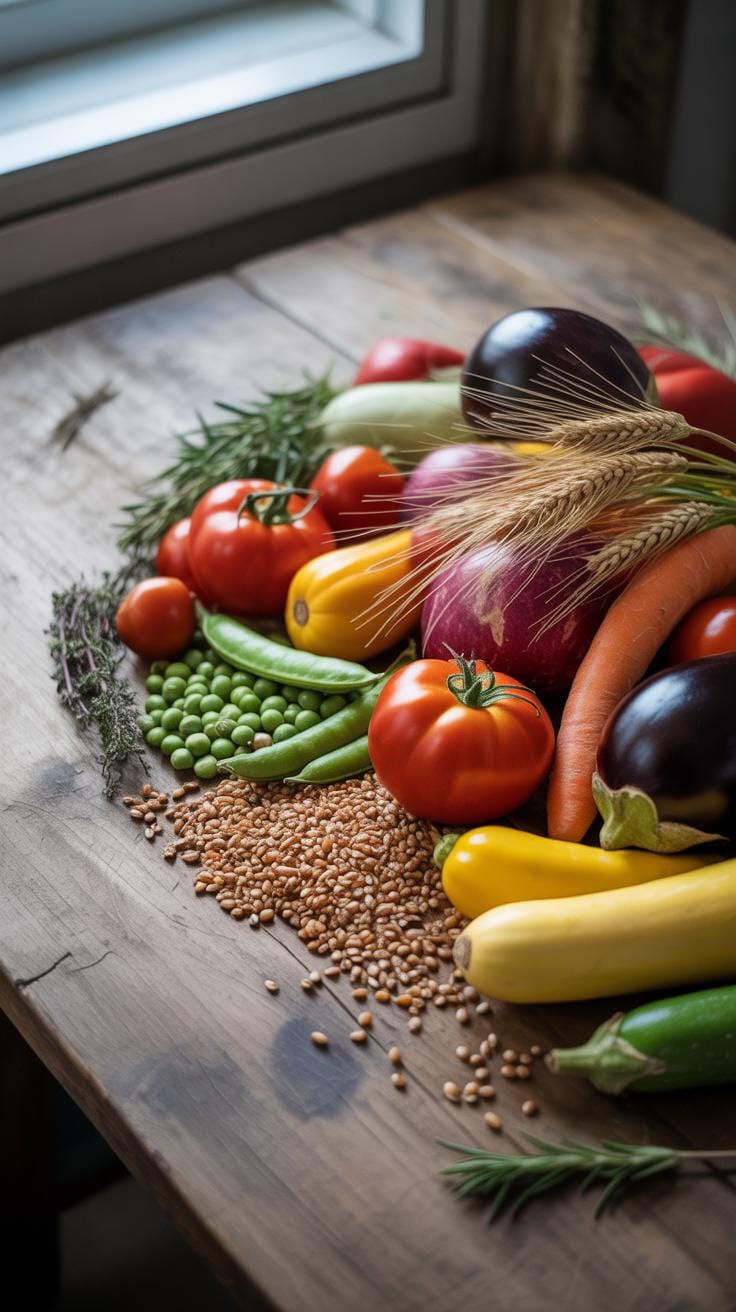
When you focus on clean eating, you’re feeding your body in a way that supports how it’s supposed to work. Whole foods provide nutrients that go beyond just filling you up—they actually help your organs function properly and keep your immune system strong. Think about fresh vegetables, fruits, nuts, and lean proteins—they deliver vitamins, minerals, and fiber that processed foods often lack. These contribute to better digestion, clearer skin, and even lower inflammation, which, over time, can protect you from chronic diseases.
Your mood and energy are also tied closely to what you eat. You might notice that after eating sugary or heavily processed meals, your energy spikes then crashes, leaving you exhausted or irritable. Clean eating helps avoid those rollercoaster effects. Meals rich in whole foods often release energy slowly, keeping you more balanced throughout the day. This steady fuel can help you stay focused, calm, and maybe even a little happier—though I suppose that depends on the day.
It’s interesting how just a simple change in what you put on your plate can ripple through your daily life. How many times have you felt drained mid-afternoon only to realize you didn’t eat anything substantial for hours? Clean eating isn’t just about strict rules; it’s about understanding how food impacts how you feel. When done right, it can make a noticeable difference in your health and mood.
Conclusions
Clean eating works best when you plan balanced meals and avoid common mistakes. Do not cut out important foods that your body needs. Remember, your diet should feel good and be simple to follow.
Keep an eye on your meal plan and make changes as you learn what works for you. Doing this helps you stay healthy and meet your clean eating goals. Use this guide to plan better meals and enjoy cleaner eating every day.