

Common Clean Eating Mistakes
Clean eating encourages consuming whole foods and reducing processed foods to improve health and fitness. It focuses on eating fresh fruits, vegetables, proteins, and whole grains, avoiding added sugars and artificial ingredients. However, many people make mistakes when following clean eating that can actually harm their progress and health goals.
This article examines common clean eating mistakes that can sabotage your health and fitness goals. You’ll learn what to watch out for and how to follow clean eating in a balanced way to support your well-being and fitness journey.
Recognizing OverRestriction Issues


When you cut out too many foods in the name of clean eating, it’s easy to miss important nutrients your body needs. Say someone decides to avoid all dairy products because they think it’s cleaner or healthier. They might not realize that dairy provides a significant source of calcium and vitamin D—both crucial for bone health and muscle function. Without these, you could face issues like weakened bones or muscle cramps over time.

Or take grains, for example. Some people completely ditch all grains, thinking gluten or carbs are harmful. But grains, especially whole grains, supply fiber, B vitamins, and minerals like iron and magnesium. Not having enough of these can lead to fatigue, digestive issues, or even anemia. You might feel better at first, but then unexpected health setbacks appear.
It gets tricky because you often think you’re being healthier, but the extreme avoidance ends up backfiring. Have you ever felt drained after cutting out an entire food group? That might be why. Balance can easily slip away when “clean” eating turns into strict elimination.
Consequences of Cutting Out Major Food Groups
Eliminating entire categories like dairy or grains may seem straightforward, but the nutritional gaps add up faster than you expect. Without dairy, calcium intake tends to drop. This can quietly impact bone density over months or years.
Throwing out all grains means missing fiber, which is essential for good digestion. This often leads to constipation, low energy, and even mood shifts since gut health is linked to the brain.
Missing B vitamins, iron, and magnesium from grains can result in tiredness and poor concentration. People sometimes blame stress or lack of sleep, but diet could be the real culprit.
Iron deficiency, for instance, can develop slowly, and you might not associate it directly with food choices until it becomes noticeable through persistent fatigue or paleness.
Balancing Restriction with Nutritional Needs
You don’t have to eliminate entire food groups to clean up your diet. It’s possible to restrict processed foods without losing the nutrients your body depends on.
Try focusing on quality rather than exclusion. For example:
- Swap processed dairy for less processed options like yogurt or hard cheeses, instead of cutting dairy out completely.
- Choose whole grains over refined grains. Instead of avoiding grains, pick brown rice, quinoa, or oats that still offer nutrients and fiber.
- Incorporate a variety of foods from all groups, aiming for balance instead of perfection.
Cleaning up your diet should feel sustainable. If you notice energy dips or stubborn health issues, ask yourself if too much restriction might be the cause. Sometimes, easing up a little can actually move you forward.
Skipping Meals and Calories
Many people trying to “eat clean” think skipping meals or drastically cutting calories helps them lose weight faster. This is a mistake that can backfire more than you expect. When you don’t eat enough, your energy plummets. You feel sluggish, irritable, and struggle to stay focused during workouts or daily tasks. I’ve seen this firsthand—when I tried skipping lunch, my afternoon collapsed into a foggy mess.
Skipping meals can create a cycle where low energy turns into overeating later, or worse, your body starts breaking down muscle instead of fat. The fitness progress you hoped for stalls, sometimes for weeks, and you might even gain fat back due to a slowed metabolism.
Effects of Low-Calorie Intake on Body and Mind
Cutting calories too far doesn’t just slow your metabolism; it messes with your brain’s function. You might notice difficulty concentrating, mood swings, or fatigue that sleep alone won’t fix. Your body senses the shortage and goes into conservation mode. That means burning fewer calories at rest, which is the opposite of what you want when trying to lose fat.
Fat loss can stall, and sometimes the scale might even creep up despite eating less. It’s confusing, frustrating, and honestly, it makes clean eating feel futile. Your body isn’t just a machine where you flip a simple switch—it’s responsive and sometimes contradictory.
Strategies to Maintain Adequate Energy Intake
How can you avoid this without abandoning clean eating? Try these practical steps:
- Eat balanced meals with a mix of protein, fats, and carbs to keep energy steady.
- Don’t let more than 4–5 hours pass without eating something nourishing.
- Include snacks that offer nutrients, like nuts or yogurt, if your schedule is tight.
- Listen to your body; hunger is a signal, not an inconvenience to ignore.
- Track your intake loosely for a few days to spot any calorie gaps.
- Remember, quality matters, but quantity does too—clean doesn’t mean minimal.
Sometimes, you might need to eat a little more to support workouts and recovery, even if that feels like “cheating” the rules you set yourself. Interestingly, this often speeds things up rather than slows progress.
Confusing Clean with Low Fat
Many people believe clean eating means cutting out fat entirely or sticking to very low-fat options. But that’s a common misunderstanding that can actually hurt your progress. Fat isn’t the enemy here. In fact, healthy fats are crucial to feeling satisfied after meals and supporting your body’s functions.
Healthy fats provide steady energy that carbs alone can’t always offer. They also play a major role in brain health — your brain is almost 60% fat, after all. Skimping on fats can leave you feeling foggy or drained, even when you’re eating perfectly “clean.” Hormone balance too depends on fats. Without enough, your body might struggle to regulate stress, mood, or metabolism.
So, clean eating isn’t about dialing fat down to zero. It’s about knowing which fats to welcome and which to avoid. That makes a big difference in how you feel and perform.
Role of Healthy Fats in Clean Eating
Not all fats are created equal, and clean eating focuses on the good ones. These fats help:
- Fuel sustained energy without spikes or crashes
- Support brain functions like memory and focus
- Maintain hormone health, which affects everything from sleep to appetite
- Promote cell structure and nutrient absorption
The key types are monounsaturated and polyunsaturated fats. These fats aren’t just “okay,” they’re essential. You might have heard about omega-3s — those are polyunsaturated fats linked to heart and brain benefits. Saturated fats, though often feared, have a place too if sourced from clean foods, but that gets a bit more nuanced depending on your body’s needs and the kinds of saturated fats.
Sources of Good Fats to Include
What to look for? Focus on whole foods rich in healthy fats. Here are some clean eating favorites:
- Avocados — creamy and packed with monounsaturated fats
- Nuts like almonds, walnuts, and pistachios — great for snacks or meal toppers
- Seeds such as chia, flax, and pumpkin — small but mighty nutrient-wise
- Extra virgin olive oil — perfect for dressings, drizzling, or gentle cooking
- Fatty fish like salmon or mackerel — loaded with omega-3s
You might find yourself wondering: can I eat too much fat? Probably. Fat is calorie-dense, so portion matters. But cutting it out altogether? That’s where clean eating really gets messy. Including good fats makes your meals enjoyable and sustainable without undoing your goals.
Relying on Clean Packaged Foods
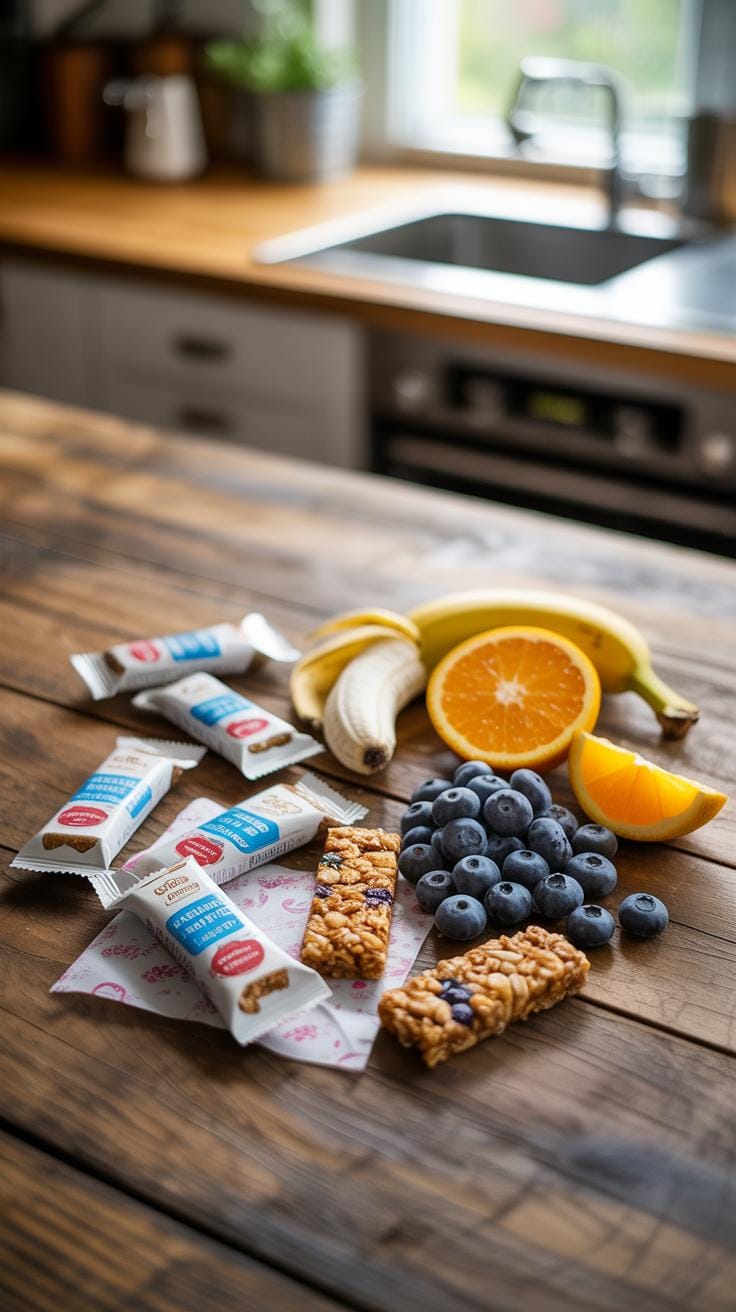
You might think that grabbing anything labeled ‘clean’ at the store somehow guarantees it’s the best choice. But actually, many packaged foods marketed as clean are still processed and loaded with ingredients you might not want to eat repeatedly. These products can sneakily contribute to overeating because they often taste good and feel healthy, which can make it easy to eat more than intended.
Some of these foods are designed to be convenient and appealing but aren’t always balanced nutritionally. You could find snacks or meals marketed as “all-natural” or “clean” that include refined oils, added sugars, or preservatives. Eating too many of those items might not only stall your progress but potentially derail it entirely. It’s a bit tricky because clean labels sell a feeling more than a fact, and that can be misleading.
How Packaged ‘Clean’ Foods Mislead Consumers
If you’ve glanced at the ingredient list on many so-called clean products, you may have been surprised—or perhaps confused. A front label proudly declares “organic” or “non-GMO,” but then you see ingredients like maltodextrin, natural flavors, or sugar alcohols hiding in fine print. These can affect your blood sugar or digestion more than you expect.
Marketers often rely on buzzwords—clean, paleo-friendly, gluten-free—to hook buyers, even when the food contains refined ingredients or artificial additives. Things that sound healthy like “coconut sugar” or “natural flavor” aren’t always innocent. You might wonder, are these foods really better for my body or just better at sounding good? Often, the answer isn’t clear-cut.
Choosing Whole Foods Over Packaged Options
Switching focus from packaged ‘clean’ products to fresh whole foods is usually a safer bet. Fresh vegetables, fruits, nuts, and minimally processed grains give you nutrients without the confusing additives. Of course, not everyone has time to prepare every meal from scratch, and that’s fine. The key is to learn how to spot genuinely clean packaged options when convenience calls.
Look for foods with short, recognizable ingredient lists. If you can’t pronounce most of the ingredients or they include several additives, it’s worth reconsidering. Also, check nutrition labels for hidden sugars and unnecessary fats. Ultimately, a little awareness can go a long way in helping you avoid falling into the trap of simply trusting ‘clean’ packaging instead of real food.
Ignoring Food Quality Differences

When you start clean eating, it’s easy to focus on what you eat, but often, how you choose your food gets overlooked. Not all fruits, vegetables, or proteins are created equal. The quality of ingredients affects not just taste but how your body uses nutrients. You could eat “clean,” but if the produce is overripe, sprayed with pesticides, or heavily processed, it might undermine your efforts.
Organic and fresh foods tend to pack more nutrients. Studies suggest organic produce often contains higher levels of antioxidants and fewer pesticide residues, which might reduce toxic load on your system. Freshness counts, too—vegetables lose vitamins the longer they sit after harvesting. I remember buying spinach that looked great but wilted fast, feeling like it almost wasted my meal prep work.
Impact of Organic and Fresh Foods on Health
Choosing organic can lower exposure to chemicals linked with health issues. Plus, fresher produce generally tastes better, and taste can motivate you to eat more fruits and veg. You might wonder if the extra cost is justified. While organic isn’t perfect or always accessible, aiming for at least some organic options—like the “dirty dozen”—makes sense.
When produce sits on shelves for days or weeks, nutrient density declines. That means fewer vitamins like C and folate reach your plate. Eating fresher often means buying locally or in-season, which can also support sustainable farming. But freshness isn’t always easy to track at stores, so sometimes you guess and hope for the best.
Shopping Tips for High-Quality Ingredients
Here are a few practical ways to get better quality without breaking the bank:
- Buy seasonal fruits and vegetables—they tend to be fresher and cheaper.
- Visit farmers’ markets or local farms if possible, where produce is often harvested recently.
- When buying proteins, choose pasture-raised or wild-caught options when you can; even small amounts improve quality.
- Freeze leftovers or excess fresh produce to maintain nutrient content over time.
- Compare “organic” labels carefully—some certifications mean more than others.
It might take some trial and error to find your best local sources and products. But keep in mind, the difference quality makes might surprise you—not only in nutrition but in how you feel eating it.
Neglecting Meal Planning

Skipping meal planning often feels harmless at first. You might think, “I’ll just figure it out when I’m hungry.” But that’s where things tend to fall apart. Without a plan, the chances of grabbing quick, processed options spike—cheap snacks, frozen meals, or fast food become the easy fallback. Clean eating requires some foresight, yet many overlook this and wonder why they can’t stay on track.
When hunger hits unexpectedly, your willpower might not hold up. It’s easier to cave in to convenience rather than make a fresh, balanced meal. Missing meals or waiting too long to eat can also lead to overeating later in the day, which sabotages not just nutrition but energy levels and mood.
Creating a simple weekly meal plan doesn’t need to be complicated or overwhelming. Here’s a way to keep it manageable:
- Pick three to four basic meals you enjoy and rotate them.
- Make a grocery list based on these meals to avoid impulse buys.
- Set aside 30–60 minutes once a week to prep ingredients—wash veggies, cook grains, or portion snacks.
- Keep some versatile staples like canned beans, frozen vegetables, and nuts in your pantry for last-minute additions.
It might feel restrictive at first, but having a plan actually creates freedom—taking decisions off your plate when you’re tired or busy. If you’re like me, sometimes the idea of “structuring” meals sounds too rigid, but in practice, it often makes sticking to clean eating easier, even if you tweak the plan as you go.
Focusing on Perfection Over Progress

Why Perfectionism Harms Long-Term Habits
When you aim for absolute perfection in clean eating, you set yourself up for a hard fall. The problem isn’t always the slip itself, but what happens after. Strict rules can make every small mistake feel like a total failure. One cookie, and suddenly the whole day’s “clean” effort seems ruined. That kind of rigid thinking often leads people to just give up, thinking, “Well, I’ve already messed up, might as well forget it.” It’s a harsh mindset where a single misstep becomes a signal to quit rather than a chance to adjust.
Psychologically, this happens because the brain gravitates toward black-and-white thinking when pressured. Rules that leave no room for error create an all-or-nothing scenario. Over time, this rigidity can build frustration and discouragement. You might start feeling that clean eating is some impossible standard rather than a sustainable lifestyle.
Building Flexible Clean Eating Habits
Instead, try seeing clean eating more like a direction, not a finish line. Flexibility can be your friend here. Accepting that occasional indulgences are part of life can help you stay on track longer. You don’t have to be perfect to make progress. For instance, if you have a slice of cake at a party, it doesn’t erase the healthy meals you’ve eaten that week.
Think of your eating habits as a pattern that allows for some variation, not a set of ironclad rules. This approach reduces the pressure and makes it easier to stay consistent. Balance might mean:
- Enjoying treats mindfully without guilt.
- Adjusting meals the next day instead of banning foods outright.
- Recognizing that progress isn’t always linear.
When you loosen up your expectations a bit, clean eating becomes more manageable and less stressful. This mindset shift might just be the difference between quitting after a slip or keeping steady toward your health goals.
Underestimating Hydration Importance

Water often takes a backseat when people focus on clean eating, but it plays a more crucial role than you might think. Skimping on hydration can quietly undermine your health and fitness progress, even if you’re choosing whole, unprocessed foods.
When you’re well-hydrated, digestion runs smoother—you’re more likely to absorb nutrients properly. Without enough water, digestion can slow down, leaving you feeling sluggish or bloated. It’s not just about feeling thirsty during the day; hydration influences how your metabolism handles the food you eat.
Also, think about your workout performance. Water helps regulate body temperature and lubricate joints. Dehydration can reduce endurance, strength, and even concentration during exercise. You might push hard but still miss the results you expect, simply because your body lacks enough water to perform optimally.
What makes staying hydrated tricky is that it’s easy to forget to drink water regularly. Here are some simple ways to help:
- Carry a reusable water bottle and set small, achievable goals—like finishing one bottle by mid-morning.
- Flavor your water with slices of lemon or cucumber if plain water feels boring.
- Fill a glass of water before each meal, making it a habit tied to eating times.
- Use phone reminders or apps, but don’t rely solely on technology—often, your body’s signals matter more.
Maybe you don’t realize it, but increasing your water intake might be one of the easiest changes to boost your clean eating efforts. Have you noticed how a simple sip can sometimes bring back energy or focus? It’s surprisingly powerful.
Confusing Natural Sugar with Healthy

When people talk about clean eating, natural sugar often gets a free pass. You might hear that sugars in fruit or honey are “healthy,” but that’s not exactly the full story. Natural sugars are found in whole foods like fruits and vegetables, but just because they’re natural doesn’t mean you can eat limitless amounts without any impacts on your health.
The body processes natural sugars similarly to added sugars, though the context matters—a lot. Eating an apple means you get fiber, vitamins, and water, which slow down sugar absorption. On the other hand, drinking fruit juice spikes blood sugar more quickly because fiber is mostly removed. But even whole fruits can contribute significant sugar calories if you overdo it.
People who swear by clean eating sometimes pile up fruit smoothies and assume they’re making the healthiest choices. But the line between “healthy” and “too much sugar” can blur, especially if whole foods are consumed in excess. That’s where confusion sets in—natural sugar isn’t automatically harmless, just often less harmful than added sugar.
Difference Between Added and Natural Sugars
Added sugars are those put into foods during processing or preparation—think table sugar in cookies or syrup on pancakes. Natural sugars exist inherently inside foods like fruit or dairy. They’re chemically similar but differ in how they’re packaged within the food matrix.
Natural sugars come along with fiber, water, antioxidants, and nutrients that impact digestion and slow sugar rushes. Added sugars usually come without these benefits, often driving quicker blood sugar spikes. That’s why natural sugars found in whole foods are generally less problematic for weight and metabolism compared to added sugars.
Still, it’s not a free ticket. It’s not unusual to hear someone say “I only eat fruit” but actually consume surprisingly high amounts of sugar because of that. Defining the two helps, but not everyone tracks their intake closely enough to notice the difference.
Managing Sugar Intake Inside Clean Eating
Enjoying natural sugars without going overboard involves some common-sense limits. Maybe consider these steps:
- Prioritize whole fruits over juices or dried fruits, which concentrate sugars.
- Balance fruit with protein or fats to slow absorption.
- Be mindful of portion sizes—an extra banana here and there adds up.
- Mix in vegetables and whole grains to keep meals balanced and fiber-rich.
You might find it helpful to space out fruit servings throughout the day rather than consuming a big fruit-heavy snack all at once. Sometimes, simply swapping out a fruit juice for water can make a big difference.
In reality, a lot depends on your overall diet and goals. Keeping an eye on total sugar intake, even from natural sources, supports steady energy and reduces cravings that can disrupt clean eating plans. You don’t have to cut sugar completely, but being thoughtful about it helps keep clean eating in check.
Tracking Progress Realistically

When tracking your clean eating journey, you might expect to see dramatic results fast. That’s a common pitfall. Changes in weight, energy, or overall health often happen slowly, and sometimes they feel almost invisible day-to-day. It’s easy to get frustrated when the scale doesn’t budge or the mirror doesn’t reflect the effort. But, realistically, clean eating is more about steady habits than quick fixes.
Thinking you’ll notice big jumps every week can actually undermine your motivation. Your body adjusts in stages—sometimes you’ll feel more energetic before the pounds drop, sometimes the opposite. Focusing only on weight lost can miss the bigger picture, like better digestion, mental clarity, or increased endurance.
Expectations matter. If you expect overnight success, you might miss subtle wins. Real progress looks uneven and that’s perfectly normal. Tracking is not about perfection, but about observing and adjusting, bit by bit.
Common Mistakes in Tracking Health and Fitness
Many people make simple errors when following clean eating:
- Expecting rapid weight loss and feeling discouraged when results slow down.
- Ignoring muscle gain by focusing solely on the scale. Muscle weighs more than fat, so sometimes your weight might stay the same—or increase—even though your body is improving.
- Overlooking energy levels and mood changes, which can be key signs of better nutrition but aren’t reflected in numbers.
- Comparing daily fluctuations instead of looking at trends over weeks or months. Water retention and hormones can cause weight to jump around.
- Failing to account for non-scale victories like improved sleep, reduced cravings, or better digestion.
Tracking is tricky. You have to be patient and keep a broad view to avoid getting stuck on numbers that don’t tell the whole story.
Effective Ways to Monitor Your Clean Eating Journey
Tracking doesn’t have to be complicated. Try practical, straightforward methods that suit your routine and personality. Here are some ideas you can start with:
- Food journals: Write down what you eat and how you feel after meals. This can reveal patterns and problem foods you might miss.
- Progress photos: They capture body changes better than a scale. Sometimes your body looks different even when weight stays steady.
- Energy logs: Note your energy levels morning, afternoon, and night. These can show real improvements and keep you motivated on tough days.
Combining these tools helps build a realistic picture of your progress. Don’t just obsess over pounds or calories. Instead, observe how your habits affect your life over time. It’s rarely linear, often a bit messy—and that’s just fine.
Conclusions
Clean eating offers benefits when done carefully and without unnecessary restrictions. Mistakes like cutting out entire food groups or overlooking nutritional balance can slow your progress and impact health. Focus on variety, moderation, and quality for best results.
Apply the tips provided to avoid common pitfalls. Keep your meals nutritious, balanced, and enjoyable. This approach supports sustainable health and fitness improvements without risking nutrient gaps or burnout.