
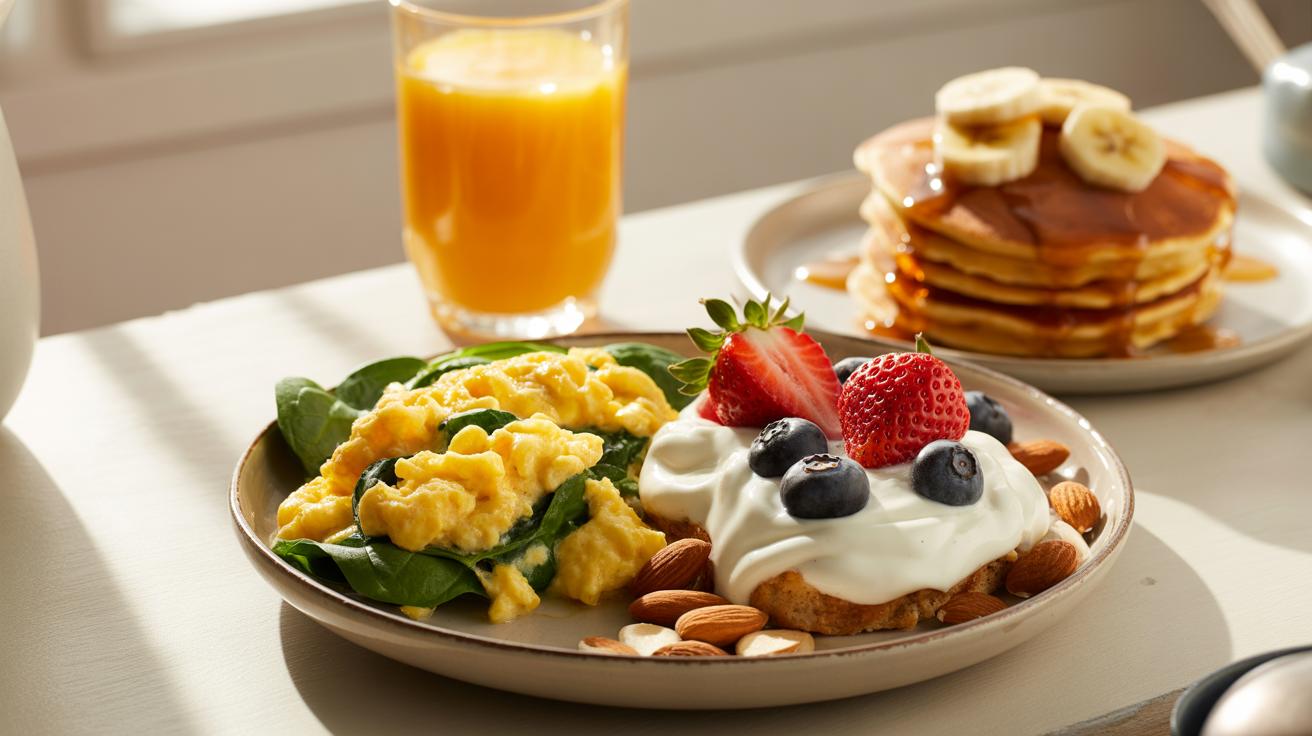
Why A High Protein Breakfast Sets You Up For Success
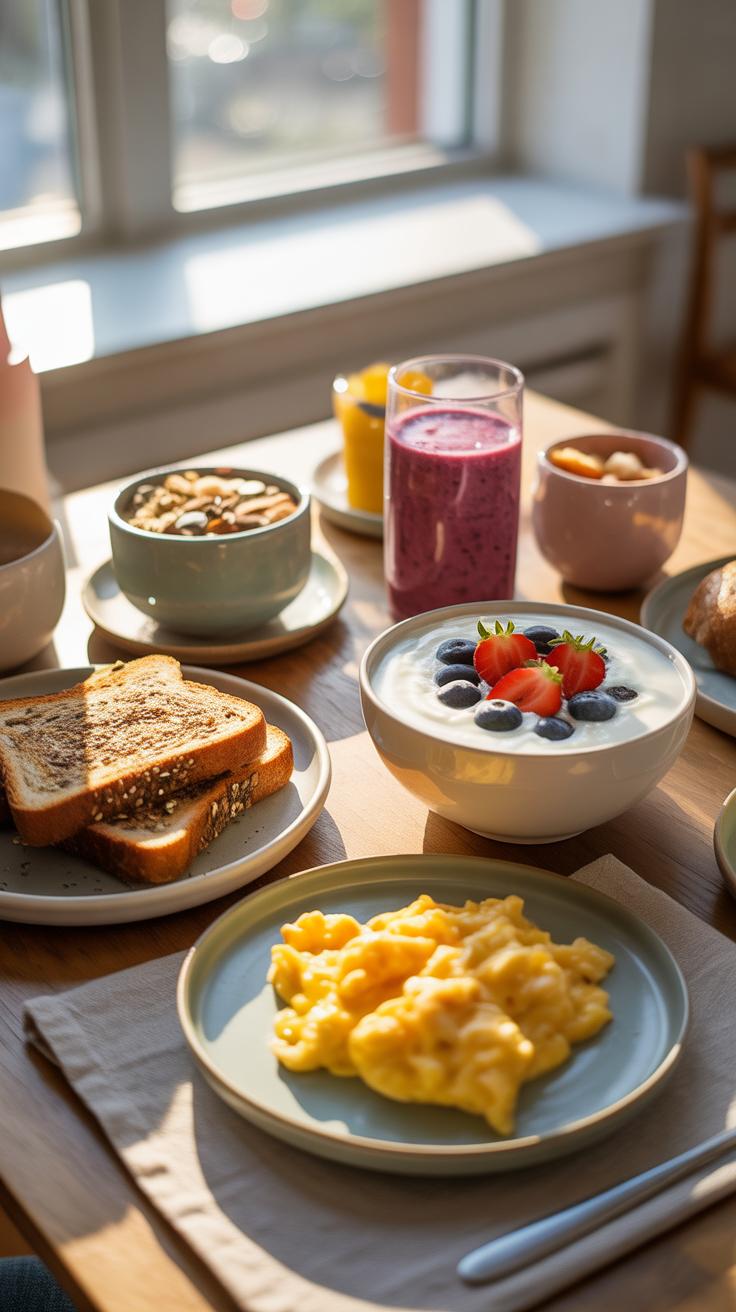
The Science Behind Protein And Morning Satiety
Protein triggers the release of satiety hormones like peptide YY and cholecystokinin. These signals tell your brain you are full. High protein intake also reduces levels of ghrelin, the primary hunger hormone. Most people eat too much sugar and refined carbs in the morning. This causes a glucose spike followed by a crash. Protein stabilizes your blood sugar and prevents this cycle.
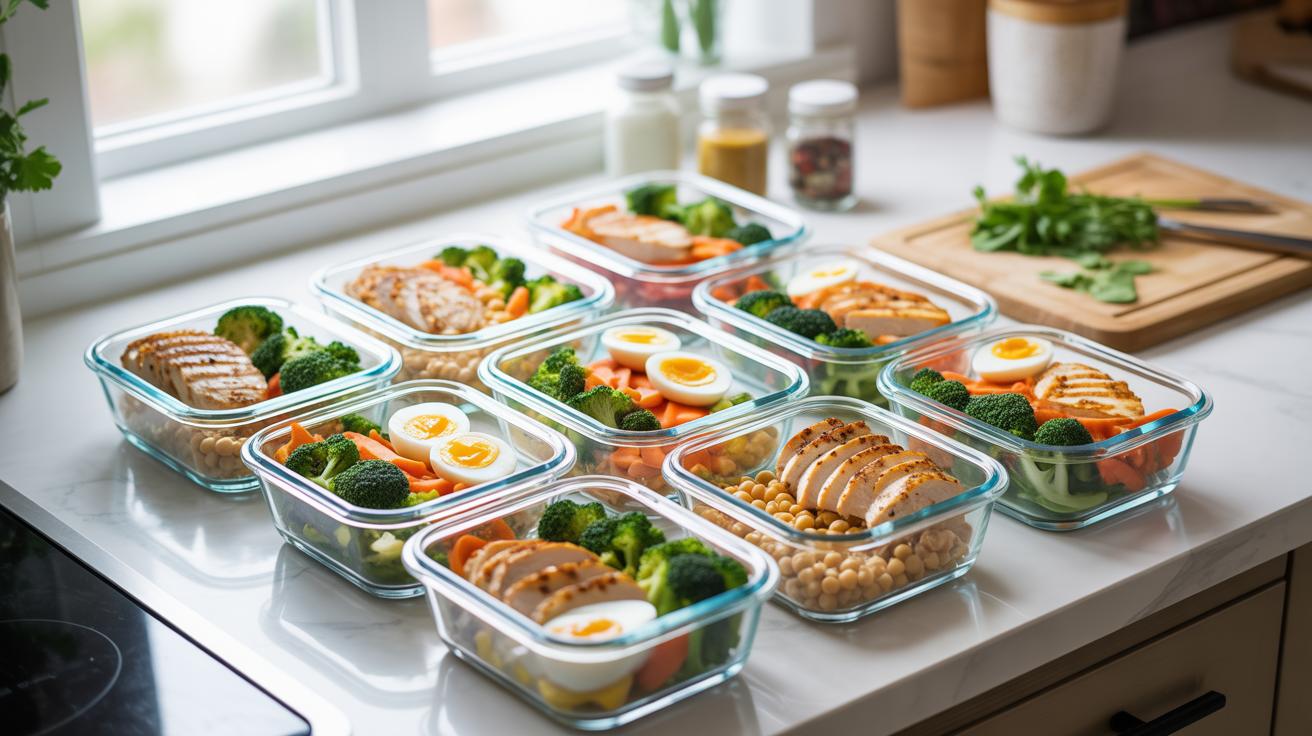
Consuming 30 grams of protein in the morning keeps you full until lunch. This steady state stops the mid-morning snack urge. Your body processes protein slower than carbohydrates. This metabolic delay provides a consistent flow of energy to your system. Tactical eaters use this strategy to maintain focus and control daily calorie intake. Starting your day with protein sets a productive metabolic tone.
How Protein At Breakfast Supports Muscle Maintenance And Energy Levels
Muscle protein synthesis requires a supply of essential amino acids throughout the day. Your body cannot store excess protein for long periods. You must consume it at regular intervals to repair tissue. A 30g protein breakfast jumpstarts this recovery process immediately after your overnight fast. This prevents the body from breaking down existing muscle for fuel. Consistent protein intake preserves lean mass effectively.
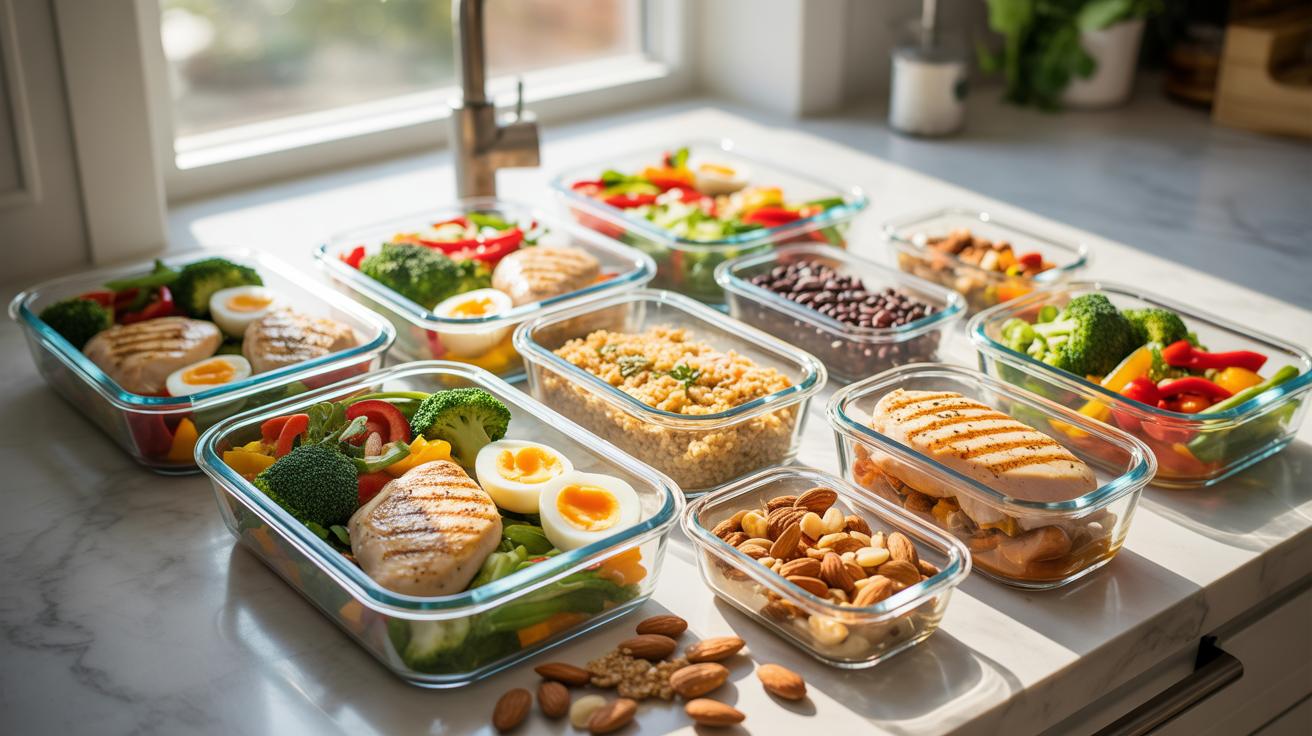
Strategic protein consumption also boosts your thermic effect of food. Your body burns more calories digesting protein than it does fat or carbs. This metabolic increase provides a natural energy lift without the need for excessive caffeine. High protein meals ensure your brain has the precursors needed for neurotransmitters like dopamine. This keeps your mind sharp and your body ready for physical demands.
What Counts As A 30 Grams Of Protein Breakfast
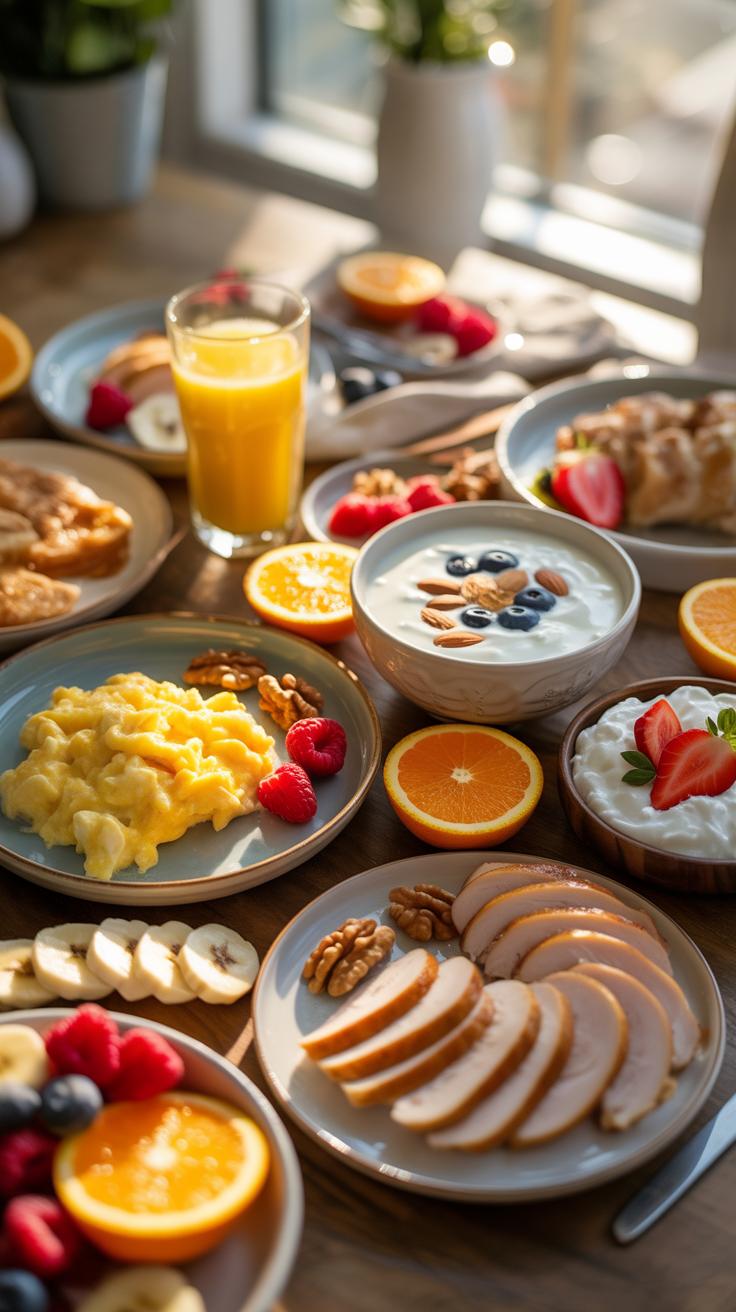
Understanding Protein Content In Common Breakfast Foods
Reaching a 30g protein breakfast requires specific raw material choices. One large egg provides six grams of protein. You need five eggs to hit the target if eating eggs alone. Most people fail because they overestimate small portions. You must view food as fuel metrics. Greek yogurt and lean meats are your high-density options. They provide the most protein for the lowest caloric volume.
Plant-based sources require larger volumes to match animal proteins. One cup of cooked lentils offers eighteen grams of protein. You must combine these with nuts or grains to reach the thirty-gram threshold. Traditional cereal and toast usually offer less than ten grams total. This creates a massive protein gap by mid-morning. Success depends on selecting foundations that start with at least fifteen grams per serving.
How To Accurately Measure And Combine Protein Sources At Breakfast
Precision eliminates guesswork in your morning routine. Use a digital scale to weigh your portions in grams. Volume measurements like cups are often inaccurate for dense foods. Track your data using a verified database to ensure accuracy. A single scoop of whey usually adds twenty-five grams instantly. Combining one scoop with high-protein milk completes the requirement. This tactical layering ensures you hit the mark every time.
Smart stacking involves pairing a primary source with a secondary booster. Start with two eggs for twelve grams of protein. Add two ounces of smoked salmon or turkey bacon to gain ten more grams. Finish with a half-cup of cottage cheese. This method spreads the load across different food groups. It prevents burnout from eating the same source daily. Measured combinations turn a standard meal into a high-performance fuel source.
Best Ingredients To Build A 30g Protein Breakfast Fast
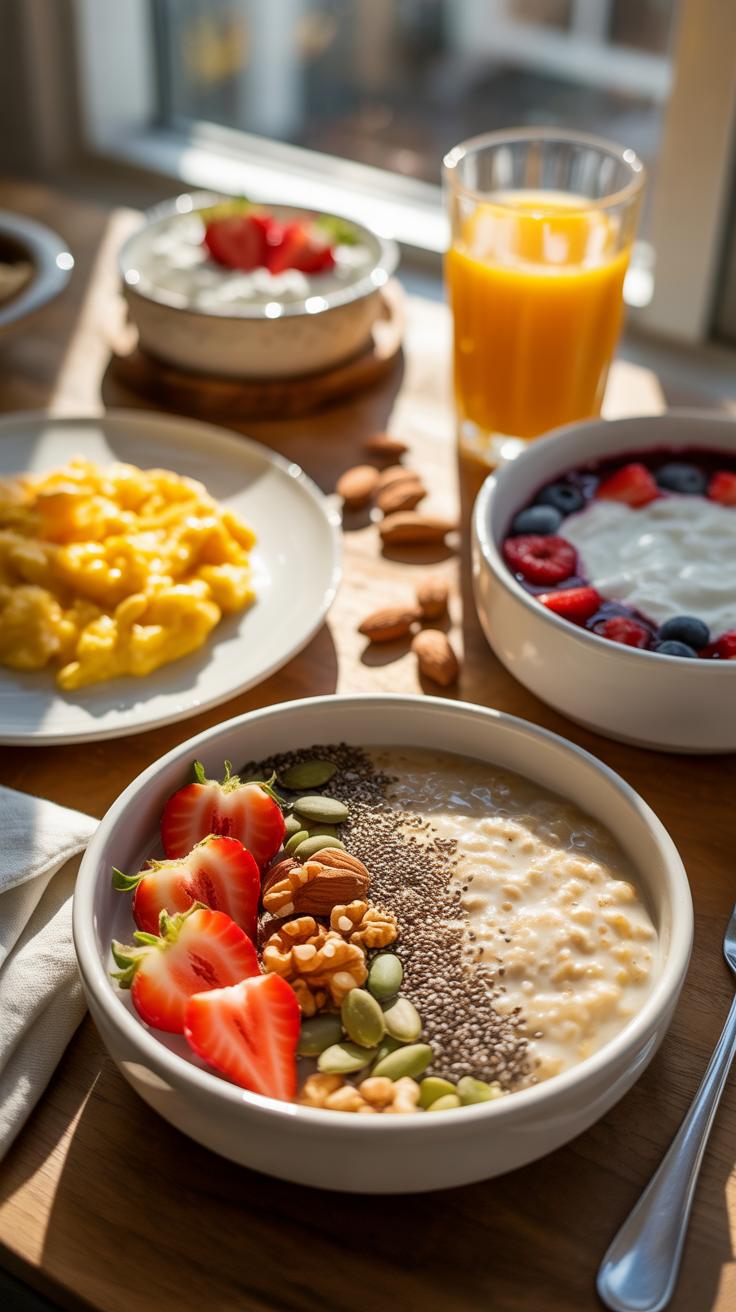
Top High Protein Pantry Staples To Keep On Hand For Quick Mornings
Achieving a 30g protein breakfast requires high-density staples that eliminate cooking time. You must select ingredients that offer at least fifteen grams of protein per serving to reach your goal without eating excessive volume. Relying on processed cereals will fail. Instead, stock a pantry with shelf-stable and refrigerated essentials that provide immediate amino acids with zero to five minutes of preparation time.
- Liquid Egg Whites: This pasteurized product allows you to add pure protein to oats or scrambles without extra fat. One cup provides about twenty-six grams of protein. You can cook them quickly in a microwave or pan for immediate results.
- Greek Yogurt: Choose plain non-fat varieties for the highest protein concentration. A single cup contains roughly twenty-three grams of protein. It requires no cooking and serves as a base for seeds or protein powders to reach the thirty-gram threshold quickly.
- Canned Smoked Salmon: This shelf-stable fish provides high-quality protein and omega-three fatty acids. A small tin offers seventeen to twenty grams of protein. It pairs efficiently with whole-grain toast or eggs to boost the total protein count of a meal instantly.
- Whey Protein Isolate: This powder is the fastest way to bridge a protein gap. One scoop typically delivers twenty-five grams of protein. Mix it into coffee, yogurt, or overnight oats to ensure you hit your target when solid food options are low.
- Cottage Cheese: This cultured dairy product is a protein powerhouse with fourteen grams per half-cup. It is versatile for savory or sweet dishes. Use it as a topping or eat it alone to gain a significant head start on your morning requirements.
Pantry management is the difference between success and failure in a high-protein diet. If these items are not visible and ready, you will default to high-carb convenience foods. Rotate these five staples to maintain variety while guaranteeing you hit thirty grams every morning. Speed depends on your inventory. Keep these items stocked to ensure your breakfast remains tactical, fast, and nutritionally dense.
Breakfast is a time for the family to gather and fuel their souls for the day ahead. A hearty, protein-rich morning meal built in minutes honors the traditions of our ancestors who knew that nourishment is the truest form of love.
— Paula Deen
How To Pair Protein Sources For Maximum Nutritional Impact
Strategic pairing overcomes the limitations of single-source meals. Most individual food servings fall short of the thirty-gram mark. You must combine a primary dense source with a secondary booster. For example, combine eggs with black beans or Greek yogurt with hemp hearts. This method ensures you hit the target without consuming uncomfortable quantities of a single food group during your morning rush.
Focus on the protein-to-calorie ratio during the pairing process. Combining a lean animal protein with a plant-based source often provides a complete amino acid profile. This approach supports muscle synthesis and keeps you full until lunch. Stop viewing breakfast as a single item and start viewing it as a composite of fast-acting blocks. Mixing these sources creates a reliable path to thirty grams of protein.
Egg Based High Protein Breakfast Recipes Ready In 10 Minutes
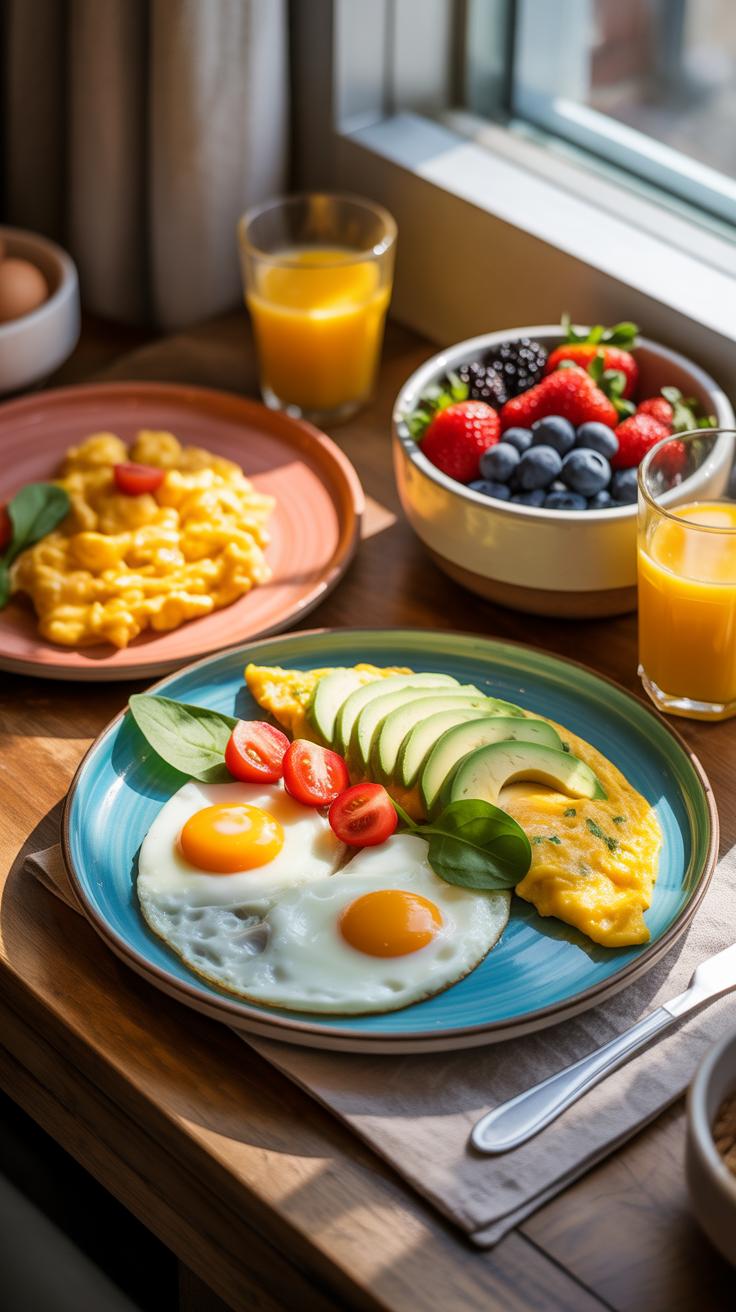
Quick Scrambled Egg Combinations That Easily Reach 30 Grams Of Protein
Standard large eggs provide six grams of protein each. You cannot reach thirty grams using eggs alone without consuming high volume. Leverage the math of egg whites and lean meats instead. Use two full eggs for healthy fats and add half a cup of liquid egg whites. This combination provides twenty-four grams of protein. Adding two ounces of Canadian bacon or smoked salmon finishes the target.
Heat your pan before adding the mixture to save time. Whisk your eggs with a splash of water to improve texture. Toss in a handful of baby spinach or pre-chopped peppers for micronutrients. Top the final scramble with two tablespoons of nutritional yeast or fat-free feta cheese. These additions provide the final grams needed to hit the mark. This method ensures a complete amino acid profile quickly.
Microwave And Stovetop Egg Recipes That Fit Any Busy Morning Schedule
The microwave is a tool for speed and precision. Use a greased mug to cook three eggs and two ounces of diced turkey breast. Whisk the mixture and heat in thirty-second intervals to avoid rubbery textures. This process takes under three minutes and delivers a portable meal. Add a side of Greek yogurt or a high-protein tortilla to ensure you reach the thirty-gram threshold effectively.
Stovetop omelets offer better flavor with minimal extra time. Use a non-stick pan to cook three eggs and a quarter cup of low-fat cottage cheese. Folding cottage cheese into eggs increases protein content and creates a creamy texture. This technique is faster than traditional slow-cooking methods. Pair the omelet with one slice of sprouted grain bread. This strategy provides complex carbohydrates and completes your high-protein morning meal.
Greek Yogurt And Cottage Cheese 30 Grams Of Protein Breakfast Ideas
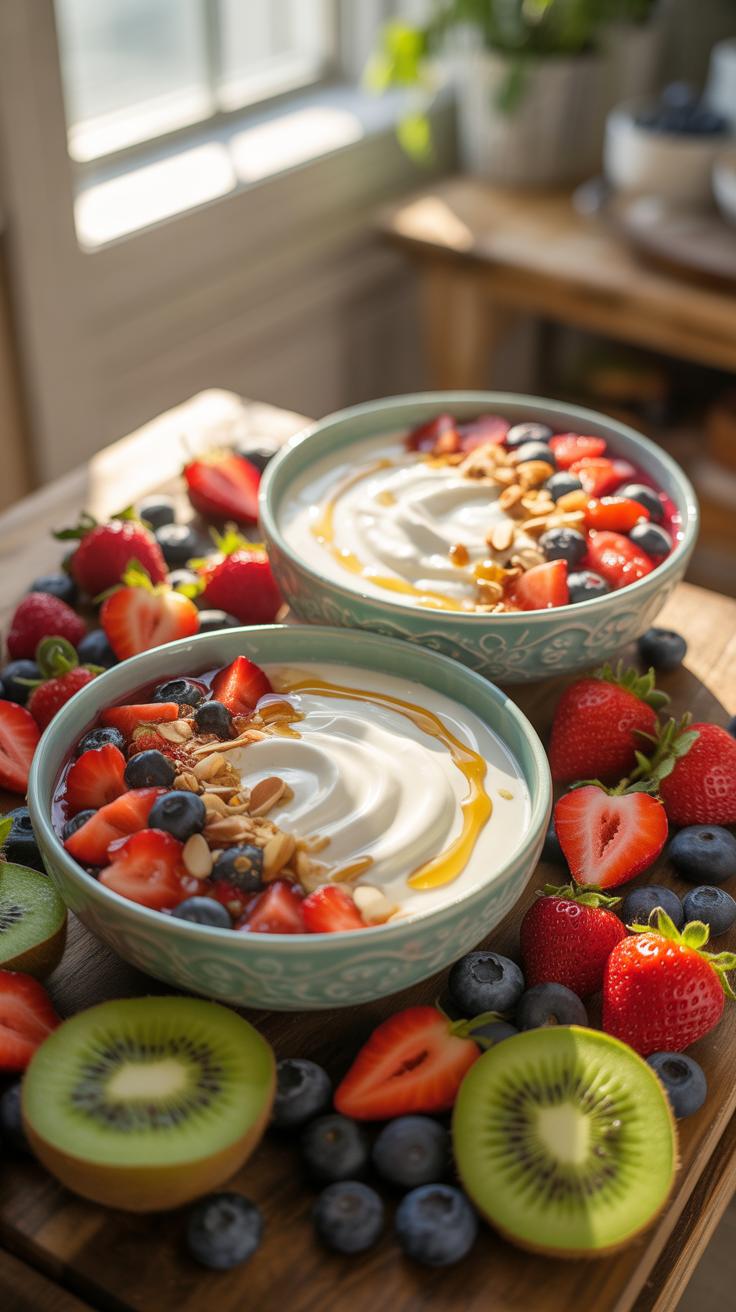
Building A Protein Packed Greek Yogurt Bowl In Under 5 Minutes
Standard Greek yogurt contains approximately 10 grams of protein per 100 grams. To reach the 30 gram threshold, you must start with a one cup base of nonfat Greek yogurt. This base provides roughly 23 to 25 grams of protein alone. Choose plain varieties to avoid added sugars that dilute nutrient density. Use a digital scale to ensure your serving size meets the required protein weight.
Add 15 grams of hemp seeds or a tablespoon of pumpkin seeds to the bowl. These seeds contribute the final 5 to 7 grams of protein needed to hit your target. Stir in a teaspoon of vanilla extract for flavor without adding calories. This combination provides a complete amino acid profile quickly. You achieve a high protein density without cooking or using processed protein powders in this meal.
Cottage Cheese Breakfast Combinations That Deliver 30g Of Protein
Cottage cheese is a high protein powerhouse with 12 to 14 grams of protein per half cup serving. Use one full cup of 2 percent cottage cheese as your foundation to secure 28 grams of protein. This dairy source contains casein protein which digests slowly. Slow digestion keeps you full for longer periods during the morning. It serves as a versatile base for both savory and sweet profiles.
Top your cup of cottage cheese with two tablespoons of nutritional yeast or a quarter cup of almonds. These additions push the total protein count over the 30 gram mark easily. Savory bowls work best with cucumber slices and cracked black pepper for texture. This strategy relies on high volume and low prep time. You get a dense protein hit that supports muscle maintenance and metabolic health.
Smoothie And Shake Protein Breakfast Options For Busy Mornings
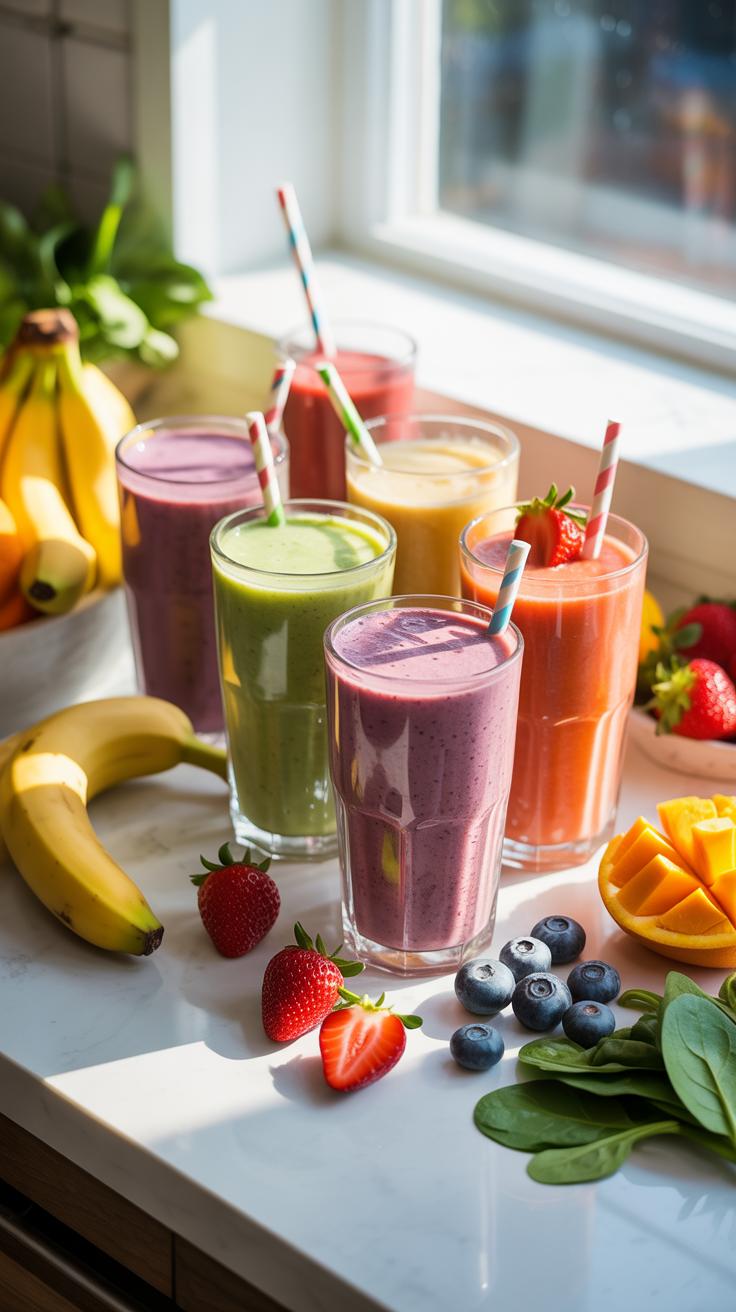
High-Protein Whole Food Breakfast Combinations
Liquid meals often lack sufficient protein unless you engineer them with specific intent. Achieving a 30g protein breakfast requires more than just fruit and water. You must prioritize high-density whole food sources. Greek yogurt delivers approximately 15 to 20 grams per cup. One cup of low-fat cottage cheese provides 25 grams. These ingredients create a thick texture and offer essential amino acids without using supplements.
Smart fortification bridges the remaining gap to reach your target. Egg whites from a carton are pasteurized and safe to drink raw. They add pure protein without altering the flavor profile. Hemp seeds and chia seeds provide healthy fats and several grams of protein per tablespoon. Use soy milk instead of almond milk to increase the base protein count. Stick to these whole foods for a nutritionally complete profile.
Whey and Casein Protein Supplement Options
The supplement market offers diverse options with varying absorption rates. Whey protein isolate is the industry standard for speed and efficiency. It contains at least 90 percent protein by weight and removes most lactose. This makes it ideal for rapid morning consumption. Casein protein digests slower but creates a thicker consistency. Choose a product that displays third-party testing to ensure it contains exactly what the label claims.
Plant-based athletes should select pea or rice protein blends. Single-source plant proteins often lack specific amino acids like lysine or methionine. Blending different sources creates a complete protein profile. Avoid fillers like maltodextrin and artificial thickeners which add unnecessary carbohydrates. Check the scoop size to verify the gram count per serving. High-quality powders simplify reaching your goal when whole food prep time is non-existent.
How To Build A 40 Grams Protein Breakfast Without Extra Cooking
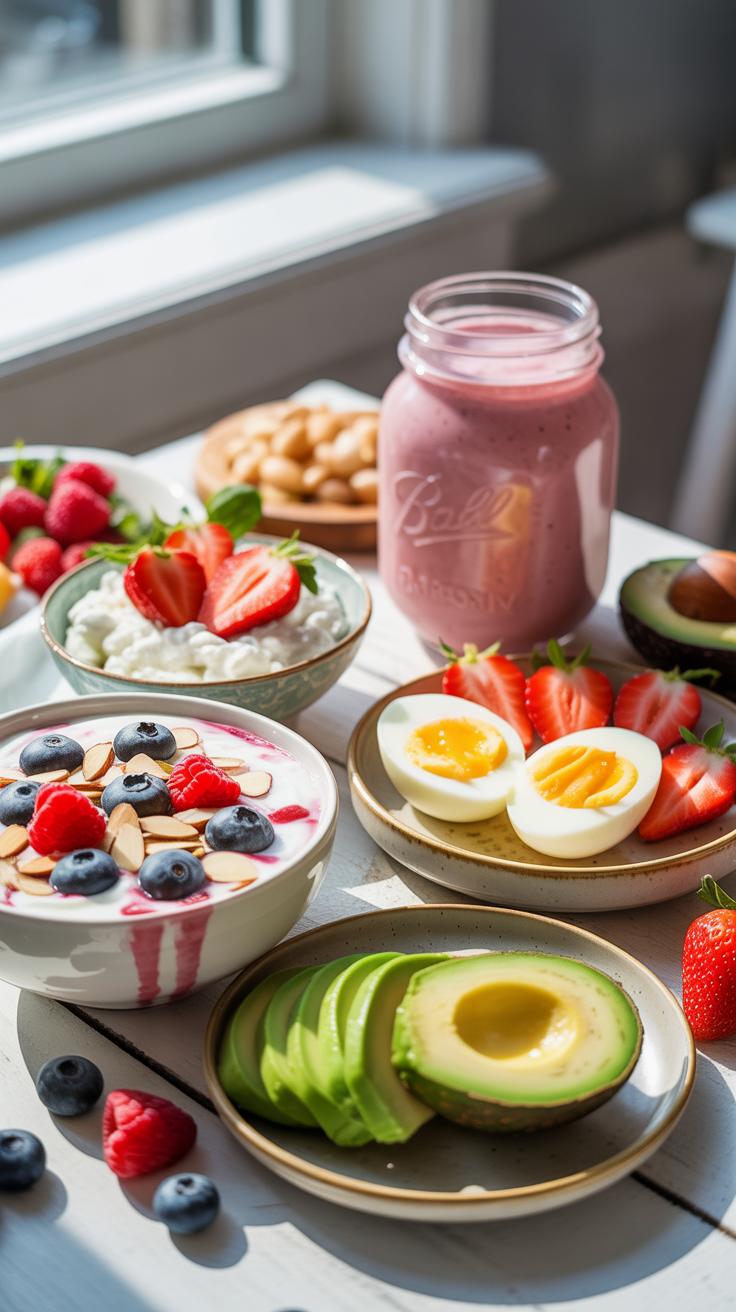
No-Cook Yogurt and Whey Protein Combinations
Reaching 40 grams of protein requires layering dense sources. You do not need a stove to hit this number. Combine one cup of non-fat Greek yogurt with one scoop of whey protein powder. This base provides roughly 45 grams of protein immediately. Mix them thoroughly to ensure a smooth texture. Add water or almond milk if the consistency is too thick.
This strategy relies on high bioavailability. Dairy proteins like casein and whey offer superior amino acid profiles for muscle maintenance. You can also mix cottage cheese with smoked salmon. One cup of cottage cheese offers 25 grams. Adding three ounces of smoked salmon adds 15 more grams. This cold meal requires zero heat and meets the target in under two minutes of assembly time.
Store-Bought High-Protein Products for Fast Mornings
Store shelves offer precise tools for hitting protein goals. Ultra-filtered milk brands like Fairlife contain 50 percent more protein than standard milk. Use this milk as a base for cold cereal or shakes. Pre-cooked egg whites in cartons are pasteurized and safe to drink or mix into smoothies. These items eliminate the necessity of crack-and-fry preparation while providing lean protein in bulk.
Deli meats and jerky provide portable protein options. Select low-sodium turkey breast or roast beef for the best macros. Ensure you check the label for grams per serving. Rotisserie chickens sold at grocery stores also simplify the process. Shred the breast meat and eat it cold with a side of hard-boiled eggs. These eggs are sold pre-peeled in most refrigerated sections for maximum speed.
Meal Prep Strategies For A 30 Gram Of Protein Breakfast Every Day
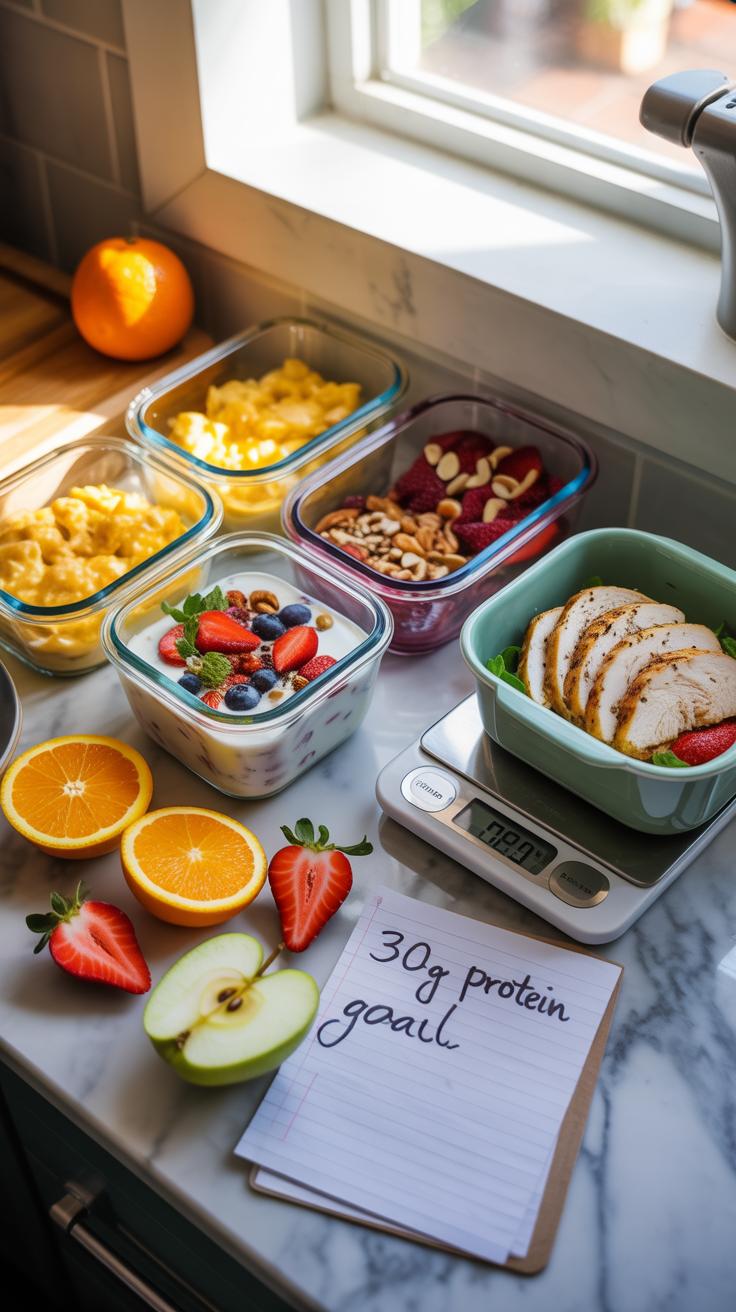
Weekly Batch Cooking Tips To Guarantee A High Protein Breakfast In Minutes
Batch cooking eliminates the morning decision gap. You must prepare dense protein sources in advance to hit the thirty gram target while under time pressure. Focused Sunday prep sessions reduce a ten minute meal to a sixty second assembly task. Focus on components that retain texture and nutritional profiles through cooling and refrigeration. This strategy ensures you never skip protein when schedules tighten.
- Pressure Cooked Eggs: Hard boil a dozen eggs in a pressure cooker or steamer for consistent peeling. Two large eggs provide twelve grams of protein. Keep them in their shells in the fridge to maintain freshness and prevent odor absorption until you are ready to eat.
- Greek Yogurt Portions: Divide a large tub of plain non-fat Greek yogurt into five separate glass containers. Each three-quarter cup serving provides eighteen grams of protein before adding mix-ins. Pre-portioning prevents measuring errors during the morning rush and keeps the protein count accurate for your daily goals.
- Lean Ground Meat: Brown two pounds of lean turkey or chicken sausage with basic seasoning like salt and pepper. Store the cooked crumbles in a single airtight container. Adding a half-cup of this cooked meat to an omelet or bowl provides approximately twenty-two grams of high-quality animal protein.
- Whey Protein Bases: Mix dry oats with scoops of whey protein isolate in individual jars. Whey isolate offers the highest protein-to-calorie ratio of any supplement. In the morning, you only need to add water or milk. This creates a portable base that hits twenty-five grams of protein before adding any toppings.
- Smoked Salmon Packs: Purchase pre-sliced smoked salmon in bulk and separate it into three-ounce portions using parchment paper. Salmon provides roughly eighteen grams of protein per three-ounce serving. Pre-splitting the fish prevents the entire package from spoiling and allows for immediate transfer onto high-protein sprouted grain toast.
Efficiency requires using commercial-grade storage tools. Use weighing scales instead of measuring cups to ensure you reach the specific protein threshold. Record your weights on tape and stick them to the lid of each container. This visual data removes guesswork and forces accountability. A disciplined prep system converts your kitchen into a high-speed fuel station that prioritizes muscle maintenance and metabolic health.
How To Store And Reheat Prepped Protein Breakfasts Without Losing Quality
Storage technique determines if prepped food remains edible by the end of the week. Air is the enemy of cooked proteins. Use glass airtight containers instead of plastic to prevent chemical leaching and moisture loss. Place a damp paper towel over meat or egg-based dishes before sealing them. This creates a micro-environment that prevents the protein fibers from becoming tough and rubbery during refrigeration.
Reheating requires a gentle approach to maintain the amino acid structure and texture. Use the microwave at fifty percent power to prevent explosive heating that dries out egg whites. For maximum quality, use a toaster oven or air fryer for five minutes to crisp meats while keeping the interior moist. Avoid reheating Greek yogurt or liquid protein shakes as heat denatures certain proteins and ruins the smooth mouthfeel you desire.
Can You Hit 50 Grams Of Protein Breakfast In Just 10 Minutes
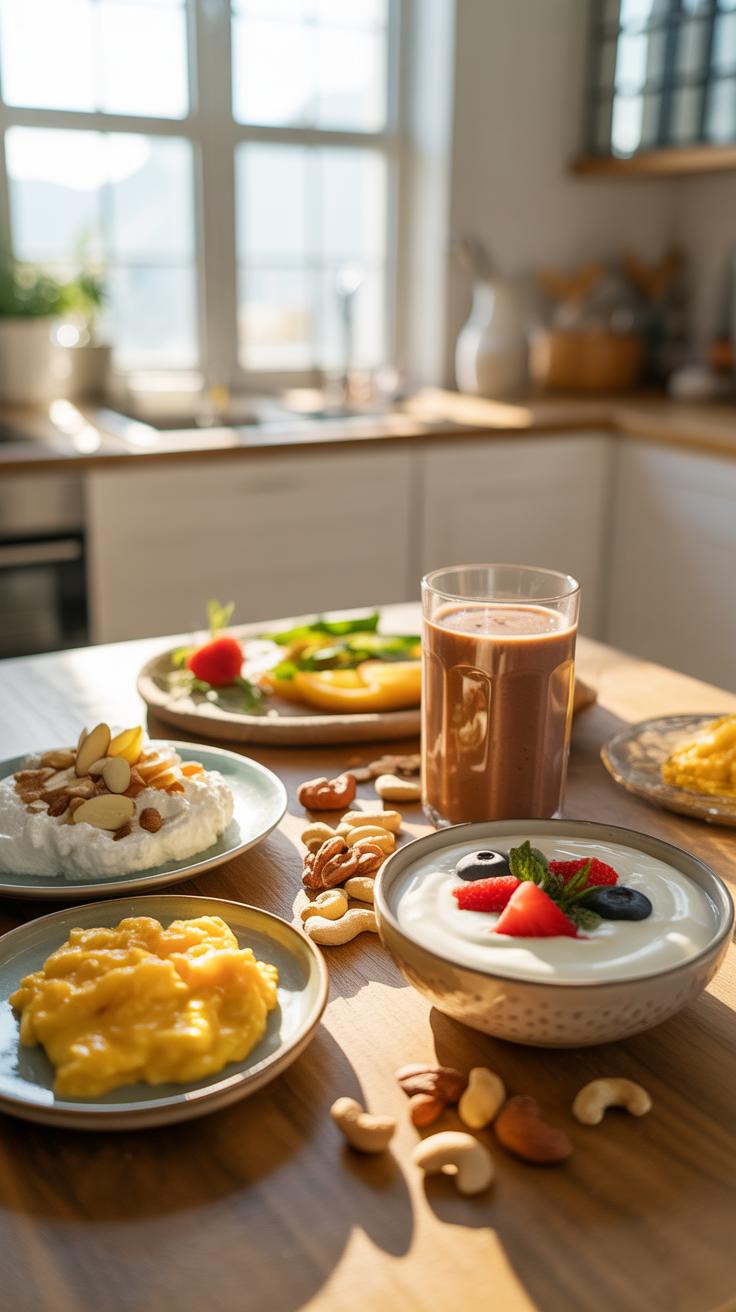
High Output Breakfast Combinations That Push Protein Beyond 40 To 50 Grams
Hitting 50 grams of protein requires stacking high-density sources without bloating the volume. Mix one cup of liquid egg whites with two whole eggs to create a base. Add four ounces of smoked salmon or lean turkey breakfast sausage. This combination provides a massive amino acid profile in under eight minutes. Use high-protein wraps or sprouted grain toast to gain the final necessary grams.
Strategic supplementation bridges the gap when whole foods fall short. Stir one scoop of unflavored whey isolate into Greek yogurt or overnight oats. One cup of non-fat Greek yogurt paired with whey and hemp seeds reaches 50 grams easily. This method requires zero cooking time and relies on assembly. Focus on lean dairy and concentrated powders to keep the caloric load manageable while hitting these targets.
Who Actually Needs 50 Grams Of Protein At Breakfast And Why It Matters
Elite athletes and bodybuilders require this high dosage to trigger muscle protein synthesis after overnight fasting. Large individuals with high lean body mass need more grams per meal to maintain their physique. Consuming 50 grams at once maximizes the leucine threshold for these specific groups. It prevents muscle breakdown during intense morning training sessions. This target is a functional tool for metabolic demand.
Individuals practicing intermittent fasting or One Meal A Day protocols often use this strategy. They must condense their daily requirements into shorter windows. High protein intake at breakfast increases satiety and stabilizes blood glucose for the entire day. It reduces the urge to snack on low-quality carbohydrates later. Use this aggressive target if your total daily protein goal exceeds 180 grams.
Frequently Asked Questions

Why is aiming for 30 grams of protein at breakfast so important?
Starting your day with a 30g protein breakfast is a science-backed way to manage hunger and maintain steady energy levels. Consuming this specific amount of protein early on triggers satiety hormones, which helps prevent mid-morning energy crashes and mindless snacking. It also provides your muscles with the essential amino acids needed for repair and growth, making it an ideal goal for anyone looking to improve their metabolic health and overall daily productivity.
How can I reach the 30g protein mark in only 10 minutes?
Reaching your goal quickly is all about using high-protein shortcuts. To build a 30g protein breakfast in under 10 minutes, focus on rapid-cook bases like liquid egg whites, Greek yogurt, or cottage cheese. You can scramble eggs with smoked salmon, or stir a scoop of high-quality protein powder into an instant oatmeal bowl topped with hemp seeds. These quick combinations ensure you hit your nutritional targets without sacrificing precious time during a busy morning.
Is it expensive to eat a high-protein breakfast every morning?
Not at all! You can easily achieve a high-protein intake on a budget by focusing on affordable pantry staples. Lentils, canned tuna, large tubs of Greek yogurt, and eggs are incredibly cost-effective sources of nutrition. Buying protein sources in bulk and opting for seasonal frozen vegetables can further reduce costs. With a little planning, eating a nutrient-dense meal each morning is an accessible lifestyle choice that fits comfortably within most grocery budgets.