
Introduction
If you want to lose weight safely, a 1200 calorie diet meal plan can be a good starting point. It helps you eat fewer calories than you burn, which encourages your body to use stored fat for energy. A well-planned 1200 calorie diet can deliver results without requiring extreme cuts or unsafe starvation.
This article explains how to build meal plans with 1200 calories that support healthy weight loss. It covers picking the right foods, keeping your meals balanced, and practical tips to make the diet easier to follow. By learning the essentials, you can create a meal plan that fits your lifestyle and keeps you feeling nourished and satisfied.
How to Build a 1200 Calorie Meal Plan

Creating a 1200 calorie meal plan starts with knowing what you’re aiming for—and not just the number itself. First, you need to be aware of your daily calorie needs. This varies depending on factors like age, activity level, and metabolism. While 1200 calories is a common target for many aiming to lose weight, it’s not a one-size-fits-all. Think of it as a general starting point rather than a strict rule.
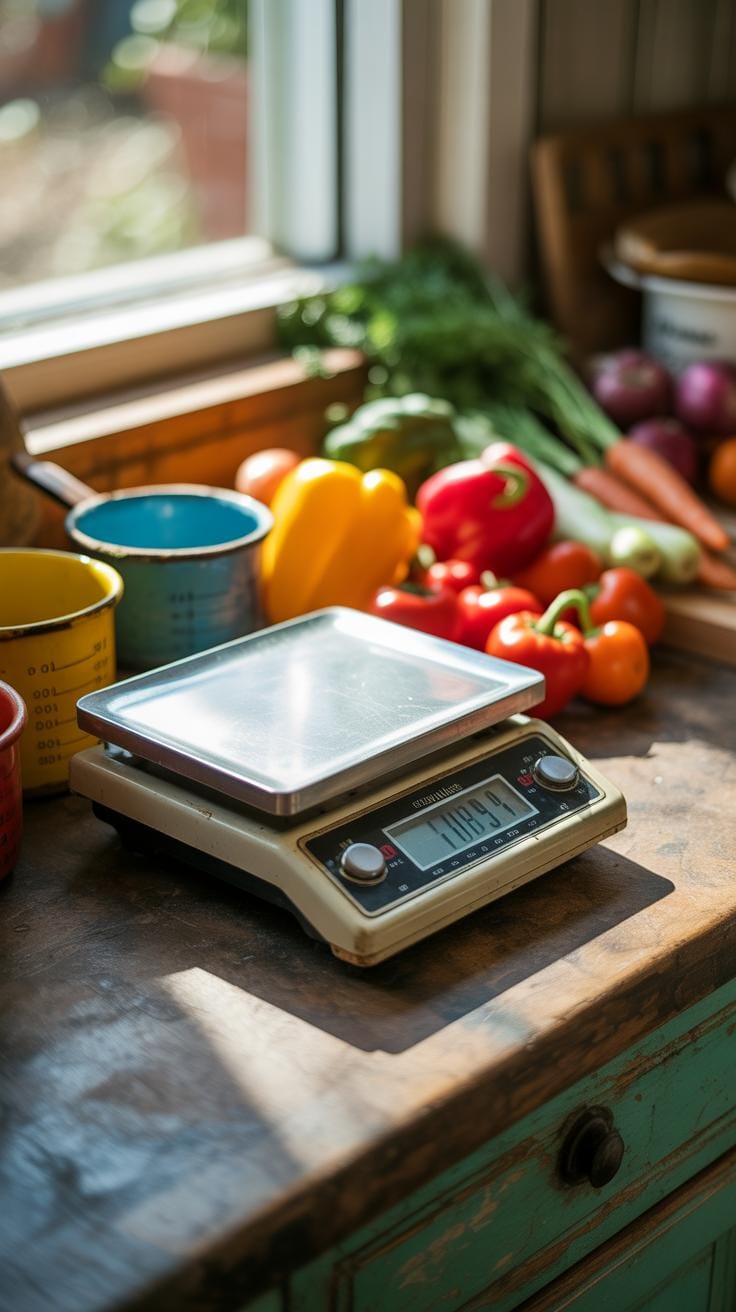
Next, calorie counting becomes your best tool. Tracking every meal helps keep you honest—sometimes you realize that a small overlooked snack can throw off your total. Portion control plays a big role here. Using measuring cups or a kitchen scale, at least initially, helps avoid guessing, which can lead to underestimating calories.
Meal timing also matters. You don’t have to eat exact hours, but spacing food evenly through the day can prevent energy crashes. Some might prefer three meals; others may add snacks. The key is keeping calories distributed so blood sugar stays stable.
To break down 1200 calories, you might try a plan like this:
- Breakfast: 300 calories
- Lunch: 350 calories
- Dinner: 400 calories
- Snack: 150 calories
You could shift this based on when you feel hungriest. For example, if mornings aren’t your thing, a lighter breakfast and bigger dinner can work. The goal is balance—enough to fuel your day without feeling starved or overwhelmed.
Picking Foods for 1200 Calories
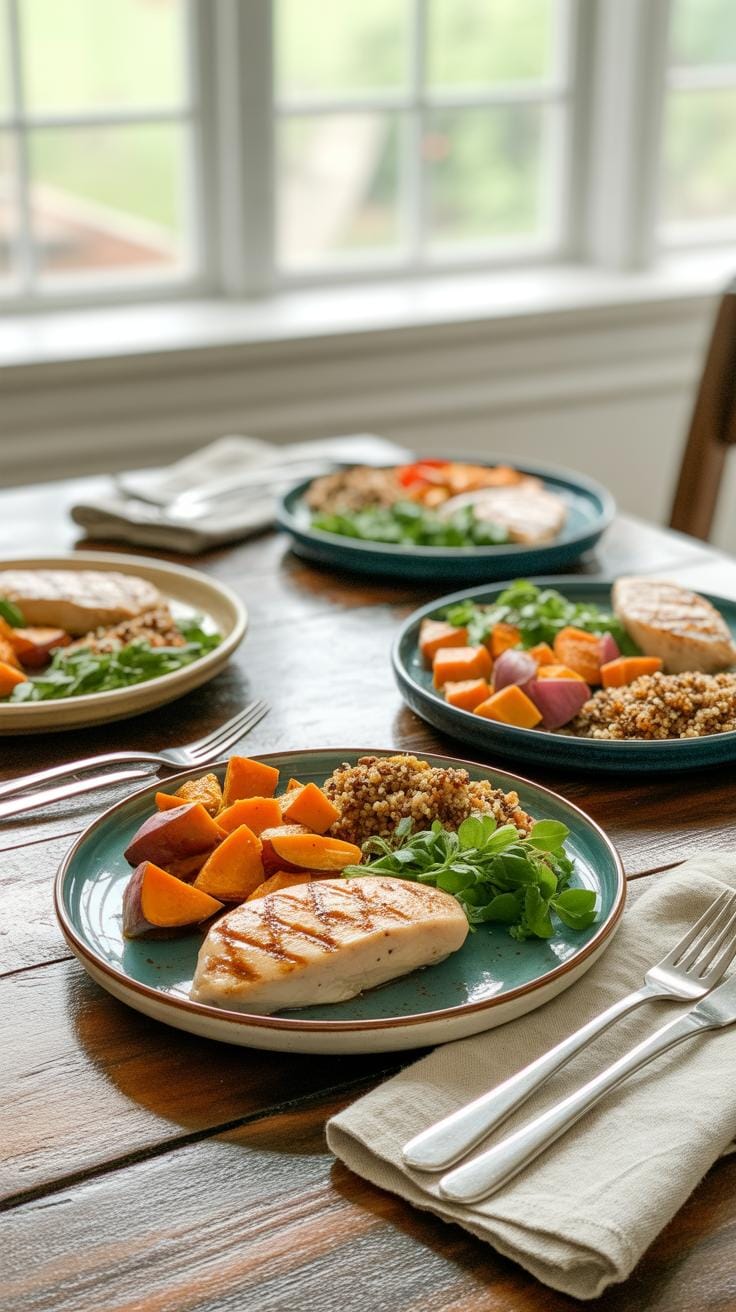
When you’re working with a 1200 calorie budget, every bite counts. Choosing foods that provide more nutrients without packing on the calories is key. Think lean proteins like chicken breast or tofu, and vegetables such as spinach or broccoli. These options deliver vitamins and minerals without pushing your calorie count too high. It’s a bit like careful budgeting, but with your meals.
It’s easy to get stuck on low-calorie foods that don’t really satisfy. So instead, focus on those that carry a punch of nutrition for fewer calories. For example, white fish like cod or sole is low in calories but provides quality protein. And veggies like zucchini or cauliflower add bulk and fiber but hardly add calories.
Sometimes I find myself reaching for nuts or seeds to add flavor, but they can sneakily add hundreds of calories fast. So measure carefully or opt for smaller portions. Remember, you want to fill up without empty calories.
Including Protein and Fiber Rich Foods
Protein and fiber seem to have a kind of magic when it comes to feeling full. Protein rebuilds muscles and keeps hunger at bay longer, while fiber slows digestion, so your stomach feels satisfied. Both help avoid that all-too-common 10 AM snack craving.
In a 1200 calorie plan, protein might make up roughly a third of your total intake. That could be a cup of Greek yogurt, an egg, or a palm-sized portion of lean meat. Fiber comes from beans, lentils, oats, and, of course, many vegetables.
Imagine a salad with grilled chicken, mixed greens, and beans. The combination supplies protein and fiber while keeping calories manageable. It’s not just about packing food but packing in the right type of food that keeps you steady through the day.
Choosing Fruits, Vegetables and Whole Grains
Fruits, vegetables, and whole grains add more than color to your plate—they provide essential vitamins and minerals that your body needs, all with relatively low calorie cost. But fitting them in under 1200 calories can feel tricky.
Fresh or frozen veggies like carrots, peppers, or kale can be large in volume but light in calories. Fruits such as berries or an apple add natural sweetness plus antioxidants. Whole grains like quinoa or brown rice give energy and fiber, but watch portion sizes to avoid calorie overload.
I often find that mixing different textures helps—think roasted vegetables with a sprinkle of seeds plus a side of whole grain bread. It’s more interesting, and you get a range of nutrients without wondering if you’re missing something important.
1200 Calories vs Other Diet Plans
Comparing Weight Loss Results
The 1200 calorie diet often leads to steady weight loss, mainly because it’s a clear-cut limit on daily intake. You might lose around 1 to 2 pounds per week, depending on your starting point and activity level. On the other hand, low-carb diets can trigger faster initial losses, mostly because of water weight. But that pace usually slows down over time. Intermittent fasting tends to produce varied results—some people find it effective, while others struggle to see consistent progress.
The main difference is how each method regulates your body’s energy use. The 1200 calorie diet reduces overall calories consistently, making the math simple. Low-carb and intermittent fasting change hormonal responses and metabolism but require you to stick to more complex patterns. So, if you want predictability, 1200 might feel more straightforward. Yet, others might find the variability with low-carb or fasting more sustainable over longer periods.
Ease of Following the Diet
Following a 1200 calorie diet feels strict because every bite counts. You must measure portions, track calories, and think about every meal. This can be overwhelming at first, especially if you’re used to eating freely. But it’s also simple in its rules—just hit that daily target, no complex timing or food group eliminations. Some people find this clarity helpful, though others get frustrated by the constant tracking.
Low-carb diets sometimes feel less rigid since you focus on reducing certain foods rather than counting calories all day. Yet, it demands learning new cooking habits and avoiding sneakily carb-heavy items. Intermittent fasting throws timing into the mix—maybe easier for people who don’t mind skipping meals, harder for those who thrive on routine eating. So, in many ways, the 1200 calorie diet is strict but predictable, compared to the more flexible but sometimes confusing alternatives.
Creating Meal Examples Under 1200 Calories
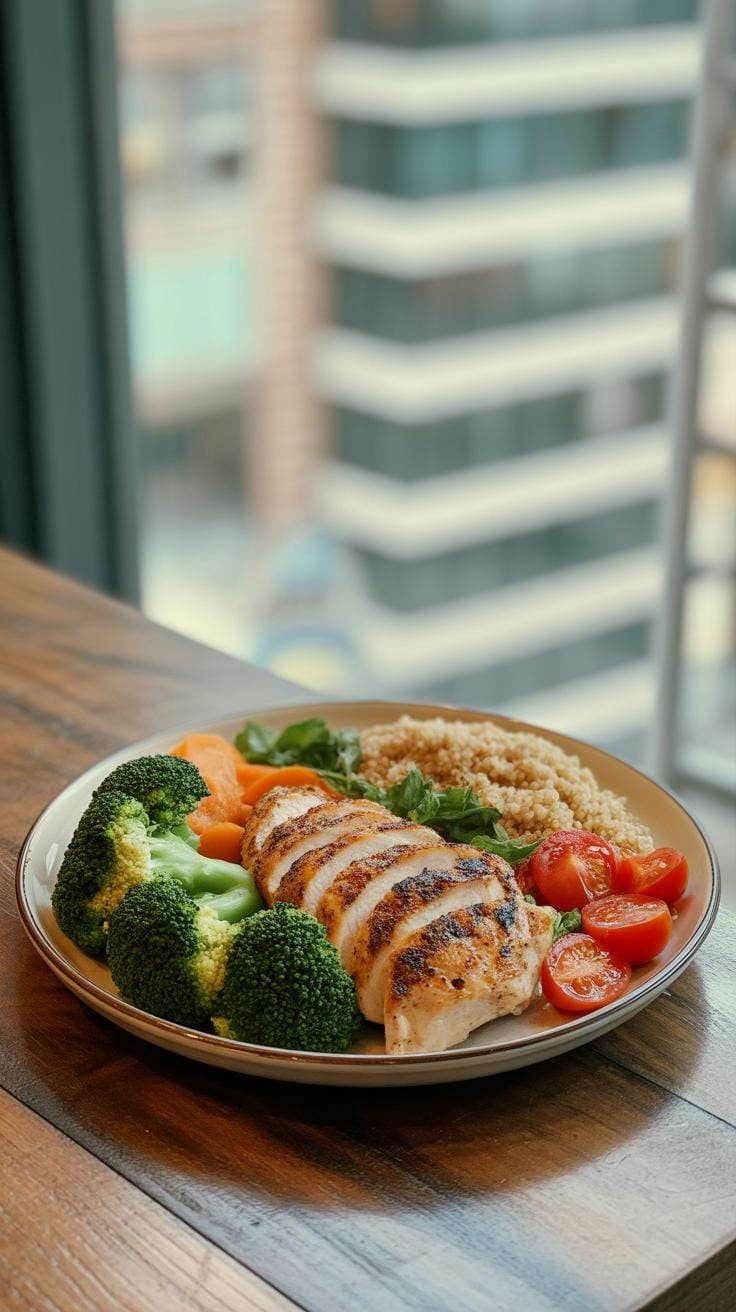
Planning meals under 1200 calories takes a bit of creativity, but it’s doable. You want to keep meals satisfying but still within the calorie limits. It’s a balance that isn’t always straightforward, especially if you’re used to bigger portions or richer foods.
For breakfast, think about a small veggie omelet with two eggs and some spinach—roughly 250 calories. Pair it with half a slice of whole-grain toast (about 60 calories). This gives you protein and fiber to start the day, even if it doesn’t feel like a feast.
Lunch could be a grilled chicken salad with a handful of mixed greens, cherry tomatoes, a quarter of an avocado, and a light olive oil drizzle. Total calories? Around 350. It’s simple, fresh, and surprisingly filling, though some might find it light.
Dinner might include a baked salmon fillet, steamed broccoli, and a small sweet potato. Together, about 500 calories. It’s nutrient dense, and you can tweak portion sizes to hit that calorie mark.
Snacks are tricky. A crisp apple with a tablespoon of peanut butter hovers around 150 calories, or maybe a low-fat yogurt cup with a sprinkle of chia seeds. These help curb hunger between meals without pushing your calorie budget.
Big question—can you stick to these meal ideas every day? Maybe not perfectly, but they offer a solid frame to build from. Experiment a bit. Swap ingredients. Meals don’t have to be dull just to stay under 1200 calories.
Common Pitfalls in Low Calorie Diets
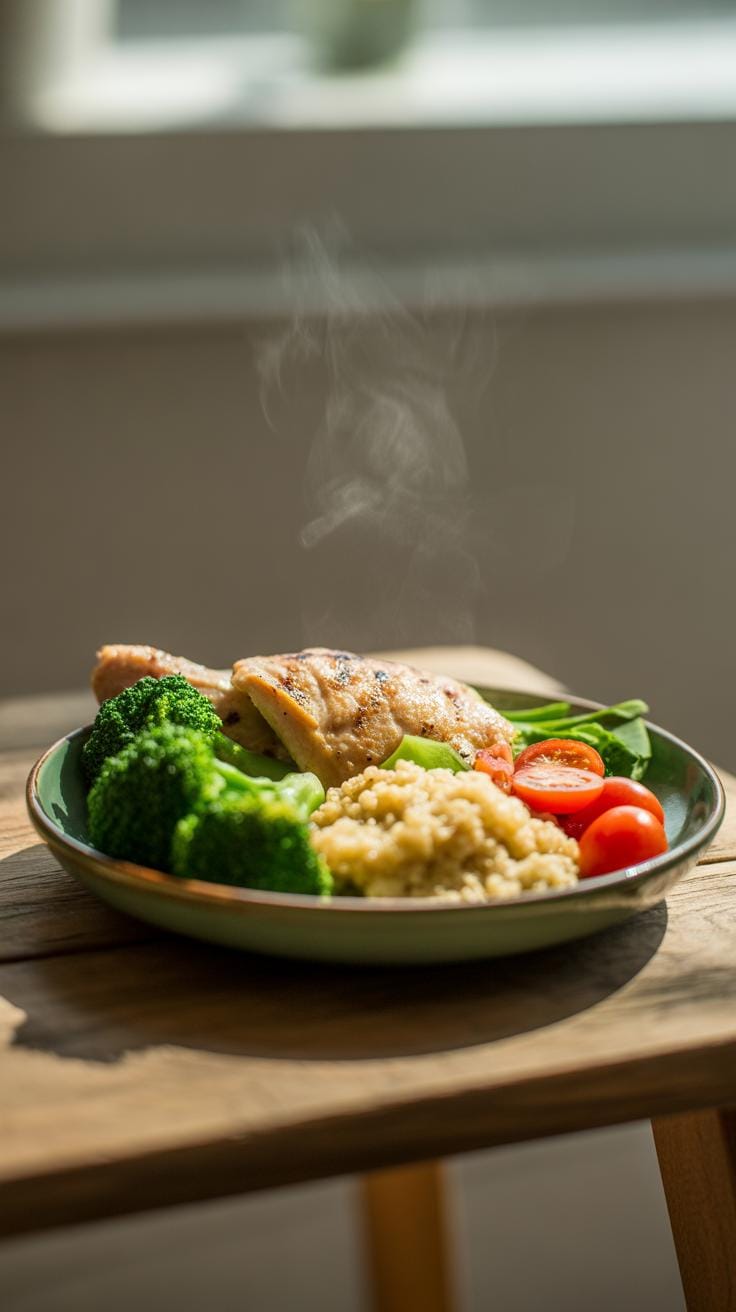
Following a 1200 calorie diet can feel like walking a tightrope. The promise of weight loss is tempting, but the path is full of traps. One of the biggest challenges people encounter is unrelenting hunger or sudden cravings that seem to pop up out of nowhere. It’s as if your body keeps reminding you it’s missing something, making it tough to stick with the plan for long.
Avoiding Hunger and Cravings
You might think cutting calories means constant hunger—but that doesn’t have to be the case. Eating some foods that fill you up more can really help.
- Focus on high-fiber vegetables—they take longer to digest and keep your stomach satisfied.
- Include lean proteins like chicken, fish, or tofu; these slow digestion and help curb hunger.
- Don’t ditch healthy fats; small amounts of avocado or nuts can reduce cravings surprisingly well.
- Drink plenty of water; sometimes thirst masquerades as hunger.
- Spread your calories across several small meals instead of a few big ones to avoid energy crashes.
While these tips work for many, your experience might vary. Some days, cravings might hit harder despite your best efforts—it’s okay. Think of these moments as a signal to pause and reassess what your body needs.
Preventing Nutrient Deficiencies
Cutting calories means cutting everything, not just the extras. That’s where potential nutrient gaps start creeping in. Certain vitamins and minerals get overlooked when you reduce food intake, but your body still needs them to keep running smoothly.
- Include a rainbow of vegetables and fruits to cover broad nutrient bases—don’t rely on just one or two favorites.
- Pick whole grains over refined ones for added fiber, B vitamins, and minerals.
- Lean proteins supply essential amino acids; consider mixing plant and animal sources.
- Think about a daily multivitamin, especially if you’re not confident your meals hit all nutrient marks.
Something else to consider: each person’s nutrient needs can shift based on age, activity, or health conditions. You might need to tweak your plan as you go, which is completely normal. The key lies in paying attention to your body’s signals—fatigue or unusual symptoms might mean you’re missing something important.
Tracking Your Progress and Adjustments
Keeping an eye on your weight loss journey is more than just stepping on the scale. It’s about noticing patterns, spotting stalls, and figuring out what tweaks might help. Weight can fluctuate for reasons beyond food intake—stress, hydration, even sleep. So, rather than obsessing over daily numbers, look at trends over weeks.
Food journals and apps can offer real insight here. Writing down what you eat, when, and even how you feel afterwards helps you catch hidden snacking or nutrient gaps. Apps like MyFitnessPal or Lose It! break down calories, carbs, protein, and fats, making it easier to stay within your 1200-calorie goal.
If you notice your weight plateaus for a couple of weeks and you’ve been consistent, it might be time to reconsider your calorie intake. Maybe your metabolism is adjusting, or your activity has dropped without realizing it. Slight changes, like reducing 50-100 calories or adding more movement, often reignite progress.
But beware—dropping calories too fast can backfire. Feeling constantly tired or overly hungry signals that your body might need a reassessment. Sometimes adding a bit more healthy food instead of cutting can be the key for steady, lasting loss. Are you paying attention to how your body reacts, or just numbers on a page?
Meal Prep Techniques for Success
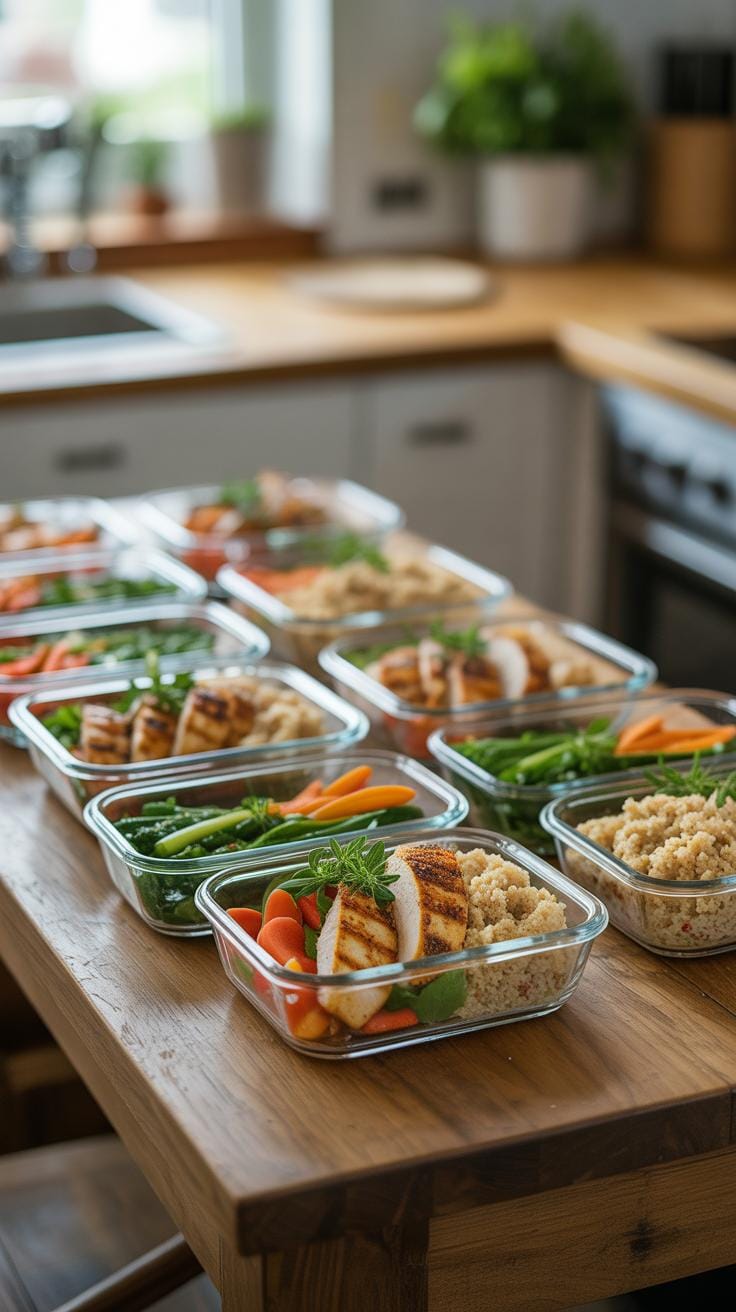
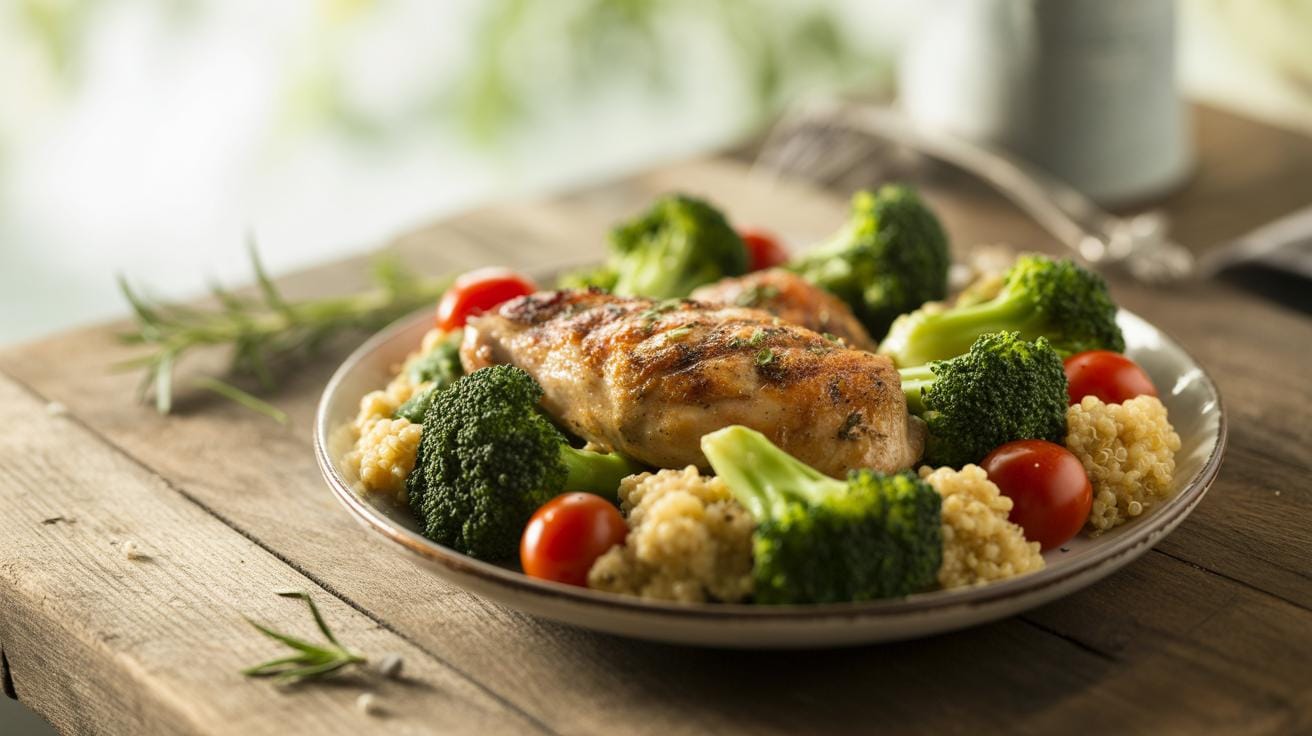
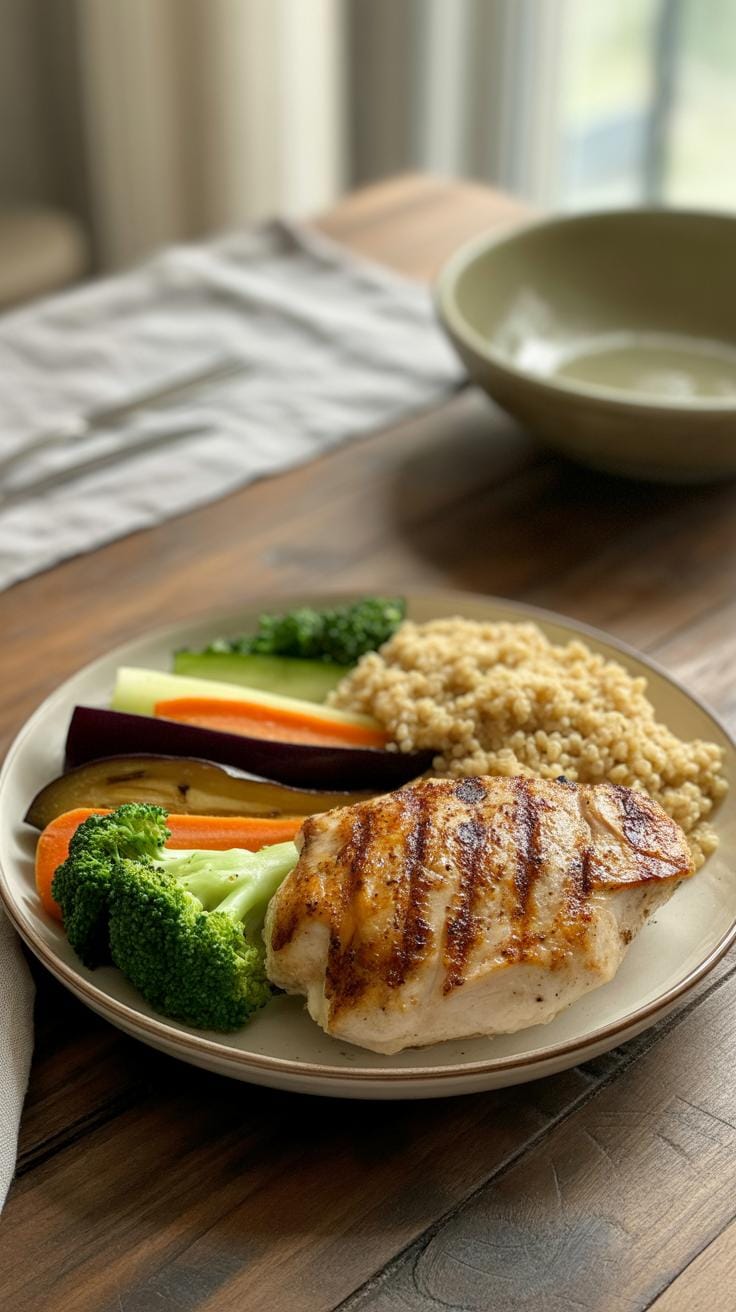
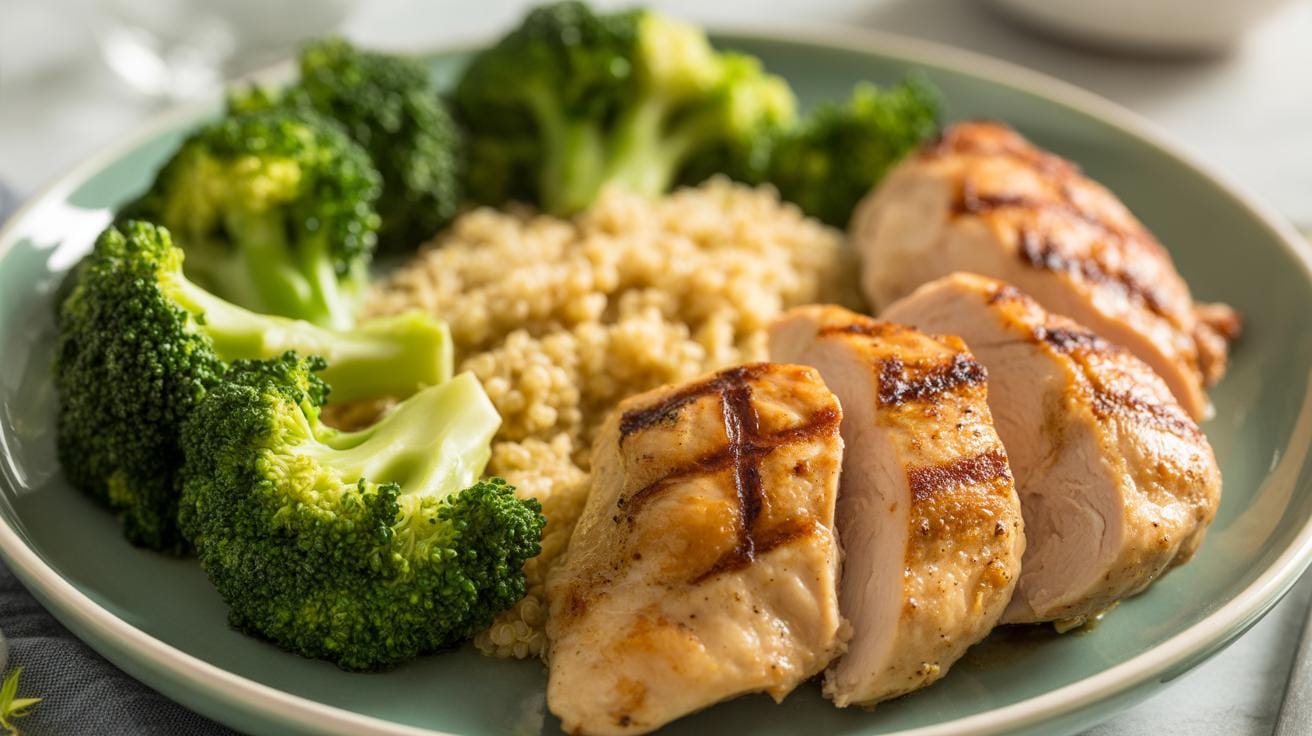
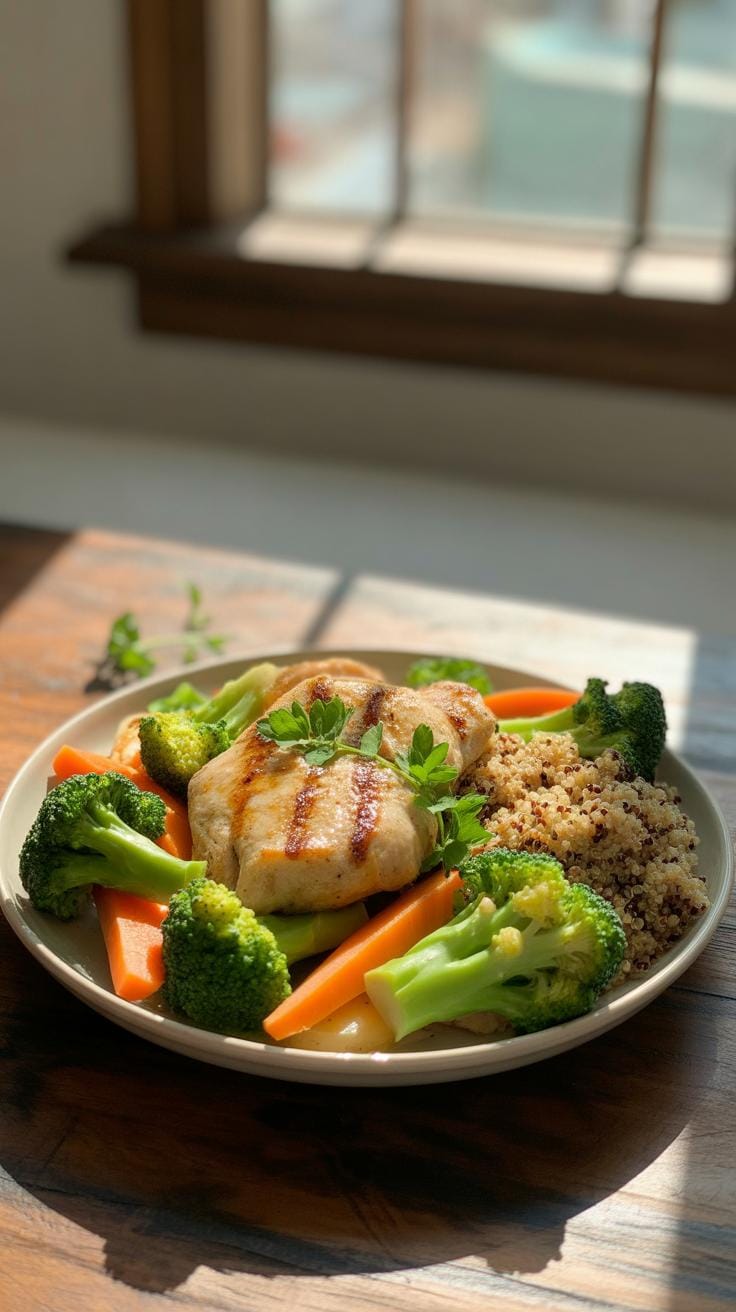
Planning and prepping your meals in advance can make sticking to a 1200 calorie diet feel less like a chore and more manageable. One of the better ways to keep things on track is batch cooking. When you cook multiple servings at once, you save yourself from daily kitchen marathons. Plus, it gets easier to control portions without second-guessing. For example, making a large pot of vegetable stew or grilled chicken with quinoa can be split into several meals that fit your calorie target exactly.
Portioning right after cooking is just as key. It stops you from overeating when hunger kicks in, and helps keep a clear head about calorie counts. Using food scales or measuring cups can feel tedious at first, but over time, it becomes second nature—and surprisingly freeing.
Storing those prepped meals properly matters too. Keep cooked foods in airtight containers to hold freshness and prevent waste. Label containers with dates if you want to make sure nothing lingers too long. And don’t overlook rearranging your fridge or freezer; having grab-and-go meals at eye level makes it less tempting to stray from your plan on busy days.
Have you ever noticed how a little extra prep can totally change your day? Even if it sometimes feels like extra effort up front, the payoff comes in easier decisions later—more time, less stress, and better control over what you eat. Maybe that’s why meal prep sticks with so many who try it.
Balancing Exercise with a 1200 Calorie Diet
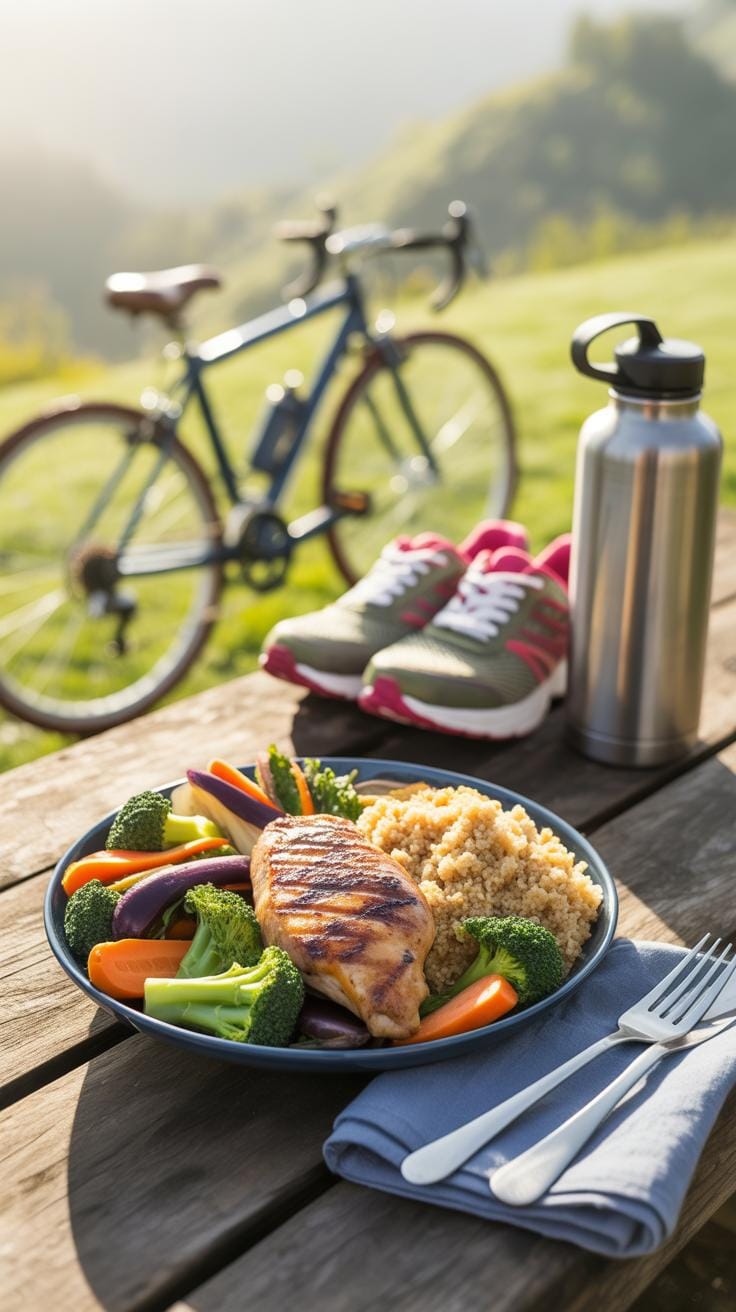
When you’re eating just 1200 calories a day, adding exercise needs careful thought. You want activity to help you lose fat and keep muscle, but too much can drain your energy fast. The trick is to choose the right types of exercise and not overdo it.
Low- to moderate-intensity workouts work best here. Think brisk walking, cycling, or even gentle yoga. These burn calories without demanding too much energy. You might be tempted to jump into intense cardio or long sessions, but that could leave you feeling wiped out or even stall your progress.
Strength training? Yes, but keep it lighter. Use bodyweight exercises or light weights to preserve muscle without requiring a huge calorie boost. Some days, shorter sessions are better—it’s not about burning every calorie you have but using your limited fuel wisely.
Signs like constant tiredness, irritability, or slower recovery are red flags. When that happens, it’s okay to slow down or skip a day. Remember, exercise on a low-calorie diet isn’t about pushing limits every day. It’s more about steady, sustainable movement that supports your goals without wearing you out.
Adjusting Plans for Long Term Weight Control
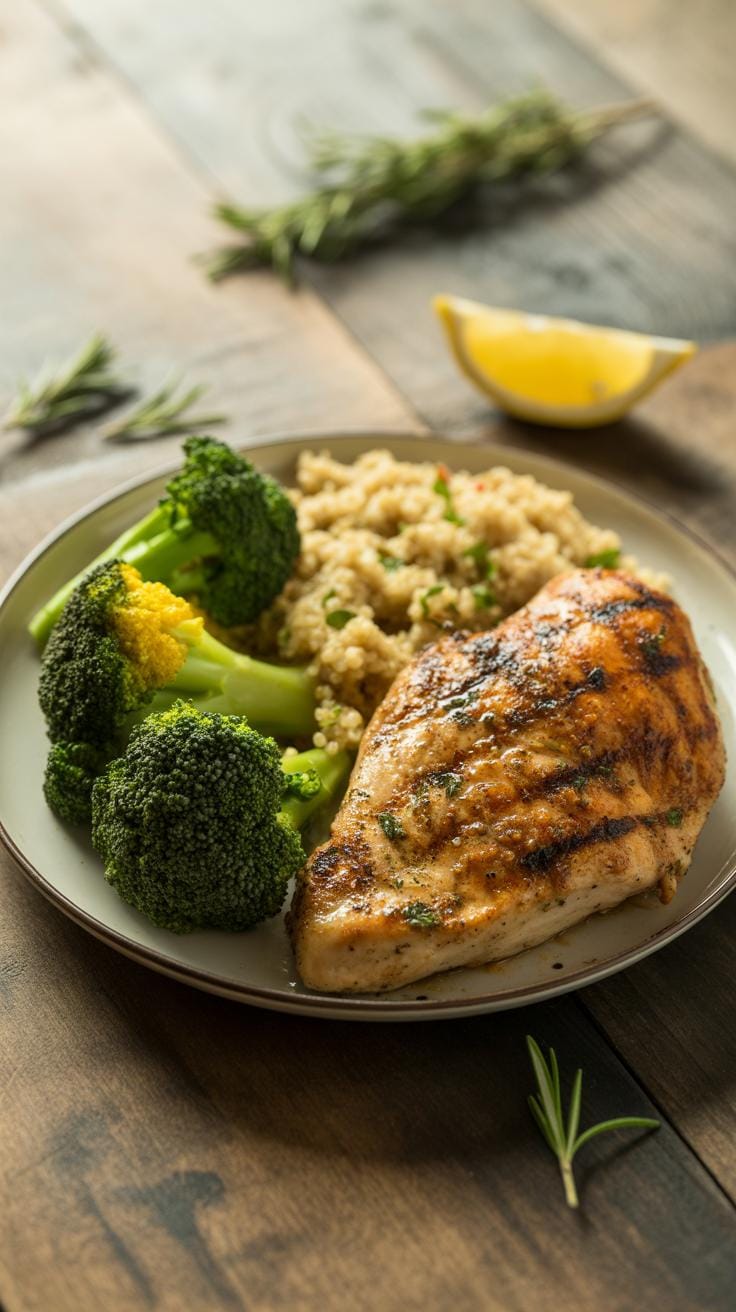
After you’ve reached your weight loss goals, the real challenge begins—keeping the weight off without feeling restricted all the time. A flexible eating plan can help you avoid the dreaded rebound. Think less about strict rules and more about balanced decisions that fit your lifestyle. This means allowing yourself some wiggle room, whether it’s an occasional treat or adjusting meal sizes based on how active you feel.
Gradually increasing your calorie intake is key here. Jumping from 1200 calories to, say, 1800 suddenly might feel good, but it risks packing fat back on just as fast. Instead, try adding 100 to 150 calories a week and watch how your body responds. Maybe you’ll notice your weight stabilizing or even dropping a bit as your metabolism catches up. You’ll want to monitor, adjust, and maybe hold steady for a while before moving on.
Creating habits that last is the final, and perhaps trickiest, part. Simple, consistent routines often matter more than perfect meals. For example:
- Eating around the same times daily to avoid extreme hunger
- Including protein and fiber to feel fuller longer
- Listening to hunger cues rather than eating out of boredom
- Keeping some favorite healthy snacks handy to avoid impulsive choices
- Finding enjoyable physical activities that don’t feel like a chore
These small steps can layer over time, creating a stable foundation instead of a tightrope. Weight control isn’t a straight line, and sometimes progress feels slow or stops. Yet, as you build these habits, the 1200 calorie diet won’t just be a phase; it becomes a stepping stone to a more sustainable way of living.
Conclusions
A 1200 calorie diet meal plan can lead to steady weight loss if you make smart food choices and keep your meals balanced. Choosing nutrient-rich foods ensures your body gets the vitamins, minerals, and energy it needs to function well during your weight loss journey.
Sticking to a meal plan with a calorie limit, prepared recipes, and variety can help you keep motivated and avoid feeling deprived. With these practical tips and knowledge, you can create an effective plan and reach your weight loss goals while staying healthy and energized.